Devon Andre -Dec 5,2024
Dec 5,2024

Advertisement
Advertisement
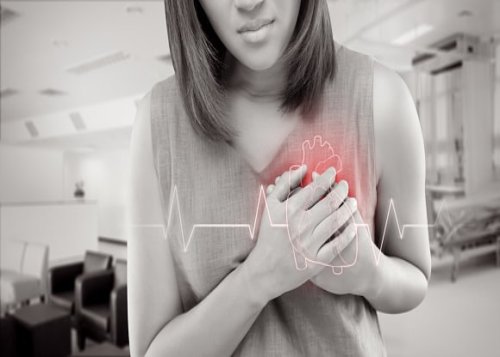
It is common for people to mistake panic attacks for heart attacks. Here we’ll take a look at the differences between the two. The fact is, panic attacks and heart attacks do have some similarities in terms of symptoms, including chest pain. But they otherwise are two distinct medical reactions. Before we look at the ...click here to read more
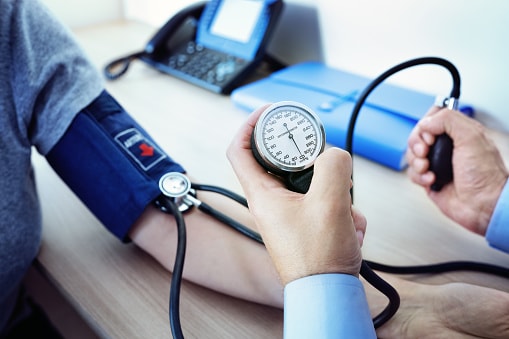
When it comes to treating high blood pressure — hypertension — there are many options available to you. You can go the natural route, which includes de-stressing, eating well, and exercising. You can go the medical route of popping a pill. Or you can combine aspects of both roads to get to your healthier destination. ...click here to read more

Proteinuria (abnormal proteins in the urine) is a common side effect of stroke, but there is little known about the connection between proteinuria and patients who also suffer from hypertension (high blood pressure) following a stroke. Previous studies have hypothesized a 50–92 percent increased risk of stroke with the presence of proteinuria in hypertension patients. ...click here to read more

With temperatures on the rise and the grass looking greener, it’s the perfect time of year to head outdoors. Not only to see spring in bloom but to protect your heart and mind. It is well documented that walking is a beneficial exercise when it comes to heart health and maintaining memory. Some studies have ...click here to read more

There are many different things you can do to reduce your risk of a heart attack, such as not smoking, exercising, eating well, losing weight, getting enough sleep, and managing underlying health conditions. But did you ever think to change your state of mind to improve your heart health? If you’re the type of person ...click here to read more
Advertisement

There are many factors that come into play when considering high cholesterol and blood pressure. For example, poor diet, lack of exercise, stress, being overweight, smoking, alcohol consumption, and family history. What you may not expect is that the type of job you do can contribute to high blood pressure and cholesterol too, particularly if ...click here to read more

A new study recently published in the Journal of Physiology suggests that stretching regularly can have health benefits in elderly patients. According to the research, although the benefits of regular stretching are widely known, the number of elderly people who participate in this wellness activity is far below what one would hope. Specifically, those with ...click here to read more

All things in moderation. This is the motto many of us live by, especially when it comes to eating. It may not be the most accurate reflection of the effects that junky or fatty foods can have on our overall health, however. In fact, a new study suggests that consuming a single high-fat meal can ...click here to read more

Gout is said to affect more than eight million patients in the United States alone. It is a complex form of arthritis that is the result of a build-up of uric acid crystals in the joints, resulting in severe pain, often in the big toe or other joints in the feet. The uric acid build-up ...click here to read more

While right-sided heart failure—which is also referred to as pulmonary heart disease and cor pulmonale—isn’t technically considered an illness or medical condition, it’s a process that occurs as a direct result of other potentially serious health conditions. More commonly, right-sided heart failure is directly related to left-sided heart failure. When the left ventricle in the ...click here to read more

Ulcerative colitis and Crohn’s disease are both medical conditions characterized by inflammation of the gastrointestinal tract. Inflammatory bowel disease (IBD) is the term used to refer to all the medical conditions under its umbrella, including ulcerative colitis and Crohn’s disease. It is estimated that nearly three million people suffer from IBD in the United States ...click here to read more
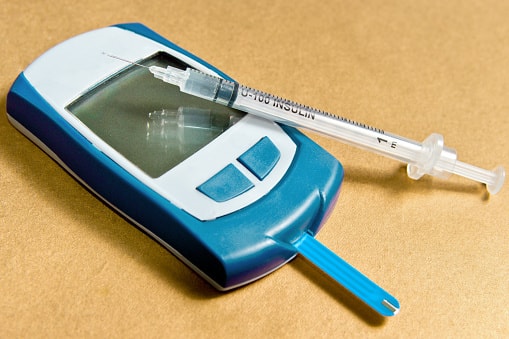
Inflammatory bowel disease (IBS) has recently been linked to the use of an anti-diabetic drug known as dipeptidyl peptidase-4 inhibitors in a new study released recently. According to the researchers, the increased risk of IBS associated with the drugs was relatively low and their research needs to be replicated before the results can be verified. ...click here to read more

How do you take your meat? Rare, medium-rare, or well-done? You may base your cooking on flavor, but maybe you should consider the impact of how you eat your meat on your blood pressure. The American Heart Association has suggested that cooking meat at high temperatures could pose a risk to your health. And this ...click here to read more
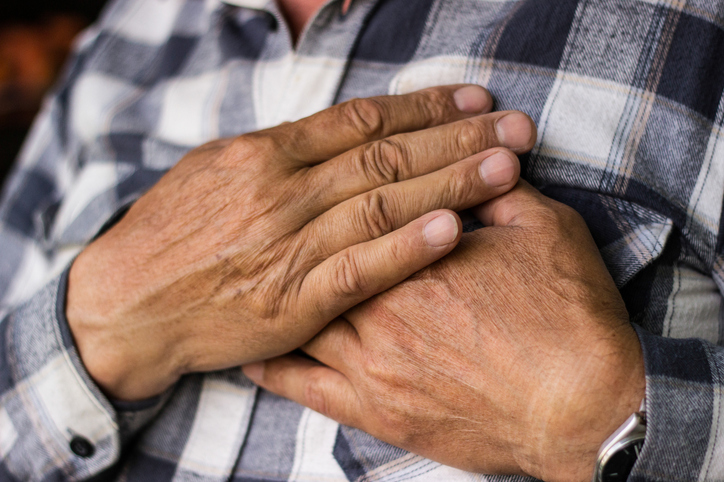
Stable angina is a type of angina, and angina is the reduction of blood flow to the heart. If your heart does not receive enough blood, that also means it does not receive enough oxygen. Angina often causes pain and can be triggered by emotional or physical stress. The most common form of angina, stable ...click here to read more
Five-Star Guarantee of Satisfaction