Devon Andre -Dec 5,2024
Dec 5,2024

Advertisement
Advertisement

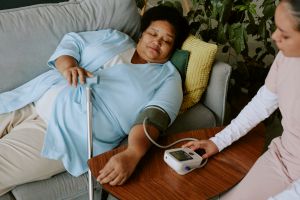
The heart is the most vulnerable organ in the body, so it comes as no surprise that heart disease still remains the number one cause of death in America. Even though cardiovascular events are, in many cases, preventable, the matters of the heart are among top health concerns worldwide, affecting not just the elderly, but ...click here to read more
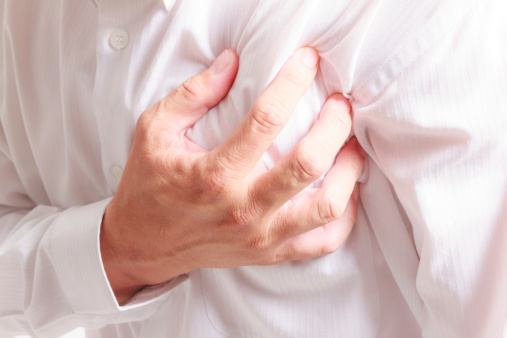
A newly published study in Circulation has shown that there are biological differences that may help predict the likelihood of recovery from advanced heart failure. While advanced heart failure was referred to as “end-stage” when there were not many treatment options, researchers have found that 15 to 20 percent of patients who undergo the implantation ...click here to read more
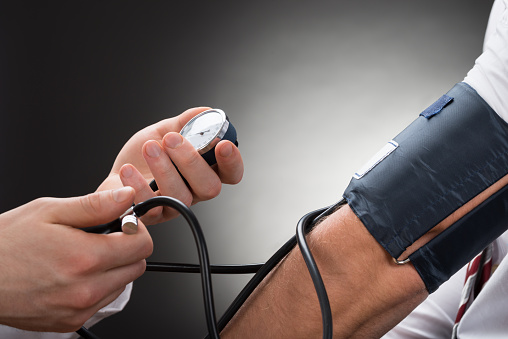
High blood pressure, or hypertension, is more common among Americans 21 years and older than previously thought, according to a new study led by Dr. Joseph Schwartz of Stony Brook University. The study centered on assessing the prevalence of masked hypertension—that is, hypertension that is not detected in a medical setting. Individuals with masked hypertension ...click here to read more

If you’re aiming for healthy cholesterol levels, you’re probably avoiding foods like eggs and butter. But research suggests those once banned foods are safe to eat again as they won’t harm your cholesterol numbers. As you hit the age of 40, you are told time and again about the horrors of cholesterol as it contributes ...click here to read more
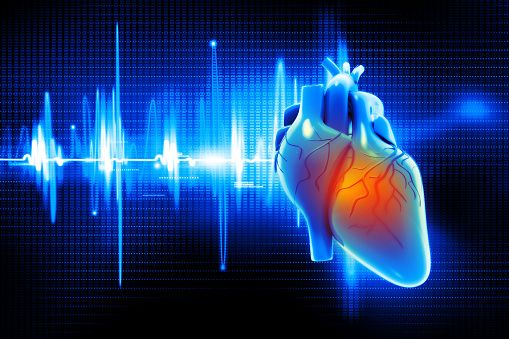
Scar tissue left behind after a heart attack has been found to maintain electrical connectivity, according to recent research conducted by Dalhousie Medical School. While heart scars were previously thought to only hinder proper cardiac function and disrupt a normal heartbeat, the findings of this new study have raised questions as to whether this scar ...click here to read more
Advertisement

A new study led by Dr. Maria Corrada of the University of California, Irvine, has found a relationship between the onset of high blood pressure (hypertension) later in life and a lower risk of dementia. The study kept up with 559 participants for just under three years, who were all 90 and older and 69 ...click here to read more

A recent study conducted by Purdue University is reporting that consuming red meat does not affect short-term cardiovascular disease risk factors like high blood pressure and high cholesterol. The study reviewed and analyzed 24 research articles meeting specific criteria that included the amount of red meat consumed by participants, cardiovascular disease risk factors, and the ...click here to read more

A recent study published in Frontiers in Aging Neuroscience has found that voluntary physical exercise has a positive effect on stroke recovery. Physical exercise is already known to play a role in delaying memory loss and improving cognitive ability in older individuals. The study was conducted by Dr. Evgenia Kalogeraki at Georg-August University, Germany, and ...click here to read more

Stroke survivors may be able to improve their walking recovery with the use of sensory devices that are currently being developed by researchers at Manchester Metropolitan University, in conjunction with technology firm Lucid Innovation. These devices will be worn by stroke survivors to aid in walking therapy by sensing stride patterns and symmetry. The devices ...click here to read more

Recovery after heart surgery improves with psychological support, according to a recent study published in BMC Medicine. Professor Winifred Rief of the University of Marburg, Germany, conducted the study utilizing the placebo effect. He offered different levels of psychological support to three different groups, all undergoing cardiac surgery. Patients were all addressed pre-surgery—one group was ...click here to read more

High stress activity in the brain may indicate a future risk of heart attack and stroke, according to new research. Ahmed Tawakol of Massachusetts General Hospital coauthored the recent study, which found that those with a higher level of activity in the stress center of the brain showed evidence of arterial inflammation—a leading cause of ...click here to read more
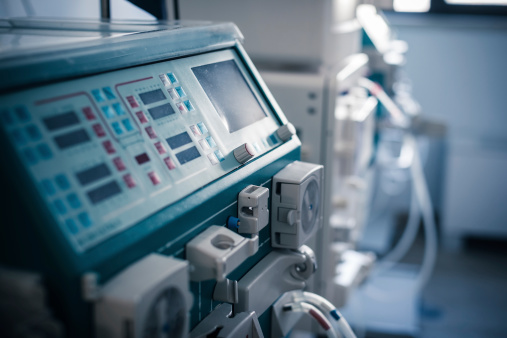
The prevalence of atrial fibrillation in dialysis patients is higher than previously thought, researchers say. The most common form of cardiac arrhythmia, atrial fibrillation (afib) is a major risk factor for strokes. Atrial fibrillation causes an irregular, sometimes faster heartbeat that prevents the heart from working efficiently and increases the risk of stroke. In an ...click here to read more
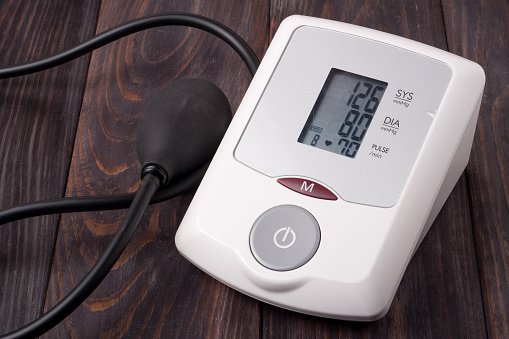
Elevated systolic blood pressure (SBP) rate is rising globally, along with associated deaths, according to research findings. The analysis involving 8.7 million participants found substantial increases in elevated systolic blood pressure between 1990 and 2015. Systolic blood pressure of at least 110 mm Hg has been associated with a number of cardiovascular and kidney disease ...click here to read more

Over 400,000 American women suffer from stroke every year. Some people may be surprised to hear that this number is about 55,000 more than men. Recent surveys suggest that a significant number of women don’t know the primary symptoms of stroke or the fact that stroke prevention is not “one-size-fits-all.” Medical advances over the last ...click here to read more
Five-Star Guarantee of Satisfaction