Devon Andre -Dec 9,2024
Dec 9,2024

Advertisement
Advertisement
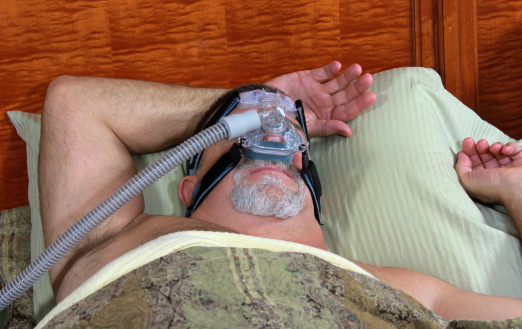
Obstructive sleep apnea (OSA) raises the risk of hypertension, and researchers have found that gut bacteria may be a possible link between the two. The researchers uncovered that a gut microbiome imbalance may lead to hypertension, based on the study where a high-fat diet was fed to rats with sleep apnea. Lead author Dr. David ...click here to read more

Did you know that how you cope with life stress and the general hubbub of modern society may increase your risk for insomnia? I’ve found myself snacking at night more often than usual, and not on the right foods. Even when you know better, you can slip up and compromise your sleep in the process. ...click here to read more

Multiple sclerosis fatigue can be successfully managed, according to research studies. Fatigue is a common complaint among multiple sclerosis (MS) patients and, unfortunately, it can negatively impact a person’s life. This is why it is so important to properly manage MS fatigue in order to improve quality of life and overall health. Dr. Sarah Thomas, ...click here to read more
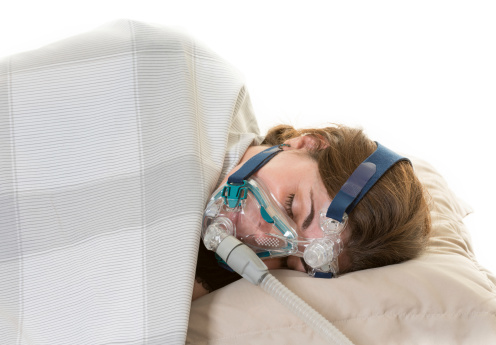
Sleep apnea in women may lead to a higher degree of brain damage compared to men. Although sleep apnea is most common in men, there are still numerous women who also have this sleep disorder that results in the stoppage of breathing numerous times a night. Sleep apnea has been linked to many health problems ...click here to read more

Parkinson’s disease risk is higher in men, but it may be reduced with flavonoid-rich foods, according to research. Parkinson’s disease is a progressive neurological disorder that leads to tremors and difficulty in movement. It’s believed to occur due to a loss in dopamine neurons found in the part of the brain that controls movement. Oxidative ...click here to read more
Advertisement

Air pollution and global climate change are subjects that make the daily headlines, especially since the recent Paris Climate Conference, but did you know that studies show air pollution raises dementia and stroke risk in seniors, as well as increases general cognitive decline in elderly women? A study published in the Journal of the American ...click here to read more

Memory has been found to be impaired by midnight snacks – which may also negatively affect learning and brain physiology. In a study conducted on mice, the researchers found that eating during typical sleeping hours changes the brain physiology. Furthermore, it causes a deficiency in the type of learning and memory controlled by the hippocampus. ...click here to read more

Dementia in seniors raises mortality risk from diabetes, heart disease, and smoking. Dementia is the progressive loss of cognitive function and memory, rapidly becoming a leading cause of death in the U.S. Heart disease and diabetes both affect blood vessels and circulation, and – along with dementia – share many common risk factors. A research ...click here to read more

Anxiety and depression after heart attack are more common in women than men. Professor Pranas Serpytis said, “The World Health Organization predicts that by 2020 depression will be the second leading cause of disability and mortality in the world, surpassed only by ischemic heart disease. Major depression follows MI [myocardial infarction] in approximately 18% of ...click here to read more

Alzheimer’s disease and stroke rehabilitation patients may benefit from music therapy. Research has found that the hippocampus, the brain region mainly responsible for long-lasting memories, responds to music. Study lead Iballa Burunat said, “Our study basically shows an increase of activity in the medial temporal lobe areas—best known for being essential for long-term memory—when musical ...click here to read more

If you suffer from heartburn, you probably take a class of medications known as proton pump inhibitors (PPIs). This class of drugs works to relieve heartburn by reducing the amount of acid in the stomach. Heartburn feels like a burning sensation in the chest, behind the breast bone. This sensation can become worse when you ...click here to read more

Sleep issues are common with seniors, and research suggests that not only does aging lead to sleep disruptions in seniors, but Alzheimer’s disease does, too. Lack of sleep can become so overwhelming you might find that you can’t participate in normal activities. Safety becomes an issue – you may be dizzy, light-headed, or find yourself ...click here to read more

Dementia risk in celiac disease patients does not increase before or after diagnosis. Director of the Celiac Disease Center Peter Green said, “Patients coming to our center have long described ‘brain fog,’ and it appears that gluten can cause cognitive effects in some individuals with and without celiac disease. However, we didn’t know if these ...click here to read more

Eating disorders and depression incidence is found to be higher in athletes. On average, athletes are three times more likely to develop an eating disorder. Additionally, much evidence has supported a strong association between depressions and eating disorders. Although it may seem that being exceptionally fit and talented would ward off eating disorders and depression, ...click here to read more
Five-Star Guarantee of Satisfaction