Devon Andre -Dec 9,2024
Dec 9,2024

Advertisement
Advertisement
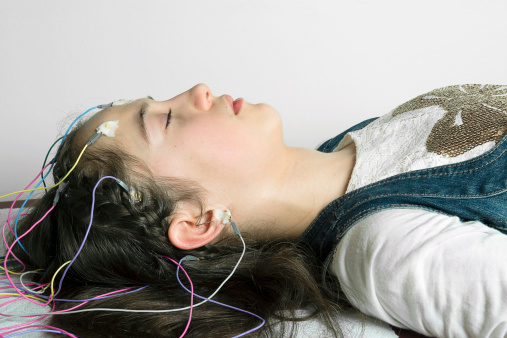
Epilepsy affects nearly 30 percent of autism spectrum disorder (ASD) patients. On the other hand, many patients with epilepsy display ASD-like behavior. Studies have shown that epileptic seizures impair the neural pathways required for socialization, but the details of this process are unknown. Four studies have investigated the in-depth relationship between epilepsy and ASD, revealing ...click here to read more
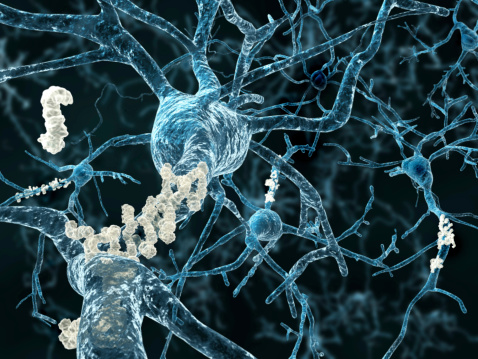
Alzheimer’s disease “ground zero” brain region – the locus coeruleus – has been identified. The locus coeruleus has been found to play an important role in maintaining cognitive function later on in life. It is a small, bluish part of the brainstem that releases a neurotransmitter responsible for heart rate, attention, memory, and cognition. Researchers ...click here to read more

If tossing and turning is part of your nighttime routine and waking up tired is your reality, we have a simple solution for your sleep troubles. But before we reveal a quick and easy tip to get you making more “zzz’s” and less yawns, let’s talk a little bit about sleep. Sleep is an integral ...click here to read more

Untreated obstructive sleep apnea raises the risk of high blood pressure that is resistant to medication. The study involved patients with cardiovascular risk factors or established heart disease and moderate or severe obstructive sleep apnea. The participants were prescribed one of three medications to treat hypertension, including a diuretic. The researchers found that resistant elevated ...click here to read more

Early menopause can increase brain (cerebral) aneurysm risk. A cerebral aneurysm is an abnormal bulging of one of the arteries in the brain. It is mainly discovered by the time it ruptures, which can lead to a possible fatal bleed. Changes in the female hormone estrogen have been shown to play a role in cerebral ...click here to read more
Advertisement
In schizophrenia patients, mortality risk from heart attack increases with obesity and smoking. Death by heart attack is higher in schizophrenia patients, compared to the general population. The average lifespan in schizophrenia patients is 20 years shorter than in the general population, too. Factors that contribute to this shortened lifespan are smoking, diabetes, and metabolic ...click here to read more

In frontotemporal dementia (FTD), abnormal eating is influenced by neural networks. An increase in appetite (hyperphagia) is commonly seen in frontotemporal dementia patients, and researchers have found that that disassociated neural networks are responsible for this change in eating habits. Atrophy in the cingulate cortices, thalami, and cerebellum was observed on MRI in patients with ...click here to read more

Up until now, causes of Alzheimer’s have only been speculated. Current ideas surround genetic, environmental and lifestyle factors. One thing is for certain, though, Alzheimer’s disease has a huge impact on the brain – killing brain cells which leads to memory loss and impaired ability to function. As scientific research into Alzheimer’s continues, we may ...click here to read more

A sunny outlook on life doesn’t just brighten your day in the present – it could also help protect your brain from dementia in the future. Dementia is a decline in mental ability that is severe enough to affect one’s daily life. The most common form of dementia is Alzheimer’s disease, which affects more than ...click here to read more
Obstructive sleep apnea is linked to kidney disease in type 2 diabetes patients. Type 2 diabetes is a risk factor for chronic kidney disease on its own, and sleep apnea is also seen as a common problem in type 2 diabetes patients. The investigators wanted to uncover if sleep apnea played a role in kidney ...click here to read more

A new study has found that fat-based diets may help combat Alzheimer’s disease in mice models. There is currently no cure for Alzheimer’s, and although there are treatments to ease symptoms, not much is available to slow down the progression of the condition. More research still needs to be conducted in order to help combat ...click here to read more

Parkinson’s disease has been linked to sleep disorders and sleep disturbances. Parkinson’s disease is characterized by the loss of brain cells that control movement. Symptoms of Parkinson’s disease can include tremors, stiffness, slowness of movements, as well as balance and coordination problems. Memory problems, depression, and sleep problems can all occur in Parkinson’s disease, too. Sleep ...click here to read more
Patients with post traumatic stress disorder (PTSD) and sleep apnea have been found to have poor quality of life, more sleepiness, and less adherence to sleep apnea treatments. The study performed 200 sleep studies on military medical patients with PTSD and found that nearly half of them also had sleep apnea. These patients were compared ...click here to read more

Poor rapid eye movement (REM) sleep – a sleep phase – is tied to higher levels of anxiety and stress, according to a new study. REM sleep is the part of our sleep where dreams are made, and previous studies have also shown a link between poor REM sleep and insomnia. Further to the previous ...click here to read more
Five-Star Guarantee of Satisfaction