
Health News

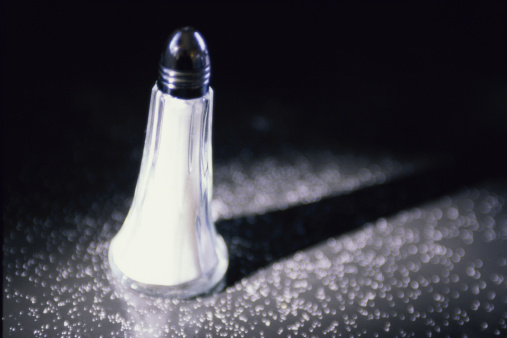
Salt intake may increase risk of multiple sclerosis

New research from the University of Vermont suggests that in mice models, salt intake may increase the risk of developing multiple sclerosis (MS). With the use of three genetically different groups of mice, researchers conducted their study. The mice were fed either a high salt diet or a control diet and researchers induced a disease ...click here to read more

Viruses thrive among big families: Study

The more children you have, the longer viruses will stick around, says the appropriately termed BIG LoVE (Better Identification of Germs – Longitudinal Viral Epidemiology) study out of Utah. The University of Utah researchers found that people who lived with no children got cold or flu bugs an average of three to four times a ...click here to read more

Rare brain infection linked to MS drug: FDA

The Food and Drug Administration (FDA) has issued a warning to people taking the immunomodulator drug, Gilenya, for the treatment of multiple sclerosis (MS). The warning follows two cases of progressive multifocal leukoencephalopathy (PML) being reported in patients taking Gilenya. PML is a rare and serious brain infection caused by a virus. The John Cunningham ...click here to read more

Liver’s stem cell source identified

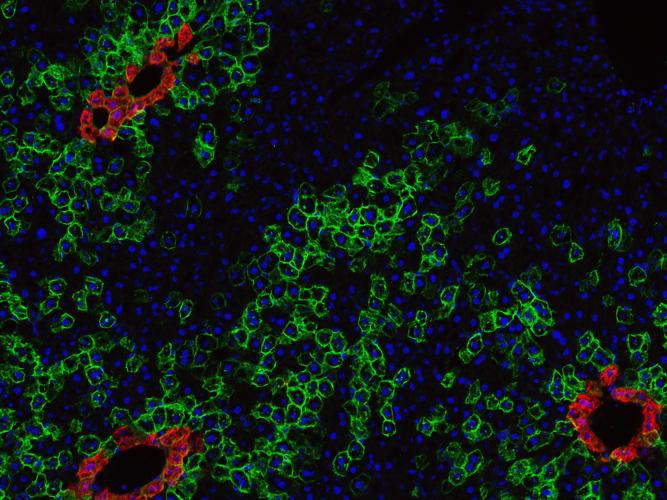
Scientists have found the origin of new cells in the liver. After years of painstaking research, scientists at the Howard Hughes Medical Institute (HHMI) have identified stem cells in the liver that give rise to functional liver cells. Cells in the liver must constantly be replenished as cells die off, even in a healthy organ. ...click here to read more

Cancer risk not associated with yo-yo diets

Losing weight usually starts with a diet. The problem is people struggle to keep the weight they’ve lost off. When they gain it back, they try another diet. The cycle repeats. This is often referred to as yo-yo dieting, since the weight fluctuates up and down. Researchers from the American Cancer society have uncovered that ...click here to read more

Insomnia pill dosage could be cut in half: Study

New findings on insomnia pills question the standard prescribing dosages currently in practice. According to a new study done by researchers from the Perelman School of Medicine at the University of Pennsylvania, people who depend on prescription sleeping pills to treat chronic insomnia may get relief from as little as half the drugs they are ...click here to read more

Global vaccine fund proposed

Physicians at Princeton University are urging a global fund to manage the costs of developing new vaccines and defusing crises that arise every time there is a new epidemic. The writers said the recent Ebola epidemic is a case in point. In spite of the fact that Ebola is a preventable disease, an effective vaccine ...click here to read more

Overactive gene receptor found in depressed women

Continuous research is being conducted on the cause of depression. To date, there is an understanding that genes, hormones and neurotransmitters are disrupted in those with depression. Research from the University of Illinois has found genes that regulate neurotransmitters in high abundance in depressed women. They said the overactive gene could be responsible for higher ...click here to read more