
Health News

Cholesterol levels not impacted by poor sleep

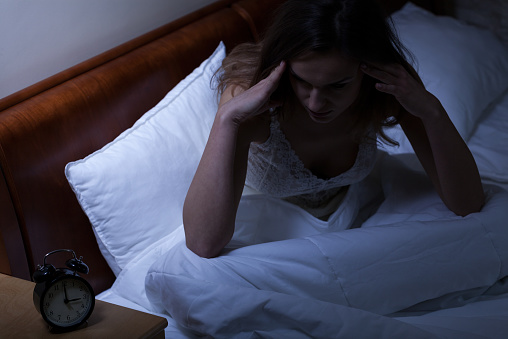
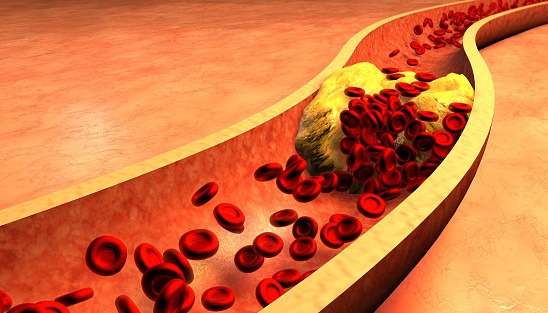
A new study suggests that poor sleep doesn’t impact cholesterol levels. The exception to the findings was seen in individuals who take sleeping pills to treat insomnia. Researchers have believed that insomnia increased the risk of heart disease due to factors like high cholesterol as it has been seen in sleep apnea. To conduct their ...click here to read more

Drinking tea daily boosts heart health

A new study finds that a daily cup of tea can help improve heart health. The findings revealed that daily tea drinkers were 35 percent less likely to have a heart attack or suffer a major cardiovascular event compared to nondrinkers. Tea drinkers were also found to have less calcium buildup in the coronary arteries ...click here to read more

Sleep apnea affects mood, thinking ability

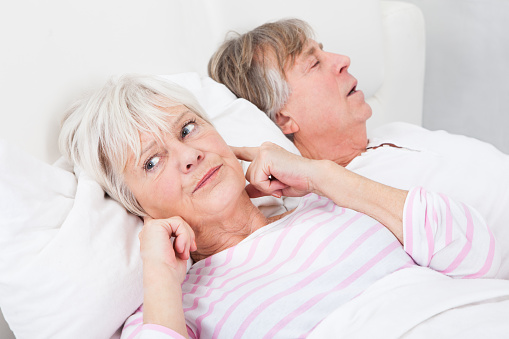
A new study on sleep apnea revealed that it can have an impact on the brain, including mood and thinking ability. Lead researcher Paul Macey said, “In previous studies, we’ve seen structural changes in the brain due to sleep apnea, but in this study we actually found substantial differences in … two chemicals that influence ...click here to read more

Stroke spike seen after daylight saving time

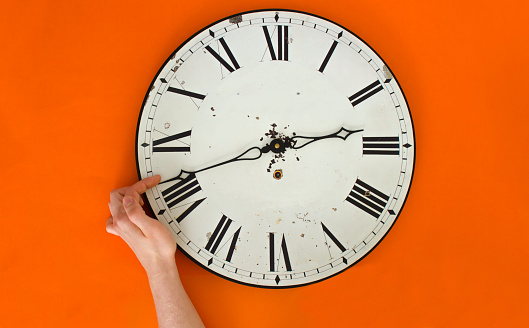
As the clock turns back – known as daylight saving time – a spike in strokes is often seen in high risk individuals. Finnish researchers explored decade’s worth of data and found higher incidences of stroke up to two days after daylight saving time, compared to when the clocks change forward. According to the researchers, ...click here to read more

Urinary incontinence risk higher after vaginal birth

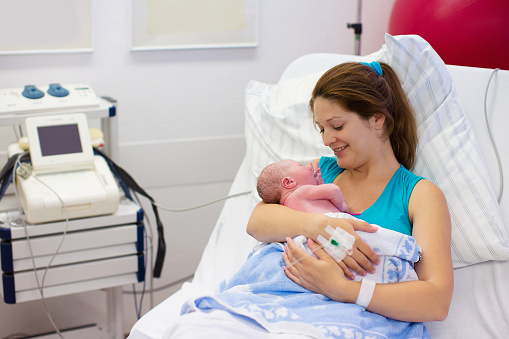
A new study conducted by Finnish researchers has found that the risk of urinary incontinence raises slightly after vaginal birth, compared to women who deliver their children through C-section. The U.S. researchers stress the fact that C-section delivery comes with its own lists of risks, so choosing the right form of delivery should be up ...click here to read more

In HIV patients, antidepressants may improve cognitive symptoms

In HIV patients, antidepressants have been shown to help improve cognitive symptoms. The small, placebo-controlled study by researchers at Johns Hopkins University found that the antidepressant paroxetine modestly improves decision-making and reaction time while reducing inflammation in HIV patients. The researchers report that many HIV patients experience neurocognitive disorders and may benefit from taking selective ...click here to read more

For urinary tract infections, cranberry juice is unsuccessful treatment

Although a common go-to remedy for urinary tract infections (UTIs), cranberry juice is not an effective treatment, according to new findings. The researchers found consuming cranberry juice to ease UTI symptoms is ineffective. Dr. Timothy Boone, vice dean of the Texas A&M Health Science Center College of Medicine, said, “Cranberry juice, especially the juice concentrates ...click here to read more