
Devon Andre -Dec 9,2024
Dec 9,2024

Advertisement
Advertisement

Dementia and cognitive decline risk increases with delirium in elderly. Delirium is a condition in which a person becomes suddenly confused and disoriented. It affects roughly 15 percent of older adults in a hospital setting. Delirium has long been thought to be a side effect of illness, but latest findings show delirium can have long-term ...click here to read more
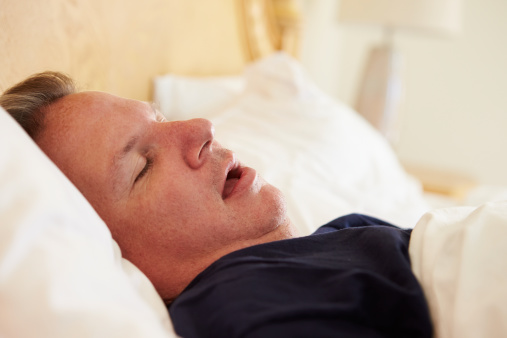
Obstructive sleep apnea symptoms in bariatric surgery patients are not visible, according to a sleep disorder study. The researchers at the Rhode Island Hospital found that majority of bariatric surgery patients have clinical obstructive sleep apnea but report fewer symptoms, compared to other sleep disorder patients. Lead researcher Dr. Katherine M. Sharkey said, “Patients with ...click here to read more

Multiple sclerosis vs. ALS is a topic of much discussion because both diseases are neurodegenerative and can impact the central nervous system. People with ALS, or amyotrophic lateral sclerosis, and those who suffer from multiple sclerosis (MS) can have memory and cognitive problems, but to different degrees. If a person suffers from MS, they tend ...click here to read more

Obstructive sleep apnea may be associated with a vitamin D deficiency. A vitamin D deficiency has been linked to numerous health problems including multiple sclerosis, diabetes, kidney disease, asthma, and cardiovascular disease. The recent findings now suggest that a vitamin D deficiency may also be associated with obstructive sleep apnea, too. The findings come from ...click here to read more

It’s important to do a comparison of Lyme disease vs. multiple sclerosis (MS) as the two do have much in common. At the same time, they both have their own unique differences that distinguish one from another. Lyme disease is caused by a bite from a deer tick or black-legged tick, which transfer Borrelia burgdorferi ...click here to read more
Advertisement

Sleep hyperhidrosis, or night sweats as it is commonly called, is a condition characterized by excessive sweating during the night. Normally, if the bedroom is unusually hot or if the bedclothes are not appropriate for the season, one may begin to sweat during sleep. That’s different. People with sleep hyperhidrosis will typically wake up at ...click here to read more

Multiple sclerosis (MS) is an autoimmune disease in which the body’s own immune system attacks myelin, the protective covering around nerves and the spinal cord. Such induced myelin deterioration causes further damage to the nerves and spinal cord, resulting in the multiple sclerosis symptoms. Symptoms for multiple sclerosis patients can vary. Moreover, each patient may ...click here to read more

Multiple sclerosis disease activity link to food allergies has been studied. The findings of the study revealed that multiple sclerosis patients with a history of food allergies show an increase in disease activity. The participants of the Comprehensive Longitudinal Investigation of Multiple Sclerosis at the Brigham and Women’s Hospital (CLIMB) completed a self-administered questionnaire. The ...click here to read more

Dementia and mild cognitive impairment risk is linked to metabolic syndrome. The study looked at older adults from Singapore and found that those with certain cardiovascular risk factors were more likely to develop mild cognitive impairment or dementia over the course of six years. Metabolic syndrome is a complex of risk factors that increase the ...click here to read more

Multiple sclerosis (MS) is one of the most disabling conditions of young adults around the world. Each week in the United States at least 200 new cases are diagnosed, and some neurological experts believe environmental factors have a stronger link to our risk of developing MS than they were originally thought. In one study conduced ...click here to read more

Sleep apnea prevalence was found to be higher in injuries associated with brain stem stroke. Lead author of the study Dr. Devin L. Brown said, “This is the largest population-based study to address the issue of the location of the brain injury and its relationship to sleep apnea in post-stroke patients.” The study included 355 ...click here to read more

How did you sleep last night? Or even the night before? If you’re constantly tossing and turning, struggling to fall asleep, or simply aren’t getting in your seven to eight hours, you could be putting your health at risk. Sleep is the time when our bodies can restore themselves, so if we don’t get proper ...click here to read more

Chronic migraines obviously affect the sufferer, but a new survey shows that they can be harmful for the entire family – highlighting the importance of prevention and treatment. Researchers at Montefiore Headache Center in New York conducted an extensive survey of people with chronic migraines to look at the greater impact of the condition beyond ...click here to read more

Multiple sclerosis (MS) risk may increase with obesity in children and teens. The researchers suspect that the hormone leptin, responsible for inhibiting hunger, may be mediating this association between obesity and the development of MS. The study was led by Dr. Jorge Correale who explained, “We need to do more work to understand the mechanisms ...click here to read more
Five-Star Guarantee of Satisfaction