
Devon Andre -Dec 9,2024
Dec 9,2024

Advertisement
Advertisement

In Parkinson’s disease (PD), dementia risk does not increase with anticholinergic drugs. Other studies have found a greater risk of Alzheimer’s disease (AD) and dementia associated with the anticholinergic drugs used to treat pain, bladder dysfunction, and mood. In Parkinson’s disease, anticholinergic drugs are used to improve motor and non-motor symptoms, and even though there ...click here to read more

Early Parkinson’s disease-related weight loss and changes in eating habits indicate the severity of future disease. The study, conducted by researchers at Massachusetts General Hospital (MGH), found that although weight loss is common in Parkinson’s disease, weight loss that occurs early on could be a sign of disease severity. Lead and corresponding author Dr. Anne-Marie Wills ...click here to read more
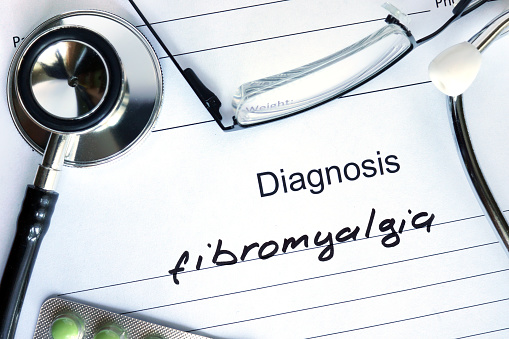
While fibromyalgia and multiple sclerosis (MS) do share the symptom of pain, fibromyalgia is a musculoskeletal condition and multiple sclerosis is a neurological condition. There is still much unknown about the exact cause of fibromyalgia, but it is believed that the condition increases one’s sensitivity to pain. The cause of multiple sclerosis is the destruction ...click here to read more

Epilepsy patients who sleep on stomach face sudden death risk similar to SIDS (sudden infant death risk), according to research. Study author Dr. James Tao said, “Sudden unexpected death is the main cause of death in uncontrolled epilepsy and usually occurs unwitnessed during sleep.” Among epileptics, the risk of death while asleep is highest among ...click here to read more

New LSD study opens depression treatment path using opioid system for major depression relief. Researchers at Imperial College London recently published images of the brain under the influence of lysergic acid diethylamide (LSD) from their research set to explore the effects of psychedelic drugs. For the study, the researches selected participants with a prior history of ...click here to read more
Advertisement
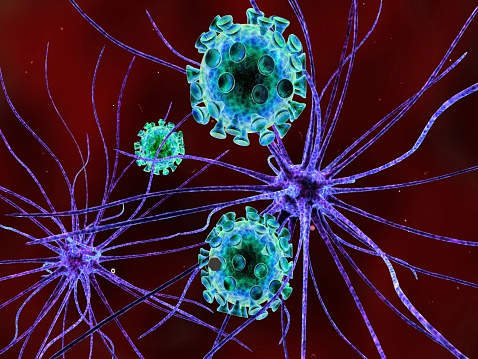
Multiple sclerosis (MS) may be triggered by the death of myelin-producing brain cells (oligodendrocytes), which causes an autoimmune response against myelin. The findings come from researchers at the University of Chicago and Northwestern Medicine who developed novel mouse models to conduct their study. The researchers found that the death of oligodendrocytes initiates an autoimmune response ...click here to read more

Older adults with dementia face an increased mortality risk due to care transitions. The findings of the study uncovered that moving dementia patients from one place to another or having them stay overnight at a different location led to aggravated health outcomes. Although sometimes inevitable, unnecessary transition can be associated with medication errors, hospital readmissions, ...click here to read more

Multiple sclerosis drug may raise the risk of John Cunningham virus (JCV) resulting in a fatal brain infection. The study found that multiple sclerosis patients taking natalizumab may have a 10 times greater risk of developing a biomarker that indicates the risk of a deadly brain infection known as progressive multifocal leukoencephalopathy (PML). PML is ...click here to read more

Obstructive sleep apnea and insomnia increase the risk of workplace injury. A Canadian study looked at workplace injury and obstructive sleep apnea, and found that the risk of injury increased with severity of obstructive sleep apnea. The researchers looked at over 1,200 sleep clinic patients and found that individuals with sleep apnea had double the ...click here to read more

Major depression treatment in diabetes may reduce risk of death in older adults. The findings, published in the Journal of the American Geriatrics Society, found that not only does treating depression help improve overall health, but it can help prevent death in seniors with diabetes. The researchers assessed depression care management and found that in ...click here to read more

Alzheimer’s disease risk rises with high blood sugar and insulin resistance. More than half of senior Americans have prediabetes, according to the American Diabetes Association. Prediabetes puts people at a higher risk of developing diabetes, because they have elevated blood sugar. The good news is, prediabetes does not have to result in type 2 diabetes ...click here to read more

Multiple sclerosis (MS) symptoms vertigo and dizziness can cause lightheadedness and spinning sensation. Vertigo is a sensation of being spun around, stopping, and having the residual feelings of spinning even if you are not moving. Vertigo can be experienced by anyone, but it is found to be a common symptom in multiple sclerosis affecting nearly ...click here to read more
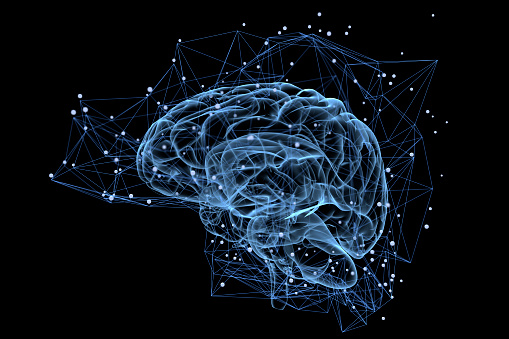
In multiple sclerosis (MS), brain damage may be repaired by blocking a certain brain enzyme. Coming from researchers at Oregon Health & Science University, the findings might have large implications not only for multiple sclerosis, but also for premature birth complications and other disorders. The study was led by Larry Sherman who explained, “What this ...click here to read more
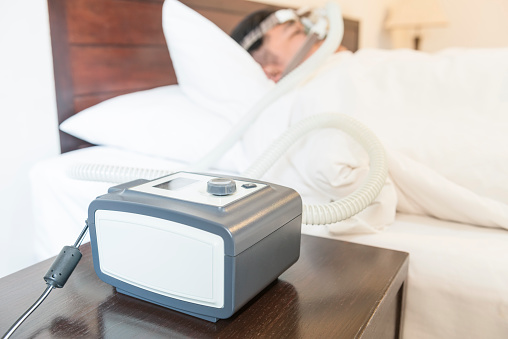
Sleep apnea might raise cancer-causing tumor growth due to intermittent hypoxia. Previous research has linked sleep apnea with worsened cancer outcomes and even increased the risk of cancer deaths. For the new study, researchers believe that intermittent hypoxia reduces the amount of oxygen to blood cells thus contributing to cancer tumor growth. The researchers studied ...click here to read more
Five-Star Guarantee of Satisfaction