Devon Andre -Dec 9,2024
Dec 9,2024

Advertisement
Advertisement

Sleep is an important aspect of health, and you probably know this. This is why you’re so frustrated each night when you’re left tossing and turning instead of enjoying a restful night’s sleep. Lack of sleep doesn’t just leave you tired the next day, it can actually take a serious toll on many aspects of ...click here to read more

In schizophrenia patients, a structured education program may help reduce weight. Schizophrenics face a higher risk of weight gain and obesity, and are more likely to develop diabetes and heart disease. Additionally, weight gain may be a reason why patients stop taking their medications, increasing the risk of relapse. On the other hand, reducing weight ...click here to read more

In Parkinson’s disease, exercise and brisk walking may help improve depression. The pilot study included 31 Parkinson’s patients who were randomly assigned to an “early start group” or a “delayed start group” for a vigorous form of exercise that met three times a week for one hour. The early start group exercised for 48 weeks, ...click here to read more

Schizophrenia is a disorder which affects how a person thinks, feels, and acts. Schizophrenics have a difficulty distinguishing between what is real and what is imaginary. It is a common belief that schizophrenia causes multiple or split personalities – this is not true. Majority of schizophrenic patients are not violent, and schizophrenia is not a ...click here to read more

Schizophrenia patients are more likely to develop dementia and less likely to develop cancer, compared to people without the mental disorder. The researchers followed over 30,000 older adults for a decade and concluded that dementia rates were higher among people with schizophrenia. Study lead Hugh Hendrie said, “Individuals with serious mental illnesses including schizophrenia appear ...click here to read more
Advertisement

Cognitive decline in old age has been linked to smoking and heavy drinking. Smoking is becoming an increasingly common risk factor for dementia, so the researchers examined the association between smoking history and cognitive decline from midlife to older age. Data was collected from 5,099 men and 2,137 women with an average age of 56. ...click here to read more

Depression with mild cognitive impairment may raise dementia risk and accelerate brain aging in the elderly. In the study involving seniors over the age of 65, the researchers found that depression was associated with a higher risk of dementia and mild cognitive impairment (MCI). Three percent to 63 percent of patients with mild cognitive impairment ...click here to read more
Decreased kidney function and reduced cognitive function have been found to be linked. The researchers examined longitudinal data, five years apart, from 590 people. The aim was to track the change in kidney function that has taken place over that time period and to see whether it was associated with a reduction in cognitive functioning. ...click here to read more

Mediterranean diet slows cognitive decline rate and Alzheimer’s disease in older adults. So far the Mediterranean diet has been hailed for its heart health benefits, but much research has also shown its benefits for the brain. The Mediterranean diet is packed with fruits and vegetables, olive oil, whole grains, fish, and alcohol in moderation. The ...click here to read more
Elderly patients with cognitive impairment have a higher risk of heart failure readmission and all-cause mortality. The study found that patients with cognitive impairment had a 7.5 times higher risk for heart failure readmission and all cause death. The study suggests that in these patients, adhering to a medication treatment plan may get progressively worse, ...click here to read more

With the baby boomers’ generation aging, the cases of Alzheimer’s disease, which can cause memory loss, are growing in numbers. According to a report released by Alzheimer’s Association, over 28 million baby boomers will develop Alzheimer’s disease, accounting for nearly 25 percent of Medicare spending. Maria Carrillo, Alzheimer’s Association Chief Science Officer, explained, “The risk ...click here to read more

Cataract surgery in dementia patients may improve vision and slow mental decline. The researchers suggest that quality of life also improved after cataract surgery. Researcher Dr. Alan Lerner said, “These preliminary results indicate that improved vision can have a variety of benefits for people with dementia and their loved ones, both visual and non-visual.” Cataract ...click here to read more
Hearing loss in older adults and accelerated brain tissue loss are linked, according to study findings. The brain naturally shrinks with age, but the study findings suggest that this shrinkage is accelerated in older adults with hearing loss. The researchers used information from an ongoing longitudinal study to compare aging brain changes over time in ...click here to read more
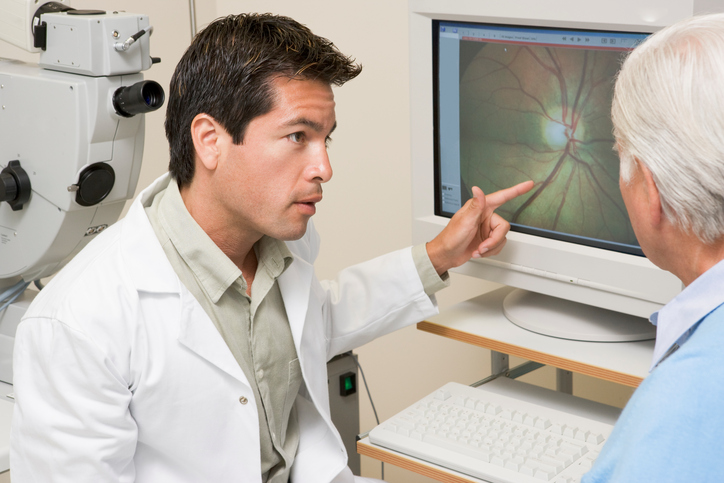
Blood vessels in the retina may be indicative of brain health years before the onset of dementia. The study found that younger people who score low on intelligence tests tend to be at a higher risk for poorer health and a shorter lifespan. The researchers wanted to explore the link between intelligence and brain health, ...click here to read more
Five-Star Guarantee of Satisfaction