
Devon Andre -Dec 9,2024
Dec 9,2024

Advertisement
Advertisement
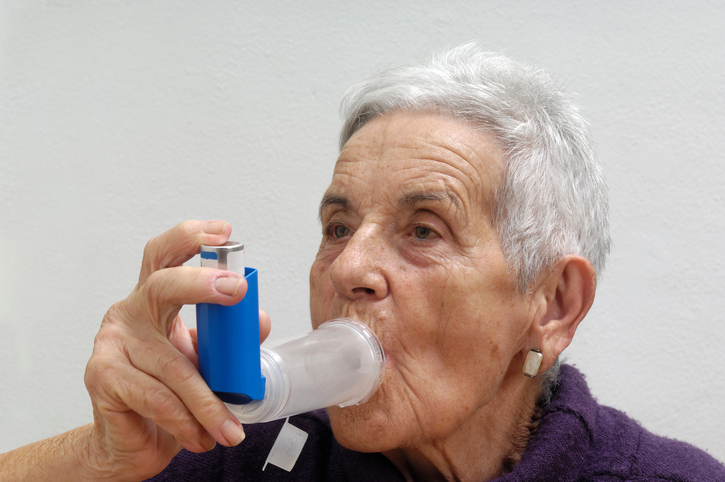
An inhaled version of a Parkinson’s disease drug may better help manage symptoms related to the progressive neurological disorder. The drug known as levodopa may help alleviate symptoms in between pill dosages. Levodopa is prescribed to help combat tremors, rigidity, and balance problems which are associated with Parkinson’s disease. Lead researcher Michael Lipp explained, “Off ...click here to read more

Memory loss, forgetfulness, memory lapses and cognitive function with aging is not inevitable. In fact, the brain is very much capable of producing new cells at any age, it’s just about knowing those helpful tips to promote a healthy brain. Our memories are a cherished part of who we are. When we recall moments that ...click here to read more

Alzheimer’s disease and dementia progression and onset are linked to chronic sleep disturbances. Study lead Domenico Praticò explained, “The big biological question that we tried to address in this study is whether sleep disturbance is a risk factor to develop Alzheimer’s or is it something that manifests with the disease.” The researchers initially looked at ...click here to read more

Schizophrenia is a disorder that affects how a person thinks, feels, and acts. Schizophrenics have trouble distinguishing between what is real and what is imaginary. It is a common belief that schizophrenia causes multiple or split personalities – this is not true. Majority of schizophrenic patients are not violent, and schizophrenia is not a result ...click here to read more

Parkinson’s disease risk may triple with depression. Study author Albert C. Yang said, “Depression is linked in other studies to illnesses such as cancer and stroke. Our study suggests that depression may also be an independent risk factor for Parkinson’s disease.” The researchers analyzed medical records of 4,634 people with depression and 18,544 people without ...click here to read more
Advertisement

There are many different types of behavioral changes in dementia, and repetitive behavior is one of them. Patients may repeat the same question or statement, perform the same movement, or carry out the same activity over and over again. This may provide them with a sense of security, which can ease anxiety. It may also ...click here to read more

One of the biggest concerns for caregivers who work with people suffering from dementia is wandering. Oftentimes, dementia sufferers feel the urge to walk around and in many cases end up wandering away from their homes. The problem is that they have difficulty remembering how to get back. For decades, medical scientists have been looking ...click here to read more

Virtual reality and music may help treat anxiety in older people. Nearly 25 percent of older adults suffer from anxiety. The first course of treatment for anxiety in seniors is cognitive behavioral therapy, but this approach may have some limitations among aging adults. As of late, virtual reality therapy has emerged to be a promising ...click here to read more

Mild cognitive impairment patients with anxiety face faster Alzheimer’s disease progression: Study” width=”300″ height=”200″ />Mild cognitive impairment (MCI) patients with anxiety face faster Alzheimer’s disease progression. The risk of Alzheimer’s disease in mild cognitive impairment patients with mild, moderate, and severe anxiety was found to increase by 33, 78, and 135 percent, respectively. The researchers ...click here to read more

Vascular dementia may be brought on by a stroke or multiple smaller strokes. Vascular dementia is a gradual or permanent loss of brain function. It can affect memory, thinking, language, judgement, and behavior. All parts of our body require blood flow to function. When blood flow becomes compromised, the function of the body part or ...click here to read more

Mixed dementia is a condition that combines the symptoms of more than one type of dementia. The most common mixed dementia combination is of Alzheimer’s disease and vascular dementia. There is a lot about mixed dementia that is still not fully understood, such as whether treating one of the types of dementia in the combination ...click here to read more

In Alzheimer’s disease, higher testosterone levels may increase aggression and hallucination risk. Although low testosterone has been linked to a higher risk of Alzheimer’s disease, once a patient has developed Alzheimer’s, high levels of testosterone have been associated with greater agitation and aggression. Researcher Dr. James Hall said, “What we’re showing is that testosterone can ...click here to read more

Alzheimer’s disease is typically characterized by memory loss, but there are other warning signs and symptoms a patient may experience. By recognizing the signs and symptoms of Alzheimer’s, doctors can better determine the stage of the disease. Warning signs and symptoms of Alzheimer’s disease Below you will find the 10 most common warning signs and ...click here to read more
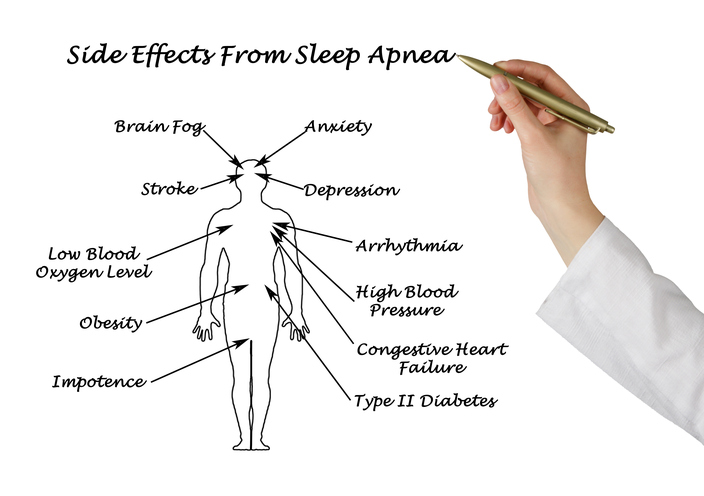
Stroke risk and recovery are linked to sleep disorders like insomnia and sleep apnea. Based on study findings, researchers recommend that patients who have experienced a stroke or mini-stroke should be screened for sleep disorders. Study author Dirk M. Hermann said, “Although sleep disorders are common after a stroke, very few stroke patients are tested ...click here to read more
Five-Star Guarantee of Satisfaction