
Bile Reflux vs. Acid Reflux: Understanding the Differences and Similarities

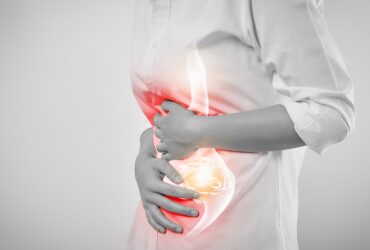
bile reflux vs acid refluxBile reflux and acid reflux are two distinct yet often confused gastrointestinal conditions. Both can cause significant discomfort and impact the quality of life for those affected.

Despite sharing some similarities, they differ in their causes, symptoms, and treatment approaches. Understanding these differences is crucial for effective symptom management and treatment.

Bile Reflux

Bile is a greenish-yellow liquid produced by the liver and stored in the gallbladder. It is essential for digesting fats and absorbing fat-soluble vitamins (A, D, E, and K) in the small intestine.

Bile reflux occurs when bile, instead of moving forward into the small intestine, flows backward into the stomach and sometimes up into the esophagus. This backward flow can cause inflammation and damage the stomach and esophagus lining.

Causes of Bile Reflux

Bile reflux can be triggered by several factors. One common cause is the dysfunction of the pyloric sphincter, a muscular valve that separates the stomach from the small intestine. Bile can flow backward into the stomach if this valve doesn’t close properly.

Other potential causes include gallbladder surgery, peptic ulcers, or gastrointestinal disorders like gastritis. Certain medications, such as those used for osteoporosis and arthritis, can also increase the risk of bile reflux.

Symptoms of Bile Reflux

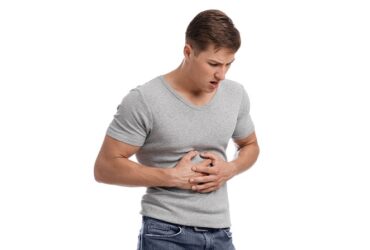
While bile reflux shares some symptoms with acid reflux, there are key differences. Individuals with bile reflux often experience a burning sensation in the upper abdomen or the middle of the chest, commonly referred to as heartburn.

They may also have a sour or bitter taste in their mouth and frequent episodes of regurgitation, which can include the presence of yellow or greenish bile. Other symptoms include nausea, vomiting, bloating, and abdominal discomfort. Severe cases may lead to weight loss and decreased appetite.

Types of Bile Reflux

Bile reflux can be categorized into two types: duodenogastric reflux and alkaline reflux.

  • Duodenogastric reflux occurs when bile flows back from the duodenum (the first part of the small intestine) into the stomach.
  • Alkaline reflux, on the other hand, happens when bile with a higher pH than normal is refluxed into the stomach.

Both types can cause similar symptoms and complications, including gastritis and esophagitis.

Acid Reflux

Acid reflux, also known as gastroesophageal reflux (GER), occurs when stomach acid flows backward into the esophagus. This backflow is primarily caused by the weakening or relaxation of the lower esophageal sphincter (LES), a muscular ring that separates the esophagus from the stomach. This condition can cause damage to the esophagus lining, leading to inflammation and discomfort.

Causes of Acid Reflux

Acid reflux can be triggered by various factors. Certain foods and beverages, such as fatty or spicy meals, citrus fruits, tomatoes, and caffeinated or carbonated drinks, can exacerbate acid reflux.

Lifestyle factors like obesity, smoking, and pregnancy, as well as certain medications, including some types of antidepressants and blood pressure drugs, can also increase the risk of experiencing acid reflux.

Symptoms of Acid Reflux

The most common symptom of acid reflux is heartburn, a burning sensation in the chest or throat. Other symptoms may include regurgitation, a sour or bitter taste in the mouth, difficulty swallowing, and a feeling of a lump in the throat.

Chronic acid reflux, occurring more than twice a week, is known as gastroesophageal reflux disease (GERD), which can lead to more severe complications, including esophageal ulcers and Barrett’s esophagus.

Comparison of Bile Reflux and Acid Reflux

Similarities

Both bile reflux and acid reflux involve the backflow of substances from the digestive tract into the esophagus. They can both cause similar symptoms, such as heartburn, regurgitation, and a sour taste in the mouth. Lifestyle modifications and dietary changes are often recommended to manage both conditions.

Differences

The primary difference between bile reflux and acid reflux lies in the substance that flows back into the esophagus. Bile reflux involves the backflow of bile, while the backflow of stomach acid characterizes acid reflux.

Bile reflux often causes symptoms that are more intense in the upper abdomen, including discomfort and vomiting of bile, whereas acid reflux typically presents with heartburn as the primary symptom.

Lifestyle Changes That Can Help Manage Bile Reflux and Acid Reflux

Several lifestyle modifications can help alleviate bile and acid reflux symptoms.

These include:

  • Maintaining a healthy weight: Excess weight can put pressure on the stomach and contribute to reflux symptoms. Losing weight, if necessary, can help reduce the frequency and severity of reflux episodes.
  • Avoiding trigger foods and beverages: Certain foods and drinks can trigger reflux symptoms. Identifying personal triggers and limiting their consumption can help manage symptoms.
  • Eating smaller, more frequent meals: Consuming smaller portions and avoiding large meals can help reduce the pressure on the stomach and decrease the likelihood of reflux.
  • Elevating the head of the bed: Raising the head of the bed by a few inches can prevent stomach acid or bile from flowing back into the esophagus during sleep.
  • Quitting smoking: Smoking can weaken the LES and increase the risk of reflux. Quitting smoking not only benefits overall health but can also alleviate reflux symptoms.

Conclusion

While bile reflux and acid reflux share similarities in terms of symptoms and management strategies, they differ in the substances that flow back into the esophagus. Bile reflux involves the backflow of bile, while acid reflux is characterized by the backflow of stomach acid.

Understanding the differences between these two conditions can help individuals seek appropriate treatment and adopt lifestyle changes that effectively manage their symptoms. If symptoms persist or worsen, it is important to consult a healthcare professional for a proper diagnosis and personalized treatment plan.

For more information and guidance on bile reflux, acid reflux, and related conditions, it is recommended to consult healthcare professionals, such as gastroenterologists or primary care physicians, who can provide accurate and tailored advice based on individual circumstances.


Constipation: What Are the Different Types and How Are They Treated?

Types of ConstipationIf you’ve ever experienced constipation, you’re certainly not alone. Constipation, marked by infrequent or difficult bowel movements, is a common digestive issue that impacts people of all ages.


In addition to physical discomfort, it can also affect your mental health and overall well-being. Understanding the different types of constipation, their treatments, and ways to prevent them can significantly improve your digestive health.

Types of Constipation

Constipation can be categorized into three main types, each with different causes and treatment strategies:

  • Normal-Transit Constipation: Despite its name, normal-transit constipation, or functional constipation, can be quite uncomfortable. This is the most common type of constipation where the rate of passage of stool through the colon is normal. However, people still experience constipation symptoms like hard stools, straining during bowel movements, and a sense of incomplete evacuation.
  • Slow-Transit Constipation: This type of constipation is due to a delay in the movement of stool through the colon. People with slow-transit constipation typically have infrequent bowel movements and may also feel a lack of urge to go.
  • Pelvic Floor Dysfunction Constipation (Anismus): This is caused by a coordination problem with the pelvic floor muscles involved in defecation. People with this condition often strain and have a feeling of incomplete evacuation after bowel movement.

Risk Factors for Constipation

  • Low-Fiber Diet: A diet that lacks sufficient fiber can lead to constipation. Fiber adds bulk to the stool, making it easier to pass. Foods that are low in fiber include processed foods, meat, and dairy products.
  • Insufficient Fluid Intake: Not drinking enough fluids can cause stools to become hard and difficult to pass. Water and other fluids help soften the stool, facilitating its movement through the digestive tract.
  • Lack of Physical Activity: Physical activity helps stimulate the muscles in the intestines, aiding in the movement of stool. A sedentary lifestyle can contribute to constipation.
  • Advanced Age: As we age, our metabolism slows down, which can result in slower intestinal activity and, consequently, constipation. Additionally, older adults may be more likely to take medications that can cause constipation.
  • Certain Medications: Some medications can cause constipation as a side effect. These include certain pain medications (especially opioids), some antidepressants, antacids containing calcium or aluminum, some blood pressure medications, and certain medications used to treat Parkinson’s disease.
  • Underlying Medical Conditions: Certain medical conditions can increase the risk of constipation. These include neurological disorders like Parkinson’s disease or multiple sclerosis, metabolic and endocrine disorders like diabetes or hypothyroidism, and gastrointestinal disorders like irritable bowel syndrome or colorectal cancer.
  • Ignoring the Urge to Defecate: Regularly ignoring the urge to have a bowel movement can lead to constipation over time. The longer the stool stays in the colon, the more water is absorbed, making it harder and more difficult to pass.
  • Overuse of Laxatives: Regular use of laxatives can cause the bowels to become dependent on them, leading to constipation when they are not used. Over time, the colon can lose its natural ability to contract, leading to chronic constipation.
  • Stress and Mental Health Issues: Stress, anxiety, and certain mental health conditions can affect the digestive system and lead to constipation. The brain and the gut are closely linked, and psychological stress can impact bowel movements.

Treatment & Diagnosis for Constipation

Treatment for constipation typically starts with lifestyle changes, such as increasing fiber intake, drinking more water, and getting regular exercise. Over-the-counter laxatives may be recommended for short-term use.

For chronic constipation or when symptoms persist, doctors may order a number of tests, like blood tests, X-rays, or a colonoscopy, to find out the cause. Depending on the type of constipation, treatment may involve medication to improve bowel contraction, biofeedback therapy, or in severe cases, surgery.

The Impact of Constipation on Your Physical and Mental Health

Physical Impact:

  • Discomfort and Pain: Chronic constipation can lead to physical discomfort, such as bloating and abdominal pain. The strain of trying to pass hard, dry stools can result in discomfort and even pain in the abdominal area.
  • General Unwellness: The body’s inability to effectively eliminate waste can lead to a general feeling of unwellness. This can manifest as fatigue, low energy, and a decreased appetite.
  • Complications: Complications such as hemorrhoids, anal fissures (small tears in the anus), and rectal prolapse (a condition where part of the rectum slides out of the anus) can arise from chronic constipation if it is not treated.

Mental Impact:

  • Stress: The ongoing struggle with constipation can lead to increased stress levels. The discomfort and the constant worry about bowel movements can contribute to overall stress and anxiety.
  • Embarrassment: Many people feel embarrassed about their constipation, particularly if they need to use the bathroom frequently or urgently. This can lead to feelings of shame and can impact social interactions.
  • Social Withdrawal: Some individuals may withdraw from social activities due to the discomfort and embarrassment associated with chronic constipation. They may avoid going out or participating in activities that they fear may exacerbate their symptoms or where they may not have easy access to a bathroom.
  • Impact on Quality of Life: Chronic Constipation that lasts for a long time can greatly affect how a person lives. It can cause physical pain and emotional strain that gets in the way of normal routines, work, socializing, and happiness.

Foods to Limit for Preventing Constipation

  • Low-Fiber Foods: Foods low in fiber can contribute to constipation. These include processed foods like chips, frozen meals, and fast food.
  • Red Meat: Red meat is typically high in fat and can slow down the digestive process. It’s also low in fiber, which you need to maintain regular bowel movements.
  • Dairy Products: Foods like cheese, ice cream, and other dairy products can cause constipation in some people. This is especially true for those who are lactose intolerant.
  • Fried or Fast Foods: These foods are typically high in fat and low in fiber, which can slow digestion.
  • Caffeine: While small amounts can stimulate bowel movements, excessive consumption can lead to dehydration and constipation.
  • Alcohol: Like caffeine, alcohol can cause dehydration and lead to constipation.
  • Gluten: For some people, especially those with celiac disease or gluten sensitivity, foods containing gluten can cause constipation.

By avoiding these foods and incorporating more high-fiber foods into your diet, you can help prevent constipation.

Natural Remedies to Prevent Constipation

  • High-Fiber Diet: Consuming a diet rich in fiber can significantly improve bowel regularity. Fiber adds bulk to the stool, making it easier to pass. Foods high in fiber include fruits like apples and pears, vegetables like broccoli and carrots, and whole grains like oats and brown rice.
  • Hydration: Drinking plenty of fluids, especially water, is crucial in preventing constipation. Fluids help soften the stool, making it easier to pass through the digestive tract.
  • Physical Activity: Regular exercise can stimulate your intestines and speed up your digestion. Activities such as walking, running, swimming, or even yoga can help stimulate bowel movements and prevent constipation.

Home Remedies to Alleviate Constipation

  • Warm Liquids: Drinking warm liquids, especially in the morning, can stimulate bowel movements. Warm water or herbal teas can help soften the stool and stimulate the digestive tract.
  • Herbal Teas: Certain herbal teas, like senna or peppermint, have natural laxative properties that can help alleviate constipation. Senna tea stimulates the muscles in your intestines, helping to move stool through your system, while peppermint tea can soothe digestive issues and relax the muscles in your gastrointestinal tract.
  • Natural Laxatives: Foods like prunes or bran cereal are natural laxatives that can help relieve constipation. Prunes are rich in fiber and contain sorbitol, a sugar alcohol that acts as a laxative. Bran cereal is high in dietary fiber, which adds bulk to your stool and helps it move through your colon more quickly.

Lifestyle Changes to Prevent Constipation

  • Regular Exercise: Regular physical activity helps stimulate the natural contraction of intestinal muscles, aiding in bowel movement. Try to incorporate at least 30 minutes of moderate physical activity into your daily routine.
  • Balanced Diet: A diet rich in fiber, fruits, vegetables, and whole grains can help prevent constipation. Try to limit foods that are high in fat and low in fiber, such as cheese, meat, and processed foods, which can contribute to constipation.
  • Hydration: Drinking plenty of fluids, especially water, can help soften your stool, making it easier to pass.
  • Heeding Nature’s Call: Ignoring the urge to have a bowel movement can lead to constipation. When you feel the need to go, don’t delay. The longer you wait, the more water gets absorbed from your stool, making it harder to pass.

When to See a Doctor

While occasional constipation is common, you should seek medical attention if it becomes chronic, is accompanied by weight loss, severe pain, or blood in the stool, or if it doesn’t respond to simple treatments.

In conclusion, while constipation can be an uncomfortable and sometimes frustrating condition, it’s often preventable and treatable with the right lifestyle modifications, home remedies, and medical care when necessary.

Complete Bowel Obstruction: Recognizing the Causes, Symptoms, and Seeking Treatment

complete bowel obstructionBowel obstruction, also known as intestinal obstruction, is a condition where there is a blockage in the intestines, hindering the normal passage of stool. Complete bowel obstruction refers to a severe form of this condition, where the blockage completely prevents the passage of any stool or gas.


It’s a medical emergency that requires immediate attention and intervention. Understanding the causes, symptoms, and treatment options for complete bowel obstruction is crucial for prompt medical management.

Causes of Complete Bowel Obstruction

Complete bowel obstruction can occur due to various factors, including:

  • Adhesions: Adhesions are bands of scar tissue that form between abdominal tissues and organs. They can develop after surgery, infection, or inflammation, leading to the obstruction of the intestines.
  • Hernias: When a portion of the intestine protrudes through a weak spot in the abdominal wall, it can result in a hernia. If the herniated bowel becomes trapped or twisted, it can cause complete obstruction.
  • Tumors: Both benign and malignant tumors can obstruct the bowel if they grow so that they block stool passage.
  • Impacted Feces: Severe constipation or fecal impaction can lead to complete bowel obstruction if a large mass of hardened stool becomes lodged in the intestines.
  • Intussusception: This occurs when one portion of the intestine slides into another, causing an obstruction.
  • Volvulus: Volvulus refers to the twisting of the bowel on itself, leading to a blockage.

Signs and Symptoms of Complete Bowel Obstruction

Recognizing the signs and symptoms of complete bowel obstruction is crucial for seeking timely medical attention. Common symptoms include:

  • Severe abdominal pain: The pain may be constant and cramp-like and can become more intense as the obstruction worsens.
  • Vomiting: Due to the blockage, the body may attempt to expel the contents of the stomach, resulting in persistent vomiting.
  • Abdominal distension: The abdomen may appear swollen and bloated due to gas and fluid accumulation.
  • Inability to pass gas or stool: A significant indicator of complete bowel obstruction is the absence of bowel movements or the inability to pass gas.
  • Nausea and loss of appetite: Obstruction can cause a feeling of fullness, leading to decreased appetite and nausea.

Diagnosing Complete Bowel Obstruction

When a complete bowel obstruction is suspected, a healthcare provider will conduct a thorough evaluation, which may include:

  • Medical history: The doctor will inquire about the patient’s symptoms, medical history, and any previous abdominal surgeries.
  • Physical examination: The abdomen will be examined for tenderness, distension, and the presence of any masses.
  • Imaging tests: X-rays, CT scans, or ultrasound may be performed to visualize the intestines and identify the site and cause of the obstruction.
  • Blood tests: Blood tests can help assess the overall health of the patient, check for signs of infection or dehydration, and provide additional information.

Complications Associated with Complete Bowel Obstruction

If left untreated, complete bowel obstruction can lead to serious complications, including:

  • Perforation: The pressure buildup from the obstruction can cause a rupture in the intestines, leading to the leakage of intestinal contents into the abdominal cavity.
  • Infection: If the intestines are perforated, bacteria from the bowel can enter the abdominal cavity, causing a severe infection called peritonitis.
  • Dehydration: The inability to eat or drink due to persistent vomiting can lead to dehydration, which can be severe and require intravenous fluid replacement.
  • Electrolyte imbalances: Prolonged obstruction can disrupt the balance of electrolytes in the body, leading to abnormalities in various bodily functions.
  • Ischemia: The blockage can restrict blood flow to the affected portion of the intestine, potentially causing tissue damage and ischemia.

Treatment Options for Complete Bowel Obstruction

The treatment approach for complete bowel obstruction depends on the severity of the condition and the underlying cause. It typically involves a combination of medical interventions and surgical procedures. Treatment options may include:

  • Nasogastric decompression: A tube is inserted through the nose and into the stomach to help alleviate pressure by draining stomach contents and gas.
  • Fluid and electrolyte replacement: Intravenous fluids may be administered to correct dehydration and restore electrolyte balance.
  • Medication: Pain medications and antiemetics (medications to control nausea and vomiting) may be prescribed to alleviate symptoms.
  • Surgery: In cases where the obstruction cannot be resolved through nonsurgical means, surgical intervention may be necessary to remove the blockage or repair any underlying structural abnormalities.

Dietary Considerations for Managing Complete Bowel Obstruction

Following a proper diet is crucial in managing complete bowel obstruction. Here are some dietary considerations:

  • NPO (Nil Per Os) status: Initially, patients with complete bowel obstruction are advised to refrain from eating or drinking anything by mouth to rest the bowel and prevent further complications.
  • Gradual reintroduction of oral intake: Once the obstruction is resolved, the healthcare provider will provide guidance on gradually reintroducing a normal diet, starting with clear liquids and progressing to solid foods.
  • High fiber diet: Eating foods that are high in fiber, such as fruits, vegetables, and whole grains, can assist in avoiding constipation and encouraging consistent bowel movements.
  • Adequate hydration: It is important to maintain proper hydration by drinking adequate water throughout the day.
  • Avoiding certain foods: Some individuals may need to avoid foods that are difficult to digest or can cause gas and bloating, such as fatty or fried foods, carbonated beverages, and legumes.

Prevention Strategies for Complete Bowel Obstruction

While it may not be possible to prevent all cases of complete bowel obstruction, certain strategies can reduce the risk. These include:

  • Maintaining a healthy weight: Obesity increases the risk of developing adhesions and hernias, which can lead to obstruction. Therefore, maintaining a healthy weight can help minimize this risk.
  • Eating a balanced diet: Consuming a diet rich in fiber and adequate fluids can promote regular bowel movements and reduce the chances of constipation and fecal impaction.
  • Avoiding prolonged use of constipating medications: Certain medications can contribute to constipation. If possible, it is advisable to limit the use of these medications or seek alternatives under medical supervision.
  • Seeking prompt medical attention: If experiencing persistent abdominal pain, changes in bowel habits, or other concerning symptoms, it is important to consult a healthcare provider promptly to identify and address any potential issues.

When to See a Doctor

It is crucial to seek immediate medical attention if you experience symptoms suggestive of complete bowel obstruction, such as severe abdominal pain, vomiting, inability to pass gas or stool, abdominal distension, and persistent nausea. Prompt diagnosis and treatment can help prevent complications and ensure the best possible outcome.

In conclusion, complete bowel obstruction is a serious medical condition that requires urgent medical attention. Understanding the causes, recognizing the symptoms, and seeking appropriate treatment is vital for managing this condition effectively.

By being aware of the potential complications, following proper dietary considerations, and adopting prevention strategies, individuals can take steps to reduce the risk of complete bowel obstruction and maintain optimal gastrointestinal health. Remember, if you suspect complete bowel obstruction, don’t delay seeking medical help, as early intervention is key to a successful outcome.

Understanding Jejunoileitis: Symptoms, Diagnosis, and Treatment Approaches

Understanding JejunoileitisJejunoileitis, a type of Crohn’s disease, can significantly impact an individual’s quality of life. From symptoms to diagnosis and treatment, understanding this condition is key to managing it effectively. This article provides a comprehensive guide to jejunoileitis.


What is Jejunoileitis?

Jejunoileitis is a subtype of Crohn’s disease, a form of Inflammatory Bowel Disease (IBD) that can cause chronic inflammation in any part of the gastrointestinal (GI) tract. Jejunoileitis specifically affects the jejunum and the ileum, both of which are parts of the small intestine.

Inflammation in these areas can disrupt the absorption of nutrients, potentially leading to severe discomfort and a host of symptoms. If not treated effectively, this can result in complications that could impact an individual’s health.

Symptoms of Jejunoileitis

The signs and symptoms of jejunoileitis can vary widely among individuals based on the severity and extent of the inflammation. Nevertheless, some common symptoms to watch out for include:

  • Abdominal pain: One of the hallmark symptoms of jejunoileitis is abdominal pain. This pain often presents as severe cramping and usually occurs after meals when the intestines are working to digest food.
  • Diarrhea: Individuals with jejunoileitis frequently experience diarrhea, which can sometimes contain blood or mucus due to inflammation and irritation in the intestines.
  • Weight loss: Weight loss in individuals with jejunoileitis can be due to a variety of factors, such as decreased appetite due to ongoing discomfort and malabsorption of nutrients resulting from inflammation in the small intestine.
  • Fever: Fevers are common during flare-ups of jejunoileitis. This is because the body raises its temperature in an attempt to fight off what it perceives as harmful, in this case, the inflammation in the intestines.
  • Fatigue: Fatigue in individuals with jejunoileitis can be quite significant. This can be a result of the body constantly fighting inflammation and from a lack of proper nutrient absorption due to the inflammation in the small intestine.

Recognizing these symptoms early can lead to a more prompt diagnosis and effective management of the condition.

Causes of Jejunoileitis

The exact cause of jejunoileitis isn’t fully understood, but it’s believed to be due to a combination of factors:

  • Genetic predisposition: Those with a family history of Crohn’s disease are at a higher risk.
    Immune system problems: The body’s immune system might react abnormally to normal gut bacteria, causing inflammation.
  • Environmental factors: Certain lifestyle choices, such as smoking or consuming a diet high in fat and low in fruits and vegetables, can increase the risk of developing jejunoileitis.

Diagnosis of Jejunoileitis

Diagnosis is based on a combination of clinical assessment, imaging, and laboratory testing:

  • Physical exam and history: Doctors will take a detailed medical history and perform a physical examination.
  • Blood tests: These can show signs of inflammation or anemia, a common complication of jejunoileitis.
  • Imaging studies: Including CT scans or MRIs, these can provide detailed images of the small intestine.
  • Endoscopy: A flexible tube with a camera at the end is inserted down the throat to examine the small intestine.
  • Biopsy: A small tissue sample may be taken during an endoscopy to be analyzed in a lab.

Treatment Approaches for Jejunoileitis

The primary goal in treating jejunoileitis is to reduce inflammation, alleviate symptoms, and improve the quality of life. An individual’s treatment plan may vary based on the severity of symptoms, overall health, and specific needs. Here’s a more detailed look into the common treatment approaches for jejunoileitis:

Medication

Medications play a crucial role in the management of jejunoileitis. They can be used to reduce inflammation, control symptoms, and maintain remission.

  • Anti-inflammatory drugs: These medications, such as aminosalicylates and corticosteroids, are often the first step in treating jejunoileitis. They help reduce inflammation in your gut, alleviating symptoms like pain and diarrhea.
  • Immune system suppressors: These drugs, including azathioprine, methotrexate, and cyclosporine, reduce inflammation by taming the immune response. This approach can be very effective for patients with moderate to severe jejunoileitis.
  • Antibiotics: Certain antibiotics can be beneficial in treating jejunoileitis, especially when complications such as fistulas or abscesses are present.

It’s essential to remember that all medications should be taken strictly as prescribed by your doctor, as each comes with potential side effects and risks. Never alter your dosage or stop taking your medication without consulting your healthcare provider.

Nutritional Therapy

Nutritional therapy is often a key part of treating jejunoileitis, as the inflammation can make it hard for your body to absorb nutrients.

  • High-nutrient, low-fiber diet: Eating foods high in nutrients but low in fiber can help provide necessary nutrition without aggravating symptoms. Foods like lean proteins (chicken, fish), well-cooked fruits and vegetables, and refined grains are typically well-tolerated.
  • Enteral nutrition: In severe cases, a special liquid diet, or enteral nutrition, might be recommended. This diet allows the bowel to rest and heal while providing all the necessary nutrients.

Remember, individual dietary needs can vary greatly, so working with a dietitian or nutritionist experienced in treating inflammatory bowel disease is essential.

Surgery

In some cases, if medication isn’t effective or if complications occur, surgery might be required. This usually involves removing the damaged portions of the intestine. Surgery is considered a last resort and is typically reserved for those with severe symptoms that significantly impact quality of life.

In conclusion, treating jejunoileitis involves a combination of medication, nutritional therapy, and, in severe cases, surgery. The goal is to reduce inflammation, manage symptoms, and prevent complications. As always, it’s vital to work closely with your healthcare provider to find the best treatment approach for you.

What are the Complications of Jejunoileitis?

Jejunoileitis, like other forms of inflammatory bowel disease, can lead to several complications if left untreated or not adequately managed. Understanding these potential issues is critical to recognizing the importance of a proper treatment plan. Here are some possible complications:

Intestinal Obstruction

Intestinal obstruction is a serious complication where the intestine becomes narrowed due to prolonged inflammation. This chronic inflammation can lead to scarring and the formation of strictures, which are thickened, narrowed sections of the intestine. These strictures can interfere with the normal movement of food and waste through the intestines, leading to blockages.

Symptoms of an intestinal obstruction can include severe abdominal pain, bloating, constipation, and vomiting. This is a medical emergency that requires immediate treatment, which may include surgery to remove the obstruction.

Malnutrition

Inflammation from jejunoileitis can impair the body’s ability to digest food and absorb nutrients, leading to malnutrition. This is particularly problematic because the jejunum and ileum—the parts of the small intestine affected by jejunoileitis—are vital for nutrient absorption.

Malnutrition can manifest in several ways, including unexplained weight loss, fatigue, and a general sense of weakness. Over time, it can lead to deficiencies in vital vitamins and minerals, negatively affecting overall health. It can also exacerbate symptoms of jejunoileitis, creating a vicious cycle of inflammation and poor nutrient absorption.

Fistulas

Fistulas are abnormal connections or passageways that develop between different parts of the intestine or between the intestine and other organs, such as the bladder or skin. They are a result of severe inflammation that extends through the entire thickness of the bowel wall.

These abnormal connections can cause partially digested food to bypass areas of the intestine that are important for absorption. Fistulas can also lead to persistent infections or abscesses, as bacteria from the gut can spread to other parts of the body. Symptoms of fistulas can include pain, fever, and leakage of intestinal contents.

When to See a Doctor

It’s essential to see a doctor if you’re experiencing symptoms like persistent diarrhea, abdominal pain, unexplained weight loss, or fatigue. Early diagnosis and treatment can help manage symptoms and prevent complications.

In conclusion, while jejunoileitis is a serious condition, understanding its symptoms, causes, and treatment options can help those affected manage their condition effectively and lead a healthy life. As always, it is important to consult with a healthcare professional if you suspect you might have jejunoileitis.

Unravelling Ileitis: Causes, Symptoms, and Treatment Options

causes of IleitisWhat is Ileitis?

Ileitis is a medical condition that causes inflammation or irritation of the ileum. The ileum is the third and final part of the small intestine. It connects to the large intestine and plays a crucial role in digestion.

When the ileum becomes inflamed, it can lead to uncomfortable and potentially serious symptoms. These symptoms can include weight loss, diarrhea, and abdominal pain. In more severe cases, fistulas can develop. Fistulas are abnormal channels that form between different parts of the intestine or between the intestine and other organs.

What causes Ileitis?

The exact cause of ileitis is not fully understood. However, it’s often associated with other conditions, with Crohn’s disease being the most common. Crohn’s disease is a type of inflammatory bowel disease (IBD) that can affect any part of the gastrointestinal tract. In some cases, it specifically targets the ileum, leading to ileitis.

Other potential causes of ileitis include infections, the effects of non-steroidal anti-inflammatory drugs (NSAIDs), ischemia (restricted blood flow), and abnormal growths or tumors. Certain risk factors can also contribute to the development and worsening of the condition. These include age, genetics, smoking, environmental factors, stress, and diet.

Signs and Symptoms of Ileitis

Ileitis can present a variety of symptoms, which can vary in severity from person to person. The most common symptoms include diarrhea and cramping or pain in the right lower part or middle of the abdomen. These symptoms can be severe enough to cause significant weight loss and fatigue.

Other symptoms can include anemia (caused by bleeding), mouth sores, rectal bleeding, and fever. These symptoms can be intermittent, with periods of remission followed by flare-ups. It’s also worth noting that symptoms can extend beyond the gastrointestinal tract, affecting other parts of the body, such as the eyes, skin, and joints.

Diagnosing Ileitis

Diagnosing ileitis involves thoroughly reviewing the patient’s medical history and a comprehensive physical examination. Doctors may also order a series of tests to confirm the diagnosis. These tests can include stool analysis, X-rays, barium X-rays of the small intestine, CT scans, colonoscopies, and biopsies.

Treatment Options for Ileitis

Treatment for ileitis is typically based on the results of the diagnostic tests and the severity of the symptoms. It often involves medications, including antibiotics to treat any underlying infections, corticosteroids to reduce inflammation, anti-inflammatories to manage pain, antidiarrheal drugs to control diarrhea, and immune-suppressing medications to manage conditions like Crohn’s disease. Dietary supplements may also be recommended to reduce inflammation and manage associated symptoms.

In severe cases where symptoms are not controlled with medications, or when complications develop, surgery may be necessary. This can involve removing the diseased part of the intestine and correcting any blockages, intestinal bleeding, or perforations.

Managing Ileitis: Lifestyle and Self-Care

Managing ileitis involves more than just medical treatment. It also requires certain lifestyle changes and self-care measures. Regular exercise, a balanced diet, and avoiding smoking can all contribute to better management of the condition.

Some people find that certain foods can trigger their symptoms, so a dietitian may recommend a specific diet to help manage the condition. Stress management techniques, such as meditation or yoga, can also be beneficial, as stress can exacerbate symptoms.

Complications of Ileitis

If left untreated, ileitis can lead to several complications. Fistulas, or abnormal connections between different parts of the intestine, can develop. This can lead to further complications if not treated promptly.

Strictures, or thickening of the intestine wall due to chronic inflammation, can also occur. This can cause the intestine to become blocked, either partially or fully, slowing or stopping the movement of food or stool through the intestines. A complete bowel obstruction is a serious, life-threatening condition that often requires surgery.

Malnutrition and nutritional deficiencies can also occur as the inflammation in the ileum can interfere with the body’s ability to absorb nutrients from food. Abscesses, or pockets of pus caused by infection, can form in the intestinal wall, sometimes causing it to bulge out.

When to See a Doctor

If you experience symptoms such as diarrhea, abdominal pain, significant weight loss, and fatigue, it’s important to see a doctor. These could be signs of ileitis or another serious gastrointestinal condition. Early diagnosis and treatment can help manage the symptoms and prevent complications.

It’s also important to seek medical attention if you have been diagnosed with ileitis and your symptoms worsen or do not improve with treatment. Remember, while home remedies and lifestyle changes can help manage symptoms, they should not replace medical treatment. Always consult with a healthcare professional for proper diagnosis and treatment.

Ileocolitis: Causes, Symptoms, and Treatment Options

Ileocolitis

Ileocolitis is a medical condition characterized by inflammation in two critical sections of the digestive tract—the ileum and colon. This inflammatory bowel disease, often associated with Crohn’s disease, significantly impacts an individual’s quality of life. It may require comprehensive strategies to determine the most effective ileocolitis treatment options.

What Is Ileocolitis?

Ileocolitis refers to inflammation of the ileum, the last part of the small intestine, and the colon, also known as the large intestine. It is the most prevalent form of Crohn’s disease, a chronic inflammatory bowel disease (IBD) marked by periods of remission and flare-ups.

The condition can lead to various symptoms that may disrupt digestion and nutrient absorption. Moreover, ileocolitis can become severe enough to require surgical intervention, such as ileocecal resection (a procedure to remove diseased tissue at the end of the small intestine).

Causes of Ileocolitis

The exact causes of ileocolitis remain unknown. However, it’s generally associated with an overactive response by the body’s immune system.

Some researchers believe the immune system mistakes food and bacteria in the gastrointestinal (GI) tract for an allergen or foreign substance. As a result, it could lead to prolonged inflammation as the body tries to combat these perceived threats.

Moreover, there’s a genetic predisposition to developing ileocolitis, especially in individuals who have family members with Crohn’s disease. Environmental factors, like a high-fat diet or cigarette smoking, have also been implicated in an increased risk of developing ileocolitis.

Ileocolitis Symptoms and Signs

The symptoms of ileocolitis can vary among individuals. Primarily, it depends on the severity of inflammation and the affected area.

Common ileocolitis symptoms include:

  • Abdominal pain and cramping, typically in the lower right area of the abdomen
  • Diarrhea, which can sometimes be bloody
  • Unintended weight loss
  • Reduced appetite
  • Fever
  • Fatigue
  • Nausea and vomiting

Some people may also experience symptoms outside the GI tract. These include joint pain, skin problems, eye inflammation, and liver disorders.

Also, malnutrition can occur due to the inability of the inflamed intestines to absorb nutrients properly.

5 Risk Factors Associated with Ileocolitis

Certain factors may increase the likelihood of developing ileocolitis. Below, we’ve listed five health risks that could result in this form of hard-to-treat bowel disease.

1. Age

Ileocolitis most commonly begins before the age of 30. However, it can occur at any age, and some will develop the disease after age 60.

2. Ethnicity

People of Eastern European descent are at a higher risk of developing ileocolitis. But this is especially so for those of Jewish ethnicity.

3. Family History

Studies have shown that those with a parent, sibling, or child who has Crohn’s disease are more likely to develop ileocolitis. As many as one in five people, or 20% of the population, has a family member with the disease.

4. Smoking

Cigarette smoking is the most controllable risk factor for developing ileocolitis. Smokers are twice as likely to get the disease as non-smokers.

5. Nonsteroidal Anti-Inflammatory Drugs (NSAIDs)

These therapeutic medications are widely prescribed to relieve pain, reduce inflammation, and bring down high fevers. They include ibuprofen, naproxen sodium, and diclofenac sodium, among others.

However, long-term use of these drugs can irritate or damage the intestinal lining, leading to inflammation.

3 Effective Treatments for Ileocolitis

Ileocolitis treatments aim to reduce inflammation, manage symptoms, and achieve long-term remission. However, the choice of treatment depends on the severity of the disease.

The treatments below have been shown to treat or reduce ileocolitis symptoms effectively.

1. Diet Changes

A specialized diet can help manage symptoms. For example, high-fiber foods can exacerbate symptoms in some people, as these foods may cause bloating and diarrhea. Similarly, fatty foods, dairy, spicy food, and alcohol can also trigger symptoms.

So, seeking the help of a registered dietitian is highly recommended. A trained food and nutrition specialist works closely with patients to create a well-balanced eating plan that minimizes discomfort and ensures daily nutritional needs.

2. Medication

Medical practitioners may prescribe pharmaceuticals to reduce inflammation and prevent flare-ups. These include aminosalicylates (drugs to reduce inflammation of the GI tract’s lining), corticosteroids (potent, fast-working anti-inflammatories), immunomodulators (medicines that alter the immune system, so it works more effectively), and biological therapies (viral and bacterial vaccines).

However, these medications may have side effects. As such, they should only be taken under the strict guidance of a certified healthcare professional.

3. Surgery

Unfortunately, surgical intervention is a necessary last resort if medication proves ineffective or further complications arise.

As previously mentioned, ileocecal resection is a widely-used surgical procedure for ileocolitis. This surgery involves removing the affected parts of the ileum and colon, then reconnecting the healthy sections.

Despite surgery, it is important to note that it does not cure ileocolitis. But it could help manage the severe symptoms and complications associated with it.

Home Remedies for Ileocolitis

While the above-mentioned treatments can help manage ileocolitis symptoms, the home remedies below may also be effective. In fact, using these therapies in conjunction is highly recommended:

  • Regular exercise: Physical activity can help maintain a healthy body weight and reduce stress levels, which may reduce symptom flare-ups.
  • Adequate hydration: Drinking plenty of water can prevent dehydration, especially when one is experiencing diarrhea.
  • Quitting smoking: Smoking can exacerbate symptoms and lead to more severe disease. Quitting tobacco and other nicotine products is a critical step towards managing ileocolitis.

Ileocolitis and Crohn’s Disease

Crohn’s disease can affect any part of the GI tract, but ileocolitis is the most common form. Moreover, ileocolitis presents unique challenges in terms of symptoms, treatment, and long-term management.

While it’s a chronic condition with no known cure, a combination of medication, lifestyle modifications, and (in some cases) surgery can enable individuals with ileocolitis to lead fulfilling, active lives.

Understanding the causes and symptoms of this inflammatory bowel disease, including ileocolitis risk factors and treatment options, can be vital in managing the condition effectively. Of course, the support of family, friends, therapists, and other healthcare professionals can also be beneficial.

Always consult with healthcare professionals for accurate diagnosis and treatment options. And if you suspect you may have ileocolitis, be sure to seek medical attention as soon as possible.

Unpacking HGH Gut: Causes, Implications, and Differences from Bubble Guts

HGH GutHGH gut is a term that may sound foreign to some, but it is not as uncommon as one might think, especially in the world of bodybuilding. Also called bodybuilder gut, bodybuilding bubble gut, growth hormone gut, steroid belly, and Palumboism, this condition has serious health consequences.


This article will explore the causes, implications, and treatments associated with HGH gut. We will also distinguish it from another condition often confused with it—bubble guts.

What Is HGH Gut?

HGH gut is a complex, rare condition connected to human growth hormone (HGH) use. This hormone stimulates growth, cell reproduction, and cell regeneration in humans. HGH is often misused in bodybuilding and other sports to speed up muscle growth.

However, the overuse or misuse HGH can result in an unnaturally distended abdomen. Although this phenomenon is often referred to as HGH gut, the condition is commonly known as Palumboism, named after a famous bodybuilder.

Dave Palumbo and Palumboism

During the 1990s, Dave Palumbo was a prominent figure in bodybuilding. In 2004, he was charged with distributing illegal HGH to other athletes. He later admitted to using them himself.

As a result of Palumbo’s unique physique, characterized by a distended abdomen due to HGH misuse, the condition was coined Palumboism.

Palumbo’s unusual physical appearance sparked considerable discussion about bodybuilding with HGH and using it in other sports, as well as the potential health dangers it poses.

HGH Gut Causes

HGH gut is primarily due to excessive doses of HGH, steroids, and insulin taken by athletes, especially bodybuilders, with the goal of rapid muscle growth.

In the United States, using HGH without a prescription is illegal. Regardless, it’s still commonly abused in professional bodybuilding and other sports. This can lead to serious health problems.

The Dangers of Misusing HGH & Insulin in Bodybuilding

Not only do human growth hormones help bodies grow and keep them in good shape, but they also help repair cells and control how the body uses energy. As a result, bodybuilders take extra doses of these hormones, thinking they will help them build muscle and lose fat faster.

However, misusing HGH can cause several health problems. These include muscle and joint pain, carpal tunnel syndrome (a painful hand and arm condition), insulin issues (potentially leading to type 2 diabetes), swelling due to fluid retention, and a higher risk of getting certain types of cancer.

Another hormone that some bodybuilders misuse is insulin. Although it’s a natural and vital hormone that the pancreas produces to help control blood sugar, bodybuilders sometimes take extra insulin because it can help build muscle. But misusing insulin can cause a host of other side effects.

Increased insulin use can result in insulin resistance, also known as hyperglycemia (lowered blood sugar levels). Over time, this leads to prediabetes, followed by type 2 diabetes. And if left untreated, it can cause serious damage to the body, especially the nerves and blood vessels.

Symptoms of increased insulin resistance in the body include weight gain, shaking, irritability, excessive sweating, anxiety, and/or dizziness.

Carbohydrate Loading and Water Manipulation

Carbohydrate loading, commonly referred to as “carb-loading” or “carbo-loading,” is a strategy athletes and bodybuilders use to help store more energy in muscles and the liver. The tactic involves eating more carbs and exercising less a few days before an endurance event. But eating too many carbs can cause weight gain and mess with insulin levels in the body, which might lead to Palumboism.

Another popular technique bodybuilders use to create highly-defined muscles or “shredding” is water manipulation. It involves drinking a lot of water while reducing carb intake and performing “glycogen-depleting workouts” like running, which removes extra water underneath the skin’s surface while retaining muscle fullness. However, this muscle-peaking method can cause dehydration, mess with the balance of salts in the body, and make Palumboism look worse by making the gut stand out more.

Effects of HGH Gut on Women Bodybuilders

HGH gut is not exclusive to male bodybuilders. In fact, female bodybuilders who misuse HGH can also develop this condition.

Like their male counterparts, women may also experience an enlarged abdomen, including other HGH gut side effects.

Can Legal HGH Cause HGH Gut?

Although a doctor can prescribe HGH for medical reasons, it can still cause Palumboism if misused. In fact, taking the hormones legally under a medical practitioner’s guidance can still cause side effects, like unsightly belly bulging (as previously mentioned) and abnormal enlargement in other parts of the body or organs.

So, it’s essential to follow directions if you are prescribed HGH. And if something doesn’t feel right, be sure to contact your health practitioner immediately.

Side Effects of HGH Misuse

Misuse of HGH can have several side effects aside from any noticeable physical changes. These may include:

  • Joint and muscle pain
  • Carpal tunnel syndrome
  • Increased insulin resistance, potentially leading to type 2 diabetes
  • Swelling due to fluid retention
  • Increased risk of certain cancers

HGH Gut Treatments

Treating this condition is no easy task. And reversing the effects becomes challenging once the abdominal muscles and organs have expanded. But the strategies below may help reduce that bulging belly:

  • Discontinue HGH and insulin use: The first step in managing “roid” gut is slowly cutting back on HGH and insulin use to decrease abdominal distension. But it’s vital to consult a doctor before making such changes to avoid other health complications. With proper guidance, a qualified medical practitioner will recommend a treatment plan based on your health condition.
  • Seek medical attention: In severe cases, immediate medical help is required, with the doctor prescribing specific drugs to reduce the effect of human growth hormones. However, surgical intervention might be necessary in extreme cases.
  • Diet modification: A diet rich in protein and low in processed carbohydrates can help control insulin levels naturally, reducing the need for synthetic insulin.
  • Regular exercise: Daily cardiovascular exercise can not only help reduce overall body fat, but it can also assist in reducing the appearance of HGH gut.

Preventing and Controlling HGH Gut

While no specific natural remedy can reverse an HGH gut, adopting healthier lifestyle habits can help. Making the changes mentioned below can prevent the condition and limit its progression:

  • Healthy nutrition: A balanced diet consisting of proteins, carbohydrates, and fats can help maintain a healthy weight and encourage natural muscle growth.
  • Natural bodybuilding: Concentrate on natural bodybuilding techniques like strength training and aerobic exercises. Be sure to include adequate rest periods in between.
  • Performance enhancers: Avoid performance-enhancing substances like steroids and hormones unless prescribed by a healthcare professional for a medical condition.
  • Hydration: Drinking ample water supports digestion and optimal body function.

HGH Gut vs. Bubble Gut

While both HGH gut and bubble gut may appear similar due to the pronounced abdominal distension, they are distinct conditions.

HGH gut, primarily seen in bodybuilders, is caused by misusing and overusing growth hormones and insulin.

On the other hand, bubble gut, or borborygmi, is characterized by unusually loud rumbling or gurgling abdominal noises. The cause of these sounds is excess gas or fluid in the stomach due to various factors, including diet and specific medical conditions.

Bubble gut doesn’t usually lead to a visibly distended abdomen like HGH gut. The former is more of an auditory symptom of underlying digestive processes or issues rather than a physical deformation.

To Use or Not Abuse? That’s the Question…

The misuse of HGH and its subsequent side effects, including HGH gut, underline the risks involved in the pursuit of quick muscle growth. In addition to the physical changes, the potential health risks make using this hormone a dangerous practice. So, it’s always best to follow natural methods for muscle gain and prioritize long-term health over rapid and temporary results.

HGH gut is a serious condition primarily stemming from misusing human growth hormones and insulin, especially in conjunction with steroids. This practice, often prevalent in professional bodybuilding, carries significant risks and adverse side effects.

Ultimately, prioritizing health over quick muscle gain and practicing natural bodybuilding techniques is highly recommended. And remember to consult a medical professional if you are considering using performance-enhancing substances or if you experience any symptoms associated with HGH gut.

Women With Clogged Arteries Are At Higher Risk of Heart Attacks Than Men: Study

A stressed woman who is suffering from a chest pain and touching her heart area.Did you know that women with clogged arteries have a higher risk of heart attacks than men? This startling statistic may surprise many people, but it is the reality for far too many women who don’t take action to prevent cardiovascular disease. The facts about arterial blockage in women are alarming and, if ignored, could result in death or disability.


A new study published in European Heart Journal—Cardiovascular Imaging has outlined heart attack risks for women. The study included 24,950 patients enrolled in the CONFIRM registry and had coronary computed tomography angiography (CCTA) used to obtain 3D images of the arteries in the heart. The participants were from six countries in North America, Europe, and Asia. Participants included women and men and were followed for an average of 3.7 years. All results were adjusted for age and cardiovascular risk factors, including hypertension, high cholesterol, diabetes, smoking, and family history of coronary artery disease.

It was found that women were at an elevated risk compared to men for heart attacks. This was especially observed in postmenopausal women. Researchers believe it may be partly because the inner diameter of the coronary arteries is smaller in women.

Study author Dr. Sophie van Rosendael said, “The results confirm the previously reported delay in the start of atherosclerosis in women. We also found that women are more likely to have non-obstructive disease. It was formerly thought that only obstructive atherosclerosis caused myocardial infarction , but we now know that non-obstructive disease is also risky.”
Atherosclerosis, a buildup of plaque in the arteries, can cause the blood vessels to become narrow, leading to heart attacks and strokes. While it is possible for young women to have heart attacks as a result of atherosclerosis, research indicates that women generally develop the condition later in life than men. In addition, women tend to have heart attacks at an older age than men due in part to the protective effect of estrogen.

Researchers suggest that after menopause, women may need a higher dose of statins or another lipid-lowering drug.

Heart Health and Artery Support

As this study suggests, your arteries may need a helping hand to stay strong and healthy as you age. Clinical Strength Artery Support is designed to give your arteries the circulation support it needs. Through a powerful combination of traditional and modern ingredients, including L-citrulline, green coffee extract, and green tea extract, Clinical Artery Support helps to improve circulation, cardiovascular health, and overall general health.

Blood Pressure If Undetected For Long Time Can Act As A Silent Killer: Study

Woman checking blood pressure in living roomHigh blood pressure is something that millions of Americans struggle with every day, and it can often be overlooked if not frequently monitored. However, when left undetected or uncontrolled for a long period of time, high blood pressure can become a silent killer.


Many adults are either unaware of the potential dangers of high blood pressure or disregard them as insignificant risks due to a lack of information about this condition. Not understanding what’s at stake could lead to dire health consequences later down the line.

Understanding blood pressure (hypertension) is imperative for managing it properly. Blood pressure is a measure of the force that blood puts on the walls of the arteries as it flows through them. It is measured in two numbers: the systolic pressure, the pressure when your heart contracts, and the diastolic pressure, which is when your heart relaxes. Knowing the difference between diastolic and systolic pressure can help you understand how to manage your blood pressure better and take control of your overall health.

If left untreated, high blood pressure can significantly increase the risk of heart attack, heart failure, brain aneurysm, kidney failure, dementia, and clogged arteries. When experiencing high blood pressure, some people may also have sexual dysfunction and vision problems, including blindness.

There are many reasons why someone may experience blood pressure. However, as most people age, blood pressure can rise due to increased stiffness in large vessels. Just a small increase in systolic or diastolic blood pressure can greatly increase the risk of death from heart disease or stroke.
Your blood pressure can be tricky to manage on your own, but fortunately, your doctor can help figure out why it might be high or low. While it may be inherited from your parents, a doctor should always rule out other causes, such as sleep apnea. It’s important to note that many common medications can also contribute to high blood pressure, including seemingly harmless pain meds and contraceptives. By working with your doctor to pinpoint the cause, you can develop a plan to manage your blood pressure and keep yourself feeling healthy and strong.

Supporting Healthy Blood Pressure

By maintaining healthy blood pressure, you can help to support cardiovascular health and promote overall heart health. Healthy Blood Pressure Support can help to support healthy blood pressure making it an excellent choice for those looking to help maintain cardiovascular health. In addition, Healthy Blood Pressure Support also supports healthy cholesterol levels and cardiovascular health.

Trouble Sleeping? You May Be At Higher Risk Of Stroke

Sleepless and desperate beautiful latin woman awake at night not able to sleep looking at clock suffering from insomnia in sleep disorder concept.Do you often feel like it takes forever to get to sleep or have trouble staying asleep? If so, you may be at higher risk of stroke. While this is not a diagnosis and should not cause panic, it’s still important to understand the implications of sleep issues and their potential associated risks. With that in mind, let’s look at why having difficulty sleeping can jeopardize your well-being.

A new study from Mayo Clinic has outlined the potential risks associated with poor sleep, including stroke. Sleep problems may include too little sleep, too much sleep, difficulty getting to sleep or staying asleep, snoring, and prolonged napping.

Critical for Brain Health
Sleep is critical for overall brain health. Our brains work tirelessly throughout the day, and while we may not consciously notice it, our brain cells work even harder as we sleep. During this period of rest, our brain cells are given the opportunity to repair and restore, ensuring that they remain healthy and viable for years to come.

Adequate sleep also plays a crucial role in maintaining healthy blood vessels in the brain. Without enough rest, our blood vessels can become damaged, potentially leading to long-term health issues. Prioritizing adequate sleep is essential to leading a healthy and fulfilling life.

“When people have sleep-related disorders, such as sleep apnea, they’re getting less sleep or poor-quality sleep. And that leads to reduced oxygen and blood flow to the brain. And that can reduce or make changes over time to the brain, leading to increased risk of stroke or cognitive impairment from vascular disorders to the brain,” says Dr. Stephen English, a Mayo Clinic vascular neurologist.

This new study helps outline the importance of sleep hygiene, diet, and exercise to help reduce the risk of stroke. Following proper sleep hygiene habits include sleeping in a dark room, going to bed at the same time each night, sleeping in a cool room, and eliminating caffeine a few hours before bedtime.
FAST

May is stroke awareness month, so it is a great time to get to know the signs and symptoms of the condition. The American Stroke Association suggests using the acronym FAST to help remember the warning signs.

• Face. Does the face droop on one side when the person tries to smile?
• Arms. Is one arm lower when the person tries to raise both arms?
• Speech. Can the person repeat a simple sentence? Is speech slurred or hard to understand?
• Time. During a stroke, every minute counts. If you see any of these signs, call 911 or your local emergency.
Other signs may include weakness on one side of the body, blurred vision, headache, and dizziness. It is essential to know these signs so you can help to reduce the of stroke.

Promoting Optimal Sleep

As this new study outlines, it is vital to get a good night’s sleep for a variety of reasons. Sleep Sure Plus is designed to help promote optimal sleep and restfulness through a variety of ingredients. One of the most important ingredients included in this unique formula is melatonin.

Melatonin is a hormone that is essential for the regulation of the circadian rhythm (the internal clock of the body). Sleep Sure Plus also contains valerian, one of the best natural ingredients for promoting rest and relaxation. These two essential ingredients are joined by another 6, which all work together to provide a better quality of sleep.

Practicing Mindfulness, Meditation & Self Compassion can Improve Mental Health: Study

Cozy woman in knitted winter warm sweater and checkered pajama drinking hot cocoa or coffee in mug, reading book, meditation yoga on couch at home. Christmas holidays with decor and lightsCultivating mindfulness, meditation, and self-compassion can be an incredible asset in helping us to address our mental health needs. Through fostering a thriving internal environment of acceptance, self-love, and kindness, we open the door to noticing both big and small changes in how our mind operates on a daily basis. But understanding the science behind why these practices work is just as important for truly activating their potential for bettering ourselves.

Today, we’ll provide clear guidance on integrating mindfulness, meditation & self-compassion into your life, so you can experience firsthand their powerful effects on your overall mental well-being.

Meditation is one of the most effective ways to cultivate self-compassion and mindfulness. Mindfulness simply means paying attention to the present moment without judgment and with an attitude of curiosity. By focusing on the present, we can better understand our thoughts, feelings, and surroundings, ultimately leading to a greater sense of well-being.

Self-compassion is a crucial aspect of our emotional and mental well-being. It entails treating ourselves with the same kindness and compassion we typically express toward our loved ones. Many people struggle with the idea of self-compassion, mistakenly believing that being self-critical or harsh during moments of suffering or failure will motivate them to excel or avoid making the same mistake again.

Research has shown that simply having a general intention to be more self-compassionate and mindful is unlikely to work. Regular meditation is vital in making a difference in mental health. Studies show that programs that have been found to make a meaningful difference involve at least seven sessions. These repeated workouts have improved attention skills and decreased negative thinking. They have also been linked to less self-criticism, lower levels of depression, anxiety, self-harm, post-traumatic stress disorder, and eating disorders.

By focusing on the present moment, thoughts that may be causing distress can be changed and observed without judgment. This newfound clarity can help us better understand ourselves and how we relate to the world around us. So, if you’re looking for a way to improve your mental health, give meditation a try. The benefits may surprise you!
Getting Started

If you’re new to meditation, getting started can seem a bit daunting, but the truth is, it’s much simpler than you might think. To begin, find a quiet space where you won’t be disturbed and get comfortable. Focus your attention on your breath, inhaling and exhaling deeply and slowly. If your mind begins to wander, simply acknowledge the thought and return your focus back to your breath. Try starting with just a few minutes a day and gradually increasing the duration as you feel more comfortable.

Ultimately, the goal of meditation is not to clear your mind completely but to simply alleviate stress and become more mindful of your thoughts and emotions. With practice, you’ll find that meditation can be a helpful tool for achieving a sense of peace and well-being. Many self-guided meditation recordings are available online, and many community centers also offer live classes.

Promoting Brain Function

Numerous factors can take a toll on the ability of the brain to function at peak potential. This can affect memory, concentration, and overall brain function.

The Smart Pill can help to enhance cognitive function and memory through 9 ingredients that help to support, nourish, and maximize brain health. These include ginkgo biloba, huperzine A, bacopa extract, rosemary extract, and a B vitamin complex. This unique formula helps to boost circulation, fight free radicals, and provide nutritional support to assist with cognitive function.

Must Know Warning Signs And Risk Factors For Stroke

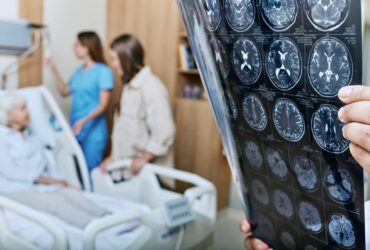
MRI of head of elderly woman in hands of doctor standing in medical ward near senior patient with relative and nurse. Recovery after a strokeMay is National Stroke Awareness Month, and it’s an excellent opportunity to learn more about the signs and risk factors of the medical condition. By learning more about stroke this month, we can all work to prevent this condition and keep ourselves and our loved ones healthy.


A stroke is a medical emergency that can cause devastating effects on the human body. Sadly, it is also one of the leading causes of death in the United States and a significant cause of serious disability for adults. According to the Centers for Disease Control and Prevention, more than 795,000 people in the U.S. suffer from a stroke every year. This statistic is alarming and highlights the importance of understanding the symptoms and risk factors associated with a stroke. Timely treatment can minimize the impact of a stroke and increase the chances of recovery. Being informed about the signs of a stroke can save someone’s life.

Signs of a Stroke

The most common signs of a stroke include sudden weakness or numbness on one side of the body, slurred speech or difficulty speaking, loss of vision, particularly in one eye, sudden dizziness or loss of balance, and a severe headache that comes on very quickly.

While these signs can vary depending on the severity of the stroke, recognizing them right away and seeking medical attention promptly can help improve the chances of recovery. Remember, time is crucial when it comes to treating a stroke, so don’t hesitate to call for help if you or someone you know is experiencing any of these warning signs. Early action could help to reduce complications, including brain damage.

Risk Factors

Understanding the risk factors associated with this disease is important to prevent and manage its occurrence. Risk factors of stroke can include high blood pressure, smoking, diabetes, high cholesterol, obstructive sleep apnea, cardiovascular disease (including heart failure, heart defects, heart infection or irregular heart rhythm), physical inactivity, and being obese. These factors can increase the likelihood of blood clots or brain hemorrhages leading to a stroke. Personal or family history of stroke, heart attack, or transient ischemic attack can also be risk factors.

By understanding these risk factors, individuals can take proactive steps to improve their overall health and reduce their risk of stroke. Early recognition and management of these risk factors can significantly decrease the likelihood of experiencing a stroke in the future.

Even if caught early, a stroke can cause temporary or permanent disabilities. Complications include loss of muscle movement, paralysis, difficulty talking or swallowing, memory loss, emotional problems, pain, and changes in behavior and self-care ability.
Stroke Rehabilitation

Stroke rehabilitation is a critical component of the recovery process after a stroke. It is a highly individualized process, as each individual’s recovery plan will depend on the specific part of the body or type of ability that was affected by the stroke. Some of the approaches to stroke rehabilitation may include physical therapy to help with mobility, speech therapy to improve communication, or occupational therapy to help regain independence in daily activities.

These rehabilitation programs are tailored to help patients regain and improve their physical, mental, and emotional abilities after a stroke. By committing to rehabilitation, stroke survivors can better recover their quality of life and regain independence.

Promoting Brain Function

Many factors can take a toll on brain function, affecting concentration, memory, and overall cognitive function. The Smart Pill can help counteract these effects through nine ingredients that help support, nourish, and maximize brain health and cognitive function. These include ginkgo biloba, huperzine A, bacopa extract, rosemary extract, and a B vitamin complex. This unique formula helps boost circulation, fight free radicals, and help to promote clear thinking.

Could This Be Causing Your Stomach Pain?

Young African-American woman standing in the bathroom and feeling pain in the stomachSometimes stomach issues can be hard to understand. If you didn’t eat any “problem” foods or don’t have a stomach bug, what could possibly be causing your digestive issues?
It might be stress. Stress, especially chronic stress, can boost the likelihood of gastrointestinal issues. It can impact the digestive system through the nervous system, affecting food movement and the balance of gut bacteria. Stress can also cause people to eat poorly, which may also lead to symptoms.

Outside of your brain, the gut has the greatest area of nerves. Neurons lining the digestive tract signal muscle cells to contract to help move food through, breaking it down into nutrients and waste. The interaction between the enteric system in your gut and your central nervous system is known as the “gut-brain axis” and may help explain why stress can cause digestive problems.

According to the American Psychological Association, stress may exacerbate or increase the risk of:
• bloating, burping, gas
• heartburn, acid reflux, GERD
• nausea and vomiting
• diarrhea
• constipation
• ulcers
• inflammatory bowel syndrome
Stress may contribute to bloating, burping, and gassiness but making swallowing difficult. It can also slow the digestive process, allowing gut bacteria to create gas. Exercise may help. as can avoiding gum, using straws, and drinking carbonated drinks.

Emotional stress may lead to increased stomach acid production, which can lead to heartburn, acid reflux, and exacerbate GERD. Not smoking, eating a healthy diet, eating smaller meals, not eating too close to bed, and avoiding carbonated beverages may help.

Stress hormones can also lead to diarrhea or constipation. On the one hand, it can boost serotonin, which stimulates the intestines to cause contractions in the colon that can result in diarrhea. On the other, it can divert blood away from the intestines and cause the digestive process to come to a halt.

It’s possible your stomach issues are caused by stress. Think about how potential stressors in your life could be manifesting in your gut, and work on ways to manage them.

Intensive Blood Pressure Control May Reduce Risk of Common Heart Condition: Study

Asian young woman is checking blood pressure and heart rate with digital pressure gauge by herself at home. Health and Medical concept.If you are concerned about developing heart disease, it may be time to consider just how important intensively controlling your blood pressure is. Recent studies have increasingly demonstrated a clear correlation between lower blood pressure levels and the likelihood that an individual will experience left ventricular conduction disease.

Continue reading to learn more and find out what steps you should be taking today to protect yourself from this often-misunderstood heart condition.

Left ventricular conduction disease is when the electrical signals in the heart’s conduction system are disrupted, leading to a slowed or blocked flow of electrical activity. This can cause a range of symptoms, from chest pain and shortness of breath to dizziness or fainting. While some people may develop this condition as a result of underlying heart disease, others may experience it without an identifiable cause. It can often lead to serious or fatal complications, including complete heart block or heart failure.

In a study published in the journal JAMA Cardiology, researchers leveraged a trial where participants with hypertension were assigned to either more or less aggressive blood pressure control. It was found that intensive blood pressure control was linked to a lower risk of ventricular conduction disease, suggesting that ventricular conduction disease may be preventable.

“This research was motivated by patients who came in with complete heart block where I put in a pacemaker and they asked, ‘Why did this happen to me?’” said senior author Gregory Marcus, MD. “The answer to this question has not been clear, so we wanted to look at the impact that blood pressure might have on the development of their conduction disease.”

In contrast, researchers saw no difference in right-sided conduction disease. It is believed that blood pressure control does not directly affect the right side of the heart.

This study helps to outline how blood pressure control may be a way to help prevent common heart disease. This data may also provide compelling evidence that the risk for left ventricular conduction disease could be modified.
Controlling High Blood Pressure

High blood pressure, also known as hypertension, is a common problem that can lead to serious health issues, such as heart disease and stroke. The good news is that there are several ways to keep your blood pressure under control. One of the most effective strategies is to maintain a healthy weight by eating a nutritious diet and getting regular exercise. Reducing your salt intake, limiting alcohol consumption, and quitting smoking can also help regulate blood pressure.

Additionally, managing stress through relaxation techniques like meditation or yoga can help keep your blood pressure in check. By adopting healthy lifestyle habits and staying vigilant about your blood pressure levels, you can take control of your health and reduce your risk of developing serious health complications.

Keeping the Heart Healthy

By maintaining healthy blood pressure, you can help to support cardiovascular health and promote overall heart health. Healthy Blood Pressure Support can help to support healthy blood pressure making it an excellent choice for those looking to help maintain cardiovascular health. In addition, Healthy Blood Pressure Support also supports healthy cholesterol levels and cardiovascular health.

Keeping the heart strong and healthy is vital for enjoying a high quality of life as you age. Heart Rescue was designed to help support and promote cardiovascular health using a variety of ingredients, including omega-3 fatty acids, CoQ10, magnesium, and hawthorn extract. This formula’s health benefits can help strengthen the heart muscle, support circulation, and help reduce the risk of heart disease.

Five-Star Guarantee of Satisfaction