
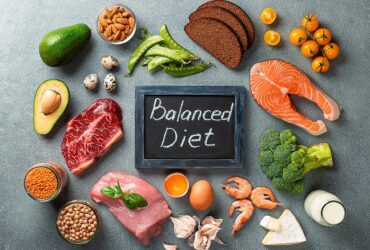

Balanced Diet Linked to Enhanced Brain Health and Cognitive Function, Study Finds

Balanced Diet Linked to Improve Brain Health and Cognitive FunctionA recent study published in Nature Mental Health has revealed that eating a balanced, healthy diet isn’t just good for our bodies—it’s great for our brains too. Researchers from the University of Warwick looked into how the foods we choose affect not only our physical health but also our mental well-being.

They studied a large group of people, nearly 182,000, from the UK Biobank. These participants went through various tests and evaluations, including thinking skills tests, blood tests, brain scans, and even genetic tests. This helped the researchers understand how different foods impact our overall health.

To gather information about what people ate, the researchers asked them questions online. They grouped their food preferences into categories, like fruits, meats, and alcohol. Then, they used a special kind of computer program, called machine learning, to analyze all the data they collected.

The results showed that people who ate a balanced diet tended to have better mental health and sharper thinking skills. Their brains also had more of something called gray matter, which is linked to intelligence. On the other hand, those who ate a less varied diet didn’t score as well on these measures.

The study suggests that making small changes to our diets over time can lead to big improvements in our health. For example, gradually cutting back on sugary and fatty foods might help us naturally start craving healthier options.
The researchers also think that our genes play a role in how our diet affects our brain health. This means that our genes and lifestyle choices influence our brains’ health.

Lead researcher Professor Jianfeng Feng from the University of Warwick stressed the importance of starting to eat healthily early in life. He emphasized the significance of beginning to consume a balanced diet at a young age to promote healthy growth. He suggested that families and schools could contribute by providing a variety of nutritious foods and establishing an environment conducive to both physical and mental well-being.

The study also highlights the importance of government policies in making healthy food accessible and affordable for everyone.

Professor Feng emphasized the necessity of ensuring that everyone, regardless of their financial situation, has access to affordable, healthy food. He believed that this would contribute to enhancing the overall health of society.

Co-author Wei Cheng from Fudan University mentioned that their study revealed the impact of dietary choices on brain health. He stressed the importance of raising awareness about nutrition and promoting healthier eating habits, regardless of individuals’ location or financial status.

Dr. Richard Pemberton, a doctor at Hexagon Health who was not involved in the study, commented that the study confirmed the detrimental effects of poor eating habits on both bodies and brains. He urged immediate action to ensure the healthy upbringing of children and safeguard the health of future generations. He suggested using the research findings as motivation to make healthier lifestyle choices.


Keeping Blood Sugar in Check After Stroke: Key to Recovery

Study shows that it is important to control blood sugar levels in patients after a strokeA recent trial suggests that controlling blood sugar levels in stroke patients who’ve received powerful clot-busting drugs could improve their chances of survival. High blood sugar increases the risk of a dangerous brain bleed after clot-busting drugs reopen blocked brain arteries. This was seen particularly in older patients who had experienced severe strokes, researchers found.


Dr. Andrew Southerland, the lead researcher who is a neurologist at the University of Virginia Health, emphasized the need for more focus and research on managing high blood sugar in stroke treatment, especially for those with severe strokes.

In this trial, scientists examined data from over 1,100 participants, with 63% receiving clot-busting drugs and about four out of five having type 2 diabetes. Half of those who received clot-buster therapy were randomly selected for intensive insulin treatment to control their blood sugar levels more aggressively.

Generally, higher blood sugar levels after clot-busting therapy correlated with a higher risk of a brain bleed, with each 10-point increase in average blood sugar elevating the odds of a brain bleed by 8%. Patients who achieved lower blood sugar levels earlier following clot-busting therapy generally experienced more favorable outcomes.
Despite the specific insulin treatment used not showing significant differences in the risk for a brain bleed, the study’s findings underscore the importance of managing blood sugar levels.

According to Southerland, while the insulin therapy didn’t yield the desired results, it’s crucial for patients, especially those with diabetes, to work with their doctors to manage their blood sugar levels through lifestyle changes.

Further research is necessary to determine the most effective ways to manage blood sugar levels after clot-busting therapy, especially for individuals who have experienced severe strokes. Southerland anticipates that these discoveries will direct upcoming clinical trials aimed at refining blood sugar management in high-risk individuals with severe strokes, especially those receiving clot-removal treatments.

How Physical Activity Protects Your Heart by Reducing Stress Signaling in the Brain

Physical Activitycan Lower Stress, Cardiovascular Health RiskRecent research suggests that engaging in physical activity can decrease the risk of cardiovascular disease by reducing stress-related signals in the brain.


A study was led by researchers at Massachusetts General Hospital (MGH). It was published in the American College of Cardiology Journal. The research discovered that individuals facing stress-related conditions such as depression saw the greatest cardiovascular health benefits from engaging in physical activity.

To understand how physical activity benefits mental and cardiovascular health, Dr. Ahmed Tawakol and his team from the Cardiovascular Imaging Research Center at Massachusetts General Hospital examined the medical records of 50,359 participants from the Mass General Brigham Biobank. These participants had completed a survey about their physical activity habits.

Brain imaging tests and stress-related brain activity measurements were conducted on a subset of 774 participants.
Over a period of about ten years, 12.9% of the participants developed cardiovascular disease. Those who met the recommended levels of physical activity had a 23% lower risk of developing cardiovascular disease than those who didn’t.

Furthermore, individuals who engaged in more physical activity tended to have lower levels of stress-related brain activity. This reduction was mainly seen in the prefrontal cortex, a brain region responsible for decision-making and impulse control, which helps to regulate stress.

The researchers also found that decreased stress-related brain signalling contributed partially to the cardiovascular benefits of physical activity.

It is noteworthy that within the 50,339 participants, those with heightened stress-related brain activity, like individuals with depression, notably gained more cardiovascular benefits from exercise.

Dr. Tawakol, the senior author of the study, conveyed that physical activity appeared to be approximately twice as effective in reducing the risk of cardiovascular disease in individuals with depression. He suggested that this might be attributed to the influence of physical activity on the brain’s stress-related activity.

He also suggested that further studies are necessary to confirm these findings and understand the underlying mechanisms. However, in the meantime, clinicians could inform patients that physical activity may have significant effects on the brain, potentially offering more significant cardiovascular benefits, especially for individuals with stress-related conditions like depression.

Increased Stroke Risk in Older Women Due to Blood Pressure and Other Risk Factors: Study

Understanding the complex factors influencing stroke risk in aging womenStroke ranks as the fifth leading cause of death for men in the United States, and for women, it’s the third. As people get older, their chances of having a stroke go up. Since women typically live longer than men, they end up having more strokes in their lifetimes.


However, a recent study published in the Journal of Stroke and Cerebrovascular Diseases suggests that the reasons behind this are more complicated than just living longer.

Dr. Parneet Grewal, an assistant professor of vascular neurology at MUSC and the study’s main author, emphasizes the importance of understanding these differences in stroke rates. She believes it’s crucial to address these gaps in knowledge to reduce the number of stroke-related deaths and health issues.

There are two main types of stroke: ischemic and hemorrhagic. In Ischemic strokes, the blood vessels in the brain get blocked due to blood clots or other particles. This cuts off oxygen and nutrient supply to the brain. Hemorrhagic strokes occur when a blood vessel suddenly bursts or leaks, putting pressure on the brain.

After examining various studies, Dr. Grewal and her team noticed that stroke risk factors differ between women and men. While factors like high blood pressure, diabetes, obesity, smoking, and high cholesterol increase the risk for both genders, women seem to be more susceptible to certain conditions as they age.

For instance, women tend to be more affected by high blood pressure than men. Since high blood pressure is a major risk factor for stroke, controlling it through lifestyle changes is crucial. A national study from 2019 revealed that the link between increasing blood pressure and ischemic stroke risk was twice as strong in women compared to men.

Other factors such as late puberty, early menopause, pregnancy complications, and hormone therapy also play a significant role in a woman’s stroke risk. Dr. Grewal particularly highlights pregnancy-related conditions that lead to high blood pressure, as they increase the overall risk of stroke and mortality. She notes that women who experience these conditions during pregnancy may face long-term effects on their cardiovascular health.

Dr. Grewal stresses the importance of education, regular check-ups, and early treatment to improve outcomes for women at risk of stroke. She hopes that by using this knowledge to tailor prevention strategies, women can receive more effective stroke prevention in the future.

While Dr. Grewal’s study focused on identifying trends in stroke risk factors, she plans to explore the causes of stroke and its outcomes in future research. Investigating the causes of nontraditional strokes could lead to new prevention methods.

Don’t Ignore Chest Pain: New Study Helps Identify Those Most at Risk for Heart Attack

Don't Ignore Chest PainResearchers at Keele University have made significant progress in understanding how to better prevent future heart attacks in individuals experiencing unexplained chest pain.


This breakthrough could potentially benefit millions of people who visit their GP every year in the UK due to chest discomfort. Despite undergoing various tests, many individuals remain undiagnosed, leaving their condition unattributed. However, research has indicated that those with unattributed chest pain face a higher risk of future heart issues compared to others.

Keele University’s team has pinpointed crucial factors that heighten the chances of individuals experiencing unexplained chest pain to develop heart and circulatory ailments. Their findings, published in the European Journal of Preventive Cardiology, aim to assist doctors in identifying those at the highest risk so they can provide timely preventive treatments and lifestyle advice.

Using anonymized data from over 600,000 patients with unattributed chest pain, the researchers developed and validated risk calculators. These tools analyzed information from GP records, hospital admissions, and mortality data over a period of at least five years. The findings indicated that individuals with atrial fibrillation, diabetes, and managed high blood pressure faced the greatest risk of developing heart and circulatory conditions.

Furthermore, nearly half of those at high risk were smokers or obese, indicating the importance of addressing lifestyle factors. The researchers estimated that supporting smokers with obesity to quit smoking and lose weight could significantly reduce their risk of heart problems over ten years.

Interestingly, the study found that current risk-prediction tools may underestimate the risk for this group of patients. A comparison with the existing QRISK3 risk calculator showed discrepancies, with a significant portion of patients having higher risks according to the new model developed by the researchers.

Professor Mamas Mamas, one of the researchers involved in the study, emphasized the significance of recognizing chest pain as a warning sign for potential future health issues. He highlighted the possibility of utilizing information from health records to identify high-risk individuals and promote healthier lifestyles.

Professor Bryan Williams of the British Heart Foundation hailed the research as crucial in leveraging health data to prevent heart problems. He stressed the importance of responding to early warning signs to prevent avoidable heart attacks, particularly in the face of challenges within healthcare systems.

In conclusion, the study underscores the importance of proactive measures in identifying and managing risk factors associated with unattributed chest pain, ultimately aiming to reduce the burden of heart diseases in affected individuals.

New Study Links Prolonged Inactivity to Age-Specific Changes in Cholesterol Dynamics

Inactive older adults might get affected with Cholesterol A recent study delving into cholesteryl esters reveals how extended periods of inactivity might impact individuals, particularly as they age. Cholesteryl esters, compounds formed by linking cholesterol with fatty acids, are crucial in transporting cholesterol throughout the body.


As people grow older, their chances of being confined to a hospital bed or experiencing prolonged periods of inactivity rise. These extended inactive periods bring about various negative health outcomes, such as diminished insulin function and the loss of muscle mass, bone density, and strength. Scientists aim to deepen their understanding of the biological processes underlying these changes to develop treatments that mitigate the adverse effects of physical inactivity.

Trevor Romsdahl, a researcher at the University of Texas Medical Branch in Galveston, led the investigation.

He explained that they had examined cholesteryl esters in blood plasma collected during studies where participants underwent bed rest, with a focus on middle-aged and older adults. He mentioned that no prior study had scrutinized the specific molecular types of cholesteryl esters during bed rest. He added that previous research had primarily focused on measuring low-density and high-density lipoprotein cholesterol concentrations.

Romsdahl presented the findings at Discover BMB, the yearly gathering of the American Society for Biochemistry and Molecular Biology, which took place from March 23 to 26 in San Antonio.
Cholesteryl esters are crucial for vital biological functions like lipid metabolism, cellular operation, and overall health maintenance. Disruptions in cholesteryl ester metabolism can contribute to the onset of cardiovascular diseases and metabolic disorders.

Romsdahl remarked that there was limited data on the biological importance of cholesteryl esters with different types of fatty acids, noting that these could vary in chain length and saturation levels. He also mentioned that much of the research on cholesterol changes and bed rest had focused on younger adults.

In the recent study, Romsdahl’s team worked with Emily J. Arentson-Lantz, an assistant professor at the University of Texas Medical Branch. They examined the plasma samples gathered during bed-rest studies that included middle-aged and older adults.

The team devised a sensitive analysis method utilizing liquid chromatography and tandem mass spectrometry to pinpoint specific molecular types of cholesteryl esters. This method involved employing a highly hydrophobic C30 liquid chromatography column to separate various cholesteryl ester species based on their fatty acid composition.

The analysis revealed that certain cholesteryl esters tended to increase in middle-aged individuals but decrease in older adults during bed rest. However, similar changes were observed in both age groups when comparing post-recovery levels with pre-bed-rest levels.

Romsdahl noted that further research was necessary to understand the biological implications of those findings and their potential impact on health. He added that adjusting or supplementing diets with specific fatty acids could potentially shift cholesteryl ester species towards a healthier profile.

Mediterranean Diet Improves Irritable Bowel Syndrome Symptoms and Mental Health as per a New Study

Mediterranean Diet Improves Irritable Bowel Syndrome Symptoms and Mental HealthRecent research exploring the advantages of a Mediterranean diet for individuals dealing with irritable bowel syndrome (IBS) has revealed some unexpected findings.

The study, led by Dr. Heidi Staudacher from Deakin University’s Food & Mood Center, discovered that not only did the Mediterranean diet, which is rich in fruits, vegetables, and legumes, enhance the mental well-being of the participants, but it also led to an improvement in their gastrointestinal symptoms.

According to Dr. Staudacher, individuals with IBS often tend to avoid certain foods that are crucial in a Mediterranean diet due to the fear of worsening their symptoms.

In her study, Dr. Staudacher and her team followed 59 people over six weeks, providing counselling on the Mediterranean diet to one group while the other group continued with their regular diet.

The aim was to investigate whether adopting a Mediterranean diet could alleviate both depressive and gut symptoms in individuals with IBS.

The results were quite remarkable:

  • 83% of those on the Mediterranean diet experienced a decrease in their IBS symptoms compared to only 37% in the control group.
  • Additionally, participants on the Mediterranean diet reported lower levels of depression at the end of the study.
  • Surprisingly, they also experienced fewer gastrointestinal symptoms compared to the control group.

These findings suggest that rather than solely focusing on eliminating certain foods known to trigger symptoms, promoting a Mediterranean-style diet could be beneficial for managing IBS symptoms.

Dr. Staudacher emphasizes the need for further research, particularly larger studies comparing the Mediterranean diet with other diets, to better understand its effects on gut and psychological symptoms.

She also suggests that dietitians play a crucial role in helping individuals gradually incorporate high-fiber and high-FODMAP foods into their diets to prevent triggering gut symptoms.

In conclusion, this study sheds light on a potential dietary approach that could offer relief to individuals living with IBS, emphasizing the importance of a holistic and health-promoting diet in managing their symptoms.

Three Times Increased Risk of Dementia in Patients with Essential Tremor: Study

Study found link between essential tremor and risk of dementiaNew research unveiled today, March 6, 2024, suggests that individuals with essential tremor, a condition causing involuntary shaking, might face a higher risk of dementia compared to the general population. This study will be presented at the American Academy of Neurology’s 76th Annual Meeting from April 13 to April 18, 2024, both in Denver and online.


Essential tremor stands as the most prevalent tremor disorder, surpassing even Parkinson’s disease in frequency. Besides trembling in the arms and hands, those affected might also experience involuntary head, jaw, and voice shaking.

Dr. Elan D. Louis, from the University of Texas Southwestern Medical Center in Dallas and an American Academy of Neurology Fellow, explained that many individuals with essential tremors may only experience mild shaking. He further noted that it could significantly impact some daily activities like writing and eating. He added that their research suggests that along with these tremors, there’s an increased likelihood of developing dementia.

The study observed 222 individuals with essential tremors, averaging 79 years old at the study’s commencement. Cognitive assessments were conducted initially to gauge their cognitive status—whether normal, mildly impaired, or with dementia.

For approximately five years, participants underwent follow-up assessments every 1.5 years. At the study’s onset, 168 individuals had normal cognitive abilities, 35 exhibited mild cognitive impairment, and 19 had dementia.

Throughout the study, 59 participants developed mild cognitive impairment, and 41 developed dementia. By comparing these rates and prevalences to both the general population and individuals with Parkinson’s disease, researchers discovered that the likelihood of developing dementia among participants was three times higher than that of the general population. However, it was lower compared to those with Parkinson’s disease, a group where dementia is more prevalent.

Moreover, during the study period, 27% of participants either had or developed mild cognitive impairment—a rate nearly double that of the general population but less than that observed in individuals with Parkinson’s disease.

Dr. Louis noted that while most individuals with essential tremor won’t develop dementia, their findings underscore the importance for physicians to inform those with essential tremor and their families about the increased risk and potential lifestyle adjustments that may follow this diagnosis.

One limitation of the study was that the comparison data for the general population had been published before the study’s initiation.

Is Stress Aging You? New Research on How Stress Affects Young Adults

How Stress Affects Young AdultsA recent study suggests that younger adults might feel and appear older on tough days, especially when they sense they have less control over their lives.


Shevaun Neupert, a psychology professor at North Carolina State University, explains that stress tends to make older adults feel their age or even older than they are. However, little research has focused on this in younger adults, such as those in their teens, 20s, and 30s. Understanding this phenomenon across different age groups could help develop ways to safeguard mental and physical well-being.

The study involved 107 adults aged 18 to 36, with an average age of about 20. They filled out a baseline and more detailed daily surveys for eight days. These surveys aimed to gauge their daily stress levels, their perceived control over their lives, and how old they felt and looked each day.

The main finding was that on days when participants felt more stressed than usual, they also felt and looked older. This effect only occurred when they also felt they had less control over their lives than usual.

Crucially, the levels of stress and control were compared to each participant’s usual levels. Even if someone reported relatively low stress, the effect was observed if it was higher than their norm. Similarly, the effect still showed if someone felt they still had a fair amount of control, but less than usual.

Neupert highlights that this phenomenon isn’t limited to older adults; it also affects young people. Moreover, chronic stress can have harmful effects over time, and since younger generations are experiencing historically high-stress levels, it’s crucial to monitor their stress-related physical and mental health closely.

Understanding how stress impacts perceptions of age in young adults is essential for developing strategies to support their well-being as they transition into adulthood.

Study Links Abdominal Fat Distribution to Cognitive Decline in Men: Insights into Alzheimer’s Disease Risk

Abdominal Fat Linked with Cognitive Decline in MenResearchers at Rutgers Health have discovered that abdominal fat may have a more significant impact on brain health and cognition in middle-aged men at high risk of Alzheimer’s disease compared to women.


A study published in the journal Obesity, led by Michal Schnaider Beeri from Rutgers Brain Health Institute, examined the relationship between abdominal fat and brain health in middle-aged individuals with a family history of Alzheimer’s disease. The study, which involved 204 healthy middle-aged individuals with a family history of Alzheimer’s, used MRI to measure fat in the pancreas, liver, and abdomen.

According to Beeri, higher levels of pancreatic fat in middle-aged men at high risk of Alzheimer’s disease were associated with lower cognitive function and smaller brain volumes. However, this association was not observed in women, indicating a potential sex-specific link between abdominal fat and brain health.

Obesity is known to increase the risk of cognitive decline and dementia, but the relationship differs between men and women. The study emphasizes the importance of considering sex differences when studying the impact of fat distribution on brain aging and cognition.

Furthermore, the study challenges the conventional use of body mass index (BMI) as the primary measure of obesity-related cognitive risks. According to the researchers, BMI does not adequately represent fat distribution and fails to account for sex differences.

Sapir Golan Shekhtman, a Ph.D. student involved in the study, stated that the correlations between abdominal fat and cognitive function were stronger than those between BMI and cognition. This suggests that abdominal fat, rather than BMI, could be a more significant risk factor for cognitive decline and dementia.

The study’s findings open the door for specific interventions and deeper investigation into various methods for reducing the influence of abdominal fat on brain health. Understanding these relationships could lead to more effective strategies for preventing cognitive decline and dementia in at-risk individuals.

People with a History of Herpes Infection Show Twice the Rate of Dementia: Study

Herpes Infection linked with Double Dementia RiskA recent study from Uppsala University suggests that people who have experienced the herpes virus at some point might face double the risk of developing dementia compared to those who haven’t had the infection. This study, which involved 1,000 70-year-olds from Uppsala over 15 years, reinforces previous findings regarding the potential link between herpes and dementia.


Published in the Journal of Alzheimer’s Disease, the research revealed that individuals who had contracted the herpes simplex virus during their lives were twice as likely to develop dementia compared to those who hadn’t. The herpes simplex virus is widespread, with up to 80 percent of adults in Sweden possibly carrying it. Although the infection persists throughout life, its symptoms may vary over time, and some individuals may never experience any symptoms.

Erika Vestin, a medical student at Uppsala University, highlighted the significance of this study, emphasizing that the participants were of similar age, enhancing the reliability of the results by minimizing the influence of age-related factors on dementia development.

Dementia affects around 55 million people globally, with advanced age and the presence of the apolipoprotein ε4 risk gene already established as risk factors. Previous research had explored the potential connection between the herpes simplex virus and dementia, a link now substantiated by this study.

Vestin expressed excitement about the confirmation of previous findings, noting a growing body of evidence implicating the herpes simplex virus as a dementia risk factor. The study’s findings underscore the importance of investigating whether existing antiviral medications for herpes could mitigate dementia risk and the potential for developing new vaccines.

According to Vestin, these results may propel dementia research towards early intervention using commonly available antiviral drugs or even preventive measures to stave off the disease. This study sheds light on the importance of further exploration into the relationship between herpes and dementia, potentially offering avenues for more effective management and prevention strategies.

Physical Activity Alone Won’t Counteract Cardiovascular Disease Risks of Sugary Drinks: Study

Doing only physical activity is not enough counter the heart risksA recent study suggests that relying solely on physical activity may not be enough to counter the heart risks associated with sugary drinks like sodas and fruit cocktails.

Researchers from Canada discovered that even if people meet the recommended 150 minutes of weekly physical activity, it may not fully offset the negative effects of consuming sugar-sweetened beverages on cardiovascular health.

Jean-Philippe Drouin-Chartier, an assistant professor from Université Laval’s Faculty of Pharmacy in Quebec, explained that physical activity has the potential to reduce the risk of heart issues associated with sugary drinks by approximately fifty percent. Still, it doesn’t entirely eliminate the risk.

The study, which looked at data from approximately 100,000 adults over three decades, found that those who drank sugary beverages more than twice a week had a heightened risk of heart disease, regardless of how much exercise they did.

Even worse, the risk increased for those who consumed these drinks daily.

Drouin-Chartier pointed out that the sugary beverages in the study included sodas, lemonades, and fruit cocktails. Although the research didn’t specifically examine energy drinks, they typically contain large amounts of sugar.

Interestingly, artificially sweetened drinks did not show the same association with heart disease risk.

Drouin-Chartier advised that transitioning from sugary beverages to diet alternatives is a positive move because it decreases sugar consumption. However, he emphasized that water remains the healthiest option.

Lead study author Lorena Pacheco, a research scientist from the Harvard T.H. Chan School of Public Health, emphasized that these findings support the importance of limiting sugary beverage intake and promoting regular physical activity.

The study was recently published in the American Journal of Clinical Nutrition, providing additional evidence for public health efforts to discourage excessive consumption of sugar-sweetened drinks while encouraging people to maintain a healthy level of physical activity.

Depression and Body Temperature: Major Study Reveals Potential Connection

Connection between Depression and Body TemperatureIn a recent study conducted by researchers, it was discovered that individuals diagnosed with major depressive disorder (MDD) often have higher body temperatures. This finding suggests potential treatments that could help manage this aspect and potentially ease the challenging symptoms associated with depression.


Researchers from the University of California San Francisco (UCSF) examined data collected from over 20,000 individuals across a span of seven months and from 106 different countries. By analyzing self-reported temperature data from 20,863 individuals and wearable sensor data from 21,064 people, they gathered a total of 559,664 body temperature readings. Each participant provided an average of 27 temperature readings per day.

Concurrently, mental health assessments were carried out monthly using a widely used depression measure known as the Patient-Reported Outcomes Measurement Information System (PROMIS), which helps gauge the severity of depression symptoms.

According to Ashley Mason, the study’s lead author and an associate professor of psychiatry at UC, this research is the largest of its kind to explore the connection between body temperature and depressive symptoms across a diverse sample.

Smaller sample sizes and controlled environments have limited previous studies. Analyzing real-world data is crucial for understanding how body temperature relates to MDD and for developing new treatment approaches.

The study revealed that higher body temperatures were associated with more severe depression symptoms, regardless of factors such as age and gender. Additionally, an increase in symptom severity corresponded to higher body temperatures. Although there was a trend suggesting that higher depression scores were linked to less fluctuation in temperature over 24 hours, this finding was not statistically significant.

Potential treatments might involve raising body temperature, such as through activities like hot yoga and sauna sessions, which could trigger the body’s cooling mechanisms.

Despite the increasing rates of depression globally, effective treatment remains complex due to its multifactorial nature. While the exact relationship between body temperature and depression is still unclear, the researchers believe their findings support further exploration of innovative thermoregulatory therapies.

The study, published in the journal Scientific Reports, underscores the importance of understanding the biological mechanisms underlying depression and elevated body temperature, paving the way for more targeted treatments in the future.

Ashley Mason expressed enthusiasm about the potential of these findings, particularly in light of the rising rates of depression in the United States.

Study Explores the Connection Between Playing Instruments and Cognitive Well-Being in Seniors

Connection Between Playing Instruments and Cognitive Well-BeingAccording to a recent study conducted by experts at the University of Exeter, engaging in music might be good for your brain health as you age.

The researchers who are part of the PROTECT study looked at data from over a thousand individuals aged 40 and older. The PROTECT study is an online research effort which was used to study this age group. The goal was to understand how playing a musical instrument or singing in a choir affects brain health. The PROTECT study, which has been ongoing for a decade and has over 25,000 participants, served as a valuable source of information.

The team looked at participants’ musical experiences and lifetime exposure to music. They also considered the results of cognitive tests to determine if being musically inclined contributes to maintaining a sharp mind as people age. The findings of their work are presented in a paper which covers the relationship between cognitive trajectories and playing a musical instrument based on the analysis of a UK-based group of seniors. The paper was published in a reputed journal, the International Journal of Geriatric Psychiatry.

The study discovered that playing a musical instrument, especially the piano, is associated with better memory and improved ability to solve complex tasks, also known as executive function. Moreover, the research suggests that singing is also linked to improved brain health, although being part of a choir or group may contribute to this positive effect.

Professor Anne Corbett, a specialist in Dementia Research who works at the University of Exeter, mentioned that several studies have examined how music affects brain health. She stated that their PROTECT study provided a distinctive chance to investigate the connection between cognitive performance and music in a large group of older adults. She suggested that being musical might serve as a means to tap into the brain’s agility and resilience, commonly mentioned as cognitive reserve.

While there is a need for more research to delve deeper into this connection, the findings indicate that providing more musical education could be a valuable part of protecting brain health through public health initiatives. Encouraging older adults to return to music in later life is also suggested. Professor Corbett emphasized that evidence supports the benefits of music group activities for individuals with dementia, proposing an extension of such approaches to promote healthy aging.

Stuart Douglas, a 78-year-old accordion player from Cornwall, shared his experience. He has played the accordion regularly since childhood. He plays it regularly with the Cornish Division of the Royal Scottish Country Dance Society and also with the Cober Valley Accordion Band. Stuart believes that his continuing with music into his senior years has played an important role in maintaining his brain health.

The PROTECT study is entirely conducted online and welcomes new participants aged 40 and over. For more information, you can visit http://www.protectstudy.org.uk.

Five-Star Guarantee of Satisfaction