


Ketogenic Diets Linked to Higher Cholesterol and Decreased Gut Health: Study

People on a ketogenic diet might experience higher levels of LDL cholesterol and decrease in certain beneficial gut bacteriaA group of health and nutrition experts from the University of Bath and collaborators from the University of Bristol, Teagasc Food Research Center, Oxford University Hospital Trusts, and Maastricht University conducted a study to explore the effects of the ketogenic diet on health. Their findings, published in *Cell Reports Medicine*, suggest that people on a ketogenic diet might experience higher levels of LDL cholesterol and apolipoprotein B, as well as a decrease in certain beneficial gut bacteria.

The study involved 53 healthy adults over 12 weeks. These participants followed one of three diets: a low-sugar diet with less than 5% of calories from sugar, a moderate-sugar diet used as a control, or a ketogenic (keto) diet with less than 8% of calories from carbohydrates.

The results showed that those on the keto diet had increased cholesterol levels, particularly in smaller and medium-sized LDL particles. The diet also led to a rise in apolipoprotein B, a protein that can lead to plaque build-up in arteries, which is linked to heart disease. On the other hand, the low-sugar diet was found to reduce LDL cholesterol levels significantly.

Additionally, the keto diet was shown to alter the gut microbiome by decreasing Bifidobacteria, a type of beneficial bacteria often found in probiotics. These play an important role in lowering cholesterol, producing B vitamins, and preventing harmful bacteria from taking over. The low-sugar diet also did not cause significant changes in the gut microbiome.

Another significant finding was that the keto diet reduced the body’s glucose tolerance. This reduced the efficiency of the body at processing carbohydrates. On average, the keto diet participants lost 2.9 kg of fat, while the low-sugar diet ones lost 2.1 kg over the same period.

The researchers also observed that the keto diet caused major changes in how the body metabolizes fats and uses energy in muscles. This diet shifted the body’s energy source from glucose (sugar) to fats. Both diets led to fat loss without requiring participants to increase their physical activity, which is notable because earlier research had shown that skipping meals or fasting often led to reduced physical activity.

The study’s lead researcher, Dr. Aaron Hengist, expressed concerns about the cholesterol levels observed in participants on the keto diet. He pointed out that while the diet did help reduce body fat, it also increased levels of unhealthy fats in the blood. Over time, this could raise the risk of developing heart disease and stroke if these elevated fat levels persist.

Professor Javier Gonzalez, who also oversaw the research, noted that the keto diet lowered fasting glucose levels and impaired the body’s ability to manage carbohydrates after a meal. This change likely reflects an adaptive response to the low-carb intake, potentially leading to insulin resistance in muscles. This resistance might not be a problem for those strictly following a keto diet, but if the resistance persists when switching back to a diet higher in carbohydrates, it could increase the risk of type 2 diabetes in the long term.

Dr. Russell Davies, who led the investigation into the gut microbiome, highlighted that dietary fiber is crucial for the survival of beneficial gut bacteria like Bifidobacteria. The keto diet significantly reduced fiber intake, which could have long-term health consequences, such as a higher risk of digestive disorders, infections, and weakened immune function.

Given these findings, the researchers suggest that a low-sugar diet might be a better choice for most people considering a diet change. They emphasize the need for more research to determine how different individuals might respond to each type of diet. The government recommends that free sugars make up less than 5% of total energy intake.

Professor Dylan Thompson, who was also involved in the study, commented that the keto diet is an effective diet for fat loss. But, it has varied effects on metabolism and gut health, which may not be suitable for everyone. In contrast, reducing sugar intake supports existing guidelines and promotes fat loss without apparent negative impacts on health.


Physical Activity Can Reduce Mortality Risk Linked to Prolonged Sitting in Diabetic Adults

Adults with diabetes who follow recommended physical activity guidelines can reduce the risk of dying early.A new study from the Joseph L. Mailman School of Public Health, a public health graduate school at Columbia University, shows that adults with diabetes who follow recommended physical activity guidelines can reduce the risk of dying early, even if they sit for long periods each day. This is the first study to demonstrate that enough exercise can counteract the increased risk of mortality linked with prolonged sitting, specifically for people with diabetes.
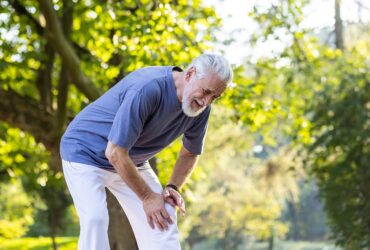

The findings were published in the journal Diabetes Care.

Wen Dai, Ph.D., the study’s first author and a former doctoral student in Epidemiology at Columbia Mailman School, mentioned the importance of addressing the high mortality risk in people with diabetes due to the widespread diabetes epidemic and the common tendency among these individuals to sit more and move less.

Excessive sitting is a major public health issue, leading to a higher risk of death for everyone, not just those with diabetes.

Researchers used data for people aged 20 or older with diabetes, as defined by the American Diabetes Association from the 2007-2018 National Health and Nutrition Examination Surveys (NHANES). These individuals were tracked until 2019 to find out their mortality status. Participants reported their sitting time and levels of moderate-to-vigorous physical activity. Information on their demographics, lifestyle habits, and medical conditions was gathered through personal interviews.

Physical activity levels were classified into three categories per week: inactive (less than 10 minutes), insufficiently active (10 to 149 minutes), and active (150 minutes or more). Around 38% of those surveyed indicated they engaged in moderate to vigorous activity for under 10 minutes each week. Of those who responded, 50% had experienced diabetes for at most five years while 34% had diabetes for more than ten years. Those who were inactive or engaged in physical activity for less than 10 minutes per week had a higher risk of dying from any cause.

During an average follow-up of the participants whose average age was 60 years for a period of six years, there were 1,278 deaths from all causes and 354 deaths from heart disease. The breakup of the participants was 48% female and 61% non-Hispanic white. About 25% were educated at a lower level than high school, and around 12% did not have health insurance.

Sandra Albrecht, Ph.D., an assistant professor of Epidemiology at Columbia Mailman School of Public Health and the study’s senior author, emphasized the importance of encouraging and helping patients adhere to physical activity guidelines. She noted that this is especially important for individuals who must sit for long periods due to their jobs, such as drivers or office workers.

In summary, this study highlights that for adults with diabetes, engaging in sufficient physical activity can mitigate the increased risk of mortality associated with excessive sitting. It underscores the need for healthcare providers to promote and support physical activity among people with diabetes, considering the significant health benefits it can provide.

Association Between Kneecap Shape and Osteoarthritis Risk: Study

A person's kneecap shape could help predict their risk of osteoarthritis, according to a new study.A person’s kneecap shape could help predict their risk of osteoarthritis, according to a new study from The Australian National University (ANU) published in the journal Osteoarthritis and Cartilage.


Associate Professor Laura Wilson, the lead author, noted that the symptoms for women with knee osteoarthritis were often more severe than men. The reasons for this difference are not well understood. Osteoarthritis is the most common form of arthritis, leading to pain, stiffness, and swelling in the joints.

The research team aimed to determine if the kneecap’s shape could be a factor.

Associate Professor Wilson mentioned that they focused on the kneecap because it significantly contributes to pain in knee osteoarthritis. She explained that the femur, a bone in the knee joint, has some features that have a different shape in women than in men. They hypothesized that the kneecap shape might feature similar sex differences.

The team included Jo Ménard, a former ANU Master’s student as well as researchers from ANU and The Canberra Hospital. They collected CT scans from a large group of healthy people and patients awaiting knee replacement surgery.

They used advanced image analysis techniques to create 3D models of hundreds of kneecap bones. They also visualized and measured the surfaces of the kneecaps in 3D by applying shape modelling methods.

While they did not find unique features in female kneecaps compared to male ones, they discovered that the kneecap surfaces varied more in individuals with osteoarthritis.

Associate Professor Wilson said it was surprising that the different joint surfaces of the kneecap change shape in various ways with osteoarthritis and as the disease becomes more severe.

The team intends to broaden their study.

Associate Professor Wilson shared that their goal is to understand how these shape differences start in individuals with osteoarthritis early on. If this is the case, she mentioned that kneecap features might be included in disease prevention models, helping to identify people who are more at risk of knee osteoarthritis and could benefit from early intervention.

Cycling to Work Linked to Reduced Risks of Mental and Physical Illness: Study

Cycling to Work Reduces Mental and Physical IllnessA large study published in BMJ Public Health found that people who cycle or walk to work or school might have better mental and physical health than those who don’t. The research showed the greatest health benefits among cyclists, who had a 47% lower risk of dying from any cause.


Active travel, which includes walking and cycling, is one of the easiest and most sustainable ways to increase daily physical activity. Researchers note that increasing evidence supports active travel’s health benefits. However, previous studies have often been limited by short monitoring periods, narrow age ranges, and limited health outcomes.

To address these limitations, the researchers used the Scottish Longitudinal Study (SLS) data, which includes 5% of the Scottish population based on census data from 1991, 2001, and 2011. The study focused on people aged 16 to 74 in 2001 who travelled to work or school in the UK. After excluding incomplete data, the final analysis included 82,297 people.

Participants were asked about their main mode of travel for the longest part of their commute. Walking or cycling were considered as active travel, while all other methods were considered “inactive.” The responses were linked to national hospital records for various health issues, including cardiovascular disease, cancer, road traffic collisions, and mental health drug prescriptions from 2001 to 2018.

The study considered several factors that could influence the results, such as age, sex, pre-existing health conditions, socioeconomic status, and distance to work or school.

Between 2001 and 2018, 4,276 participants died (just over 5% of the study group), with almost half dying from cancer (2023; 2.5%). Over 64% of participants (52,804 people) were admitted to the hospital for various reasons, including cardiovascular disease (12%), cancer (7%), and road traffic collisions (3%).

Additionally, 38.5% of participants were prescribed medication for cardiovascular disease between 2009 and 2018, and 41% were prescribed drugs for mental health issues during the same period.

Comparisons with inactive commuters showed that those who walked to work or school were more likely to be female, younger, shift workers, living in cities, and commuting shorter distances. They also tended to have lower household incomes and educational levels and were less likely to have dependent children. Cyclist commuters were more likely to be males, younger, city living, and shift workers, and they were less likely to be homeowners or caregivers.

After adjusting for these factors, the study found that active commuting was linked to lower risks of death and mental and physical health issues compared to inactive commuting. Specifically, cycling was associated with a 47% lower risk of death, a 10% lower risk of any hospital admission, and a 24% lower risk of hospital admission for cardiovascular disease.

Cyclists also had a 30% lower risk of being prescribed drugs for cardiovascular disease. Their risk of dying from cancer was 51% lower. Their risk of being hospitalized for cancer was 24% lower than others. Their risk of being prescribed drugs for any mental health problems was also reduced by 20%. However, the chances of cyclist commuters being hospitalized after a road traffic collision were twice as likely compared to inactive commuters.

Walking to work or school was associated with an 11% lower risk of hospital admission for any cause and a 10% lower risk of hospital admission for cardiovascular disease. It was also linked to 10% and 7% lower risks of being prescribed drugs for cardiovascular disease and mental health issues, respectively.

While this is an observational study and cannot definitively establish cause and effect, the researchers acknowledged some limitations. For example, the census data only reflects one point in time and does not include general physical activity levels. Additionally, prescription data was only available from 2009 onward, and the census data did not account for multimodal trips, potentially leading to overlap between active and inactive commuters.

The researchers concluded that their study adds to the evidence that active commuting offers significant health benefits and can help reduce illness and death rates. They highlighted the importance of having a safe cycling infrastructure, as cyclist commuters had a higher risk of road traffic injuries.

Study Finds Acupuncture Effective for Sleep Problems in Parkinson’s Disease

Acupuncture has shown positive effects on Sleep in Parkinson's Disease PatientsAbout 0.5 million people have Parkinson’s disease in the United States, as per the National Institutes of Health (NIH). Experts think the actual number might be twice as high. Many people live with Parkinson’s Disease for a while before being diagnosed.


Poor sleep quality severely affects the lives of people with Parkinson’s disease and speeds up their condition’s progression. Unfortunately, current treatments for sleep issues in Parkinson’s patients are limited. Acupuncture, when used along with anti-Parkinson medications, has shown some positive effects. However, there isn’t enough high-quality clinical evidence to prove its effectiveness for patients with Parkinson’s and poor sleep.

Parkinson’s disease is a brain disorder that worsens over time, leading to reduced neural responses in parts of the brain like the supplementary motor area, putamen, and thalamus. Earlier studies indicated that acupuncture could help improve motor dysfunction in these patients.

The goal of this new study was to evaluate the safety and effectiveness of real acupuncture (RA) compared to sham acupuncture (SA) as an additional treatment for Parkinson’s patients with sleep problems.

The study was a single-center randomized clinical trial conducted at The First Affiliated Hospital of Guangzhou University of Chinese Medicine in China from February 18, 2022, to February 18, 2023. The data analysis took place from April 12 to August 17, 2023.

Mingyue Yan, Ph.D., is from China’s First Clinical College at Guangzhou University of Chinese Medicine. She and her team randomly assigned 78 patients with Parkinson’s and poor sleep to either real or sham acupuncture for four weeks. They found that both groups significantly increased their Parkinson’s Disease Sleep Scale (PDSS) scores from the start.

However, after four weeks of treatment, the real acupuncture group had a more substantial improvement in PDSS scores compared to the sham group, and this improvement lasted up to eight weeks. Neither group had severe side effects, and any moderate side effects were well managed.

The study’s authors noted that acupuncture improved both sleep quality and overall life quality for Parkinson’s patients in the trial, with the benefits lasting up to four weeks. They highlighted the potential of acupuncture as a helpful additional treatment for sleep-related issues in Parkinson’s patients. They also suggested that future research should include diverse participant samples to make sure the results apply to a broader population of Parkinson’s patients.

The Growing Influence of Cardiovascular Health on Dementia Risk

Study finds risk factors for dementia related to heart healthA new study by researchers from University College London (UCL) has discovered that risk factors for dementia related to heart health have increased over time, while other factors like smoking and lower levels of education have decreased in importance. The study, which was published in The Lancet Public Health, looked at how these risk factors for dementia have changed and what this might mean for future dementia rates.


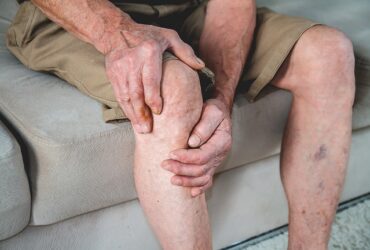
Currently, around 944,000 people in the UK have dementia, and about 52% of the population, or 34.5 million people, know someone with the disease. Dementia is one of the leading causes of death in the country, and it has been the primary cause of death for women in the UK since 2011.

There is growing interest in risk factors for dementia that can be changed, as removing these risks could prevent about 40% of dementia cases. The new study reviewed 27 papers from different countries, including data from 1947 to 2015, with the latest paper published in 2020. Researchers looked at the data to see how much each risk factor contributed to dementia over time.

Dementia often develops due to a mix of genetic and environmental factors, such as high blood pressure (hypertension), obesity, diabetes, lack of education, and smoking.

The researchers found that over time, smoking and having less education had become less common, which was linked to lower rates of dementia. On the other hand, obesity and diabetes rates have gone up, and these factors have become more important in contributing to dementia.

The biggest risk factor for dementia in most of the studies was high blood pressure. However, it’s important to note that more people have been managing their blood pressure better over time.

Dr. Naaheed Mukadam from UCL Psychiatry, who led the study, pointed out that heart health risk factors might be playing a bigger role in dementia risk over time. Because of this, she suggested that more effort should be put into targeting these factors to prevent dementia in the future.

Dr. Mukadam also mentioned that higher education levels have increased in many wealthier countries, making it a less significant risk factor for dementia. She added that smoking has also decreased in Europe and the USA because it has become less socially acceptable and more expensive. These trends indicate that changes at the population level, such as policies to improve education and reduce smoking, could have a big impact on the factors that lead to dementia. She suggested that governments should think about adopting such measures globally.

The study was supported by the Three Schools’ Dementia Research Programme at the National Institute for Health and Care Research (NIHR).

The study also noted some limitations. While cardiovascular risk factors like high blood pressure have increased over time, more people have been managing these conditions better, so their impact on dementia risk may be less than it seems. Additionally, the studies reviewed only included data up to 2015, so they might not reflect more recent trends in dementia risk factors.

Study Finds Walking Reduces Recurrence of Lower Back Pain

Walking Can Prevent Recurrence of Low Back Pain

A groundbreaking study has discovered that adults with a history of low back pain can significantly delay the return of their pain by simply walking regularly. This is a crucial finding because low back pain is a widespread issue affecting around 800 million people globally and is a major cause of disability and reduced quality of life.

Many people experience recurring episodes of low back pain, with about 70% of those who recover from an episode having a relapse within a year.

The current best practices for managing and preventing back pain usually involve a mix of exercise and education. However, many forms of exercise are either too expensive, too complex or require overseeing, making them beyond reach for a lot of people.

A clinical trial was conducted by researchers from the Spinal Pain Research Group based at Macquarie University to see if walking could be a practical, low-cost alternative. The trial included 701 adults who had recently recovered from episodes of low back pain.

These participants were divided into two separate groups: One group participated in a customized walking program. They also attended six educational sessions led by a physiotherapist over a period of six months. The other group did not go through any of these activities.

The researchers monitored the participants for one to three years, depending on when they joined the study. The results, now published in The Lancet, indicate a significant benefit for those in the walking group. According to Macquarie University Professor of Physiotherapy, Mark Hancock, the walking group had fewer episodes of pain that limited activity and enjoyed a longer period before experiencing a recurrence of their pain, with an average of 208 days compared to 112 days for the control group.

Professor Hancock explained that walking is a simple, low-cost exercise that is accessible to almost everyone, regardless of where they live, their age, or their economic status. He noted that while the exact reasons why walking helps prevent back pain are not entirely clear, it likely involves gentle movements that strengthen the spine and muscles, reduce stress, and release endorphins, which are chemicals in the brain that make people feel good. Additionally, walking has other health benefits, such as improving heart health, bone strength, maintaining a healthy weight, and enhancing mental health.

Dr. Natasha Pocovi, the study’s lead author, mentioned that the walking program not only provided longer periods without pain but was also very cost-effective. It improved the participants’ quality of life and reduced their need to seek healthcare support and the amount of time they had to take off work by about half.

Dr. Pocovi highlighted that previous exercise-based programs to prevent back pain usually required group sessions, close clinical supervision, and expensive equipment, making them less accessible for many people. This study has demonstrated that walking is an effective and accessible form of exercise that could be implemented on a larger scale than other, more complex forms of exercise.

Following these promising results, the research team aims to explore how they can integrate this preventive walking approach into the routine care of patients who frequently suffer from low back pain.

High Prevalence of Arthritis Symptoms Found in Psoriasis Patients: Study

Study revels Risk of Arthritis in individuals with Psoriasis

An international study has revealed significant findings regarding the risk of arthritis in individuals with psoriasis. So far, the study has included 712 patients, which is 25% of the total studied and has shown a substantial number of them experiencing joint problems.

This research, conducted by experts from Oxford University, University College Dublin, and supported by The University of Manchester, has already recruited nearly 3,000 participants. However, the team is still looking for 2,000 more psoriasis participants. Psoriasis is a skin condition characterized by flaky patches with white scales and affects around 3% of people in the UK and Europe.

The fact that 25% of the participants have joint issues confirms what scientists already knew: up to a third of people with psoriasis are likely to develop psoriatic arthritis (PsA). This form of arthritis leads to inflammation and pain in the joints and tendons.

The study is led by Professor Laura Cotes from Oxford University. She explained that, currently, there is no way to determine which psoriasis patients will develop arthritis. This research aims to create methods to prevent arthritis in these patients through possible drug treatments or lifestyle changes such as exercise and stress management.

The study is an online study called HIPPOCRATES Prospective Observational Study. This online study, short form HPOS, monitors individuals with psoriasis for three years to identify who develops psoriatic arthritis (PsA).

Participants complete online surveys and send small blood samples via mail. The study started in the UK in July 2023 and expanded to Ireland in August 2023, Greece in February 2024, and Portugal in April 2024. The research team in Oxford plans to include another 12 European countries, aiming to recruit 25,000 psoriasis patients in total.

Professor Cotes mentioned that researchers from across Europe will gather in Manchester on June 19 and 20 to discuss the study’s progress. So far, they have collected initial data from 2,841 patients, with 1,761 from Ireland and 1,067 from the UK.

Professor Ann Barton from The University of Manchester analyzes the genetic samples collected in the study. She stated that some psoriasis patients will develop psoriatic arthritis. If they can identify which patients are at a higher risk, these individuals could receive preventative treatments in the future.

Manchester is focusing on finding genetic changes that might predict who is more likely to develop psoriatic arthritis. The HPOS study will help collect the necessary samples to advance this work.

Russ Cowper, a Manchester resident who has lived with PsA for many years, shared that diagnosing PsA is challenging and can be confusing for patients. He noted that general practitioners might not always recognize the symptoms, which can vary widely. Once diagnosed, patients can better plan for their future, knowing they have a chronic condition.

He described PsA as a debilitating condition with unpredictable flare-ups, affecting nearly all his joints except his elbows. He explained that the pain can be exhausting, leading to poor sleep and making daily tasks difficult.

The study is part of the broader HIPPOCRATES project, which is a large research collaboration involving over 25 groups across Europe. Under the leadership of Professor Oliver FitzGerald in Dublin, the project seeks to address critical questions about psoriasis, such as its diagnosis, predicting arthritis development, responses to treatments, and identifying which patients may suffer joint damage.

Professor FitzGerald mentioned that people with psoriasis have been involved in all aspects of the study. He expects the results to identify risk factors for developing psoriatic arthritis and hopes for strong public interest, which could lead to new treatments to prevent the condition.

Overcoming Misconceptions: Encouraging Physical Activity in Knee Osteoarthritis Patients

Encouraging Knee Osteoarthritis Patients to Exercise

Knee osteoarthritis (OA) is a condition that causes pain and stiffness in the knee joint. While doctors know that physical activity can help ease these symptoms, only about one out of every ten people with knee OA actually exercises regularly.

Researchers at the University of South Australia conducted a unique study to understand why people with knee osteoarthritis aren’t more active. They discovered that many people with this condition unconsciously believe that exercise might be harmful, even though medical advice clearly states that physical activity is beneficial.

The study found that 69% of people with knee pain had stronger unconscious beliefs that exercise was dangerous compared to people who did not have knee pain. This means that even if someone says they think exercise is safe, deep down, they might actually be afraid that it could hurt them.

Brian Pulling, a PhD candidate at the University of South Australia and a lead researcher on the study, explained that their findings offer valuable insights for doctors and other health professionals who treat people with knee OA. Pulling mentioned that although research shows exercise is beneficial for people with knee OA, most of these individuals do not engage in enough physical activity to improve their joint or overall health.

Pulling noted that previous research often used questionnaires to understand why people with OA avoid exercise. However, these surveys may not capture people’s true feelings. The research team wanted to dig deeper to find out why so many people are still avoiding exercise despite knowing its benefits.

To investigate, the researchers created a tool that measures people’s unconscious beliefs about exercise. This tool can reveal whether individuals believe, without even realizing it, that physical activity is risky for their condition. Pulling explained that their study showed even those who said they weren’t afraid of exercise still had hidden fears that movement could be harmful.

The research highlighted that people’s beliefs about exercise can be complicated. Sometimes, what they say doesn’t match their deeper, unconscious thoughts. This discrepancy means that just asking people directly may not always give an accurate picture of their true feelings about physical activity. The new tool helps uncover these hidden fears and can predict people’s behavior better than just asking them questions.

The tool, called an implicit association test, is used online and presents a series of words and pictures. Participants must quickly decide if they associate each with being safe or dangerous. This quick response helps capture their true feelings without them overthinking or answering in a way they think they should.

Associate Professor Tasha Stanton mentioned that the new tool can help identify people who may have trouble increasing their activity levels. Stanton emphasized that what people say they will do and what they actually do can be very different.

With more accurate information from this tool, health professionals can better support patients in becoming more active. It could also lead to new opportunities for treatments like pain education and therapies designed to help people become more comfortable with exercise, even if they initially say they aren’t afraid to move.

In conclusion, this study provides a new perspective on why people with knee OA might avoid exercise. It highlights the importance of understanding what people say and what they unconsciously believe about their condition and activity levels.

Narcolepsy Linked to Increased Risk of Cardiovascular Disease and Adverse Cardiac Events

Narcolepsy Increases Heart Disease RisksTwo new studies to be presented at the SLEEP 2024 annual meeting highlight that narcolepsy is a significant risk factor for adverse cardiac events and cardiovascular disease.
The studies reveal that individuals with narcolepsy, compared to those without the condition, face a 77% higher risk of developing any cardiovascular disease and an 82% higher risk of experiencing major adverse cardiovascular events. Additionally, their risk of stroke is twice as high, they have a 64% increased risk of heart failure or heart attack and a 58% higher risk of atrial fibrillation.

In another part of the study, which considered the use of stimulants, oxybates, and wake-promoting agents at the start and throughout the study period, people with narcolepsy were found to have an 89% higher risk of cardiovascular disease and a 95% higher risk of major adverse cardiac events.

Christopher Kaufmann, who holds a doctorate in public mental health and is an assistant professor at the University of Florida College of Medicine, mentioned that their carefully designed study using propensity score matching provided strong evidence about the narcolepsy and cardiovascular disease link. He explained that even after considering other significant factors like obstructive sleep apnea and diabetes, the narcolepsy and cardiovascular disease connection remained evident.

Dr. Rakesh Bhattacharjee, the director of pediatric sleep medicine at Rady Children’s Hospital-San Diego and an associate professor at UC San Diego, emphasized that their findings strongly supported the significant link connecting narcolepsy to cardiovascular disease.

Narcolepsy, as defined by the American Academy of Sleep Medicine, is a central disorder of hypersomnolence characterized by frequent, overwhelming urges to sleep or sudden lapses into drowsiness or sleep. In some cases, this sleepiness can lead to sudden, uncontrollable sleep “attacks” that occur during activities like eating or walking. Individuals with narcolepsy might also experience episodes of cataplexy, where there is a sudden loss of muscle tone while remaining conscious, as well as hallucinations or sleep paralysis when transitioning from wakefulness to sleep.

The retrospective cohort studies analyzed data from the 2005–2021 IBM MarketScan Commercial and Medicare Supplemental databases to identify people with an initial diagnosis of narcolepsy and a control group without narcolepsy. Both groups included 34,562 individuals with narcolepsy and 100,405 matched controls. The average age of the participants was 40 years, and 62% were female.

The researchers accounted for the use of oxybates, stimulants, and various wake-promoting agents. These medications are typically used to treat excessive daytime sleepiness in individuals with narcolepsy.

Lead author Munaza Riaz, with a doctorate in pharmaceutical outcomes and policy and a postdoctoral associate at the University of Florida, highlighted a significant finding: the link connecting narcolepsy to cardiovascular disease remained strong even after considering stimulant use. She noted that this indicates a direct link between cardiovascular disease and narcolepsy. This understanding is important for healthcare providers, especially when deciding on treatment options for patients with narcolepsy.

Dehydration Can Lead to Cognitive Decline Among Middle Age And Older Adults: Study

Dehydration Can Lead to Cognitive Decline in Older AdultsDehydration can cause a range of issues, from minor mood changes to serious health problems. Penn State’s Department of Biobehavioral Health researchers studied how dehydration affects thinking skills.


They discovered that even being a little dehydrated can make it harder for people to focus on tasks for a long time. This highlights the importance of staying hydrated, especially as people get older.

The study showed that typical levels of dehydration from everyday activities made it harder for people to pay attention to tasks lasting over 14 minutes. However, it didn’t affect other brain functions like memory.

The findings were published in the American Journal of Human Biology.

Led by professors Asher Rosinger and Kyle Murdock, the research team evaluated 78 adults aged 47 to 70, all of whom had good access to safe drinking water three times over three months.

Rosinger noted that they chose to study middle-aged and older adults because this age group is at a higher risk for cognitive decline.

Earlier studies have raised concerns about how dehydration affects cell health, kidney function, aging, chronic diseases, and early death. These studies had mixed results on how dehydration affects thinking skills.

Unlike other studies that made participants dehydrated on purpose, this one observed natural dehydration from everyday activities. On assessment days, participants were instructed to avoid exercise, high-fat foods, and caffeine to measure their natural dehydration levels accurately.

To check hydration, the researchers measured the balance of dissolved particles like sodium and potassium in the blood, known as serum osmolality, at three different times.

In this study, people with a serum osmolality of over 300 milliosmoles per kilogram were considered dehydrated. These dehydrated individuals had more trouble maintaining attention. At each assessment, 29% to 39.1% of the participants were dehydrated.

Participants completed surveys and four brain tests that measured inhibition, memory, flexibility, and attention. The researchers found that the more dehydrated a person was, the worse they did on the attention task.

Rosinger explained that if a person drinks less water than their body needs daily, it might take them longer to complete certain long tasks with more mistakes.

The study found no significant link between dehydration and inhibition, memory, or flexibility.

Rosinger pointed out that dehydration only affected performance on tasks requiring sustained attention. This means that in daily life, when people are not dehydrated on purpose, their performance on short tasks is not affected by hydration levels.

The main finding is that dehydration impacts longer tasks and has real-life implications. Since many job duties require sustained attention without breaks, staying hydrated is crucial for proper brain function for these tasks.

Rosinger emphasized that older adults should drink water regularly to maintain attention and improve performance at work or while doing activities like reading emails or solving crosswords.

He mentioned that greater awareness of hydration could benefit older adults, as previous research showed that their sense of thirst decreases with age.

Rosinger stated that understanding hydration and cognitive performance is especially important for middle-aged and older adults because they are more prone to dehydration as they age and tend to drink less water.

The study also raised concerns about the broader impacts on people’s physical and mental health, especially those without reliable access to safe water.

Rosinger, who also studies water insecurity, noted that people without access to clean water might drink less water or switch to less healthy drinks like sugary beverages.

He plans to continue researching how hydration affects vulnerable adults and aims to improve access to clean, healthy water. His future work will look at how climate change and extreme weather affect water access and how to improve health and well-being through better water availability.

Rosinger recommended that older adults pay attention to their water intake, especially as rising temperatures will increase water needs.

Evening Aerobic Exercise Improves Blood Pressure Control In Elderly

Aerobic Exercise in Evening Improves Blood Pressure In ElderlyAerobic training is known to control blood pressure more effectively when done in the evening compared to the morning. Researchers in Brazil at the University of São Paulo’s School of Physical Education and Sports (EEFE-USP) found that exercising in the evening helps regulate blood pressure better due to improved cardiovascular control by the autonomic nervous system through a mechanism called baroreflex sensitivity. Their study was published in The Journal of Physiology.


Leandro Campos de Brito, the study’s lead author, explained that there are many ways to regulate blood pressure. While morning training had benefits, only evening training enhanced short-term blood pressure control by improving baroreflex sensitivity. This improvement is significant because baroreflex control positively impacts blood pressure regulation, and there are no medications available to modulate this mechanism.

The study was part of Brito’s postdoctoral research, funded by FAPESP and supervised by Professor Cláudia Lúcia de Moraes Forjaz at EEFE-USP. In this study, 23 elderly patients with hypertension were randomly divided into two groups: one group trained in the morning, and the other in the evening. Both groups exercised for ten weeks at moderate intensity on a stationary bicycle. Each week, they completed three 45-minute sessions.

Researchers analyzed key cardiovascular parameters after ten minutes of rest, such as systolic blood pressure, diastolic blood pressure and heart rate. Data was collected before and at least three days after the ten-week training period ended. They also monitored mechanisms related to the autonomic nervous system. These were muscle sympathetic nerve activity (which controls blood flow in muscles) and sympathetic baroreflex sensitivity (which manages blood pressure by adjusting muscle sympathetic nerve activity).

All four parameters improved in the evening training group: systolic and diastolic blood pressure, muscle sympathetic nerve activity, and sympathetic baroreflex sensitivity. In contrast, the morning training group showed no improvements in systolic blood pressure, muscle sympathetic nerve activity, or sympathetic baroreflex sensitivity.

Evening exercise was more effective at enhancing cardiovascular autonomic regulation and lowering blood pressure, partly due to better baroreflex sensitivity and reduced muscle sympathetic nerve activity in the evening.
Brito mentioned that baroreflex control is the key factor making evening training more beneficial from a cardiovascular perspective since it leads to other positive outcomes. However, more research is needed to understand the mechanisms involved fully.

Baroreflex sensitivity controls heartbeat intervals and autonomic activity throughout the body. When blood pressure drops, it signals the brain to make the heart beat faster, and arteries contract more. When blood pressure rises, it signals the heart to slow down and arteries to relax.

Previous studies by the EEFE-USP group showed that evening aerobic training was more effective in reducing blood pressure in hypertensive men than morning training. This was linked to reduced systemic vascular resistance and systolic pressure variability.

Brito, now a professor at Oregon Health & Science University, noted that replicating these results in different groups of hypertensive patients and using more precise evaluation techniques has strengthened the conclusion that evening aerobic exercise is more beneficial for the autonomic nervous system in hypertensive patients, especially those resistant to medication.

New study finds genetic link between IBD and Parkinson’s disease

Genetic link between IBD and Parkinson'sResearchers at the Icahn School of Medicine at Mount Sinai have discovered a genetic link connecting inflammatory bowel disease (IBD) with Parkinson’s disease (PD). This discovery could lead to new treatments that address both conditions.



The research team, led by Dr. Meltem Ece Kars, Dr. Inga Peter, and Dr. Yuval Itan, used advanced genomic techniques to study the genetic connections between IBD and PD. They found that mutations in the LRRK2 gene are a common factor in both diseases and identified new genes that might be involved in patients with both IBD and PD.

Dr. Kars noted that their research revealed that IBD and PD share some genetic factors, including variants in the LRRK2 gene and other genes previously unlinked to both conditions. This finding could revolutionize treatment approaches, enabling therapies that address both diseases simultaneously.

The study utilized data from various sources, including the UK Biobank, the Mount Sinai BioMe BioBank, and a cohort of 67 patients from the Danish National Biobank suffering from IBD and PD. This extensive dataset enabled the researchers to identify rare genetic variants and discover new genes and biological pathways that contribute to the connection between IBD and PD.

Dr. Kars explained that their research not only connects these two diseases genetically but also opens the door for new treatments and prevention strategies, which could reduce the burden on patients.

The researchers used various computational methods to find significant links between LRRK2 gene variants and the occurrence of both IBD and PD. One of these methods, called network-based heterogeneity clustering, proved to be very effective for discovering genes in small patient groups that cannot be analyzed with traditional gene association methods.

Their analysis also found several pathways related to the immune system, inflammation, and autophagy (the body’s way of recycling cells) that are involved in both diseases.

These findings suggest that understanding genetic factors could lead to better-targeted therapies. The study highlights the importance of genetic research in developing personalized medicine approaches, which could improve treatment for patients with both IBD and PD.

Dr. Kars noted that by identifying the genetic roots common to both IBD and PD, they are paving the way for new treatments. These could include developing new drug targets or repurposing existing drugs to address the underlying causes of these conditions.

The results of this study could also influence future research, encouraging scientists to study diseases that seem unrelated but share common genetic pathways in a more integrated way.

New Research Suggesting Getting Enough Sleep Helps Prevent Osteoporosis

Sleep Helps Prevent Osteoporosis

At the recent University of Colorado Department of Medicine’s Research Day, Dr. Christine Swanson talked about her study on whether getting enough sleep could help prevent osteoporosis.

Dr. Swanson explained that osteoporosis can happen for various reasons, like hormonal changes, aging, and lifestyle habits. Some patients she sees have osteoporosis without a clear reason. So, she thinks it’s essential to find new risk factors and consider things that change as we age, like our sleep habits.

Our bones reach their strongest point, called peak bone mineral density, in our early to mid-20s. This peak is higher for men than women and affects how likely we are to break bones later in life. After this peak, bone density stays about the same for a while. However, during menopause, women lose bone faster, and men also lose bone density as they get older.

Sleep patterns change as we age, too. We sleep less overall, and the type of sleep we get also changes. It takes longer to fall asleep as we get older, and we get less of the deep, restorative sleep called slow-wave sleep.
Dr. Swanson also mentioned that our preference for when we sleep and wake up changes as we age, which is called circadian phase preference. Genes that control our body’s internal clock are found in our bone cells.

These genes affect how our bones break down and rebuild. Dr. Swanson explained that bone cells release certain substances into the blood as they work, and these substances can tell us how much bone turnover is happening at any given time.

Our bones have a daily rhythm of breaking down and rebuilding. Dr. Swanson said this rhythm is more pronounced for breaking down bones than building them up.

To learn more about how sleep and our internal clock affect bone health, Dr. Swanson and her team studied how bone turnover changed when people had less sleep, and their daily schedule was disrupted.

Participants in the study lived in a controlled environment where they didn’t know what time it was, and their day was longer than usual. This schedule was meant to mimic the stress of working rotating night shifts or traveling across many time zones.

The researchers found that both men and women had negative changes in bone turnover after the sleep disruption. Younger people, especially women, showed the biggest decreases in bone formation. If the body is making less bone while still breaking it down, it could lead to bone loss and a higher risk of fractures over time, Dr. Swanson explained.

She suggested that younger women might be most affected by poor sleep regarding bone health.

Five-Star Guarantee of Satisfaction