
Devon Andre -Dec 9,2024
Dec 9,2024

Advertisement
Advertisement

Individuals with low levels of the ‘love hormone’ – oxytocin – have been found to have less empathy than those with higher levels. Researchers found that oxytocin replacement therapy could improve well-being of people who are low in the hormone. The study included 20 people with medical conditions that lead to low levels of oxytocin ...click here to read more

A new study on mice found that food additives commonly found in processed foods increased the risk of colon cancer. Emulsifiers are commonly added to food for texture and prolonged shelf life. In mice, consumption of two common emulsifiers led to intestinal bacteria changes, promoting inflammation and colon cancer. Researcher Emilie Viennois explained, “The incidence ...click here to read more

A new study has revealed that people living in darker, colder climates – further away from the equator – have a higher risk of developing multiple sclerosis (MS) symptoms earlier on. Multiple sclerosis is believed to be caused by a combination of genetics and environmental factors, including exposure to sunlight and vitamin D. The researchers ...click here to read more

A jury in St. Louis has come to a consensus against Johnson & Johnson on the issue of baby powder being associated with ovarian cancer. The multimillion-dollar lawsuit against the company was started by a woman who suggested she used the product for decades and it contributed to her ovarian cancer diagnosis. There are currently ...click here to read more
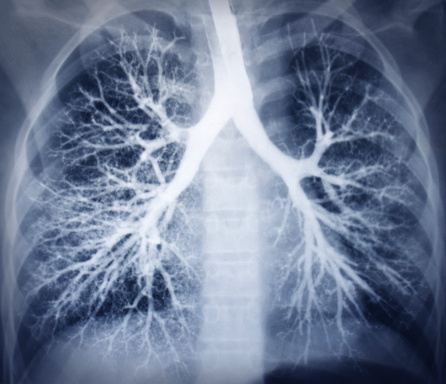
November is Pulmonary Hypertension Awareness Month, so we present our articles that discuss pulmonary hypertension and related topics, too, including lupus, Sjögren’s syndrome, heart attack, exercise, and high blood pressure. Pulmonary hypertension is a type of high blood pressure in the arteries of the lungs. In patients with pulmonary hypertension, the heart has to work ...click here to read more
Advertisement

This weekly health news roundup presents our latest news articles discussing high triglycerides, overactive bladder, Alzheimer’s disease, dementia, and heart attack. This week, we looked at the causes, symptoms, and treatments for high triglycerides, overactive bladder diet, ways to lower Alzheimer’s disease risk, and tips for surviving a heart attack when you’re alone. High triglycerides: ...click here to read more

Ever had a song stuck in your head? Many of us have experienced this nuisance. It’s as if no matter how hard you try or what you do, you keep on singing the same tune. British researchers decided to dig deeper into this “earworm” effect and find out why it happens with some songs and ...click here to read more

A new study shows that there is still a large number of children consuming high amounts of salt. Although the effects of salt may not be instant in younger children, excess salt could set them up for health problems later on. The study found that nearly 90 percent of American children are consuming higher levels ...click here to read more

November is Alzheimer’s disease Awareness Month, so we present our articles discussing Alzheimer’s disease and related topics such as testosterone, mild cognitive impairment, dementia, memory loss, and Parkinson’s disease. Alzheimer’s disease cases are on the rise and the numbers will keep rising, as populations in many countries continue to age. Although Alzheimer’s disease isn’t an ...click here to read more

November is American Diabetes Month, so in light of this we present our articles discussing diabetes and related conditions, including chronic kidney disease, non-alcoholic fatty liver disease, cognitive decline, dementia, hearing impairment, liver fibrosis, and memory loss. Although diabetes affects glucose levels, it can impact other parts of the body, too. Many complications can arise ...click here to read more

A new study has found that over half of Americans live with chronic health problems. Study authors Elizabeth Lee Reisinger Walker and Dr. Benjamin Druss explained, “The health of individuals in the U.S.A. is increasingly being defined by complexity and multimorbidity, the co-occurrence of two or more chronic medical conditions.” The authors stressed that individuals ...click here to read more

If you’re looking to boost your metabolism, look no further than your dinner. A recent study found that overweight people who consume food during a smaller window of time than usual reported fewer hunger swings and burned more calories during the night hours. The study was small in size, and an explanation for the results ...click here to read more

A new study suggests that your genes may be contributing to your love or hatred for exercise. It is a well-known fact that some individuals enjoy exercising due to the release of dopamine. But researchers found that not all persons experience this rewarding sensation because their genes interfere with the release of dopamine. Lead researcher ...click here to read more

Graphic cigarette labels depicting the health consequences of smoking could help cut down on the numbers of smokers in the U.S. The study suggests these labels could save up to 650,000 lives, along with preventing premature births and low weight babies by the year 2065. Study author David Levy explained, “By any standard, this would ...click here to read more
Five-Star Guarantee of Satisfaction