Managing IBS May Be About More That What You Eat

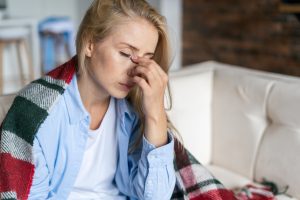
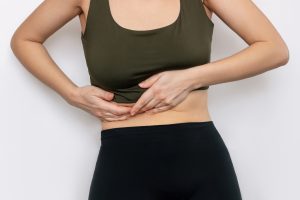
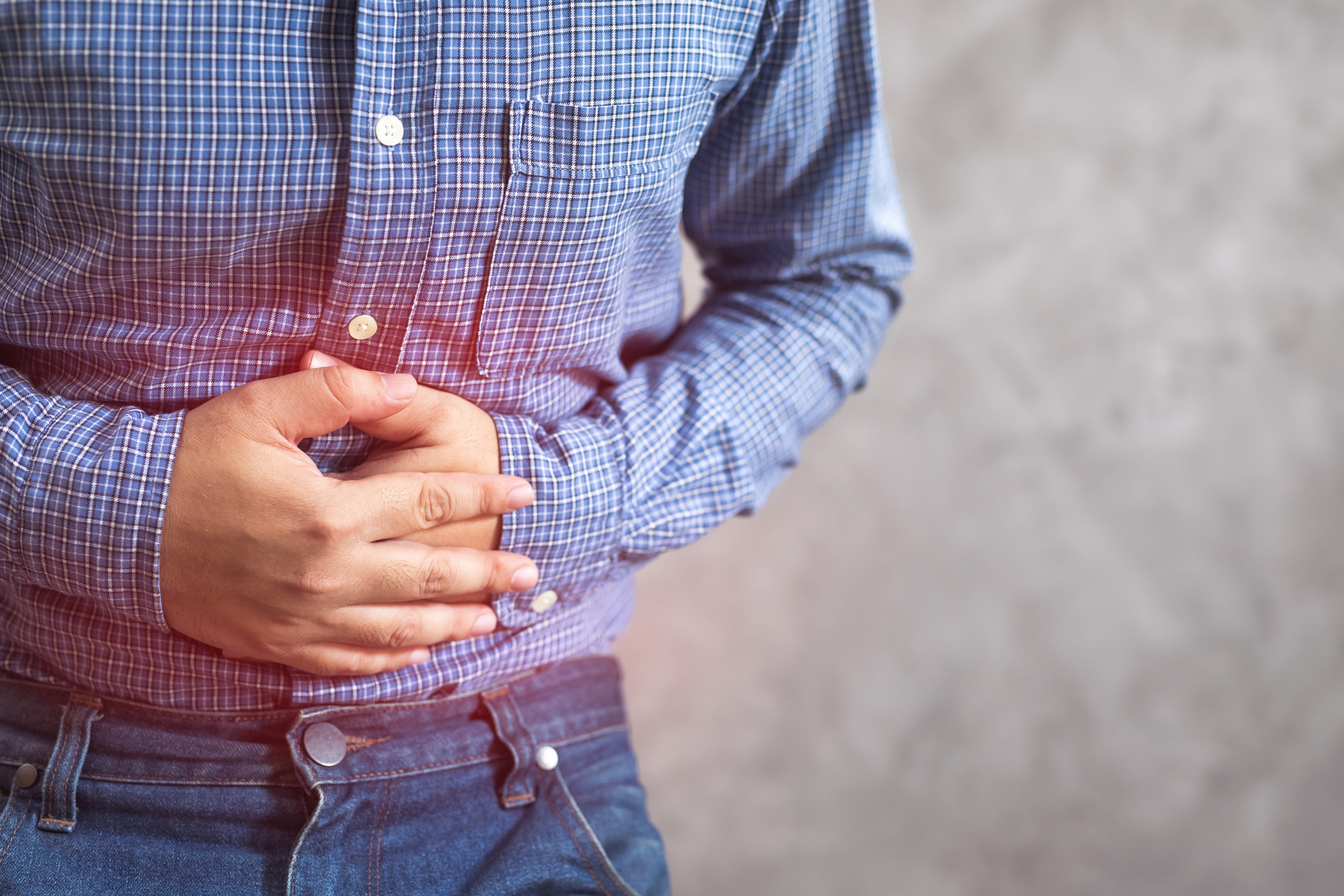
Living with IBS can present all kinds of challenges, only one of which might be what you eat.

Of course it makes sense to things irritable bowel syndrome is all about food. After all, the symptoms are all gut-related and for many, turn to their worst directly after eating.

If you’re living with IBS you’re likely familiar with the low-FODMAP diet. It’s basically built around the idea that short-chain carbohydrate are poorly absorbed by people with IBS, leading to bloating, diarrhea, or other digestive troubles.

But going low FODMAP can also leave plenty of nutritious foods out, and it can also be complicated and frustrating. Along with FODMAPs, gluten and dairy, among a few others, are also linked to IBS symptoms.

There is research to back up the links to FODMAPS and other food groups to IBS flare-ups. But now a new study, published in the Journal of Clinical Nutrition, suggests that foods may play far less of a role in IBS than most think.

The study, which only featured 110 people with IBS, found that cutting gluten and FODMAP’s didn’t really provide a lot of relief from symptoms.

To get their results they split the participants into two groups: one completely cut gluten and FODMAPS and the other didn’t.

They found gluten had virtually no impact on symptoms and that FODMAPs had much less of an effect than previously thought.

What the study does show, however, is that managing IBS may be about far more than food.

Other factors that can influence symptoms and symptom severity may include:

Stress: The brain has a direct influence on the composition of the microbiome and feeling anxious on a regular basis may alter the bacterial composition of the gut.

Finding ways to manage stress with exercise, taking a relaxing bath, mediations, or breathing exercises – whatever it looks like for you – may help.

For some, stress may even come from eating.

Sleep: There is data to support the theory that sleep can influence gut health and IBS symptoms. Trying to improve sleep may help reduce stress levels and improve symptoms.

Medication: Some medications, including pain and cough medications, along with anti-depressants, may contribute to IBS symptoms.
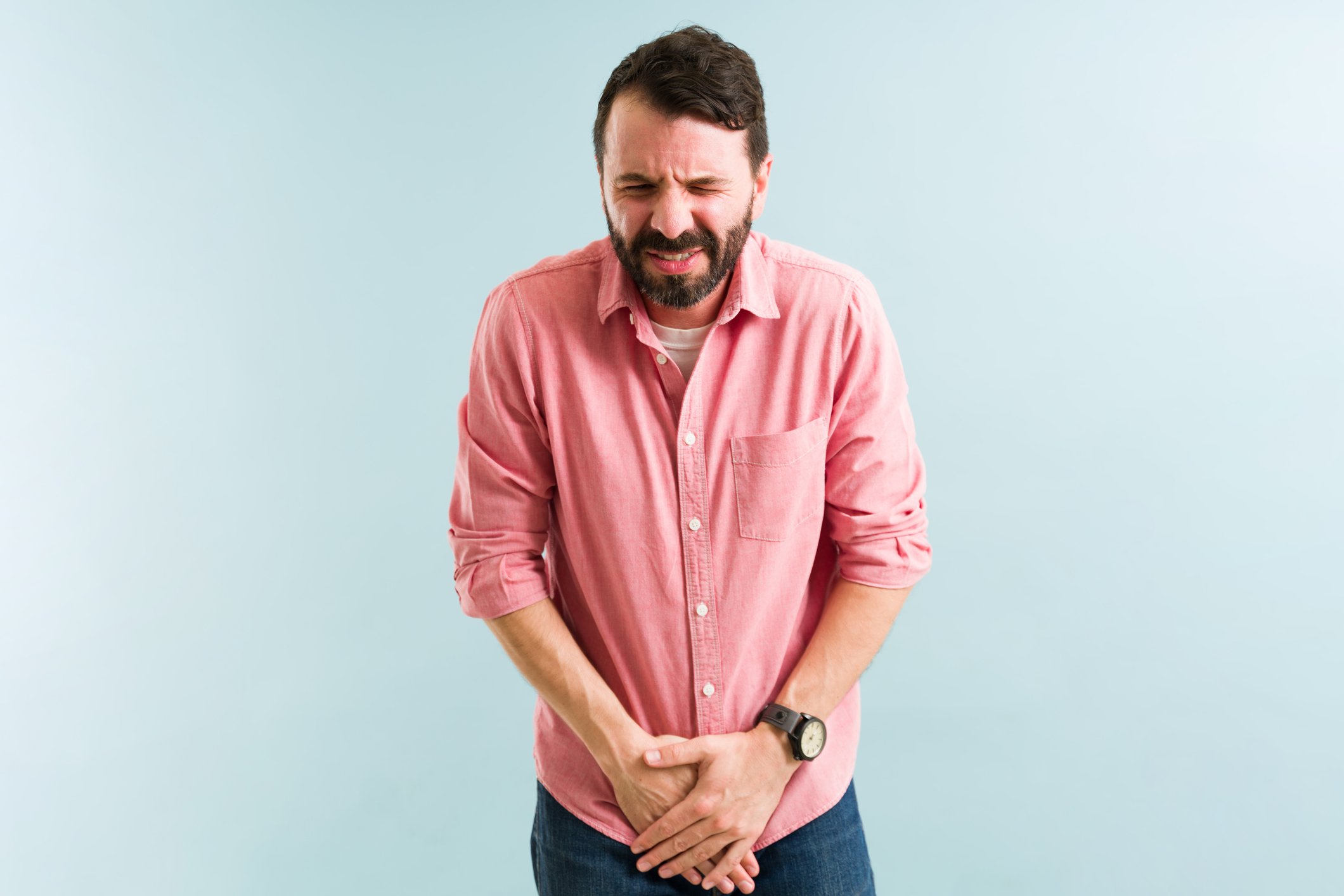

New Study Links Urinary Incontinence in Men to a Shorter Lifespan

Men bothered by a frequent urge to urinate, whether day or night, might have more than some irritation to deal with. A new study suggests it could indicate early death.
A research team looked at how men’s lower urinary tract symptoms, or LUTS, could be a risk factor for death. They learned that urinary incontinence could be a marker of more severe health issues.

This study marks the first time that such links have been established.

LUTS is defined as any disorder that affects urinary storage, including excess urine production, incomplete bladder emptying, muscular disorders in the bladder, and benign prostate obstruction.

It’s possible that these urinary dysfunctions are caused by a variety of medical conditions, including heart disease or neurological conditions, diabetes, sleep disorders, mobility issues, Parkinson’s, dementia, stroke, or MS.

The study found that men who had moderate to severe bladder-emptying symptoms (like hesitancy, a weak stream, or straining) had a 20 percent increased risk of death during the 24-year follow-up period. Those that had “storage” symptoms like frequent daytime urination, incontinence, or nocturia, had a 40 percent risk of death.

Even those with mild symptoms of daytime frequency had a risk of 30 percent. Nocturia issues bumped it to 50 percent.

So, what does all this mean for you? If you’re struggling with urination – whether you have to go too frequently or are having trouble going  –  you may want to see a doctor.

For example, if you find yourself having to pee frequently after drinking two cups of coffee, but things taper off during the day and night, you can probably chalk it up to the coffee; it’s known to boost urination.

However, suppose you’re making repeated trips to the bathroom during the day because you can’t empty your bladder, or you’re waking at night. In that case, it could be a symptom of an undiagnosed health condition that may be easy to treat if spotted early enough.

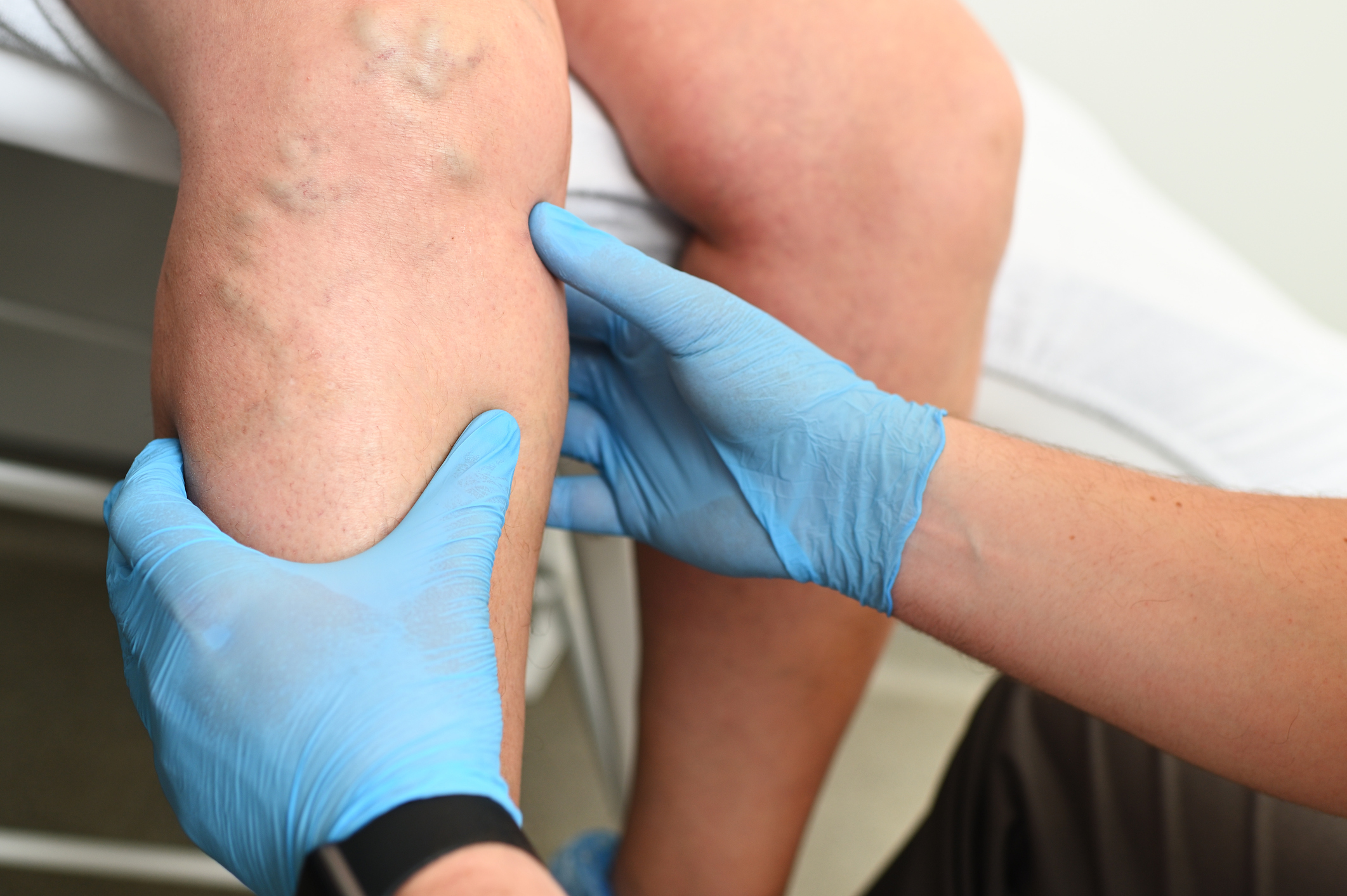
Leg Pain May Be a Symptom of Varicose Veins

If you are experiencing pain in your legs, it may be a symptom of varicose veins. As adults, we sometimes take our health for granted. We assume that if we’re not feeling sick, then we must be healthy. However, sometimes subtle changes in our health can occur without us even realizing it. This is particularly true with leg pain.

If you are experiencing any type of leg pain, it’s essential to talk to your doctor and find out what might be causing it. Leg pain can be a symptom of many different conditions, so getting a diagnosis is the best way to determine the right treatment plan for you. 

For most people, varicose veins are nothing more than a cosmetic concern. But for others, they may lead to more serious health issues, such as significant life-limiting ulcers or blood clots. Veins are an important part of the circulatory system, carrying blood back to the heart. But when they become damaged or weak, they can start to bulge and twist, causing pain and discomfort. In some cases, varicose veins can also lead to skin problems like rashes or ulcers. And in rare cases, they may even cause blood clots.

There are many self-care options that can help with blood flow and stop varicose veins from worsening. Exercise is one of the most important things that can be done to improve circulation and tone leg muscles. This will help to reduce the amount of pooling in the veins. Limiting sodium intake will also help to reduce inflammation and swelling. Losing weight can be helpful in reducing the pressure on veins, and elevating legs when possible will help gravity drain the pooled blood in the veins back to the heart.

Purchasing compression stockings is often the first approach your health care team will suggest. These stockings help to apply pressure to your veins and improve circulation. If self-care options don’t improve the condition of varicose veins, there are several minimally invasive treatments that a vascular surgeon can do. These include sclerotherapy, endovenous laser therapy, and radiofrequency ablation.

If you’re concerned about varicose veins, talk to your doctor about your options for treatment. With early diagnosis and treatment, you can minimize the risk of serious health complications and help ensure good general health.

Healthy Veins

With blood constantly flowing through the veins in the body, they may need a hand to remain strong. Healthy Veins is designed to give your veins that support.

The primary ingredients in Healthy Veins include hesperidin and diosmin, which are flavonoids that can provide essential support for healthy veins. This powerful ingredient combination has been used in Europe for decades to help support and promote vein health. In addition to hesperidin and diosmin, Healthy Veins includes vitamin C, grapeseed extract, and butcher’s broom that can help to improve and maximize circulation.

New Study Sheds Light on Ideal Sleep Times for Older Adults

Yet another study is saying it’s got the prescription for optimal sleep times.

And like many others, it’s in the 7-8 range.

But more specifically, it says that averaging 7 hours per night seems to be the ideal sleep time for older adults. The study found that those who get good sleep for 7 hours have a better attention span and ability to make decisions, remember and learn new things, and have better mental health than those who sleep for longer or shorter durations.

The study was observational, and researchers can not say for certain that too much or too little sleep causes cognitive decline.

Although more work needs to be done to determine if there is an ideal sleep time, the results here seem to line up with previous work, indicating a connection to health issues with too much or too little sleep.

Of course, when it comes to sleep, there is really no magic number that applies to everybody. Some people do better with more, while others are fine with less.

In many cases, sleep can be individualized and may depend more on quality and consistency. Other health factors may also come into play.

For example, people who get a lot of sleep may not always be getting the best quality sleep. They may have a condition – like sleep apnea, or another condition that taxes that taxes the immune system – that is wearing them out during the day and night.

Shooting for seven hours is a good strategy and potentially where you’ll land if you’re feeling well-rested each morning and sticking to a consistent sleep routine.

You can help build a solid foundation for sleep by avoiding screen time in the evening and sticking to a consistent sleep and wake-up time. Having a dark, comfortable bedroom can also help.

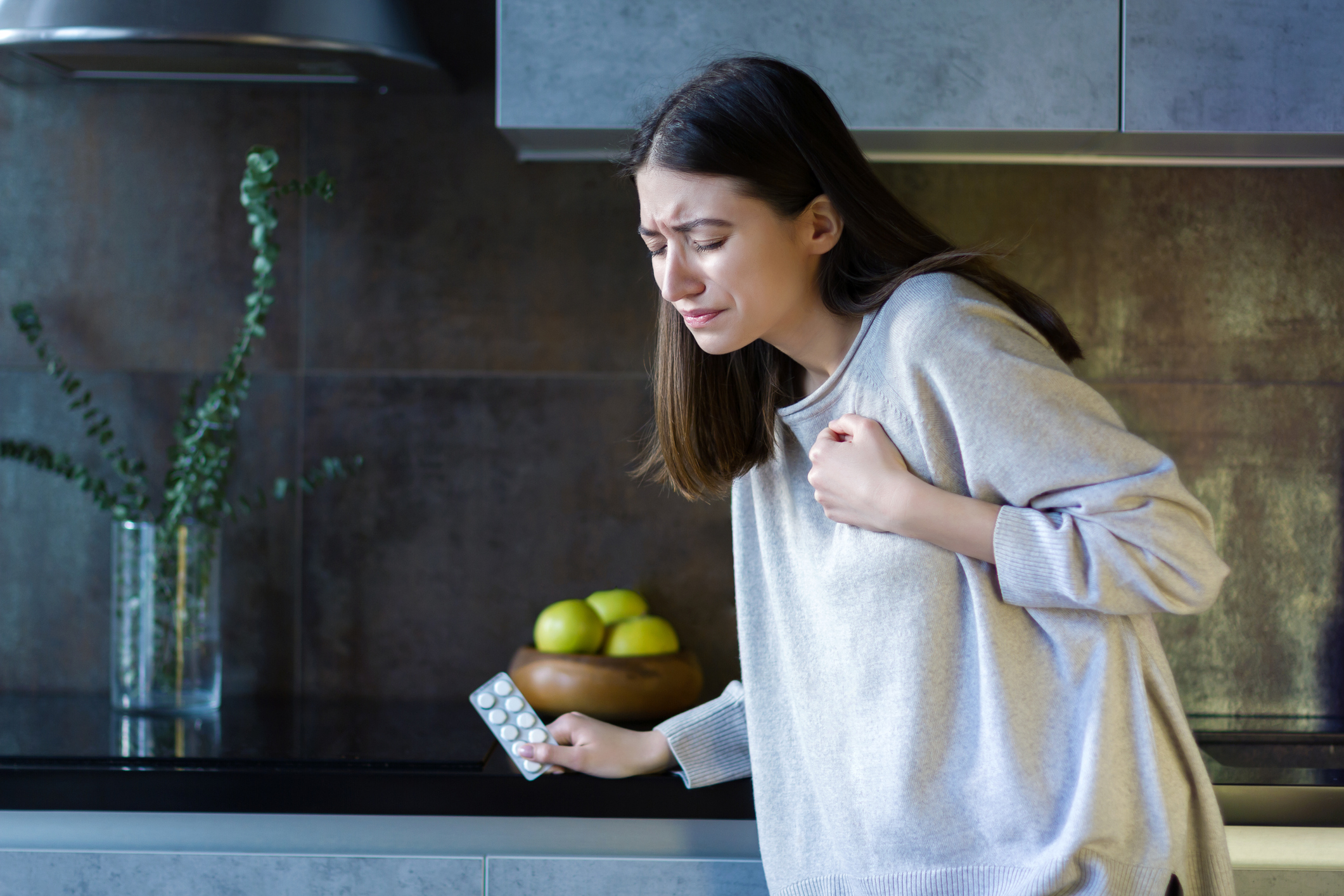
Younger Women Are Increasingly At Risk For Heart Attacks, Says A New Study

For years, heart attack risk factors have been studied in adults of all ages. However, a new Yale-led study has identified which risk factors are more likely to trigger a heart attack or acute myocardial infarction (AMI) in men and women 55 years and younger. The study, which was published in the journal AMA Network Open, looked at data from nearly 5,000 adults, with half of the participants having experienced an AMI.
Researchers discovered significant sex differences in the risk factors associated with heart attacks. Seven risk factors, including diabetes, depression, high blood pressure, smoking, family history of AMI, low household income, and high cholesterol, were all associated with a greater risk of AMI in women. However, the highest associations were found to be with hypertension, diabetes, depression, and poverty. Among men, current smoking and family history of AMI were the leading risk factors.

These findings suggest that a sex-specific preventive strategy is needed to reduce the incidence of heart attacks in young adults. Some of the possible interventions that could be implemented include targeted screenings for hypertension and diabetes in women and educational campaigns on the signs and symptoms of heart attacks. In addition, more research is needed to identify the underlying mechanisms behind these sex differences to develop even more targeted and effective interventions.

The study’s lead author said, “In the past, we found that young women, but not older women, have a twice higher risk of dying after an AMI than similarly aged men. In this new study, we now identified significant differences in risk factor profiles and risk factor associations with AMI by sex.”

This study’s findings will help doctors better identify which patients are at a higher risk for heart attacks. This information is essential for younger patients, as they are often not considered to be at increased risk for heart attacks even though they may have several risk factors. By identifying these risk factors early on, doctors can take steps to prevent heart attacks.

Keeping A Healthy Heart

Lifestyle factors go a long way to help protect the heart and keep it strong and healthy. Getting plenty of exercise, eating right, and giving your body the proper vitamins and nutrients it needs to thrive is essential.

Heart Rescue was designed to help support and promote cardiovascular health using a variety of ingredients, including omega-3 fatty acids and CoQ10. The omega-3 fatty acids play an important role in cardiovascular function, while CoQ10 is involved in energy production at the cellular level.

These two heart superstars are supported by five other ingredients that can help to promote and support cardiovascular function as you age. This formula’s health benefits can help strengthen the heart muscle, support circulation, and help reduce the risk of heart disease.

A Guide for Healthy Eyes

Eye health can seem a little basic at times. Sure, you shouldn’t stare directly into the sun, but is that really it?
Of course not. Your eyes, just like the rest of your body, need to be taken care of. Different eye conditions can appear over time, however many are treatable and avoidable.

Some common eye conditions are presbyopia which occurs when the eye’s lenses lose the ability to change shape and focus up close. It affects an estimated 90-percent of people over 45. Cataract symptoms can appear in the 60s, and dry eye can impact anyone at any age.

How can you minimize the likelihood or these conditions and others? Try these tips to help you hold on to healthy eyes.

Eat Well: Your eyes do better, just like the rest of your body, when they get the nutrients they need. No single food holds the power, but tying to include food like eggs, which are rich in zinc, lutein, and zeaxanthin, is a good place to start.

Foods like almonds or spinach, that are packed with vitamin E, as well as foods with vitamin C can all help protect your eyes.

Exercise: There is research to suggest that cardiovascular exercise can lower the risk of ocular disease, likely because it improves blood flow.

Sunglasses: Sunglasses do more than making it easier to see on bright days. Extended exposure to bright light waves can burn your corneas and lead to a condition called photokeratitis, or snow blindness.

People who spend a lot of time in the sun are also at increased risk for pterygium, a growth of a gritty, fleshy pink tissue on the conjunctiva, which is clear matter on the surface of the eye.

UV rays also damage eye tissue, so getting 100-percent UV blocking rays is recommended.

Good Hygiene: Your eyes are great at cleaning themselves, but they still require some effort on your part. If you wear contacts, make sure you change them daily and don’t sleep in them. Use solution and not water to store and clean them.

Also , be sure to use cosmetics properly and always wipe them off before bed. Check expiration dates and application directions to limit the chance of infections.

New Report Suggests the COVID Pandemic Was Just The Beginning

There was a lot of talk early in the pandemic how something like it was bound to happen. There had not been a large-scale pandemic in a while and that the world was due.


Now new research suggests that because of climate change, new illnesses and pandemics could become the norm.

As planet earth grows hotter, it forces different animal species to migrate to new areas ad interact with other creatures (animals, humans) at an increasing rate, bolstering the likelihood for new vital illnesses and pandemics.

At least that is at the crux of a new report published in the journal Nature.

Researchers used models to predict how the earth’s rising temperatures would effect animal migrations to predict the risks for new vital illnesses similar to illnesses like HIV and pandemics like COVID. Both were believed to have jumped from animals to humans.

The researchers predicted that potential new contacts between different species are expected to essentially double over the next 50 years to substantially increase the risk of disease transmission.

They believe climate-driven geographic shifts will lead to more than 300,000 first encounters between species, which is almost double to what’s happening now.

Other experts not involved in the study say that it is hard to capture the true risk of climate change’s impact on infectious disease using models, but the results are interesting, nonetheless.

So what can you do to stay healthy? That’s the great unknown. You can try to build a stronger immune system with diet, exercise, and good sleep.

You can also try and do whatever you can to limit your carbon footprint. This would include things like shopping locally, outfitting your home with energy-efficient appliances, and finding ways to reduce driving.

New Study Suggests “Brain Zap” May Help Smokers Quit

Smoking a cigarette with smoke around and a blurred background

Quitting smoking is certainly not easy, but doing it can save your health in a number of ways. The addiction is associated with heart disease, high cholesterol high blood pressure, inflammation, and more.

Now new research out of France is suggesting that a form of brain stimulation may help some smokers quit.

The study found that smokers who received non-invasive brain stimulation, using low-intensity electric or magnetic pulses, were twice as likely to go without cigarettes over three to six months than those who received a sham stimulation.

There are plenty of options available to help smokers quit, including nicotine patches, counselling, hypnosis an addiction medicines. Because of individual responses, sometimes none of them can offer a permanent fix.

Some suggest this type of brain stimulation may be best reserved for people with the strongest need to stop. The group may include those who have had a heart attack or stroke and are smoking a couple of packs per day and is having a difficult time quitting.

More wok examining the zap treatments, however, is required.

For example, it remains unclear is the results are long-lasting and guard against relapses. What often makes smoking so hard to quit is that it can be an intense craving to an emotional or environmental response.

Part of what makes smoking such a challenge to quit is that cigarettes are easily accessible and smoking can be done virtually anywhere.

In any event, because of the massive health risks associated with heart health, this is an interesting discovery and there is likely more to follow.

Quitting smoking can offer massive health benefits. If you’re a smoker and struggling to quit, it’s a good idea to talk to your doctor about the various methods that exist to help you stop.

Why It’s So Hard to Control the Stress Response

Most people encounter stressful situations. They all come in varying degrees, but our bodies handle them just the same.


Some may experience stress from a big presentation at work. For others, it could be more long-term, like persistently thinking about losing a job. At the same time, others get stressed about a traffic jam.

It may seem strange, but a person stressed about a traffic jam or work deadline will have the same feelings as someone whose life is in literal immediate danger.

Both will experience a pounding heart and faster breathing, tense muscles and beads of sweat. It’s the body activating the “fight or flight” response, something evolved in humans to allow them to react quickly – often without even realizing it – in life-threatening situations.

This is a great thing. However, stressors are unlikely to be life-threatening for many these days. A presentation at work or traffic jam certainly are not life-threatening.

Eliciting a stress response too frequently can lead to problems. It can also become very difficult to shut off, turning on for almost anything.

This situation, called chronic stress, can take a toll on the mind and body. It is associated with high blood pressure, the formation of artery-clogging deposits, and causes brain changes that can lead to anxiety, depression, and addiction. It may also contribute to obesity.

Stress-related physiological changes, like the rush of cortisol, epinephrine, and adrenaline, happen so quickly that it’s hard to become aware of them at all, even causing people to act before they think.

Persistent surges in epinephrine can damage blood vessels and arteries. Elevated cortisol can contribute to the buildup of fat and weight.

So, how can you turn it off so your body reacts as it should to non-life-threatening situations? Here are a few things to try:

Relaxation Response: When you feel anxious or stressed, try deep abdominal breathing, focussing on a soothing word, visualization of tranquil scenes, yoga, or tai chi.

Physical Activity: Activity may help in a few ways. Going for a brisk walk shortly after a stressful situation can help deepen breathing and relieve muscle tension. Movement therapies like yoga, tai-chi, and qi dong can help with deep breathing and mental focus to induce calm.

Social Supports: Close relationships are also associated with stress relief.

Mental Illness Could Not Only Be Messing With Your Mind, But Also Your Heart

Researchers from the University of South Australia have found another reason to pay more attention to mental illness. It seems it may be closely associated with heart health. Their new study published in Biomedical Engineering links mental illness and fluctuating blood pressure, leading to cardiovascular disease and organ damage.
The study reviewed 12 studies on people with anxiety, depression, and panic disorders. Researchers found that mental illness significantly impacted blood pressure variations during the day regardless of age. It was also noted that in mentally ill people, their heart rate does not adapt to external stressors compared to those who are not mentally ill.

A change in heart rate is a good sign of health, contrary to what many people think. It should adjust to withstand environmental and psychological challenges. However, reduced heart rate variation (HRV) has been shown to be common in people with mental illness. This may indicate the body’s stress response is poor, increasing the negative effects of chronic stress.

Low HRV happens when a person’s body is in fight or flight mode. People who are easily stressed or those with chronic diseases, including cardiovascular and mental health problems, also have low HRV.

“The takeaway from this study is that we need to pay more attention to the physical impacts of mental illness,” said Dr. Renly Lim, lead researcher. 

Taking Care Of Heart and Mental Health

Stress can take a toll on the body, including the brain, which can affect concentration, memory, and overall cognitive function. The Smart Pill can help counteract these effects through nine ingredients that help support, nourish, and maximize brain health and cognitive function.

These include ginkgo biloba, huperzine A, bacopa extract, rosemary extract, and a B vitamin complex. This unique formula helps boost circulation, fight free radicals, and help to promote clear thinking.

Keeping the heart strong and healthy is vital for enjoying a high quality of life as you age. Heart Rescue was designed to help support and promote cardiovascular health using a variety of ingredients, including omega-3 fatty acids, CoQ10, magnesium, and hawthorn extract. This formula’s health benefits can help strengthen the heart muscle, support circulation, and help reduce the risk of heart disease.

Good Sleep May Fend Off Dementia

Good sleep comes with many benefits: it helps you feel refreshed, energized, and clear-headed during the day. It may also help defend against dementia and early death.
A couple of studies from 2021 suggest that too little sleep may boost the risk for dementia and impact longevity. Although it’s long been understood that dementia can lead to poor sleep, these studies point out that bad sleep may pose risks later in life.

One study from the United States looked at the sleeping habits of more than 2,800 people 65 and older. It focused on the relationship between self-reported sleep habits in 2013/2014 and the development of dementia, or death, five years later.

It found that people sleeping fewer than 5 hours per night were twice as likely to develop dementia, or die, as those who slept 6-8 hours.

Another study, this time from Europe, looked at data from nearly 8,000 people and found that regularly sleeping for six hours or less at ages 50, 60, and 70 were linked with a 30 percent increase in dementia compared to sleeping for seven hours.

It’s not fully understood how or why good sleep for enough time can influence the risk for dementia. But one potential reason is that it flushes harmful beta-amyloid clusters from the brain. These clusters are closely associated with dementia and Alzheimer’s.

A bunch of beta-amyloid protein is made during the day. It may be a by-product of brain function, or it could help the brain fight against microorganisms. During sleep, your brain cleans itself and flushes away the clumps of beta-amyloid that have accumulated.

Without enough sleep, your brain’s built-in custodial team doesn’t have time to do its job properly. Over time, it may accumulate more substances that can contribute to dementia.

You can try to get better sleep by avoiding screens in the evening, creating a relaxing environment in your bedroom, winding down before bed, and addressing any potential underlying conditions that may impact sleep.

There are Big Benefits to Bodyweight Exercises

So, you’ve heard about all the benefits of having stronger muscles as you get older. You know, the stuff like improved bone strength, a faster metabolism, better heart health, and, of course, independence.

But there can be some severe blockages to taking the steps for many. You may be a little intimidated by the gym, don’t have room to build one at home, or don’t enjoy working out because you never really learned how to do it properly.

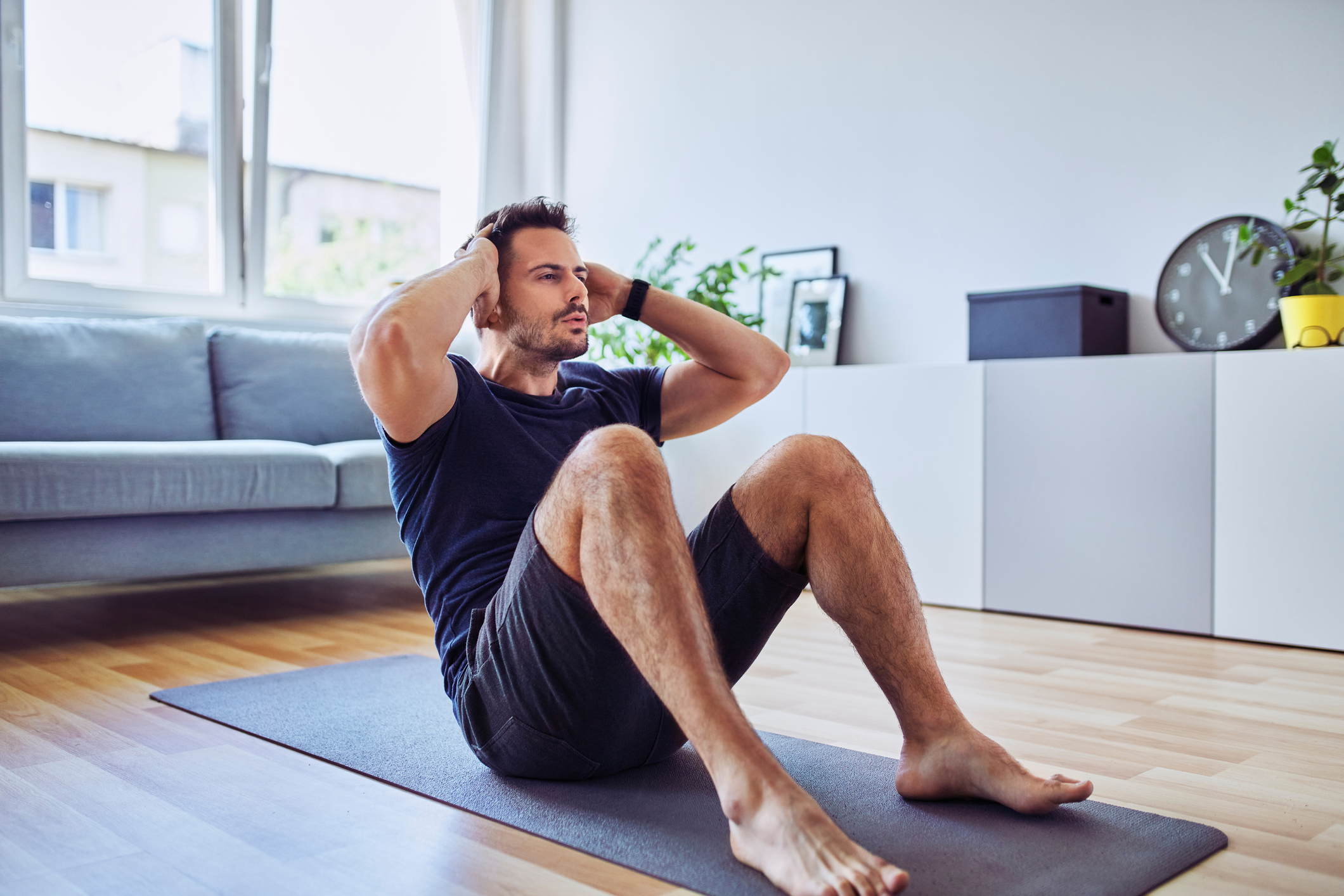
One of the best ways to get over that is with bodyweight exercises. You don’t need to use weights, go anywhere, or spend money to get a beneficial workout. All you need is your body.

You can do bodyweight exercises whenever and wherever you want – in front of the TV, in your backyard, or in a hotel room. You can even do them while waiting for the kettle to boil.

Research has shown that bodyweight exercise helps build muscle independent of an external load (meaning weights). It can help with aerobic capacity, muscle endurance, strength, and flexibility.

You also don’t have to do a lot of it. A small study of active people in their 60s noted that a workout consisting of eight simple lower body exercises increased strength and power by about 15 percent over ten months.

That was all gained in only six workouts per month! And at that stage of life, it’s great because strength and power tend to decline.

Bodyweight exercises also provide “functional exercise,” meaning they work multiple muscles at once. This more closely mimics day-to-day activity, as opposed to isolating muscles or muscle groups as you’d get with machines at a gym.

Further, bodyweight exercises can be adjusted to your fitness level. Instead of adding or decreasing weight, like you can machines, barbells, or dumbbells, you can alter the load by changing body position, using tools like the wall, countertop or a chair, or altering rep ranges.

If you want to start getting stronger and more powerful but don’t want to go to a gym, use bodyweight exercises to get all the benefits and contribute to a longer, healthier life.

Exercising Regularly Can Benefit People with Fatty Liver Disease: Study

It’s no secret that exercise is beneficial to overall health, but a recent study has shown that it can also be beneficial for people with fatty liver disease. According to the study, those who exercised regularly had a decreased risk of developing the disease or of progressing to more serious stages of the disease. Researchers believe that exercise helps improve liver function and reduce inflammation.


Non-alcoholic fatty liver disease (NAFLD) is one of the most common liver diseases in the world, affecting roughly 25% of the population. Despite being largely asymptomatic and often progressing without signs or symptoms, NAFLD can progress to more serious conditions like liver inflammation and cirrhosis. This insidious disease is closely linked to factors like obesity and metabolic syndrome, such as type 2 diabetes and abnormal blood lipid concentrations. However, there are ways to reduce fat accumulation in the liver, such as through weight loss and a health-promoting diet. Careful lifestyle changes can help prevent NAFLD from developing into a more serious condition, helping individuals maintain their liver health for years to come.

Although there is no cure for NAFLD, exercise is an effective treatment for the condition. The benefits of exercise may relate to weight management and alterations in the metabolites produced by the body and gut microbes. These changes may help to reduce the inflammation that is associated with NAFLD.

For the new study published in Scientific Reports, researchers examined the effects of exercise on metabolism in patients with non-alcoholic fatty liver disease. The randomized controlled intervention study included 46 patients who had been diagnosed with NAFLD. They were divided into an exercise group and a control group that did not increase exercise during the study.

Researchers concluded that exercise affected metabolic pathways differently in different tissues. Exercise improved fasting blood glucose levels and changed the metabolism of amino acids and their lipids and bile acids. These results suggest that exercise can have a beneficial effect on NAFLD, even without weight loss or dietary changes.

If you have fatty liver disease, talk to your doctor about starting an exercise routine. Even if you are not currently experiencing any symptoms, exercising regularly may help prevent the disease from progressing. 

Support and Protect the Liver

Liver Rescue is also an excellent way to help support and protect liver function. Liver Rescue is a formula designed to support and maximize the performance of a healthy liver through its 7 ingredients. These powerful ingredients can help fight free radicals, improve bile production, remove toxins, and give your liver the support it deserves.

Modern lifestyle can put a significant amount of strain on the liver through the exposure to pollution, toxins, and chemicals that we come into contact with daily. With this constant stress, it is vital to take steps to help support liver health and function.

Could Calcium Supplements Be Putting Your Heart Health at Risk?

When you take a calcium supplement for stronger bones, it might be a bit of a risk. After all, there is no guarantee that what you’re taking will go where you want it to.

It is possible that the additional calcium migrates from your bones and into your heart valve, where it could raise problems and significantly increase the risk of heart failure.

A new study says that supplementing with calcium may lead to a higher risk of heart-related deaths or death from any cause. It determines that people 74 or older, who took calcium supplements, were more likely to need surgery to replace their aortic valve.

Results also showed that people taking calcium plus vitamin D supplements had a doubled risk of heart-related death. In contrast, those taking calcium alone were nearly three times as likely to need a heart valve replacement as those who did not take them.

The study suggests that calcium supplementation may contribute to aortic stenosis. It is when the aortic valve, which is the main blood outflow valve of the heart, stiffens or narrows. It can block blood flow out of the heart to the rest of the body.

In normal circumstances, the valve opens to about the size of a quarter. But in about 5 percent of people over 75, the valve becomes calcified and does not open as wide as it should.

If it gets to the point where it can only open to about the size of a dime, it is a critical situation that could be a risk of heart failure or death.

This new study tracked the heart health of 2,600 patients, average age of 74, that already had mild to moderate calcification in their aortic valve. Tracking lasted for an average of 5.5 years.

Researchers found that over the study period supplemental calcium plus vitamin D increased the risk of death from any cause by 31-percent, while calcium alone was linked to a 24-percent higher risk of all-cause mortality.

There is more work required to determine if, and how, calcium supplementation influences heart health. Previous research has had conflicting results.

Eating more calcium is the safest way to avoid this issue. Research shows that these risks are not associated with dietary calcium, only when it is taken in supplemental form.

Five-Star Guarantee of Satisfaction