
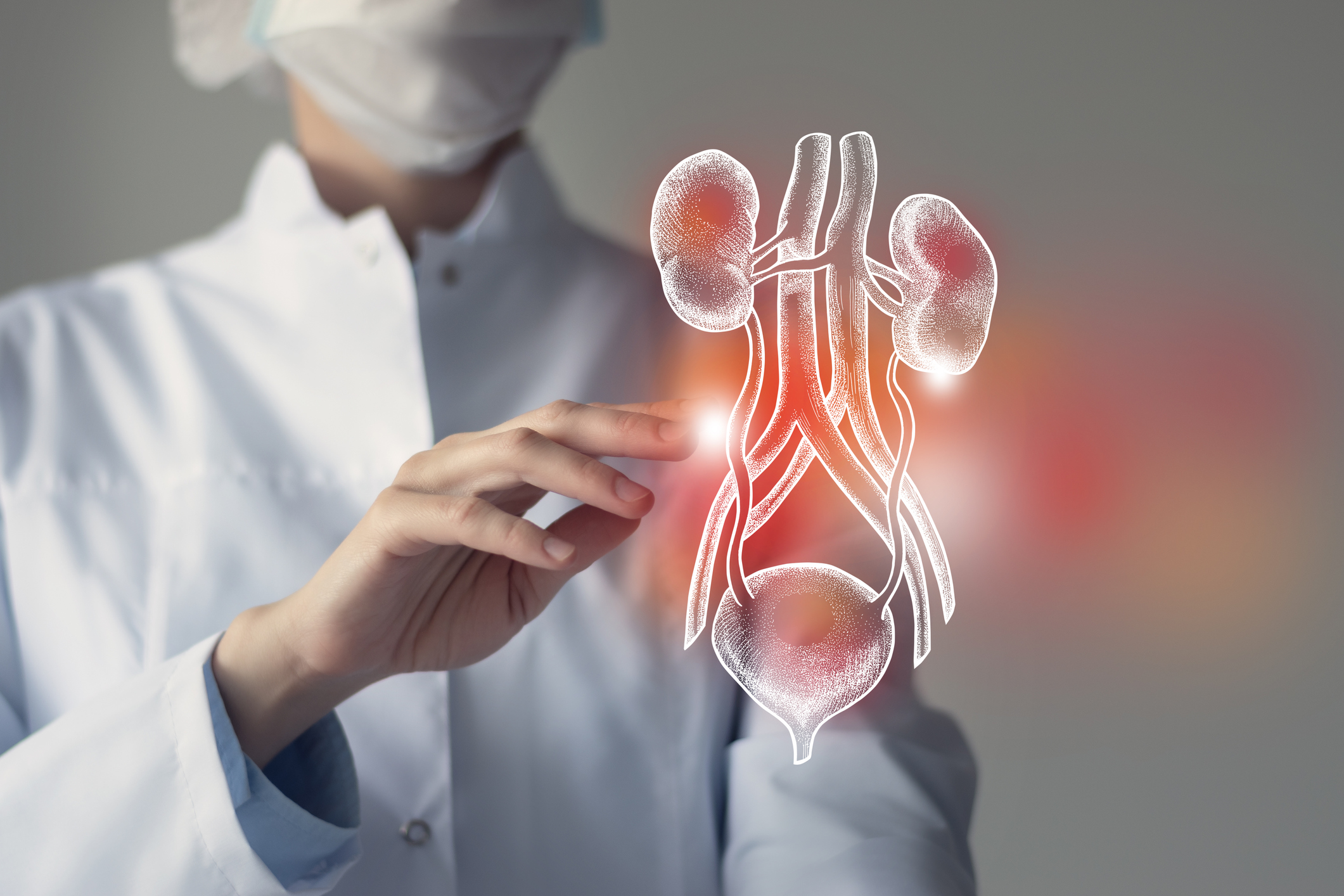
 Urinary tract infections are no fun – especially if you deal with them frequently. And although anyone can get one, they are particularly prevalent among women.
Data shows that up to 80 percent of women develop a urinary tract infection (UIT) at some point in their lives, while about a quarter have frequent recurrences.
It is unclear why some women have repeat bouts, but a new study suggests that it may have something to do with current treatment methods.
UTIs are commonly treated with antibiotics to kill the bacteria causing the infections. However, the antibiotics may have an unintended consequence: they may set the stage for repeat infections by stripping the gut of beneficial bacteria.
A person’s population of gut bacteria, known as the microbiome, can play a sizeable role in overall health and immunity. Many factors contribute to the makeup of a person’s microbiome, and it can be in flux. Diet, as well as antibiotic use, can cause alterations.
If you’ve ever had digestive issues following an antibiotic cycle, you’ve felt the effects.
The microbiome houses certain bacteria that contribute to UTIs, mainly E.coli. UTIs often arise when bacteria move from the gut to the urinary tract.
Researchers decided to see if antibiotic treatments may contribute to some women’s battle with recurrent UTIs.
The small study featured 31 women, 15 of which had recurrent UTIs (three or more in the past year). Over the course of 12-months, researchers collected blood and urine samples and stool samples to get a reading on each participant’s bacterial composition.
Researchers found that women with recurrent UTIs tended to have a different-looking microbiome from those that did not. They tended to have much less diversity in “good” bacteria and fewer microbes that produced butyrate, which is a fatty acid that helps control inflammation.
The women who didn’t get UTIs were just as likely to have E.coli in their guts, which sometimes travelled to the bladder. However, the non-UTI participants seemed to be able to handle the potentially infectious bug.
The researchers theorized that carpet-bombing the microbiome may have prevented the UTI group from stopping subsequent infections.
Of course, what needs to be discovered is what really came first: was it the antibiotic treatment for the first UTI or was there a previous microbiome disruption that made the women more susceptible to infection?
There is good reason for concern over the use of antibiotics to treat UTIs. In some cases they are needed, but they may be over-prescribed to the point where they may be damaging.
If your doctor recommends treating a UTI with antibiotics, it may be worthwhile asking if it’s necessary and what other options are available.
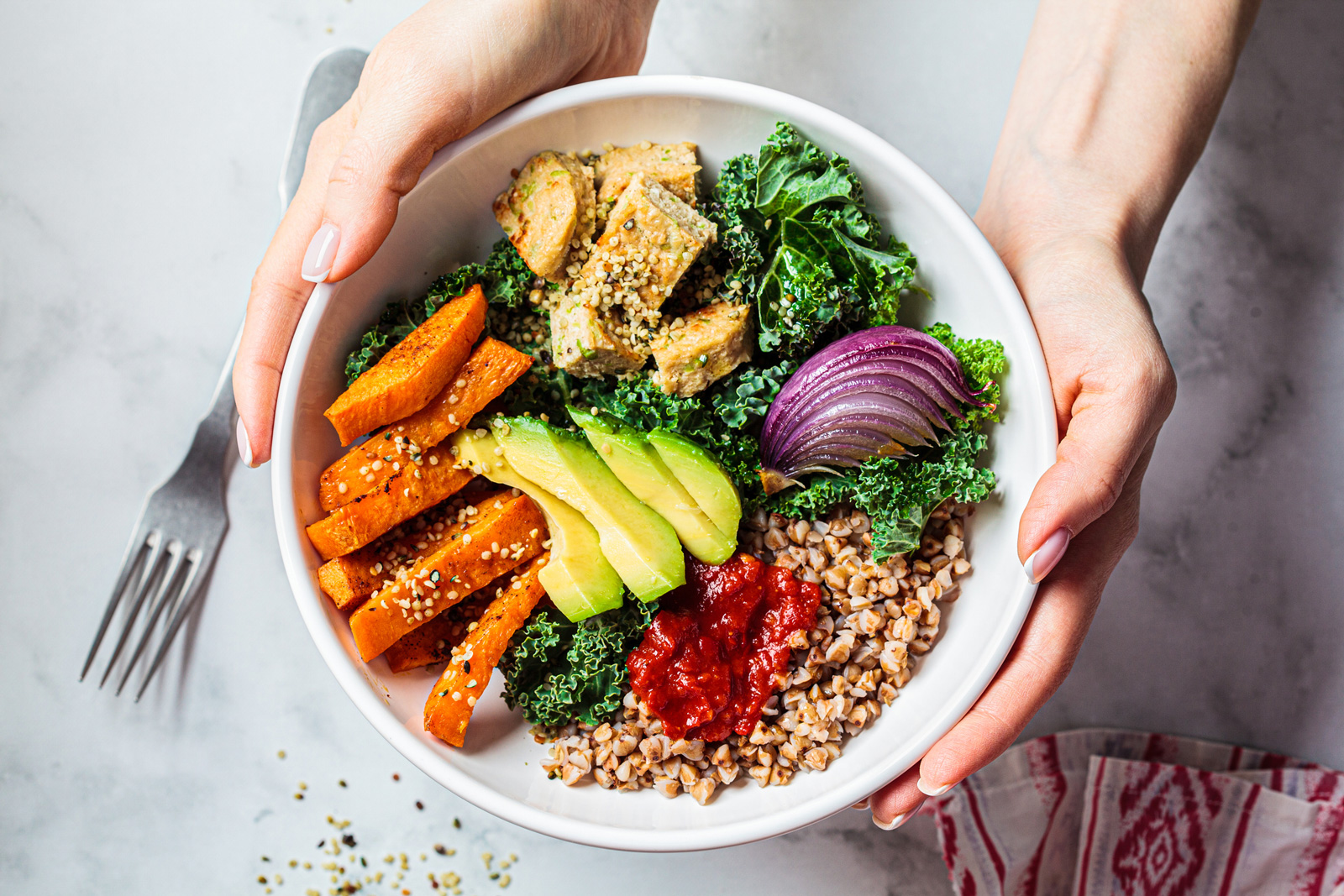
 If you are overweight and have diabetes, a vegan diet could be the key to losing weight. A recent study found that people who followed a vegan diet lost more weight than those who didn’t, and they also saw improvements in their blood sugar levels. So, if you’re looking for a way to slim down, a vegan diet might be right for you.
 Strong bones are a crucial component of aging, but if you don’t put in the effort, they will not appear naturally.
 Sleep deprivation has been shown to impact judgment, decision-making, and mood. A new study published in the journal Nature and Science of Sleep shows that sleep-deprived adults also evaluate angry faces as less trustworthy. This suggests that lack of sleep can impair our ability to accurately assess people we come into contact with and could lead to increased conflict.
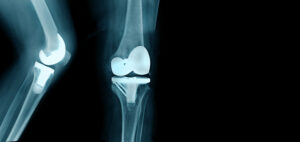 If you’re getting ready for a hip or knee replacement – like an estimated one million Americans – you may be looking forward to returning to pain-free mobility.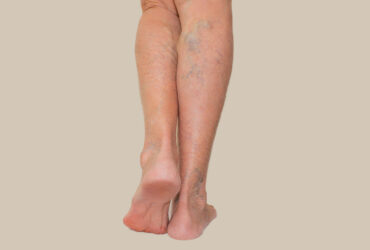
 Your legs are pretty impressive. Not only do they carry all of your weight to move you from place to place, but the veins have to work against gravity to carry blood from your feet back up to your heart.
 There is so much data on coffee that it can be confusing to figure out what’s what. Some work suggests it can be harmful, while a mountain of other work indicates its benefits.
 A nutrient-packed diet isn’t just great for your body. It can protect your brain, too.
 Did you know that hearing impairment and vision impairment can be used to identify those at risk of cognition impairment? A recent study published online in the Journal of Alzheimer’s Disease Reports found that those with hearing and vision impairment were more likely to experience early onset cognitive decline. This is important information for seniors and their families, as it can help them be more aware of the signs of cognitive decline and take steps to prevent it.
 Remember this little rhyme if you’re concerned about prostate health: “if you want to protect your prostate, lose weight.”
 It might seem absurd to think that you can undergo a major health event and not even know it. But it’s possible, and it can put your life at risk.
 Do you ever experience muscle spasms? If so, you’re not alone. Muscle spasms are a common problem that can be both painful and frustrating. But new research suggests that there may be a simple way to help relieve them: calming the spinal cord.
 I’m pretty sure everybody, at some point, has been told that breakfast is the most important meal of the day.
 As we age, many people start to have poor vision, which may be mistakenly diagnosed with mild brain decline. To ensure that seniors are getting the appropriate care, it’s essential to understand the differences between poor vision and mild brain decline. By doing so, we can help ensure that older people can live fulfilling lives despite any vision or cognitive impairments they may have.