


Midlife Insomnia Can Manifest As Cognitive Problems In Retirement Age

New research has found a correlation between insomnia and cognitive decline. This means that if you are having trouble sleeping during your middle years, it’s possible that you could experience cognitive problems when you reach retirement age.

The Helsinki Health Study at the University of Helsinki investigated the development of insomnia symptoms in midlife. According to the study, long-term insomnia symptoms and later poorer cognitive functioning have a clear connection.

The study followed over 2,000 men and women from eastern Finland for 21 years. At the beginning of the study, the participants were aged between 42 and 60 years. They completed detailed questionnaires about their sleeping habits and health. The participants also underwent tests that measured their cognitive functioning, including their memory, speed of processing information, and executive function (the ability to plan and organize).

The results showed that those who reported having insomnia symptoms at the start of the study were more likely to have poorer cognitive performance 21 years later. These findings suggest that long-term insomnia may have a negative impact on cognitive functioning in later life.

More than a third of American adults report that they usually get less than the recommended seven hours of sleep per night, and insomnia is on the rise. However, there are many ways to improve the quality of sleep, including the regularity of the sleep rhythm, the appropriate temperature and brightness of the sleeping environment, and the optimal timing of physical exercise, coffee consumption, and eating.

For example, breaking the cycle of insomnia can be as simple as going to bed and waking up at the same time each day, setting aside enough time for asleep, and creating an environment that promotes relaxation. Likewise, regular exercise can help to improve sleep quality by establishing a regular routine and releasing endorphins that promote feelings of well-being.

Finally, limiting caffeine intake to earlier in the day and avoiding late-night eating can also help people with insomnia get a good night’s sleep. By following these simple tips, it is possible to improve sleep quality and get the restful night’s sleep that everyone deserves.

If you’re concerned about this possibility, talk to your doctor about ways to get a better night’s sleep. By addressing any sleep problems now, you may be able to reduce your risk of developing more serious issues down the road.

Promote Healthy Brain Function

While some degree of cognitive decline is nearly inevitable as you age, other numerous factors can take a toll on the ability of the brain to function at peak potential. This can affect memory, concentration, and overall brain function.

The Smart Pill can help to enhance cognitive function and memory through 9 ingredients that help to support, nourish, and maximize brain health. These include ginkgo biloba, huperzine A, bacopa extract, rosemary extract, and a B vitamin complex. This unique formula helps boost circulation, fight free radicals, and provide nutritional support to assist with cognitive function.

For those who are looking for a good night’s sleep, Sleep Sure Plus is designed to help promote optimal sleep and restfulness through a variety of ingredients. One of the most important ingredients included in this unique formula is melatonin.

Melatonin is a hormone that is essential for the regulation of the circadian rhythm (the internal clock of the body). Sleep Sure Plus contains valerian, one of the best natural ingredients for promoting rest and relaxation. These two essential ingredients are joined by another 6, which all work together to provide a better quality of sleep.


Is That Ringing in Your Ears Meniere’s Disease?

If the ringing in your ears lasts well after the Memorial Day fireworks, you might be wondering why. There could be several explanations, but one could be Meniere’s disease.


Meniere’s disease is a chronic inner ear disorder that impacts hearing balance. It is one of the most common causes of dizziness and can also lead to ringing in the ears, called tinnitus, ear pressure, and trouble hearing.

The condition typically affects one ear, and symptoms can appear spontaneously and last anywhere from a few minutes to hours. It can affect anyone, but the 40-60 cohort seems to be the most Lilley demographic to get it, and no one really knows why.

Your hearing and balance organs are bathed in a fluid called endolymph. Meniere’s disease happens when an abnormal amount of fluid, potentially due to rupturing, messes with signals being sent to the brain. The result is vertigo, tinnitus, and ear pressure.

The symptoms can hit quickly and without warning. They generally start with increased pressure in the ear and tinnitus, followed by some fluctuating hearing loss and vertigo. They can be scary and difficult to handle, but the condition does seem to improve over time.

If you’ve been experiencing trouble hearing, ringing in the ears, dizziness, or pressure, you may want to head to a doctor for a check-up.

When the condition is left alone, it may result in permanent hearing loss.

After you’ve seen your doctor, some lifestyle tips that may aid in improvement include adopting a low-salt diet. There is also some evidence that reducing caffeine, chocolate, and alcohol may help lessen or eliminate symptoms.

It can be easy to ignore a little ringing or pressure in the ears or some dizziness. If it persists, or hits hard one day, call your doctor.

Drinking Espressos Can Cause Higher Cholesterol Levels Particularly in Men: Study

Espresso drinks are a popular choice for many coffee drinkers, but a new study has shown that they could also be linked to higher levels of cholesterol in men. The research conducted by scientists at UiT, The Arctic University of Norway in Tromsø, looked at how consuming espresso affected cholesterol levels in both men and women.


It found that drinking one cup of espresso every day increased bad cholesterol (LDL) levels in men but not in women. While more research is needed to confirm these findings, they suggest that espresso lovers should be careful about their caffeine intake if they want to keep their cholesterol levels under control.

Previous research has shown increases in total cholesterol for both sexes from boiled and plunged coffee. Coffee drinking was also linked to increased total cholesterol for women who drink filtered coffee. These findings suggest that coffee drinkers should be aware of the types of coffee they are drinking to minimize the risk of increasing their cholesterol levels.

This new study included 21,083 people with an average age of 56.4 years from theTromsø Study in Northern Norway. The researchers looked at the relationship between each level of coffee drinking and serum total cholesterol levels. Gender data was also collected to examine the difference between the findings. The reference group was made up of those who did not drink coffee.

The study concluded that drinking 3 to 5 cups of espresso each day had a link to increased cholesterol levels for both men and women. Still, there was more of a significant relationship among men. Consuming 6 or more cups of plunger/boiled coffee each day also had an effect on greater serum total cholesterol for men and women compared with people who did not drink any coffee prepared this way.

Women who consumed six or more cups of filtered coffee each day were linked with total cholesterol levels, but this increase was not found among men. For both men and women, drinking instant coffee was associated with higher cholesterol, but there was no relationship with how much was consumed.

Coffee is one of the most consumed stimulants in the world. With the number of people consuming the beverage and illness and disease rates rising globally, it is important to understand its effects on health. Even small health effects from coffee could have considerable health consequences, so it is an important topic for research.

David Kao, MD, an associate professor of medicine at the University of Colorado School of Medicine, suggests using fewer high-fat dairy products in coffee to help keep cholesterol levels down. “I would also suggest looking at the HDL, which is good, versus LDL, which is bad, rather than just the total in a case like this. If the change is all due to increased good HDL, then that is actually desirable.”

He also suggests that researchers look at other diet and lifestyle habits linked to coffee consumption when studying coffee intake. He points out that excessive fatigue may indicate another condition like sleep apnea.

As more studies are done on coffee consumption, the health risks associated with the popular beverage become more apparent. These studies are vital to helping understand who may be more at risk for effects such as increased cholesterol levels.

Supporting Healthy Cholesterol Levels

Cardiovascular health is crucial for living an active and healthy lifestyle as you age. Clinical Strength Cholesterol Support uses the powerful combination of Artichoke extract, CoQ10, Garlic extract, and B vitamins to support healthy cholesterol levels. By helping lower LDL (bad cholesterol) and increasing HDL (good cholesterol), this formula helps to keep your body’s cholesterol in the healthy range.

Whether you are an espresso drinker or not, it is essential to take steps to help reduce cholesterol levels. Clinical Strength Cholesterol Support uses multiple herbal extracts and vitamins to support and improve cardiovascular and cholesterol health while reducing free radical damage.

Have a Healthy Memorial Day Weekend

Memorial Day is getting close, and you’re likely getting into your planning process. It will be the first feast of the season for most, and you’re surely licking your chops.



Everybody needs to let loose and indulge sometimes, and there is really no better time than a long weekend.

And if you have one day per month where you eat a little too much, that’s fine.

Of course, that doesn’t mean you have to make all of your worst nutritional decisions in one day.

If you want to make your Memorial Day weekend a little healthier and take some pressure off of your heart, here are a few ideas:

Go Fresh: Avoid buying packaged hamburgers, hot dogs, ribs, and other meats. These are usually loaded with salt and preservatives that can be easily avoided by choosing fresh meat. Swap hot dogs for sausages and put together your own patties.

Seasonings Instead of Sauce: Sauce and condiments can add some taste to your memorial day meal, but they are a really easy way to add plenty of sugar and calories to it. Instead, add extra seasonings to your meat to add the flavor without the stuff you don’t want.

Healthy Sides: The mac’n cheese will be there, but so will the green salads, coleslaw, or grilled veggies. Take a small scoop of mac’n cheese or potato salad, but go heavier on the veggies. Oil/vinegar-based slaws, vegetable salads, and other nutritious offerings can make it a healthy meal.

Take One Swing: There might be enough food for seconds and thirds, but you don’t need it. Have one plate, eat it mindfully, enjoy it, and let it be your one meal.

Fruit for Dessert: Fresh fruit like watermelon, berries, pineapple, or fruit salad is the best way to satisfy your post-meal sweet tooth.

A Couple of Simple Habits for Healthy Weight Loss

It makes sense if you want to lose weight. Doing so is linked with a lower risk for conditions like high blood pressure and heart disease. But where do you start?

There are many strategies for weight loss, and many of them work. But if you want to keep the weight off and truly become healthier for the long term, you need to adopt habits that you can turn into a long-term routine.

Fad diets and extreme exercise protocols can work but are not sustainable and leave you right back where you started, or worse.

Lasting and healthy weight loss requires eating and exercise habits, but your choices every day, like how much time you spend sleeping or watching television, can also make a difference.

Here are a couple of habits that can help you on your journey:

Set Small, Specific Goals: It might be amazing to think about losing 50 pounds so you can fit into your favorite suit or dress, but it’s better to start a little smaller. Instead, aim to lose 5-10 percent of body weight, giving yourself time and flexibility to reach the goal.

You can keep adding to the goal as you go. Try to keep in mind that most people, when doing it properly, will take about six months to lose that type of weight. A good benchmark is to lose 1-2 pounds per week.

Making specific goals is also better than generalized ones. So, instead of saying, “I’m going to eat less and exercise more,” say things like:

“I’m going to choose recipes on Saturday and shop for ingredients on Sunday.”

“I will bring a healthy lunch from home three times per week instead of going out.”

“I will call a friend for a walk on Mondays and Thursdays.”

Eat Breakfast Slowly and Mindfully: A lot of people don’t eat breakfast because they are either too rushed or not hungry in the morning, but it can come back to bite them – around the waist.

If you can get up 15-minutes earlier to eat a healthful breakfast, you’ll likely notice some benefits on the scale. Put your utensils down when you chew and sip water or coffee between bites.

Doing so can help regulate your appetite over the day and get you focused on mindful eating.

Heavy Antibiotic Use May Boost the Risk for Crohn’s and Colitis

New research has found that the more courses of antibiotics seniors take, the greater their risk of developing inflammatory bowel disease, or IBD.


These findings may help explain some of the increases in Crohn’s and colitis diagnoses among older adults.

Researchers believe that environmental factors play more of a role in older adults than genetics regarding IBD. In younger patients, there is generally a strong genetic component to risk. But that is not the case in older, 60+ adults.

The team looked at prescribing records for 2.3 million adults aged 60 and over in Denmark who were newly diagnosed with IBD between 2000 and 2018. They found a close link between antibiotic use and higher rates of IBD, and the risk went up significantly with each course of antibiotics.

Compared with no antibiotic use in the previous five years, one course was associated with a 27 percent higher risk of a new IBD diagnosis. The risk was 55 percent higher after two courses, 67 percent higher with three courses, 96 percent higher with four courses, and 236 percent higher with five or more.

The higher risk was associated with all types of antibiotics except for nitrofurantoin, which is commonly used to treat urinary tract infections. Perhaps unsurprisingly, antibiotics prescribed to treat gastrointestinal issues were most likely associated with a new IBD diagnosis.

Antibiotics may play a role in gut health and diversity because they essentially carpet bomb the microbiome. They cannot discriminate between good and bad bacteria, and repeated bouts of antibiotic use may decimate healthy populations and lead to digestive troubles.

However, that doesn’t mean that antibiotics should be avoided at all costs. Sometimes they are the only treatment for certain infections. The issue, however, is when they become prescribed too often.

Talk to your doctor about various treatment options before resorting to antibiotics, and use them only when necessary to potentially reduce IBD risk.

Grocery Shopping May Be Essential to Controlling Blood Sugar

Having food in the fridge and cupboards may do more than help tame a hungry belly: it may make it easier to manage blood pressure.


New data suggests that empty cupboards can make it tough to manage blood sugar and increase the risk for diabetes later in life.

Some have trouble keeping food at home because of food insecurity. They simply don’t have the resources to get to a grocery store or purchase nutritious foods. In other cases, it could come down to time or taste.

But data suggests that when people have food at home to cook, they may be better equipped to regulate blood sugar.

A recent study found that people between the ages of 34 and 42 who experienced food insecurity at ages 24-32 had higher diabetes rates than those without food struggles during the same period.

But even those with the resources to eat nutritious foods don’t always keep quality food on hand to snack on or to cook for meals. And what food may be on their shelves are processed and ready-made meals.

People strapped for time often forgo cooking and grocery shopping to shop for cheaper, faster options. Fast-food restaurants and corner stores on every block make it very easy to grab something cheap.

But those options are more likely to cost later, as they boost the risk for conditions like heart disease and diabetes and the associated medical bills.

If you can, try to dedicate more time to shopping for nutrient-dense foods, even if that means taking an hour or two to go to a neighboring community where food is available. If you’ve got financial restrictions, talk to a social worker or community organization about how to access nutritious food and inquire about local farming initiatives.

There is no doubt that the availability and equity of nutrition is off balance. But good food exists, and it can be accessible.

Young Adults Who Were at Risk of Food Insecurity Had Increased Risk of Diabetes Later in Life

Nearly one in five young adults in the United States has food insecurity, and a new study suggests that this may increase their risk of developing diabetes. The research, which scientists at the Washington State University conducted, found that food-insecure young adults were twice as likely to develop diabetes as those who had no trouble accessing food. The findings underscore the importance of ensuring that all young people have access to affordable and healthy food.


Previous studies have found an association between food insecurity and various health issues, including diabetes, hypertension, and obesity. However, this is the first study to show a connection over time, suggesting a causal relationship.

For the study, researchers analyzed data from nearly 4,000 people from the National Longitudinal Study of Adolescent to Adult Health. They found that adults aged 24 – 32 who said they had been worried about food shortages over the past year had a greater incidence of diabetes. This was proven through blood glucose tests or self-reports and was compared to those who did not report any food insecurity risk. 

“When we look at the data 10 years later, we see this separation in the prevalence of diabetes: those who experienced risk of food insecurity at young adulthood are more likely to have diabetes in middle adulthood,” said Cassandra Nguyen, the study’s lead author.

The study was unable to determine the cause of the relationship. Still, previous research has shown that adults who live in households with food insecurities often have diets with lower nutritional values.

Researchers believe that young adults experiencing food insecurity can also get caught in a negative reinforcing cycle. This occurs when food insecurity is associated with a diet that contributes to disease risk. This creates additional health care expenses and stresses a household’s budget, reinforcing food insecurity.

Even without the added stress of food insecurity, diabetes is a growing concern. 37.3 million people in the United States have diabetes, and the numbers continue to rise each year. This research shows the need to ensure that young adults experiencing food insecurity are identified and shown resources to help them break the cycle.

Maintaining Healthy Blood Sugar Levels

Healthy Blood Sugar Support can help maintain healthy blood sugar levels using several ingredients that have been proven effective in clinical studies. The health benefits of this unique formula include supporting blood sugar metabolism and promoting healthy cholesterol and glucose levels already within the normal range.

Healthy Blood Sugar Support can also help to reduce excessive hunger or increased appetite, fatigue, and blood glucose spikes after meals.

Can Yoga Lower Blood Pressure?

If you’re dealing with mildly or slightly high blood pressure, yoga may be an effective option to help bring it down.
A small pool of research suggests that yoga can help lower blood pressure. The relaxation/meditation activity uses various stretching poses that may positively impact your heart.

Studies show that yoga can lower blood pressure, reduce inflammation, and improve quality of life.

One study, for example, showed that performing yoga for 12 weeks could lead to clinically meaningful improvements in systolic blood pressure in a 24-hour period. After yoga was performed, the reductions lasted for a day.

Systolic blood pressure is the measurement of pressure in blood vessels when the heart beats and the first number in a blood pressure reading. A drop of just 2 mm Hg (the measurement of blood pressure) may reduce the risk of death from heart disease by 7 percent and the risk of dying from a stroke by 10 percent.

How might yoga work to lower blood pressure?

It could be multi-factorial. For one, it is a form of exercise. Yoga is a form of light-intensity exercise which can positively affect blood pressure. Some yoga poses can also be quite strenuous, which may take it into vigorous activity at times.

Yoga may also lower blood pressure by being an effective form of meditation. The relaxing practice may help relieve stress by decreasing activity in the sympathetic nervous system, which stimulates stress response.

Larger studies and more concrete findings looking at yoga and blood pressure are required, but there are some promising data on how it may help.

Of course, it may also come down to the severity of a particular condition. Yoga may likely be a more realistic form of blood pressure reduction for people who have mild to high blood pressure.

If mobility is a struggle, try using aids like a chair to help with poses. You can find plenty of information online about poses or speak to a practitioner.

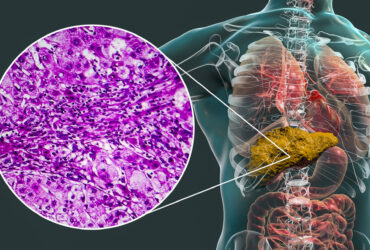
Will Your Liver Repair Itself after Years of Drinking?

One of the most interesting and well-known facts about one of your body’s most vital organs, the liver, is that it can repair itself. But just how much can it do?


If you’ve been drinking for years, let’s say, can your liver just fix itself, so it’s like you never touched the stuff?

It really depends on the level of damage that’s done.

There are various stages of alcohol-related liver disease. But the first two, alcoholic fatty liver disease and alcoholic hepatitis, don’t produce many symptoms. Alcoholic fatty liver disease may produce no symptoms at all, meaning it can progress easily without notice.

If you stop drinking during the first two stages, your liver will likely repair itself. The length of time, however, will depend on the severity of the condition. For some, it could take days, while the process could take months in others. You’ll want to eliminate alcohol intake during this time and try to eat as healthy as possible.

On the other hand, if your liver disease has progressed to the point of cirrhosis, which is marked by scarring on the liver, your organ will not be able to repair itself. The scars are permanent, and continuing to drink may lead to liver failure and a host of other deadly risks.

Because you may not be able to notice any symptoms until the second stage of a liver problem, it’s a good idea to take inventory of how much you drink. If you’re exceeding one standard size drink per day as a woman, or two as a man, your liver is unlikely to be in top form.

If you begin to notice discomfort in the abdomen, fatigue, unexplained weight loss, loss of appetite, or nausea, it may indicate early-stage liver problems. A blood test and ultrasound can help determine the overall health of your liver.

So, in short, your liver can repair itself up to a point. To maintain liver health, consume a low to moderate amount of alcohol and keep up with doctor’s appointments.

Taking a Social Media Break Is Linked with Improved Mental Health

A new study has found that asking people to stop using social media for just one week could significantly improve their mental health. The study, which is to be published in the journal Cyberpsychology, Behaviour and Social Networking, looked at the effect of social media on mental health and found that it can lead to an increase in depressive symptoms and anxiety.


The study was conducted by researchers from the University of Bath (UK) and is one of the first to look at social media’s effect on mental health. The authors of the study say that the findings could, in the future, be used to help people manage their mental health and that it may be recommended as a way to help people manage their mental health. They say that more research is needed to confirm their findings, but they believe that their findings could have implications for how we think about mental health and social media.

For the study, researchers allocated 154 participants aged 18 to 72 who used social media every day into either an intervention group or a control group. The intervention group was asked to stop using all social media for one week, and the control group was allowed to continue scrolling as normal. At the beginning of the study, baseline scores for anxiety, depression and well-being were taken from all participants.

At the start of the study, participants reported spending an average of 8 hours a week on social media. By the end of the week-long study, the participants who were asked to take a break from social media reported improvements in well-being, depression, and anxiety compared to those who continued to use social media, suggesting a short-term benefit.

Lead researcher Dr. Jeff Lambert explained, “We know that social media usage is huge and that there are increasing concerns about its mental health effects, so with this study, we wanted to see whether simply asking people to take a week’s break could yield mental health benefits.”

“Many of our participants reported positive effects from being off social media with improved mood and less anxiety overall. This suggests that even just a small break can have an impact.”

As time spent on social media increases each year, so are reports of mental health issues. This study adds to mounting evidence of a strong link between the two.

Healthy Brain Function

Many factors can contribute to poor mental health and cognitive issues. This study helps to point to a possible link between the two, but stress can also take a toll on the brain, affecting concentration, memory, and overall cognitive function.

The Smart Pill can help counteract these effects through nine ingredients that help support, nourish, and maximize brain health and cognitive function. These include ginkgo biloba, huperzine A, bacopa extract, rosemary extract, and a B vitamin complex. This unique formula helps boost circulation, fight free radicals, and help to promote clear thinking.

Midlife Factors That Boost Alzheimer’s Risk

New research suggests that the three biggest lifestyle factors that boost the odds of dementia are obesity in middle age, inactivity, and the lack of a high school diploma.


That’s a shift from what they were in 2011 when the most important modifiable risk factors were physical inactivity, depression, and smoking.

The study also found that the top three risk factors are not one size fits all and that the leading modifiable risk factors vary slightly based on race and ethnicity. Obesity was the number one factor amongst white, Black, and Native American adults. Lack of exercise was the top threat to Asian Americans, while the number one risk factor for Latin Americas was low education.

Of course, not every risk factor for Alzheimer’s and dementia is modifiable. Age remains the biggest factor, while genetics play another. People carrying a gene variant called APOE4 have a greater chance of getting the disease.

That said, it is estimated that 40 percent of dementia cases worldwide can be attributed to modifiable risk factors.

Along with the top three, factors like high blood pressure, diabetes, heavy drinking, and hearing loss played a role.

The findings were published in JAMA Neurology.

So, why these risk factors? Obesity, a lack of activity, diabetes, and smoking all damage blood vessels that feed the brain. It’s linked to heart health, and as plenty of studies have previously established, what’s good for the heart is good for the brain.

Education levels can be a little harder to determine. Experts believe that it may have something to do with a theory called “cognitive reserve.” It’s based on the idea that people with more education might be better equipped to hold off the pathological brain changes seen in dementia and maintain thinking and memory for a longer time.

It’s good to know these modifiable factors and how they can impact you so you can make the necessary adjustments to give yourself the best shot at avoiding dementia.

A Mediterranean Diet Can Help Beat Depression: Study

If you’re looking for a natural way to beat depression, consider switching to a Mediterranean diet. According to a new study, this type of diet can be as effective as antidepressants in reducing symptoms of the condition. So, if you’re feeling down, give it a try – you may be surprised by how well it works.


Depression Has No Age Limit

If you’re like most young men, you probably feel like depression is something that only happens to older people. And while it’s true that the risk of developing depression increases as you get older, it’s definitely not something that only affects seniors.

Depression is a health condition that affects approximately 21 million adults in the United States. It is also a significant risk factor for suicide, the leading cause of death in young adults.

The study looking at the connection between diet and depression was a 12-week randomized control trial and is the first to assess the impact of a Mediterranean diet on the symptoms of depression in young men (aged 18-25).

The diet used in the study was rich in vegetables, whole grains, legumes, oily fish, and raw, unsalted nuts. The primary focus of the study was on increasing the quality of food consumed while reducing the intake of processed foods, sugar, and red meat.

“We were surprised by how willing the young men were to take on a new diet,” study author, Jessica Bayes said. “Those assigned to the Mediterranean diet were able to significantly change their original diets, under the guidance of a nutritionist, over a short time frame.”

It was found that the young men who changed their diet to follow the Mediterranean style diet had significant changes in their depression. This study adds to the field of nutritional psychiatry, which aims to explore the effect that nutrients, foods, and dietary patterns can have on mental health.

Bayes explained, “There are lots of reasons why scientifically we think food affects mood. For example, around 90 percent of serotonin, a chemical that helps us feel happy, is made in our gut by our gut microbes. There is emerging evidence that these microbes can communicate to the brain via the vagus nerve, in what is called the gut-brain axis.”

It is estimated that 30 percent of depressed patients do not respond well to standard depression treatments such as cognitive behavior therapy and antidepressant medications. So, it is vital to start looking at other therapies and alternative treatments. This study aims to guide medical doctors and psychologists into referring depressed young men to a dietitian or nutritionist as an essential part of treating clinical depression.

Mood and Brain Function

A number of factors can take a toll on the ability of the brain to function at peak potential, including stress and depression. This can affect memory, concentration, and overall brain function.

The Smart Pill can help enhance cognitive function and memory through 9 ingredients that help support, nourish, and maximize brain health. These include ginkgo biloba, huperzine A, bacopa extract, rosemary extract, and a B vitamin complex. This unique formula helps boost circulation, fight free radicals, and provides nutritional support to assist with cognitive function.

Tips for Coping with Anxiety

Everyone goes through occasional feelings of anxiety throughout their lives. Some feel it excessively while dealing with regular everyday situations. 

An anxiety disorder can be difficult to control and interfere with everyday life. If you have such a condition, seeking the care of a professional is highly recommended. Experts can offer various forms of therapy that may help make the condition more manageable. 

Even those with anxiety disorders may benefit from lifestyle changes or coping strategies. No matter why you’re feeling anxiety, these coping mechanisms may help. 

Stay active: Schedule activity into your routine, so you’re active most days of the week. Exercise can improve mood and keep you focused on something productive. 

Avoid recreational drugs and alcohol: These substances can cause or exacerbate anxieties. 

Try stress management/relaxation techniques: Visualization, deep breathing, yoga, and other relaxation techniques may help ease anxiety. 

Prioritize sleep: Try your best to get consistent sleep each night. This involves setting a bed and wake time, creating a relaxing space to sleep, and avoiding screens or stimulating activity before bed. 

Try to limit snacks: Replacing sugar-laded “comfort foods” with nutritious options may help quell anxiety and anxious feelings. 

Learn about your condition: Talk to a specialist about what you feel and what treatments may work best for you. 

Identify triggers: Spot the things that cause your anxiety and strategize ways to deal with them. 

Keep a journal: Tracking your personal life may help you work through anxieties and feel better. 

Socialize: Spending time with friends and family, and doing things you enjoy, may also help. Isolating yourself from others can worsen anxiety, while data suggest that developing strong personal relationships may ease anxious feelings.

Five-Star Guarantee of Satisfaction