

Can You Thaw a Frozen Shoulder?

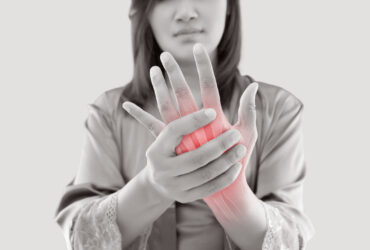
Japanese women businesswoman whose shoulders hurt from working from homeIf you’re one of the two to five percent of people affected by the frozen shoulder, you might be wondering what you can do to regain function.

Ever heard of frozen shoulder? You’re not alone. The condition, also known as adhesive capsulitis, happens when inflammation and scar tissue take over the shoulder joint and leads to stiffness and variable pain in the joint and arm.

Stiffness tends to be at its worst in the beginning but typically improves over time. Pain tends to increase over time and worsen when movement is involved.

It’s not exactly clear why this condition occurs, but data suggests it’s more common in people with conditions like diabetes, Parkinson’s disease, and thyroid disease. A frozen shoulder can also occur if the joint has been immobilized due to injury, surgery, or other acute issues.

Frozen shoulder generally moves through three stages, the duration of which can vary between individuals.

First is the freezing stage. This is when the shoulder becomes inflamed, and the shoulder capsule shrinks, ultimately causing pain and stiffness. This stage can last for two to nine months.

Once the freezing has taken place, it enters the frozen stage. In this phase, the shoulder remains stiff, which limits the range of motion. The pain, however, may begin to recede. This stage will typically last for four to six months.

Next is the thaw. The joint will begin to loosen up, and a greater range of motion will be restored.

Generally, the condition will improve on its own, but it can take between six months and two years to fully regain movement and function.

Physical therapy is crucial to recovery. However, it needs to be carefully managed. Too much stretching can make the condition worse, while too little can extend the suffering.

Gentle, brief stretches are often used early in treatment, which progresses to more muscle-strengthening and mobility-based work. Working with a physical therapist is highly recommended.

If you’ve got a frozen shoulder, it can be thawed. It just takes some time and effort.
Brain Aging and Cognitive Decline are Accelerated Due to Progressive Type 2 Diabetes

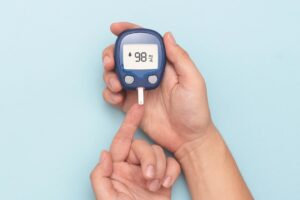
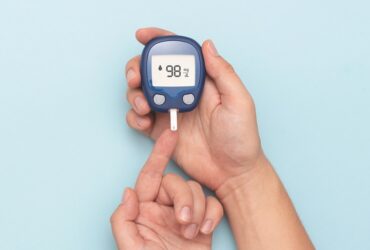
Man using glucometer, checking blood sugar level. Diabetes concept on blue backgroundAs people age, they typically experience cognitive decline, but for those with type 2 diabetes, this process can be accelerated significantly. A new study has found that those with the progressive form of the disease can experience an acceleration of brain aging by 26% compared to those without diabetes.


This is a major concern, as cognitive decline can reduce the quality of life and even dementia. Researchers are now urging those with type 2 diabetes to do everything they can to control their blood sugar levels to protect their brains.

For the study, researchers analyzed the relationship between typical brain aging and what’s seen in type 2 diabetes patients. Information from the UK Biobank was utilized and included data from 20,000 people aged 50 to 80 years old. Brain scans were used to determine which brain and cognitive changes were specific to diabetes rather than just aging.

They found that those with type 2 diabetes follow a similar pattern of neurodegeneration in aging as those without the disease but with faster progress. It was also noted that even typical brain aging could be affected by changes in the brain’s glucose regulation by insulin.

These results suggest that by the time type 2 diabetes is formally diagnosed, there may already be significant structural damage to the brain. This is why it is vital for older people with blood glucose issues to have clinical assessments to watch for cognitive impairment routinely.

Supporting Healthy Blood Sugar and Brain Function

Healthy Blood Sugar Support can help maintain healthy blood sugar levels using several ingredients that have been proven in clinical studies. The health benefits of this unique formula include supporting blood-sugar metabolism and promoting healthy cholesterol and glucose levels already within the normal range. Healthy Blood Sugar Support can also help to reduce excessive hunger or increased appetite, fatigue, and blood glucose spikes after meals.

There are many factors in life that can take a toll on the brain, affecting concentration, memory, and overall cognitive function. This may include stress, diet, smoking, and other lifestyle behaviors. The Smart Pill can help counteract these effects through nine ingredients that help support, nourish, and maximize brain health and cognitive function. This unique formula includes ginkgo Biloba, huperzine A, bacopa extract, rosemary extract, and a B vitamin complex which can all help to boost circulation, fight free radicals, and help to promote clear thinking.

Stay Limber and Fit for Memorial Day Games

Well, it’s here: Memorial Day weekend. Here’s to hoping you can get outdoors and enjoy a good time with family and friends.


A few weeks ago, we talked about some practical ways to eat healthy this weekend, so this time around, we’ll look at how you can feel your best to get the most out of the first long weekend of the year.

Memorial Day is a great time to get outdoors and be active. You can toss horseshoes, bean bags, rings, walk, toss the ball around, go for a bike ride, or just play with your children and grandchildren.

But as fun as all that sounds, if you haven’t been active for a while, you run the risk of an injury. Some simple warm-ups can help you get ready and reduce the chance of injury.

No matter which activity you decide, warm up with a brisk walk. That can get the blood moving and provide some lubrication for your joints. If you’re using specific joints, like your shoulders or elbows, to toss a ball, start by making small circles that slowly get bigger.

Stretching your arms above your head and pulling your elbows across your chest can help loosen up the joint.

Start slow. Spend some time to take some practice tosses from close range and slowly move backward, allowing your body some leeway to adjust to the motion.

Play within your limits, as well. If you’re feeling tired, take a rest for a moment to go sit down and chat with somebody. Remember to stay hydrated and to snack on nutritious foods throughout the day.

When the activities are over, do another set of stretches and be prepared for the potential of a little bit of muscle pain the next day. Don’t worry about it – it will subside in a couple of days.

Make a pact that this Memorial Day is the first day with a new, more active lifestyle. Use the fun you had to keep it going!

Climate Change Could Have a Substantial Impact on Sleep

The negative effects of climate change have become highly noticeable in daily life. Food prices, human migration, animal migration, and illnesses like COVID-19 and monkeypox are all likely impacts of rising temperatures.



Extreme weather patterns are also a regular reminder that things are changing. And with summer set to arrive in the northern hemisphere, researchers from the University of Copenhagen have shown how these rising temperatures will contribute to lost sleep.

Anyone who’s ever attempted to sleep through a hot summer’s night knows it isn’t easy.

It’s uncomfortable and very difficult for your body to reach a temperature suitable for a good night’s shut eye. And as those nights pile up, it can take a toll on your health.

Short sleep is a risk factor for poor cognitive function, bad moods, higher anxiety, compromised immune function, and cardiovascular trouble.

In a global study, researchers used data from more than 47,600 people from 68 countries wearing sleep tracking wristbands from September 2015 through October 2017. They then compared the 7.4 million sleep records they’d collected with local weather and climate data to assess how it affected sleep.

They found that nights that were randomly warmer than average eroded sleep duration in people around the world. People slept less, and the probability of shorter sleep increased as nights got hotter.

The data suggested that on very warm nights – 86 degrees Fahrenheit or hotter (30 degrees Celsius) – sleep declined an average of 14 minutes and boosted the likelihood a person would get less than seven hours.

People tended to fall asleep later and get up earlier on these nights.

They also found that the hotter it gets, the less people sleep. Further, the lost sleep is not compensated for on subsequent nights or with daytime rest, and people do not seem to acclimatize to higher seasonal temperatures.

People over 60, low-income individuals, and women seemed to have sleep particularly affected by heat.

So, what are you supposed to do when the heat keeps you from getting a good night’s sleep? There are some options:

  • Do your best to keep your bedroom cool. If a fan or air conditioner is feasible, have one. If not, try to keep the blinds closed during the day.
  • Wear light clothing
  • Avoid heavy exercise close to bedtime
  • Don’t eat or drink too late. Doing so can increase the amount of time your body needs to cool down to get ready for sleep.
  • Stay well-hydrated, so your body can cool itself.
  • Talk to your doctor about any conditions you may have that could cause night sweating or hot flashes during sleep.

Heart Issues May Play a Role in Fall Risk

Taking a fall when you’re younger may result in some stiffness or short-lived pain if you’re unlucky. But when you get older, those falls can pose a serious threat.

Falls can be devastating for older Americans. The Centers for Disease Control and Prevention (CDC) says about 36 million older adults report falls each year. About 3 million end up in the emergency room, and more than 30 thousand die as a result.

Even if you have a fall and escape without a severe injury, it can have a significant effect on your life. The fear of falling again, for example, can be a major hamper.

A new report suggests that heart problems are very common in those with heart disease, and heart problems may add significant risk for a fall.

A new report published in the American Heart Association (AHA) journal Circulation: Cardiovascular Quality and Outcomes says even basic information is lacking on how or why people with heart disease fall and how severely they are injured.

How can heart disease influence fall risk?

In a number of ways. Heart problems, it seems, can influence fall risk both directly and indirectly. In some cases, a fall can even contribute to heart disease.

For example, a person who has fallen may become fearful of falling again, thereby shunning away from activity and keeping themselves sedentary.

A heart rhythm problem, for example, may cause blood pressure to dip and become lightheaded or unconscious, which can result in lost balance and a fall. People with heart disease and diabetes may have neuropathy, which leads to numbness in the lower extremities. A person that has suffered a stroke may have weakness on one side of their body.

Many heart conditions are treated with a classification of medicine called diuretics, which lead to frequent urination. When the urge to go to the bathroom hits, people can be in a hurry and fall. These meds can also lead to drops in blood pressure that may cause light-headedness and boost the risk of a fall.

If you’ve got heart issues, or even if you don’t, it’s worthwhile to prepare yourself for a potential fall. Working on exercises that improve balance and agility and making your home more fall-proof are two ways you can reduce the risk.

Ways to Naturally Boost Testosterone

Gentlemen, start your engines.

If you’re having a little trouble getting going, at least compared to the old you, don’t worry: it can come back.

Testosterone, your primary sex organ, is one of the catalysts of energy, vigor, strength, and even the desire to get out there, be active, and participate in life. It does, however, naturally decrease with time.

But that doesn’t mean it’s gone, or you can’t slow the process. It also doesn’t necessarily mean you can’t regain at least some of what’s been lost over the years.

Boosting testosterone won’t just make you feel stronger or more energized. It can also play a role in general health, disease risk, body composition, and overall well-being.

Here are some ways to naturally boost testosterone and get your engine revving again.

Exercise and Lift Weights: Research shows that people who exercise regularly have higher testosterone levels than those who do not. Further, studies show that exercise increases testosterone, energy, and fitness in elderly individuals.

Resistance training, using weights, is the best form of exercise to stimulate testosterone.

Eat Right: Food choices can also play a significant role in testosterone levels. Protein can help boost testosterone and contribute to fat loss, which plays a role in testosterone.

Healthy fats are also important to testosterone levels, as are carbohydrates. Carbohydrates, particularly when taken around workouts, may help optimize testosterone.

Eating a diet rich in whole foods with a healthy balance of protein, carbohydrates, and fat is best for optimizing hormone levels.

How much you eat also plays a role. Over-eating or hard dieting can reduce testosterone.

Control Sleep and Stress: Good sleep and lower stress can also help with testosterone levels. Trying to get rid of recurring stressful occurrences, or using techniques like exercise or medication to control them, can be helpful.

Good sleep can also have benefits for testosterone, so work on setting a sleep schedule and routine that gets you at least 7 hours per night.

Seven Simple Steps May Play A Role In Lowering The Risk Of Dementia

In our fast-paced world, it seems like new studies on how to prevent dementia are released all the time. While some of these studies are complex, others offer simple solutions that may lower your risk. For example, a recent study released seven simple steps you can take to help keep your mind healthy and reduce your chances of developing dementia.


The study published in the online issue of Neurology found seven brain and cardiovascular health habits that could lower the risk of dementia. They included being active, losing weight, eating better, not smoking, controlling cholesterol, maintaining healthy blood pressure, and reducing blood sugar levels.

The study analyzed 8,823 people with European ancestry and 2,728 people with African ancestry over 30 years. People had an average age of 54 at the beginning of the study.

Researchers calculated genetic risk scores at the start of the study using genome-wide statistics of Alzheimer’s disease, which can also be used to determine the risk for dementia.

Researchers found that people of European ancestry who followed the seven healthy habits had a lower risk of dementia. Similar findings were reported in the participants with African ancestry, but with the limited participants in the group, more research is needed to confirm this outcome.

Dementia is a cognitive health problem that can cause memory problems and interfere with daily life. It is an increasing illness in the population, so more research must be done on prevention.

As this study helps to show, one of the best ways to prevent dementia is by ensuring that you have a healthy lifestyle. This means eating a balanced diet, getting regular exercise, and getting enough sleep. Additionally, it is essential to stimulate your brain by learning new things and staying active mentally. This can help keep your mind sharp and reduce your risk of dementia. While there is no guaranteed way to prevent dementia, following these tips can help you to reduce your risk.

Brain Health

Some degree of cognitive decline is nearly inevitable as you age, but certain factors can take a toll on the ability of the brain to function at peak potential. This can affect memory, concentration, and overall brain function.

The Smart Pill was designed to help to enhance cognitive function and memory through a unique combination of 9 ingredients that help support, nourish, and maximize brain health. These include ginkgo biloba, huperzine A, bacopa extract, rosemary extract, and a B vitamin complex. This unique formula helps boost circulation, fight free radicals, and provide nutritional support to assist with cognitive function.

New Review Links Allergies and Asthma to Heart Health

If you suffer from asthma or allergies, you may be at higher risk of developing heart disease. Some of the medications you use to treat heart disease may have an impact on risk, too, according to a new review of clinical trials and lab research.


The study’s primary author said, “many people think of asthma as related to the lungs, but there’s an important link between asthma and cardiovascular diseases, like coronary heart disease, high blood pressure, and more.

The review looked at clinical trials showing links between asthma and health threats like coronary and aortic heart diseases; narrowed arteries that reduce blood flow to limbs; stroke; heart failure, and other cardiac complications.

Although the exact reasons for the link are unknown, the buildup of specific types of inflammatory cells in the lungs, heart, and blood vessels may play a role.

And the links are not just to asthma, either. The researchers also found associations between various types of allergies and heart disease.

Seasonal allergies, allergic eczema, and severe food and drug allergies were also noted as significant risk factors for cardiovascular disease.

The team also found that different treatments for these conditions may impact risk.

Inhaled albuterol (generally used to treat acute asthma attacks), inhaled corticosteroids (like fluticasone propionate and budesonide), and leukotriene modifiers (like montelukast) seemed to reduce heart disease risk.

On the other hand, oral and intravenous corticosteroids, like prednisone, appeared to increase the risk.

So what does all this mean for you? It means that if you suffer from seasonal allergies, you may want to pay attention to blood pressure and heart health and do your best to control lifestyle factors that are known to impact heart health.

It also offers doctors another tool to assess a person’s heart health.

More work, however, is required to establish a strong link between allergies, asthma, and heart health.

Three Easy Tricks to Boost Activity Levels

What are you supposed to do if you want to boost your activity levels but don’t have the time, or desire, to set aside dedicated workout time?


Find little ways to trick yourself into doing it.

It can pay big dividends.

Research suggests that including just a little bit of activity into your day, about 30 minutes, or even just 4,000 steps, can reduce blood pressure and improve heart health.

So, how do you do it?

One way is to park further from where you’re going. If you absolutely have to drive somewhere, try parking down the block or further from the entrance in the lot. Those few minutes it will take to get to your destination can add some valuable movement.

You could, of course, leave the car at home altogether.

Another trick to get more activity is to plant a garden in your yard. It might not seem like it, but working to maintain it – pruning, picking, digging soil, etc. – is all high-quality activity that can keep you moving.

If a garden seems like too much work, then stick to a cleaning routine for your home. Wiping the counters, cleaning the floors, and keeping your place tidy is all time spent up and moving instead of being sedentary.

Lastly, you can use that boring time between your favorite shows to get up and move around. Most cable TV shows lend about 8 minutes of commercials to the run time, so getting up to move around for a couple of minutes will keep the blood flowing.

If you’re more of a streamer, don’t let the episodes run back-to-back. If you’re watching more than one episode, stop it after the first one, get up and do something for 5-8 minutes, then return to the sofa.

Cranberries Could Improve Memory And Ward Off Dementia

Cranberries are packed full of antioxidants, which are beneficial for the body and can help it maintain cognitive function over time, even in seniors. So, if you’re looking for a natural way to boost your memory and protect your brain health, consider adding cranberries to your diet.


Cranberries, long touted for their health benefits, may help improve memory and brain function and lower “bad” cholesterol levels, according to new research from the University of East Anglia (UK). The study, which is the first of its kind, looked at the effects of cranberry capsules on a group of middle-aged adults over 12 weeks. The participants were split into two groups. Daily, one group received freeze-dried cranberry powder, equivalent to a cup or 100g of fresh cranberries. The other received a placebo.

The researchers found that those who took cranberry capsules had significantly lower “bad” cholesterol levels and improved scores on memory and brain function tests. They also found that cranberry powder was more effective than the placebo in improving episodic memory performance. Improved circulation of nutrients such as oxygen and glucose were also found in those who took the cranberry powder.

These findings support the idea that cranberries can improve vascular health, which may help to improve brain perfusion. This could help to reduce the risk of cognitive decline in older adults.

Lead researcher, Dr. David Vauzour, concluded the study by saying, “The findings of this study are very encouraging, especially considering that a relatively short 12-week cranberry intervention was able to produce significant improvements in memory and neural function. This establishes an important foundation for future research in the area of cranberries and neurological health.”

Taking Care of Brain Function and Mental Health

Stress, diet, and other lifestyle behaviors can take a toll on the brain, affecting concentration, memory, and overall cognitive function. The Smart Pill can help counteract these effects through nine ingredients that help support, nourish, and maximize brain health and cognitive function.

These include ginkgo biloba, huperzine A, bacopa extract, rosemary extract, and a B vitamin complex. This unique formula helps boost circulation, fight free radicals, and help to promote clear thinking. So, if you want to help improve your brain power, try The Smart Pill today!

Menopause May Play a Role in Joint Pain

New research suggests that estrogen loss during menopause may increase jaw pain.


A temporomandibular disorder can cause pain in the jaw, or TMD, affecting close to 5 percent of U.S. adults, or roughly 12 million people.

Some estimate that as many as 15 percent of U.S. adults, however, have at least one symptom of the condition, the second most common type of musculoskeletal pain. Low back pain is the first.

Women, however, are more than twice as likely as men to have TMD, which has led some experts to believe that hormone changes could play a role.

A new study conducted by researchers in Brazil looked to see if the stages of menopause impacted the intensity of TMD-related pain. Although limited, previous work has found symptoms are more common and severe in premenopausal women than postmenopausal women.

The research team found that TMD-related pain and menopause symptoms like hot flashes are primarily associated with late menopause and ease with age and the progression through post-menopause.

More work is needed to establish a clear link between TMD symptoms and menopause. Studies are also needed to figure out why such a link exists.

If you’re experiencing jaw pain and going through menopause, these results suggest that it may be worthwhile to treat with over-the-counter pain medications and wait it out. The results seem to suggest that pain will lessen with time.

There are also various stretches and movements you can do to try and reduce pain. These movements may help to relax the jaw.

Other methods that may offer relief include wearing a night guard during sleep, warm towels, and stress-relieving activities like meditation§.

Poor Eye Health Can Also Lead To A Misdiagnosis Of Mild Mental Decline In Older People

Most people know that good eye health is essential for seniors, but did you know that poor eye health can lead to a misdiagnosis of mild mental decline? This is something that all seniors and their caregivers should be aware of, as it can potentially impact the quality of life.

Vision problems are more common in older adults, and as many as 1 in 4 people over the age of 50 have undiagnosed vision problems. These problems can include cataracts or age-related macular degeneration (AMD), which can impact visual assessments of mental sharpness.

AMD is the leading cause of vision loss in adults over the age of 50, and it can cause central vision to become blurred or distorted. Cataracts are a clouding of the eye’s lens, and they can also cause vision to become fuzzy or blurry. Both AMD and cataracts can make reading, driving, or recognizing faces difficult.

Cognitive tests are used to assess a person’s cognitive skills and abilities. They can be used to diagnose cognitive impairment, determine eligibility for disability benefits, or make decisions about educational and employment opportunities.

However, cognitive tests are not perfect. A mistaken score could have devastating ramifications, leading to unnecessary changes to a person’s living, working, financial or social circumstances. For example, a person with poor eyesight may be wrongly diagnosed with cognitive impairment and placed in a nursing home. Or, a person with cognitive disabilities may be denied the benefits that they need to live independently.

A mistaken score that results in a wrongful diagnosis of mild cognitive impairment could also trigger mental health problems, including anxiety and depression.

It is important to be aware of the potential pitfalls of cognitive testing to ensure that inaccurate test results do not unnecessarily disrupt people’s lives.

If you have vision problems, it is essential to see an eye doctor for a comprehensive eye exam. Treatment for vision problems can vary depending on the severity of the condition, but it is important to get help if you are experiencing vision problems to stay mentally sharp. 

Keeping Eye Health and Brain Function Healthy

One of the primary causes of age-related vision loss is low levels of lutein and zeaxanthin. These natural pigments have been shown to protect the eye from oxidative damage caused by ultraviolet light and environmental factors. Some of the best sources of lutein and zeaxanthin are vegetables, but it is difficult to get enough of these pigments from diet alone.

20/20 Vision contains 20 mg of lutein and 2 mg of zeaxanthin to help give your eyes the nutritional support they require. In addition to those two ingredients, this unique formula also contains various vitamins, minerals, and herbal ingredients to help support and maximize vision and eye health.

While some degree of cognitive decline is nearly inevitable as you age, other factors can take a toll on the ability of the brain to function at peak potential. This can affect memory, concentration, and overall brain function.

The Smart Pill can help to enhance cognitive function and memory through 9 ingredients that help to support, nourish, and maximize brain health. These include ginkgo biloba, huperzine A, bacopa extract, rosemary extract, and a B vitamin complex. This unique formula helps boost circulation, fight free radicals, and provide nutritional support to assist with cognitive function.

If You’ve Got Arthritic Fingers, You Might Want to Look Into Lipofilling

You’ve probably heard of people getting the fat sucked out of their belly to help lose weight, a procedure called liposuction. But have you ever heard of people having fat injected?


A new study argues it could be a valuable procedure for people suffering from arthritis in their fingers.

German researchers suggest that injecting body fat into aching arthritic finger joints seems to produce significant and long-lasting improvements in pain relief and hand function.

The study results were published recently in the journal Plastic and Reconstructive Surgery.

People who had the experimental procedure, which the doctors have been performing since 2014, started with pain levels of around six on a 10-point scale. Three to four years later, they reported their finger arthritis pain at a median of 0.5 points.

Median basically means average, so some were reporting less than this and some more. Either way, that’s quite a sizeable reduction in pain.

The researchers also say that there is no surgery and it is not an invasive procedure. Those who get it are given a bandage and a splint and generally use their hands again normally within three to four weeks.

The process uses liposuction to draw fat from the thigh or buttocks, which is then spun in a centrifuge to separate it from water, oil, or blood. The pure fat is then injected into the aching joints using x-ray monitors. The process is called lipofilling.

It’s possible that the fat lubricates the joints so they work more smoothly. It could also be that stem cells in the fat promote the healing of work down cartilage or reduce inflammation in the joint.

Osteoarthritis occurs from normal wear and tear accumulated over time n joints. In fingers, the cartilage of the joints breaks down, so the ends of bones run together, causing pain and stiffness.

This new procedure needs to be retested, but the researchers say that most people, although not all, see substantial benefits.

Can Adults Have ADHD?

Attention-deficit/hyperactivity disorder, or ADHD, has the connotation of being a condition impacting children and teenagers. But adults have it, too.

Adult ADHD is a disorder that can make life difficult and stressful to navigate. It includes persistent problems like difficulty paying attention, hyperactivity, and impulsive behavior. It can cause trouble with relationships and, if unmanaged, can significantly impact the quality of life.

The symptoms in adults may not always be as clear as they are in children. Adults who had ADHD as children may display less hyperactivity, for example, but show higher degrees of impulsivity, restlessness, and struggle to pay attention.

Adult ADHD symptoms can interfere with daily life in a number of ways. ADHD can cause a hard time focusing and prioritizing, which may lead to missed appointments and deadlines. It can also lead to an inability to control impulses that can range from impatience waiting in line or driving to heavy mood swings and angry outburst.

Some of the common symptoms of adult ADHD include:

  • Impulsiveness
  • Disorganization and problems prioritizing
  • Poor time management skills
  • Trouble focusing on a task
  • Excessive activity or restlessness
  • Poor planning
  • Low frustration tolerance
  • Frequent mood swings
  • Problems following through and completing tasks
  • Temper
  • Difficulty coping with stress

A diagnosis requires screenings by a doctor, and treatment methods include medication and psychological counseling.

There are also some ways you may be able to help manage symptoms at home. Some of the ways you may be able to ease the symptoms of adult ADHD include:

  • Making a list of tasks to accomplish each day
  • Breaking down tasks into more manageable steps, possibly using a checklist
  • Writing notes to yourself on sticky pads
  • Carrying a notebook or using an electronic device to remind you of tasks
  • Creating and following a consistent routine
  • Asking for help

Five-Star Guarantee of Satisfaction