


Sound Sleep Helps You Build Relational Memory: Study

Rest And Relax Concept. Beautiful peaceful black lady stretching arms after wakeup, enjoying sunny morning, millennial African American female lying under blanket in bed with white bedsheetsAccording to new research, how well you sleep might play a role in how well your memory works. This new study suggests that when we sleep, our brain processes and consolidates information from the day’s events, allowing us to strengthen our relational memory.

Sleep is an essential part of our lives. It helps us focus, stay alert, and make sure our bodies are running correctly. But what many people don’t know is that sleep is also responsible for building relational memory. This means that we remember the relationships we formed during the day when we sleep.

Relational memory refers to the associations between people, objects, or events. This can include names with faces, where you left your car keys, or if you locked the door as you exited the house.

Previous research has determined that memory benefits from sufficient quality sleep. Still, this new study published in the Journal of Neuroscience describes the underlying mechanisms that strengthen relational memories during sleep.

The study’s authors developed an artificial model of two regions of the brain for the study. The regions included the thalamic (involved in earlier sensory processing) and the cortical (involved in memory, learning, and decision-making). Researchers used this model to simulate two central brain states, awake and deep sleep.

It was found that during sleep, the neurons responsible for building relational memory spontaneously fired in close temporal order. This phenomenon is called sleep replay, which triggers synaptic plasticity and leads to strong synaptic connections between neurons, strengthening memory.

“One important real-world impact of the study is in informing future studies of disease, such as schizophrenia and autism spectrum disorder,” said study author Maxim Bazhenov, Ph.D. “Studies have shown that people with these conditions perform worse on relational memory tasks and also have disrupted sleep, specifically slow-wave sleep.”

“Our study suggests that focusing on improving slow-wave sleep in order to alleviate some of the cognitive symptoms associated with these conditions may be a more fruitful path forward than focusing on the cognitive symptoms exclusively.”

Sleep and Memory

As this study shows, sleep is essential for the formation of relational memory. But ongoing sleep deficiency is also linked to an increased risk of heart disease, kidney disease, high blood pressure, diabetes, and stroke.

Sleep Sure Plus can help you get optimal sleep through various ingredients. One of the most important ingredients included in this unique formula is melatonin. Melatonin is a hormone that is essential for the regulation of the circadian rhythm (the internal clock of the body). Sleep Sure Plus also contains valerian, one of the best natural ingredients for promoting rest and relaxation. These two essential ingredients are joined by another 6, which all work together to provide a better quality of sleep.

Memory can be affected by quality sleep, but other numerous factors can also take a toll on the ability of the brain to function at peak potential. The Smart Pill can help enhance cognitive function and memory through 9 ingredients that help support, nourish, and maximize brain health.

These include ginkgo biloba, huperzine A, bacopa extract, rosemary extract, and a B vitamin complex. This unique formula helps boost circulation, fight free radicals, and provide nutritional support to assist with cognitive function.


Men Think They Are Healthier Then They Are, Don’t Go to Doctor: New Survey

Middle Aged Family Doctor is Talking with Young Male Patient During Consultation in a Health Clinic. Both Wear Face Masks. Physician in Lab Coat Sitting Behind a Computer Desk in Hospital Office.Here’s a good one for you: the majority of men think that they are healthier than the majority of men.
This statistical impossibility is the finding of a new online survey recently conducted by the Harris Poll on behalf of Orlando Health. It seems like a tale as old as time: machismo getting in the way of good health.

The survey found that 65 percent of men believe that they are healthier than others and that 33 percent believe annual physical screenings are unnecessary.

All the while, high blood pressure, heart disease, diabetes, and colon troubles run rampant.

Even if you’re one of the majority who thinks they’re in good health, annual trips to the doctor can pay major dividends. Just because you’re not experiencing any symptoms doesn’t mean there might not be something wrong.

For example, rising blood pressure, a troublesome colon, or ailing liver health, doesn’t really show up immediately. Annual screenings can take a look and flag anything that looks like trouble long before you may feel a symptom.

Many health problems develop slowly over time, and the earlier something is caught, the better and more effectively it can be treated.

The survey also found that close to 40 men get their health advice from social media, which can be very risky if not from a reputable source.

It’s possible that fear plays a role in why many men don’t go to the doctor. But actually going, and developing a good relationship with your primary care physician, is one of the best things that can be done to quell that fear.

Making annual trips for a check-up, plus eating a healthy diet, getting exercise, drinking plenty of water, and managing stress, can all help to establish better overall health.

Remember, it’s a lot easier to go for a check-up every year than go on to develop a serious health condition, like heart disease or high blood pressure, and find yourself in the emergency room.

Type -2 Diabetes May Accelerate Brain Aging

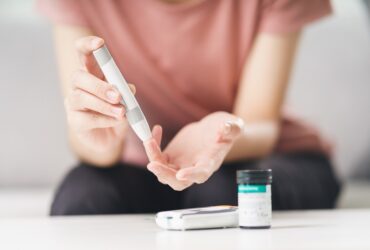
Asian woman using lancet on finger for checking blood sugar level by Glucose meter, Healthcare and Medical, diabetes, glycemia conceptType-2 diabetes seems like a disease that only affects the body, but it isn’t.
The brain of a person with type-2 diabetes or heart disease, for example, is at risk. When brain cells don’t get enough blood glucose, brain function will likely diminish.

A new study looking at data from 20,000 middle-aged and older adults showed that people with type-2 diabetes generally did worse on memory and thinking tests than people without it.

Further, MRI scans revealed differences in brain regions related to those skills: people with type-2 diabetes had more tissue shrinkage, equating to about a 26 percent acceleration in normal brain aging.

A shrinking brain is a normal part of life, and the study showed people with type-2 diabetes experienced shrinkage in the same areas of the brain as anybody else. Still, the difference was the timing: it happened much faster.

The lead researcher said it was like losing ten years.

The shrinkage could be caused by a couple of factors. One is that the blood vessels that supply blood to the brain become damaged, thus limiting the supply of oxygenated blood.

Another theory put forth by the team that conducted the study is that brain cells, which are high consumers of glucose, are essentially starved of it.

If type-2 diabetes impacts neurons’ ability to use insulin, they may starve and atrophy, ultimately leading to reduced cognitive function.

The findings were based on just over 20,000 adults aged 50-80 who are part of an ongoing research project called U.K. Biobank. On average, people with type-2 diabetes scored 13 percent lower on executive function tests, and processing speed performance was about 7 percent lower.

It’s possible that managing diabetes with diet and medication may help preserve mental function, but prevention is the best method. Paying attention to sugar intake and staying active is the best way to keep blood sugar in check and avoid type-2 diabetes.

A Spoon Full of Sugar May Help You Live Longer

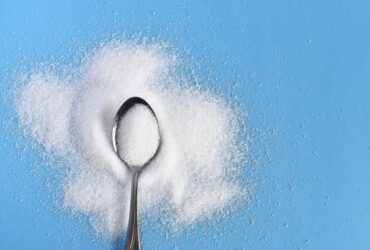
A top view image of a metal spoon and white sugar on a bright blue background.If you take your coffee with a little bit of sugar, you could be helping to extend your life.
New data suggests that the health benefits of coffee persist even when a bit of sugar is added.

The research showed that people who drank any amount of unsweetened coffee are 16 percent to 21 percent less likely to die than those who don’t drink it, based on data from 171,000 British participants.

Sweetened coffee drinkers who had an average of 1.5 to 3.5 cups per day were 21 percent to 29 percent less likely to die during a seven-year follow-up period than non-coffee drinkers.

But this doesn’t mean you should head for a syrupy sugar-bomb of a coffee. The people who benefited tended to add just a little bit of sugar to their coffee.

On average, people put about one teaspoon of sugar in each cup, which only tacks on about 16 extra calories. Specialty syrups sugar coffees, on the other hand, can have hundreds of calories. They are basically liquid cakes.

The study also found that unsweetened coffee drinkers had a lower risk of death regardless of how much they drank, with the greatest overall benefit being in the 2.5 – 3.5 cups per day.

Sweetened coffee drinkers also had benefits, but as long as they drank less than 4 cups per day. Having 4.5 cups seemed to slightly boost the risk of early death.

If you’re a coffee drinker and like a little sugar, this can be great news for you. Sometimes it’s easy to get scared off by any amount of sugar, so knowing there is room for a slight indulgence in your daily coffee can be comforting.

If you don’t drink coffee, you don’t need to start drinking it for a longer life. There are plenty of other things you can do to live a long and healthy life.

Prebiotics and Probiotics: What You Need to Get Your Gut Health Back on Track

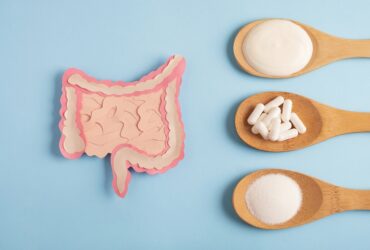
Intestine decorative model with various nutritional supplements. Top viewIf you’re not thinking about your gut health, you’re really not thinking about your overall health. At all.
Your gut may play a role in way more than just digestion. It could influence mood, immunity, metabolism, and the functionality of your body’s internal systems.

How does it have this kind of power? Think about it this way: you’ve got trillions of cells in your body that most consider central to existence. Well, “gut health” is really a way of describing the bacterial population in your system – your microbiome – which vastly outnumbers cells.

You are more bacteria than human cells.

So, how do you make sure you’ve got the best bacteria to keep you feeling good and healthy? Make sure you’re cultivating the right kinds and feeding them adequately.

Your genetics certainly play a role in your microbiome. But that’s not the only factor involved. You’ve got the power to control what bacteria populate your gut and either build or diminish your health.

Prebiotics and probiotics play a huge role in gut health. Probiotics are literal living bacteria that you can eat to improve your gut health. Prebiotics are the things you can eat that actually feed these bacteria to help them thrive.

Probiotics are found in fermented foods like yogurt, kefir, kimchi, sauerkraut, papaya, and pickles. Prebiotics are in most plant-based foods. Fibrous foods are generally prebiotic and help feed your gut what it needs for optimal health.

On the other hand, processed and sugary foods can populate your gut with unhealthy bacteria. These bacteria can promote inflammation, bad moods, fatigue, digestive problems, and more.

But they are not permanent residents. You can potentially evict them, in time, by eating more vegetables and plant-based foods, boosting probiotic intake, and limiting processed foods and sugary drinks.

No Specific Diet to Ease Rheumatoid Arthritis and Osteoarthritis: Study

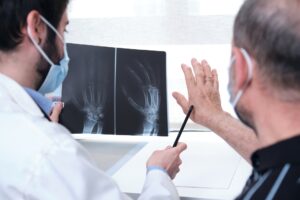
Young doctor examining x-ray of hands of a senior patient with arthritis. Radiography of a hand.Despite previous claims, new research suggests that diet doesn’t play a role in easing symptoms or progression of osteoarthritis and rheumatoid arthritis. A healthy diet has been found to bring many health benefits, but researchers say that the impact on rheumatoid and musculoskeletal diseases is minimal.
Cardiovascular and mental health may be influenced by diet, but researchers believed that evidence for its influence on symptoms and progression of rheumatic and musculoskeletal diseases was not concrete. To try and find an answer, the European League Against Rheumatism (EULAR) set up an international task force to look at the potential impact of diet, exercise, weight, smoking, and alcohol on disease progression.

In total, 24 systematic reviews were included in the pooled data analysis and 150 original research articles. The evidence for most dietary interventions for both rheumatoid arthritis and osteoarthritis was graded as poor or very poor, meaning the number of studies and participants was limited. There was moderate-quality evidence for probiotics, vitamin D, and fish oil, but the impact was minimal.

“Therefore, based on the current evidence, there is no single dietary intervention which has substantial benefits on the outcomes of people with osteoarthritis and rheumatoid arthritis,” conclude the authors.

While this new research did not find a direct correlation between diet and disease progression, those who live with these diseases should still make sure they eat healthily and not put on too much weight as this could worsen symptoms. This study is one of the first to find no effect of diet on the disease, so more research will be needed to further document and confirm the findings.

Keeping Bones and Joints Healthy

As you age, your joints may require support to help them stay strong, flexible, and healthy. Healthy Joints contains multiple ingredients to help support and improve joint health. The primary ingredient in Healthy Joints is AprèsFlex®, an extract from Boswellia, which has been found in studies to provide rapid support for joint health and mobility. This unique formula also contains glucosamine and chondroitin, which contain compounds that are some of the building blocks of healthy joints.

Supporting bone health is also essential as you age. Bone Rescue can help to support the maintenance and development of bones thanks to its unique formula, including strontium. Chemically similar to calcium, strontium can provide great support for aging bones. Bone Rescue contains 680 mg of strontium along with additional ingredients to help keep bones strong and healthy.

Can Vitamin D Help Prevent Diabetes?

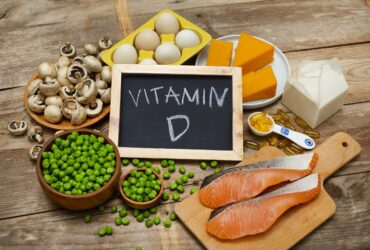
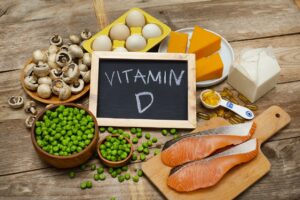
Foods rich in vitamin D on a wooden tableThere is a long list of potential benefits of vitamin D – stronger bones, a brighter mood, and a healthier heart are just a few. But can it help with glucose metabolism, too?


A group of Japanese researchers recently conducted a study to determine just that.

Type-2 diabetes is a fast-growing condition, already affecting 480 million people worldwide. Estimates are that that number will increase to 700 million by 2045. The thing is, the disease is entirely preventable. It isn’t one of those things that get you: you get it.

How do people get it? Sugary diets combined with low activity and weight gain seem to be what causes it.

Every time you eat sugar, your pancreas makes a hormone called insulin that carries the sugar to your cells. It fuels your muscles and acts as your body’s preferred energy source. But when blood sugar is consistently high, your body can’t keep up. The ability to produce insulin is altered, and cells and muscles become insensitive to it, keeping sugar in the blood.

If left unchecked, type -2 diabetes can wreak havoc on your body. It can lead to a slow degeneration, making it harder for blood to circulate. Further, high levels of blood sugar become toxic. The sugar and the body’s inflammatory response wear away at functional tissue and cell health.

So, that’s why researchers were looking to see if vitamin D may help.

Unfortunately, the study showed no significant difference between a group that took a vitamin D supplement or one that took a placebo.

The results were published in BMJ.

Diabetes risk can be managed through healthy lifestyle choices. Getting some activity every day, at least 30 mins on most days of the week – a minimum of 150 minutes per week – and eating a diet comprised of fruit, vegetables, lean proteins, whole grains, nuts, and legumes can help.

Save sugary beverages and snacks and carb-heavy foods like pizza and French fries for special occasions.

Playoff Sports and Binge-worthy TV: How Television Damages Your Heart

Senior African man sitting at his cozy home and watching television. He is holding a remote control and changing the channel.Hey, if you’re a sports fan, you might be watching a little more TV than usual. The same can be said if you’re binge-watching the latest releases on streaming services.

There’s a lot to watch, and it’s both easy and tempting to settle into the couch and let the programming role. But it might be worth it to pick your games wisely or get up after only an episode or two.

New research shows that if people committed to watching under an hour of television per day, it would get rid of 11 percent of coronary heart disease cases.

Previous studies have linked sedentary behavior to coronary heart disease. Still, this study was the first to look specifically at screen-based sitting, including television watching and leisure-time computer use.

Researchers also factored in the participant’s DNA, creating personal scores for the risk of developing coronary heart disease based on 300 genetic variants that influence the condition.

The study found that people who watched more than four hours per day of television had the most significant risk, regardless of their genetic score.

Compared to those with the most risk, people who watched between two and three hours per day had a six percent lower chance of developing coronary heart disease. Those who watched less than one hour per day had a 16 percent lower rate.

The average American spends about two hours and 45 minutes in front of the TV per day.

Researchers also found no link between coronary heart disease risk and leisure-based computer time.

The difference might have something to do with when people watch television and what they do while watching. Most watch TV in the evening after dinner, which is generally the largest meal of the day. This could lead to higher levels of glucose and lipids in the blood.

People are also likely to mindlessly snack while watching TV, something they may not do while using a computer because it may be keeping both the mind and the hands engaged.

Splitting up television time, dedicating activity during the day, or even moving during commercials may help offset some of the risks of watching television.

Consuming 3 Grams of Omega-3 Fatty Acids May Lower Blood Pressure: Study

Symbol for healthy food. Hand turns dice and changes the expression "Omega 6" to "Omega 3".A research review published in the Journal of the American Heart Association suggests that consuming omega-3 fatty acids may help to lower blood pressure. Omega-3 fatty acids are found in fish, nuts, and certain vegetable oils, and according to the new study, the recommended daily dose is 3 grams.


Previous studies have suggested that the consumption of omega-3 fatty acids may lower blood pressure, but the optimal amount has not been determined. However, The National Institutes of Health had established an adequate intake of omega-3 fatty acids for healthy people at 1.1- 1.6 grams daily, depending on age and sex.

Omega-3 fatty acids docosahexaenoic acid (DHA) and eicosapentaenoic acid (EPA) are typically found in fatty fish, such as salmon, tuna, sardines, trout, herring, and oysters. It is also available in supplement forms.

The Study

For the study, researchers analyzed global clinical trials published from 1987 to 2020. These studies examined the link between blood pressure and the omega-3 fatty acid DHA and EPA in people aged 18 and older. In total, nearly 5,000 participants were included in the research who ranged in age from 22 to 86 with or without high blood pressure or cholesterol disorders. All participants took dietary and prescription supplement sources of fatty acids for ten weeks.

It was found that adults who consumed between 2 and 3 grams of EPA and DHA daily had reduced systolic and diastolic blood pressure by an average of 2mm Hg compared to those who did not consume omega-3 fatty acids.

“Our study supports the FDA guidance that EPA and DHA omega-3 fatty acids may reduce the risk of coronary heart disease by lowering high blood pressure, especially among people already diagnosed with hypertension,” said study author Xinzhi Li, M.D., Ph.D. “However, while our study may add a layer of credible evidence, it does not meet the threshold to make an authorized health claim for omega-3 fatty acids in compliance with FDA regulations.”

So, while this study was able to add to mounting evidence of a relationship between the consumption of omega-3 fatty acids and blood pressure, more research is needed.

But it isn’t just omega-3 fatty acids that can help to lower hypertension. Healthy Blood Pressure Support is another excellent way to support healthy blood pressure. This unique formula uses several ingredients shown in human clinical studies to help support blood pressure, cholesterol levels, and overall cardiovascular health.

Is This the Season for New Sunglasses?

backpacker woman standing on quiet road with red building nobody inside in background. young lady walking with sunglasses and black backpack enjoying the beauty of the sky. self travel tour in us.There are people out there that just don’t like sunglasses, but if you’re one of them, you might want to change your tune.


Wearing sunglasses is essential year round, but may be a little more so during the summer months. The sun’s rays are stronger, and most people spend more time outdoors when it’s warm and sunny.

Even though the sun gives life to the world and feels good, the ultraviolet rays can be damaging to your eyes and vision. A good pair of sunglasses is the best way to protect your eyes.

Here are some of the benefits of a good pair of shades:

They Protect Your Eyes from UV and Other Elements: A high-quality pair of sunglasses that block 100 percent of UV rays can stop an enjoyable outdoor activity from ruining your eyes. The effects of continued exposure to UV rays can be damaging and contribute to a host of conditions we’ll mention shortly.

Further, sunglasses can act as a protective barrier from wind, dust, sand, and other debris that can irritate or scratch your cornea.

They Help You See: The sun’s rays may light up the planet, but they can make it difficult to see. If your eyes are sensitive to light and you must squint or hold your hands up to block sunlight, sunglasses can help.

When you can see your best, you can see better and reduce the risks of driving or just being out and about on a sunny day. The relief from brightness and glare can have big benefits.

Sunglasses Can Promote Long-Term Eye Health: Daily exposure to UV rays over the years can significantly boost the risk of developing cataracts, macular degeneration, or other eye conditions that impact vision. Wearing sunglasses when outdoors is one of the best ways to help your eyes stay healthier for longer.

Here are a few tips to consider when buying sunglasses:

  • Get sunglasses that block 99 to 100 percent of UVA and UVB rays
  • Choose lenses with the same level of darkness throughout
  • You want them to stop 75 to 90 percent of visible light
  • Make sure they do not alter view
  • Ensure they fit well and sit close to your face

Sleep Disorder in Patients with Newly Diagnosed Rheumatoid Arthritis Is Not Significant: Study

Close up depressed sleepless mature woman suffering from insomnia, lying on bed, stressed middle aged female covering eyes with hands, trying to sleep, nightmares, feeling headache or migraineDid you know that sleep disorders are common among people with rheumatoid arthritis (RA)? In fact, up to 50% of patients with RA have some type of sleep problem. However, this does not mean that sleep disorder is a significant issue for these patients.
According to a new study published in RMD Open, researchers found that sleep problems are common in people with RA, but they don’t seem to affect the quality of life or ability to function during the day. So, if you are one of the millions of Americans living with RA, keep reading! You may be surprised to learn just how common your sleeping troubles are.

In the new study, researchers found that 38% of newly diagnosed rheumatoid arthritis patients had sleep issues, increasing with disease progression.

In fact, most patients who reported sleep problems said they were only mild or moderate. This good news may come as a relief to many RA patients who often have enough on their plate dealing with the disease itself.

The sleep problems were mostly observed with high-grade pain as well as functional impairment. Researchers believe that in rheumatoid arthritis patients, it is more about the treatment of the disease rather than treating sleep issues.

Researchers noted, “Treatment of sleep problems in rheumatoid arthritis should, therefore, be guided towards treating the underlying problem, such as pain.”

Sleep Problems

According to the National Sleep Foundation, sleep problems are more common than ever in the general population. In fact, over 50% of adults report experiencing at least one sleep issue in the past year. The most common sleep issues are staying asleep, falling asleep, and sleep apnea.

While sleep problems can be caused by a variety of factors, such as stress or an underlying medical condition, there are a few things that everyone can do to get a good night’s sleep. First, it’s important to create a relaxing bedtime routine. This might include taking a warm bath or reading a book before bed. Second, make sure that your bedroom is dark, quiet, and comfortable. Finally, limit your caffeine intake and avoid working or using electronic devices in bed. By following these simple tips, you can improve your sleep quality and get the rest you need.

Improve Sleep and Repair Bone Loss

Sleep Sure Plus is designed to help promote optimal sleep and restfulness through a variety of ingredients. One of the most important ingredients included in this unique formula is melatonin. Melatonin is a hormone that is essential for the regulation of the circadian rhythm (the internal clock of the body).

Sleep Sure Plus contains valerian, one of the best natural ingredients for promoting rest and relaxation. These two essential ingredients are joined by another 6, which all work together to provide a better quality of sleep.

Along with sleep, supporting bone health is also essential as you age. Bone Rescue can help to support the maintenance and development of bones thanks to its unique formula, including strontium. Chemically similar to calcium, strontium can provide great support for aging bones. Bone Rescue contains 680 mg of strontium along with additional ingredients to help keep bones strong and healthy.

How to Exercise When You Have Hip or Knee Pain

Woman doing exercises with resistance bands at home. Cropped shot of a young fit woman exercising on the floor. Workout at home, quarantine, body care concept on blue background. High quality photoWhen you have sore hips and knees, the last thing you want to do is exercise. It might not even be a matter of want; you might feel like you physically can’t.


But it is possible to reduce weight on your joints and have a good workout if you’re experiencing hip or knee pain. Non-weight-bearing exercises help you move freely with little or no pain and may even help you feel better.

Several machines can help limit stress on your joints. These machines can help build cardio, strengthen muscles, improve endurance, and help with range of motion.

Elliptical trainers, stationary bikes, rowing machines, and bicycles are all great options to get a good workout and limit the pressure on joints.

Regardless of which one you use, warm up for a few minutes with little resistance.

You can also try “low-impact” exercises. These are essentially forms of exercises with minimal impact on your joints, allowing you to maintain comfort and get stronger without aggravating the pain.

Pool exercises are great examples of low-impact exercises. Swimming laps, water aerobics, or walking through waist-deep water are all forms of exercise that can be done in a pool. The water keeps you buoyant, which takes the pressure off of your joints. But it also adds resistance to help you get stronger.

A short, brisk walk can also help, but only if your joints don’t get sore. Getting out there for five to 15 minutes a few times per day can help keep you active and be easier on your joints than one 30-minute walk. Make sure to wear good walking shoes with support.

Tai chi is another form of low-impact exercise you can try if you’ve got sore joints. It is a form of martial arts where the body moves slowly through a series of choreographed motions. Evidence suggests it can help with mobility, balance, and range of motion.

Don’t let sore knees and hips hold you back from being more active. Try these movements to help you get more out of life.

Monitoring Your Blood Pressure at Home Isn’t as Easy as It Seems

Shot of a young man taking his blood pressure while sitting on the sofa at homeIt seems easy enough to measure your blood pressure at home, right? All you have to do is buy a device, put it on your arm, and maybe push a button.

But the reality is that it’s not that easy. And an inaccurate blood pressure reading can throw measurements off significantly, which could be dangerous. High blood pressure, after all, is a common condition that is associated with heart attacks, strokes, and dementia.

Doctors often ask people with high blood pressure to track it at home.

The first thing you need is a validated device. There are plenty out there that claim they are cleared by the FDA, but guess what? The FDA does not validate the accuracy of devices.

Thankfully, the American Medical Association (AMA) and an international consortium do. You can find devices validated by the AMA at validatebp.org and an international list at stridebp.org.

Next, you’ll want to get the right type. Devices using upper arm cuffs are best, and you want to make sure it fits right. Most will be fine with the universal cuff, but you’ll need an alternate if you have a large or slender arm.

You won’t want to rely on a cuffless device, particularly a smartwatch, to give you an accurate reading. Most smartwatches and cuffless devices are not yet ready to be validated.

So, you’ve got your device. What now?

How you prepare for the measurement is also important, and it may be the most difficult.

Here’s what to do:

  • Avoid caffeine beforehand
  • Don’t exercise 30 minutes before the reading
  • Avoid smoking
  • Go the bathroom
  • Wait at least 30 minutes after a meal
  • Sit quietly for five minutes without distraction before the reading – no scrolling, reading, watching TV, talking – nothing.
  • Sit in a chair that supports your back
  • Keep feet flat on the ground, and don’t cross your legs
  • Position and support your bare arm at heart level
  • Keep palm up and muscles relaxed
  • Don’t talk
  • Take two readings one minute apart from each other.

People with Cognitive Decline Can Improve Memory by Treating Sleep Apnea

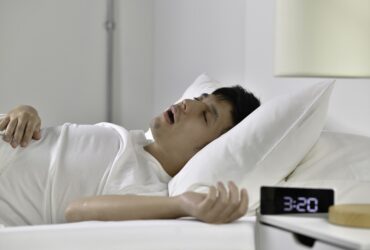
Young Asian man sleeping and snoring loudly lying in the bed"rDid you know that people with cognitive decline can improve their memory by treating sleep apnea? A recent study found that treating sleep apnea can improve overall cognitive function, including memory. If you are experiencing cognitive decline, talk to your doctor about whether treatment for sleep apnea is right for you. You may be able to improve your memory and overall quality of life.

Mild cognitive impairment is the stage between normal cognitive aging and the more serious decline of dementia. This is the area where scientists believe changes can be made to help reduce the progression of dementia. Since there is no current treatment or cure for dementia, researchers are focusing efforts on developing alternative approaches to slowing the progression of the disease.

Sleep plays a vital role in the ability of the brain to stabilize and consolidate new information and memory. During the sleep cycle, the glymphatic system, or the brain’s waste management system, is also highly active. This process allows waste products, including toxins that the brain has built up during the day, to be cleaned out.

These toxins can include beta-amyloid, one of the key proteins in developing Alzheimer’s disease. This means that sleep disruption could prevent the brain from clearing these harmful toxins, leading to more accumulation of the beta-amyloid in the brain.

This important link between sleep and toxins is what has led to the investigation of whether sleep disorders could be associated with the possible heightened risk of dementia.

Mounting evidence has shown that sleep fragmentation in sleep apnea and the drops in blood oxygen at night can affect the risk of dementia. Sleep apnea is associated with a 26% increase in the development of cognitive impairment and more significant amounts of beta-amyloid in the brain.

Reduce Sleep Apnea

There are several ways to reduce the risk of sleep apnea. It often includes using a Continuous Positive Airway Pressure (CPAP) machine, which can help reduce the number of apneic episodes and improve sleep quality. Maintaining a healthy weight is also recommended for sleep apnea.

Another way to reduce the risk of sleep apnea is to avoid alcohol before bedtime. Alcohol can relax the muscles in the throat, worsening sleep apnea symptoms. Finally, sleeping on your side can help prevent sleep apnea by keeping the airway open.

Sleep Sure Plus is another excellent way to help ensure a good night’s sleep. It was designed to help promote optimal sleep and restfulness through various ingredients. One of the most important ingredients included in this unique formula is melatonin. Melatonin is a hormone that is essential for the regulation of the circadian rhythm (the internal clock of the body). Sleep Sure Plus contains valerian, one of the best natural ingredients for promoting rest and relaxation. These two essential ingredients are joined by another 6, which all work together to provide a better quality of sleep.

Healthy Brain Function

While some degree of cognitive decline is nearly inevitable as you age, this research helps to show how other factors can take a toll on the ability of the brain to function at peak potential. This can affect memory, concentration, and overall brain function.

The Smart Pill can help to enhance cognitive function and memory through 9 ingredients that help to support, nourish, and maximize brain health. These include ginkgo biloba, huperzine A, bacopa extract, rosemary extract, and a B vitamin complex. This unique formula helps boost circulation, fight free radicals, and provide nutritional support to assist with cognitive function.

Five-Star Guarantee of Satisfaction