


Rise in Drinking Alcohol Affects Liver: Study

Chronic heavy drinking can cause serious damage to the liver. This is because alcohol is a toxin that can harm the liver cells. Over time, this can lead to inflammation and scarring of the liver, interfering with its function. In severe cases, excessive drinking can even lead to liver failure.

Like anything else, too much of a good thing can be harmful. This is especially true when it comes to drinking alcohol. Many Americans stepped up their drinking during the pandemic, and now liver disease and transplants are surging. Between March 2020 and January 2021, the number of patients with alcohol-associated liver disease (ALD) who were on a waiting list or received a new liver was 50% higher than pre-pandemic projections.

Alcohol is one of the most common causes of liver disease. When alcohol is consumed, it is metabolized in the liver. This process creates fatty deposits that can eventually lead to scarring of the liver, a condition known as cirrhosis. Cirrhosis is a serious condition that can lead to organ failure and death.

Alcohol-associated hepatitis is a condition in which the liver becomes inflamed due to excessive alcohol consumption. This can occur after a period of heavy drinking or binge drinking, and it can lead to serious liver damage. Symptoms of alcohol-associated hepatitis include fatigue, abdominal pain, and yellowing of the skin and eyes (jaundice). If left untreated, alcohol-associated hepatitis can be fatal.

Alcohol-associated liver disease is a serious condition that can lead to a range of health problems, including liver failure. In the early stages of ALD, a person may have no symptoms or only experience mild discomfort, such as fatigue or abdominal pain. However, elevated levels of liver enzymes can be detected through blood tests. As the disease progresses, these elevated liver enzymes can lead to ascites, fluid accumulation in the abdomen, dilated blood vessels, and mental confusion caused by a buildup of toxins.

If left untreated, alcohol-associated liver disease can be fatal. Therefore, it is important for people who drink alcohol to be aware of the signs and symptoms of ALD and to seek medical help if they experience any concerns. Early diagnosis and treatment are essential for preventing this condition’s serious complications.

Liver Support

As one of the most important organs in the human body, the liver works 24 hours a day to produce and process many of the chemicals the body requires. It processes over 500 functions, including hormone production, bile secretion, and converting sugars into glycogen.

Liver Rescue is a formula designed to support and maximize the performance of a healthy liver through its 7 ingredients. These powerful ingredients can help fight free radicals, improve bile production, remove toxins, and give your liver the support it deserves.
Eat a Little Bit of This Every Day and You Might Live a Little Longer

A recent observational study suggests there might be at least one food out there with the potential to help you live longer, but you have to eat it daily.

Can you guess what it is? Blueberries, milk, chocolate?

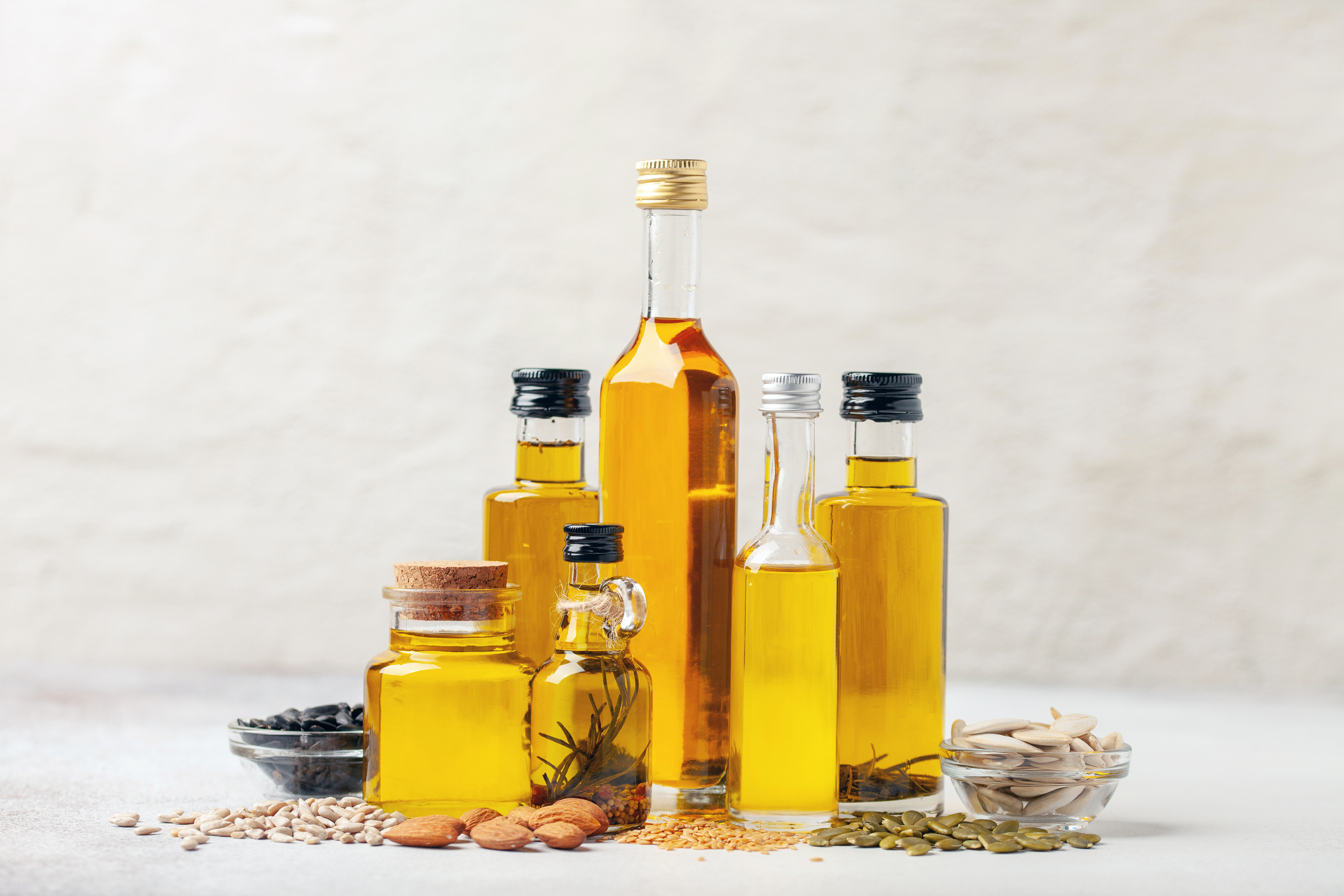
How about olive oil?

Researchers looking at health data from roughly 90,000 people over a nearly 30-year timeframe found that people who had more than ½ tablespoon of olive oil per day lived longer than those that ate less.

All of the participants were free from heart disease and completed dietary questionnaires every year about how often they ate specific foods.

Just how big of an impact did this small amount of olive oil have? Those who ate at least ½ tbsp. per day had a 19 percent lower risk of dying from any cause than those who rarely or never ate it.

They also learned that people who regularly ate it had a 19 percent lower risk of cardiovascular disease, a 17 percent lower of severe disease-related genetic mutations, and a 29 percent lower risk of dying from a neurodegenerative disease like Alzheimer’s.

The team also suggested that replacing unhealthy fats with olive oil, a notably healthy source of valuable monounsaturated fats, may have a major outcome on longevity by potentially lowering the risk of overall death by 34 percent.

So, swapping out the margarine, butter, and mayo for the same amount of olive oil could be a major investment in your overall health.

Olive oil is pretty versatile stuff. It can be spread or drizzled on bread (it tastes especially good spread on bread and baked for a few minutes), as cooking oil, or as a dressing.

If you like the taste, a spoonful at some point during the day could be like taking any other supplement or medicine.

Making olive oil part of your routine might help you live a longer and healthier life.

Wearing a Mask May Do More Than Protect You From COVID — It Might Prevent a Heart Attack

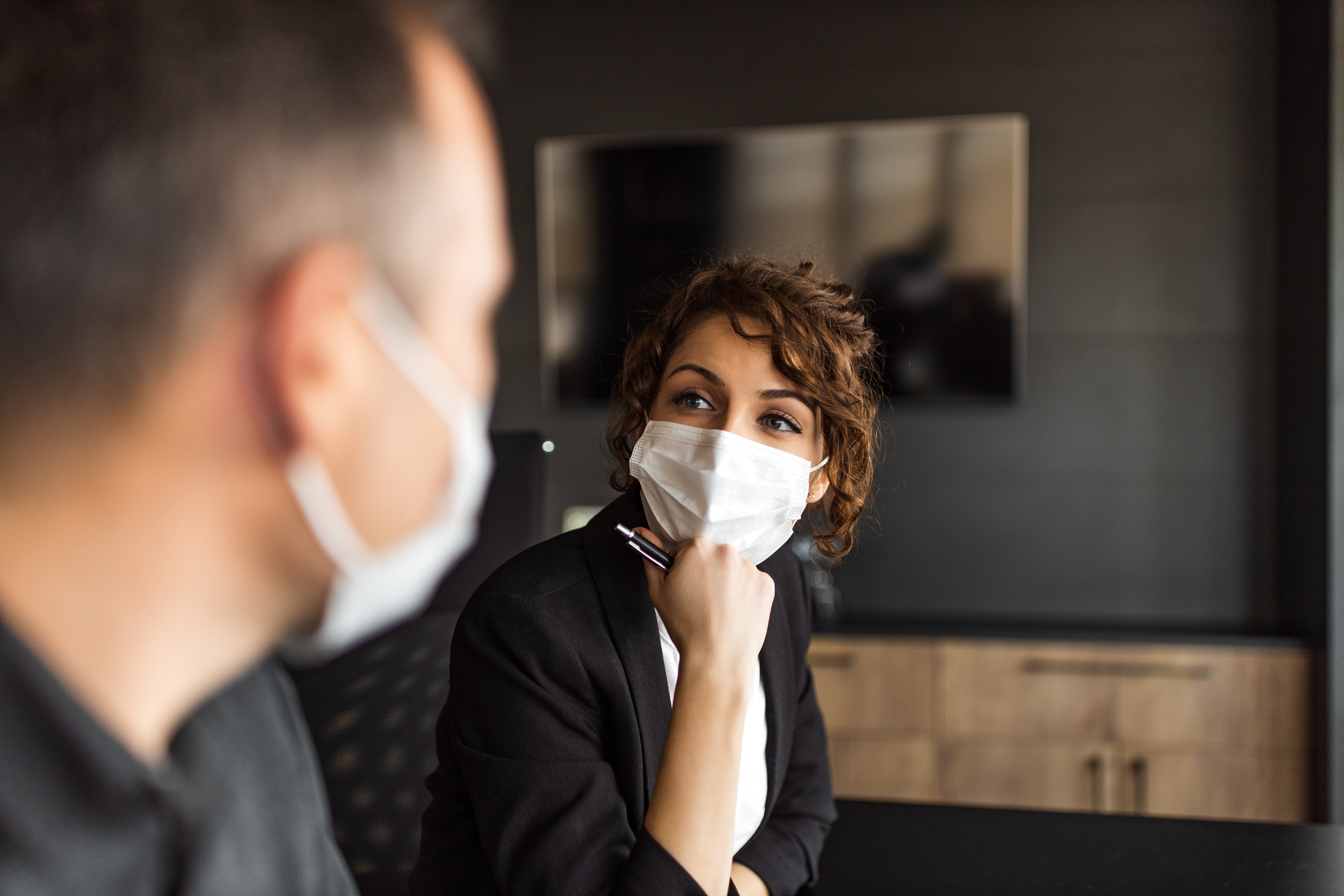
Masks have become commonplace in many parts of the world as some elect to use the devices to reduce the risk of COVID-19. But a new study suggests they may offer even more.


A recent study out of China has found that exposure to common air pollutants, even at levels below World Health Organization air quality guidelines, may trigger heart attacks in less than one hour.

The study found that the risk was highest for older individuals and when the weather was colder.

Results showed that exposure to any level of common air pollutants — fine particulate matter, coarse particulate matter, sulphur dioxide, nitrogen dioxide, carbon monoxide, and ozone — could quickly trigger the onset of acute coronary syndrome.

Acute coronary syndrome, or ACS, is an umbrella term used to describe any situation where blood supplied to the heart is blocked. Heart attacks, unstable angina, or chest pain caused by blood clots that temporarily block an artery are all included.

Air pollution is already linked to heart disease, stroke, other health issues, and about 4.2 million early deaths each year around the world. Fine particulate matter (microscopic solids or liquid droplets) that come from automobile emissions, construction sites, power plants, etc., are one of the leading sources of dangerous pollution.

This new study was the first to show how quickly, and at virtually any level, these pollutants can trigger a cardiac event.

So, how can you reduce your risk?

Keeping windows closed and using portable air cleaners with built-in air conditioning filters can help when you’re at home.

But you can’t be indoors all the time. When you step out, wearing a well-fitting mask covering your nose and mouth can help block pollutants from entering your body. In turn, they may reduce the risk of a heart attack, stroke, or another cardiovascular event.

Study Reveals Why 7 Hours Of Sleep Is Optimal In Middle Age

Sleep is a vital component of overall health and well-being. Despite its importance, however, many people find themselves struggling to get the sleep they need on a regular basis.
This can have negative consequences not only for physical health but also for cognitive functioning. Numerous studies have shown that sleep deprivation can contribute to a variety of physical ailments, including high blood pressure and type 2 diabetes.

Additionally, sleep plays an important role in cognitive performance, impacting our ability to concentrate and focus on cognitive tasks. Research has shown that sleep loss affects attentiveness, memory, decision-making abilities, and more. Therefore, sleep plays an essential role in maintaining both our physical health and our mental well-being.

According to researchers from the University of Cambridge and Fudan University, seven hours is the ideal amount of sleep for people in their middle age and upwards. For their study, scientists examined data from nearly 500,000 adults aged 38 to 73 years from the UK biobank. All participants were asked about their sleeping patterns, mental health, and well-being. They all took part in a series of cognitive tests along with brain imaging. Genetic data was also available for almost 40,000 of the study participants.

The research team found that insufficient and excessive sleep duration may impair cognitive performance, such as processing speed, memory and problem-solving skills, and visual attention. 7 hours of sleep a night was found to be the optimal amount for cognitive performance and good mental health. Participants who reported sleeping for longer or shorter durations experienced more symptoms of anxiety and depression and worse overall well-being.

Researchers believe one possible reason for the association between insufficient sleep and cognitive decline may be due to the disruption of slow-wave (deep) sleep. Disruption to slow-wave sleep has previously been shown to have a close link with memory consolidation as well as the build-up of amyloid, an essential protein that can signal brain characteristics of some forms of dementia, including Alzheimer’s disease. Lack of sleep may also help to hamper the brain’s ability to rid itself of toxins.

A link between the amount of sleep and the differences in the structure of brain regions involved in cognitive processing and memory was also noted.

Professor JianFeng from Fudan University said, “While we can’t say conclusively that too little or too much sleep causes cognitive problems, our analysis looking at individuals over a longer period of time appears to support this idea.”

Ensure a Good Night’s Sleep

By prioritizing sleep and making it a non-negotiable part of their daily routine, people can help to ensure that they are getting the rest they need to stay healthy and perform at their best.

Sleep Sure Plus is designed to help promote optimal sleep and restfulness. The most important ingredient in this unique formula is melatonin – a hormone essential for regulating the circadian rhythm. Helping to get the internal body’s clock back on track can go a long way to getting a restful night’s sleep.

Sleep Sure Plus also contains another 7 ingredients, which help provide well-rounded support for a better quality of sleep.

Your Body Can Play a Big Role in Brain Health

There’s a belief that one’s body can be trapped, but the mind can’t be. But depending on the context, this may be untrue.


One context where it is almost certainly false is when it comes to heart disease and dementia. Research is piling up to show that people who pile up heart-disease risk factors have far greater odds of developing dementia.

And now, according to a new study in Neurology, risk factors like high blood pressure, diabetes, and obesity boost the risk for memory loss, Alzheimer’s disease, and vascular dementia.

Researchers found that people with accelerated heart disease risk were three to six times more likely to develop Alzheimer’s, three to four times more likely to develop vascular dementia, and about 1.4 times more likely to have memory decline than people with stable heart disease risk.

Heart disease risk factors wear away at your body over time, and their effects eventually become further pronounced. Getting a handle on them earlier is always the best way to go.

You’ve likely heard the formula for managing heart disease risk factors before: don’t smoke, reach or maintain a “normal” weight, increase activity, eat a nutritious diet, get enough sleep, and limit alcohol consumption.

Your physical and mental health are inseparable. Heart-disease risk factors make it harder for oxygen and nutrient-rich blood to circulate throughout your body, including your brain.

When the brain doesn’t receive enough blood and nutrients, neural pathways can begin to close off, plaques can develop, and the risk for memory loss and disease goes up.

You can free your body from the perils of heart disease and your mind from the risk of dementia, at least in part, by doing your best to get more activity, eat a nutrient-rich diet that’s low in processed food, and take better care of overall health.

Sleep Deprivation Comes With An Increased Risk For Eye Disease

New research has found evidence of sleep deprivation causing an increased risk for eye disease. Sleep is a vital part of overall health and well-being. Yet, more than one-third of people in the United States report getting less than the recommended minimum of seven hours of sleep per night. This sleep deprivation can have serious implications for both mental and physical health, including eye disease.

Sleep deprivation can have a negative impact on both mental health and physical health. Eye problems such as dryness and itching may be experienced after episodes of sleep deprivation. But dry eyes aren’t the only concern. Long-term sleep deprivation comes with an increased risk for eye disease due to its effect on the cornea.

The cornea is the transparent tissue layer covering the eye and is vital for the proper health and function of the eye. It is maintained by stem cells which can repair small injuries and replace dying cells. This stem cell activity needs to be precisely tuned to work correctly and produce new corneal cells. Dysregulation of corneal stem cells can lead to eye disease and impaired vision.

The new study published in Stem Cell Reports evaluated how sleep deprivation impacts corneal stem cells. The research done on mice found that short-term sleep deprivation increased the rate at which stem cells in the cornea multiplied. Sleep deprivation also altered the composition of the protective film, reducing the tear film antioxidant.

This research revealed that serious effects on corneal health, such as thinning and ruffling of the cornea and loss of transparency, were detected after long-term sleep deprivation. Researchers believe that the persistent stimulation of stem cell activity over longer periods led to exhaustion and loss of corneal stem cells, possibly leading to vision impairment in the long run.

Clearly, sleep deprivation is a serious problem that can have far-reaching consequences. If you are not getting enough sleep, it is important to talk to your doctor about possible solutions. There are a number of treatment options available that can help you get the rest you need to stay healthy and productive.

Protecting Eye Health Through Sleep

Sleep Sure Plus is designed to help promote optimal sleep and restfulness. With a variety of ingredients, including melatonin and valerian, it can improve mood, reduce anxiety and stress, and improve sleep quality.

Poor vision and eye problems can have an effect on everyday life. This research has shed light on the impact of sleep deprivation on eye health, but one of the primary causes of vision loss is age-related and due to low levels of lutein and zeaxanthin. These natural pigments called carotenoids have been shown to protect the eye from oxidative damage. 20/20 Vision contains these essential carotenoids along with other vitamins, minerals, and herbal ingredients to help support and maximize vision and eye health.

How Exercise May Protect Your Memory

There is plenty of data to show that more activity can lead to more brainpower and a lower likelihood of memory loss and thinking trouble with age.


Now a new study offers a suggestion how.

Recent research published in Neurology suggests that activity may influence memory and thinking skills by improving glucose metabolism and reducing body weight.

The relatively small study featured 134 people with an average age of 69 who had no memory problems. Each completed questionnaires about their physical activity levels over the past year.

Researchers also took physical information about the participants. They noted their Body Mass Index, or BMI, which estimates body fat based on height and weight, insulin levels, cholesterol, blood pressure, and other health indicators.

Brain scans showed that people with the highest amount of physical activity had a higher total of gray matter in their brains, while the least active people had the least. Gray matter is thought to be a part of the brain highly involved in information processing.

When the researchers honed their focus on areas of the brain that are particularly affected by Alzheimer’s, they found similar results.

The most active participants also had a higher average rate of glucose metabolism in the brain than those who were least active, meaning their brain is using up blood sugar for energy more efficiently. Reduced glucose metabolism is a marker of dementia.

One area that activity did not seem to influence was the presence of amyloid plaque, which is another marker of dementia.

Although the findings did not prove how activity may influence memory and thinking, it does offer an association that can help lead to further study and potential treatments or preventative techniques against dementia.

For you, it means that if you want to delay or prevent Alzheimer’s and dementia, boosting activity may help.

If you’re serious about brain health, it’s good to get serious about exercise.

Do Antidepressants Work?

Antidepressant medications are well-known and widely used. And now, new research suggests that they aren’t effective.

At least in some regard.

Researchers found that the millions of Americans taking antidepressant medication to treat their low moods experience little improvements in their quality of life.

That means that it did not seem to matter whether a patient used antidepressants or did not in terms of life quality. The researchers said they were surprised by the findings.

Quality of life, of course, is just one measurement used to assess health outcomes, so it does not mean that these medications are truly ineffective at treating all depressive symptoms. However, it does suggest that relying strictly on these medications may not produce the desired outcome.

From a health standpoint, “quality of life” refers to the patient’s ability to take part in and enjoy normal life activities. Most suffering from depression likely expect that taking antidepressant medications will restore their quality of life.

But researchers learned that when these medications were taken for at least two years, there was no greater benefit to physical or mental quality of life than for people who didn’t take them.

Some experts even suggest that antidepressants are only nominally effective, even in the short term, and that perceived benefits may be attributable to the placebo effect.

Researchers analyzed a large pool of patients who participated in an annual health survey conducted by the U.S. National Center for Health Statistics between 2005 and 2015.

The surveys looked at physical issues like overall function, physical limitations, pain, energy, and fatigue. It also looked at mental health, like the ability to socialize, limitations caused by emotional trouble, psychological distress, and overall well-being.

The study was in PLOS ONE.

The results suggest that antidepressants may only be a small part of treatment to help improve mood and depressive symptoms. Working with a therapist and other experts is likely required to reduce symptoms and improve quality of life.

Are Bananas a Healthy Super-Food or a Glorified Candy?

You don’t have to be an expert in bananas to know they are super-sweet. But can all that sweetness be wrapped up in a superfood?

There’s no doubt that bananas can be highly controversial. They are very high in sugar but remain a low glycemic load (GL) food. The biggest danger from these may come from slipping on a peel.

Bananas are rich in nutrition and a great source of something nearly everybody could use more: fiber. They are also versatile, accessible, convenient, and affordable.

The biggest claim to fame of the banana is the potassium content. One medium-sized banana has 375 milligrams (mg), which is about 11 percent of the daily recommended intake for men and 16 percent for women.

Potassium plays a vital role in heart health, most prominently by helping to regulate blood pressure.

Bananas are also a rich source of other nutrients, phytochemicals, and antioxidants.

There are about five grams of fiber in a banana, which can contribute to benefits like better digestion, lower inflammation, and improved heart health. The fiber makeup of a banana can be somewhat unique, too.

Unripe or slightly ripe bananas contain resistant starch, which acts as a prebiotic fiber. These types of fiber act to feed probiotics, the guts “good” microbes, which are important for digestion and linked to immunity, brain health, and more.

As a banana ripens, the resistant starch is broken down into natural sugars, which is why it is sweeter than a slightly unripe banana.

If you’re thinking about including more bananas into your diet, remember this: it’s not the same when used as an ice cream topping, put in banana bread/cake, or eaten as chips.

Be careful about banana chips, which are generally dried and fried.

If you want to retain their healthy qualities, there are plenty of other uses for them. They can be added to smoothies as a thickener/sweetener, sliced and put on whole-wheat toast and peanut butter, or simply unpeeled and eaten for a quick snack.

New Study Suggests Low Risk for Taking Nitrates and ED Drugs

A new study suggests the red line between taking drugs to treat erectile dysfunction and those used to treat chest pain may not be needed.


For a long time, it was believed that ED drugs could be dangerous to men taking nitrates to treat heart problems. The fear comes from the fact that taking them together may cause blood pressure to become dangerously low.

At the least, low blood pressure could lead to dizziness or light-headedness. At most, it could result in a heart attack or stroke.

But despite the concerns, doctors in Denmark co-prescribed ED drugs with nitrates at a 20-fold increase between 2000 and 2018, and new research suggests that men taking both were no more likely to suffer a heart attack, stroke, or cardiac arrest.

The results were published in the Annals of Internal Medicine and echo those of research released in 2021.

Nitrates are typically prescribed to men with heart problems and clogged arteries. They can help ease chest pain and prevent heart attacks by relaxing and widening arteries to ease blood flow.

ED drugs like Viagra and Cialis are a class of medicine called PDE5 inhibitors and produce the same effect, albeit entirely differently.

Researchers of this recent analysis believe that the results may all come down to timing and that users simply don’t take them simultaneously. Therefore, they do not have a compound effect.

Nitrates are typically taken in the morning and ED drugs in the evening, so they say any potential drug interactions are not relevant.

If you are taking these drugs, be sure to space out usage to avoid potential problems.

You can also help improve blood flow and reduce the risk for heart attacks and strokes by losing weight, leading a more active lifestyle and adopting a heart-healthy lifestyle.

Type 1 Diabetes Among Adults Can Affect Children’s Cognitive Development

New research suggests that a child’s cognitive development could be affected if either one parent has type 1 diabetes. The study is the first to show that having a parent with a chronic disease such as type 1 diabetes may be associated with lower school performance. It was previously thought that maternal high blood sugar was the only risk factor during fetal development. 

Maternal diabetes has been widely researched for its relation to cognition in children. Glucose crosses the placenta, and maternal hyperglycemia (high blood sugar) can affect fetal development, including the baby’s brain. Until this new study, there has been limited information on different diabetes subtypes or the effect of having a father with type 1 diabetes.

For the study, researchers from Copenhagen University Hospital, Denmark, analyzed data from test scores in math from students in grades three and six, and reading for grades two, four, six, and eight. The participants included 622,073 children between 6 and 18 years old attending public schools over seven years. There were 2,144 children with mothers with type one diabetes, 3,474 children with fathers with type one diabetes, and 616,455 children from the background population.

Researchers acknowledged that having a parent suffering from a serious chronic disease like diabetes could cause stress, which would be detrimental to a child’s school performance. However, researchers suggest a different explanation for the previously observed effects of maternal type one diabetes on children’s cognitive development during pregnancy.

Anne Lærke Spangmose, study “Lower test scores in the offspring of mothers with type 1 diabetes appear to reflect a negative association of having a parent with type one diabetes rather than a specific adverse effect of maternal type one diabetes during pregnancy on the fetus. Our recent large Danish cohort study including 622,073 children has shown this.”

Supporting Blood Sugar and Brain Health

It is vital to care for your brain function and health no matter what age you are.

Stress can take a toll on the brain, affecting concentration, memory, and overall cognitive function.

The Smart Pill can help counteract these effects through nine ingredients that help support, nourish, and maximize brain health and cognitive function. These include ginkgo biloba, huperzine A, bacopa extract, rosemary extract, and a B vitamin complex. This unique formula helps boost circulation, fight free radicals, and help to promote clear thinking.

Healthy Blood Sugar Support can help maintain healthy blood sugar levels using various ingredients that have been shown in clinical studies. The health benefits of this unique formula include promoting healthy cholesterol and supporting blood sugar, metabolism, and glucose levels already within the normal range. Healthy Blood Sugar Support can also help to reduce excessive hunger or increased appetite, fatigue, and blood glucose spikes after meals.

Low Testosterone May Put Your Shoulders – And Independence – At Risk

A new study links low levels of sex hormones to tears in the shoulder’s rotator cuff.


Researchers found that testosterone levels in men, and estrogen levels in women, were both associated with the injury. They learned that men with low testosterone were 89 percent more likely to have a tear in their rotator cuff than those with normal levels. In women, the odds of a rotator cuff tear were 48 percent higher in those with low estrogen.

Low testosterone and estrogen can both lead to weak bones and osteoporosis. When bones get weaker, it compromises tendon-bone attachments, where rotator cuff tears occur.

Further, testosterone, for example, is an anabolic steroid which builds muscle. When muscle builds, tendons are also built to compensate for the increased force on the joint caused by the muscle.

It may be that when testosterone is low, the tendons no longer receive the signal, and the attachment may weaken. This may also mean that sex hormone deficiencies may slow healing and lead to rotator cuff tears.

The researchers pointed out that their findings were observational and cannot prove that low levels of testosterone (in men) or estrogen (in women) will cause tears.

These findings are important to note because they indicate a potential risk of low sex hormones, which are conditions that can be treated.

If you know you’ve taken a blood test and seen declining levels, it’s possible that increasing them may affect your risk for a torn rotator cuff.

This injury can have a significant impact on ability and independence.

The rotator cuff is a group of muscles and tendons that surround the shoulder joint, keeping your upper arm bone in the socket of the shoulder joint. When one of the tendons is torn, it is no longer fully attached and can lead to pain and impaired function.

Tears are a common injury that can typically be treated with physical therapy and over-the-counter pain medication. The injury may be prevented with exercise and a healthy diet. Surgery may be required for severe cases.

Does “Good” Cholesterol Have an Effect on Alzheimer’s Risk

Cholesterol can play a significant role in heart health. But new data suggests it could be essential for your brain.

A new study suggests that higher “good” cholesterol levels in the fluid surrounding the brain and spinal cord may help protect against Alzheimer’s.

Researchers looked at high-density lipoprotein (HDL) concentrations – known as the “good” cholesterol – in the cerebrospinal fluid of 180 healthy volunteers with an average age of close to 77.

The findings linked a higher number of HDL particles in the fluid to two key indicators that may protect against cognitive decline and Alzheimer’s.

The first indicator was that HDL concentration was linked to better performance in thinking and memory (cognitive) skills. This association stood up after controlling for factors like age, gender, education, and whether participants carried the APOE4 gene, which is associated with a higher Alzheimer’s risk.

Another indicator that suggested a protective effect of HDL was that people with more of it had higher levels of a peptide called amyloid-beta 42 in their cerebrospinal fluid.

Interestingly, this peptide can contribute to Alzheimer’s risk when it misfolds and clumps into neurons. But when higher levels of it are circulating in the brain and spine, it is linked to a lower risk for the disease.

Ultimately, the findings of this study suggest that HDL particles may play a role in preventative treatments for Alzheimer’s before any mental decline occurs.

Identifying the issue early may lead to treatments to help boost HDL to keep the system healthy and functional.

More studies, of course, need to be completed to see how and if this is a viable treatment option.

In the meantime, you may be able to boost HDL through dietary measures. Including more healthy fats and fiber in your diet and limiting the number of processed foods and sugars known to boost bad “LDL” can help you accomplish this.

Exercise Can More Effectively Lower Diabetes Damage: Study

A new study from the Vascular Biology Center at the Medical College of Georgia has found that exercise may help to lower diabetes damage. They believe that exercise can counter the damage by activating a natural system in the body that grows new blood vessels when existing ones are ravaged by heart disease.

Angiogenesis is the ability of the body to form new blood vessels to replace damaged ones. However, diabetes can damage blood vessels, hindering their ability to grow new ones in the face of disease and injury. This is why researchers sought new ways that the body may be able to repair and reproduce blood vessels.

This new study suggests that even one 45-minute moderate-intensity exercise session can create more exosomes. These submicroscopic packages are filled with biologically active cargo and deliver more of the protein  ATP7A to the cells, which can set angiogenesis in motion.

Researchers have yet to figure out the origin of these exosomes, but it has been clear in both animal and type 2 diabetes human models that one cardio session can increase levels of ATP7A in them.

Physical exercise such as running or walking on a treadmill can help prompt muscles to contract, which prompts the release of exosomes into the blood. This new study adds to mounting evidence that exercise can help repair the damage done to blood vessels by diabetes.

Reduce the Risk and Damage

According to the Centers for Disease Control and Prevention, about 1 in 10 Americans have diabetes. With more people experiencing high blood sugar levels and almost 1.4 million Americans being diagnosed with diabetes every year, it is vital to find lifestyle changes that can help to reduce the damage caused by the disease.

Healthy Blood Sugar Support can help maintain healthy blood sugar levels using several ingredients that have been shown in clinical studies. The health benefits of this unique formula include supporting blood-sugar metabolism and promoting healthy cholesterol and glucose levels already within the normal range. Healthy Blood Sugar Support can also help to reduce excessive hunger or increased appetite, fatigue, and blood glucose spikes after meals.

As the incidents of diabetes continue to rise globally, it is vital to take the steps necessary to help reduce the chances of this disease. Exercise, a healthy diet, and ensuring proper vitamins and nutrients are excellent ways to help reduce the risk of diabetes.

Five-Star Guarantee of Satisfaction