


Pandemic Drinking Puts Booze Back on Top as a Threat to Liver Health

Although you might think alcohol is the number one threat to your liver, it actually wasn’t – until the pandemic hit.

Prior to the COVID-19 pandemic, which hit North America in March 2020, diet was the number one cause of liver-associated disease and transplants. Diets high in sugar and processed foods, in particular.

But booze is back. Between March 2020 and January 2021, the number of U.S. patients with an alcohol-associated liver disease who received a new liver or were on a waitlist for a transplant was 50% higher than pre-pandemic projections and is one of the leading reasons for liver transplants in the United States.

Alcohol creates fatty deposits in the liver’s tissue that can eventually lead to scarring – a condition called cirrhosis – which is one type of alcohol-related liver disease.

Another is alcohol-associated hepatitis, which can happen when the liver becomes inflamed by drinking too much alcohol in a short period.

Often, there can be few symptoms in the early stages, and the only way to identify a problem is with blood tests. For example, the first symptom, which you cannot see or feel, would be higher than normal liver enzymes.

Symptoms may eventually progress to jaundice, a yellowing of the eyes or skin.

Eventually, alcohol-related liver disease can show up through fluid buildup in the belly, dilated esophageal blood vessels, or mental confusion caused by a buildup of toxins that the liver would normally remove.

The good thing is that ceasing to drink can make a difference. If the organ does not have a liver disease, it can begin to restire naturally. In people with liver disease, medical intervention may be required, like medication or, worse, a transplant.

One way to limit your risk for alcohol-related liver conditions is to watch intake. Stick to the recommended drink thresholds, which are one drink per day for women and 2 for men.
Adopting Low-Fat Vegan Diet Improves Joint Pain in Patients with Rheumatoid Arthritis

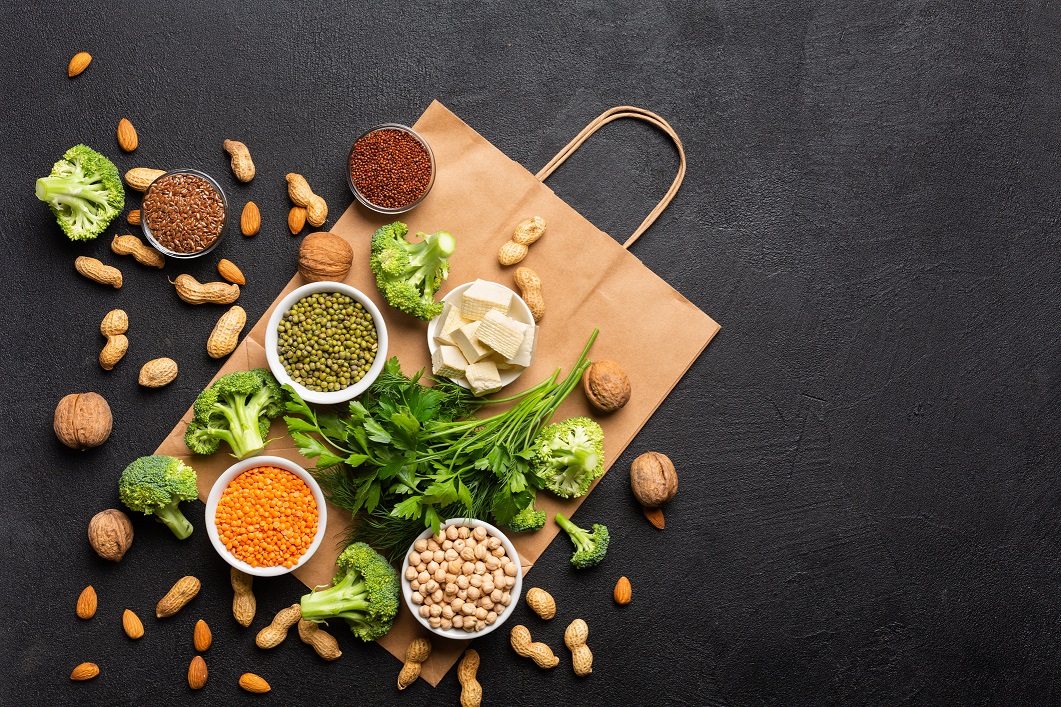
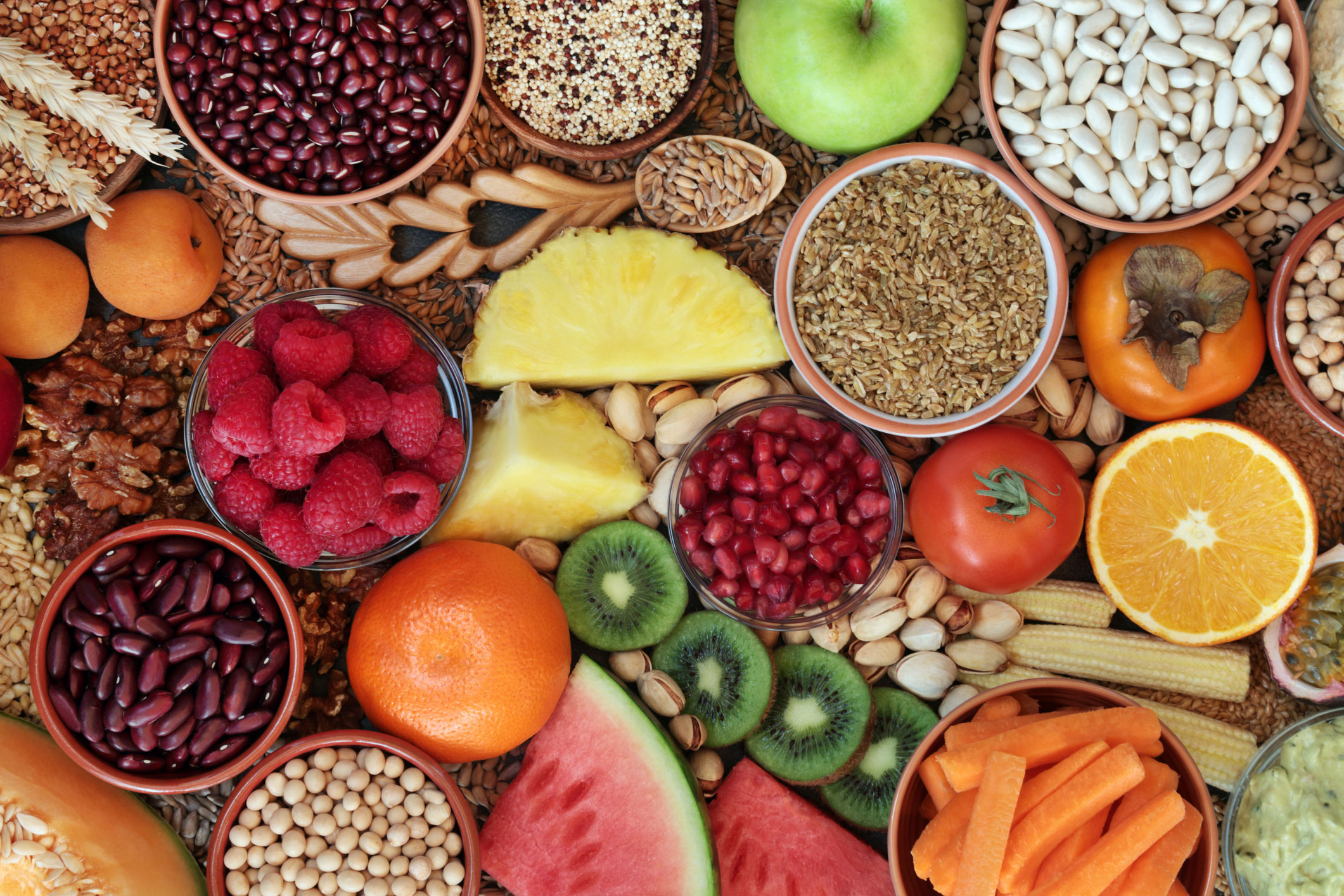
Concept: Purchase healthy clean food. Protein source for vegetarians: vegetables, nuts, seeds and legumes top view on a black background with a paper bag.If you’re one of the millions of people who suffer from rheumatoid arthritis, you may be interested in a new study that found a low-fat vegan diet can help improve symptoms. Researchers have found those with rheumatoid arthritis who follow a low-fat vegan diet have less pain and better function than those on a standard American diet. So if you’re looking for an alternative to medication or surgery, consider giving a vegan diet a try.
Rheumatoid arthritis is a common and debilitating condition that affects millions of people in the U.S. and around the world. This autoimmune disease occurs when the body’s immune system mistakenly attacks the joints, causing inflammation, pain, stiffness, and swelling. Although many treatments are available to manage these symptoms, there is no known cure for rheumatoid arthritis.

While living with this chronic condition can be challenging, most people with rheumatoid arthritis can maintain an active lifestyle by finding ways to manage their joint pain and working closely with their healthcare providers.

Whether through medication, physical therapy, or lifestyle changes, it is possible to maintain a good quality of life despite having rheumatoid arthritis. With the right support and knowledge, anyone touched by this condition can remain resilient and find ways to thrive in spite of their diagnosis.

Doctors have long been aware of the link between diet and rheumatoid arthritis, and research over the years has consistently shown that certain foods can exacerbate the symptoms of this chronic condition. For example, a 2017 survey of 217 patients with arthritis found that nearly 20% said that sugary soda and sweets made their symptoms worse.

Despite this, there is no clear consensus on the best diet for individuals with RA. Some experts argue that reducing one’s intake of simple carbs or increasing one’s intake of fatty acids or antioxidants may help to ease joint pain. Others recommend following a low-FODMAP diet, as certain carbs are known to promote inflammation and disturb gut health.

A more recent study from 2021 wanted to explore the benefit of an easy-to-prescribe diet that doesn’t put a limit on calories. Researchers randomly assigned 44 women to one of two diet groups for 16 weeks. One diet was low-fat vegan, and the other didn’t use common rheumatoid arthritis triggers such as grains with gluten, nuts, citrus, and chocolate.

Half the women were assigned to put the trigger foods back one by one, keeping them in the diet if they didn’t cause symptoms, and the other half took a placebo. The study concluded that the women on the low-fat vegan diet saw their average number of days with swollen joints dip from 7 to just more than 3 and reported better overall symptoms.

Increasing Quality of Life

Ultimately, each individual will need to experiment to find what works best for them in terms of reducing arthritis discomfort and avoiding flare-ups. Whether through an anti-inflammatory diet or another nutritional strategy, it is clear that taking good care of one’s body can significantly improve the quality of life in persons with RA.

As you age, your joints may require support to help them stay strong, flexible, and healthy. Healthy Joints contains multiple ingredients to help support and improve joint health. The primary ingredient in Health Joints is AprèsFlex®, an extract from Boswellia, which has been found in studies to provide rapid support for joint health and mobility. This unique formula also contains glucosamine and chondroitin, which contain compounds that are some of the building blocks of healthy joints.

Supporting bone health is also essential as you age. Bone Rescue can help to support the maintenance and development of bones thanks to its unique formula, including strontium. Chemically similar to calcium, strontium can provide great support for aging bones. Bone Rescue contains 680 mg of strontium along with additional ingredients to help keep bones strong and healthy.

How Should You Clean Your Ears to Help You Hear the Best?

Cotton swabs and candling are just a couple of the ways people commonly clean their ears. But is it doing any good?


Probably not. And in some cases, certainly not.

You really don’t need to clean the inside of the ears. In fact, the stuff that most people are trying to get rid of, earwax, is actually your ear’s built-in self-cleaning device.

Earwax, also called cerumen, is made up of an oily fluid produced by the glands in the outer part of the ear canal. It forms a thin film over the surface of the skin lining the canal, where it mixes with discarded skin, bits of hair, and other debris.

This layer then helps to protect the inner ear canal from water, infection, or injury. Earwax also traps particles of dust and helps eliminate bacteria that could damage the ear canal or eardrum, a particularly delicate membrane.

Earwax typically moves from inside the canal to the outer ear, where it is washed out or dries up and falls out. Most of the time, it requires no effort from you.

Still, so many people use a cotton swab to remove it. This can actually be harmful, potentially pushing wax further into the ear canal where it can accumulate and harden, particularly if you have a narrow or hairy ear canal. Other people may make a lot of earwax, leading to a buildup.

Hardened earwax can cause discomfort, hearing loss, or a ringing in the ears (tinnitus). It can also make hearing aids malfunction. Home remedies may help clean it out, but if you have any pain, it is a good idea to see a doctor; the pain may signify an infection or injury.

You can try a home-flushing kit sold at most pharmacies if you’re feeling discomfort. You can also try warmed mineral oil or hydrogen peroxide.

But really, most ear cleaning will involve little more than a washcloth.

Let your earwax do its job.

Having a Hard Time with Your New Running Regimen? Here Are Some Ways to Make It Easier

The warmer temperatures reintroduce so many things you may have forgotten about: colors, insects, birds’ chirping, and allergies, are a few. And running, of course.

These days, the streets are filled with them. Everyone is seizing the opportunity to get outside and get fit, and running can be a great way to do that. But it certainly isn’t easy.

In fact, it feels like a bunch of the runners out there are struggling through their exercise.

Nobody said a run was going to be easy, but making it as easy as possible, especially for somebody who’s just getting into it, is very important for adherence and making sure all the benefits are realized.

One of the most significant rewards of running is seeing progress. Greater strength and stamina make your runs easier, longer, and more beneficial. Outside of good running technique, here are some ways to make those first few runs a little easier:

Sleep: A good night’s sleep means your body is well-rested and in good shape to perform. Sleep is when your body heals and repairs itself, so it’s ready for the next day. If you’re skimping on sleep, you’re far more likely to feel pain or discomfort.

Deep Breaths: Breathing plays a big role in running. You want to take in enough oxygen to keep your muscles energized throughout the run. Deep breathing, or belly breaths, can help.

You can practice belly breathing by lying faceup on your belly button with one hand. As you inhale, expand your belly to pull more air down into the lower part of your lungs. Your hand should rise as this happens. When you let it out, contract your belly and push the air out as your hand comes down. Practice this two or three times per day for at least ten breaths.

Monitor Pacing: Remember to listen to your body. If you’re out of breath or feeling pain or discomfort, slow it down to a walk. If you start feeling better, pick up the pace again.

Use Music: Play some music at a safe volume so you can still hear potential threats like cars to help you get going. Start with slower songs as you warm up that ultimately build in pace for the middle of your run before slowing down again as you come to an end.

Stress Is Linked with Risk of Heart Health among Women

Women tend to take on a lot of stress, which can impact their heart health. They not only take on their own stress but also that of their family. This compounding stress can be a potential health hazard, causing physical and psychological issues.
Research shows that women tend to use food when impacted by stress. This results in increased weight and decreased exercise. However, when weight increases and exercise is pushed to the side, the health-related heart risk factors can develop or worsen for those who have a pre-existing condition. Blood pressure and cholesterol can also increase, and the risk of developing diabetes can also rise.

Women of all ages are at risk for health-related risk factors, but research shows that postmenopausal women are even more at risk. High blood pressure, obesity, high cholesterol, and diabetes are leading risk factors for developing heart and cerebral vascular disease, including heart attack and stroke.

In addition to these risk factors, multiple studies have also demonstrated that depression alone is a strong factor in the development of heart disease in women. It has also been found to have worse long-term outcomes for those who have already suffered a heart-related event.

Unfortunately, women are at a greater risk for depression if their stress goes unrecognized or untreated. Women need to understand the symptoms of stress, including weight gain, mood swings, poor sleeping, fatigue, irritability, a racing heart, and poor eating habits. If these symptoms develop, women need to identify what is triggering the stress and implement changes to help minimize the symptoms.

Brain Function and Heart Health

Stress can take a toll on the brain, affecting concentration, memory, and overall cognitive function. The Smart Pill can help counteract these effects through nine ingredients that help support, nourish, and maximize brain health and cognitive function. These include ginkgo biloba, huperzine, bacopa extract, rosemary extract, and a B vitamin complex. This unique formula helps boost circulation, fight free radicals, and help to promote clear thinking.

Keeping the heart strong and healthy is vital for enjoying a high quality of life as you age. Heart Rescue was designed to help support and promote cardiovascular health using a variety of ingredients, including omega-3 fatty acids, CoQ10, magnesium, and hawthorn extract. This formula’s health benefits can help strengthen the heart muscle, support circulation, and help reduce the risk of heart disease.

Can Meat Consumption Play a Role In Diabetes Risk?

You may not think that meat consumption can play a role in diabetes risk, but a recent study suggests it might.


Type-2 diabetes, as you may be aware, is a condition marked by high blood sugar and insufficient insulin supply. It’s not something that a person can be born with. Instead, it’s acquired over time by regularly consuming foods that contribute to spikes in blood sugar.

Meat does not lead to spikes in blood sugar. In fact, it is essentially sugar-free. That’s why this study may be interesting.

The study suggests that eating a healthy plant-based diet, including fruits, vegetables, nuts, minimally sweetened coffee/tea, vegetable oils, and legumes, are associated with diabetes prevention.

Unhealthy plant-based foods include refined grains, fruit juices, and other sugar-sweetened beverages, sweets, desserts, potato chips, etc.

Researchers looked at data from more than 10,600 participants in three long-term studies in the U.S. They found that people who got type-2 diabetes ate fewer healthy plant-based foods than those who didn’t. They also tended to have a higher body mass index (BMI), high blood pressure, high cholesterol, and be less active.

The researchers also looked at metabolites which are produced when the body breaks down food, etc., to make energy.

However, it’s important to note that suggesting a healthy plant-based diet is associated with a lower risk of diabetes does not mean that meat boosts the risk.

Rather, it says that avoiding unhealthy foods and eating more healthy ones is a good way to prevent type-2 diabetes.

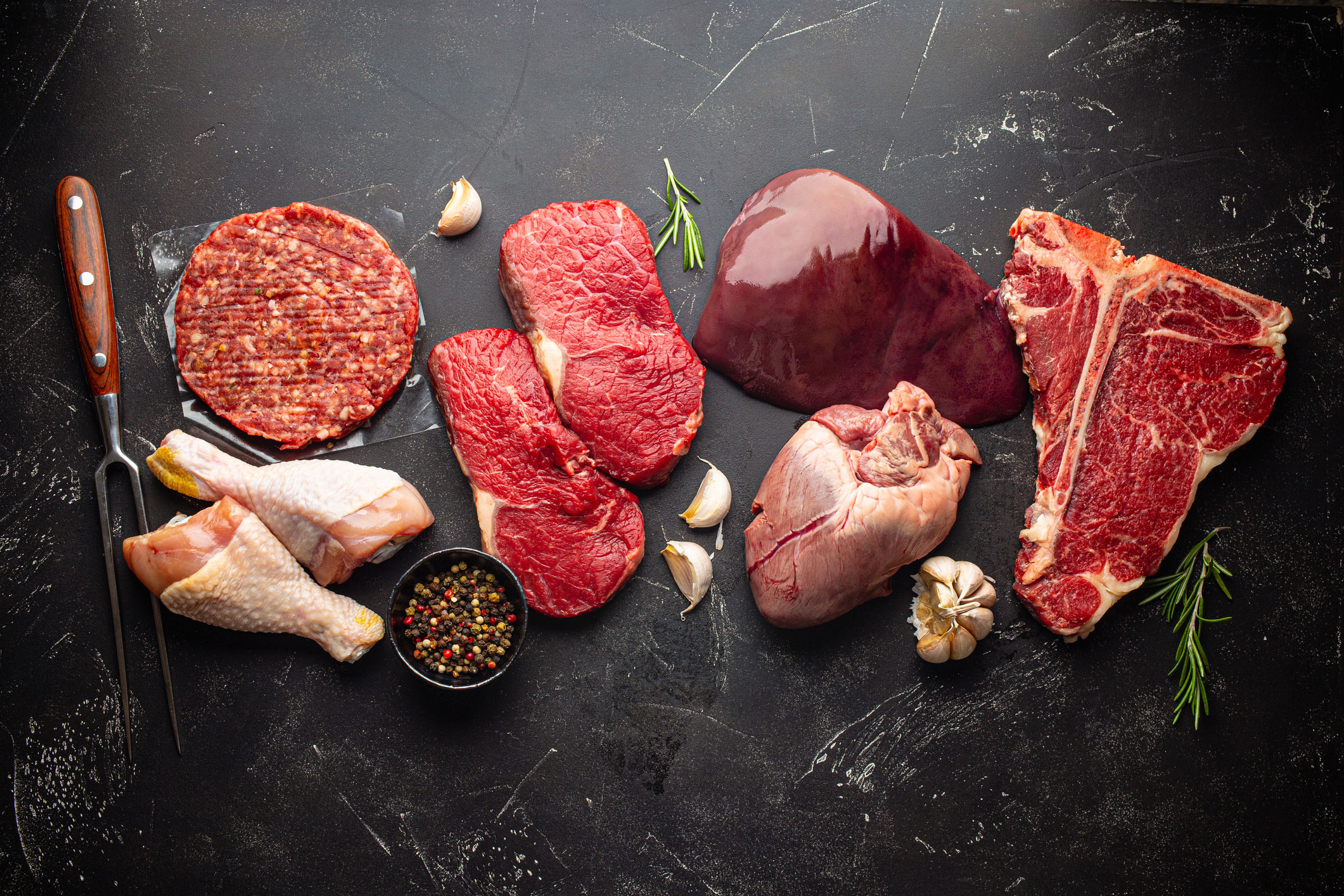
Eating a steak with a side of mushrooms and asparagus, for example, is a healthy meal. So are some chicken thighs with broccoli and quinoa or a bowl of chilli.

But that same steak served alongside French fries, or chicken breaded and served on a brioche bun, or the beef cooked as a burger and smothered in ketchup and BBQ sauce, may boost diabetes risk.

At the end of the day, trying to eat as much unprocessed food is the best way to prevent type-2 diabetes.

Study Reveals That Women Are Less Likely To Return To Work After A Stroke

According to research, approximately one-third of people who had a large vessel ischemic stroke returned to work three months after treatment with mechanical clot remover. However, women were only half as likely to return to work after a severe stroke compared to men.
A stroke due to a blockage in a large blood vessel is an indicator of a severe stroke. This has the potential to continue loss of function, making it less likely that people will return to work.

The study published in Stroke examined data from the German Stroke Registry, which included more than 600 men and women aged 18 to 64 years old who had a large vessel ischemic stroke between 2015 and 2019. All participants were employed prior to their stroke and were treated with mechanical thrombectomy. More than half of the study participants received a clot-busting medication called intravenous thrombolysis.

The study involved comparing people who returned to work 90 days after being treated to those who did not resume work. After accounting for various factors, including age, sex, health conditions, and stroke severity, researchers found about one-third of the stroke survivors resumed work three months later.

In those who did return to work, women were 58% less likely to return compared to men. The treatment also seemed to play a big role in those who returned to work compared to those who didn’t. Researchers noted that individuals treated with both mechanical thrombectomy and intravenous thrombolysis were almost twice as likely to return to work compared to those who had undergone only mechanical thrombectomy.

Marianne Hahn, M.D., lead study author said, “After examining the data further, we also found that women in our cohort were younger at the time of their stroke, were more likely to be nonsmokers and were more likely to have no existing significant disability when discharged from the hospital compared to the men in our study. Despite having more of these favorable characteristics for return to work, we did not observe a higher reemployment rate among women before considering these differences.”

Researchers do warn that their study was limited in the data as it lacked detailed information about the types of jobs and available employment opportunities. These limitations may play a decisive role in whether people returned to work after a stroke.

Leading Cause of Death

Stroke is the 5th leading cause of death in the United States and a leading cause of disability, according to the American Heart Association. It is vital to take steps to help  reduce the chance of stroke, including getting proper exercise, eating a healthy diet, and getting the recommended daily vitamins and nutrients.

While some degree of cognitive decline is nearly inevitable as you age, other numerous factors can take a toll on the ability of the brain to function at peak potential. This can affect memory, concentration, and overall brain function.

The Smart Pill can help to enhance cognitive function and memory through 9 ingredients that help to support, nourish, and maximize brain health. These include ginkgo biloba, huperzine A, bacopa extract, rosemary extract, and a B vitamin complex. This unique formula helps boost circulation, fight free radicals, and provide nutritional support to assist with cognitive function.

Fight Back against Age-Related Muscle Loss

As a person ages, their muscle mass will generally shrink, and strength and power will go down. It might not seem like a huge deal, but it is.
For some, this gradual age-related muscle decline – called sarcopenia – can begin as early as age 35 and lead to a loss of one or two percent of muscle per year. After age 60, it can jump to three percent.

Of course, these numbers aren’t set in stone. Some may go through mild muscle loss, while others may be more moderate or severe. There are even people who may stay in the normal range.

On average, though, people who don’t do regular strength training can expect to lose about four to six pounds of muscle per decade. It won’t always show up on the scale, either. Most of the time, it will be replaced by fat.

The effects are multi-fold. For one, both fast- and slow-twitch muscle fibers are lost. Fast-twitch fibers, however, are lost at a quicker rate. This means you’re not only getting weaker, but you’re getting slower.

What does all this really mean? It means an accelerated loss of independence that can make everyday activities like walking, shopping, or getting dressed a real challenge.

Weak muscles can also make it harder to cope and recover from an illness or injury. Disability can be up to 4.6 times higher in older people with moderate to severe sarcopenia than in those with average muscle mass.

Even more, weaker and slower muscles can make it hard to balance while moving or even standing still. This is likely one of the leading reasons that one in every three adults 65 and over falls every year.

The consequences of a fall can be devastating and lead to severe injury, the potential of long-term care facility admittance, or worse.

So, what can you do to fight back against muscle loss? Use them. Try to do some form of resistance exercise (weight training) a few times per week.

Talk to a fitness professional and your doctor before beginning. It’s essential to remember your safety and capabilities to prevent injury or exacerbate an existing condition.

Is One Type of Fiber Better than the Other?

I saw something the other day that made me stop and think if I’d been doing it all wrong.


You see, I’m big on fruit and vegetables. Cereals and grains, not so much. I eat a lot of oats, but other than that, the occasional serving of rice, quinoa, or couscous is about it.

What got me thinking was a study I saw. It had found that the fiber in cereals, but not fruits and vegetables, was the most effective at battling inflammation. Was my body raging out of control with cytokines and other inflammatory markers destroying my organs?

No chance.

No matter where you’re getting it, fibre has the potential to aid health and directly, or indirectly, influence inflammation. Both types of fiber – soluble and insoluble fiber – are typically available in most fibrous foods. Yes, some have more of one than the other, but a balanced diet – even if it is relatively low in cereals – will hit you with both.

It’s very easy to get caught up in the “eat this, not that if you want…” hype. But unless you’re talking about an overall improvement in diet, like moving from a high intake of processed foods to more natural and plant-based foods, it’s really just splitting hairs.

Thinking that your diet isn’t healthful because you eat more fruit, vegetables, beans, and such, and less cereals is ludicrous, isn’t it? The former are not only good sources of fiber, but are rich in a ton of other nutrients that have been shown to battle inflammation and promote longevity.

For most people, getting 28-35 grams of fiber from various sources is the best scenario to get the biggest benefits. If you’re getting more of it from fruits and vegetable, don’t sweat it!

Clumsy? New Study Suggests Meditation May Help

If you’re forgetful or make mistakes when you’re in a rush, a new study suggests a new fix: meditation.
Research from the University of Michigan tested how open-monitoring meditation may alter brain activity in a way that makes it easier to recognize personal error.

What is open-monitoring meditation? It’s a type of mediation that focuses on awareness of personal feelings, thoughts, or sensations as they unfold in your mind and body.

It’s different from other forms of meditation, where the goal is to focus on a single object – like your breath. Open-monitoring meditation has you turn inwards and pay attention to everything going on in your mind and body. The goal has been described as honing in “on where the mind travels without getting too caught up in the scenery.”

Researchers from the study, which was published in Brain Sciences, said that so far, “people’s interest in meditation and mindfulness is outpacing what science can prove in terms of effects and benefits.”

Their work aimed to change that.

They recruited more than 200 participants who had never meditated before to go through a 20-minute open-monitoring meditation session. They had their brain activity monitored with an EEG during the session. Next, they did a computerized distraction test.

The results suggested that just 20-minutes of meditation can enhance the brain’s ability to pay attention to mistakes. It suggests that this form of meditation may help people improve daily function by allowing them to notice errors more quickly.

Larger trials need to be conducted to see if these results can be repeated. Still, these preliminary findings can be very intriguing to those who are noticing an uptick in the minor errors they make every day.

How to Strengthen Your Heart

Your heart is a vital organ, and while it isn’t a muscle per se, it is definitely a body part worth strengthening.


Of course, you can’t lift weights to build a healthier heart like you can for your biceps or legs. But there are things you can do that can make your heart stronger. On the flip side, there are also things you can do to make it weaker.

You may know that sitting, or being sedentary, is not good for your muscles. It can lead to weakness and atrophy. Well, it can have a similar effect on your heart. Too much sitting can limit blood flow and contribute to unhealthy veins, weight gain, and other heart health issues.

Movement, on the other hand, is a heart builder. It gets your heart pumping more blood and makes blood flow easier. It relaxes veins and arteries so your heart can do a lot more while working a lot less.

Diet can also have an impact on heart strength. Protein is king when it comes to building muscle, but the heart is a little less selective. It ultimately wants foods that don’t contribute to inflammation.

So, what does that look like? It looks like plenty of fruits, vegetables, nuts, and legumes. Healthy fats and fiber are key nutrients, as are antioxidants like vitamin C.

These foods all help keep veins and arteries clear of plaque so your heart can be efficient. On the other hand, processed foods, refined grains, sugar, and junk food can promote inflammation, rigid blood vessels, and wear away at your heart.

A couple of other ways to help build heart strength are stress management and good sleep. A calm mind and a well-rested body keep pressure off your heart so it can function at its best.

Cardiovascular Disease Risk Factors Are Believed to Increase Dementia

A new study published in the online journal Neurology has found that cardiovascular disease risk factors may increase the risk of dementia in older people. Cardiovascular disease risk factors include high blood pressure, obesity, diabetes, and smoking.


Previous research has shown that cardiovascular disease risk factors play a role in the likelihood of developing cognitive decline, dementia, and Alzheimer’s disease. However, this new study suggests that people who accumulate these risk factors faster over time have an increased risk of developing Alzheimer’s disease dementia or vascular dementia compared to people whose risk factors remain stable throughout life.

The study analyzed data from 1,244 people with an average age of 55 who were considered healthy at the start of this study. Participants were required to take memory tests, health examinations, and completed lifestyle questionnaires every five years for up to 25 years.

By the end of this study, 78 people or 6% developed Alzheimer’s disease dementia, and 39 people or 3% developed dementia from vascular disease. Researchers found that cardiovascular disease risk played a significant role in developing cognitive decline.

People in this study with stable cardiovascular disease risk showed an average of 20% risk of a cognitive decline, while those with moderately increased risk went from 17% to 38% over the course of the study. Participants with an accelerated risk went from 23% to 62% increased risk by the end of the study.

Study author Bryn Farnsworth von Cederwald said, “Several risk factors were elevated in people with an accelerated risk, indicating that such acceleration may come from an accumulation of damage from a combination of risk factors over time.”

Lifestyle Factors

It was concluded that it is important to determine and address all risk factors in each person, such as reducing high blood pressure, lowering BMI, and stopping smoking. With some simple lifestyle changes, the risk for cardiovascular disease can be reduced, affecting the risk of memory decline.

A strong heart is vital for enjoying a high-quality life as you age. Heart Rescue was designed to help support and maintain heart health through various ingredients.

Omega-3 fatty acids are among these heart superstar ingredients, which can play an important role in maintaining cardiovascular function. CoQ10 is another which is involved in energy production at the cellular level. Overall, this doctor-formulated support provides strength for the heart muscle, reduces the risk of heart disease, and helps to maintain healthy cholesterol levels.

If you are worried about brain function or memory, The Smart Pill is an excellent choice to help support brain health. This unique formula contains nine ingredients to support, nourish, and maximize brain health and cognitive function, including ginkgo biloba, huperzine A, bacopa extract, rosemary extract, and a B vitamin complex. This combination of ingredients allows the Smart Pill to help boost circulation, fight free radicals, and provide nutritional support to cognitive function.

“Magic Mushrooms” May Boost Mental Health

Psilocybin, the active component in “magic mushrooms,” may help rewire the brains of people with depression to relieve symptoms.
These substances, and others, have shown promise in treating several mental health disorders in recent years. A new study may begin to show how they work.

One of the features of these drugs is that they can open up the brain and make it more flexible after use, which can help people talk more freely. Many of the changes that occur may be correlated with improved depressive symptoms.

Researchers analyzed functional MRI brain scans from 59 people who took part in two psilocybin trials for the study. Brain scans were taken before therapy and again either one day or three weeks later.

In one study, all the participants had treatment-resistant depression and knew they were getting psilocybin. Participants in the second study had milder forms of depression and were given psilocybin or an antidepressant. All saw a therapist.

The studies showed that psilocybin improved how subnetworks in the brain communicate with each other and that psilocybin improved symptoms for at least three weeks.

Also, the group who took antidepressants did not show the same kind of changes in brain connectivity, suggesting psilocybin works differently than conventional depression meds.

Keep in mind that these studies were very small, and more extensive trials need to be conducted to see if the results can be replicated.

Also, it is essential to remember that these substances remain illegal, although they are being studied. That said, Oregon will begin a psychedelic therapy program in 2023.

Another important aspect of these drugs is that they can have a serious downside. They should be used in controlled settings with a trusted therapist, correct dosage, and a comfortable atmosphere.

It will be interesting to see how the research on psilocybin evolves and if policies change to accommodate the findings.

Don’t Fall Victim to Buying a Spring “Detox”

Every year around this time, people start thinking about giving their bodies a spring cleaning. You know, to feel better for the season and fully put winter behind them.

Doing so is often called a “detox.” There are a ton of products out there that claim to help you. They say their potions, juices, elixirs, and other concoctions will clean out your liver, do a bunch of other great stuff, and leave you feeling your best.

Except it’s all crap.

Your body has a natural filter that removes toxins, waste, and all that bad stuff out of your body. This magical organ is called the liver, and a healthy one is really all you need to detox.

So, how do you get a healthy liver? By doing many of the things that promote overall health.

Eat fruits and vegetables every day, particularly broccoli, and stay away from processed foods, too much refined sugar, and keep alcohol consumption in the moderate range.

But diet and liver aren’t alone in helping you stay toxin-free. Your lungs help out by removing carbon dioxide, while your heart helps pump essential nutrients and antioxidants throughout your body. Your digestive system removes plenty of waste, as well.

You can give all of these organs a hand by eating plenty of fiber, exercising, and not smoking.

So, this year, instead of searching for a product that claims to offer a detox but really offers little more than some clever marketing and unsustainable existence, look at making some lifestyle changes you can stick with.

Adopting a healthier diet and lifestyle can help you feel your best year-round and probably help you look a little better too.

Five-Star Guarantee of Satisfaction