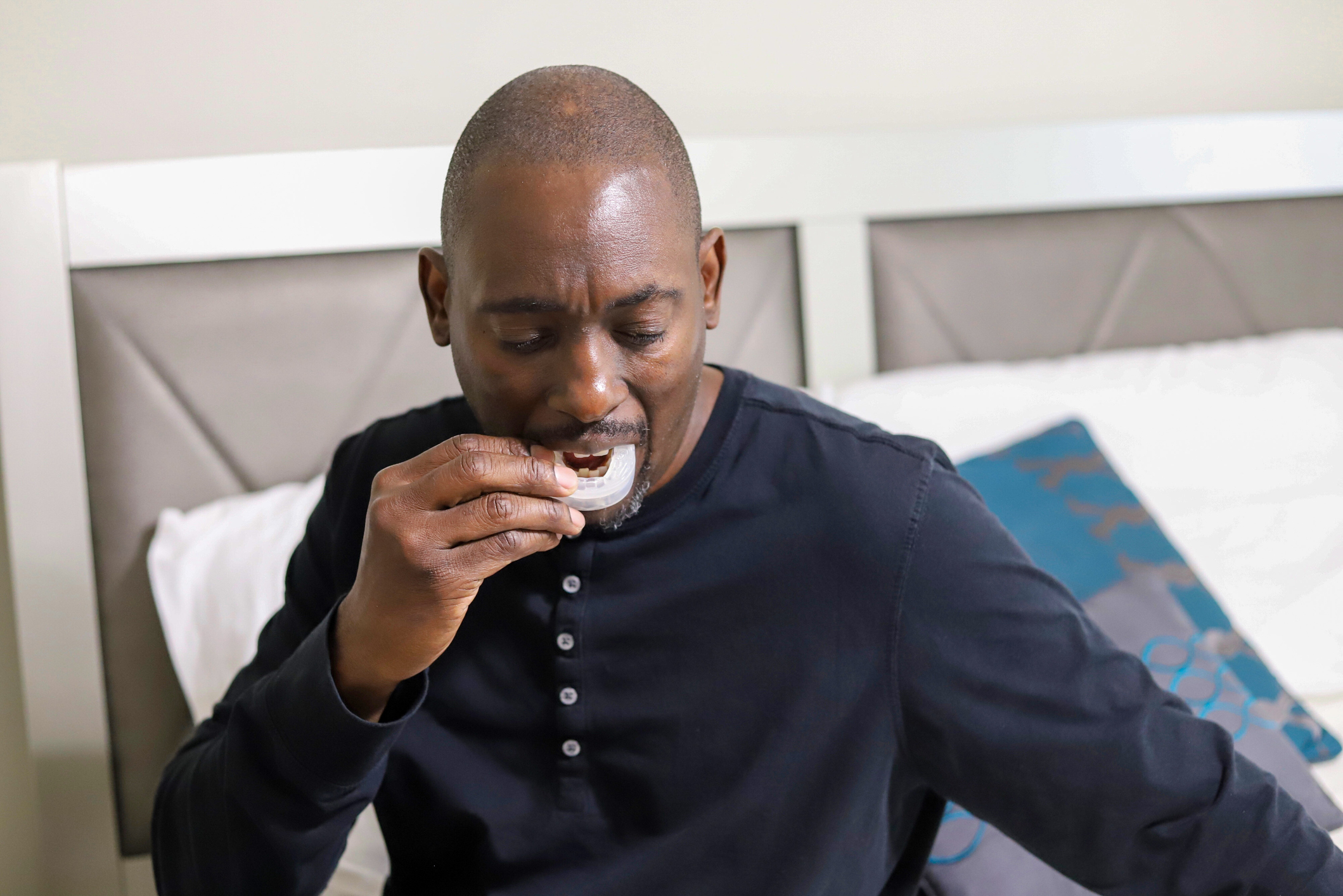


People with sleep apnea Have Risky Driving Habits

Sleep apnea is a condition that is increasing in the general population globally. It can cause people to briefly stop and restart breathing dozens or even hundreds of times throughout the night.

People with sleep apnea tend to wake up tired in the morning even though their breathing interruptions don’t often awaken them. The fatigue felt in people with sleep apnea is experienced because they are prevented from sinking into a deep refreshing sleep.

Sleep apnea can cause various problems, including fatigue, overeating, inability to perform at work, and irritability. New research has also found that people with sleep apnea have risky driving habits to top off this list. This new study found that for every eight additional breathing interruptions per hour, the odds of performing dangerous driving such as speeding, accelerating suddenly, or breaking hard increase by 27%.

The study by researchers at Washington University School of Medicine in Saint Louis was started after a relationship was found between older adults who are more likely to develop sleep apnea and a higher link for these same people to be seriously injured or killed in a car accident. The study’s findings published in the journal Sleep suggest that older adults should be screened for sleep apnea and treatment offered so they may continue driving safely for longer.

The incidence of older adults with mild sleep apnea is thought to be between 30% to 50%. However, adults with this sleep disorder don’t often have daytime sleepiness or other evidence of impairment, so it may not come to medical attention easily. These findings suggest that physicians may want to lower the threshold to evaluate older adults for sleep apnea and track their breathing interruptions.

People over the age of 65 are usually the most responsible drivers on the road. They drive defensively, obey speed limits, and avoid driving at night or in bad weather. However, some health conditions may interfere with their safe driving. This includes Alzheimer’s disease, vision loss, and sleep problems. If they suffer from any of these medical conditions, they may be showing risky driving habits that are uncharacteristic.

The Importance of Sleep

Reasons for getting a good night’s sleep are often discussed to prevent disease, reduce daytime sleepiness, and perform better at work. But this new research sheds some light on the importance of sleep for operating a car safely.

Sleep Sure Plus is a unique formula that could help improve sleep quality and reduce anxiety. It includes melatonin, the essential hormone that is responsible for regulating the circadian rhythm, improving the quality of sleep, and improving mood. This formula also includes valerian, one of the best natural ingredients for promoting rest and relaxation.
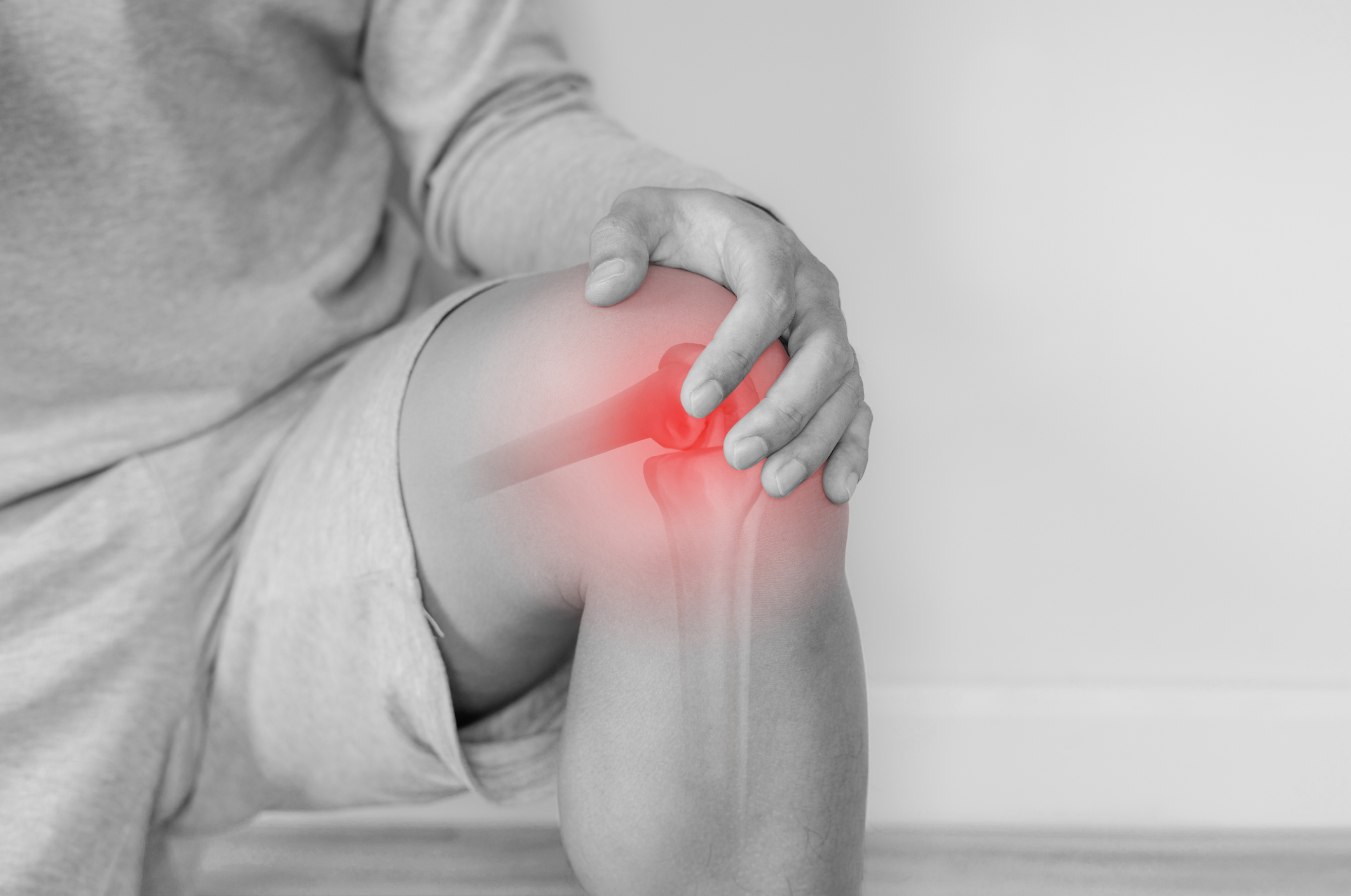
How Chronic Inflammation Sneaks Up

At its very essence, inflammation is a good thing. It’s what your body uses to get rid of a dangerous invader. But if it doesn’t subside when the work is done, it can become a problem.


When the body’s immune response remains active after the threat has cleared, acute inflammation has turned to chronic. Chronic inflammation is associated with a host of life-threatening illnesses.

First off, what is acute inflammation? Quite simply, it is a noticeable first response when something “wrong” happens to the body. It is the bit of pain that comes when you bump or cut yourself, then the swelling as it heals. It’s the sneeze when you’re affected by allergens.

Acute inflammation shows you something has happened, and the immune system is at work to fix the problem.

Chronic inflammation doesn’t have the same identifiable factors, but more on that later.

Acute inflammation may turn chronic when the body can’t rid itself of whatever’s bothering it, like an infectious organism, irritant, or chemical toxin. Even though the immune system is good at eliminating these invaders, sometimes they can hide out in tissues leading to repeated bouts of inflammatory response.

Another scenario that can lead to chronic inflammation is that the immune system goes into “threat mode” even when no threat actually exists. For example, in an autoimmune condition like rheumatoid arthritis, the immune system attacks healthy tissue, believing it is dangerous. It starts to damage the body instead of healing it.

Unhealthy lifestyle choices can also lead to chronic inflammation. Smoking, sedentary living, and eating a lot of processed foods/refined carbohydrates can all cause it.

Chronic inflammation, however, is hard to spot. It can be localized or widespread and may come with various symptoms that can include:

  • Fatigue or lack of energy
  • Depression and anxiety
  • Muscle aches and joint pain
  • Constipation, diarrhea, or other gastrointestinal issues
  • Changes in weight/appetite
  • Headaches
  • Brain fog

The best way to reduce the risk of chronic inflammation is with a healthy lifestyle. Getting daily activity and eating a nutrient-rich diet are likely to help.

What’s the Ideal Temperature for Sleep?

When you sleep, which category do you fall into? Some people like to crank up the heat and snuggle under a blanket because they feel cold, while others drop the thermostat and sleep under a light sheet. 

Regardless of how you like to sleep, research has shown there is a best way. According to the UCLA Sleep Disorders Center, people sleep better in a room with a temperature between 60 and 65 degrees.

To get the temperature just right in the room, you will need to check a couple of other things other than the thermostat. The first place to start is by checking your mattress. Some mattresses retain body heat and blast it back under the covers. If you wake up sweating in the night, it may be time for a new, cooler mattress.

The body’s circadian rhythm should lower the core body temperature by as much as 2 degrees during the night. While that may not sound like a drastic drop, it is a strategic shift. As the body cools, the pineal gland located in the brain releases rising amounts of the hormone melatonin. This hormone helps nudge the body temperature to drop and prep it for slumber.

Unfortunately, many people suffer from an unbalanced circadian rhythm. For a good night’s sleep, it is essential to keep it functioning properly by limiting blue light at night, sleeping in a dark room, and getting plenty of sunshine during the day. Many sleep disorders, including insomnia, are due to the circadian rhythm in the body not being properly adjusted.

If you prefer sleeping with your bedroom hot, it’s time to rethink this habit. If you sleep in a hot room, you’re likely to remain in the lighter stages of sleep rather than getting into a deeper, more restorative and restful stage.

This stage of sleep is what’s called slow-wave sleep. If you’re used to keeping your bedroom warmer at night, start by lowering the temperature by 2 to 3 degrees at a time. By making small changes to your temperature, you can help find your comfort zone.

Other simple ways to cool things off at night include opening the window to let cool air in, swapping heavy blankets for lighter bedding, and wearing lighter clothes to bed. Air conditioning and fans can also help keep your room cooler at night. Pointing a fan directly at you can help amp up the effect of air conditioning for warm summer evenings.

Sleep Sure Plus

Keeping a cooler temperature in a bedroom can go a long way to helping get a good night’s sleep. Sleep Sure Plus can also help to promote optimal sleep and restfulness.

A lack of sleep can have a devastating impact on your health, so it is essential to make lifestyle changes to help ensure a restful night. Sleep Sure Plus is a unique formula that includes melatonin, the hormone necessary for regulating the circadian rhythm. This formula also includes valerian, one of the best natural ingredients for promoting rest and relaxation.

If you are having trouble falling or staying asleep, try dropping the temperature on your thermostat, make sure you are following steps to keep your circadian rhythm in check, and take Sleep Sure Plus!

ED Meds May Harm Vision

When a man takes Viagra or Cialis for ED, the last thing he’s thinking about is his vision. But it might be worthwhile.

A new study suggests that regularly taking ED medications like Viagra or Cialis may boost the risk of three vision-damaging conditions. Even though the increased risk was 85 percent, the absolute risk was still relatively low.

Only a tiny percentage of men who take the medication will go on to develop one of the conditions. Roughly 20 million prescriptions are dispensed each month, which means there are still likely to be a substantial number of cases.

The research found that regular use of ED meds was associated with a higher risk of serous retinal detachment (SRD), retinal vascular occlusion (RVO) and ischemic optic neuropathy (ION).

Here are symptoms to pay attention to:

  • SRD: Light flashes or sudden appearance of floaters or spots in the field of vision.
  • RVO: Sudden loss or blurring of vision, as well as floaters
  • ION: Loss of mostly central vision.

Two of the conditions affect the retina, so if you have a predisposition to retinal conditions, it’s wise to talk to your doctor before taking ED medication.

Otherwise, it’s good to pay attention to any visual changes you may experience if taking the drugs.

The study does not prove these medications cause these conditions, only that men who took the meds were more likely to experience them.

If you’re concerned about any potential effects on vision from using these medications, you could explore other options to help improve blood flow and potentially reduce the effects of ED.

Eating a diet rich in fruits and vegetables can help promote better blood flow in a variety of ways. They can help relax veins, while fiber can help remove LDL cholesterol plaques. Exercise and weight loss can also help.

Devices That May Help You Get a Better Sleep

These days, plenty of products are available that claim to help people sleep better. Let’s look at what’s available and if they are worth it.


Sleep Trackers: There are a number of these devices available, ranging from those that record how much you sleep to how much time you spend in each sleep stage. They are typically worn around the wrist, but it can be difficult to know if they provide accurate or useful information.

These devices record periods of wakefulness and sleep based on movement. Therefore, if you stay relatively still during sleep and are active during the day, you’re more likely to get an accurate reading. If you move around a lot during sleep, the information will be skewed.

White Noise Machines: White noise machines can be useful for people who have to put up with background noise during sleep. They provide constant sound that some may find soothing.

Light-Emitting Alarms: Alarms that gradually increase the light in a room to mimic sunrise can help people wake up naturally and feel more energized during the day. They may help improve your body’s internal clock, as well.

Weighted Blankets: Weighted blankets are reported to help tame symptoms of people with restless leg syndrome. This condition causes unpleasant/uncomfortable sensations in the legs, leading to an irresistible urge to move them.

There are other natural ways to improve sleep that don’t require making any purchases. These include:

  • Dimming the lights while getting ready for bed.
  • Turning off the TV/Computer and putting the smartphone/tablet away
  • Maintaining a calm, cool, quiet environment that encourages relaxation

For many, getting better sleep, or falling asleep faster, means doing something more relaxing before bedtime. It can be hard to shut the brain off about upcoming events or what happened that day, but anything that can help you disconnect is likely to improve sleep.

If you’ve tried these suggestions and good quality restful sleep is still a challenge, try speaking to an expert for help.

Difference between Pain and Discomfort When Exercising

It’s not uncommon to have a lingering injury or nagging pain when performing exercise. In fact, a recent survey by Orlando Health found that almost 1 in 5 Americans (18%) often have pain while working out. That same percentage of people continue working through the pain instead of resting to heal.


When experiencing pain during exercise, the first step towards feeling better is identifying the source of the pain. Waiting too long to take action towards healing the pain could make it worse and increase the need for surgery.

Some people live by the saying, “no pain, no gain,” but different types of pain may indicate various issues. Sharp, stabbing, uncomfortable pain is not typically normal. This type of pain may be coming from an underlying problem that should be addressed.

For those who have had surgery recently, the balance between pain and discomfort should be monitored. The solutions to working around this pain or discomfort are largely individualized, and what may be one person’s discomfort may be another person’s extreme pain.

Pain should be trained around more than through it. It may be advisable for those experiencing joint or muscle pain or discomfort to work with a trainer who can help assess the pain and offer guidance. It is essential that exercises should be modified or regressed when pain is present to avoid the risk of aggravating an injury. Physical therapy may also be needed if pain persists.

Cause of Pain

Pain when exercising can be caused by various underlying conditions, including inflammation, arthritis, and injury. The exercise itself can also cause it. For example, for those experiencing elbow pain, it may be caused by tennis elbow.

No matter the cause of pain, it is essential to take steps to help prevent it from affecting your quality of life. Super Pain Relief is an excellent alternative to pain medication and can help maintain overall health and wellness. This unique formula primarily uses Palmitoylethanolamide (PEA), which has been shown in human clinical studies to help reduce multiple types of pain and inflammation.

Pain Eraser is another formula that has been specifically designed to help with pain management. This topical solution can help temporarily ease pain and discomfort on contact. This easy-to-apply solution gets its power from camphor, a proven natural pain reliever, along with menthol to provide soothing relief to stiff and sore muscles.

What’s in Your Shopping Basket?

You know all about what you need to eat stay healthy: fruit, vegetables, etc. But is that all you need to know? Is it essential to know where that food came from?
Much of the produce available on store shelves has been covered in pesticides. Farmers use them to help maintain the health of their crops to make it to the tables of their customers. Other farmers, however, choose to go pesticide-free and produce organic produce.

“Pesticide” sounds dirty. Many people are put off by them and buy organic. But let’s be real: organic is expensive, and it’s simply not an accessible option all the time for most people.

As unhealthy as “pesticide” sounds, there is little evidence to show conventionally grown produce is bad for you. It’s possible that they may have effects on metabolic health and more, however, if they are not rinsed or cleaned off of produce before eating.

Each year, an organization called the Environmental Working Group (EWG) publishes two lists: the “Dirty Dozen” and the “Clean Fifteen.” The former is the produce found with the highest levels of pesticide residue, and the latter has the lowest.

If you have the budget for some organic but not all, these are the foods you might want to prioritize buying organic and conventional.

That said, buying conventionally grown produce, adequately rinsing it, and scrubbing when needed should remove the pesticide.

At the end of the day, it’s always better to eat as many fruits and vegetables as possible, regardless of how they are grown. After all, there isn’t really evidence to show organically grown food is any healthier.

The Dirty Dozen

  • Strawberries
  • Spinach
  • Kale, collard, and mustard greens
  • Nectarines
  • Apples
  • Grapes
  • Bell peppers/Hot peppers
  • Cherries
  • Peaches
  • Pears
  • Celery
  • Tomatoes

 Clean Fifteen

  • Avocado
  • Sweet corn
  • Pineapple
  • Onions
  • Papayas
  • Frozen sweet peas
  • Asparagus
  • Honeydew melon
  • Kiwis
  • Cabbage
  • Mushroom
  • Cantaloupe
  • Mango
  • Watermelon
  • Sweet potato

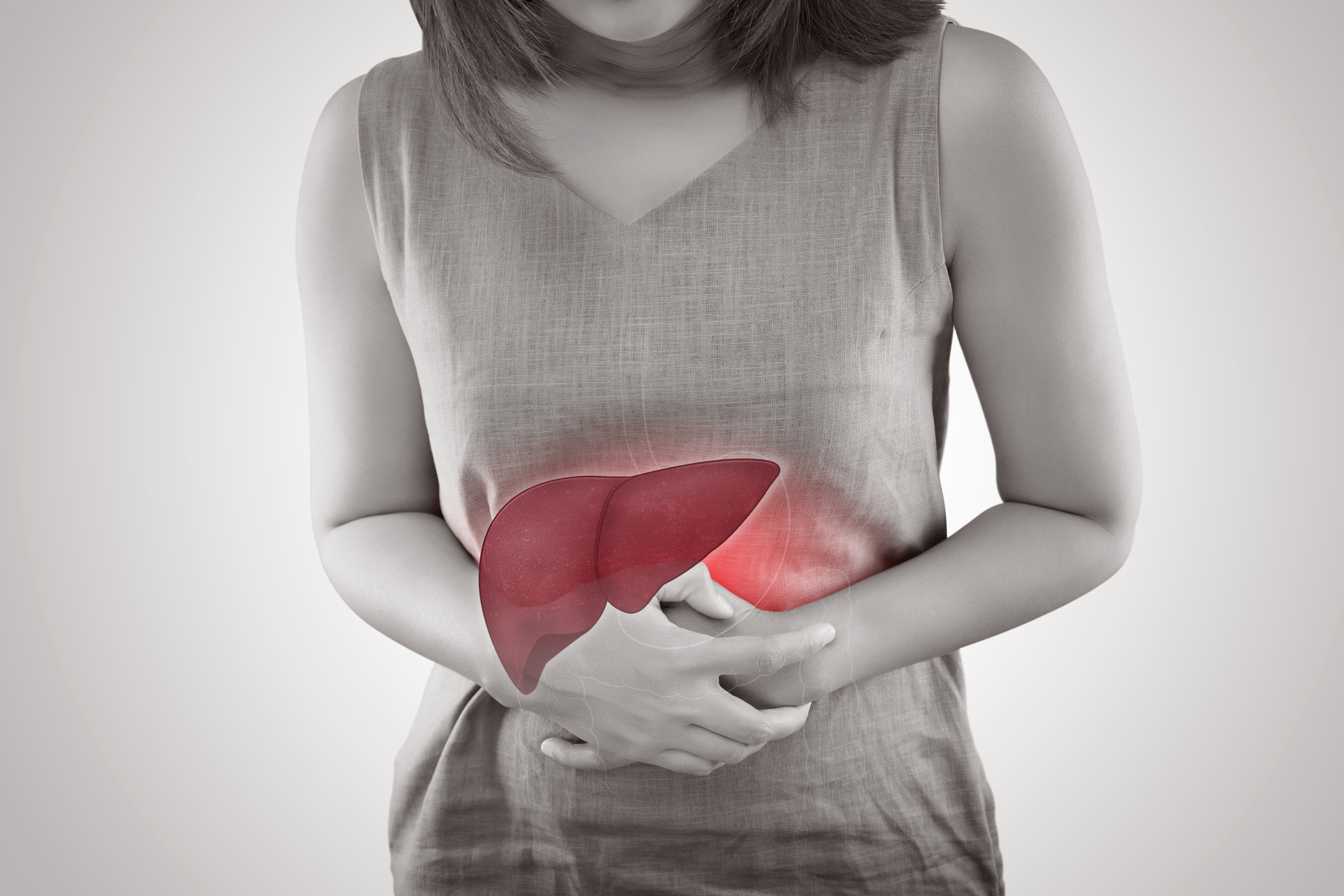
One In Four Adults Has A Liver Condition That Is A Risk Factor For Heart Disease

New research has found that approximately one in four adults worldwide has a liver disorder that could put them at a higher risk for heart disease. The condition, called non-alcoholic fatty liver disease (NAFLD), occurs when elevated amounts of fat are deposited in the liver, resulting in inflammation and scarring.
Non-alcoholic fatty liver disease is a condition that can often be hidden or missed in routine medical care. However, it is vital to know about the condition to treat it early because it can be a risk factor for chronic liver damage and cardiovascular disease. Awareness of this disease includes getting proper access to improved screening tools and treatments and information about lifestyle changes to help prevent and treat the disorder.

There are two types of NAFLD; one when only fat is present in the liver (non-alcoholic fatty liver), and the other when inflammation and scarring are also present (non-alcoholic steatohepatitis). Since excess alcohol can cause similar dysfunction and fat deposits in the liver, the term NAFLD is used to distinguish between the liver disorder caused by alcohol intake versus the disease without alcohol as the underlying cause.

An American Heart Association scientific statement has linked both types of NAFLD to heart disease. It has been named the leading cause of death in people with non-alcoholic fatty liver disease. The diseases share many of the same risk factors, including increased abdominal fat, high blood pressure, type 2 diabetes, metabolic syndrome (elevated blood sugar and triglycerides, increased abdominal fat, and high blood pressure), and impaired glucose tolerance.

Prevention

NAFLD is often preventable by following a healthy lifestyle. This includes maintaining healthy body weight, exercising regularly, eating heart-healthy foods, and getting the vital nutrients and vitamins needed to keep the body healthy. It is also essential to manage conditions such as type 2 diabetes and elevated triglycerides in the blood.

As one of the most important organs in the human body, the liver works 24 hours a day to produce and process many chemicals the body requires. But our modern lifestyle can put a significant amount of strain on the liver through the exposure to pollution, toxins, and chemicals. Liver Rescue is a unique formula designed to help support and maximize the performance of a healthy liver. It contains several ingredients to help support the liver, fight free radicals, and improve bile production.

Along with the liver, it is also essential to give the body the proper vitamins and nutrients needed to help keep the heart beating strong. Heart Rescue was designed to help support and promote cardiovascular health using a variety of ingredients, including omega-3 fatty acids, CoQ10, magnesium, and hawthorn extract. These heart health superstars are supported by various other ingredients to help promote and support cardiovascular function, reduce the risk of heart disease, and strengthen the heart muscle.

Give Your Bones What They Need So You Can Stay Strong and Able

It’s a good thing you have bones. Without them, your body wouldn’t have access to valuable calcium stores to keep it functional. You’d also collapse.


Bones are very easy to take for granted. They’ve always been there, holding you up and doing more things than you could likely imagine. But believe it or not, strong, healthy bones take work. And as you get older, they need more than they ever have.

Diet and nutrition play a major role in bone health. In fact, what you eat plays a direct role in how healthy your bones are and the likelihood of bone-related conditions like osteoporosis and osteopenia.

The primary nutrients involved in bone health are calcium, vitamin D, protein, magnesium, phosphorus and potassium. If you eat plenty of fruit, vegetables, legumes, nuts, seeds, and lean protein, you’re getting most of what you need. However, as you age, you may need to put in the extra effort.

Here’s what you need to keep your bones healthy and functioning well.

Calcium: Calcium is the main ingredient in bone, but it also plays an essential role in cell, muscle, heart, and nerve function. You also don’t make your own calcium; you get it from your diet or taking supplements.

But when good levels get low, all of those other organs and cells draw on calcium from your bones to function properly. If it’s not replenished, bones can get weak, and problems arise.

Taking a low-dose calcium supplement can be useful for people over 51. Avoid high-dose supplements because they may increase the risk for several undesirable health conditions.

Vitamin D: Without enough vitamin D, you can’t adequately absorb calcium. You make your own when sunlight hits your skin, but that can be risky business. Also, some people don’t live in sunny environments for months on end.

It’s available in a few foods and only in very small amounts, so supplementation is the best option. 600-800 IU per day of vitamin D3 is sufficient for most people.

Protein: Proteins are the building blocks of life and act as scaffolding for bones, making up a large portion of their mass and volume. Try and get some protein at every meal, and aim for a daily total based on your weight.

To find out how much protein you should eat, multiply your weight by 0.36. So, if you weigh 155 pounds, you should be eating at least 56 grams of protein per day (155 x 0.36 = 66.8).

Walk Your Way to Better Health with FIT

If your weight has gone up during the past couple of years and cholesterol and blood pressure have followed suit, it can seem like a lot to tackle.

But the first step to reversing those trends is closer than you might think. It is literally right there in front of you, so step toward it.

Putting one foot in front of the other as often as possible is a great way to lose extra weight, reduce blood pressure, and fight back against a host of potential health issues.

There is no shortage of evidence to show that walking improves heart and brain health, blood sugar levels, reduces the risk for cardiovascular disease, and helps people live longer. It can also be done virtually anywhere, including inside your home.

When it comes to walking, however, there can be some confusion about just how much, how long, and how intensely it should be done. One expert has come up with an acronym – FIT – to help you remember.

It stands for Frequency, Intensity, and Time.

Frequency can be pretty simple: the more you walk, the better. Ideally, you want to walk for about 30 minutes per day, totalling about 150 minutes per week. But you don’t have to get that 30-minutes all in one chunk. Five, ten, or fifteen-minute intervals are all fine and will offer the same benefits.

Anything to break up extended periods of being sedentary is what you’re going for.

Intensity can influence time. Recommendations for at least 150 minutes per week pertain to moderate intensity exercise. That number goes down to 67 if it’s vigorous.

How do you tell the difference? Moderate intensity means you can hold a conversation, but it is difficult because you’re breathing heavily. When it’s vigorous, you’re not able to hold a conversation at all.

Now you don’t need to do vigorous exercise. Research shows, however, that you’ll want to walk at least 3 miles per hour or 2 miles per hour if you’re going uphill. If it takes longer than 24 minutes to walk a mile, you’ll need to boost speed (over time) to get benefits.

In terms of steps, any number is good if it’s more than you were doing. There is data suggesting that 7,000 per day is associated with a host of benefits, so that might be something to shoot for.

Getting started is literally as easy as taking the first step. With each passing day, it will get easier.

Try These Exercises to Boost Grip Strength

Grip strength is more important than you give it credit for. But it can prevent falls, contribute to independence, and potentially play a role in brain health.

Being able to solidly grip handrails, shopping bags, and more can all contribute to a higher quality of life and make you safer and more independent. But grip strength, like other forms of strength, decreases with age.

Exercising your wrist, hands, and forearms can help prevent major reductions in grip strength to help you maintain a higher quality of life and perform activities that allow you to retain freedom.

Here are a few ways to build and maintain your grip:

Stress Balls: One of the easiest ways to start building grip strength is using a stress ball. Grab it in one hand and squeeze it as hard as you can for three seconds, then release. Do that ten times and switch hands. Once that’s too easy, work your way up to a tennis ball, then to a racquetball. You can also increase the amount of time you squeeze the balls.

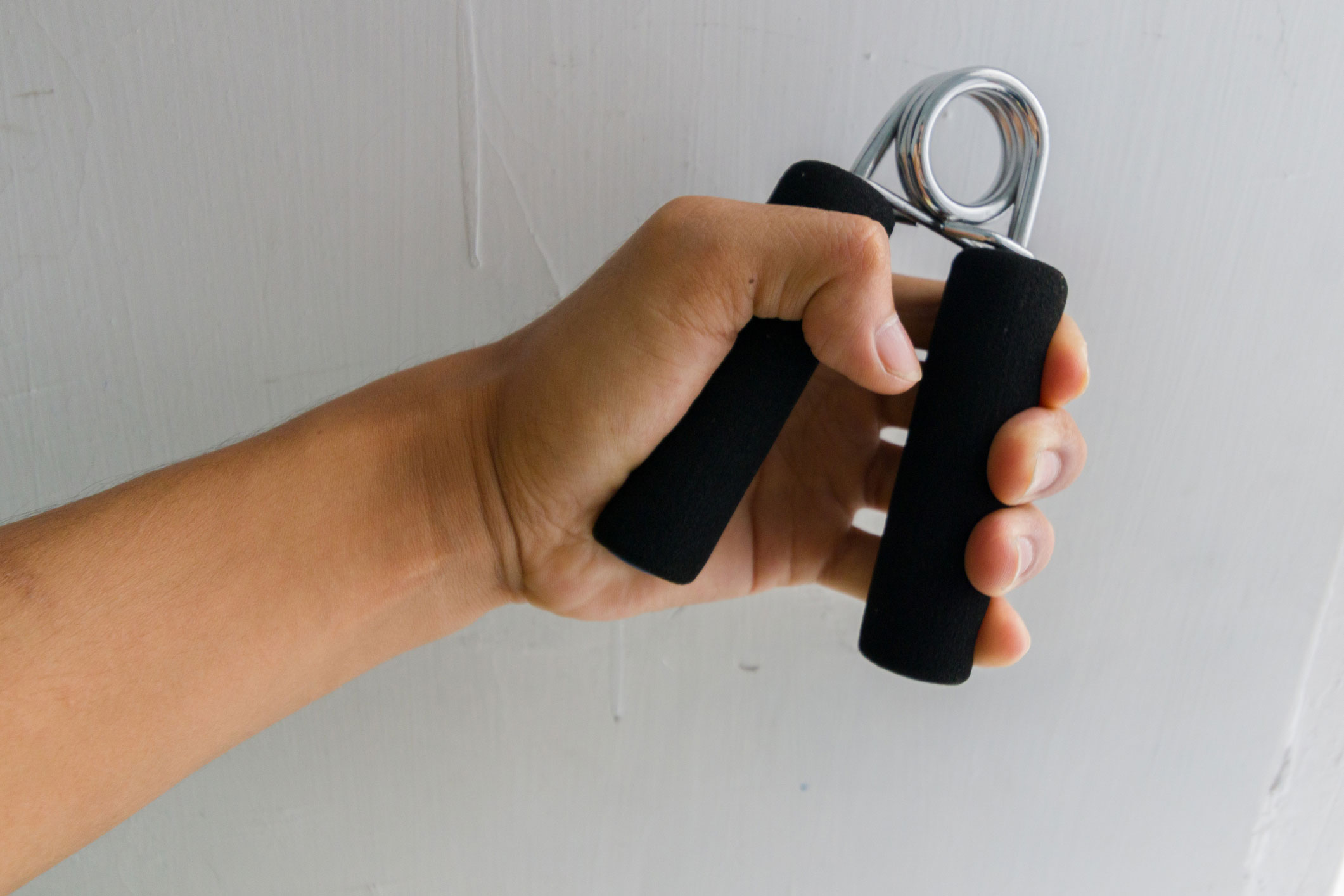
Grip Strengtheners: You can also use this piece of exercise equipment to build grip strength. These little triangle-shaped tools provide resistance to squeezing and come with various resistance levels. They can be done while sitting on the sofa and are easily portable.

Dumbbells: Dumbells can also help build grip strength. Both standard and hammer grips can help strengthen forearm muscles, with the hammer grip being slightly superior. To perform it, simply hold the dumbbell perpendicular to the floor (like a hammer).

Pick a weight where you can do 8-12 repetitions per arm. Do three or four sets of 8-12 with each arm, alternating.

A stronger grip can help you age better and reduce the risk of falls and disability.

Eating to Manage Ulcerative Colitis Symptoms

Many of the conditions affecting your gut have no cure. Crohn’s disease and ulcerative colitis are two examples, so treatment largely depends on symptom management.


That doesn’t mean that you’re totally out in the cold. However, certain lifestyle behaviors may help reduce symptoms and help you cope with your condition.

Ulcerative colitis is the result of inflammation in the rectum and colon. It has no medical cure, and it can flare up and cause significant disruptions and pain. Some of the symptoms include diarrhea, abdominal pain and cramping, an urgency to defecate, and more.

One of the best ways to manage symptoms is diet.

There is no specific way of eating to offer the best defense from the condition. In fact, there are no studies that show any specific diets or foods cause flare-ups. The best approach is likely to learn which foods aggravate your system and avoid them.

Eating a well-balanced, healthful diet that is rich in fruit and vegetables, like the Mediterranean diet, may help. Processed foods, particularly those with emulsifiers and preservatives, are a good idea to limit or avoid.

A low-FODMAP diet may also be helpful in managing symptoms. FODMAP stands for the short-chain carbohydrates known as fermented oligosaccharides, disaccharides, monosaccharides, and polyols.

Some people who eat high-FODMAP foods have a higher likelihood of problems like diarrhea, bloating, abdominal pain, and flatulence.

Here are some examples of FODMAPs:

  • Disaccharides: Lactose in milk and other dairy products
  • Monosaccharides: Fructose in apples and honey, for example.
  • Oligosaccharides: Fructans in wheat, onions, garlic, and galactans in beans, lentils, and soybeans.
  • Polyols: Sorbitol and mannitol are found in some fruits, vegetables, and artificial sweeteners.

Curbing ulcerative colitis symptoms will take some effort, work, and patience to figure out your individual triggers. Speaking with your doctor and a registered nutritionist is recommended to help you navigate the challenge.

Five-Minute Breathing Routine Improves Fitness and Exercise Tolerance in Middle-Aged People

The benefits of exercise are widely known. However, many middle-aged or older adults don’t meet the physical activity recommendations. With the need for more adults to transition to a healthier lifestyle, new research has found a potential for high resistance inspiratory muscle strength training (IMST). IMST involves inhaling through a handheld device called a manual breathing trainer, which adds resistance to the breath.


Exercise can help reduce the risk of developing chronic illness with aging, so older adults need to get their recommended daily amount. Creating new forms of physical training that can help those stay on track and improve their physical function is the key to reducing the risk of chronic diseases. Researchers believe that intensive resistance IMST could be an efficient strategy to help promote adherence and improve multiple components of a healthy lifestyle.

For the study, 35 participants aged 50 and older were split into either a high resistance group or a low resistance control group. Both groups had a manual breathing trainer for 30 breaths a day for six weeks. After six weeks, the high resistance group had a 12% improvement in a treadmill time to exhaustion test.

The low resistance control group showed no change. The high resistance group also showed a link with changes in 18 metabolites that are known to play key roles in energy production and fatty acid metabolism.

Lead author of the study, Kaitlin Freeberg said, “These preliminary findings suggest 5 min/day of high resistance IMST is a promising, highly adherable mode of physical training that increases exercise tolerance and modulates metabolic pathways in middle age and older adults.”

Improve Fitness and Exercise Tolerance

If these simple breathing exercises are able to improve fitness and exercise tolerance in adults, they may be more likely to stick to an ongoing routine. Exercise is essential to help reduce the risk of chronic illness and disease, so it is essential to find ways to help adults exercise regularly.

Exercise is essential for maintaining muscle strength, but additional support is always useful. That is where Clinical Strength Muscle Support can help. This unique formula was designed to help support aging muscles to help maintain an active and healthy lifestyle for years to come. It includes a variety of ingredients, including the powerful Tongkat ali extract LJ100 ®, and five other compounds that boost muscle strength and performance.

Is Fruit Safe If You’re Trying to Manage Blood Sugar?

You may be aware that most fruits are high pretty high in sugar. That’s why apples, pears, strawberries, bananas, and watermelon are refreshing and sweet.

So if blood sugar is a concern, it may make sense to avoid them or eat them sparingly.

But avoiding these naturally sweet foods will do more harm than good, even for people with high blood sugar or diabetes.

The sugar in fruit is different from sweets, baked goods, and even fruit juice, honey, and syrups. Even though fructose is in fruit and used as an additive, your body absorbs it differently when it comes from fruit.

The reason is that the sugar in fruit are not “free sugars.” They are a natural part of an overall package, which, most importantly, includes fiber. This important fact means that sugar in whole fruits does not contribute to blood sugar or insulin spikes.

When sugar is added to other products, or there is no fiber present, like in juice, honey, or other fruit-based products, that benefit is lost, and sugar behaves more harmfully when it’s eaten.

Research shows that people who eat plenty of whole fruits have a low likelihood of developing diabetes compared to those who drink a lot of fruit juice. That’s likely due to the lack of fiber in fruit juice and how the sugar reacts in the body when it’s not present.

The takeaway here is that you can rest easy if you’re concerned that fruit will boost blood sugar. It won’t. In fact, it is part of a healthy diet that can contribute to longevity.

Try to eat about three servings of whole fruit per day, in a variety of colors. Limit intake of fruit juices, spreads, and other refined products that can contribute to blood sugar and insulin spikes.

Five-Star Guarantee of Satisfaction