


If You Find Ways to Extend to Your Day, You Could Be Extending Your Waistline

If you’ve got that fear of missing out and choose to make every day a little longer, you could be lengthening the distance around your waist too.

New data is showing that people who decide to stay up late to watch some extra TV, scroll social media, or chat with friends are likely going to put on added fat.

The reason is that those extra hours lead to extra calories.

Gains could be hard to notice on the scale, however, and may dangerously slip by undetected. Researchers said the longer days and added calories didn’t necessarily translate to a jump in weight, but the trouble was more about where it went.

Have you ever heard of visceral fat? It’s the stuff that wraps around your midsection and internal organs. You can’t really see it, yet it’s actually known as the most dangerous type of fat.

Visceral fat can inhibit organ function while also producing toxic chemicals that contribute to conditions like heart and blood vessel disease, high blood pressure, high blood sugar, and high cholesterol.

This added stress on organs, which is largely invisible, can greatly impact health.

Obviously, if you can shorten your days, you’ll give yourself the best chance of limiting the added food. Choosing to skimp on sleep regularly isn’t going to do anything positive for your health, so try to get to bed consistently every night.

On the occasional nights where you do find yourself staying up a little later, snack sensibly and mindfully. If you’re up on social media or doing something you can easily step away from and not miss anything, go and prepare a healthy snack – or go to bed!

If it’s something that’s keeping you glued to your screen – like a sports game or movie – have something healthy close by.

Food choices can play a major role in where fat, and what kind, settles in.

Obesity Includes Increased Risk of Heart Disease among Women with Late Menopause

New research shows that women who suffer from obesity and enter menopause later in life may be at an increased risk of heart failure. Previous studies have suggested that women who enter menopause before 45 are also at a higher risk for heart failure.

This new study published in the Journal of the American Heart Association helps to fill the gap in knowledge about the possible influence of late menopause, occurring at age 55 or older, and the incidence of heart failure.

After menopause, a woman’s body produces less progesterone and estrogen, a change that could increase the risk for cardiovascular disease, including heart failure. Recent studies have shown that the average age for natural menopause has increased by 1.5 years over the past six decades. It is estimated that in the United States, the prevalence of early menopause (before age 45) was 12.6% and late menopause (after age 55) was 14.2%.

Previous research has found that women who experience early menopause have a heightened risk of heart failure. This serious condition is diagnosed when the heart cannot pump sufficient oxygen and blood to allow the body’s organs to function properly. The knowledge gap involves the risk of heart failure in women who experience late menopause.

Lead study author Imo A. Ebong explained, “We know that obesity increases the risk of developing heart failure, and the onset of menopause is associated with increased body fatness. In our study, we investigated if and how obesity affects the relationship between menopausal age and the future risk of developing heart failure.”

For the study, investigators analyzed data for nearly 4,500 postmenopausal women who were participating in a long-term research project by the Atherosclerosis Risk in Communities. This study began enrolling participants in 1987 and focused on measuring associations between known and suspected heart disease risk factors and the development of heart disease. 

All participants had baseline measurements taken and assessments conducted throughout the study. All women provided their age at menopause, and their weight and BMI were measured to be classified into one of three groups: normal weight, overweight, and obese.

All outcomes were adjusted for heart disease’s multiple health and lifestyle risk factors, including type 1 and type 2 diabetes, hypertension (high blood pressure), kidney function, prior heart attack, inflammation, and ventricular hypertrophy.

It was found that for every six-point increase in BMI, the risk for developing heart failure increased by 39% for women who had early menopause and doubled in women in the late menopause group. For every 6-inch increase in waist circumference, the heart failure risk almost tripled among women who entered menopause at age 55 or older. Researchers concluded that “The detrimental effects of obesity on heart failure risk was greatest among women who experienced late menopause.

A Healthy Heart

This study helps to show that a woman’s age when she enters menopause is an essential factor in helping to estimate their risk of developing heart failure. All women should share this information with their physicians and take steps to help ensure a healthy heart as they age.

Heart Rescue is one way to help reduce the risk of heart disease. It was designed to help promote cardiovascular health using various ingredients, including omega-3 fatty acids, CoQ10, magnesium, and hawthorn extract. This unique formula helps to strengthen the heart muscle, maintain healthy cholesterol, and support circulation. By helping to support and maintain cardiovascular health, you can enjoy a high quality of life as you age.

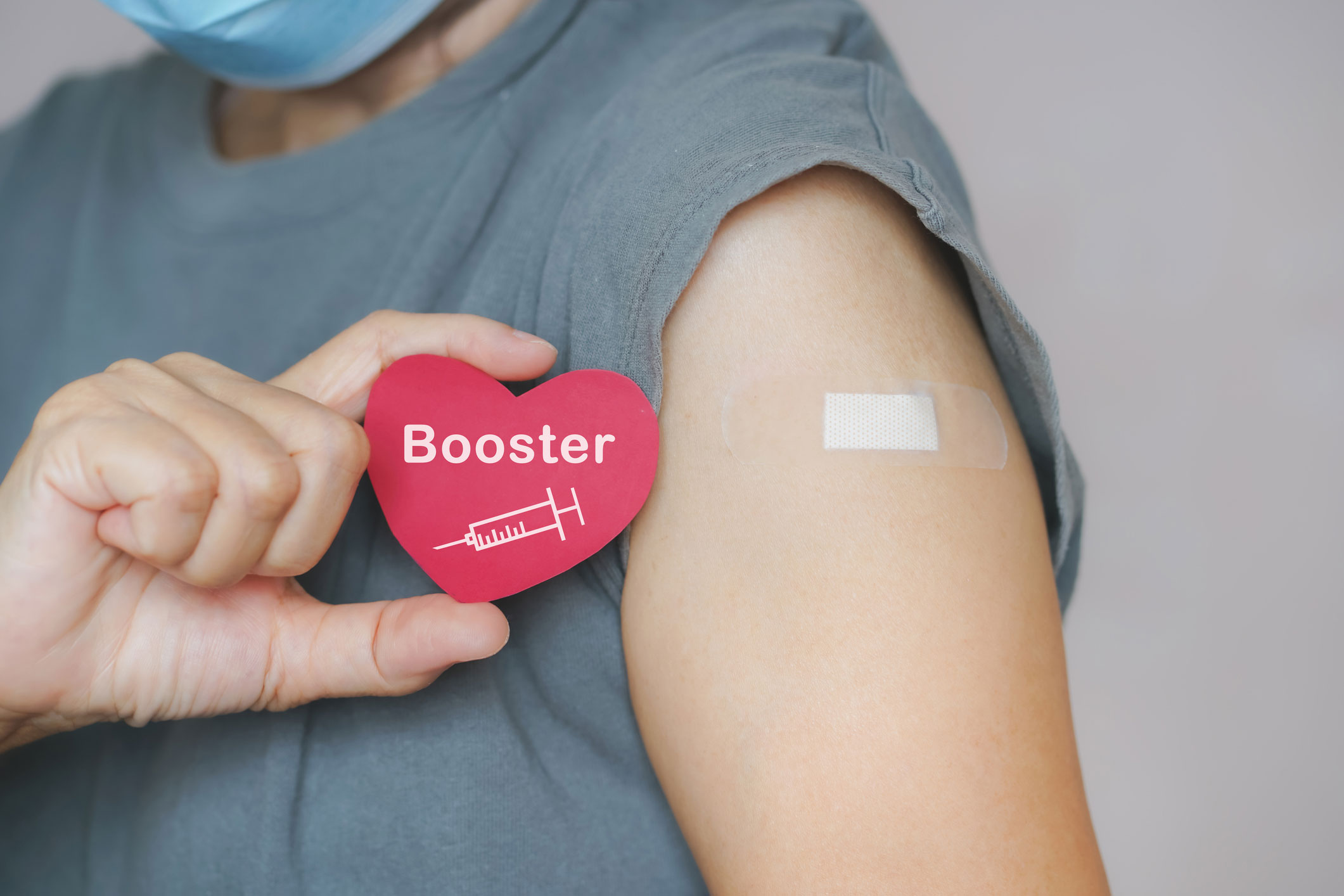
The COVID Resurgence Is On — Should You Get a Booster Shot?

The “sixth wave” is here, causing some communities to ramp up booster shots.


But should you get one?

People who’ve received at least one booster typically fared far better against the recent omicron surge than those who were either unvaccinated or had only received the initial cycle of two vaccine doses.

Just how much better? Those who had boosters before the omicron wave were 300 percent less likely to get infected than those who were unvaccinated, and were 60 percent less likely than those who’d been vaccinated but had not had a booster.

You might be asking yourself when the need for boosters will stop. It can seem like a lot, and it may shake your trust in the motives, or even efficacy, of vaccine manufacturers and their products.

Try and remember that a couple of years ago, no one had even heard of COVID-19, so it’s going to take some time to come up with a solid and somewhat predictable treatment. It’s also important to remember that booster shots are not uncommon.

The annual flu shot, for example, is a booster. People routinely get booster shots for tetanus, diphtheria, and pertussis every ten years. The timing for the COVID booster is compressed because it is new, and at this stage, the vaccine is yet to offer a longer-term response. At this point, it is largely reactionary.

All vaccines lose effectiveness over time, so boosters are needed. If you’re over 12, getting a COVID booster is recommended. If you’re immunocompromised, over 65, or suffer from diabetes, heart disease, or asthma, you should get a fourth shot if available.

Doing so might not stop a COVID infection, but it will give your body a great shot at experiencing minor symptoms, staying out of the hospital, and avoiding long-haul symptoms.

Having Sense Of Purpose In Life Associated With Lower Risk Of Dementia

Dementia is one of the major causes of disability and dependency among older people worldwide. It is a significant concern among the aging population as cases increase in nearly every country.

Due to the increasing nature of this disease, researchers are consistently finding new ways to help reduce the risk. One such review of evidence led by UCL researchers found that feeling a sense of purpose or meaning in life could help to lower the risk of dementia years later.

The study published in Aging Research Reviews looked at whether positive psychological constructs, including positive mood and optimism, were key factors consistently associated with a reduced risk of dementia. The researchers reviewed evidence from eight previously published studies, which included data from 62,250 adults across three continents.

It was found that higher purpose or meaning in life was significantly associated with the reduced risk of cognitive impairment outcomes. These included dementia and mild cognitive impairment. Researchers noted this outcome was not the case for other positive psychological constructs, like simply having a positive mood state.

Previous studies had suggested that feeling a sense of purpose in life may be reduced with inflammation in the brain, which could be associated with a reduced risk of dementia. They also suggest that people with a higher sense of purpose in life may also be more likely to engage in activities such as social involvement and exercise, which could help to protect against dementia risk. 

Georgia Bell, the first author of the study, said, “Trying to live in line with what is meaningful to you appears to have multiple health benefits – here we have found that a sense of purpose may reduce the risk of dementia, adding to other evidence linking meaningful linking to improve mental health and reduced risk of disability and heart disease.” 

Support Cognitive Function

Healthy brain function is something that everyone should keep in mind as they age. Some degree of cognitive decline is nearly inevitable, but numerous factors can take a toll on the brain and hinder its ability to function at peak potential. The brain is under constant attack from stress and environmental factors, affecting concentration, memory, and overall cognitive function.

The Smart Pill contains nine ingredients to support, nourish, and maximize brain health and cognitive function. This unique formula includes ginkgo biloba, huperzine A, bacopa extract, rosemary extract, and a B vitamin complex. These powerful ingredients can help to boost circulation, fight free radicals, and provide the nutritional support needed to assist in cognitive function.

Boosting Mood with Food

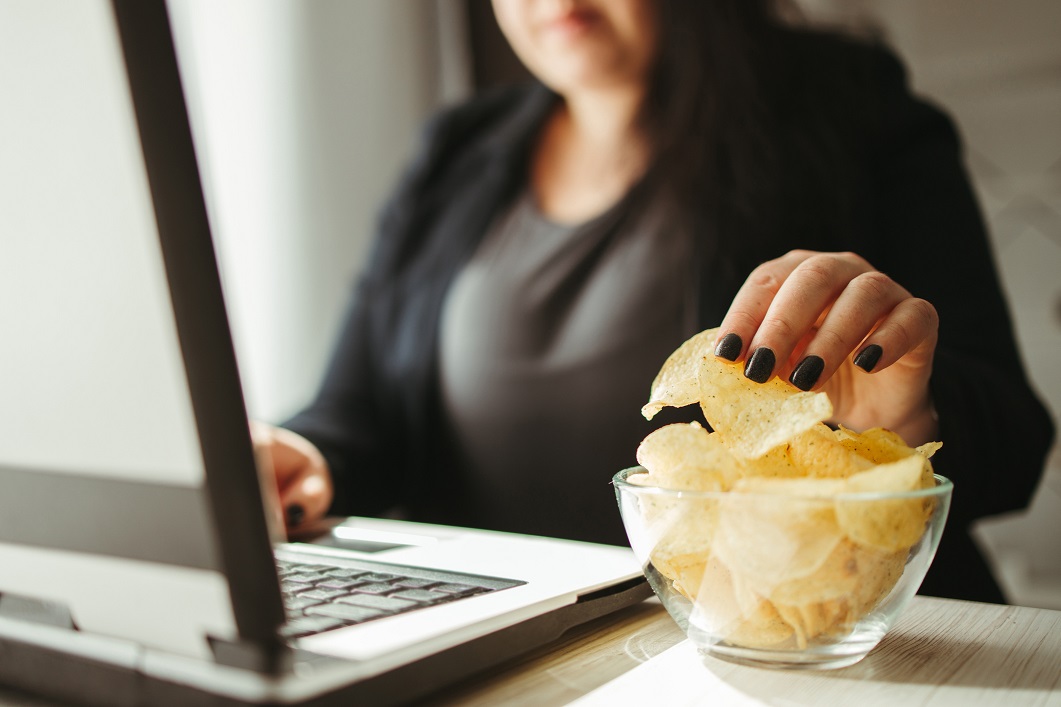
Compulsive overeating, mindless snacking, junk food, unhealthy meals. Woman eating chips from bowl at her workplaceIf you’ve had a long day or you’re too wiped to cook, do you ever reach for a fresh salad?


Probably not. Like most, you may head to the panty to grab a box of mac and cheese or perhaps the freezer for a tub of ice cream. No bowl.

That stuff may help take the pressure off and make you feel alright, at least initially. High carb “comfort” foods send tryptophan to the brain, an amino acid that helps produce serotonin, a feel-good hormone.

But those effects are short-lived. Those foods contribute to inflammation and can promote depressive effects in the long term. They also become addictive and increase the likelihood of weight gain, heart disease, and diabetes.

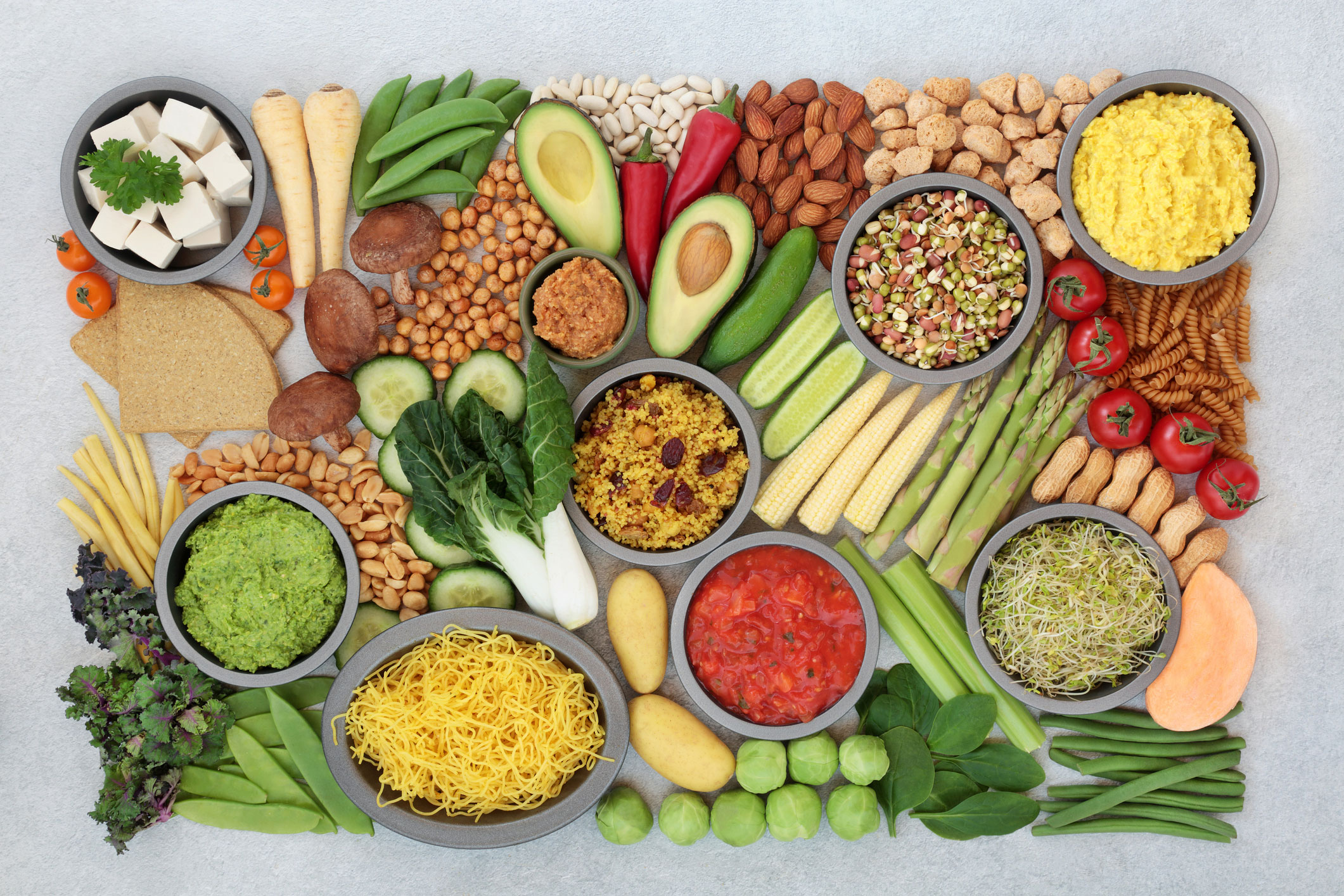
On the other hand, diets high in fruits, vegetables, fish, and whole grains can lower the risk of depression by fighting inflammation.

A meta-analysis published in 2018 in the British Journal of Nutrition found that for every 100 grams of fruit or vegetables consumed, the risk for depression fell by 5 percent.

People don’t often think of salads, fruit, or oatmeal as mood-boosting. That’s likely because the impact is not immediate. Eating a salad won’t instantly start churning out feel-good hormones.

These tastes also aren’t necessarily associated with “comfort.” You might remember eating ice cream with friends or your mom’s mac and cheese when you were a kid, but do you have those same feelings about apples and spinach?

Improving mood with food takes a bit of a long-term outlook. Eating fresh foods and focusing on plant-based options regularly is the best way to fight inflammation that can contribute to depression. That doesn’t mean there is no room for “comfort” foods. You just want to consume them sparingly.

I believe in the 80-20 approach, which is to eat nutrient-dense foods 80 percent of the time and indulge 20 percent of the time.

If you eat many “comfort foods,” scale back gradually. Going cold turkey can cause a very uncomfortable shock to the system. Also, look to substitute taste and bring pleasure to eating through spices and other flavors to help battle inflammation.

Staying Hydrated Keeps You Healthy

thirsty Asian woman drinking water in bed after wake up in morningBeing dehydrated can have all kinds of symptoms that extend well beyond being thirsty. It’s why many health professionals recommend sipping water consistently throughout the day to help ensure your body always has an adequate supply of water.
Dehydration happens when you’re using more water than you’re taking in. That might not sound like a big deal until you consider how vitally important water is to every one of your cells and organs. Without it, your body simply cannot function.

Think about it: humans can survive for weeks without food. Water, on the other hand? You’re looking at 2-3 days.

One organ that needs water is your liver. This vital organ can’t properly process nutrients or expel toxins without enough of it.

So how do you know if you’re dehydrated? Here are some of the signs:

Cramping: When you’re low on fluids, the nerve signals moving from your brain to your muscles don’t work well, so they react by cramping. Low fluids also create electrolyte imbalances that promote cramps.

Cravings: Craving sweet things, like candies or baked goods, is another sign of dehydration. Your liver needs water to release glycogen into your body, and when it is not getting enough, you’ll feel the need to get it from somewhere else, like sugary food.

Dizziness: Fluids also help regulate blood volume and blood pressure. When fluids are low, blood moves more slowly and becomes thicker, which can contribute to dizziness or light-headedness.

Peeing Less: When fluids aren’t going in, they aren’t coming out. If you usually pee every three or four hours, and now it’s eight to 10, you’re likely dehydrated. This is dangerous because it means your body is not getting rid of toxins.

Constipation: Fluids also help soften stool to keep it moving through your digestive system. Without enough water, the stool gets hard and stays still, struggling to make its way out.

You can keep tabs on hydration by monitoring the frequency and color of urine and ensuring to sip water throughout the day. Drink even more on hot or dry days, particularly if you’re sweating a lot.

Eating More Plant-Based Food Reduces the Risk of Developing Diabetes

According to new research, people who consume more of a plant-based diet have a reduced risk of developing diabetes. The study published in the Journal of the European Association for the Study of Diabetes found that healthy plant-based foods, including fruits, vegetables, legumes, nuts, and coffee, are associated with a lower risk of developing type 2 diabetes (T2D) and can help support diabetes prevention.


Type 2 diabetes poses a significant threat to health globally. The prevalence of the disease in adults has more than tripled in less than two decades. There are numerous complications associated with type 2 diabetes, including cardiovascular disease and damage to the microvascular system, including the kidneys, eyes, and the nervous system.

Diabetes is primarily caused by unhealthy diets, obesity, genetic predisposition, and other lifestyle factors such as a lack of exercise. Previous research has found that plant-based diets have been associated with a lower risk of developing type 2 diabetes, but the underlying mechanisms have not been fully understood.

For this study, the team analyzed blood plasma samples and dietary intake of 10,684 participants. Each participant was required to complete a food frequency questionnaire to score their adherence to one of three plant-based diets: an overall plant-based index (PDI), a healthy plant-based diet index (hPDI), and an unhealthy plant-based index (uPDI).

Healthy plant-based foods included whole grains, fruits, vegetables, nuts, legumes, tea/coffee, and vegetable oils. Unhealthy plant-based foods included refined grains, potatoes, fruit juices, sugar-sweetened beverages, and sweets/desserts.

Researchers found that participants who did not develop type 2 diabetes had a higher intake of healthy plant-based foods and higher scores for PDI and hPDI. Participants also had a lower average BMI and were more likely to have lower rates of high blood pressure and cholesterol levels. They were also less likely to use blood pressure and cholesterol drugs, had less family risk of diabetes, and were more physically active.

Professor Frank Hu explained the mechanics behind the findings saying, “While it is difficult to tease out the contributions of individual foods because they were analyzed together as a pattern, individual metabolites from consumption of polyphenol-rich plant foods like fruits, vegetables, coffee, and legumes are all closely linked to healthy plant-based diet and lower risk of diabetes.” 

New Insights

This study helps to support the beneficial role of healthy plant-based diets and provides new insights for future investigation into the prevention of diabetes. Eating the right foods and getting plenty of essential vitamins and nutrients is vital for preventing and managing blood sugar levels and diabetes.

Health Blood Sugar Support is an excellent way to provide comprehensive support for healthy blood sugar and overall health. It has been shown in human clinical studies to help support blood sugar metabolism, help maintain healthy blood sugar balance, and help to promote healthy cholesterol and glucose levels that are already within the normal range.

If You’ve Got Diabetes, Pay Close Attention to Your Eyes

Problems with eyesight of senior manIf you’ve got diabetes, there are many things to be concerned about, but you might not consider your eyes.


But that could be a mistake. An annual eye exam may save your sight.

Diabetes can alter the health of blood vessels in the retina. However, they cause no symptoms in the early stages. But if left undetected, damage can occur and lead to vision loss.

The condition, marked by an inability to properly absorb or produce insulin, can cause blood vessels in the eyes to leak and cause swelling in the macula. The macula is the part of the retina responsible for central vision.

Severe vision loss is also a possibility for diabetics. If allowed to progress, blood vessels at the back of the eye may begin to bleed or lead to retinal detachment. This can lead to progressive vision loss and blindness over time.

More than half of people with diabetes will develop diabetic retinopathy, which is one of the leading causes of blindness in the United States. However, less than half of diabetes patients undergo an annual eye exam.

If there is evidence of trouble resulting from diabetes, eye doctors can identify it and recommend one of several safe treatments. Like with so many other health conditions, the key is to catch it before it is too late.

Managing diabetes, or preventing blood sugar from getting too high, is the best way to preserve vision and reduce the risk of diabetic retinopathy. Some of the things you should do to manage diabetes include:

Keep blood sugar levels under control. For people with diabetes, the target is below 6.5 percent.
Monitor blood pressure and work to keep it under control. Food choices, exercise, and good sleep can help manage blood pressure.
Watch blood cholesterol which should be less than 200 mg/dL.

Associations between Insomnia and Increased Risk of Type 2 Diabetes

People who have insomnia may be at an increased risk of developing type 2 diabetes. New research has found a link between people who have difficulty getting to sleep or staying asleep and high blood sugar levels.
The study published in Diabetes Care used a statistical technique called Mendelian Randomization to see how five sleep measures – insomnia, daytime sleepiness, sleep duration, napping, and morning or evening preference – were related to blood sugar levels. This was monitored using a measure called HbA1c levels. The Mendelian Randomization was used to group people according to a genetic code randomly assigned at birth, allowing researchers to remove any bias from the results.

Out of the 336,999 adults included in the study, people who reported they often had difficulty getting to sleep or staying asleep had higher blood sugar levels than people who said they never, rarely, or only sometimes had these difficulties. There was no other clear link between other sleep traits and blood sugar levels.

The study’s corresponding author explained, “We estimated that an effective insomnia treatment could result in more glucose lowering than an equivalent intervention, which reduces body weight by 14kg in a person of average height. This means around 27,300 UK adults, aged between 40- and 70-years old, with frequent insomnia symptoms, would be free from having diabetes if their insomnia was treated.”

This new study offers an important insight into the relationship between sleep loss and type 2 diabetes. It suggests that insufficient sleep can cause higher blood sugar levels, which could play a direct role in the development of diabetes.

There are some treatments for insomnia, including cognitive-behavioural therapy (CBT). Prescription medications may also be available for patients along with a hormone called melatonin if CBT does not work.

Managing Sleep and Blood Sugar

Lifestyle can also play an essential role in the management of insomnia. Getting plenty of exercise and ensuring proper vitamin and nutrient intake can go a long way to helping ensure a good night’s sleep. Sleep Sure Plus is designed to help promote optimal sleep and restfulness. With a variety of ingredients, including melatonin and valerian, this unique formula offers well-rounded support for a restful night’s sleep.

Healthy Blood Sugar Support is an excellent choice for those looking to maintain or support blood sugar levels. This formula has been shown in clinical trials to help support healthy blood pressure and cholesterol levels.

By using various ingredients, Healthy Blood Sugar Support provides comprehensive support for overall health, including supporting blood-sugar metabolism, maintaining healthy blood sugar balance, promoting healthy cholesterol and glucose levels already within the normal range, and helping to reduce excessive hunger or increased appetite.

When You Should Pay a Little More Attention to Leg Cramps

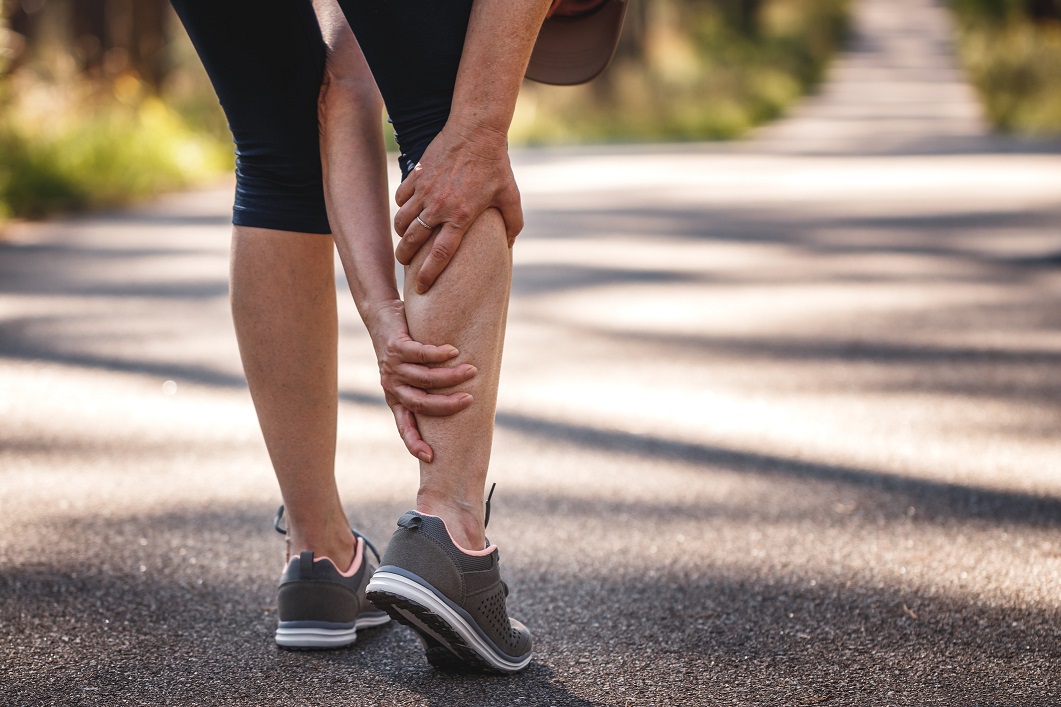
Woman feeling pain of her legs during jogging. Calf muscle cramp. Underestimating the warm-up exercise before runningThe warmer temperatures and brighter days may be motivating you to get out and get some exercise. It may come with some aches and pain if it’s been a while.


Cramping in the feet, calves, and thighs can be familiar to the untrained body. And it’s not even necessarily that muscles that have been dormant are suddenly being used; it could have to do with the fact that they aren’t adequately fed and hydrated.

Muscles can cramp up when you don’t drink enough water or have the right nutrients. To prevent the pain, eat well and drink plenty of water before, during, and after exercise.

But when the pain doesn’t go away even when you’ve been taking care of yourself, something more sinister may be at play.

Pain or cramping in your legs during physical activity might be an early sign of a condition called peripheral artery disease (PAD).

It occurs when plaque develops in the arteries of the extremities and restricts blood flow to the legs and sometimes arms. It is more common in older people and affects 10 percent of people in their 60s and 70s.

The most severe cases can lead to amputation.

PAD can be hard to spot when it’s in its earliest stages, but the first and most common symptom people notice is repeated pain, cramping, or heaviness in one or both legs while walking or doing exercise.

The cramps occur because blood cannot adequately deliver oxygen and nutrients.

Symptoms become more severe as it advances, so if you’ve been experiencing pain, it is essential to have it examined by your doctor. The earlier it is identified and treated, the better your outcome will be.

In most cases, treatments will include dietary changes to encourage heart health, blood flow, lower blood sugar, and more activity. Medications or medical procedures may also be recommended.

Had a Poor Night’s Sleep? Here’s What to Do the Next Morning

Depressed woman awake in the night, she is exhausted and suffering from insomniaEverybody has the occasional night of poor sleep. Whether you stayed up late to binge-watch or cheer on your favorite team, or went out for a drink with friends, it’s normal to have these occurrences.


Of course, you’ll never feel great the next day.

But you can bounce back with the right strategy to stay energized through the day and get back on track the next night.

Here’s how you can beat a night of inadequate sleep:

Drink water: Instead of beelining for the coffee, first take down a bottle of water. A glass of cold water helps you hydrate and wake up your body, especially if it’s cold.

Once the water is in you, fire up the coffeemaker, so your brain catches up to your body.

Get out of bed: A late-night can lead to a sleep-in, but that might not be the best strategy to set you up for your next night’s sleep. Instead, get up and go about your day. If you have the opportunity, take a short nap during the day. If not, go to bed a little earlier to sleep through until the following day.

Prioritize: One bad night of sleep is not the end of the world, but it may require you to shuffle some things around the next day. If you have something, for example, that requires you to be 100%, try to reschedule and save it for a day when you’re fresh.

Get some light: Getting some natural light early in the day can also help set you up with more energy and recalibrate your circadian rhythm. If you can’t get outside, at least open some windows.

Light exercise: A walk or any movement can also help build some energy to carry you through the day and set you up for better sleep at night. Just don’t get moving too close to bed!

The Facts on Urinary Incontinence

A woman diarrhea excreting in the bathroom at homeEverybody has been in a situation where they’ve really got to go. Maybe you’ve gone beyond the point of crossing your legs and are squirming in a battle to keep your bladder from releasing.

For most, this happens occasionally. Maybe you’re at a play or an event when getting to a bathroom can present a challenge. But for others, that feeling is a regular occurrence.

Some even struggle to keep urine inside when they sneeze or laugh.

Urinary incontinence – the struggle to control the bladder resulting in involuntary urination – can severely affect a person’s quality of life. Data shows that people with the condition often avoid social gatherings, have a higher likelihood of UTI and genital skin irritation, and have a higher risk of clinical depression.

There are two main types of urinary incontinence: urgency and stress.

Urgency incontinence is also called an overactive bladder. Those who have it tend to go to the bathroom more than eight times per day, often getting up overnight to go.

About 2/3s of people with an enlarged prostate will have urgency incontinence symptoms. It can also happen to people with Parkinson’s or those who’ve had a stroke, but most people with it have no underlying conditions. It may also be caused by obesity or constipation.

Stress urinary incontinence is when leakage is caused by laughing or sneezing. Essentially, bladder muscles that hold in urine become so weak that they cannot handle any added pressure. In women, it is largely seen in the context of childbirth, while men may get it from prostate surgery complications.

There are no real treatments for stress incontinence. However, some approved drugs and behavior modifications may help treat urgency incontinence.

Pelvic floor exercises, also called Kegel exercises, are one way to strengthen bladder muscles to enhance bladder control. Some behavioral techniques include:

  • Avoiding known bladder irritants like caffeine, carbonated beverages, alcohol, or spicy or acidic food
  • Creating a urine schedule
  • Limiting evening fluids

What’s the Deal with Rice? Is It Good for You, Bad, or Both?

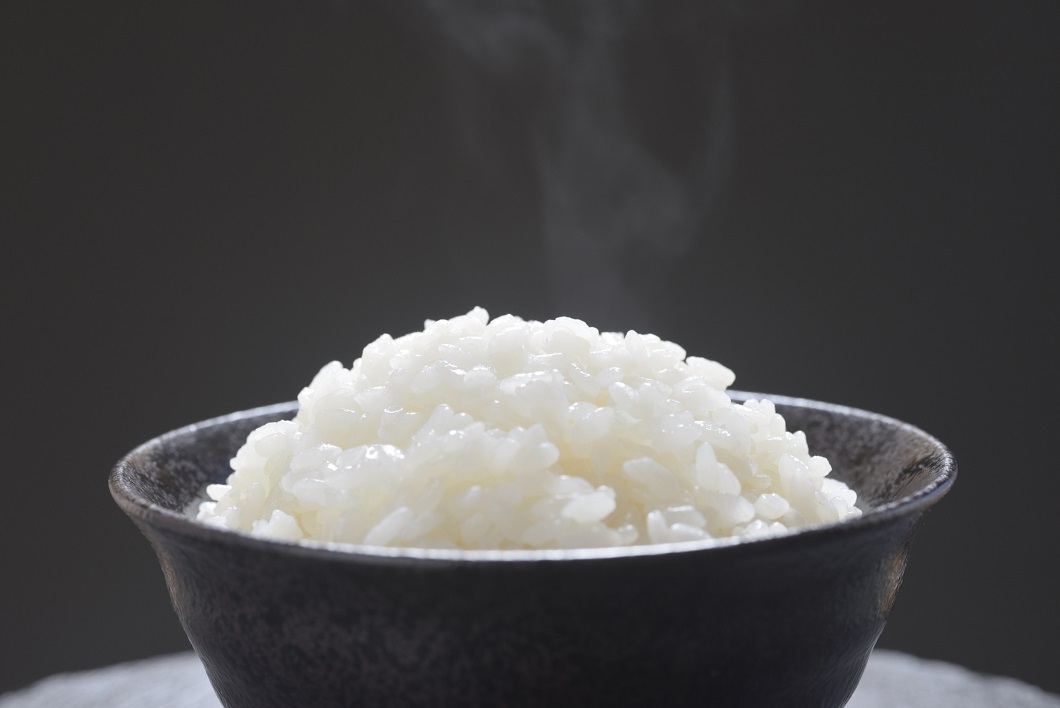
Warm Japanese riceSometimes it’s hard to believe how worked up some people can get about rice. It’s a versatile grain, and it’s hard to paint it all with one stroke.


It’s also hard to really knock it. After all, can inexpensive food that’s a staple for more than half of the world’s population really be that bad?

There are thousands of varieties of rice. In North America, we mainly know brown and white rice. But other colors exist, too. There is red, black, purple — the list goes on.

Some say that rice isn’t nutritious or that it can contribute to diabetes and weight gain, and that it has no room in a healthy diet. But the truth is that rice is a mainly healthy food, and even the target of most of the criticism – white rice – has a place in a healthful diet.

Let’s take a bit of a closer look at rice.

First, it is classified as either short, medium, or long grain. This is most identifiable by its texture when cooked. Short grain has a chewy texture; it’s what is served with sushi. Medium grain is more tender and sticks together more easily than long grain; arborio rice, used in risotto, is medium grain. Long grain rice, like basmati, brown, and jasmine, stays separate and is fluffy.

It also has different colours. Brown rice, for example, is considered a whole grain because it features the bran, endosperm, and sperm. White rice is stripped of its bran and sperm, leaving only the endosperm.

Whole grains like brown, black, and red rice are healthier than white. They feature three times as much fiber and more nutrients, although the nutrients between whole grain rice’s vary.

But just because white rice isn’t as healthy as whole-grain options doesn’t mean it is unhealthy. In fact, when white rice is paired with healthy foods like lean protein and vegetables, the difference between it and whole-grain options is negligible.

So, don’t stress about rice or listen to the noise about how bad it can be. Also, don’t feel like you’re married to one variety. Try various types with different meals to enjoy all it has to offer.

Adapting Seating Tai Chi Exercises Boosts Recovery among Stroke Survivors

Senior woman practicing yoga outdoorsSeated Tai Chi exercises can be an excellent form of movement for stroke survivors. According to a new study published in Stroke, stroke survivors who practiced the exercises had equal or greater improvement in hand and arm strength, balance control, shoulder range of motion, and reduced symptoms of depression.

The American Heart Association recommends that people start stroke rehabilitation within seven days and continue for up to six months after a stroke. Unfortunately, many patients do not continue with rehabilitation therapy because of their physical limitations.

Physicians suggest that muscle strength training, including yoga and Tai Chi, could be beneficial for stroke survivors for improving balance, mental health, and quality of life while reducing the fear of falling because of physical implications.

Tai Chi is a traditional Chinese martial art that consists of a series of slow, careful movements of the arms, hands, neck, legs, and core. These movements are combined with deep breathing. Tai Chi can be done in a standing or sitting position. People who have had a recent ischemic stroke and have experienced partial paralysis could benefit from practicing Tai Chi in a seated position.

The recent study was conducted at two traditional Chinese medicine hospitals in China. A total of 160 adults with an average age of 63 years who had suffered their first stroke within six months of joining this study were analyzed. Half of the participants were randomly assigned to the sitting Tai Chi program, and the other half were part of the control group that practiced a standard stroke rehabilitation exercise program.

It was found that the participants who practiced seated Tai Chi exercises had improved hand and arm function and sitting balance control compared to those in the standard group. Participants in the sitting Tai Chi group also had significant reductions in symptoms of depression, and better shoulder range of motion, and showed significant improvements in activities of daily life.

Lead study author Jie Zhao explained, “Sitting Tai Chi can be practiced in a chair or wheelchair and is very convenient since it can be done in your home. The program costs almost nothing to practice, and it doesn’t require any special equipment or travel time.”

Leading Cause of Disability

According to the American Heart Association, stroke is a leading cause of long-term disability in the United States. It is also currently the 5th leading cause of death. Because of these statistics, it is vital for people to help reduce the risk of their chance of stroke. The good news is that stroke can be prevented by following healthy lifestyle habits such as getting plenty of exercises and consuming a healthy diet. Getting the proper vitamins and nutrients the body needs is also an excellent way to reduce health risks.

Heart Rescue was designed to help support and promote cardiovascular health using various ingredients. The omega-3 fatty acids found in Heart Rescue are EPA (eicosapentaenoic acid) and DHA (docosahexaenoic acid), two omega-3 essential fatty acids that play a vital role in maintaining cardiovascular health function.

CoQ10 also plays an essential role in this unique formula. It is involved in energy production at the cellular level, which can help to produce ATP. This vital energy molecule is used by the muscles in the heart as fuel to help keep it beating strong.

The overall health benefits of Heart Rescue include strengthening the heart muscle, supporting circulation, reducing the risk of heart disease, and maintaining healthy cholesterol. Include Heart Rescue in your daily routine to help maintain your cardiovascular health.

Five-Star Guarantee of Satisfaction