

 A little bit of muscle loss is a natural part of getting older. Most lose about one percent of muscle mass each year after 40. It’s called sarcopenia.
But muscle loss can be enhanced by an injury, illness, or any prolonged period of inactivity. This can lead to muscle atrophy and bring on weakness, poor balance, and frailty.
People over 65 are particularly vulnerable to muscle atrophy. It can take much longer for the body to recover from muscle loss. However, muscle atrophy can be defended against regardless of age with the proper approach.
Atrophy can be common in people with osteoarthritis. The condition makes staying active difficult and encourages a sedentary lifestyle. Muscle atrophy can lead to:
- Weakness in the upper limbs, making it difficult to raise arms and reach for elevated objects
- Difficulty opening jars, holding a pen, typing on a keyboard, buttoning a shirt
- Muscle twitching or cramps
- Trouble balance
Muscle atrophy may not always occur after a physical setback. A period of downtime is ultimately determined by your health, activity levels, and muscle mass going into it.
If you’re regularly active, it is a lot easier to prevent muscle loss over a period of downtime.
Virtually everybody will lose some muscle when they become inactive. Thankfully, it can come back relatively quickly by re-engaging inactivity.
You can give yourself the best chance against falling victim to muscle atrophy and weakness by engaging in muscle- and strength-building activities.
Weight training, or resistance training, uses any form of resistance to target muscles in the upper and lower body and is the best form of exercise for muscles. Doing this three times per week will help.
Any load-bearing exercise can help, and getting more active, even walking, can help.
If you want to get stronger to prevent the pitfalls of muscle loss, talk to a fitness professional who can help you learn safely.

 Whether you’re spreading avocado on toast or dipping tortilla chips into it, you’re likely giving your heart health boost.
 Sometimes when it comes to good health, it’s not about what you eat but when.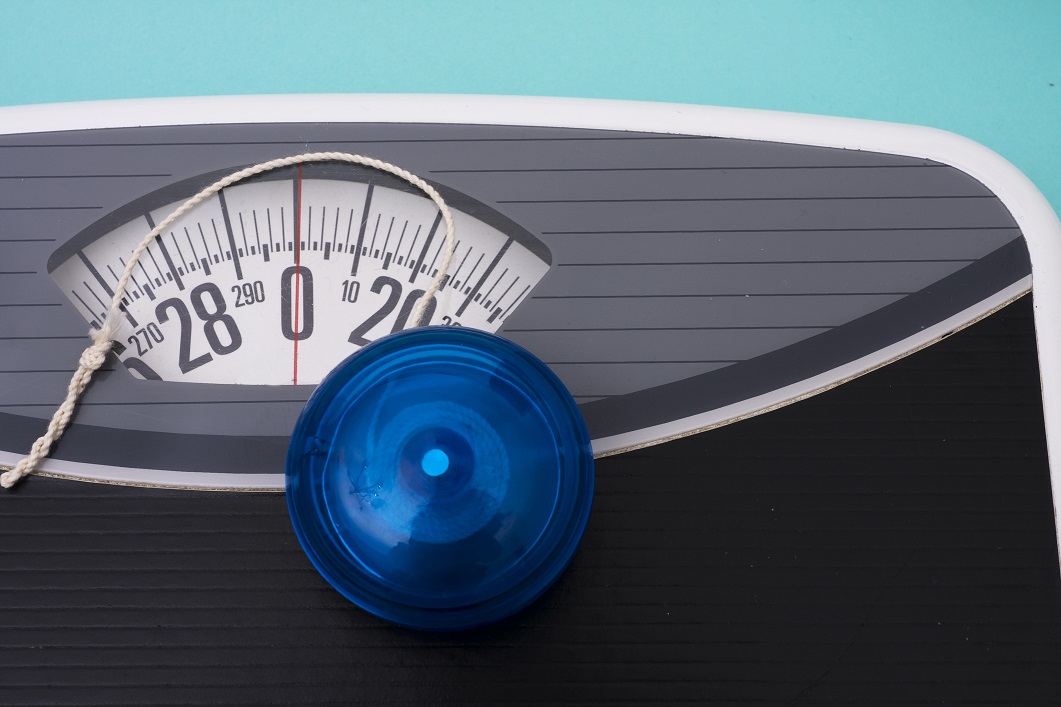
 New information suggests that people who follow yo-yo diets or have food insecurities may have a higher risk of heart disease. Studies conducted are now offering potential insights into the long-term impact of food habits.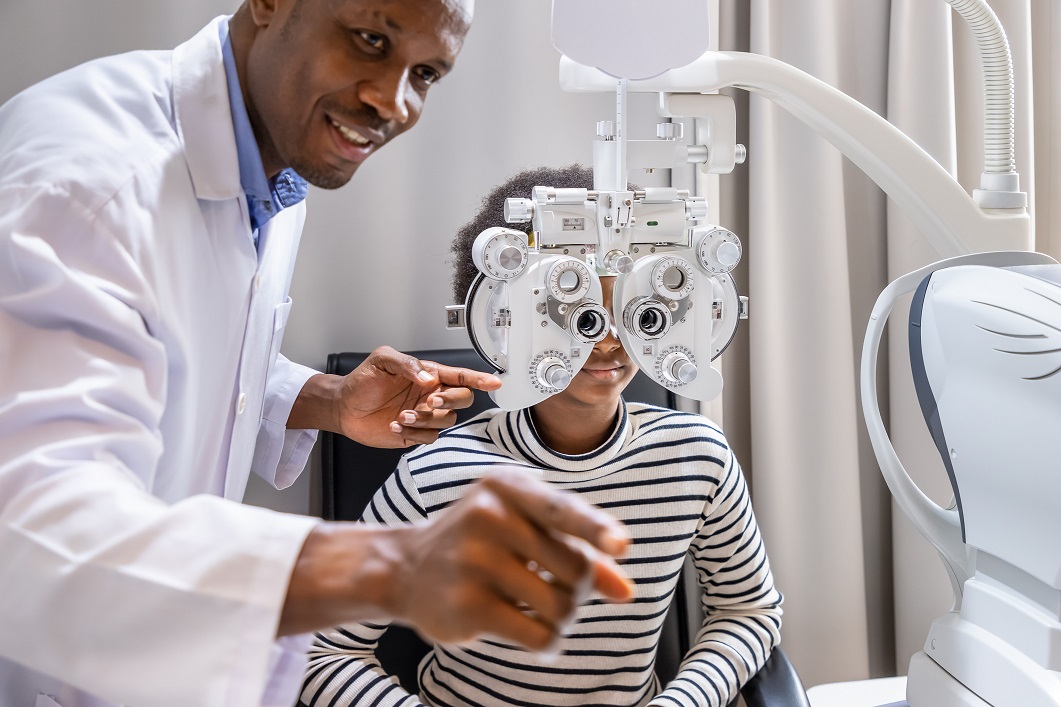
 Taking care of eye health is vital for people with diabetes. Experts believe that an annual eye exam could even help save sight in those with diabetes.
 If you think that evening drink is good for your heart, you may want to rethink why you’re drinking.
 A new study has found that consuming avocados may help reduce the risk of heart disease. More people are jumping on the avocado craze, and with this new information, it is for a good reason!
 At this point, the ingredients for a heart- and brain-healthy diet are well-established: fruit and vegetables, whole grains, beans, nuts, fish, and dairy. Data shows that people sticking to this core are less likely to get sick and more likely to live longer, healthier lives.
 The incidence of cardiovascular disease (CVD) is rising globally, and new research is finding potential risk factors for this condition. A recent study published in the BMJ Open found that warmer than usual summer nights may lead to increased cardiovascular deaths in men in their early 60s.
 Life can be full of unexpected events, and when things don’t go according to plan, it can be rather stressful.
 Coffee’s back at it again. New research is adding to the substantial list of data showing that a couple of cups of joe every day can pack a slew of health benefits.
 The symptoms of irritable bowel syndrome, or IBS, can hit hard and heavy and lead to all kinds of problems. Aside from the pain and discomfort, IBS can make people fearful of leaving the house and doing things they enjoy.
 What’s a good erection all about? For many, it comes down to blood flow. When enough blood can get into a penis, erections can stay hard and long-lasting.
 Diabetes is increasing at an alarming rate in the United States. It is a chronic health condition that can affect anyone at any age, so it is vital to understand how to reduce the risk and reduce the symptoms.