
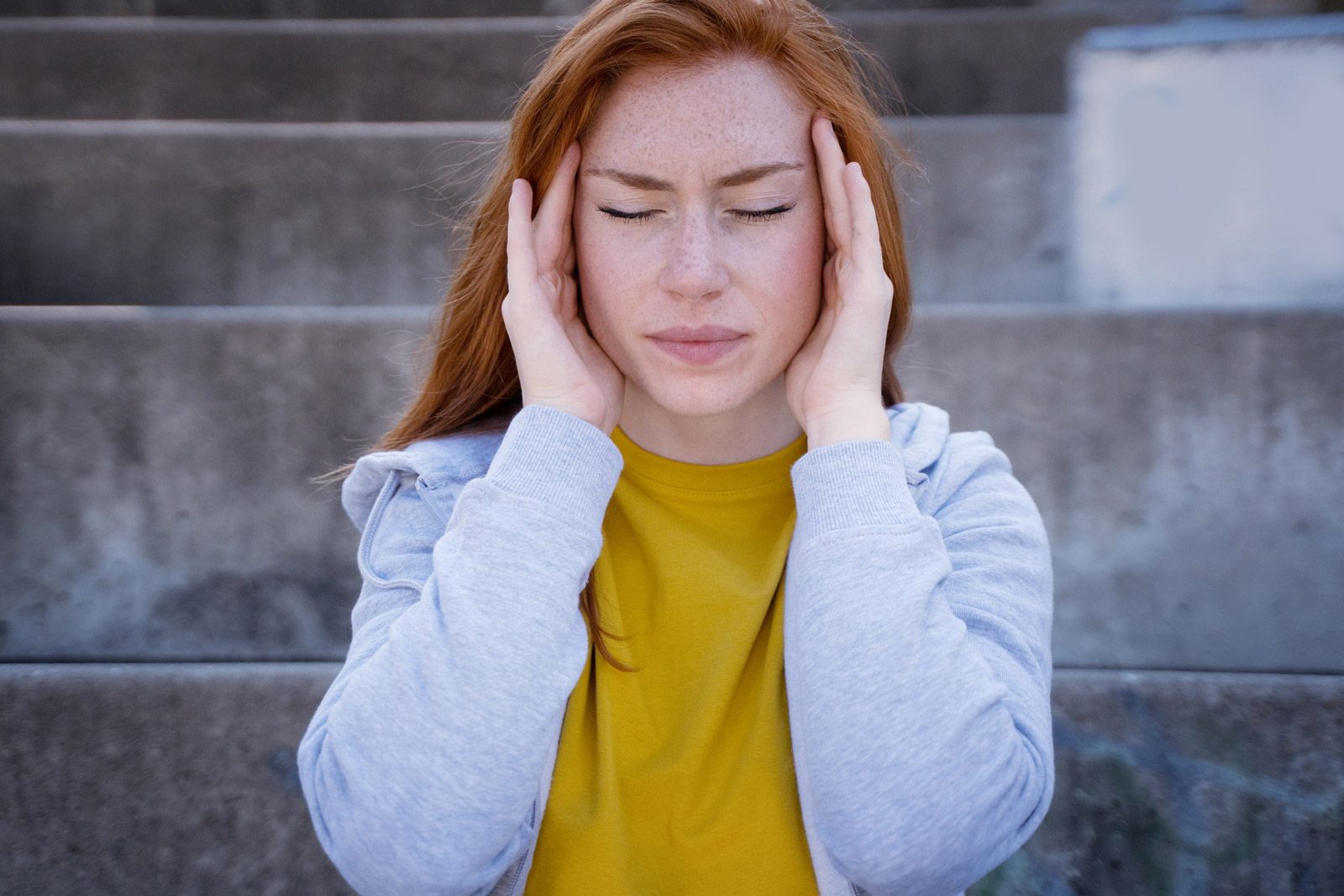
 When you get older, things change. One of the changes you may notice is that your ability to focus and remember isn’t as strong as it used to be.
A slight drop in thinking and memory is normal with advanced age, as processing speeds slow down a bit. A lower level of focus can make it harder to absorb information quickly, which can slow down its ability to move into your short-term memory.
The result can be some frustration and occasionally missing an appointment or parts of conversation.
But this does not signify significant trouble or that you’re trapped. There are a few things you can do that may help increase focus and the amount of information you retain.
Engage Closely: When someone is talking to you, look at them and listen very closely. If you happened to miss something that they said, ask them to repeat or speak more slowly.
Paraphrase: When a person is finished speaking, paraphrase what they said to make sure you understood. Paraphrasing also allows you to reinforce the information you were just given. For example, if your friend says, “We can go the Mexican restaurant or the Thai restaurant for 6:30” try responding with “What works better for you: the Mexican of the Thai at 6:30?”
Limit Background Noise: If you’re easily distracted during a conversation, it may have something to do with background noise making it hard to focus. This could have a relatively easy fix: meeting at home or other quieter spaces that allow you a better opportunity to focus.
If you do find yourself in a busy, noisy environment, try to sit near a wall. That way, you aren’t getting distracting sights and sounds from every angle. Ask your companions to sit with their backs to the wall so that your distractions are limited.
Do One Thing at a Time: Multitasking is a myth; practically nobody does it well. And those that think they can get even worse at it with age. But even leaving what you’re doing to focus on something else for a moment can make it hard to retain the information.
So, if you’re doing something – cooking, reading, filling out forms – and the phone rings, don’t answer. Finish what you’re doing then schedule a call back.

 Keeping your colon healthy might not be top of mind, but it’s definitely something you don’t want to ignore.
 New research has found that male athletes may have poor bone health and low testosterone levels. RED-S (relative energy deficiency in sport) was previously characterized as a female disease. But this new research shows that men are also at risk of developing the syndrome.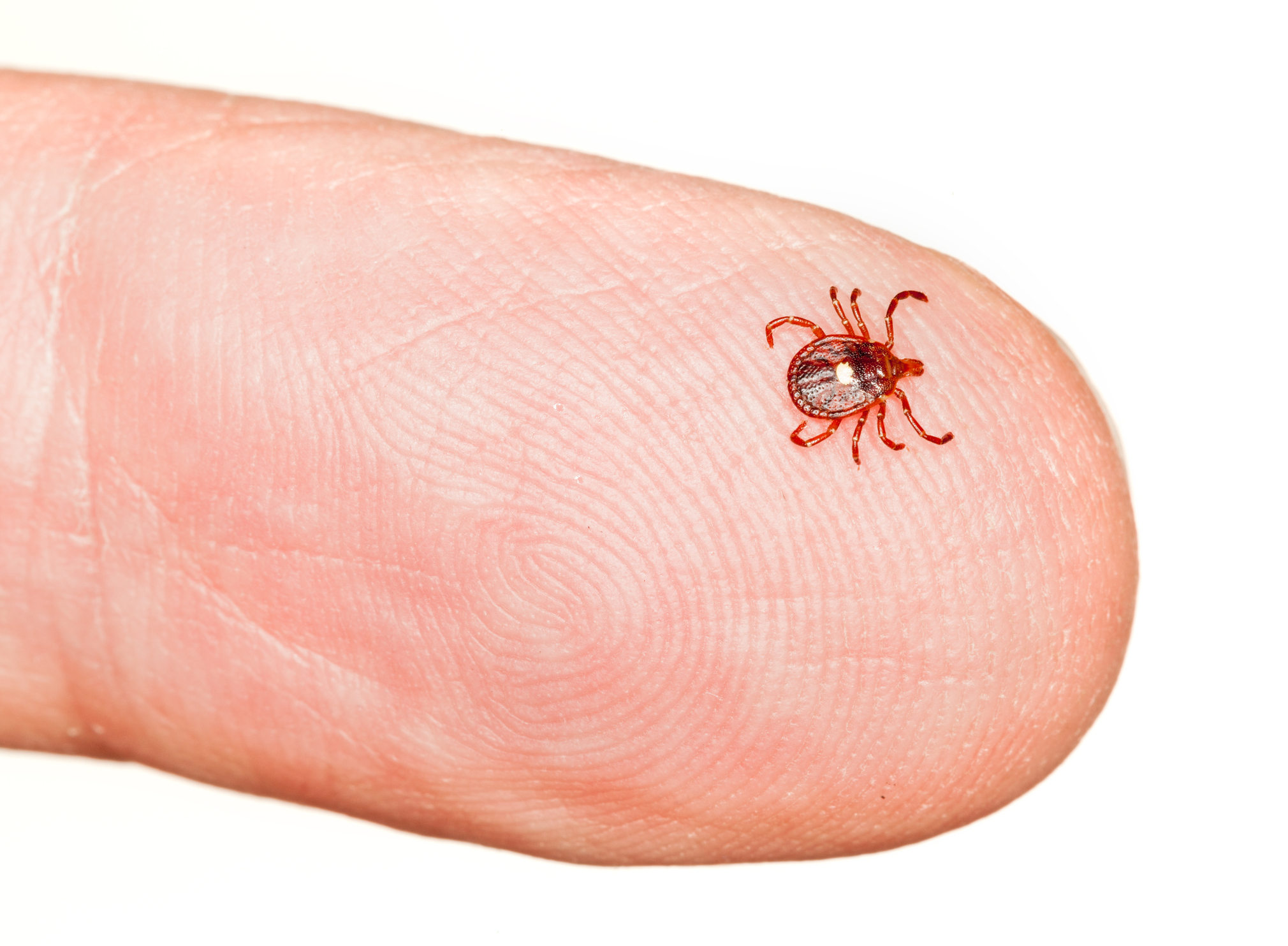
 Hiking, trail walks, or just spending time close to nature are common summer activities that can seem relatively low-risk. But thanks to ticks, those outings are becoming increasingly risky.
 Sleep apnea has built quite the list of negative health effects. The latest may be that it accelerates the aging process.
 A study is showing that a little red wine may go a long way in helping to prevent type-2 diabetes and control blood sugar.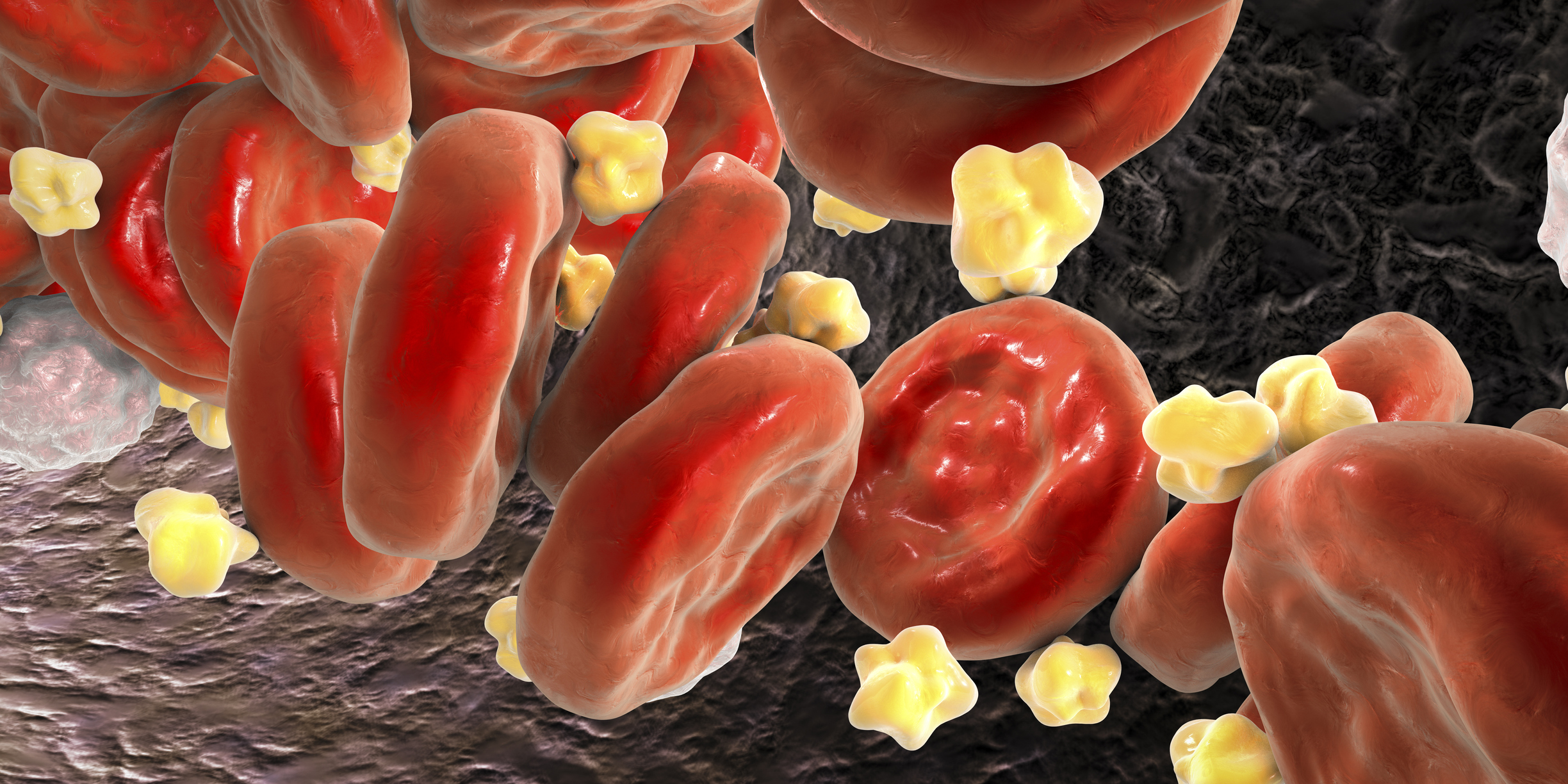


 Studies show that people with diabetes are at a higher risk for developing secondary conditions, with the incidence of heart disease being among the highest. Many conditions are common in people with diabetes, but cardiovascular disease is prevalent, with most people with type 2 diabetes eventually developing it.
 Italian researchers found that people who see a spike in blood pressure when they stand up could be at an increased risk for heart attack and stroke.
 With an aging population, cognitive decline is quickly moving to the forefront of studies in older people. One such study has found a possible link between the use of antibiotics by middle-aged women and cognitive decline later in life.
 Vitamins and minerals might not always get the love they deserve, but the truth is that they are as essential for living as the air you breathe and the water you drink. They keep you healthy and functional and help offer protection from plenty of diseases.
 A few nice days can certainly get people in the mood for summer, but not everyone will be reaching for their shorts.
 People sleep with a nightlight for all types of reasons. It can aid vision if they need to get up at night, while others aren’t always comfortable in total darkness.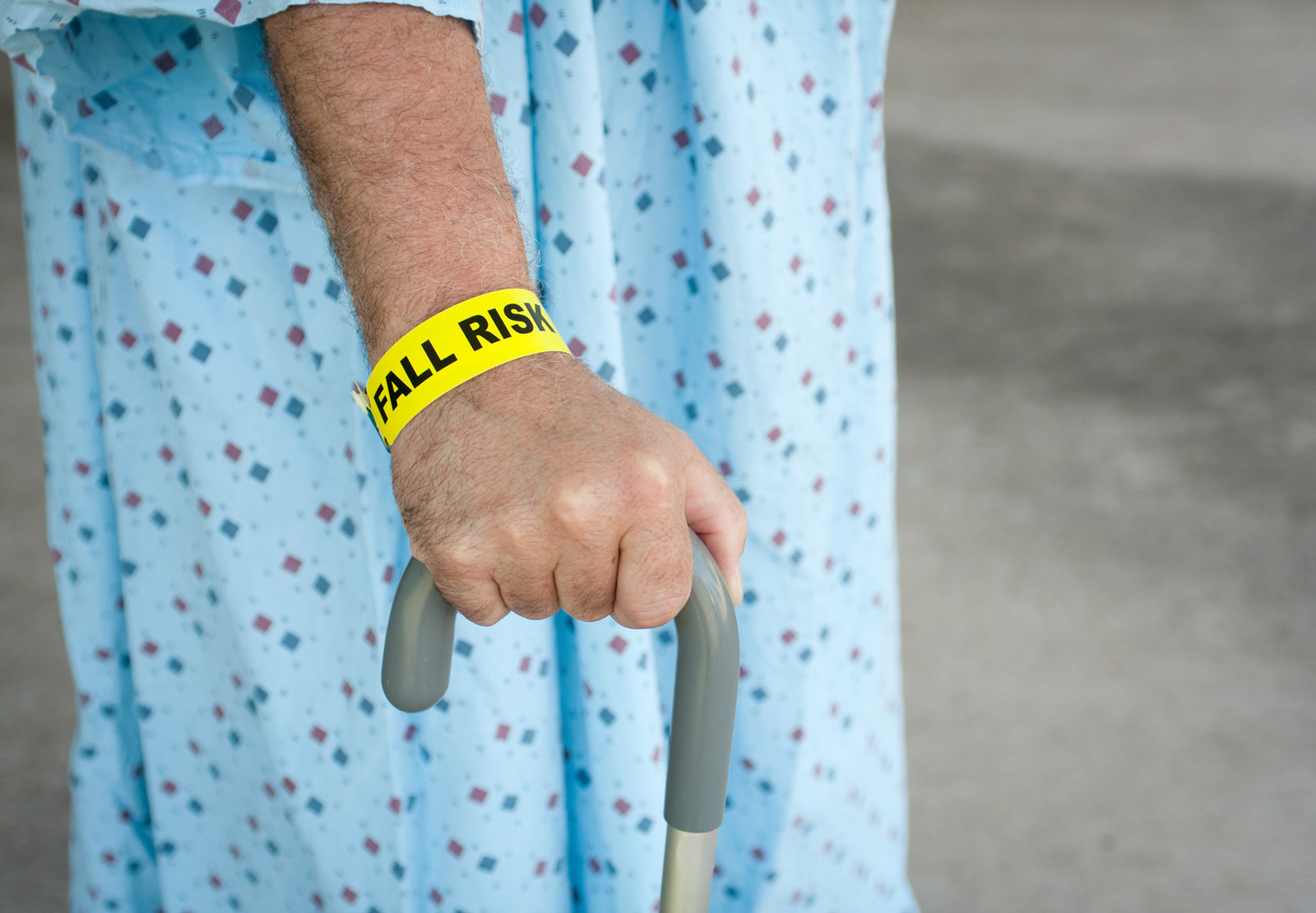
 People with Alzheimer’s are already at a higher risk for falls than the average person. A new study suggests that damage to the inner ear system that controls balance could be a major reason.