

 To reach a goal in life, you need drive and determination, but new research shows how anxiety can impact that motivation. The study looked at how people have different responses to stress and found that motivation to obtain goals after stress exposure depended on the individual’s level of trait anxiety.
The study performed in rats showed that stress could motivate animals with low anxiety, but it hinders the capacity to exert effort in highly anxious animals. These behavioral differences are due to a cell group located in the cerebral region of the brain. The study shows that the expression of these cells is directly connected to the anxiety levels in the rats, leading to boosted or diminished motivation.
Researchers believe these results can help to explain individual differences in motivation when people are exposed to stress. Previous studies have shown that exposure to stress activates a group of responses that orchestrate behavioral changes for facing threats to one life, such as feeling frightened by a potential aggressor. However, exposure to situations of repeated stress can have adverse effects and trigger psychiatric problems such as depression that could alter motivation.
Studies on this topic have previously provided contradictory results. Some researchers believe that these results may be due to variations in the individual’s personality traits, such as anxiety and depression.
Since the pandemic began, studies on mental health have been at the forefront of understanding how stress may be affecting overall health. This study helps to highlight the possibility of stress hindering motivation for people to reach their goals.
Managing Stress Levels
By focusing on brain function and mental health by consuming a healthy diet, getting regular exercise, and ensuring you are getting the proper nutrients and vitamins, you can help manage stress levels.
Anxiety Rescue is designed to help support mood balance and cognitive function using various ingredients to target multiple aspects of stress. With ingredients such as vitamin D, thiamine, and ashwagandha, it combines unique ingredients to help improve mood and reduce mental fatigue.
Many people live under an enormous amount of stress, and studies such as this are helping to recognize the side effects it may be having on the mind and body. By taking simple steps to help reduce stress and anxiety, you will feel better and stay more motivated to reach your goals.
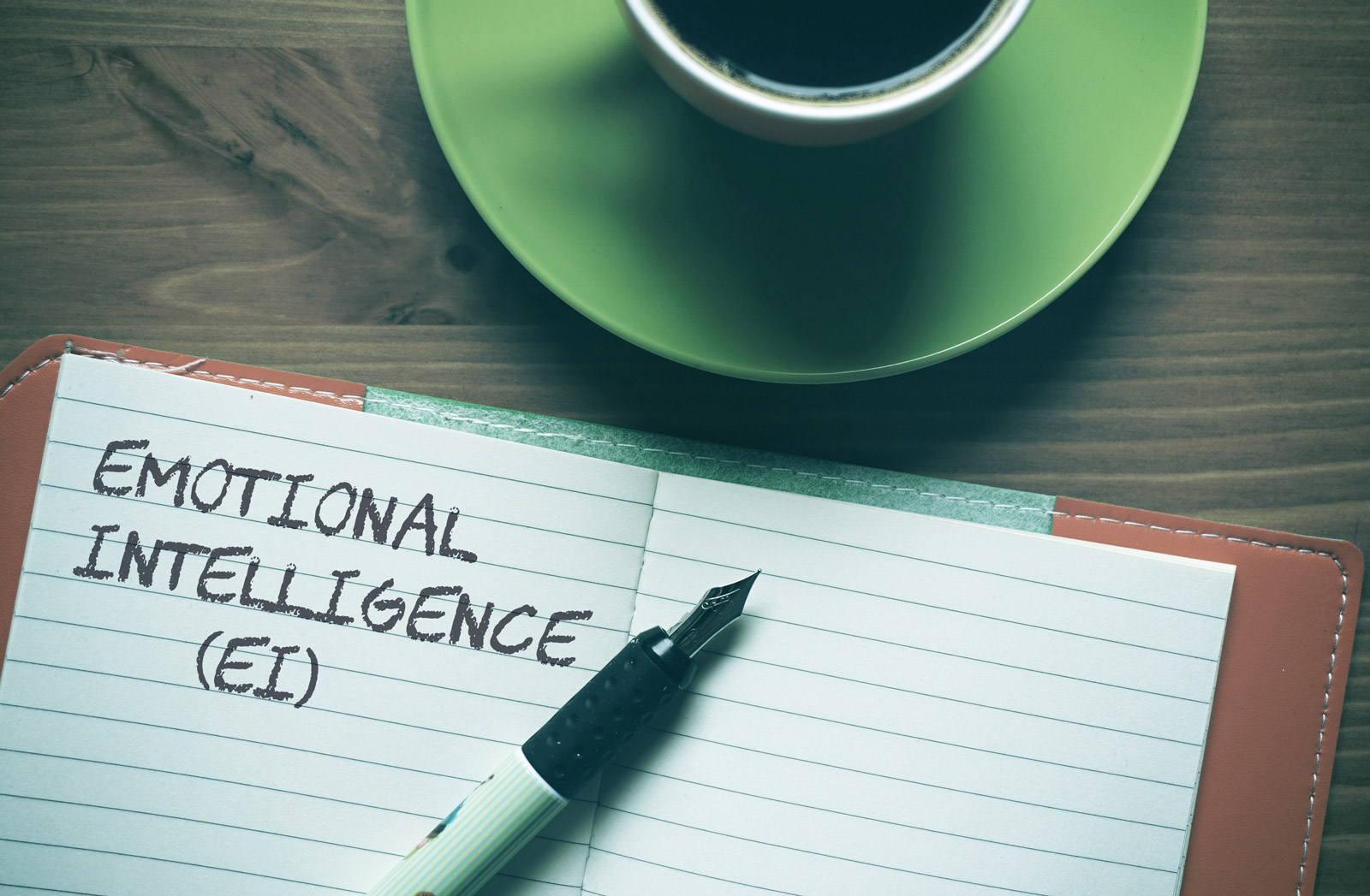
 Self-awareness is like multitasking: most think they have it, but few do. Of course, unlike multitasking, you may be able to teach yourself to improve self-awareness.
 Muscle mass goes down with age. Strength and power do too. And it all may have begun much earlier than you think.
 According to a new study from the University of Pennsylvania in Philadelphia, depression may be associated with more severe dry eyes disease and overall symptoms. Dry eye disease is a common condition that occurs when tears cannot provide enough lubrication for the eyes.
 Technology can be great. It can put the world at your fingertips and put almost anything you could think of in your grasp, including joint pain.


 It can be hard to jump out of bed and have a great day if your muscles and joints are stiff and creaky. But a little warm-up and stretch – before your feet ever touch the floor – can help you get up and running a little easier.
 New research suggests that just a little bit of exercise can help keep your brain sharp as you get older. The work may be one of the first studies to look at exactly how exercise may interact with brain networks and functions.
 Over the past decade, there have been many studies performed examining the relationship between sleep and dementia, but new information is now signalling a link between daytime napping and cognitive impairment. Daytime napping among seniors is a normal part of aging, but it may also foreshadow Alzheimer’s disease and other dementias for those who do it often.
 Anxiety sure is growing. The pandemic has brought its fair share, that’s for sure. There’s also been some major protests, an insurgency, a global refugee crisis (and more problems caused by climate change), and now, Russia’s invasion of Ukraine.
 Many people experience elevated blood pressure upon standing, and new research has found that it may increase the risk for heart attack. The study published in the journal Hypertension found that young and middle-aged adults with high blood pressure may have a higher risk of serious cardiovascular events.
 Recent research suggests that women who experience prolonged or irregular periods may have an increased risk for liver disease.
 Lifestyle factors like how much you weigh and how much you drink can play a big role in how healthy you are. New research suggests they may also be important to how well, and how long you see.
 For many, “springing forward” can be exciting and offer a strong sense of relief. It means the sun will be shining a little longer into the evening and that summer is coming.