
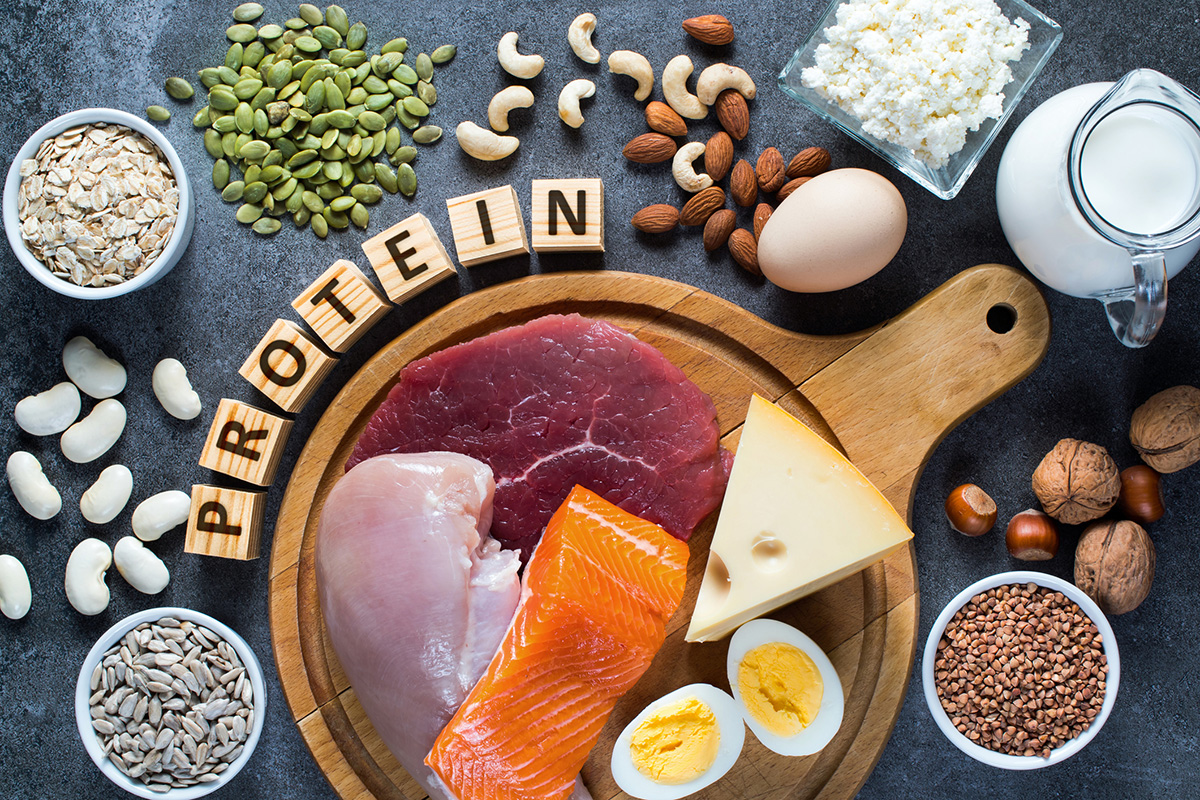
 With cases of high blood pressure rising globally, many are looking for ways to reduce hypertension without the use of medication. A new study from China may have found an interesting way to lower the risk of developing the condition.
According to the new research, eating a balanced diet including protein from various sources may help adults lower the risk of developing high blood pressure. Previous studies have shown a strong association between poor diet quality and an increased risk of cardiovascular disease and death from cardiovascular disease.
This new study analyzed health information from nearly 12,200 adults living in China who were part of the China Health and Nutrition Study from 1997 to 2015. Participants had an average age of 41 years, and 47% were men.
Each participant was given a 24-hour dietary survey which contained a protein variety score based on the number of different sources of protein consumed. These proteins included whole grains, processed red meat, refined grains, unprocessed red meat, fish, poultry, egg, and legumes.
The analysis found that more than 35% of the participants developed new-onset high hypertension during follow-up. However, participants with the highest variety score for protein intake had a 66% lower risk of developing high blood pressure. People who ate the least amount of total protein than those who ate the most protein also had the highest risk for new-onset hypertension.
Study author Xiahui Qin, M.D. explained, “The heart health messages that consuming a balanced diet with proteins from various different sources, rather than focusing on a single source of dietary protein, may help to prevent the development of high blood pressure.”
Reduce the Risk
With nearly half of the U.S. population having a hypertension diagnosis, it is vital to find ways to help reduce the risk. High blood pressure is one of the leading contributors to cardiovascular disease. When left untreated, it can damage the circulatory system contributing to heart attack, stroke, and other health conditions.
Healthy Blood Pressure Support contains several ingredients that have been shown in human clinical studies to help support healthy blood pressure. This unique formula can also help to support healthy cholesterol levels and overall cardiovascular health.
By combining healthy protein sources and getting the proper vitamins and nutrients, research shows that the risk of high blood pressure can be reduced.

 There are so many things that make naps nice. It can be a way to warm up and get cozy on a cool afternoon, recharge for an upcoming event, or recharge after a long night.
 Exercise has a ton of benefits, and one of them is better sleep. But when it comes to sleep, are all workouts created equal?
 New research published in the journal Evidence Based Mental Health suggests that low folate levels in the blood may be linked to a higher risk of dementia and death in older people. It is estimated that up to one in five older adults are wholly deficient.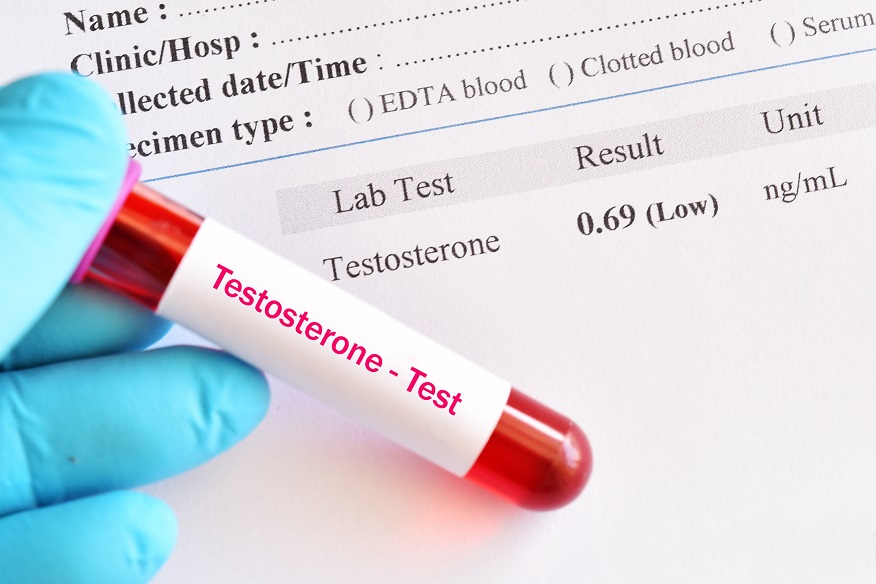
 What comes to mind when you think of testosterone? Aggression, machismo, road rage, or dads fighting at their children’s sports games? Maybe a little promiscuity?
 According to a new report from a Northwestern Medicine study, light exposure during nighttime sleep may harm heart health. Even moderate ambient lighting during nighttime sleep has affected cardiovascular function and increased insulin resistance the following morning.
 Do you think about heart health while you’re brushing your teeth (or not)?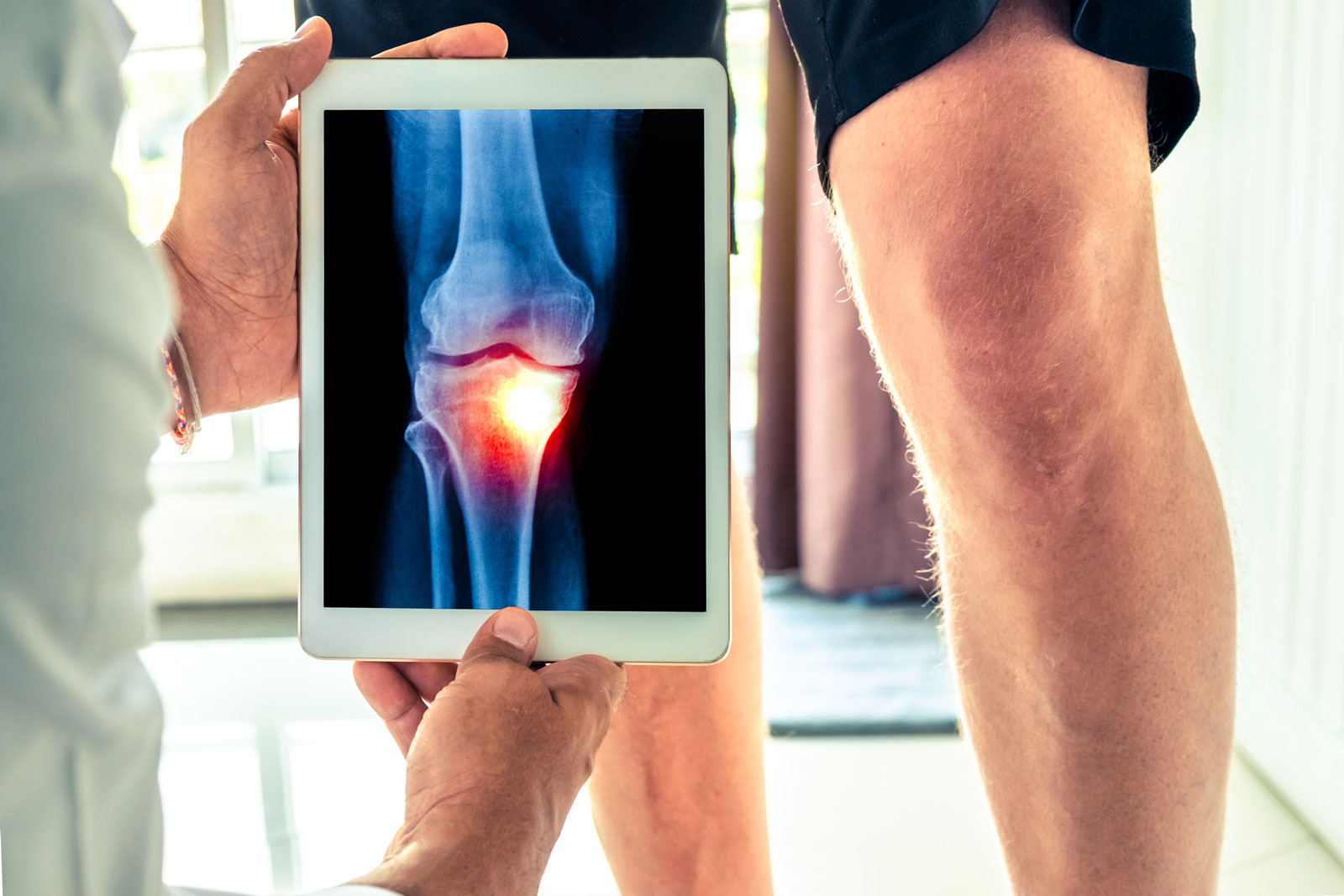
 Recent data has shown a massive increase in osteoarthritis cases in recent decades. To stop yourself becoming one of these statistics, it could be time to get moving.
 A new study has found a link between damage to the inner ear system in Alzheimer’s disease patients and an increased risk of falls. The research published in the Journal of Alzheimer’s Disease is believed to be one of the first to demonstrate the vestibular system’s effect on balance.
 Sixty minutes per week seems like a small price to pay for anything, particularly adding some extra years to your life.
 Research shows that exercise may effectively treat long-haul COVID symptoms such as diabetes and depression. Many people who have had COVID report long-term symptoms well after the virus first appeared.
 Forgetfulness is not something you’re looking forward to, yet you know it’s likely going to happen. It seems like memory is something that always drops off with age.
 There are dog people, and there are the rest. And as strange as it may seem, dog lovers could really be onto something.
 Mental health struggles in winter are discussed regularly. The darkness, cold temperatures, and snow can all contribute to isolation and depression. Seasonal Affective Disorder (SAD) commonly affects people in the winter.