


Foods to Help Your Bladder

You might not think of food when it comes to bladder health or managing a sensitive bladder. If not, that’s completely understandable. But you might want to start.

Thinking about how food may impact your bladder may help tame a sensitive bladder and allow you to regain some control. An irritated or overactive bladder, after all, can be extremely frustrating and be a major hit to your quality of life.

Some foods can irritate your bladder, while others can help soothe it. Exactly what foods do what, however, will be dependent on your individual case.

Finding out if a particular food or substance irritates your bladder is really a process of elimination and something that you and your healthcare provider can work on. To test how your bladder responds to eliminating foods, you can:

  • Keep a food diary to track which foods irritate your bladder and which do not
  • Removing the irritating foods for a few days
  • Adding foods back in once symptoms have subsided to see if they lead to irritation

Some foods commonly cause bladder irritation. Alcohol, coffee, citrus fruits, tomato-based foods, artificial sweeteners, and spicy foods fall into this category. That isn’t the complete list, but those ones certainly can bother a sensitive bladder.

Foods that may help soothe your bladder, or at least be bladder friends, are extensive as well. Some include:

  • Pears
  • Bananas
  • Green beans
  • Winter squash
  • Potatoes
  • Lean proteins, particularly when baked or broiled
  • Whole grains
  • Eggs
  • Nuts

Once again, individual foods will vary between people.

How do you even know if you have a sensitive bladder? Well, if you don’t drink a lot of water and find yourself having to go regularly, that is a sign. It may also present itself with strong urges to pee, needing to go frequently, and pain in the lower abdomen.


“Low-Value” Medical Tests and Procedures about In America

At what point does the best quality care lose its value?


That’s a question a new report by the American Heart Association (AHA) has attempted to answer. These days, there are several diagnostic tests and procedures that can offer plenty of information to both patients and doctors. But are they worth it?

Just because humans can do something doesn’t necessarily mean they should. And the AHA is saying that Americans are receiving too many heart tests and treatments that don’t really do anything.

And all these potentially useless tests can lead to plenty of stress, time, money spent, and more invasive testing that compounds the stress, time, and money.

“Low-value” medical care is a longstanding issue. AHA data suggest that about half of Americans will receive at least one of these tests or procedures every year. They also account for about 30 percent of annual health care spending in the country.


Low value span various fields, but when it comes to heart procedures, the AHA identifies:

  • Annual stress tests for people who have had angioplasty or surgery to clear blocked arteries
  • Echocardiograms to assess people who have fainted but show no signs or symptoms of heart problems
  • Coronary calcium tests for people already known to have heart disease

So, what can you do? You can ask your doctor why you needed these tests. And it’s not that these tests are inherently low-value. They are, however, not necessary for certain cohorts.

Why do doctors keep doing them? There are a few reasons. One is that doctors continue to apply outdated best practices. These tests may have seemed great 15 years ago, but new data gathered since shows otherwise.

Financial motives may be in play as well. More testing means more services to charge patients for.

Lastly, patients can also play a role. Sometimes they demand unnecessary tests or treatments, and their caregiver obliges.

In any event, it’s a good idea to educate yourself about what specific tests are for and if you need one. Talk to your doctor and ask their opinion, and, of course, why you may need a particular assessment or treatment.

Allergy Season Is Coming: Prepare Yourself

Every year, allergy sufferers get it handed to them in spring. As they seek to breathe the fresh air and enjoy the season, pollen and other allergens have another idea.
Even though seasonal allergies come annually, they can still cause many surprises, particularly as many are still focused on the pandemic. If you’ve got COVID on your mind, you might not be thinking about spring allergies when the symptoms show up.

Getting ahead of allergy symptoms could be one of the best ways to give your immune system some added support. Stock up on any allergy medications you take, and perhaps book an appointment with your doctor to identify allergies and develop a treatment plan.

Some suggest starting to take allergy medications a few weeks before the season, mainly because climate change may lead to an earlier appearance of symptoms.

Allergies are your body’s natural response to certain compounds. If you’re sensitive to tree pollen, for example, your immune system activates when you breathe it in. The results can be a runny nose, itchy, watery eyes, headaches, coughing, or fatigue.

And that can make things a little scary during a pandemic. Many of those symptoms are similar to the omicron COVID-19 variant. One key difference is that a COVID infection is likely to cause a fever, a rare symptom for most allergies.

Here are a few things to remember if you suffer from seasonal allergies:

  • Keep home and car windows closed. You may be tempted to open them up for some fresh warm air, but it’s a bad idea if you’ve got a pollen allergy.
  • Wash hands and a face when you come indoors. If allergies are serious, change and wash clothing.
  • Identify allergy triggers
  • Talk to your doctor about treatment options, including immunotherapy.

Nordic Diet Lowers Cholesterol and Blood Sugar Even without Weight Loss

New research has found clear evidence that a Nordic diet can lower blood sugar and cholesterol levels even without weight loss. Previous studies pointed to the range of diseases that a Nordic diet can help prevent, but these health benefits were always associated with weight loss.


A Nordic diet is a healthy diet composed of foods common in the Nordic countries, such as fish, whole grains, berries, and vegetables. The dietary fats found in these foods are thought to be responsible for the diet’s health benefits, such as reducing the risk of cardiovascular disease, type 2 diabetes, high blood pressure, and high cholesterol.

This new study from the University of Copenhagen along with researchers from Finland, Norway, Sweden, and Iceland, examined blood and urine samples from 200 people over the age of 50. All participants had elevated BMI and increased risk of diabetes and cardiovascular disease. The participants were divided into two groups – one providing foods according to the Nordic dietary recommendation and a control group on their habitual diet.

After six months of monitoring, the results were clear. The group that had been on the Nordic diet became significantly healthier, with lower cholesterol levels, better regulation of blood sugar levels, and lower overall levels of both saturated and unsaturated fat in the blood. It was noted that even in participants who did not lose weight, these improvements stayed true.

Researchers point to the unique composition of fats (omega-3 and omega-6) in a Nordic diet as a possible explanation for the significant health benefits.

“We can only speculate as to why a change in fat composition benefits our health so greatly. However, we can confirm that the absence of highly processed food and less saturated fats from animals have a very positive effect on us,” said Lars Ove Dregsted, head researcher.

Supporting a Healthy Lifestyle

Along with following a healthy diet, some vital nutrients and vitamins can help lower cholesterol levels and reduce the risk of diabetes. Healthy Blood Sugar Support uses several ingredients that have been clinically proven to help support healthy blood pressure. It’s unique formula also provides comprehensive support for healthy blood sugar and overall health.

Support for cholesterol health is also important throughout life for living an active and healthy lifestyle. Clinical Strength Cholesterol Support uses the powerful combination of artichoke extract, CoQ10, garlic extract, and B vitamins to help support healthy cholesterol levels. Backed by strong scientific evidence, Clinical Strength Cholesterol Support makes an ideal cardiovascular health supplement.

Boost Your Hearing, for Better or for Worse

According to a new study, how you listen may influence your ability to retain information. The study, however, isn’t about “active” listening or ways to become a better listener. Instead, it looks at a common tool that may play a big role in perception.


Depending on who you ask, headphones can be great. On the one hand, they can allow people to enjoy sounds without bothering others while creating a more personal listening experience.

Others may argue that they can contribute to social isolation, ear damage, and make people more easily influenced.

The research, published in the journal Organizational Behaviour and Human Decision Processes, says that headphones have a significantly greater impact on listeners than external speakers because they put “voices inside your head.”

Headphones create a phenomenon called in-head localization, making the speaker, or sound, sound like it’s inside your head. This allows listeners to feel closer to the communication, both physically and socially. The result, researchers say, is that listeners perceive what they hear as warmer and are more likely to feel and behave more empathetically to what they are hearing. This may make them more easily persuaded.

Investigators used experiments and surveys involving more than 4,000 people and learned that headphones have a much stronger effect on people than external speakers.

This can be useful, for example, if you’re having a video call with your doctor. Wearing headphones may help you better retain the information and follow their instructions. The headphones may play a very beneficial role when you have something important to listen to.

But they may also be dangerous. For example, they may make listeners more sympathetic or susceptible to influence from potentially harmful on-air personalities like podcasters, radio, or television hosts.

These are all things to think about when deciding how you listen to something.

Another thing to think about is how loud and long you listen with headphones. When headphones are too loud, they can damage sensitive cells in your ear.

Headphones can be turned up much louder than what’s safe, often programmed to hit levels in the 105-110 decibel (dB) range. For reference, a leaf-blower or lawnmower, which can damage hearing, is 85 dB. Damage can occur relatively quickly at this level.

The loudest you’ll want to go with headphones is about 70 dB. Up to that and you should be safe and be able to listen for an extended period. A good gauge is to take the phones off and hold them at arm’s length. If you can hear what’s playing, turn them down.

These 3 Risk Factors Had a Greater Influence than Others on Dementia

New research has defined modifiable risk factors that have the most significant influence on dementia. According to scientists, nearly half of all dementia cases in the U.S. are connected to low physical activity, obesity, and high blood pressure. As these are easily modifiable risk factors, these findings suggest that a large portion of dementia cases could be prevented.
The number of dementia cases in the U.S. has been climbing along with population ages. Approximately 5.8 million U.S. adults live with Alzheimer’s disease and related dementias each day. This number is expected to hit 14 million by 2060, with Hispanic and black adults seeing the most significant increases.

Previous research had identified 12 modifiable risk factors linked to roughly 40% of dementia cases worldwide. Some of these risk factors included education level, hearing loss, traumatic brain injury, excessive alcohol consumption, high blood pressure, obesity, and more.

For this new study, researchers set out to determine if some of these risk factors had a greater influence than others on dementia. They also wanted to know how it differed among black, Asian, Hispanic, and white adults. Data was analyzed from the Center for Disease Control National Health and Nutrition Examine Survey and five other datasets.

It was determined that 42.4% of all dementia cases in the U.S. were linked to the 12 factors, with three heart-related factors standing out among the others across all races. Physical inactivity contributed to 6.7% of these cases, obesity to 7%, and high blood pressure, also known as hypertension, contributed to 6.7%.

The highest percentage of dementia cases among black adults was attributed to these risk factors. The percentage of all 12 risk factors combined was the highest among Hispanic people, and Asian people had the lowest percentage of all combined risk factors.

The study noted that higher rates among Hispanic and black people might be due to higher rates of diabetes and heart disease, which are also linked to dementia risk.

Researchers believe these findings point to the need for better strategies to help reduce heart-related risk factors. By taking steps to modify health risks, dementia risk can be lowered. Lifestyle changes, combined with medication as needed, should be part of a healthy lifestyle change.

Researchers say the next step is to determine which interventions are most effective for reducing each of the 12 modifiable dementia risk factors. A deeper investigation is also needed into the social detriments of health. 

Taking Care Of  Your Brain Function

Mental health and brain function are important aspects of health to take care of as you age. As this study shows, modifiable behaviors can go a long way to helping decrease the risk for dementia, and there are numerous factors that can take a toll on the ability of the brain to function at peak potential, causing concentration, memory, and cognitive function problems.

The Smart Pill is a unique formula that can help combat environmental and behavioral factors with its nine ingredients to support, nourish, and maximize brain health. With ingredients including ginkgo biloba, huperzine A, rosemary extract, and more, it can help to boost circulation, fight free radicals and provide nutritional support to assist in healthy brain function.

The Cramping in Your Legs Could Be PAD

Temperatures have been creeping upwards, and the snow is starting to melt. You may be getting ready to head outside for some exercise if you haven’t already.
Getting active after a long period of inactivity can cause a bit of a shock to the system. You may notice some cramping in your lower body, as well as other aches and pains.

But not every cramp or pain in the legs is as innocent as growing pains. Sometimes it can be an early signal of a condition called peripheral artery disease, or PAD, and it should be checked by your doctor.

PAD happens when plaque develops in the blood vessels of the extremities and restricts blood flow to the legs and sometimes arms. If left alone to become severe, it can lead to amputation.

Early-stage symptoms are barely noticeable or easily attributable to something else. The first signs of a problem are repeated pain, cramping, or heaviness in one or both legs while walking or exercising. These symptoms happen because muscles aren’t getting oxygen or nutrients.

If allowed to advance, symptoms can become more severe and include wounds or ulcers on the feet that won’t heal. Continuous pain or numbness is also a possibility.

With PAD, the earlier it is identified and treated, the better the outcome is likely to be. Treatments often include dietary changes, exercise, medication, and in some cases, medical procedures.

Genetics plays a role in PAD risk, but 4 of the top 5 risk factors are controllable. Smoking, high blood pressure, high blood sugar, diabetes, and high cholesterol will all boost the risk of PAD but can also be controlled with lifestyle decisions.

Smoking is the biggest risk factor, as PAD is far more prevalent in smokers than non-smokers.

Quitting smoking, getting into a structured exercise program, and eating a healthier diet can all help. If pain persists during exercise, take a rest when needed.

If you’ve been experiencing pain in your legs, talk to your doctor. If they can identify PAD, they can help you develop the best way to treat it.

A Few Things You Need to Know About Cholesterol

You’ve surely heard of high cholesterol, but like many Americans, you probably have no idea if you have it. High cholesterol comes with no symptoms, and most don’t learn their levels until they visit a doctor and have it looked at.


According to the Centers for Disease Control and Prevention (CDC) nearly 94 million adults over age 20 have what can be considered borderline high cholesterol. But what does that really mean?

Cholesterol is a waxy, fat-like substance (lipid) that’s in your body. It’s used for several functions, including producing hormones, and it can also play a role in heart health.

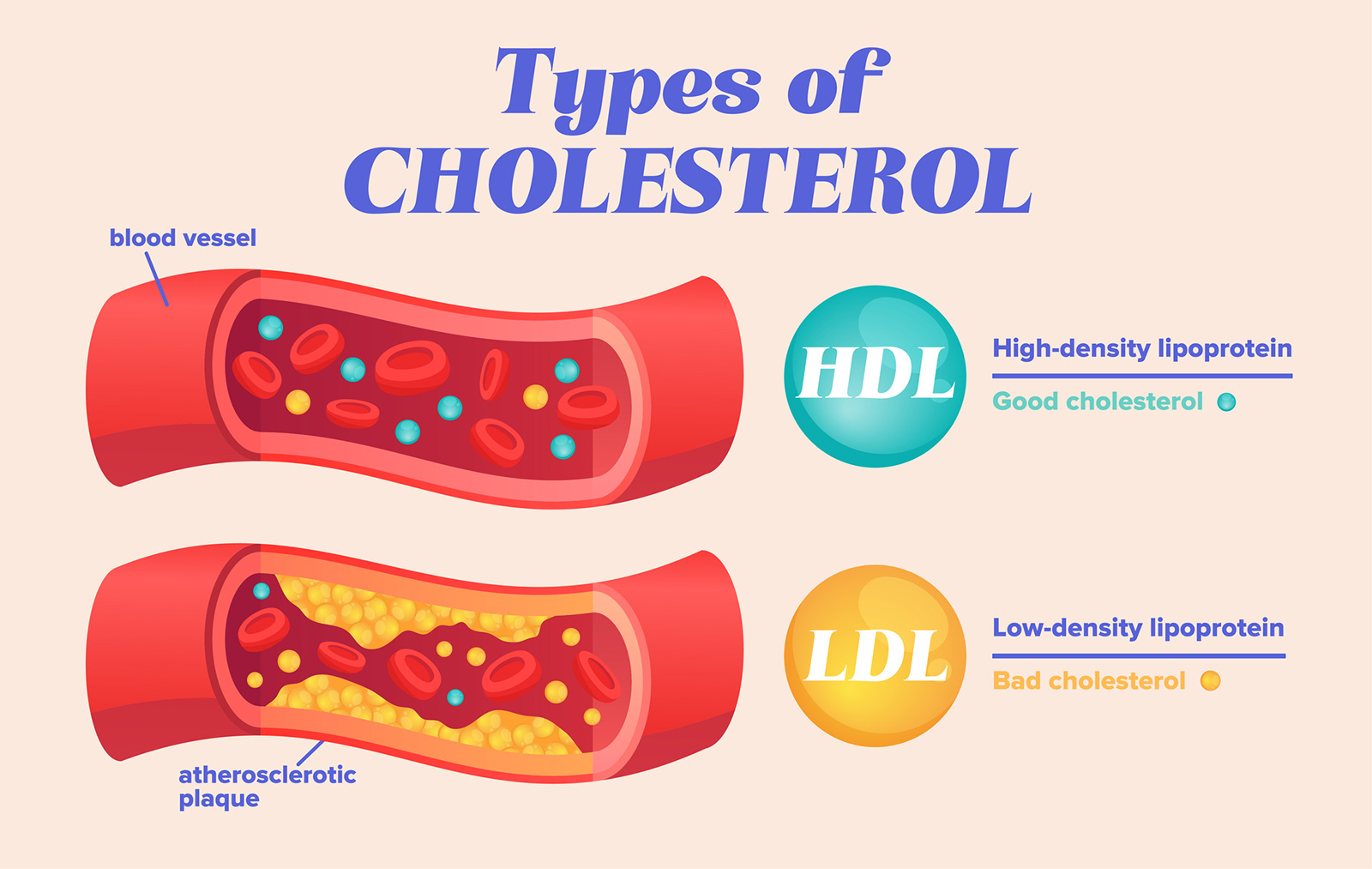
There are two main types: high-density lipoprotein (HDL), or “good cholesterol,” and low-density lipoprotein (LDL), or “bad cholesterol.”

HDL is potentially helpful and productive to heart health because it absorbs cholesterol in the blood and veins and carries it back to your liver. LDL can be potentially harmful because it can accumulate on blood vessels walls, stiffen arteries, and limit blood flow space.

Most people associate cholesterol with the food they eat. But your body produces it naturally, and you’re going to have it whether you eat it or not. Genetics may be the most significant factor in overall cholesterol.

What you eat, in fact, probably plays way less of a role than you might think. The amount of cholesterol in your diet has little impact on cholesterol levels. Instead, high-sugar foods tend to have a greater impact, prompting the liver to create more LDL.

Either way, your body is making cholesterol independently whether or not you’re eating it.

In recent years, doctors have moved away from “hard and fast” cholesterol levels and consider them more in the context of a person’s overall health. Elevated cholesterol may be more concerning if a person has high blood pressure, diabetes, or other heart disease risk factors.

Eating a diet that prompts your body to produce more HDL and less LDL may make a difference in cholesterol levels or at least improve the ratio of HDL/LDL in your blood. Foods that may help accomplish this are nuts, avocado, and fatty fish.

Intake of Liquid Fructose Associated with Fatty Liver Disease

Fatty liver disease is a growing concern as doctors see an increase in cases globally. Although a high-fat diet is not enough to cause short-term fatty liver disease, if it is combined with the intake of beverages sweetened with liquid fructose, researchers have found that it may increase the risk. The accumulation of these fats in the liver can accelerate, and hypertriglyceridemia can appear.

This new research was explained in his study involving an experimental mice model and published in the journal Molecular Nutrition and Food Research. According to the study, the effect caused by fructose in the increase in the synthesis of fatty acids in the liver was found to be more destructive than the fats found in the common American diet.

Fructose is one of the most common sweeteners in the food industry. This simple sugar is industrially created from corn syrup. With low production costs and a sweet flavor, fructose is used by the food industry to sweeten sauces, beverages, and processed foods despite the scientific evidence that has found it to be a risk factor for metabolic diseases, which can lead to cardiovascular risks.

This new study adds to mounting evidence that consumption of fructose-sweetened drinks adds to the risk of non-alcoholic fatty liver disease (NAFLD). Unfortunately, a fatty liver is the starting point for more severe conditions such as cirrhosis and steatohepatitis.

The effects that are described in this study were observed from liquid fructose. When the liquid is added into sweetened beverages, fructose is quickly absorbed through the liver, which produces metabolic alterations.

Fructose is also found in fruit; however, the amount taken in is lower than a sweetened drink. Also, the process of chewing and taking in fiber with fructose slows down the absorption and its arrival to the liver.

Healthy Liver

A healthy liver is essential to overall well-being. Lifestyle behaviors are vital to keeping a liver healthy such as eating a healthy diet, getting plenty of physical activity and providing the liver with the vitamins and nutrients it needs to perform at its optimal level.

Liver Rescue is a formula designed to help support and maximize the performance of a healthy liver. With a unique combination of seven ingredients, including milk thistle, turmeric, dandelion extract, and artichoke, this herbal blend can help with with liver health detox and support.

Sleep Apnea in Postmenopausal Women Is Associated with Joint Pain Severity

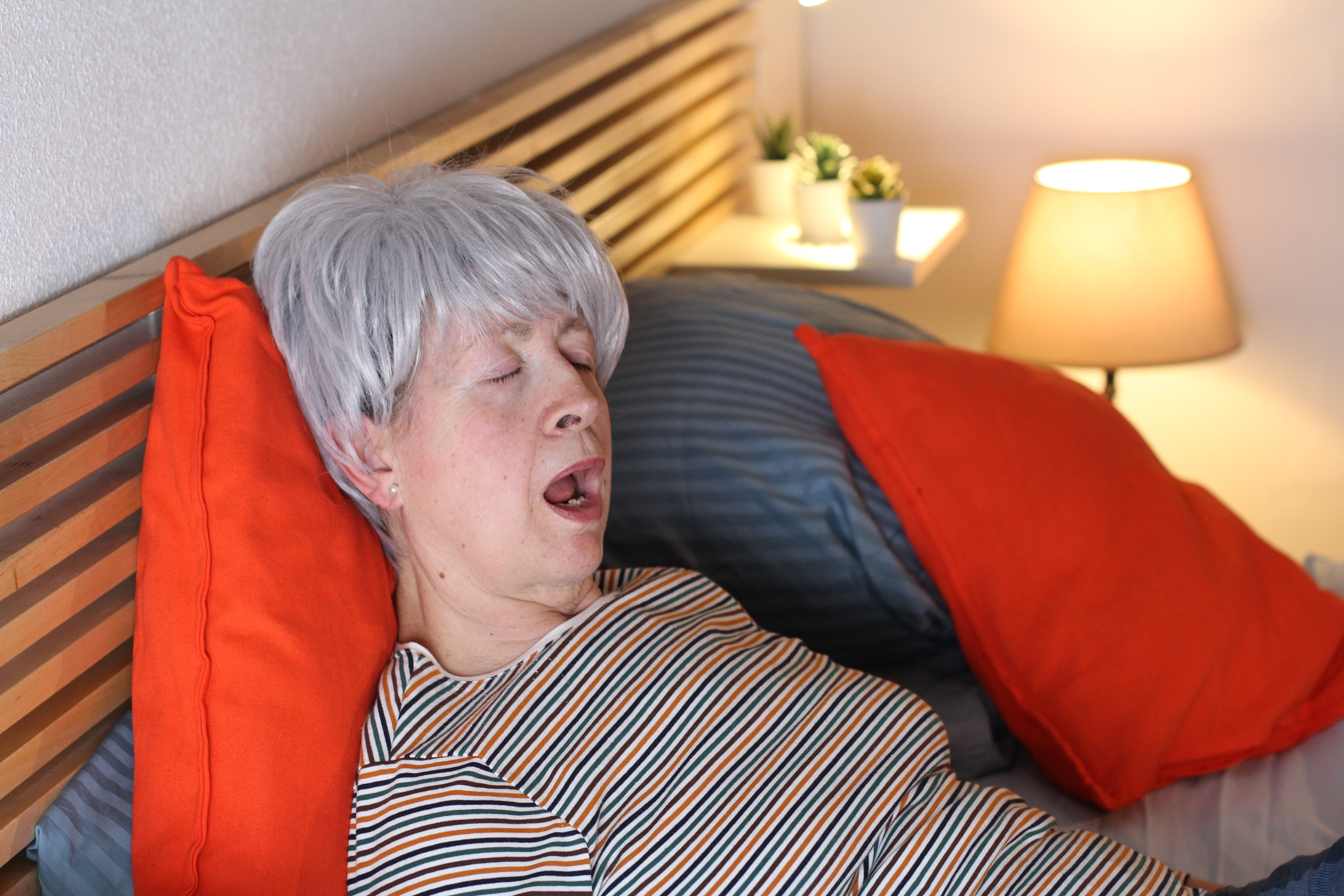
A new study published in the Journal of the North American Menopause Society suggests that obstructive sleep apnea (OSA) may lead to increased joint pain in postmenopausal women. Many health issues are associated with the menopause transition, including sleep apnea and joint pain.
Since the incidence of obstructive sleep apnea (OSA) has been found to increase through menopause, it has been suggested that it could be caused by a decrease in the level of sex steroids. This hypothesis comes from previous research that shows how hormone therapy can reduce the incidence of sleep apnea. Postmenopausal women are also more likely to experience musculoskeletal joint pain during and after menopause, which is another problem that is linked to hormone changes.

Sleep apnea is a disorder that is a risk factor linked to hypertension and diabetes, contributing to the progression of cardiovascular disease. Due to the severity of these risk factors, health care professionals are making an effort to decrease factors that may contribute to this disorder.

Previous studies showed that the severity of hot flashes could be associated with the risk of sleep apnea in middle-aged women. Although this study reached this conclusion, the relationship between other symptoms common to middle-aged women who suffer from sleep apnea is still not fully understood.

This new study suggests a significant association between sleep apnea and joint pain. Researchers believe that joint tissues have estrogen receptors, and estrogen plays a role in maintaining the homeostasis of articular tissues such as ligaments, cartilage, and muscles. Additionally, more extensive studies are needed to verify and expand these findings.

Dr. Stephanie Faubion, author of the study, explained, “This study highlights an opportunity to increase identification of women with OSA, which is underdiagnosed in women who often present with vague symptoms such as insomnia, fatigue, and morning headaches. According to these findings, joint pain may be another symptom that should prompt consideration of a diagnosis of OSA in women.”

Getting A Good Night’s Sleep

A lack of sleep can cause more than just tiredness and diminished performance. A poor night’s sleep can affect healthy body weight, blood sugar levels, cardiovascular health, and mood. It can have an overall devastating impact on your health.

Due to today’s fast-paced lifestyles and stress, numerous factors can affect getting a good night’s sleep. Sleep Sure Plus is designed to help promote optimal restfulness and sleep period by using a variety of ingredients. This doctor-formulated combination of ingredients includes melatonin and valerian, some of the best natural ingredients for promoting rest and relaxation.

As this study has outlined, poor sleep may be associated with joint pain severity. As you age, it is vital to maintain healthy joints to help reduce pain and stiffness. Pain Easer is a topical solution that can help to temporarily ease pain and discomfort on contact.

With a variety of ingredients, including camphor, a proven natural pain reliever, this easy-to-apply spray makes it convenient to get fast-acting relief. If you have sore, aching joints, don’t suffer any longer. Get a good night’s sleep and apply Pain Eraser!

Body Weight Can Influence Pain Across the Body

Many can rationalize that elevated body mass may promote pain in the lower limbs. After all, your lower body bears the stress of holding you up.


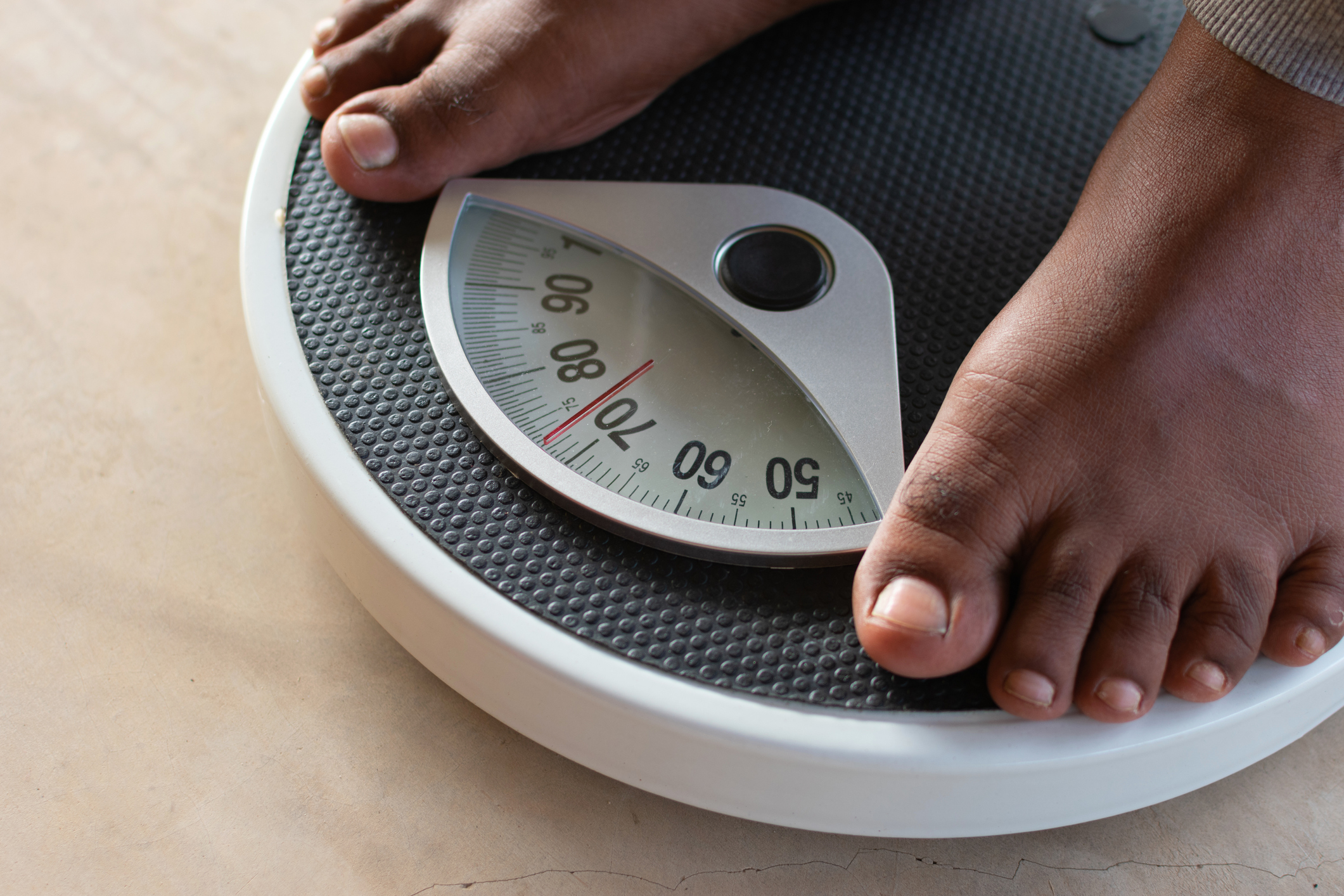
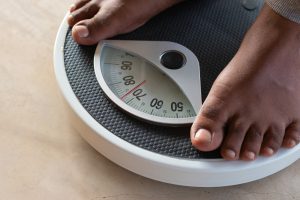
But new research associates body mass index, or BMI, with greater pain severity in the knees, feet, and hips, as expected, but also in the hands, in people with osteoarthritis.

Osteoarthritis is the most common type of arthritis, caused by “wear and tear” on the joints over time. It differs from rheumatoid arthritis because it is not an autoimmune and inflammatory disease.

This new study suggests, however, that inflammation can contribute to osteoarthritis.

Being overweight or obese is associated with a host of health problems. Like heart disease and diabetes, many of those problems are driven by inflammation. Excess body fat is associated with higher levels of systemic inflammation, which may lead to pain in seemingly unrelated conditions.

According to this new research, body weight may have a systemic impact that leads to joint pain in the hands and the rest of the body. It appears joint pain may be less about weight than how excessive body fat impacts immune response.

Researchers looked for an association between BMI and pain in 281 people with osteoarthritis. They found that each 5-unit increase in BMI was associated with more severe hand pain.

BMI is a measurement of body fat based on a person’s height and weight. You can find a number of BMI calculators online.

If you’re suffering from pain in your hands and wrists due to osteoarthritis, you may get some relief by attempting to pull your BMI back into the “normal range.” Limiting processed foods, eating more fruits, vegetables, nuts, legumes, and lean protein, as well as including more activity into your day, can all help.

It Doesn’t Take Much to Build a Healthier Heart

You may be well aware that activity can build a healthy heart and reduce the risk for heart disease.
But you might not know that you don’t have to run a marathon or sweat buckets giving it your all on a Peloton bike.

Everyday household activities like gardening, cooking, and dishwashing all count in helping people at any age reduce the risk for heart attack.

A new study looked specifically at how household activities help women’s heart health, but men would likely experience the same benefits.

The research found that women who got at least four hours of such daily life movement had a 43-percent lower risk of heart disease, a 30-percent lower risk of stroke, and a 62-percent lower risk of dying from heart disease compared to those who had less than two.

You may not associate these daily activities with exercise, but your body can’t tell. As long as it’s moving, it will respond. Getting more activity each day, regardless of where it is coming from, can help improve blood pressure, blood sugar, and cholesterol.

The study followed more than 5,400 women between 63 and 97. For a week, they wore a device to track how much time they spent sitting, standing still, doing regular life movements, walking, and running.

After a 6.5 year follow-up period, they found that, on average, participants clocked about 3.2 hours per day of daily movement and 9.6 hours of sitting time each day. Clearly, that’s a lot of sitting time. The study counted every bit of movement – from the time your feet hit the floor when you wake up until the time they’re picked up and snuggled in bed.

Finding more enjoyable and active things to do each day can go a long way in improving heart health. These activities may not substitute for more vigorous exercise, but it is certainly complementary and beneficial.

Basically, just try to find a way to spend more time moving. It’s good for you!

Sciatica Hurts. But Where Does It Come From and What Can You Do about It?

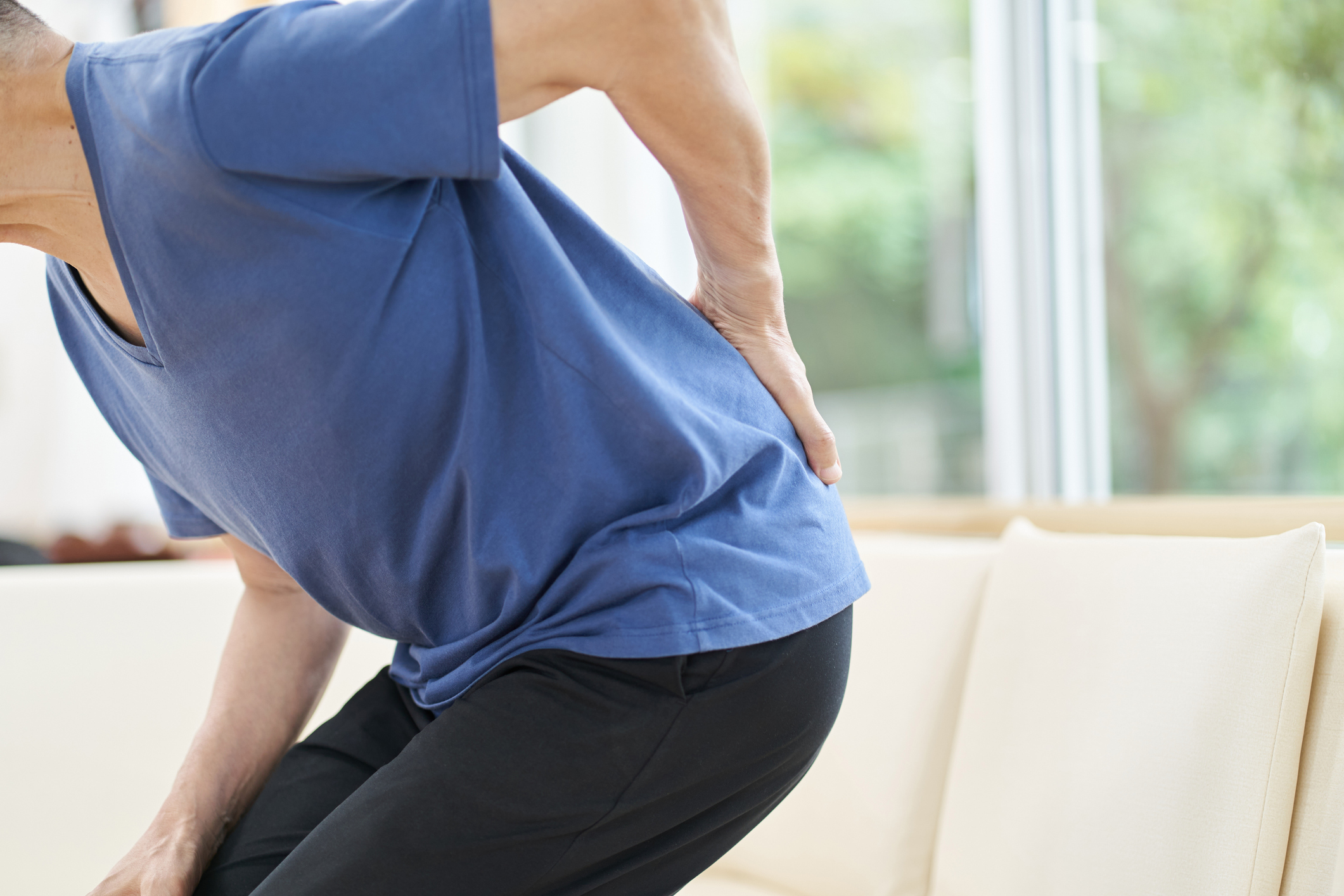
Sciatica causes intense pain in the lower back that can shoot up and down. It can leave you fearful and wary of attempting your favorite activities, let alone your daily tasks.

There are several potential causes of sciatica, and it generally comes from a few particular roots, namely the L4, L5, or S1. Nerves can become compressed or irritated when discs, bones, or ligaments are rubbing against them.

Inflammation in the area can also lead to pain in the surrounding tissue and nerves.

A herniated disc is the most common cause of sciatica. It generally happens in the lower part of the spine and is often referred to as a “slipped disc,” even though no slippage has actually happened.

Your spinal discs are tucked between vertebrae, where they act as cushions to keep bones from touching. These discs absorb all the pressure in the spine from walking, running, sitting, twisting, lifting, and virtually every other activity.

Herniated discs generally happen when the jelly-like filling in spinal discs breaks through the outer shell and pushes through the tear. It may put pressure on nerves that lead to pain.

Spinal stenosis is another common cause of sciatica.

Your spinal cord and the nerves that run along it are protected by something called the spinal canal. When the spinal canal shrinks and puts pressure on the nerves and spinal cord, it is called spinal stenosis.

Spinal stenosis is generally caused by disc degeneration, osteoarthritis, or thickened ligaments.

These are two of the most common causes of sciatica, but they are not the only ones. At-home treatments involve things like heat, cold, and stretching routines. Some use acupuncture or chiropractors to treat pain.

There are many medical options, as well, that should be discussed with your doctor.

If You’ve Had COVID You Need to Read This

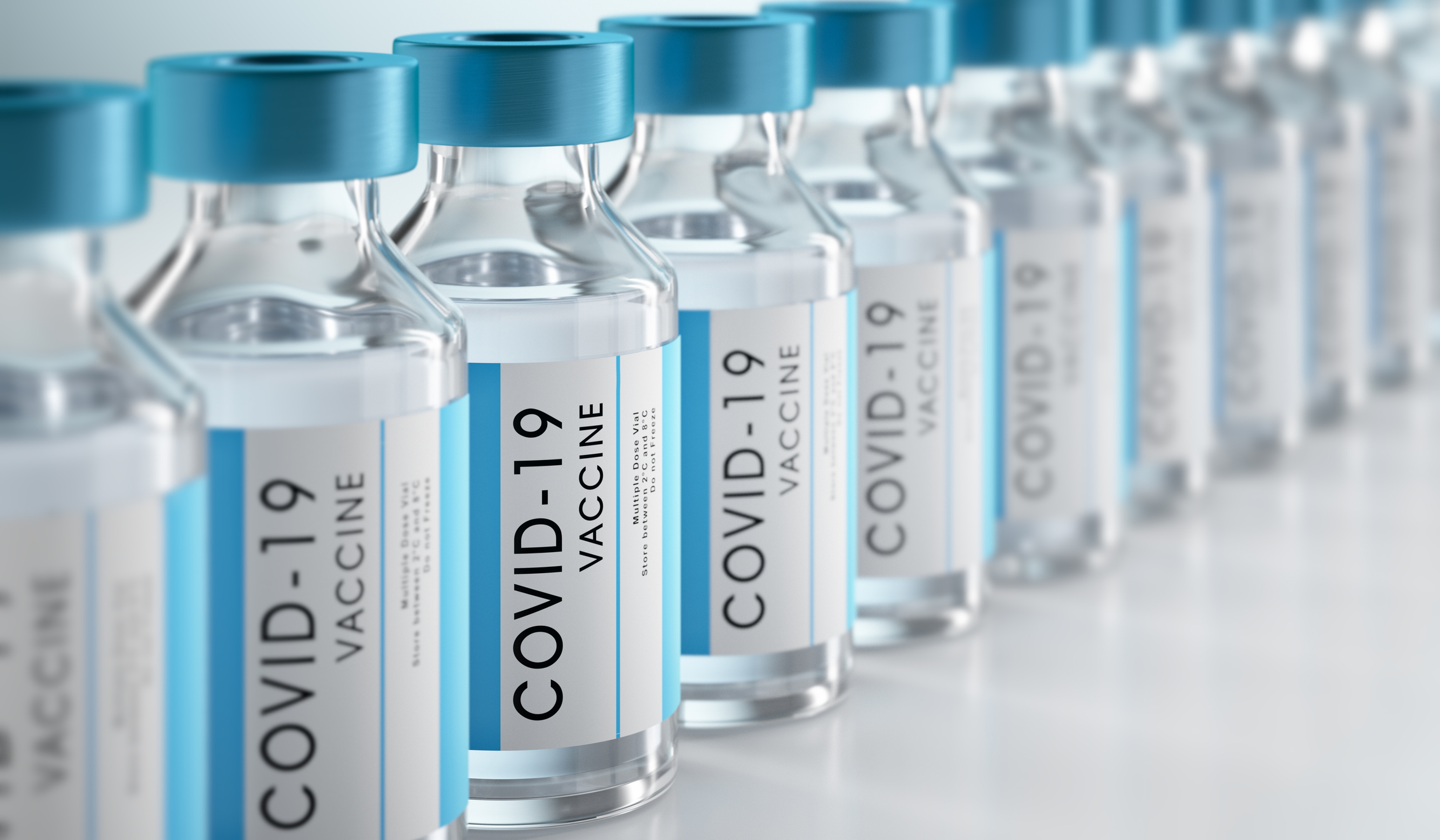
One of the reasons people decide not to get vaccinated against COVID-19 is that they have already had the virus.

New data shows that it’s not a good idea to rely on that.

There is no doubt that being infected with and recovering from the COVID-19 virus allows you to produce natural antibodies that might help to prevent reinfection. The thing is, those antibodies don’t last long.

Recent research suggests that immunity acquired from infection does not last long at all; roughly three months, to be exact. Much like a cold, flu, or other coronavirus infection, permanent immunity is not a reality.

Vaccination, however, can make a major difference. The study found that people who’ve had COVID and are unvaccinated are five times more likely to be reinfected than someone who’s had at least one shot of the COVID vaccine.

Many experts are predicting that variations of the SARS-CoV-2 virus are here to stay and that annual COVID shots will be required to enhance immunity and reduce the risk and severity of infection. Therefore, one infection or one series of vaccinations is unlikely to offer any long-term protection.

Vaccination significantly reduces the risk of infection and severe outcomes. The recent omicron wave suggests that even if vaccinated people were infected, they were highly likely to experience minimal symptoms and were not ending up in hospitals.

COVID-19 is likely here to stay, and a certain amount of individual and communal responsibility will be required to avoid infection, especially as many municipalities adjust their philosophy to living with the virus.

Protect yourself, and others, by getting vaccinations and adhering to local public health guidelines.

Five-Star Guarantee of Satisfaction