


Cocoa Doesn’t Necessarily Protect against Digestive Distress Resulting from Exercise

Are you an athlete who loves to have a post-exercise cup of cocoa to help with digestive distress? While cocoa does have some benefits, new research suggests long-term daily consumption doesn’t protect you against digestive distress resulting from exercise and only has a small effect on gut microbiomes.

Why do some people get sick after exercising? They’re not sure, but one thing that might be responsible for their nasty stomachs and other symptoms is the strong impact on our digestive system. Vigorous or intense exercises can cause quite a few negative repercussions like nausea, heartburn, abdominal cramps, and other gastrointestinal problems.

More research is needed to determine whether long-term cocoa consumption can alleviate these issues. Previous studies have suggested that it could help the gut because of the high level of flavonoids found in the delicious substance.

Flavonoids enhance antioxidant and anti-inflammatory activities, which are thought to be helpful for the gut microbes, along with having prebiotic effects on beneficial bacteria and reducing exercise-related digestive problems.

The study included 54 physically fit male athletes who followed strict training routines over ten weeks. Participants supplemented their diet with either flavonoid-rich cocoa or a placebo starch powder mixed into skim milk. This beverage was consumed daily at breakfast. The participants performed a high endurance running test at the beginning and end of their training period.

Researchers found that the participant’s gastrointestinal symptoms did not change in either group, indicating that the cocoa did not improve exercise-induced digestive complaints. Researchers noted only slight effects on the gut microbiome and plasma and fecal metabolites. The study was concluded by saying that coco is not a practical exercise supplement for suppressing gastrointestinal problems or improving the gut microbiome of endurance athletes.

Colon Health

Healthy digestion is an essential part of overall good health and quality of life. People who fear gas, bloating, or diarrhea may stay home because they feel trapped by these symptoms. Having a healthy gut plays an important role in maintaining a balance between mind/body connections.

Improperly digested food can also impact the absorption rate of nutrients from what we eat, leading to nutritional deprivation for our bodies.

Healthy Colon can help support and improve healthy digestion for those who have IBS or other gastrointestinal issues. It contains a unique blend of 16 ingredients that are designed to help support and enhance healthy digestion.

By using a wide range of ingredients, including natural sources of fibre, probiotics and herbal ingredients, Healthy Colon can target several causes of digestive issues, promoting overall health and wellness.

Activity May Keep Senior Moments At Bay

What’s good for the heart is good for the brain, so if you want to remember your most heartwarming and precious memories, it’s a good idea to get moving.


New research shows that when sedentary adults started to exercise, they had improvements in their ability to recall meaningful moments or events vividly. This type of memory is called episodic memory, and it is one of the first areas of cognition to show changes in people with Alzheimer’s disease.

Researchers reviewed 36 studies involving 2,750 people (with an average age of 71) who exercised for 15 to 90 minutes three times per week for 18 to 39 weeks.

Although the benefits were most pronounced in those who’d yet to experience any memory loss, everyone showed benefits in recall when they exercised consistently several times per week.

You don’t have to get up and exercise every day, either, to experience some benefit. They found that being active at least three times per week was enough to see a benefit. It took about four months of consistent activity for the benefits in episodic memory to appear.

Routine physical activity can also help with sleep and mood, as well as heart health and body weight, which all have an impact on brain function and memory.

The study looked mainly at the benefits of walking, dancing, and swimming, but any form of activity will work. The most important thing is that it is something that is accessible and enjoyable. Doing something you like makes it very easy to stick with.

Walking is accessible to most people and is extremely underrated when it comes to benefits. It is not only great for mobility and physical movement, but studies suggest it can help reduce stress and increase well-being.

If you’re interested in boosting brain power into your older years and holding onto your fondest memories, speak with your doctor about a suitable approach to exercise.

Oral Bacteria Are Associated with a Risk of High Blood Pressure among Older Women

According to new research, older women who carry certain types of oral bacteria are at risk for developing high blood pressure, also known as hypertension. The study found that these oral microorganisms were associated with the development of this condition in postmenopausal women and could help explain why some people’s immune systems fight against them more than others do.
High blood pressure is a medical condition in which the upper number of systolic (the upper number measuring pressure when the heart beats) of 130 mm Hg or higher, and diastolic blood pressure (the lower number indicating pressure between heartbeats) of 80 mm Hg or higher. It can lead to cardiovascular disease and stroke if not treated properly to prevent clots from forming due to its effect on circulation throughout body organs.

This is the first study to examine how oral bacteria affect blood pressure prospectively. The researchers found that people with existing periodontal disease had higher rates of hypertension, but this may be partly due to their dental health rather than directly related to the bacteria.

A few prior studies have indicated an association between bacteria. However, these were primarily cross-sectional (meaning snapshot) without any information on the frequency or quality of orally consumed foods that may interfere with oral bacteria.

For the study, researchers examined data from 1,215 postmenopausal women who had an average age of 63 years old at study enrollment. Researchers looked at records between 1997 and 2001 from the Buffalo Osteoporosis and Periodontal Disease Study in Buffalo, New York. Researchers recorded blood pressure and collected oral plaque from below the gum line at study enrollment. Medication use and medical and lifestyle histories were also assessed to help find if there is a link between oral bacteria and hypertension in older women.

Researchers found that ten bacteria were associated with a 10% to 16% higher risk of developing high blood pressure. Five other bacteria were associated with a 9% to 18% lower hypertension risk.

All results remained consistent after considering demographic, clinical, and lifestyle factors, including treatment for high cholesterol, older age, smoking, and dietary intake.

“Since periodontal disease and hypertension are especially prevalent in older adults, if a relationship between the oral bacteria and hypertension risk could be established, there may be an opportunity to enhance hypertension prevention through increased, targeted oral care,” said Michael J. LaMonte, Ph.D., M.P.H., one of the study’s senior authors.

Lifestyle Changes

Blood pressure should be monitored throughout life to help detect any possible health problems. If hypertension is established, it is vital to make lifestyle changes to help reduce the risks associated with the condition.

Healthy Blood Pressure Support uses a number of ingredients shown in human clinical studies to help maintain and support healthy blood pressure. Along with a healthy diet and regular exercise, Healthy Blood Pressure Support can be an excellent investment in promoting overall cardiovascular support.

You’ll Never Be “Too Old” for Exercise

Age might hold you back from a few things in life, like never being 23 again or having the appearance you once had. But it can’t hold you back from the benefits of exercise.
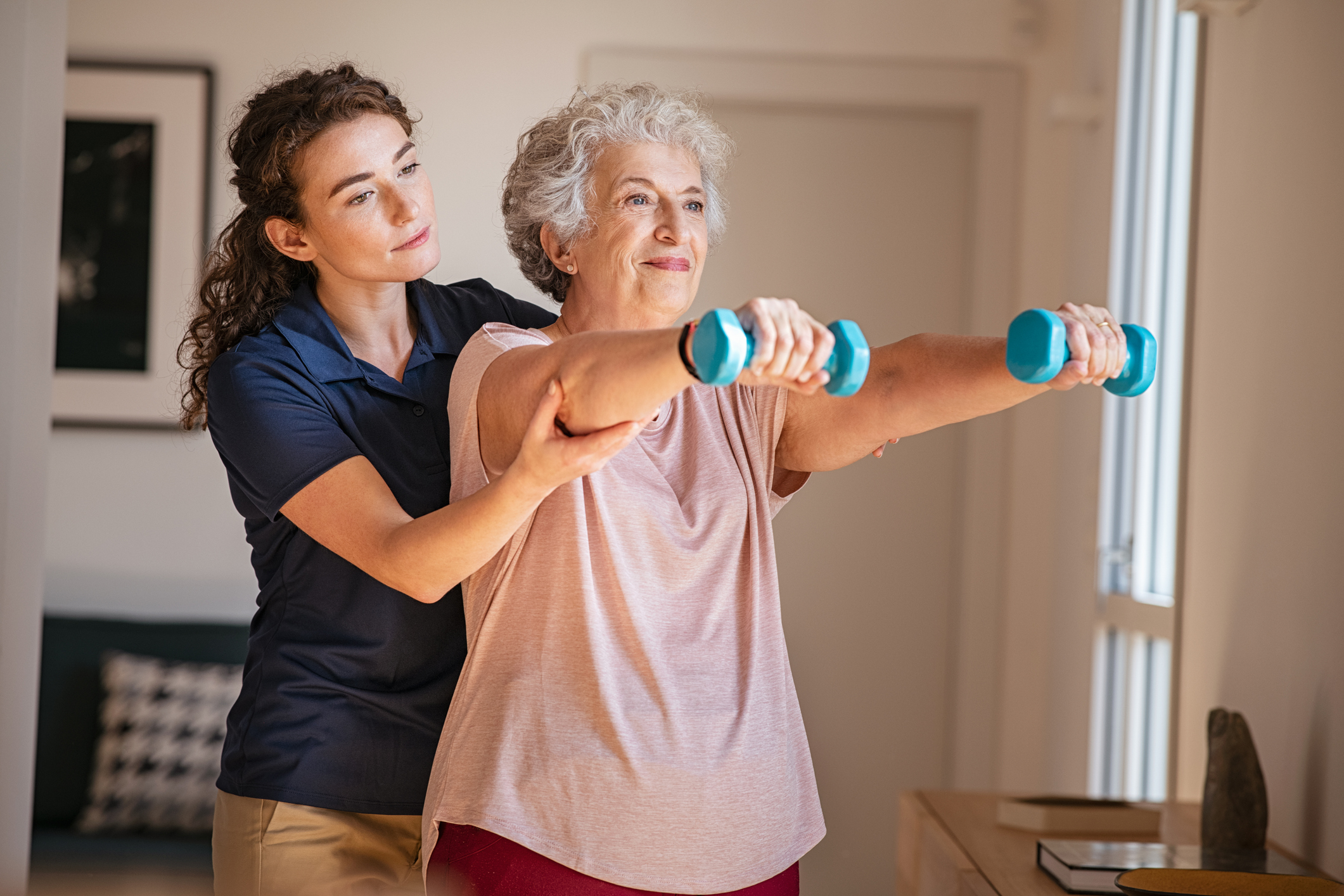
New research suggests that 70-year-olds can hold off disease with only 20 minutes of exercise per day. The study looked at nearly 3,000 Italians over 65 and found that regular exercise was linked with a 52-percent lower risk of future disease.

Researchers found that when it comes to late-life exercise, the earlier you start, the better it is for you. They learned that the greatest benefit of daily exercise occurred around age 70; it was only slightly lower at 75, and had less of a benefit, in terms of future health, at 80.

Even a small dose of daily exercise can help promote healthy aging and longevity later in life.

The main benefit of exercise is that it may slow down atherosclerosis, a disease where cholesterol plaque builds up along arterial walls and limits blood flow.

Movement may be the medicine you need for healthy veins and a healthy heart.

So, what kind of activity can you look to include in your life?

Anything you want.

Moderate physical activity includes things like fishing, bowling, and walking. Vigorous exercise can be things like gardening, working out in the gym, cycling, dancing, and swimming.

A bit of both is ideal, and remember, we’re only talking about 20 minutes per day here.

The American Heart Association (AHA) recommends the following for good heart health:

  • 150 minutes per week of moderate-intensity aerobic activity or 75 minutes of vigorous aerobic activity – or a combination
  • Muscle-strengthening activity with weight (body weight, bands, dumbbells, etc.) at least twice per week
  • Less time sitting
  • Increasing duration and intensity of exercise gradually over time.

People Who Are More Physically Fit Are Less Likely to Develop Alzheimer’s Disease

New research has found that people who are more physically active are less likely to develop Alzheimer’s disease compared to those who are less physically fit. The risk reduction was associated with the level of one’s fitness, meaning it is not an all-or-nothing proposition.


The study, which will be presented at the American Academy of Neurology’s 74th annual meeting, involved 649,605 military veterans who were registered in the Veterans Health Administration database. All participants had an average age of 61 and were followed for an average of nine years. None of the participants had Alzheimer’s disease at the start of the study.

The study identified each participant’s cardiorespiratory fitness level. This is a measure to tell how well the body transports oxygen to the muscles and how well they can absorb the oxygen during exercise.

Participants were divided into five groups, from least fit to most fit. Fitness levels were determined by the outcomes of participants exercising on a treadmill. The test measured exercise capacity, the highest amount of physical exertion a person could sustain.

It was found that the group with the lowest level of fitness developed Alzheimer’s at a rate of 9.5 cases per 1,000 person-years. These numbers compared to 6.4 cases per 1,000 person-years of the fit group. Person-years consider the amount of time spent in this study and the number of people involved.

Researchers adjusted for factors that could affect the risk of Alzheimer’s disease and found that people in the fittest group were 33% less likely to develop Alzheimer’s disease than those in the least fit group.

“The idea that you can reduce your risk for Alzheimer’s disease by simply increasing your activity is very promising, especially since there are no adequate treatments to prevent or stop the progression of the disease,” said Edward Zamrini, study author.

Researchers hope this study can help develop a simple scale that can be individualized to see the benefits that fitness can deliver.

Keeping the Brain Healthy

Brain function is an essential topic throughout aging. While some degree of cognitive decline is inevitable as you age, other numerous factors can take a toll on the ability of the brain to function at peak potential.

The Smart Pill contains a unique combination of nine ingredients to support, nourish, and maximize brain health. This includes ginkgo biloba, huperzine A, bacopa extract, Rosemary extract, and AB vitamin complex.

This unique formula allows The Smart Pill to help fight free radicals, boost circulation, and provide nutritional support to enhance cognitive function and memory.

Sex Can Help Keep You Young

As people get older, they might not have as much sex as they used to. And it’s not that they don’t want to, or they aren’t thinking about it. There seems to be more difficulty turning it into action.
Sex offers many health benefits that can be very helpful for older folks, so it might be worthwhile to start getting down to business.

Age, of course, can complicate things. For most, sex is something that kind of drifts away from life. But surveys suggest people in the 65+ cohort think about sex and want sex. They just have a hard time talking about their concerns and feelings to partners and doctors.

A sex life is salvageable at any age. In fact, it might even be better.

How? Well, men are better at controlling their ejaculation, and women don’t have to worry about pregnancy. Everybody wins!

There are also several health benefits to be had from a better sex life. For one, sex is linked to better heart health. It’s a good exercise that gets the blood flowing, and it’s a lot more pleasurable than going for a run.

It may also benefit mental health. DHEA, a hormone that helps with cognitive function, is released during sex. Oxytocin, a feel-good hormone, is also released during sex.

Of course, the benefits don’t negate the complications. Physical health conditions that are common with age, like heart conditions or diabetes, may limit desire and ability. And of course, age-related realities like menopause and andropause can impact sex lives.

This is where a healthy lifestyle, diet, and modern medicine can help out. A healthy diet and active lifestyle can improve energy levels, contribute to weight loss, and reduce the risk of heart disease and diabetes.

Hormone replacement therapy can be great for women, and men may see some benefits, as well. Men, of course, can use Viagra or other ED drugs.

Getting a cream form of Viagra can be useful for women. It can be made at a compound pharmacy and applied to the clitoral area to enhance sensitivity. It takes about 40 minutes to kick in, but it is beneficial with no side effects when it does.

Don’t let yourself grow out of sex. Enjoy its benefits and fulfill your desires, and you’ll be glad you did.

How Helping and Kindness Can Add to Health

Helping people feels good. There is plenty of research to suggest that acts of kindness like donating money, volunteering, and mentoring can boost emotional health.
But it may also help improve physical health.

Being kind can take all kinds of forms. It could be as simple as holding a door for somebody, helping them load their groceries, or donating blood, money, or time. Kindness promotes social connection, which is even more critical during the pandemic.

Helping out and being kind can help strengthen relationships, make you feel involved, introduce you to new friends, and feel good about yourself.

Even just thinking about being nice can make you feel good about yourself. One study found that when participants recalled hugging a grandparent or buying a meal for a co-worker, their well-being improved as much as it did when they actually did it.

Other studies have shown that acts of kindness can release feel-good hormones, like oxytocin, that can promote mental wellness. It can also help to boost immunity, act as an anti-inflammatory, and relieve stress.

Some studies are showing how it can help physical health. One study, for example, noted that spending money on others improved the cardiovascular health of older adults with high blood pressure.

Other work found that implementing small acts of kindness may positively impact gene expressions, which may aid in health and promote youthfulness.

In any event, doing good for someone else will do good for you, too.

There are several things you can surely do in your community – or even in your peer group – to help out. However, looking outside of your current circle might be best.

Volunteering time with a community group, raising funds, donating, or anything you can think of that allows you to help others is a great way to feel and live better.

Reducing Stress Has Been Recognized As A Contributing Factor In Atrial Fibrillation

Stress is a common factor in many health outcomes, including atrial fibrillation (AFib), but the exact mechanism is poorly defined. Psychological stress has been linked with AFib both as an initiator and heightener of this condition. A diagnosis of AFib often leads to increased anxiety, which can result from psychological distress or suicidal ideation, among other conditions.
With an irregular and often rapid heart rhythm, people who are diagnosed with atrial fibrillation are at risk for blood clots in the arteries. If this condition goes untreated or isn’t appropriately managed by medication, sufferers could experience stroke-related complications such as heart failure. Worldwide, AFib is the most common arrhythmia.

There’s been a significant global variation in people reporting psychological stress. Still, on average, it reportedly occurs by 1 out of 3 individuals who experience some form or another each year, with COVID-19 leading us into even more significant increases over time.

For this new study, the researchers examined the role of stress in AFib and modifying traditional risk factors like diet and alcohol cessation. They also focused on how to measure for these often subjective feelings called “stress.”

The study looked at gender differences in how the heart deals with chronic high-stress levels. Researchers looked specifically at increases in oxygenation within the body because some females may be less able than males due to their hormones changing over time, which can lead to different outcomes.

Study author Peter Kistler, MBBS, Ph.D., explains, “We also have to better consider the bidirectional nature of stress and AFib. More and more studies are showing it goes both ways. Stress begets AFib and AFib begets stress. When we are managing AFib patients, clinicians tend to focus on the physical symptoms of AFib and not fully consider both baseline and evolving mental health consequences of having a heart rhythm disorder.”

The current study is an important first step in understanding how stress affects our health and its potential impact on atrial fibrillation. Future research should establish standardized methods of detecting and quantifying this variable. At the same time, randomized trials are needed to better evaluate the benefits associated with reducing individuals’ levels or experiences during times when they may be under higher than normal demands.

Avoid Stress

As this new research shows, avoiding stress is vital for heart health. It is also essential to get the proper vitamins and nutrients that can support cardiovascular function. Heart Rescue was designed to help support and promote cardiovascular health using various ingredients, including omega-3 fatty acids, CoQ10, magnesium, and hawthorn extract.

Reducing stress is also part of healthy brain function, and The Smart Pill can help to enhance cognitive function. The brain is a complex organ that always needs maintenance to function at its peak potential. With constant stress and environmental factors, it becomes difficult for your cognitive abilities to stay healthy as you age, affecting concentration or memory skills.

The Smart Pill features doctor-formulated ingredients, including ginkgo Biloba, huperzine A, bacopa extract, rosemary extract, and a B vitamin complex. These unique ingredients allow The Smart Pill to help boost circulation, fight free radicals, and provide nutritional support to assist cognitive function.

How to Keep Sweetness in Your Diet While Trying to Manage Blood Sugar

Lowering blood sugar also sounds great in theory. In reality, however, it’s certainly not a piece of cake.
High blood sugar can come with a bunch of problems. It can boost the risk for type-2 diabetes and heart disease. It can attack your metabolism and damage valuable organs like your liver. It can also be directly affected by the foods you eat.

The amount of sugar in your blood is primarily determined by what you’re eating. High sugar processed foods, for example, cause blood sugar levels to spike. Eat too many of them too often, and you’ll gain weight and start putting yourself at risk for the conditions mentioned above.

But sweet tastes are hard to kick. So many processed foods have so much sugar or sugar-like substances added to them that they are tough to kick. The sweetness of these foods can mess up your ability to taste and dull your tastebuds.

Sugar is also addictive. So, when you cut it, not only does nothing really taste sweet, you’re also not feeling your best.

So, what are you supposed to do?

The first thing is not to get discouraged. You can cut sugar intake, find substitutes, retrain your tastebuds, and even reverse some of the damage that a high-sugar diet has caused.

Here’s how:

Start Small: If you eat a lot of sugar, or are used to having something sweet after a savory meal, simply cut back little by little. It could mean going from four cans of cola per day down to two or three for some. Maybe it’s replacing an after-dinner cake with some fruit.

Identify Naturally Sweet and Healthy Foods: Strawberries, apples, pears, grapes, pineapple, and more are all super healthy and very sweet. They may not hit you the same way as cake or candy but just wait: once your tastebuds recalibrate, you’ll think these items are candy.

Pick Your Spots: Healthy blood sugar doesn’t mean you have to abandon sweets altogether, but it does mean you have to choose when to indulge. A controlled portion of something sweet, maybe on a weekly basis, can offer something to look forward to and satisfy a sweet tooth.

Just remember these two words: controlled portions.

And if you go overboard, don’t let it completely derail your efforts. Just start again!

Eating Disorders Are Associated With An Increased Risk Of People With Diabetic Eye Issues

New research published in the Journal of Diabetes and Metabolic Disorders suggests that eating disorders may be associated with diabetic eye issues. The most common eye disease in people with diabetes is retinopathy, where microvascular changes in the retina can result in vision impairment and even blindness.
For the study, researchers from Anglia Ruskin University combined data from several studies, including more than 1,100 participants. They found that people with diabetes who also had an eating disorder were 2.94 times more likely to develop diabetic retinopathy than those with diabetes who did not have the eating disorder.

Researchers noted that there was no significant link between binge eating disorder, a condition where a person frequently consumes large amounts of food over a short period of time, and diabetic eye issues.

The eating disorders included in this study were anorexia nervosa, a condition where people try to keep their weight as low as possible by exercising or reducing their food intake, and bulimia nervosa, where a person attempts to purge food from the body after eating either by vomiting or using laxatives.

The lead author of the study Mike Trott, said, “We know there are several factors that can regress or accelerate the progression of retinopathy in people living with diabetes. These include physical activity, which is associated with lower risk, and high blood pressure, which can elevate the risk.”

This new study adds another factor in retinopathy in those with diabetes. With a significant association between pathological eating disorders and the risk of diabetic retinopathy, physicians must look for warning signs.

Practitioners are now encouraged to closely monitor eating behaviours in people with diabetes so that any abnormal behaviour can be addressed swiftly to reduce the risk of diabetic retinopathy as it may cause consequent blindness if not treated.

Keeping Eyes Healthy and Blood Sugar in Check

Eye health is a concerning topic in those with diabetes, but other numerous conditions can harm vision, so it is essential to take steps to help support strong, healthy eyes as you age.

20/20 Vision contains a unique formula that includes lutein and zeaxanthin that can help give your eyes the nutritional support they require. Lutein and zeaxanthin are natural pigments called carotenoids that have been shown to protect the eye from oxidative damage caused by ultraviolet light and environmental factors. These essential ingredients can help support macular health and reduce the risk of vision impairment.

Even in people without diabetes, it is important to support and improve blood sugar health. Health Blood Sugar Support has doctor-formulated ingredients that have been shown in human clinical studies to help support healthy blood pressure. In addition, they also support healthy cholesterol levels.

Try These Moves to Ditch Dizziness

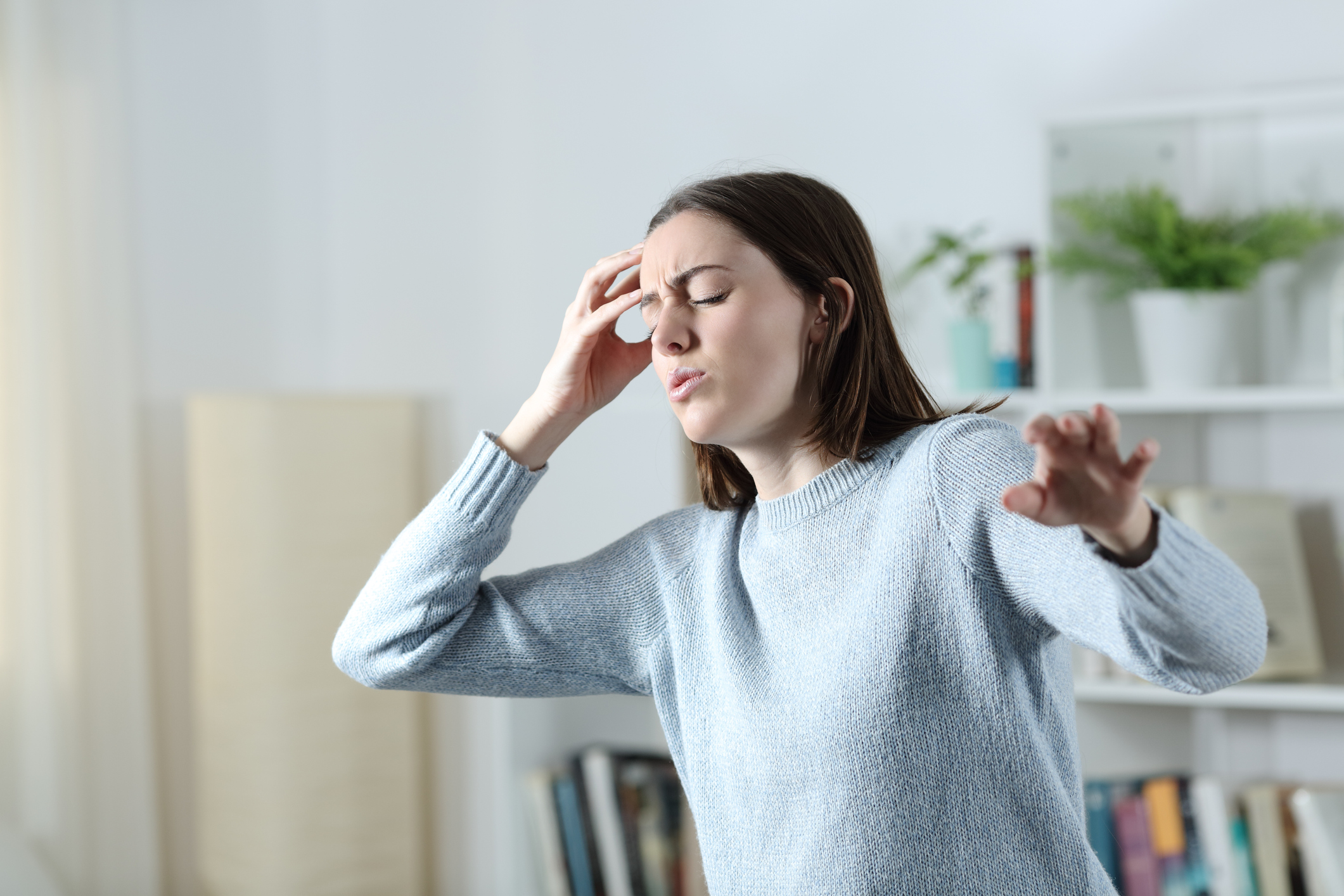
Do you get dizzy when you stand up? If you do, there are some moves that might help straighten you out.

A bit of dizziness is common when people stand up from a seated or lying position too quickly. But in others, it can be a regular occurrence regardless of how quickly they move.

Initial orthostatic hypotension (IOH) is the term for a drop in blood pressure within 30 seconds of standing up from sitting or lying down. It leads to a dramatic drop in systolic blood pressure within about 15 to 30 seconds of standing up.

It usually clears up quite quickly, but it can lead to dizziness, blurred vision, and nausea, which can increase the risk of a fall (and feel very concerning).

However, a new study suggests that you might be able to retain a consistent blood pressure and eliminate the symptoms of IOH with a few moves.

To counter the effects of IOH, researchers suggest activating lower muscles just before or just after standing.

So, what does that look like? It would involve “pre-activating” the thigh muscles. While still seated, you’d basically raise each knee (one at a time) towards your trunk. Do it about 30 seconds before standing.

The other move is done for 30 seconds right after you stand up. It involves crossing one leg in front of the other and tensing lower body muscles.

Although both movements worked, the former might be better since it is done before standing. The only challenge is to remember to do it!

Of course, if you forget, you can do perform the second move.

These may help IOH, but if you’re noticing regular dizziness, nausea, or trouble with balance, it is advised to see a doctor. Those symptoms can signify something more severe at play.

The Pandemic Has Damaged Livers

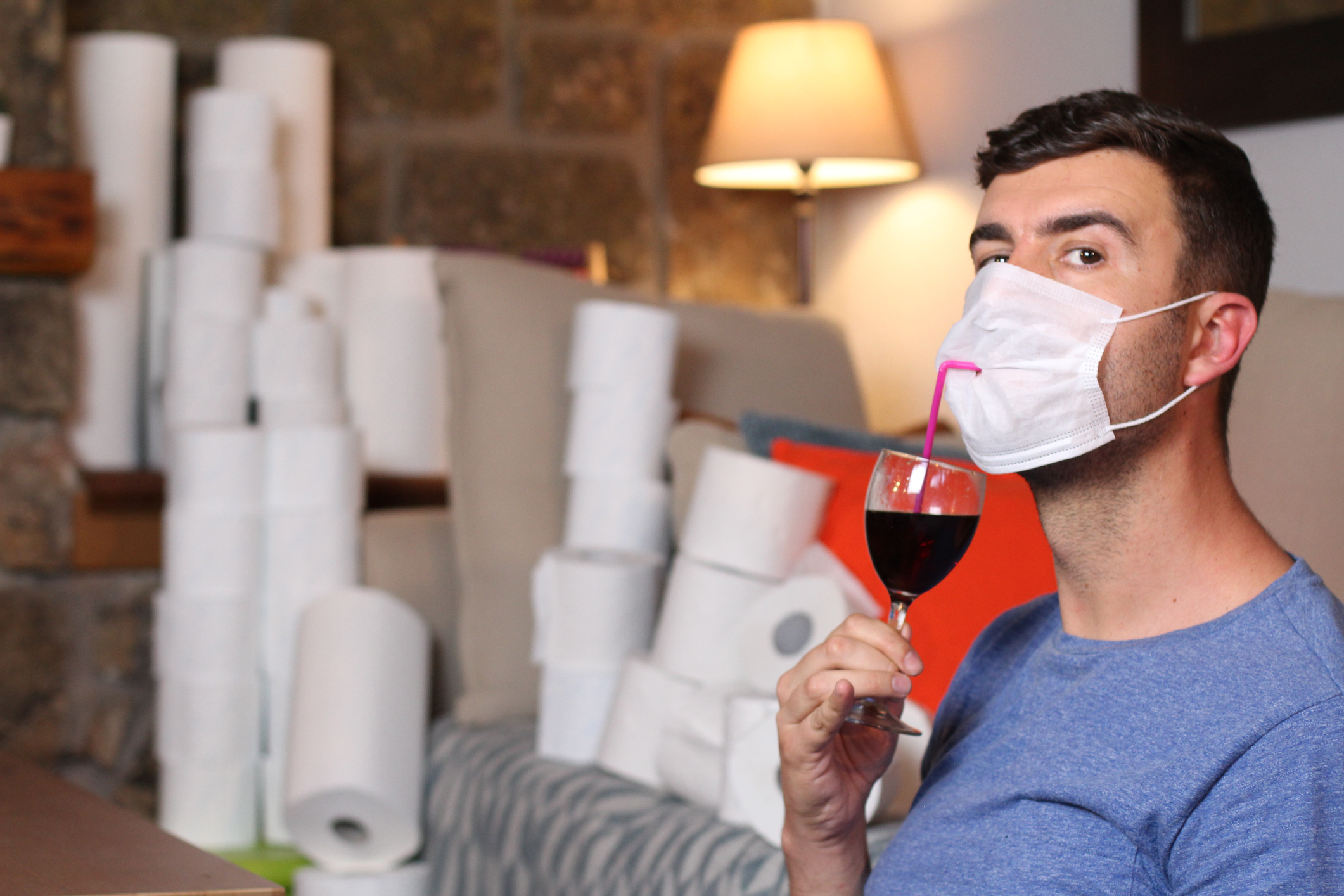
Data suggests that people were drinking early in the pandemic. And that they were drinking a lot.
There is plenty of data to show how much. Earlier reports suggested that U.S. alcohol sales rose 54 percent in the pandemic’s first week alone. But what does that look like from a health perspective?

Of course, there are all kinds of negative health implications from heavy alcohol consumption. But one study has shown that early-pandemic drinking leads to a substantial jump in hospitalizations for life-threatening alcoholic hepatitis.

Researchers at the Henry Ford Health System in Detroit decided to compare alcoholic hepatitis hospital admissions at their center between May and September 2020 and the same months from the previous four years (2016, 2017, 2018, 2019).

Alcoholic hepatitis is a liver disease caused by heavy drinking. When hospitalization is required, a liver transplant is often needed and is the only treatment for survival.

More than 100,000 people are hospitalized for the condition each year, and the average 28-day death rate is 26 percent.

In the five months the researchers looked at from the early pandemic, they found that average hospitalizations jumped by 50 percent compared to the previous four years. The average was just over 18 per month, up from about 12.

The early warning signs of the condition include jaundice, yellowing of skin or eyes, and a build-up of fluid that causes swelling in the lower extremities and abdomen.

If you started drinking more and have continued during the course of the pandemic, trying to get it under control, into a moderate range, is recommended.

How can you get down to one or two drinks per day if you’re struggling? Try cutting back one drink, per day, at a time. You can also consider trying a wide variety of non-alcoholic beer, wine, and spirits.

Setting weekly limits is a good idea, too. You can also look for other activities to fill your time and keep your hands busy.

Too much alcohol can be life-threatening. Remember this fact and do your best to curb dangerous drinking habits.

Common OTC Pain Killers May Impact Hearing

If you take over-the-counter (OTC) painkillers like Aspirin, Tylenol, and Motrin, you might want to listen up – before it’s too late.
New research suggests that frequent use of these products might boost the risk of tinnitus, a condition affecting the ears, with few treatment methods.

Tinnitus is the perception of whistling, buzzing, hissing, clicking, or swooshing sounds, when there actually is no external noise. It can be long or short-term, and there are no current guaranteed effective treatments.

Tinnitus can be a highly frustrating condition that can substantially reduce your quality of life.

It’s very easy to think that OTC medicine is inherently safe and without side effects. But remember, it is still medicine and can have risks depending on how it’s used.

The researchers looked at data from the Nurses’ Health Study II; participants were followed for 20 years after enrolling between the ages of 31 and 48.

They found that frequent use of acetaminophen, like Tylenol and Aspirin; non-steroidal anti-inflammatory drugs (NSAIDs), and ibuprofen (Advil and Motrin) were all associated with higher tinnitus risk.

One exception was that frequent use of low-dose Aspirin did not impact risk. But frequent use of full-dose acetaminophen and NSAIDs was associated with a 20 percent higher risk of developing tinnitus, and the risk rose with use. Therefore, the more somebody took, the higher the risk for tinnitus.

If you use these products regularly or believe you will be, it’s a good idea to speak to your doctor about it. They may be able to offer some alternative pain-relief recommendations that don’t have the same side effects.

And remember, just because something is available without a prescription doesn’t mean it’s without risk.

Revive That Valentine’s Day Feeling with This Sensual Fruit

Valentine’s Day can really do it for some people. But after the fleeting feeling the Day can present, it often fizzles soon after.

So, why not bring it back with a sensual snack.

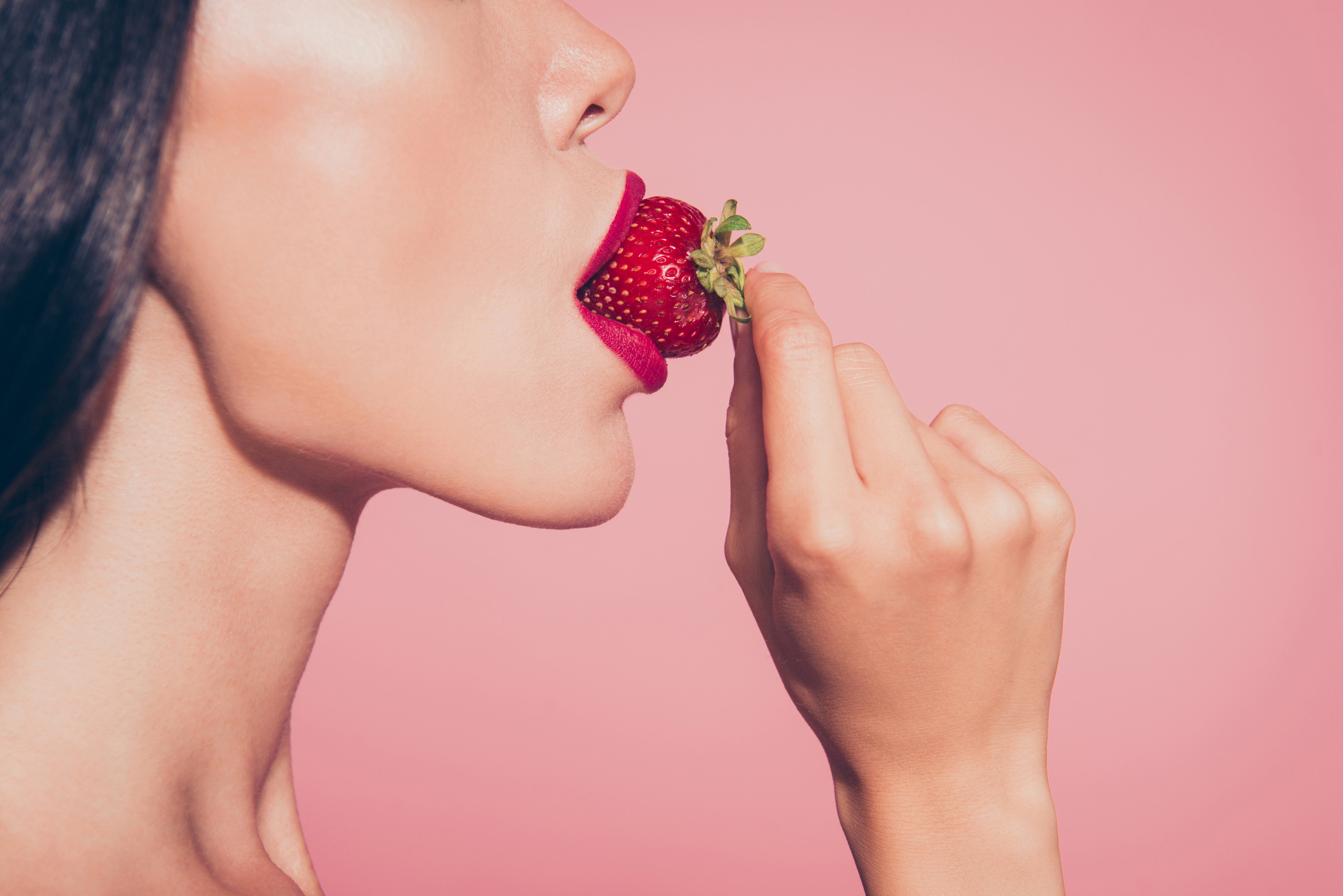
Maybe it’s their heart shape, color, or the ease at which they can be fed to a lover, but strawberries certainly lend themselves to romance.

Not only can these nutrient-packed fruits lead to hugs and kisses, which are great for health, but they also taste good and offer benefits that most people would willingly embrace.

Several studies suggest strawberries offer unique benefits that may help propel you to a healthier heart, brain, and metabolism.

First off, a cup of strawberries will provide a day’s worth of vitamin C in one shot. They are also a good source of potassium, which is essential for optimal heart, nerve, and kidney function. They are also rich in antioxidant phytonutrients that may help battle inflammation.

In-depth, long-term studies have identified that eating strawberries is associated with a lower risk of dying from heart disease, fewer inflammatory markers, healthier blood vessels, lower cholesterol, and improvements in inulin resistance.

You may be interested to learn that the strawberries we enjoy today are actually GMOs that appeared on the scene around 1700, when French farmers accidentally cross-bred varieties imported from Chile and Virginia.

Frozen strawberries are packed with all the nutrition of fresh strawberries and even more in some cases. If you pick fresh strawberries, remember that they can spoil very quickly. When shopping for fresh strawberries, look for the brightest red ones, with bright green caps.

To extend their life, do not cut or rinse until ready to eat.

Renew the romance of Valentine’s Day by snacking on some healthy and luscious strawberries. Make them a regular part of your diet to keep the love alive!

Five-Star Guarantee of Satisfaction