

Mental Health Care Emergency Rises Due to Extreme Heat: Study

A new nationwide study has found that hospitals report more patients needing mental health services during periods of extreme heat during emergency department visits. During summer days with higher-than-normal temperatures, visits for mental health-related conditions rise, including anxiety and stress disorders, substance use, and mood disorders.

The Boston University School of Public Health study obtained medical claims data on mental health-related emergency room visits of more than 200 million Medicare Advantage enrollees throughout the US. Researchers analyzed approximately 3.5 million of these visits from adults aged 18 or older from 2010 to 2019.

Days with a record of extreme heat, defined as temperatures above the 95th percentile of temperature distributions, were most linked with emergency room visits for childhood-onset behavioral disorders and substance use disorders, followed by stress and anxiety and mood disorders. Extreme heat was also associated with emergency room visits for schizophrenia.

It was found that the impact of heat on mental health was similar across age groups and equally evident in both men and women in every region of the country. These results were able to show that heat can profoundly impact the mental health of people regardless of sex, age, or where they live.

Researchers want to identify public health strategies that can help alert people to the risks posed by extreme heat for future studies. Research we will also explore the impact of elevated temperatures on mental health during more extended periods.

The lingering effects of COVID-19 on mental health will also help to shape this work. Social isolation, lockdowns, and general uncertainty during the pandemic have increased the need for mental health services. As the upcoming summer season approaches, it is essential to keep in mind the combination of the pandemic and climate as stressors that may exacerbate existing mental health conditions.

Taking Care of Mental Health

Most people do not know the relationship between extreme heat in the summer months and mental health. But for those with pre-existing mental health conditions, it is essential to understand brain functions and how to reduce the risks posed by summer weather.

The Smart Pill contains a doctor-formulated variety of ingredients that can help reduce the factors that can take a toll on the ability of the brain to function at peak potential. In addition to the effects of normal aging, the brain is under constant attack from stress and environmental factors, affecting concentration, memory, and overall cognitive function.

The Smart Pill can help support and maintain healthy cognitive function by helping to boost circulation, fight free radicals, and provide nutritional support to assist in overall brain health.
How Sleep Deprivation Can Cause Inflammation

When you get sick, bang your toe, or cut your finger, your immune system springs into action. Its job is to neutralize any invaders and help restore health.
It does this by activating white blood cells, which release cytokines and other inflammatory molecules that simultaneously launch the offensive and defend your healthy tissue.

When this response is temporary, it’s a good thing and a powerful defence mechanism. But when the inflammation doesn’t let up, problems occur. What’s termed “chronic” inflammation can contribute to heart disease, diabetes, stroke, Alzheimer’s, and more.

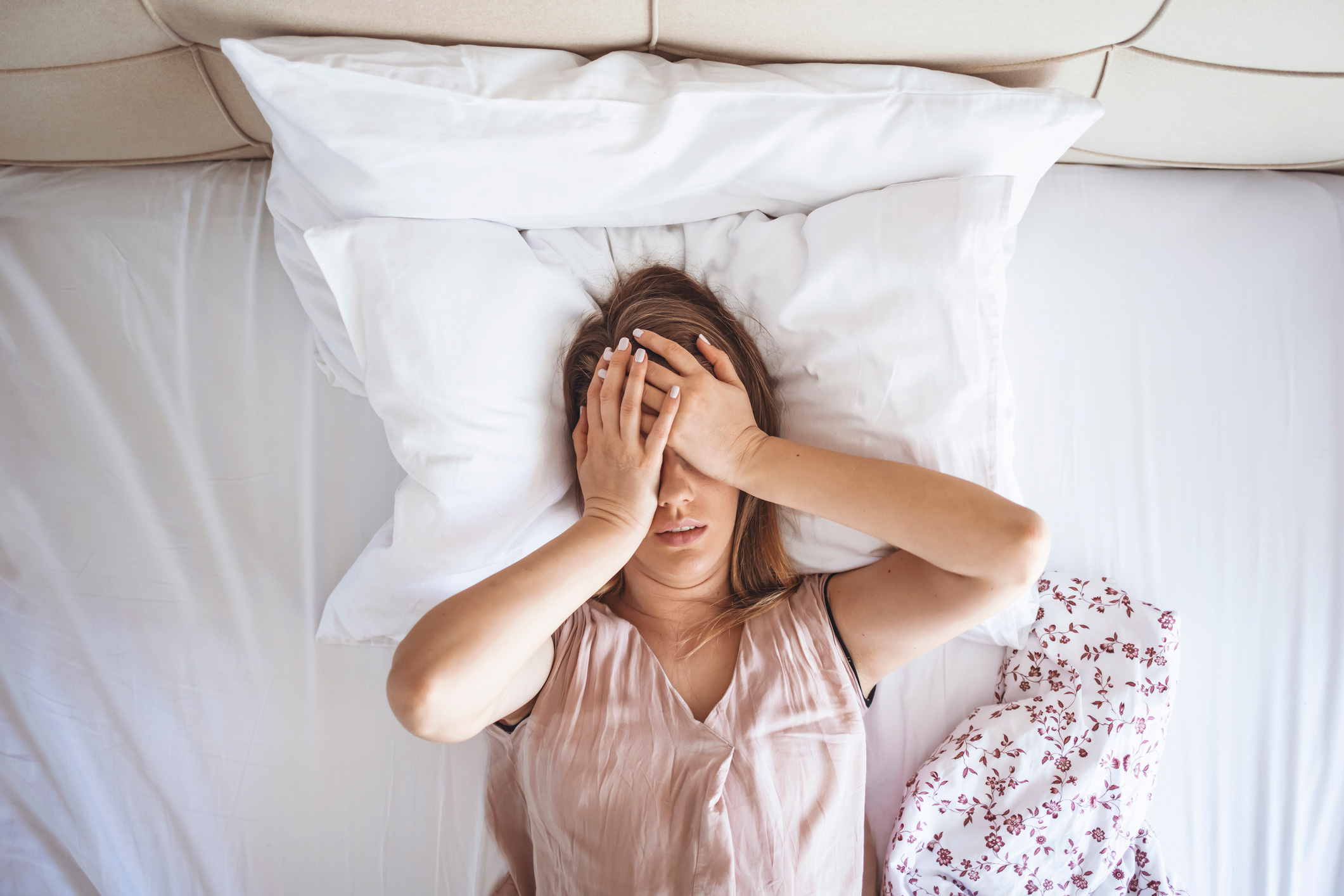
Sleep deprivation is associated with inflammatory markers and may contribute to chronic inflammation. This might help explain why people who don’t sleep well tend to have a higher risk for heart disease, high blood pressure, diabetes, and other chronic illness.

Why might sleep contribute to inflammation? There are a few theories.

Blood pressure drops during sleep, and blood vessels relax. If you’re unable to fall asleep, blood pressure may not go down like it should, potentially triggering cells in blood vessel walls that cause inflammation.

A lack of sleep may also change the body’s stress response system and keep cortisol levels higher for longer each day.

Too little sleep also interferes with your brain’s natural housecleaning system. When you’re in the deepest phase of sleep, cerebrospinal fluid moves through the brain and flushes out beta-amyloid proteins that are linked to brain cell damage and inflammation.

This can lead to a vicious cycle of beta-amyloid buildup that promotes inflammation and makes it harder to reach deeper, non-REM short wave sleep, ultimately making it harder to sleep and retain memory.

One night of poor sleep can boost beta-amyloid buildup, but it can be reversed relatively quickly. However, risks and problems arise when poor sleep becomes a regular pattern.

Getting better sleep may be essential to improving immune function and undoubtedly linked to better overall health. Working on sleep hygiene and addressing issues like obstructive sleep apnea are two of the main ways to improve sleep.

Women, Remember This during Heart Month

February is American Heart Month, and what better time to remind women about three things they absolutely need to know about heart disease.
Heart disease can affect women differently than men, and the symptoms of a heart attack may be less recognizable because those that men experience have been universally promoted.

Just think about what a heart attack looks like on TV: a person losing their breath and grabbing their chest in pain.

Well, that’s not necessarily how it goes for women. And considering that heart disease is the leading cause of death for U.S. women, accounting for one in three deaths (according to the American Heart Association (AHA)), it’s wise to know what to look for and what to do to prevent a heart attack.

During heart month, the AHA wants women to do three things: recognize the signs of heart attack, understand their personal risk factors, and make healthy lifestyle changes to prevent heart disease.

Know The Symptoms

Although women may experience some chest pain during a heart attack, it may not be the only or even the predominant symptom women feel. It won’t necessarily double you over like it may a man.

Instead, there may be pain in the jaw or pain that radiates around the back and up your neck. Shortness of breath, nausea, sweating, and a sense of unease may be there too.

Because many women aren’t aware these are symptoms, they often ignore them.

Know Your Risk

Heart disease risk factors include age, high blood pressure, cholesterol profile, activity levels, weight, and smoking/vaping.

Know How To Reduce the Risk

Taking action can help to reduce the risk of heart disease. Paying attention to blood pressure and managing cholesterol can be helpful. Try adding as little as 10-minutes of walking or activity each day.

Getting rid of processed food for fresh and nutritious foods can positively affect cholesterol, blood pressure, and blood sugar, which can all play a role in heart attack risk.

Performing Routine Activities Can Significantly Benefit Cardiovascular Health among Senior Women

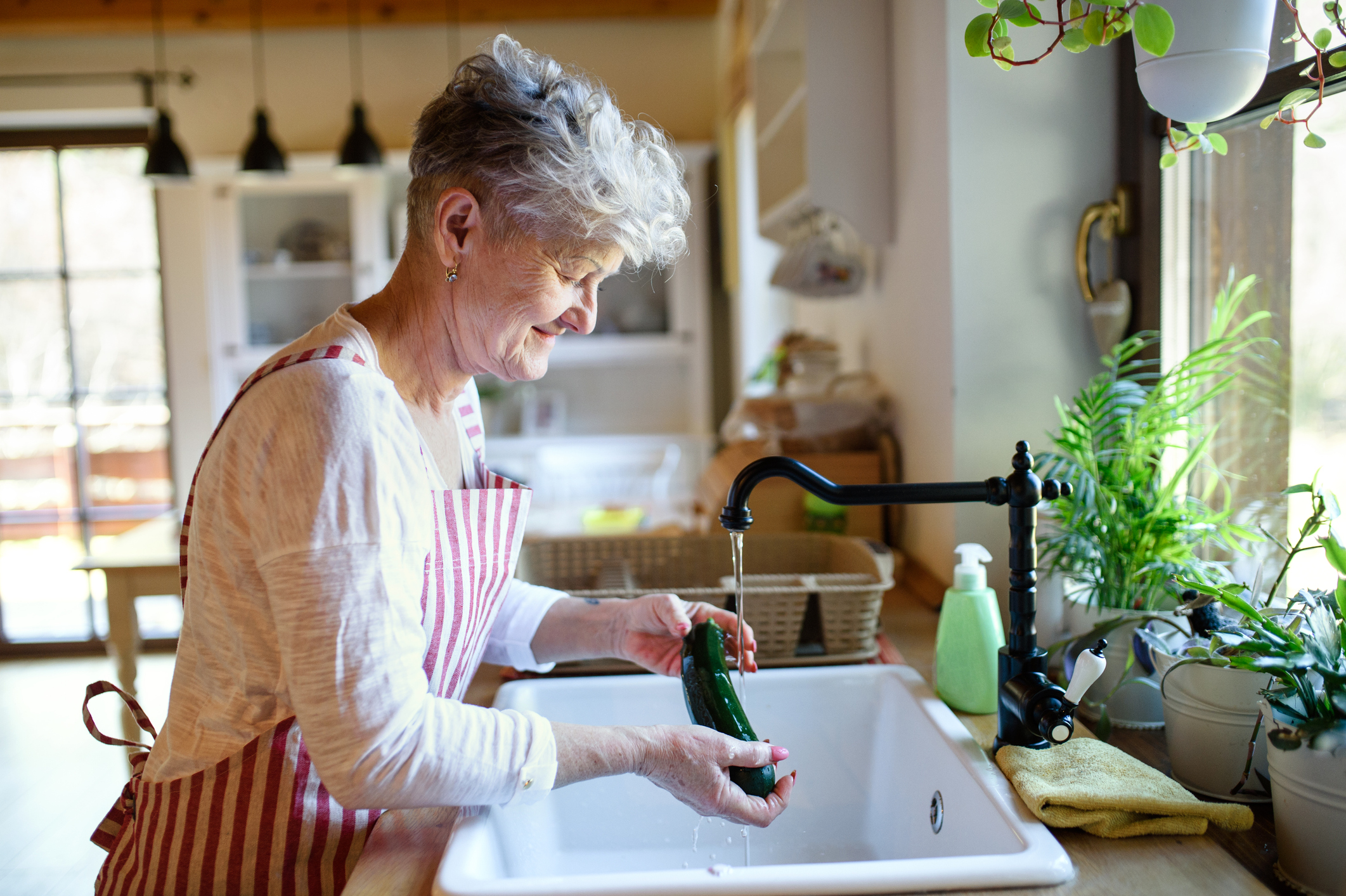
New research has found that senior women who perform routine activities including housework, gardening, cooking, and self-care activities such as showering can significantly benefit cardiovascular health. This new information shows how running or brisk walking is not the only way to reduce the risk of heart disease.
As part of the Women’s Health Initiative Objective Physical Activity and Cardiovascular Health study, researchers analyzed the physical activity of 5,416 American women aged 63 to 97 who did not have heart disease at the beginning of the study.

All participants wore a research-grade accelerometer for seven days to measure how much time they spent moving and the types of common daily life behaviours that resulted in movement. These common daily activities are often not included in studies of physical activity. Previous studies have typically only focused on the intensity and duration of activities such as running and brisk walking.

At the end of the study, 616 women were diagnosed with cardiovascular disease, 268 with coronary heart disease, 253 had a stroke, and 331 died of cardiovascular disease. These outcomes were able to show that compared to women with less than two hours per day of daily life movement, those who had at least four hours of daily life movement had a 43% lower risk of cardiovascular disease, 43% lower risk of coronary heart disease, 30% lower risk of stroke, and a 62% lower risk of cardiovascular disease death.

This study helps to outline the importance of movement towards disease prevention. Spending more time in daily life movement, which includes a wide range of activities such as housework and gardening, can lower cardiovascular disease risk.

The Leading Cause of Death

Cardiovascular disease is the leading cause of death among women and men in the United States. These rates are highest in adults aged 65 and older, so it is vital that seniors understand the healthy lifestyle behaviours that can help reduce the risk.

Heart health is important throughout life as a strong and healthy heart is vital for enjoying a high-quality life as you age. Heart Rescue was designed to help promote and support cardiovascular health using various ingredients. Its unique formula includes omega-3 fatty acids, CoQ10, magnesium and hawthorn extract.

These heart health ingredients can promote and support cardiovascular function, helping to reduce the risk of heart disease, strengthening the heart muscle, and helping to maintain healthy cholesterol.

Treating SAD and Getting a Head Start for Next Fall

I don’t know about you, but I’ve certainly noticed the days getting longer in recent weeks. The sun is still visible in the evening, which offers a sense of comfort that winter is coming to a close.

The longer days and relatively sunny winter, however, may not be lifting your spirits. If not, it could be because of SAD.

You may have been surprised, a few weeks ago, to learn that the winter months can bring on depression in some people. This annual drop in mood, you may remember, is called Seasonal Affective Disorder, or SAD. It typically coincides with the colder, darker, winter months.

It’s highly recommended that you seek treatment if suffering from SAD. Simply trying to “wait it out” until temperatures warm and days become longer brighter can simply cost too much time, physical and mental wellbeing, joy, and even relationships.

Here are some of the ways you might be able to get a handle on SAD symptoms.

Light Therapy: Light therapy can be an effective treatment for SAD. It works by replicating sunlight, offering exposure to 10,000 LUX of light through a lightbox. Patients are typically instructed to sit 16-24 inches away from the box for 20-30 minutes per day.

Talk to your doctor before getting one, and know that they are not typically covered by insurance.

Talk Therapy: People with SAD tend to avoid social activities and other things they enjoy during the winter – things that would likely make them feel better. Talk therapy with a counsellor can help patients develop better coping skills and help people with SAD change negative thought patterns, which may lead to increases in social activity and a sense of enjoyment.

As the days get longer and it turns to spring, many with SAD will see their symptoms ease. But that doesn’t mean they won’t be back next fall.

Next year, try firing up your lightbox on Halloween, or when you set the clock back in November. It might help you have a better winter!

People Are More Likely to Suffer Mental Health Disorders A Year After COVID

COVID-19 has impacted people in many ways, including their mental health. It is widely known that the virus can take a heavy toll on the body, but new research shows that patients are also 60% more likely to suffer mental and emotional problems in the year following their infection.

Problems being reported by COVID patients include anxiety, depression, opioid use disorder, illicit drug and alcohol use disorders, suicidal thoughts, sleep disturbances, and difficulties thinking in concentrating.

Although it’s not yet clear how the virus affects the brain, researchers believe the damage is done as COVID-19 enters brain cells. The virus can enter the brain and cause various problems, including the elevation of inflammatory markers, the disruption of neuron connections, disruption of signalling, and changes in the architecture of the brain. These changes in the brain may also explain the brain fog or neurocognitive decline that many patients also report.

For the study, researchers used a U.S. Department of Veterans Affairs database to collect information on nearly 154,000 adults who had COVID-19 from March 1, 2020, through January 15, 2021. This data was compared to mental health outcomes with almost 6 million people who did not have COVID-19 and another 6 million people from before the pandemic began.

It was found that people who had COVID-19 were 35% more likely to suffer from anxiety and nearly 40% more likely to suffer from depression or stress-related disorders. There was also a 55% increase in the use of antidepressants and a 65% increase in benzodiazepines to treat anxiety among these patients.

Researchers also noted that these patients were 41% more likely to have sleep disorders and 80% more likely to have thinking declines, including confusion, forgetfulness, and a lack of focus.

It was clear that the risk for mental problems is tied to the severity of the COVID-19 infection. Those with a mild case were 27% more likely to develop mental problems, while those with severe infection were 45% more likely to do so. These risks have never been seen before with other diseases such as influenza.

Dr. Ziyad Al-Aly, the lead researcher, said, “Physicians really need to understand that COVID-19 is a risk factor for these problems. So,§ definitely ask about mental health, ask about sleep, ask about pain. Most importantly, diagnose these conditions early and address them before they become much, much worse crises down the road.”

Mental Health Issues

If you have been suffering from sleep problems or depression, or anxiety, you’re not alone. Thousands of people have been reporting mental health issues after contracting COVID-19.

Apart from COVID-19, other numerous factors can take a toll on the ability of the brain to function at peak potential. The brain is under constant attack from stress and environmental factors along with the typical effects of the aging process.

These attacks on the brain highlight the importance of maintaining and supporting healthy cognitive function. The Smart Pill can help to enhance cognitive function and memory with its unique formula of ingredients. The nine ingredients included in The Smart Pill can help to nourish, support, and maximize brain health and cognitive function. These beneficial ingredients can also help to boost circulation, fight free radicals, and provide nutritional support to assist cognitive function.

No matter if you have had COVID-19 or not, it is vital to take the steps necessary to keep the brain functioning at its peak performance.

Try These Moves to Help Silence Back Pain

Back pain, a lot of time, can be unexplainable. If you didn’t injure it, why, then, does it feel like you did?
Back pain has a lot to do with strength and mobility. When the muscles and ligaments in your core get weaker with age, common movements like twisting, stretching, and bending, can become more difficult and painful.

This weakness can lead to a greater workload for your back. It has to compensate for the lack of strength and mobility, leading to pain. More than just pain, it can create fear: people with back pain often fear movement because it can lead to pan.

But more movement, and particularly movement targeting the back and core, can help to restore a strong, flexible, and mobile core. Exercises focused on spine and core stability can help eradicate pain so you can live life fully and comfortably.

Here are a few moves that focus on core muscles and contribute to a more stable spine.

Curl-ups

Lie on your back and extend one leg straight out on the floor. Bend the knee of your other leg so your foot is flat on the floor. Put hands under your lower back to keep your spine’s natural arch.

Exhale and lift your head, shoulders, and chest off the floor like they were all connected (like a chain). Come up just enough to feel tension in your muscles. Do not bend your lower back, tuck your chin, or let your head tilt back.

Hold for 10 seconds, then slowly return to the starting position. Do it five times, then switch leg positions.

Side Plank

Lie on your side with your upper body propped up on one arm (your forearm is on the floor and elbow under your shoulder). Place your free hand on top of your hip. Pull feet back so knees are bent at a 90 degree angle.

Lift hips off the floor so they line up with the rest of your body. Hold the position for 10 seconds, trying to maintain a straight line from head to toe.

Repeat five times then switch sides.

Bird-Dog

Get down on your hands and knees. Raise your left arm forwards and extend it as far as possible, while lifting your right leg and extending it out behind you at the same time. Keep both parallel to the floor. Make sure hips remain aligned with torso.

Hold for 10 seconds, then slowly return to the starting position. Repeat five times, then switch arms and legs.

If you’re struggling with the movements, keep at it. Eventually you will have the mobility and strength to perform them easily.

Has the Pandemic Made Your Skin Look Worse?

The pandemic is affecting human bodies in all kinds of ways. It’s impacting posture, muscles, eyes, and guts. When’s the last time you went to the dentists?
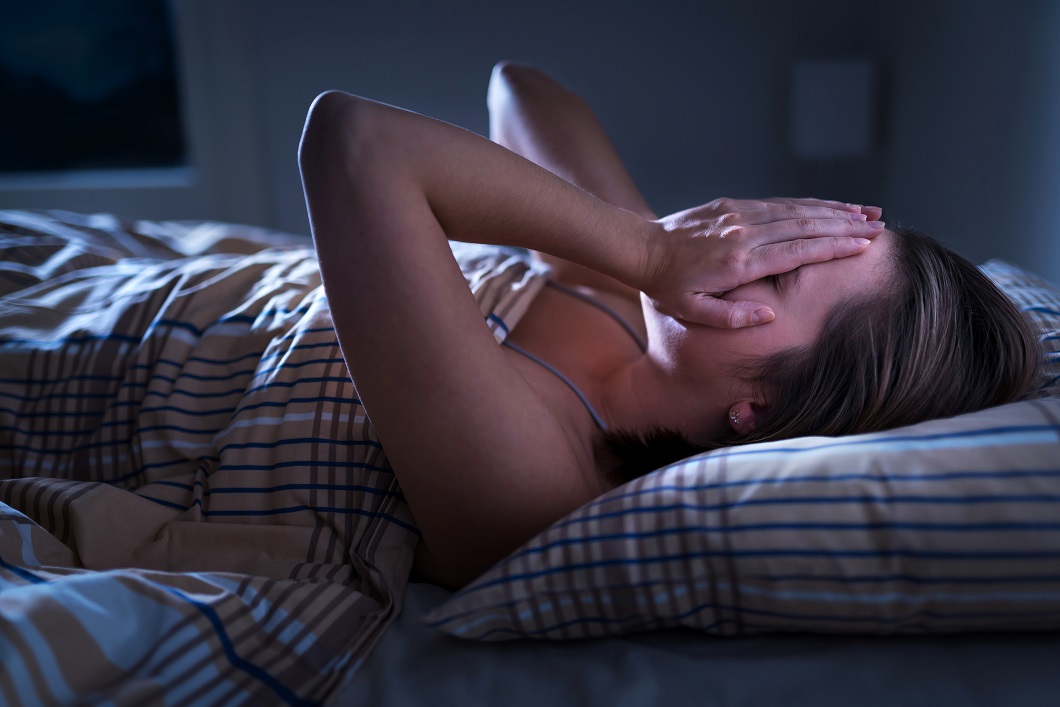
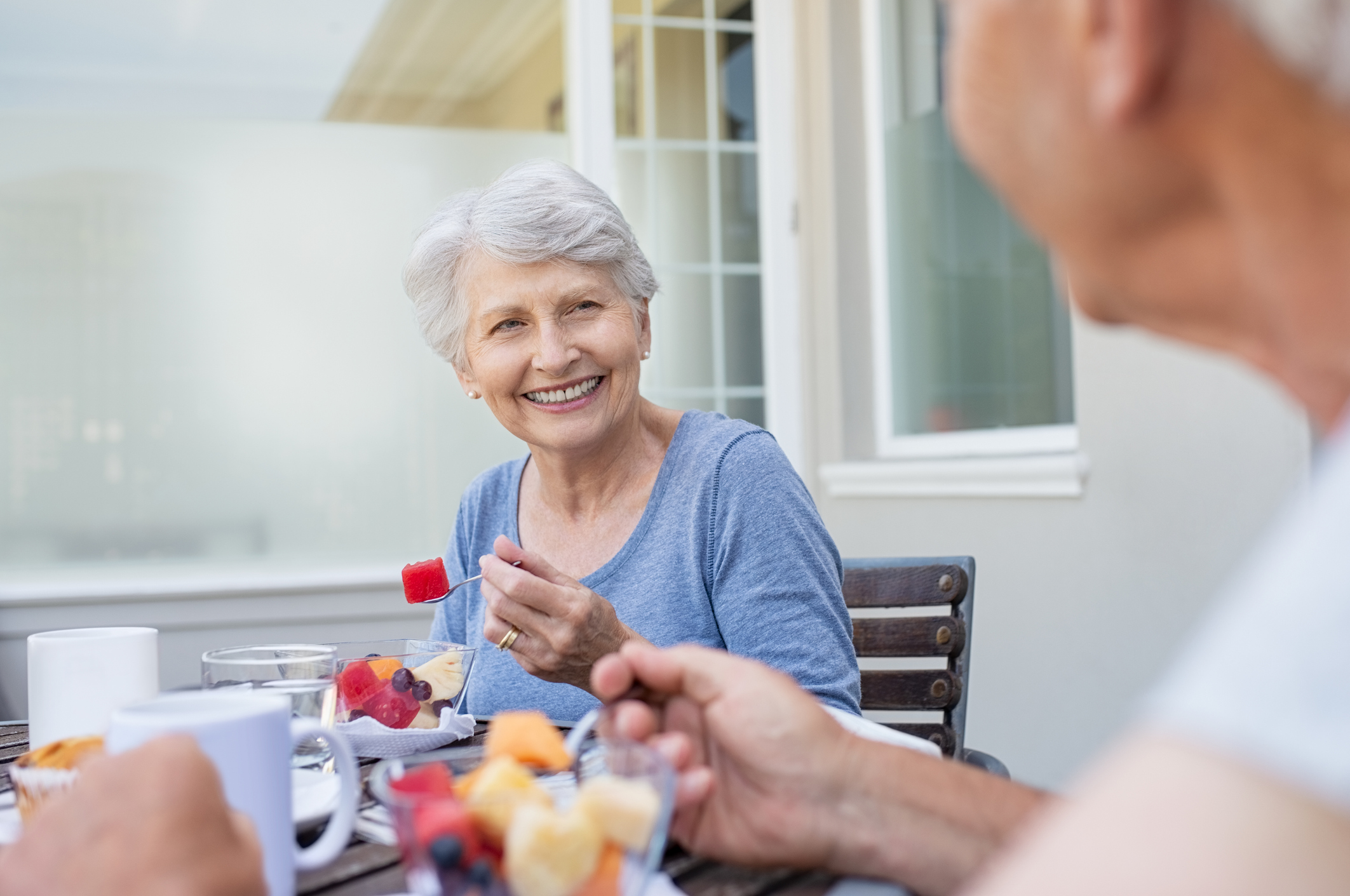
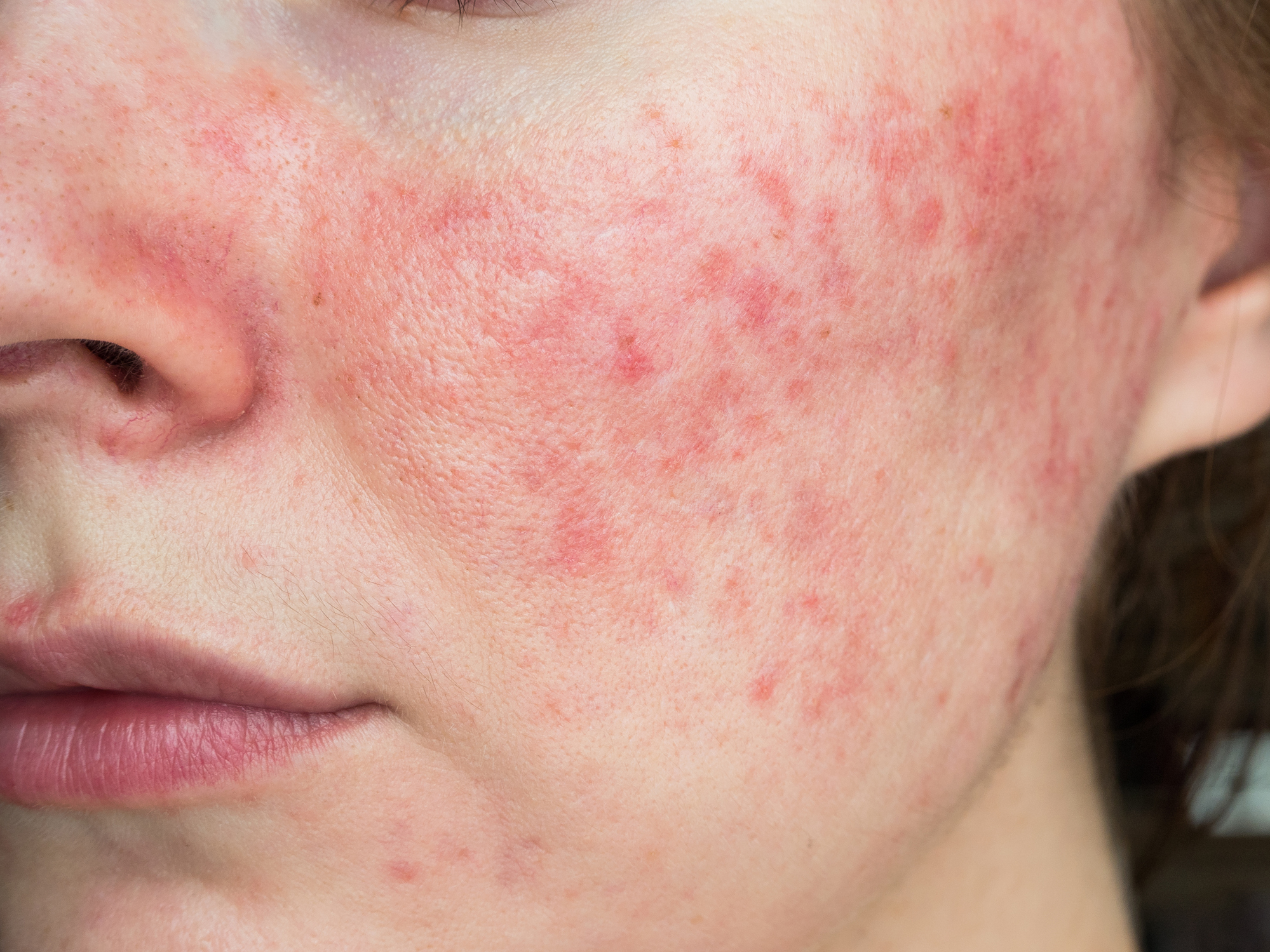
Another part of you that it’s affecting is your skin. Some dermatologists notice more patients coming in with rashes, acne, or rosacea, a skin condition that leads to redness and pimple-like bumps.

It’s possible that masks, stress, and too much pandemic-snacking are contributing. Too much sugar, for example, can promote inflammation and drive oil production that leads to acne. Over time, too much sugar can contribute to wrinkles.

Regular exercise can help with these conditions. It keeps skin cells functioning and blood moving to prevent skin aging.

Another thing you can do in your home to protect your skin is to wear sunscreen. It’s good to get outside for some natural light for a few minutes per day, but if you’re near a window all day, sunscreen may help. UV rays can come through windows and damage skin.

Being inside all the time can also contribute to dry skin, which can lead to damage. Opening windows for a little bit each day, using a humidifier, and making sure to moisturize regularly can all help.

Hygiene has also taken a hit for many during the pandemic. When you don’t wash your face or pillowcases regularly, dirt can build up and lead to blemishes and unhealthy-looking skin. Try to wash your face after waking and before bed, and clean pillowcases every week to help optimize skin health.

Keep masks clean as well. There is no real guideline to changing them, but it’s safe to say that if it’s worn for more than a couple of hours, it needs a change or wash.

Getting exercise, eating a healthy diet with lots of fruits and vegetables, using sunscreen, and practicing good hygiene can all reduce the impact of the pandemic on your skin.


Poor Sleep Is a Significant Risk Factor for Heart Disease

Evidence is quickly mounting to show a direct link between sleep and heart disease, and the research is showing just how significant the risk may be. Over time, those who have insomnia also show many unhealthy habits that can hurt the heart, including higher stress levels, less motivation, low physical activity, and unhealthy food choices. Poor sleep has also been linked to depression, a known risk factor for heart disease.

Heart problems are a leading cause of illness and death in the United States, so it is important to understand the risk factors for heart disease. While some lifestyle factors are widely known to affect the heart, including exercise, smoking, and diet, many people don’t realize the effect of sleep on the cardiovascular system.

Sleep provides time for the body to restore and recharge, playing a key role in reducing the risk of heart disease. For the cardiovascular system, fragmented or insufficient sleep can contribute to problems with blood pressure and heighten the risk of heart disease.

During the non-rapid eye movement sleep stages, heart rate slows, breathing stabilizes, and blood pressure drops. These changes can help reduce stress on the heart, allowing it to recover from the strain during waking hours.

Without a good night’s sleep, there is not enough time spent in the deep stages of non-rapid eye movement sleep to benefit the heart. This same problem can affect people whose sleep is frequently interrupted.

Ensure A Good Night’s Sleep

Sleep has also been linked to numerous other health problems, including stroke, obesity, and Alzheimer’s disease, so it is essential to ensure a good night’s rest.

Sleep Sure Plus is designed to help promote optimal sleep and restfulness, using a variety of ingredients to support healthy, restful sleep. The most important element in this unique formula is melatonin. Melatonin is a hormone essential for regulating the circadian rhythm (the internal clock of the body).

Following other healthy lifestyle behaviors is also essential to keep the heart healthy. Heart Rescue was designed to help support and promote cardiovascular health using a variety of ingredients, including omega-3 fatty acids, CoQ10, magnesium, and hawthorn extract. These ingredients can help to reduce the risk for heart disease, strengthen the heart muscle, and support circulation.

Can You Get a Blue Zone Gut?

Blue Zone guts are pretty impressive. I’m not talking about the bellies in the Labatt section of the stadium, either. I mean the global blue zones: places around the world where inhabitants regularly live in good health to over 100 years old.


Gut heath is dominating conversations about health and longevity. And why shouldn’t it? Research shows the microbial population living in your gut – your microbiome – can play a role in immune strength, mood, inflammation, and cognitive function.

What’s really cool is that people living in blue zones live in entirely different environments. They live in different parts of the world, eat different foods, and come from different cultures. But they share health and longevity.

And it might have to do with, among other things, gut health.

Here are a few things that may contribute to blue zone gut health:

Eating More Whole Grains, Nuts, Veggies, and Fresh Fruit: All of these things are rich in fiber, which feed good gut microbes. These microbes help you maintain a diverse and strong microbiome.

Beans may have some extra benefit, too. Some data suggest that a cup of beans per day may add as many as four years to life expectancy.

Besides fiber, all of these foods are nutritionally rich and feature inflammation-fighting antioxidants.

Fermented Foods: Fermented foods seem to be another common feature of Blue zones. They can help increase the population of good bacteria, preventing chronic inflammation.

Plenty of Polyphenols: Polyphenols are antioxidant compounds that may help protect cells from damage in various ways. Many of the blue zones have abundant natural sources of these polyphenols, which show up repeatedly in the foods they eat.

Some examples include coffee, berries, nuts, and spinach.

Low in Processed Foods: People in these areas do not eat many processed foods. That means their diets are rather low in sugar, and most added sweetness comes from sources like honey. Processed foods and high levels of added sugar can contribute to a very unhealthy gut.

Instead of salt, food is more likely to be seasoned with healthier options like turmeric, garlic, ginger, and others.

Gut health and diet aren’t likely to be the only reasons that add length to people’s lives in blue zones, but they are modifiable factors that you might be able to implement.

Preventing Mental Disorders Might Reduce or Delay the Burden of Dementia Later

According to research from the University of Michigan, Duke University, and the University of Auckland, preventing mental disorders in young people may help to reduce or delay the onset of dementia as they age. The study helps to outline how investing in good mental health care for young people can help to reduce the burden of neurodegenerative diseases.
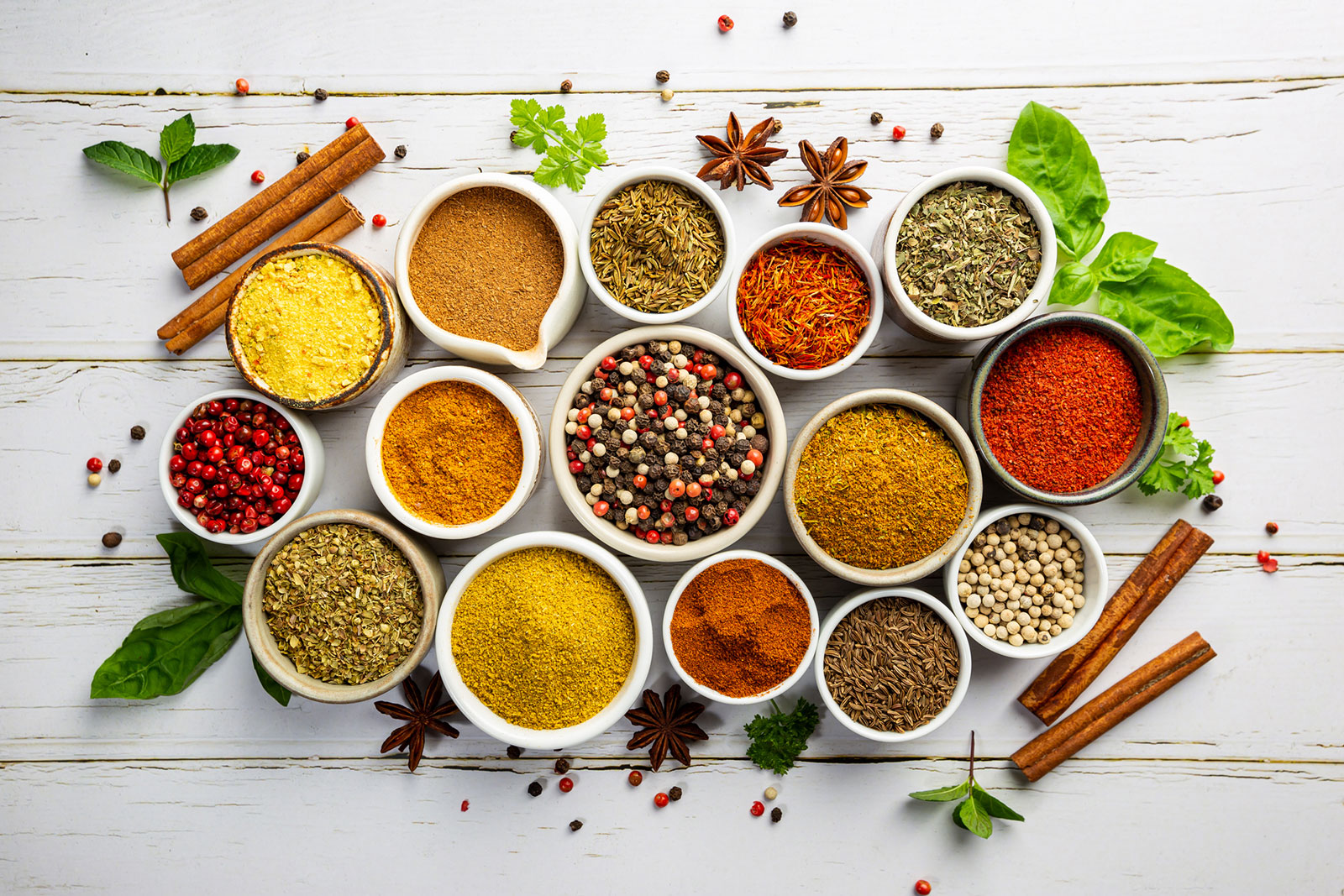
The study included 1.7 million New Zealanders aged 21 to 60. All participants were followed across three decades from 1988 to 2018 and tested for mental disorders to find if they were at an increased risk for subsequent dementia.

Researchers found that mental disorders were more strongly associated with dementia than chronic physical diseases. This connection between mental health and cognition was seen for both men and women for both early-onset and late-onset dementias. The risk factors were also found for different types of mental health conditions and for both Alzheimer’s and non-Alzheimer’s dementia.

Researchers believe that mental disorders can be early warning signs for subsequent dementia. Those with mental disorders should be encouraged to engage in health behaviors to help reduce the risk. For example, they could increase their physical activity, which is one promising way to potentially help prevent dementia.

Although the mechanism for the association is not yet clear, researchers believe that it could involve several factors, including a lifelong brain vulnerability. Researchers also cautioned that most people with mental health problems will not develop dementia.

“Mental health problems are not a life sentence that always result in dementia,” said Leah Richmond-Rackerd lead study author.

Taking Care of the Brain

Brain function is important at any age. This study helps to outline how taking care of brain and mental health at a young age can help reduce the risk of disease in older age.

The Smart Pill can help to support and maintain healthy cognitive function throughout life. While some degree of cognitive decline is inevitable as you age, numerous factors can also affect concentration, memory, and overall cognitive function.

The Smart Pill contains nine ingredients to help support and maximize brain health in cognitive function. This unique formula includes ginkgo Biloba, huperzine A, bacopa extract, rosemary extract, and a B vitamin complex.

Try Spice to Cut Salt Intake

Wouldn’t you love to know who made salt the god of all of the seasonings? Why is it on everything and on every table you sit down at.
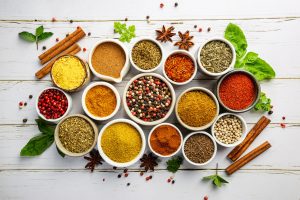
As far as I know, nobody ever called salt the “spice of life.”

America’s love for salt is a dangerous affair. High sodium intake can raise blood pressure, lead to electrolyte imbalances, and contribute to an increased risk for heart disease.

So here’s an idea: why not swap the salt for some other spices and seasonings? It’s likely you might like it better, or at least not be convinced to add more salt to your favorite meals.

A recent study focused on whether or not older adults (those 60 and over) could reduce salt intake by adding other spices and seasonings.

Researchers honed in on this age bracket because taste and smell weaken with age. It may lead to a weaker perception of salty flavors, propelling people to season food with even more salt.

The small study featured 39 healthy people over age 60 that taste-tested a white sauce formulation that is regularly found in ready-to-eat Cajun chicken pasta meals. Participants were given different versions of the sauce with varying amounts of salt and different spices and seasonings.

It turns out then when both herbs and chipotle were added to the sauce, participants could not taste the difference between the high- and low-salt sauces. However, the addition of herbs alone was less effective at masking low-salt samples.

Basil, garlic powder, and coarse ground pepper were some of the herbs they tried.

The findings, published in the journal Food Quality and Preference, suggest that spice, like chipotle, cayenne, and others may play a significant role in reducing salt intake among older adults.

So try spicing up your food! Specialty spice shops and even your neighborhood bulk store should have a good selection of spice and seasonings to add taste to meals. Just make sure they are pure without added salt!

Boost Your Memory with These Practical Tricks

Are you looking for a way to overcome those annoying and embarrassing memory lapses? You know, like where your keys are, if you closed the garage, or who that guy was you just spoke to?
Well, you can, don’t worry.

Really. Don’t worry. Although you might take those memory lapses as a sign of old age, try and remember that they happen to everybody of all ages. Don’t let them stress you out or lead you to question your ability to lead an active, engaged, and independent life.

Here are a few tips on how to manage those silly everyday memory lapses:

If you’re having a hard time remembering the name of your new neighbor or somebody else you’ve recently met, don’t worry. It happens. Next time you meet somebody, try to make it a meaningful connection. Most people forget names because they didn’t notice it was said or they didn’t make an effort to remember.

Try to repeat the name back after you’ve heard it immediately:

“Hi! I’m Keith!”

“Hi, Keith. It’s nice to meet you.”

Maybe even link it to something you might remember, like their appearance or job. “Tall Keith” or “Keith, the mailman.” Maybe you can remember it by linking it to another Keith that you know.

Routine tasks like locking the door or turning the stove off are easy to forget because you’re not really paying attention while doing them. Try saying out loud to yourself while doing it, “I’m locking the door,” as you do it.

Misplacing items is another everyday memory lapse. Try putting the things you regularly use in the same place every day, and near somewhere you’ll see them. By the door, your favorite seat, or the bed is a good place to put keys, glasses, and medicine.

You can also consider keeping a book of things you want to remember, like names. Just don’t write important information in there, like passwords.

What You’re Doing…and Not Doing…for Good Sleep

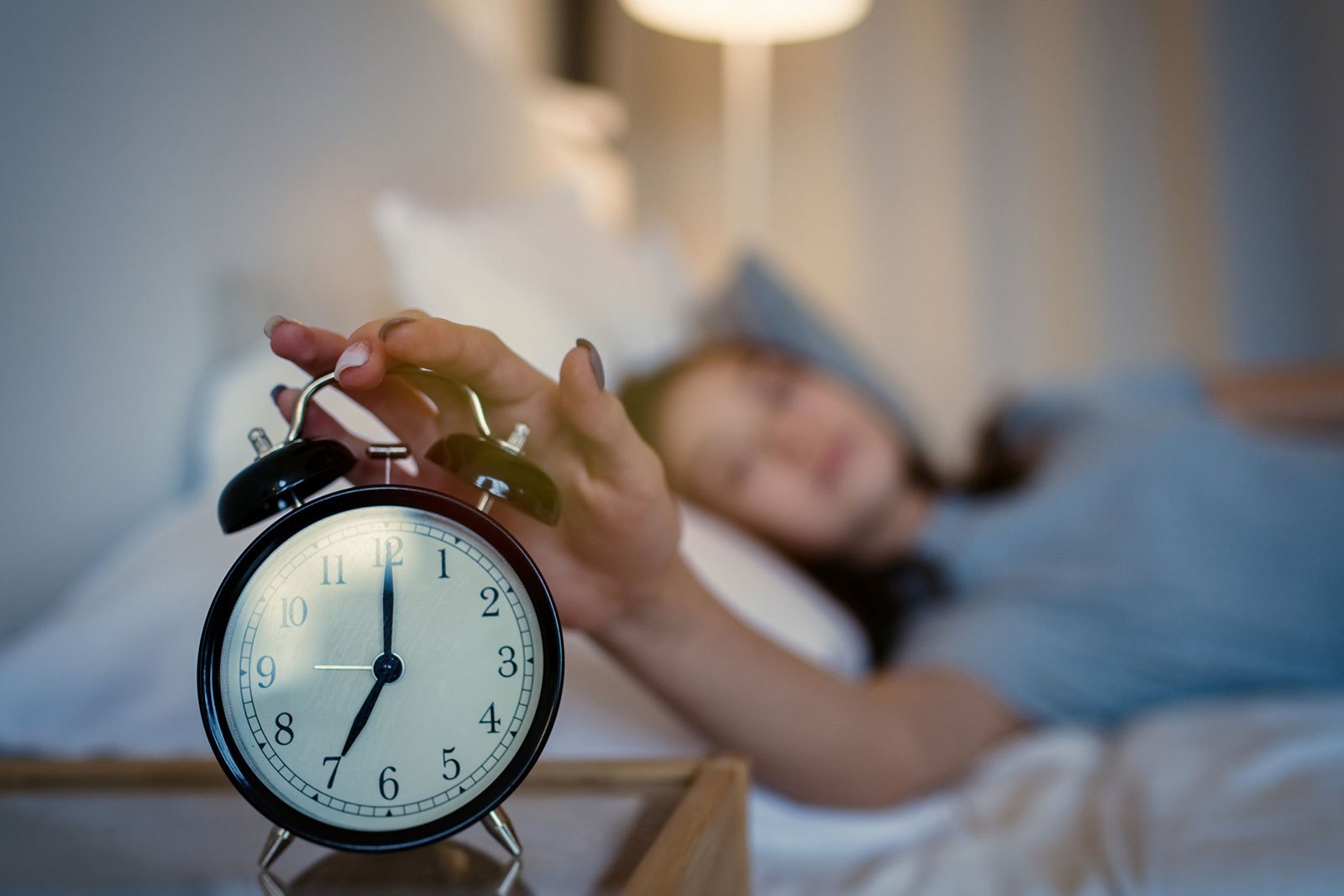
It’s hard to get a good night’s sleep, especially with this pandemic going on. And I’m sure you’re noticing how bad sleep can take hold of your day. Grogginess, cloudy thinking, irritability, and just feeling “bad” are definite symptoms of poor sleep.

A recent survey found that 32 percent of people feel more tired these days than before the pandemic began, and 28 percent said they are getting less sleep than they did in pre-pandemic times.

Lots of that, according to some experts, may be tied to a lack of structure in their day.

These changes in routine may be contributing to something called “Delayed Sleep Phase Syndrome,” where the disturbed schedule/routine might be throwing off sleeping rhythms.

Sleep trouble can be fuelled by anxiety and depression or obstructive sleep apnea.

So, what are people doing about their poor sleeping habits and subsequent fatigue?

The survey found that:

  • 36 percent have tried to reduce stress
  • 33 percent have tried to manage anxiety
  • 20 percent have reduced or eliminated caffeine
  • 19 percent have tried meditating before bed
  • 18 percent have altered their sleeping environments with products like blackout curtains or white noise machines.
  • 16 percent avoided evening screen time
  • 16 percent were regularly taking over the counter (OTC) sleep aids

Those are all pretty good ideas except the sleep aids. Avoiding alcohol within a few hours before bed may also help. And those with sleep apnea should look into a CPAP machine.

Another thing you might not be doing is getting up when you can’t sleep. If you’ve been lying in bed for 25-minutes and still find yourself awake, get up out of bed and do something calming. Reading or knitting are good options. But there are two rules: no screens, and be sure to do it under yellow light, not blue light.

Only using your bed for sleep and sex is also a good idea. Even if you work in your bedroom, don’t use your bed to do work or watch TV. Ideally, the bedroom is a work/TV-free zone.

If you have to a look at a screen when you’re in your bedroom, stand. This can at least help you get tired.

Lastly, exercise is healthy and can contribute to better sleep. But it can also keep you awake if it’s done too late. Your body needs time to wind down, so try and exercise at least four hours before bedtime.

Five-Star Guarantee of Satisfaction