
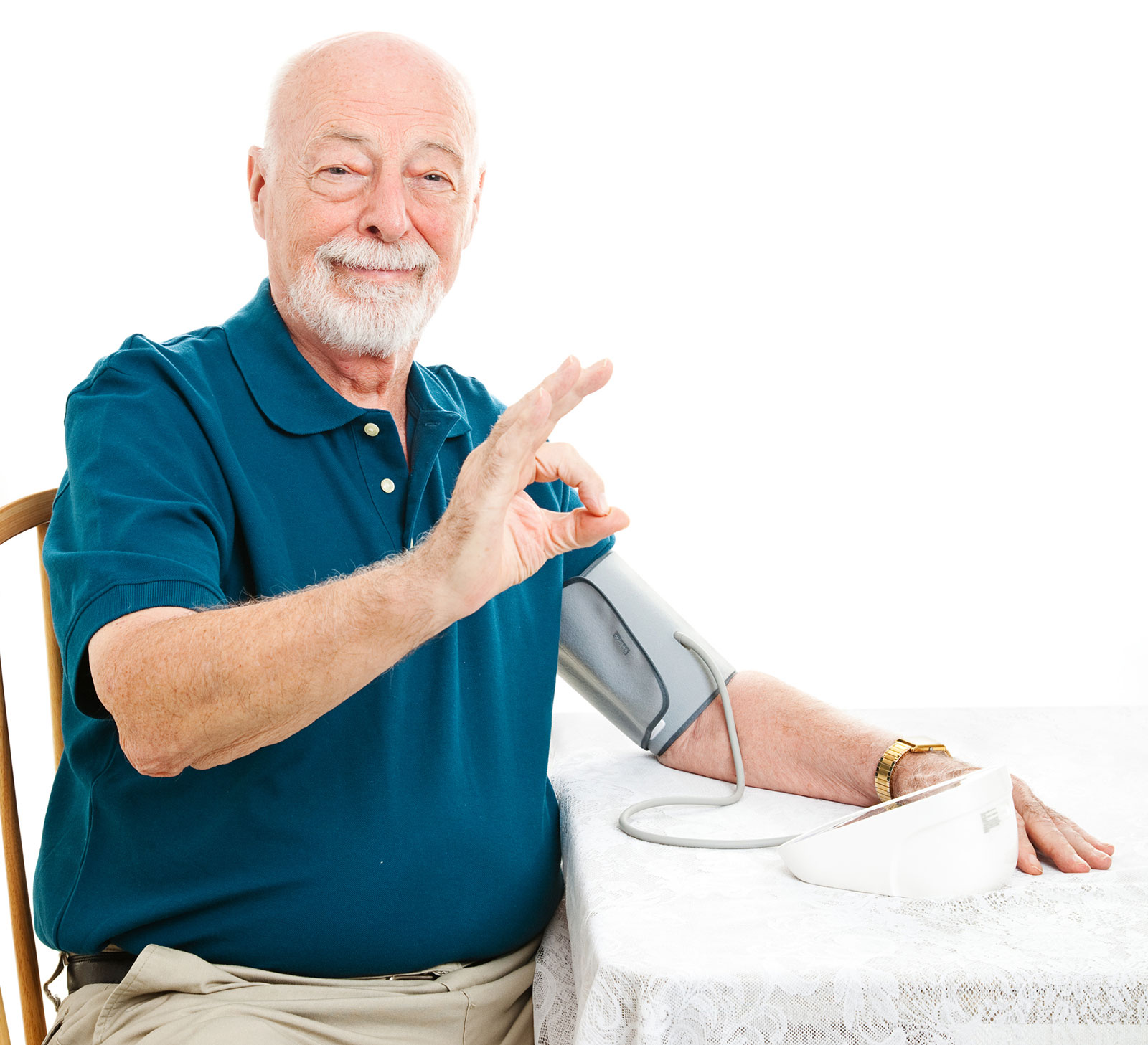
Small Changes to Help Lower Blood Pressure

Go big or go home: the worst advice ever. Most people who try and go big end up back home, right where they started.

You might be able to relate if you’ve tried and failed at lowering your blood pressure. It’s probably true that you know what to do: exercise more, eat better, cut down on salt, etc. But you likely don’t know how to do it.

Most people try and take a big bite out of all this stuff at once… and get some results. The numbers start to drop. But for how long? When you go big with blood pressure management, you’ll soon find it can be unsustainable.

Nearly half of U.S. adults have high blood pressure and may have no idea a) that they have it and b) how dangerous it is. High blood pressure, or hypertension, is known as the silent killer because it creeps up. You can’t feel it, and you may not realize it until it’s very late in the game.

High blood pressure, especially when you’ve had it for a long time, can put your body into submission. It will damage most of your organs and potentially impair brain function, your kidneys, heart function, and blood vessels.

It can also lead directly to stroke, heart attack, heart failure, kidney failure, peripheral artery disease, and significantly boost the risk for cognitive decline, dementia, and Alzheimer’s.

But you may be able to start getting blood pressure under control by making minor, incremental adjustments to your lifestyle.

These tips might not work for everyone all the time, and medication might still be required in some cases. But for most, these should contribute to lower blood pressure.

Start with a little bit of walking. Whether you’re on a treadmill, trail, or going around the block, start walking. Over time you’ll likely find yourself walking further and kicking up the intensity. Just remember to start small.

Reduce salt intake. Paying attention to how much salt you’re eating can play a significant role in blood pressure. Start scaling back processed food, then eventually try and reach a target of no more than 1500 milligrams per day.

De-stress: Relaxing activities like yoga and mindfulness may help you on your way to lower blood pressure. When the mind is calm, it’s easy for the body to follow.


People in Depression are often Associated with Type 2 Diabetes & Heart Disease

A study published in Nature Cardiovascular Research has found a link between depression, heart disease, and type 2 diabetes. Researchers now suggest a lower frequency of depressive attacks can lower the risk of coronary artery disease and type 2 diabetes, irrespective of lifestyle risk factors and genetic susceptibility.
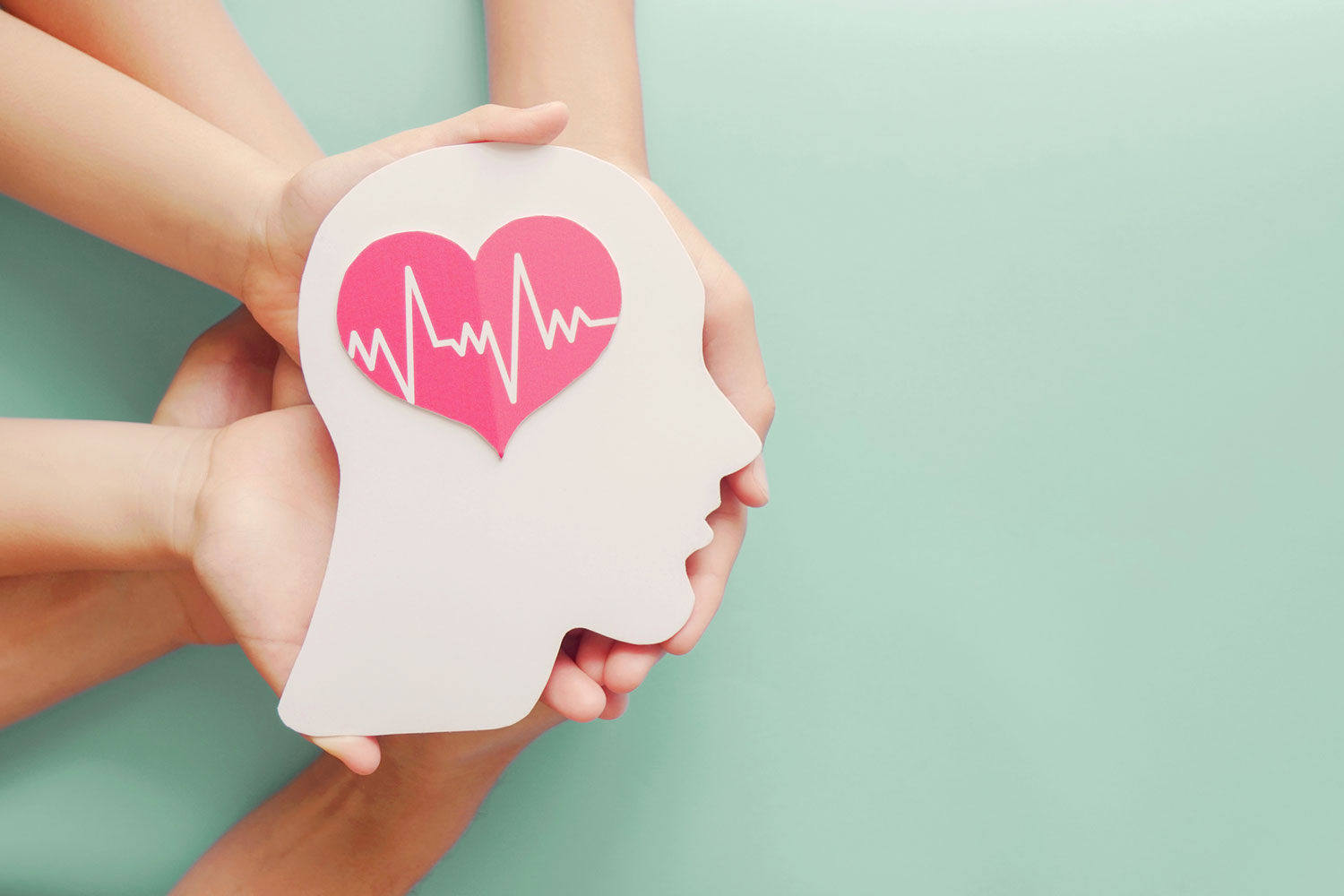
Previous studies have shown a link between depression and heart disease, but it has always been unclear whether depression contributes to the development of heart disease or whether it is mainly secondary to the condition.

This new study included genomes of 328,152 individuals of European ancestry aged between 40 and 69 years old from the UK biobank. This data gave the authors a polygenetic risk score – a specialized tool that can be used to refine risk prediction for heart disease.

The authors of this study concluded that a lower burden of depressed mood is associated with a 34% decreased risk of coronary artery disease. There was also a 33% reduced risk of type 2 diabetes and 20% reduction in atrial fibrillation.

These findings were independent of lifestyle factors known to be associated with mental health and the risk of developing cardiovascular disease, such as exercise, diet, and smoking. Researchers also noted that the associations between depression and coronary artery disease were higher in women than in men.

Although more information is needed to determine the mechanisms behind this association and help identify any implications for using this in preventative therapies, the study helps expand the knowledge of the potential role of depression in the development of cardiovascular disease.

Heart Health and Brain Function

While some degree of cognitive decline is inevitable as you age, numerous factors can take a toll on the brain and its ability to function at peak potential. When under constant attack from stress and environmental factors, you may suffer from concentration problems and overall cognitive function issues. Many of these conditions have also been associated with depression, so it is essential to give the brain the proper vitamins and nutrients to stay healthy.

The Smart Pill contains nine ingredients that can help to support and maximize brain health in cognitive function, including ginkgo biloba, huperzine A, bacopa extract, rosemary extract, and a B vitamin complex. This unique formula allows The Smart Pill to help boost circulation, fight free radicals, and provide nutritional support to assist in cognitive function.

As proven in this study, for those with depression, keeping the heart strong and healthy is vital for enjoying a high-quality life as you age. Heart Rescue was designed to help support and promote cardiovascular health using various ingredients, including omega-3 fatty acids, CoQ10, magnesium, and hawthorn extract. These heart health superstars can help promote and support cardiovascular function as you age.

Don’t Ignore the Close Connection between Your Brain and Your Heart

If you take care of your heart to reduce the risk of heart disease, you’re also taking care of your brain.
Brain and heart health are closely linked, and new research suggests that a heart attack can lead to faster mental decline over time.

Managing heart disease risk factors to prevent a heart attack is good for your brain. There are many links between heart disease risk factors and diminished brain health. Now this study shows that a heart attack can ultimately boost the risk for expedited cognitive decline.

Researchers set out to analyze the short- and long-term impacts of a heart attack on brain health by looking at data from more than 31,000 Americans who took part in six long-term studies between 1971 and 2017. The median age at the start of the studies was 60.

Each had an assessment of their thinking and memory skills and had no history of heart attack or a dementia diagnosis. Participants were then followed for 5-20 years, and more than 1,000 experienced a heart attack during that period.

The researchers found that people who had suffered heart attacks experienced significantly faster declines in memory; skills involved in planning; organizing; focusing; making complex decisions; and overall ability to perform daily activities compared to those who did not have a heart attack.

These declines, however, did not happen immediately. They happened over time, which fits with the reality that dementia does not just appear one day. It is a slow process.

There are several potential reasons for the links between heart and brain health. One could be ongoing damage to the brain caused by silent strokes. Another could be a lack of nutrient-rich, oxygenated blood flow; mini-clots could play a role.

Other recent data shows that brain changes are being identified in younger middle-aged people if they’ve had high blood pressure for an extended period.

In short, it is essential to take care of your heart if you’re concerned about brain health.

Cataracts: What They Are, What Happens, and What to Do

If your vision’s gone a little cloudy or blurry since you hit 60, it could be linked to cataracts. It’s a common eye condition in older adults that can potentially be managed and likely treated by an eye doctor.


Cataracts often develop slowly, and you may have them but be completely unaware of them. Regular trips to the eye doctor can help spot them early and potentially limit their impact on your vision and life.

Generally, it’s unlikely to cause any harm if you can’t notice a cataract. When you begin to notice them, it’s because they have gotten big enough to prevent light from passing through the eye.

Cataracts may cause:

  • Cloudy, foggy, or filmy vision
  • Nearsightedness
  • Changes in the way you see colour
  • Problems driving at night (too much glare)
  • Trouble with glare during the day
  • Double vision
  • Glasses/other corrective lenses not working like they used to

A cataract is a buildup of protein in the eye that blocks light. It’s hard to say if they can be prevented because, at this point, professionals still aren’t exactly sure what causes them.

Thankfully, they are not particularly serious and can be treated with some practical ideas or surgery. But don’t worry: surgery for cataracts is not complex. Options are common and simple procedures.

If you notice things getting blurry and cataracts are caught early enough by an eye doctor, you might be able to get by with a new corrective lens prescription.

When you feel like it’s becoming more difficult to read, a brighter lamp or a magnifying glass may help. If glare is becoming too much to handle, try some glasses with an anti-glare coating.

It’s worth chatting with your eye doctor with any vision trouble, and seeing an eye doctor annually is likely the best way to spot anything. If cataracts start making it dangerous to drive or are interfering with your daily life, surgery is likely the best option.

Older Adults Who Assumed Mindfulness Practice Have Better Mental Health: Study

Mental health can affect how we think, feel, and cope with life. It can also help determine how we handle stress, relate to others, and make choices. So, maintaining mental health is crucial to stabilizing constructive behaviors, emotions, and thoughts.

A new study is helping to outline a new way to help foster mental health through the aging process. Researchers from the University of Maine suggest that aging adults with high levels of “trait mindfulness,” or a person’s ability to pay attention to the present moment without judgment, showed greater well-being and mental health. Adults who also demonstrated mindfulness were found to be more mentally resilient to stressful situations.

The study included 121 adults between the ages of 55 and 87. All were evaluated for their levels of trait mindfulness using the scientifically validated Mindful Attention Awareness Scale.

All participants were given various psychological tasks to gauge their levels of executive function, a set of mental skills that allow individuals to plan, track, and achieve their goals. This includes working memory, switching back and forth between tasks, and filtering out irrelevant information. Participants’ psychological resilience and emotional response to stressful situations were also measured.

It was concluded that subjects with higher levels of trait mindfulness were generally older, more educated, and exhibited less stress, depression, and anxiety. Researchers also found that trait mindfulness was tied to better inhibitory control, the subjects’ ability to focus their attention and filter out irrelevant information during tasks. Overall, researchers found that the harmful effects of stress were significantly reduced in those who were higher in mindfulness.

This study raises the possibility of mindfulness as an intervention to help reduce the harmful impact of stress-related negative effects on brain health in older adults. The next step for researchers is to adapt mindfulness practices for a socioeconomically diverse older population to see if it has the same relationships with brain health and well-being.

Mental Health and Brain Function

Caring for mental health and brain function is vital at any age. Though some degree of cognitive decline is nearly inevitable as you age, numerous factors can take a toll on the ability of the brain to function at its peak potential. The brain can be under constant attack from stress and environmental factors, affecting concentration, memory, and overall cognitive function.

The Smart Pill has a unique formula that can help to support, nourish, and maximize brain health in cognitive function. Its nine ingredients include ginkgo Biloba, huperzine A, bacopa extract, rosemary extract, and a B vitamin complex. These ingredients allow The Smart Pill to help boost circulation, provide nutritional support, and fight free radicals.

As physical health and mental health become an important issue in the United States, it is essential to take the necessary steps to keep the brain and body healthy. By practicing mindfulness, getting plenty of exercise, and ensuring the intake of proper vitamins and nutrients, you can help the body and mind stay healthy through the aging process.

Your Heart and the Pandemic

A recent survey suggests that American hearts haven’t held up well during the pandemic.

The online survey, conducted by the Cleveland Clinic, found that four in 10 Americans say they have had at least one heart-related issue during the COVID-19 pandemic. Further, one in four respondents who have tested positive say that COVID has affected their health.

The top problems reported were:

  • Shortness of breath (18 percent)
  • Dizziness (15 percent)
  • Higher blood pressure (15 percent)
  • Chest pain (13 percent)

Other notable findings from the survey were that:

  • Seventy-seven percent said they sometimes or often sit through the entire day. This suggests that people are plastered to their chairs, and walking is trending downwards. Walking, and any activity, can reduce the risk of heart issues.
  • Roughly 33 percent were unaware that stress, high blood pressure, obesity, and smoking/vaping could contribute to heart disease.
  • Only 22 percent were aware the Mediterranean diet is healthy
  • Fifty-one percent said they do not follow a regular diet.
  • Four in 10 respondents who had lost a family member to heart disease before age 60 have never been screened for the condition that caused their death.
  • One-third suggest that there is nothing they can do to reduce the risk because they have a family history of heart disease.

Those numbers are striking. Activity, diet, and weight loss can help reduce the risk for a heart attack or heart disease, even with a family history.

Screening and lifestyle interventions can help keep your heart healthy. Being conscious of getting some exercise every day, splitting up blocks of sitting with movement, and doing your best to eat whole plant-based foods can significantly improve heart health.

The pandemic has certainly slowed life down and made it harder to stay active and enthusiastic about health. But don’t let it shut you down completely.

20 Minutes of Moderate Exercise in Old Age (70-75) May Best Stave off Major Heart Disease

Research published in the online journal Heart recommends 20 minutes of daily moderate to vigorous exercise in early old age to help reduce the chances of heart disease. This research reinforces the idea of ‘better late than never’ when it comes to exercise.
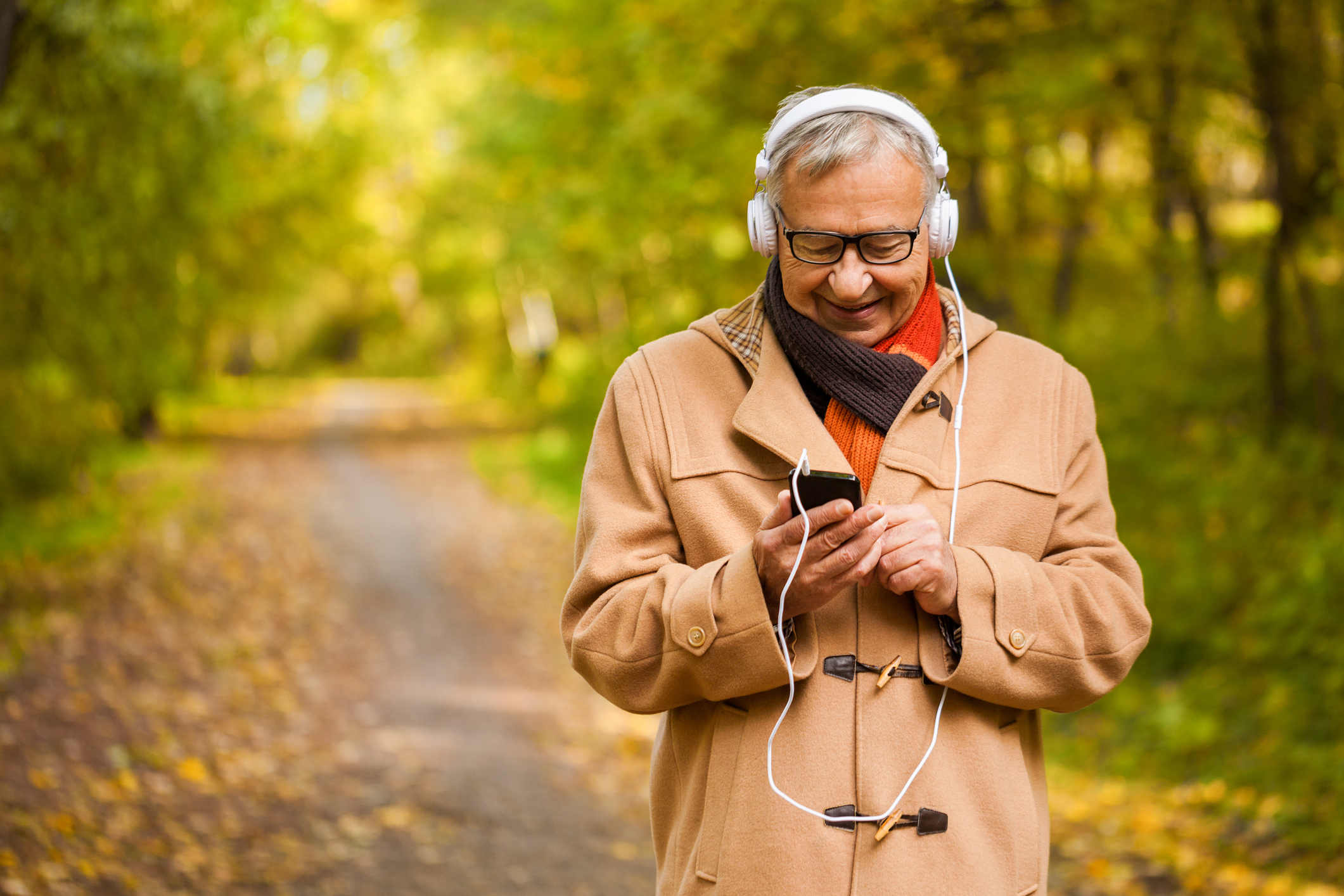
It’s no surprise that physical activity is associated with a lower risk of cardiovascular disease and longer life, but this research helps to outline the importance of exercise for those in their 70s. Few studies have looked exclusively at whether exercise in later life can help ward off heart disease and stroke in old age, so researchers for this study set out to plug this knowledge gap.

Researchers drew on data from the Progetto Veneto Anziani, a study of 3,099 older Italians aged 65 and above for the study. Between 1995 and 1997, participants shared their medical history, physical examinations, scans, and a variety of blood tests were carried out. Two further full assessments four and seven years later were also conducted.

Participants were required to fill in questionnaires about their physical activity levels. Moderate physical activity included walking, fishing, and bowling. Vigorous physical exercise included gardening, gym workouts, dancing, swimming, and cycling. Participants who had physical activity that added up to 20 minutes or more a day were defined as active. Those who were less than this were to find as inactive.


It was concluded that increasing levels of physical activity as well as maintaining an active lifestyle over time were related to a lower risk of cardiovascular disease and death in both men and women. The most significant risk reduction was found for new coronary heart disease and heart failure cases in late old age. There was no significant association between physical activity and stroke observed.

Researchers noted that the most significant benefits seemed to occur at the age of 70. The risk was only slightly lower at the age of 75 and no lower at the age of 80, suggesting that improving physical activity earlier in old age may have the most impact.

Heart Health

Heart health is an important issue at any age, but this study helps to show that even those in their 70’s can benefit from physical activity that can help protect against cardiovascular events.

Along with exercise, Heart Rescue can help support and maintain cardiovascular health using various ingredients, including omega-3 fatty acids, CoQ10, magnesium, and hawthorn extract. Its unique formula can help strengthen the heart muscle, reduce the risk of heart disease, support circulation, and maintain healthy cholesterol.

Overall, a strong heart is vital for enjoying a high quality of life as you age, so it is essential to take the steps necessary to keep it healthy.

Seven Tips for a Healthier Prostate

A healthier prostate: you know you want it. Even if you don’t know exactly where it is or what it does, you’re absolutely positive you don’t want to experience the legend around it.

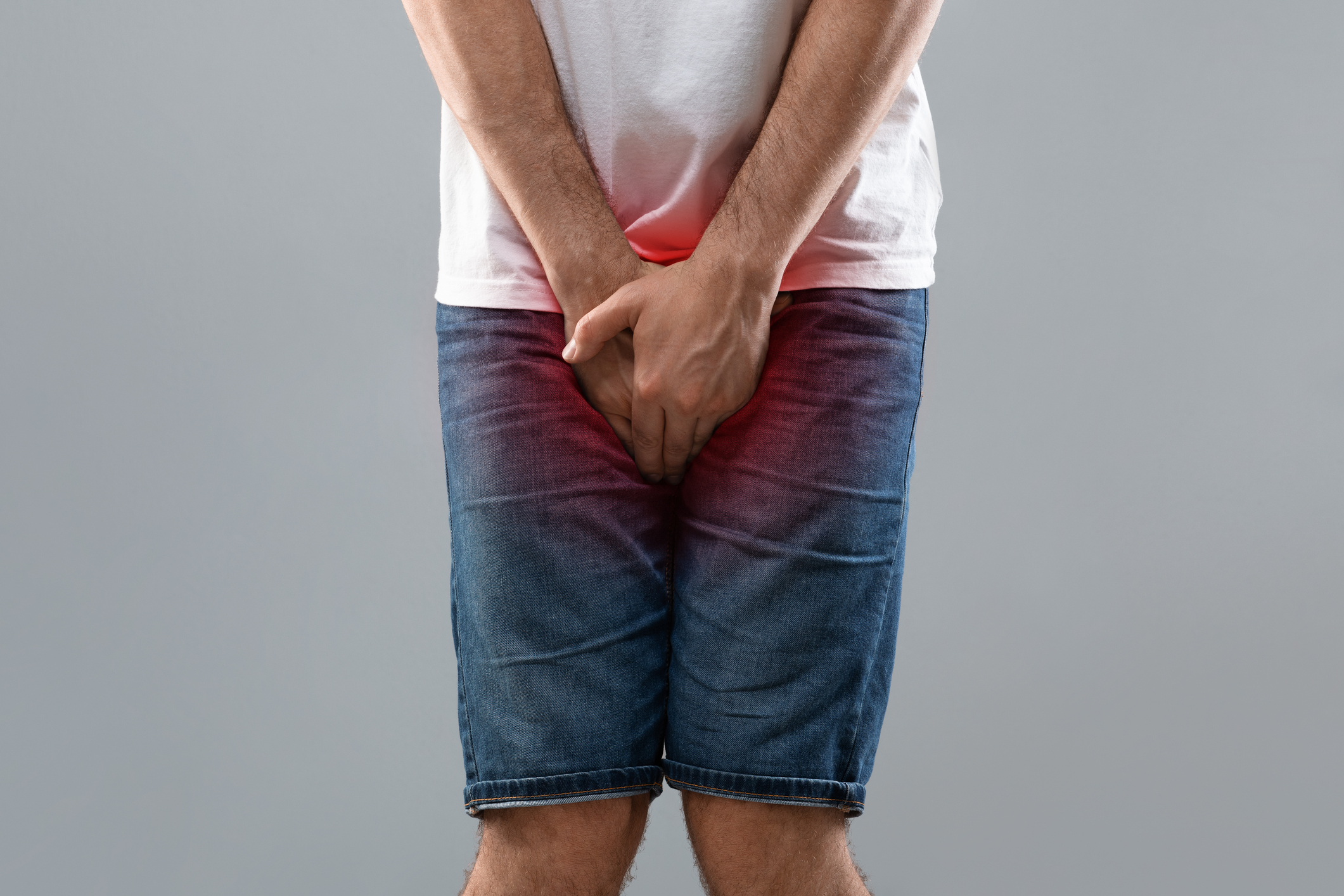
You know, the getting up multiple times per night to go to the bathroom. The pressure in your stomach. The uncontrollable urge to pee, then seeing nothing but a few drips squeeze out when you get there.

And, of course, it can get a lot worse. You know what I’m talking about.

Prostate health is one of the most concerning health issues for men. Here are some things you can do to keep your prostate healthy and potentially reduce your risk for a major health scare.

  1. Try to eat at least five servings of fruits and vegetables per day. Don’t worry about specific items. Just try to get a good variety of colors.
  1. Swap your white bread and pasta for whole grains.
  1. Cut way down on processed food and limit overall intake of red meat. Opt for more poultry (chicken, turkey, etc.), fish, and eggs.
  1. Include nuts in your diet and try out some avocado. Cook with olive oil and use it in salad dressings and sauces, too. Healthy fats may help a lot.
  1. Avoid sugar-sweetened drinks like soda and fruit juice.
  1. Get more physical activity. There is a close relationship between activity levels and prostate health (more=better).
  1. Lose the extra weight.

There are no guarantees that doing these things will completely save you. But so far, they are the things that have been shown to help reduce the risk of trouble effectively.

Speed of Walking and Memory Loss Can Predict Risk of Dementia in Later Life

A new study from the University of Edinburgh suggests that the pace that someone may walk and memory loss could predict the risk of dementia in later life. Experts found that people with Motoric Cognitive Risk (MCR) are also at an increased risk of cognitive impairment and experience higher mortality rates. MCR is a syndrome that involves slow walking speed and memory difficulties.
Researchers analyzed data from almost 50,000 people aged 60 years and older with MCR across 15 studies for the study. It was found that people with MCR were more than twice as likely to develop dementia and were at a 76 percent increased risk of cognitive impairment than people without MCR.

Researchers also noted that the risk of mortality for people with MCR was 49 percent higher than those without it, and the risk of falls was 38 percent greater. However, they caution that because this was a pooling of observational studies, it was not possible to establish whether MCR causes these outcomes or is simply a risk factor for them.

New Examinations

Globally, 50 million people live with dementia, which is predicted to triple in the next 30 years. Researchers hope these findings will lead to physicians routinely examining patients’ walks for early signs of dementia.

Dr. Donncha Mullin from the University of Edinburgh said, “Adding it to the assessment of people with memory problems could be a practical way to help doctors identify patients at risk of developing dementia, especially in settings with minimal or no access to the current tests used to diagnose dementia. Importantly, our findings remained after taking into account other factors such as age and depression, stroke, or heart attacks. However, more research is required before MCR is ready for use in the clinic.”

As memory problems become a significant problem in the aging population, it is imperative that steps are taken to help reduce the risk of cognitive impairment. To help with proper brain function through aging, The Smart Pill can help boost circulation, fight free radicals, and provide nutritional support to assist cognitive function.

Its unique formula includes ginkgo Biloba, huperzine A, bacopa extract, rosemary extract, and a B vitamin complex, which help to support, nourish, and maximize brain health and cognitive function.

Too Much Melatonin Can Be Harmful

If you’ve been tossing and turning during the pandemic, you’re certainly not alone. You’re also not the only person who may have tried using melatonin as a sleep aid.
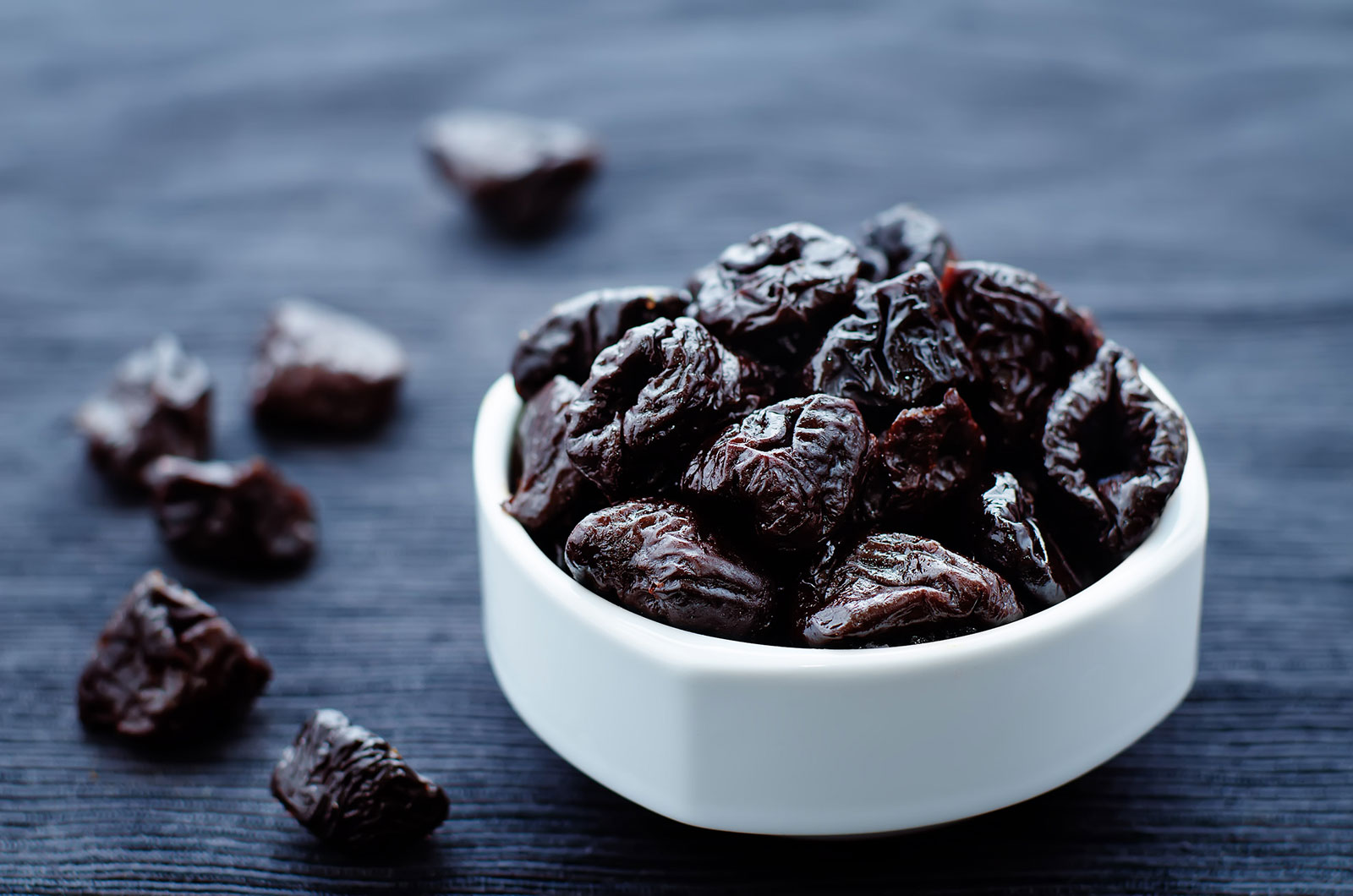
Research suggests that melatonin, when used in relatively small doses for short stints, is safe and effective in helping regulate sleep. Some ways where it might be used include combatting jet lag or helping to regulate sleep after a few days of sleepless nights.

However, it is not recommended to be taken in large doses or for extended periods. Typical dosing instructions are for 5 milligrams (mg) per day.

New research suggests that some are taking far larger doses and using it for much longer than a few days, which is prompting health concerns.

Use has been rising steadily for years, and the pandemic may have taken things to a new level. Americans were taking more than double the amount of over-the-counter (OTC) sleep aids in 2018 than in 2008. And since 2006, the study shows a small but growing number of people are exceeding the low dose, short-term treatment guidelines.

According to CNN, melatonin is linked to headaches, nausea, dizziness, stomach cramps, drowsiness, confusion, disorientation, irritability, mild anxiety, depression, tremors, and potentially abnormally low blood pressure.

Taking too much melatonin can be a risk because it may mess with your body’s endocrine system – something you don’t really want to do. Melatonin is a hormone that your body naturally produces to help you rest. Supplementing too much can throw this delicate system out of rhythm and potentially create problems.

In short, be careful with melatonin supplementation and realize that it is designed to be taken in small doses. Taking more than that could lead to unexpected risks.

Eating Prunes Can Reverse Bone Loss in Postmenopausal Women: Study

New research suggests that prunes can help to prevent or delay bone loss in postmenopausal women. Scientists believe it may be due to their ability to reduce inflammation and oxidative stress, which contribute to bone loss.


It has previously been noted that prunes are good for the gut, but this new research from Penn State suggests they may be good for bone health too. Researchers explain, “In postmenopausal women, lower levels of estrogen can trigger a rise of oxidative stress and inflammation, increasing the risk of weakening bones that may lead to fractures. Incorporating prunes into the diet may help protect bones by slowing or reversing this process.”

Researchers analyzed data from 16 studies in rodent models, ten preclinical studies, and two clinical trials for the review. Across all studies, it was found that eating prunes may help to reduce inflammation and oxidative stress and promote bone health in those with osteoporosis.

Osteoporosis is a condition when bones become weak or brittle. It can affect anyone at any age, but it is most common in women over 50. The condition affects more than 200 million women worldwide, causing almost nine million fractures each year.

Osteoporosis Medication

There are medications available to help treat osteoporosis, but because of the many undesirable side effects, more people are looking for a way to treat the condition with nutrition. But, it can be hard to get all the vitamins and nutrients needed for bone health through food.

Bone Rescue is ideal for supporting your diet for healthy bone maintenance. Its unique formula contains 680 mg of strontium and additional ingredients to help support and promote healthy bones. These include clinically proven bone-supporting vitamin D3 and magnesium.

Along with bone health, joint health is also essential as you age. Strong, flexible, and healthy joints are necessary for doing everyday tasks like walking up the stairs, gardening, and playing with grandchildren. But far too often, the role of nutrition is overlooked in joint health and support.

Healthy Joints contains multiple ingredients to help support and improve joint health, including ingredients backed by clinical studies.


Use Music to Improve Your Health

For many, music is a constant. You were likely enjoying as a young child, through your teenage years, and then into adulthood.
It can trigger fond memories, provide enjoyment and excitement, stimulate connection, and induce exercise and stress relief. Music can be truly magical stuff.

And it has health value, too.

There is plenty of research to suggest the health benefits of music. Studies have shown it can help with brain development in premature babies; reduce stress and boost immune system function; ease pain; enhance workouts and aid in Alzheimer’s treatment.

Because it can lead to social connection, singing, and dancing, it may also help with anxiety, depression, and isolation. Even as people were stuck inside during pandemic lockdowns, music was bringing people together through live streams and living room dance parties.

The studies are great to add some meat to the benefits of music, but do you really care? Why not try it for yourself and bless your ears with some of your favourite sounds? Maybe even try listening to some music that you’ve never heard before?

There is a whole world of music out there. It’s one of the things virtually every culture across the earth practices and has a unique approach to,

You can maximize your use (and enjoyment) of music by creating both an upbeat and downbeat playlist.

Upbeat songs can help lift spirits and help the time go by faster when you’re feeling bored and down. It can also push fatigue to the side and stimulate activity. This type of music can also help boost intensity during exercise.

Downbeat music can help to reduce stress, help you rest or get ready for sleep, or calm nerves and promote relaxation. It might be even more effective when used with breathing exercises and mindfulness.

And, of course, it’s always good to have your favourite songs, past and present, easily accessible to provide a charge or trip down memory lane when you need it.

More than Muscle: Why You Should Think About Strength Training

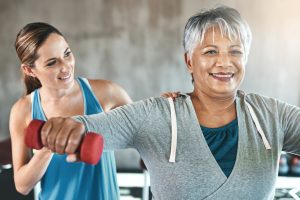
When you think about lifting weights, you might think about big strong muscles, or being uncomfortable, and say “no thanks.” But strength training can do a lot more than build muscle mass and strength (two things that are very important with older age).

And the pain and discomfort go away when you exercise regularly.

Strong muscles lead to strong bones, better balance, greater independence, and more. The benefits to bone health alone are enough to convince many why now might be the time to start a strength-training regimen.

As bones become more fragile with age, they can be susceptible to a break, even after a minor fall or much less obvious stress, like simply bending over. Depending on the placement and severity of a break, it can have life-altering impacts.

Muscle can help prevent these situations from occurring. Several studies show that strength training can slow bone density loss and even stimulate the formation of new bone. This can help offset age-related drops in bone mass.

Activity that puts stress on bones – like the pushing or pulling that happens during resistance exercise – can prompt bone-forming cells to get moving, too, ultimately leading to stronger and denser bone.

Muscle also helps to improve balance and resilience, helping to increase agility. For example, if you walk into a table and lose balance, muscles will help you absorb the blow and potentially steady yourself to prevent a fall.

Strength training moves target bones in the hips, spine, and wrists, which are the areas you’re most likely to experience a life-altering fracture. Movements that incorporate squatting, deadlifting, and upper body pushing and pulling, like push-ups or rows, are ideal.

If you don’t know anything about strength training, or even if you know a little, it is worthwhile to meet with a professional. They can show you how to safely perform movements and program exercises in a low-risk, incremental way that is tailored to you.

Can You Suffer a “Silent” Stroke?

You might know that it’s possible to suffer a heart attack and have no idea until after the fact. “Silent” strokes are a reality, too.

The American Heart Association estimates that as many as a quarter of octogenarians (a person who is 80-89) may have had one or more strokes where they did not experience any noticeable symptoms.

The strokes are often learned about later during brain imaging for other reasons.

Silent strokes are often caused by low blood flow in one of the smallest arteries in the brain. They can occur without noticeable symptoms if it impacts a part of the brain that is not responsible for major movements or vital functions.

Instead of producing typical stroke symptoms like weakness or paralysis in the limbs or trouble speaking, it may, at most, lead to symptoms like regular clumsiness or random memory lapses, things that can easily be attributed to age or anything else.

That can be scary. Just because a silent stoke might not be noticeable, it may leave you at risk for a more significant episode with more severe consequences.

Preventing silent strokes is similar to what you would do to prevent a large stroke or heart attack. It includes having a heart-healthy strategy for living aimed to reduce the risk of cardiovascular episodes like heart attacks and strokes.

Using tools like diet, exercise, weight management, not smoking, and limiting alcohol can help lower cardiovascular risk factors like high blood pressure and high cholesterol.

Try to include as many fruits, vegetables, nuts, legumes, and whole grains in your diet as possible. Also, try to feature lean proteins at least once or twice per day to help encourage nitrous oxide production that may enhance blood flow. Healthy fats, like omega-3’s, found in fish, and unsaturated fats from nuts, olive oil, and avocado, are helpful too.

Being aware of silent strokes and heart attacks can help with preventative measures.

Five-Star Guarantee of Satisfaction