
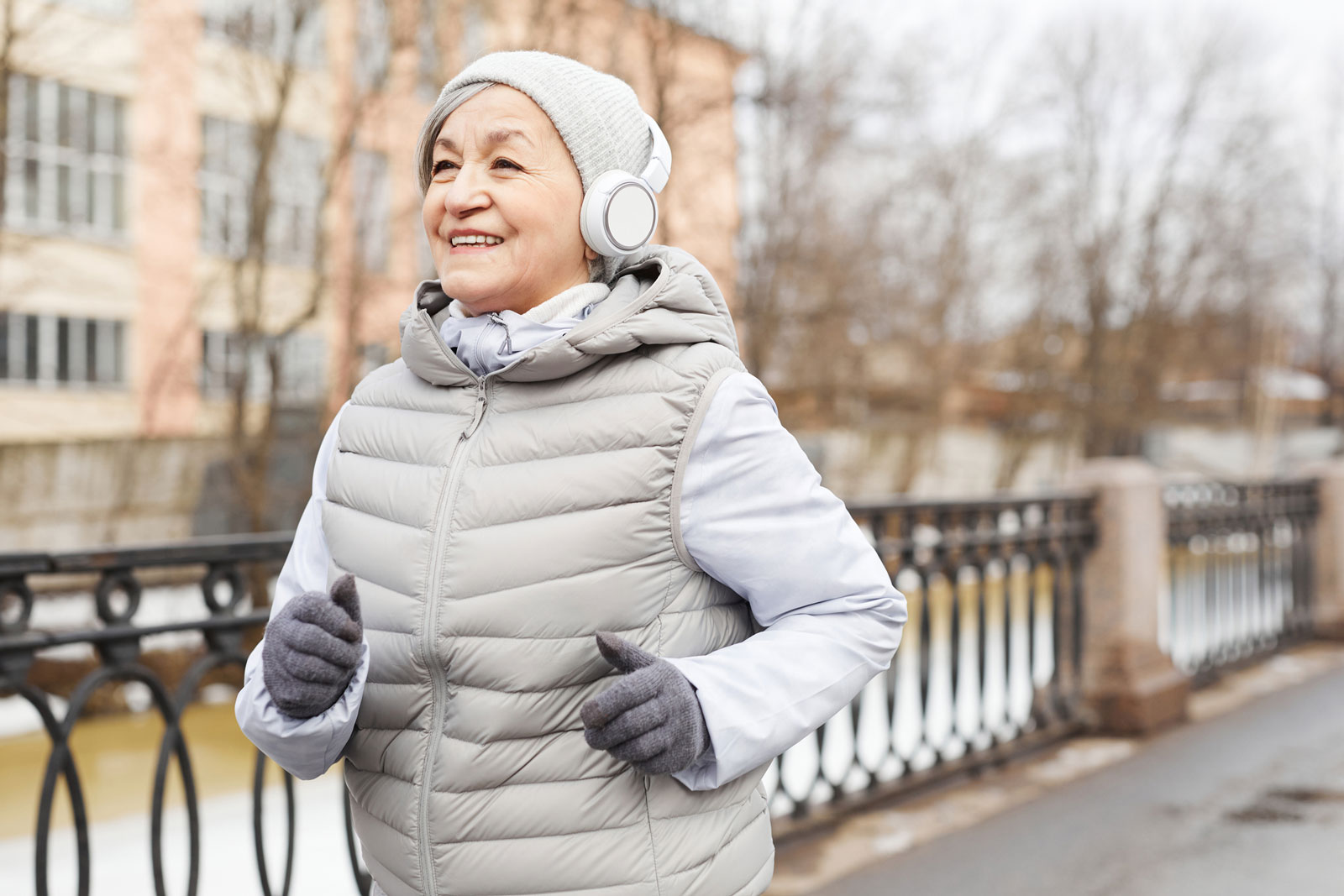
Tips for a Fun and Safe Winter Workout

Maybe this is the winter you want to take your workouts to the great outdoors. The snow can look inviting in the sun, and cold temperatures can, at times, be highly enticing.

And if you live somewhere where winter flourishes, why not experience your surroundings to the fullest?

There are actually some unique benefits to cold-weather workouts. One is that you don’t have to deal with high heat and humidity. This might allow you to work out longer and potentially burn more calories and build more muscle.

Exercising outdoors in the winter can also help you get more vitamin D – a nutrient in relatively short supply for people living in colder, darker climates this time of year. Vitamin D may help boost mood, immunity, and enhance bone strength.

But just like there are some unique benefits to cold-weather exercise, there are also some risks. Exerting effort outdoors, whether you’re playing a sport, going for a walk or snowshoe, or digging out your driveway, cold temperatures pose a risk to the heart.

Cold temperatures can lead to higher blood pressure and a greater risk for heart attack and stroke. The added risk comes from the fact that blood vessels and arteries constrict in the cold, giving blood less space to flow through.

Your heart works extra hard in the cold to keep your body at a safe and healthy temperature. The additional workload can add stressors to your heart that you might not normally be accustomed to.

But there are ways to ease the pressure on your heart and reduce the risk of danger for winter workouts.

Layer Up: Layers help you keep warm and prevent hazards like frostbite and hypothermia. A sweat-wicking base layer is preferred.

Don’t Overexert: Ease into your exercise and trust the process. As you get into better shape, you’ll be capable of more; just be patient.

Take Breaks and Stay Hydrated: Even though it’s cold, you might not feel thirsty, but it is important to drink water and stay hydrated just like you would for a warm-weather workout.

Be Mindful of Added Calories: You don’t want to cancel out your workout by warming up with a hot chocolate or spiced latte afterward. Save them for special occasions, and instead, have unsweetened tea and coffee to help you warm up.
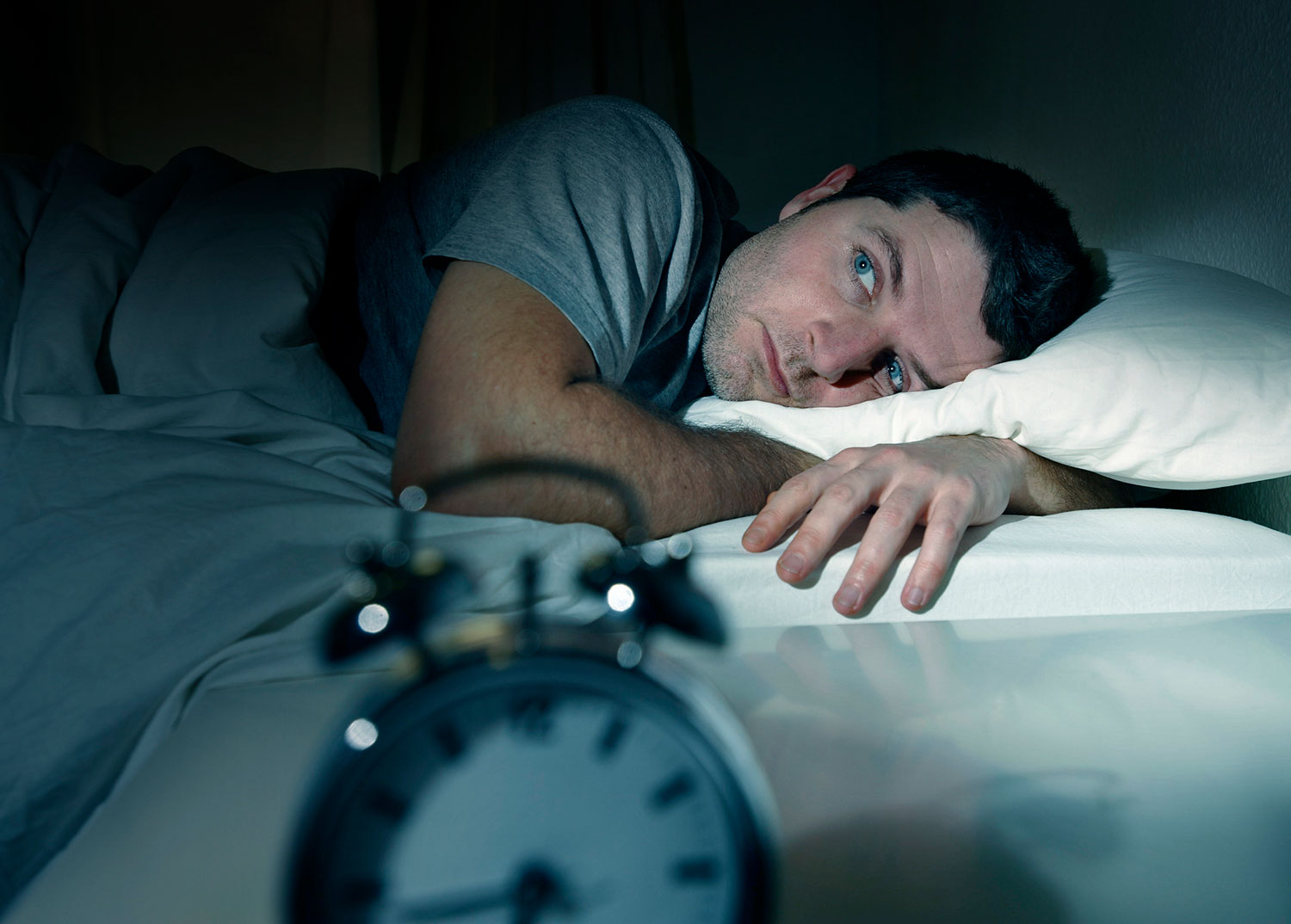

A New Study Suggests That Poor Sleep Could Triple a Person’s Risk for Heart Disease

New findings published in Scientific Reports show that poor aspects of sleep can be a risk factor for heart disease. Individually, they affect heart health, but when combined, poor sleep aspects can increase the risk of heart disease by as much as 141 percent.


For the study, researchers from the University of South Florida reviewed sleep data from 6,820 U.S. adults with an average age of 53. Each participant self-reported their sleep characteristics and heart disease history. Among these participants, 633 also wore an actigraphy device around their wrist that captured sleep activity.

The study was focused on multiple aspects of sleep health such as satisfaction, regularity, alertness during waking hours, and overall sleep quality. Participants were also asked about their health, including if their physician confirmed a heart condition such as arrhythmia, heart murmur, or enlarged heart. High blood pressure was not considered a diagnosis since it is a risk factor for heart disease and not a diagnosis.

It was found that each additional increase in sleep health problems was associated with a 54 percent increase in the risk of heart disease. These findings held even after being controlled for family history of heart disease and socioeconomic factors such as sex, race, smoking, depression, and physical activity.

Researchers say that while sleep health is essential for all ages, this study was focused on middle-aged adults as it spans for a longer period and consists of more stressful life experiences due to work and family roles. This is also typically when the precursors for heart disease and age-related sleep issues begin to appear.

Sleep and Heart Health

As this study demonstrates, lack of sleep can lead to much more than mere tiredness and diminished performance during the day. Getting proper sleep can help support the ability to maintain healthy body weight, blood sugar levels, cardiovascular health, and mood.

Sleep Sure Plus is designed to help promote restlessness and optimal sleep. Its unique formula includes melatonin, a hormone essential for regulating the circadian rhythm, which is a natural, internal process that regulates the sleep-wake cycle.

Along with getting proper sleep, it is essential to focus on heart health as you age. So, Heart Rescue was designed to help support and promote cardiovascular health, using a variety of ingredients, including omega-3 fatty acids, CoQ10, magnesium, and hawthorn extract. These ingredients can help to reduce the risk for heart disease, strengthen the heart muscle, and support circulation.

Berries and Red Wine Might Be Weapons against Parkinson’s

Red wine, berries, and cherries—one is a guilty pleasure, and the other two are bonafide superfoods. But they might all play a role in preventing or treating Parkinson’s.
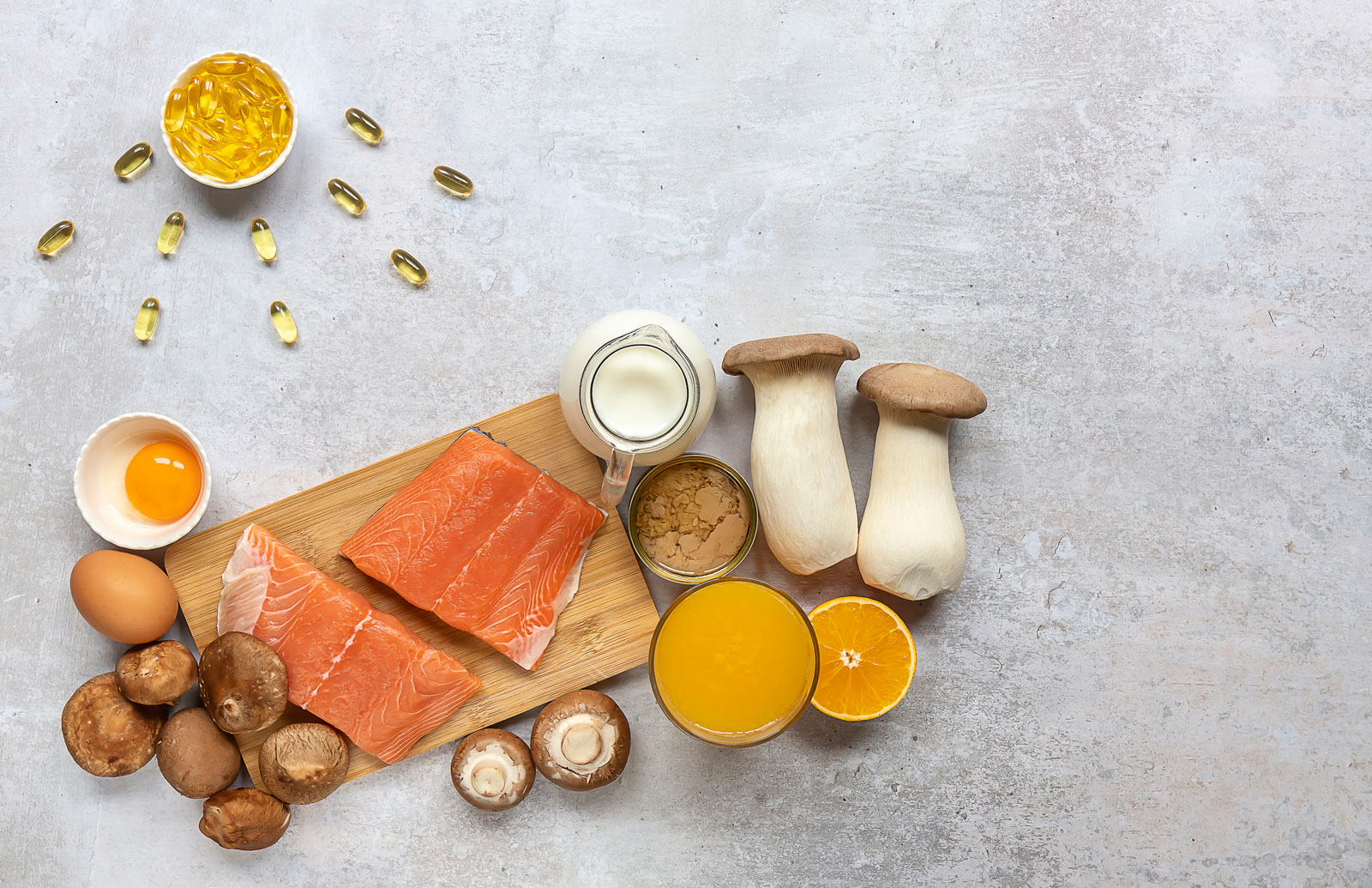
New research, published in Neurology,  suggests that the antioxidants in red wine, berries, and other colorful fruit may help slow the progression of Parkinson’s disease, a neurological disorder affecting movement.

According to researchers, people with Parkinson’s who eat three or more servings per week of foods high in flavonoids may lower their risk of dying early compared to those who don’t eat as much flavonoid-rich food.

Flavonoids are a type of antioxidant found in a host of colorful fruit and vegetables.

It’s important to note that the study did not prove that these foods, or compounds, prolong life. The connection was only an observed association.

It’s believed that flavonoids can cross the blood/brain barrier quickly and with ease, which may allow them to relieve oxidative stress and inflammation in the brain and help improve blood flow. It’s possible that these effects are what’s lead to the findings.

Researchers collected data on more than 1,200 people with Parkinson’s disease, with an average age of 72, for the study. Participants had lived with the condition for an average of 33 years.

Every four years, the participants were asked about diet. Specifically, how often they consumed tea, apples, berries, oranges, and orange juice.

They found that those who consumed the most flavonoids had a 70 percent higher chance of survival compared to those who had the least. The highest intake was around 673 milligrams (mg) a day, and the lowest was around 134 mg.

To give that some perspective, an apple has about 113 mg, and a 100 gram serving of strawberries has about 180 mg.

Could Vitamin D Be the Answer for Immune Health?

Vitamin D gets a lot of praise, and it may help with a number of conditions. Now new research is suggesting it could help protect the immune system as well.
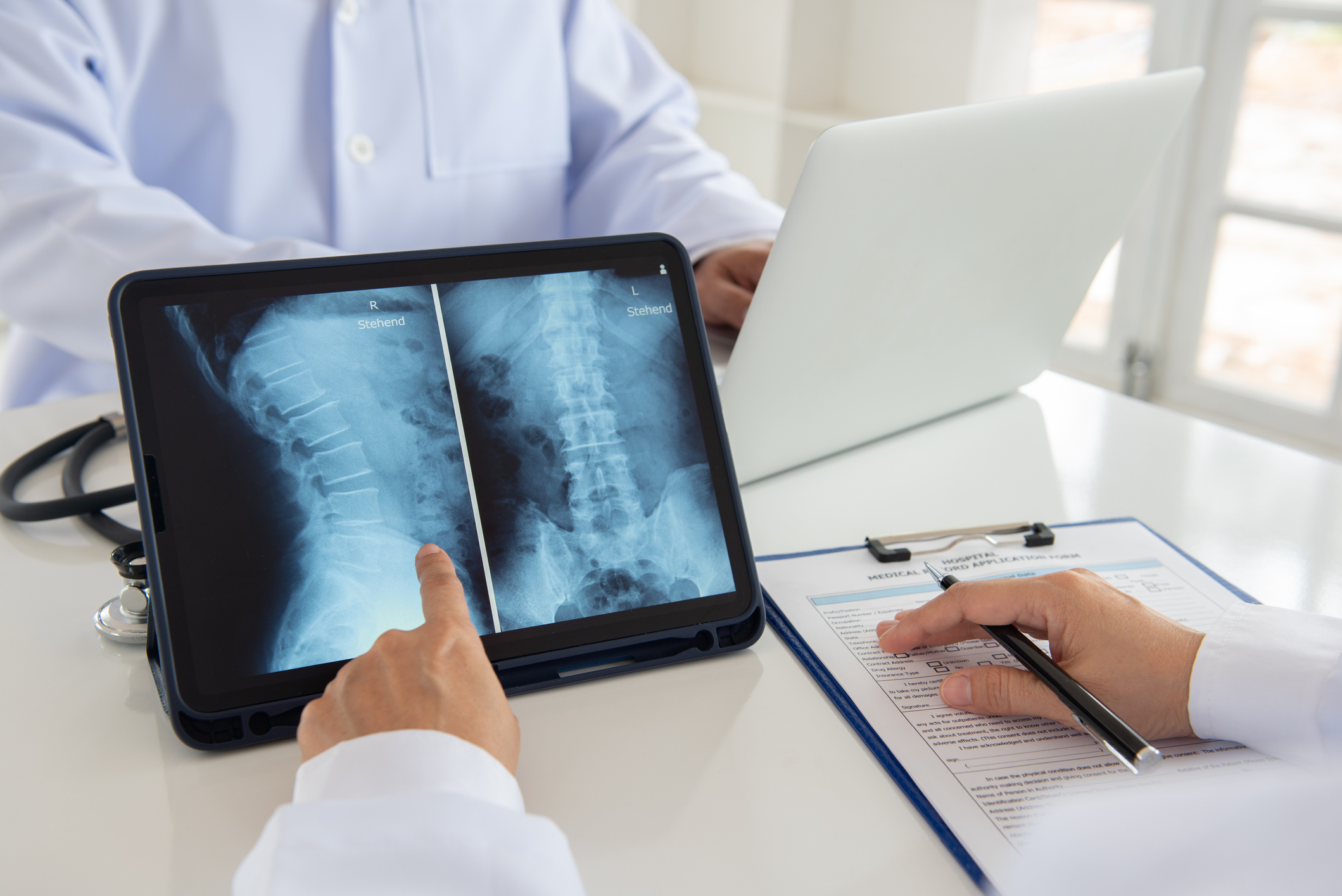
The study, published in BMJ, suggests that vitamin D may help reduce the risk of immune system issues that currently put people at risk.

Past work has hinted at possible connections between vitamin D and these types of conditions, but this new study is unique because it was the first time a randomized controlled trial was used to assess if vitamin D impacted the health of the immune system.

The research found that people who took 2,000 international units (IU) of vitamin D per day, with or without fish oil, for slightly more than five years, improved the health and effectiveness of their immune system by 22 percent compared to those taking a placebo.

How might it work? Vitamin D could help the immune system function by binding to receptors on immune cells to turn on various genes involved in immune function.

Generally, 600 – 700 IU of vitamin D is recommended. Most people, if not all, need to supplement vitamin D because it is not readily available in food. Your body makes vitamin D when UV rays hit your skin. However, this can become very risky.

Too much sun, of course, is associated with some severe health conditions.

If you want to give yourself a chance at maintaining a healthy and functioning immune system, a vitamin D supplement might be worthwhile. 2,000 IU per day is likely safe. However, speak to your doctor before beginning a regimen.

People with Chronic Pain Due to Spinal Cord Injury Have More Risk of Mental Health Issues

A new study published in Spinal Cord has found that adults living with chronic pain due to spinal cord injury have an increased risk of developing mental health problems compared to people without the injury. These psychological issues include conditions such as depression and anxiety.


The study by a Michigan Medicine team of researchers analyzed private insurance claims for more than 9,000 adults with a traumatic spinal cord injury and more than 1,000,000 adults without the condition.

It was found that people living with a spinal cord injury were diagnosed with mental health conditions more often compared to those without the injury: 59.1% versus 30.9%. Past findings have also consistently shown higher levels of psychological morbidity throughout this group than the general population without spinal cord injuries.

Adults living with spinal cord injury were also associated with post-traumatic stress disorder, substance use disorders, insomnia, and higher levels of stress among their mental health conditions. In many cases, patients report that chronic pain is an even more significant influence on their overall health than living with the injury itself.

Researchers believe that these findings should influence physicians to identify mental health conditions in patients with spinal cord injuries and refer them to mental health providers for treatment.

Having strong bones is essential in aging adults to continue having an active and healthy lifestyle and help to avoid injury. Bone Rescue is ideal for supporting your diet for healthy bone maintenance. It contains 680 mg of strontium and additional ingredients to help support and promote healthy bones.

Pain Management

Pain management in the United States is a constant topic of discussion as an estimated 50 million Americans are dealing with it every day. Pain Eraser is a topical solution that can help to ease pain and discomfort on contact. Its ingredients include a proven natural pain reliever, camphor, and menthol to provide soothing relief to stiff and sore muscles.

As this study shows, pain can impact cognition and mental health. The Smart Pill can help to support and maintain healthy cognitive function. With nine unique ingredients to support, nourish, and maximize brain health, this formula can help the brain when under constant attack from stress and environmental factors.

As mental health can be connected to chronic pain, it is essential to focus on solutions for all conditions to live an overall healthier and happier life.

Paying Attention to This Non-Nutrient Can Have Big Benefits to Your Health

Navigating a healthy diet can seem like a challenge. Keeping track of calories, carbohydrates, fats, proteins, vitamins, and minerals can get a little confusing and overwhelming.
Unfortunately, fiber often gets lost in the mix.

And it’s really too bad because fiber can be like medicine. It’s something that countless doctors and nutritional experts suggest everyone should eat more of.

Although there is no shortage of recommendations about eating it, and the benefits it can provide, data suggests people still aren’t getting enough of it.

An analysis published in 2017 in the American Journal of Lifestyle Medicine found that roughly 95 percent of the population was falling short of the daily recommended amount of fiber for good health.

Fiber recommendations vary by age and gender, but the average is 28 grams per day. Research suggests people average about half of that.

Fiber is a material in plant-based foods that can’t be broken down and passes through your system undigested. It also acts as food that helps cultivate a healthy gut bacterial population. It is found mainly in fruits, vegetables, whole grains, nuts, and cereals.

What makes fiber so important? Well, it’s been shown to protect against heart disease, diabetes, inflammatory bowel syndrome, excess weight, and more. It can also help remove toxins and waste from the body, reduce cholesterol, and support healthy blood pressure.

It’s easy to skimp on fiber when you’re eating on the run or relying on processed foods to fill your diet.

You can include more fiber in your diet by planning meals, limiting processed food intake, and sticking to the perimeter of the grocery store. Thankfully, most nutrient-dense foods contain fiber, so you don’t have to trade off any nutrition to get it.

Some things to remember when looking to boost fiber intake include:

  • Choosing bread, pasta, and cereals made from whole grains
  • Eating fruits like apples and oranges instead of drinking fruit juice
  • Including vegetables with every meal
  • Snacking on foods like nuts and popcorn

Try to increase fiber intake slowly and incrementally. Going too fast can lead to bloating, gas, and discomfort, which can turn many people off from eating more fiber. But you should be able to avoid these issues if intake is increased gradually.

A Mineral Found in Many Foods Could Help Reverse Memory Loss

For older American’s, memory loss is a rising concern, as about 16 million people are suffering from memory impairment, with cases rising steadily. But, a new study from the University of Queensland suggests that a common mineral found in many foods could help boost memory and learning in aging brains.

It has previously been reported that exercise can create new neurons in the brain, but research lacks an understanding of how it works. However, it has been noted that protein levels that are key to transporting selenium in the blood were elevated by physical activity. Follow-up models have shown that selenium supplementation could increase neuron generation and improve cognition in mouse models.

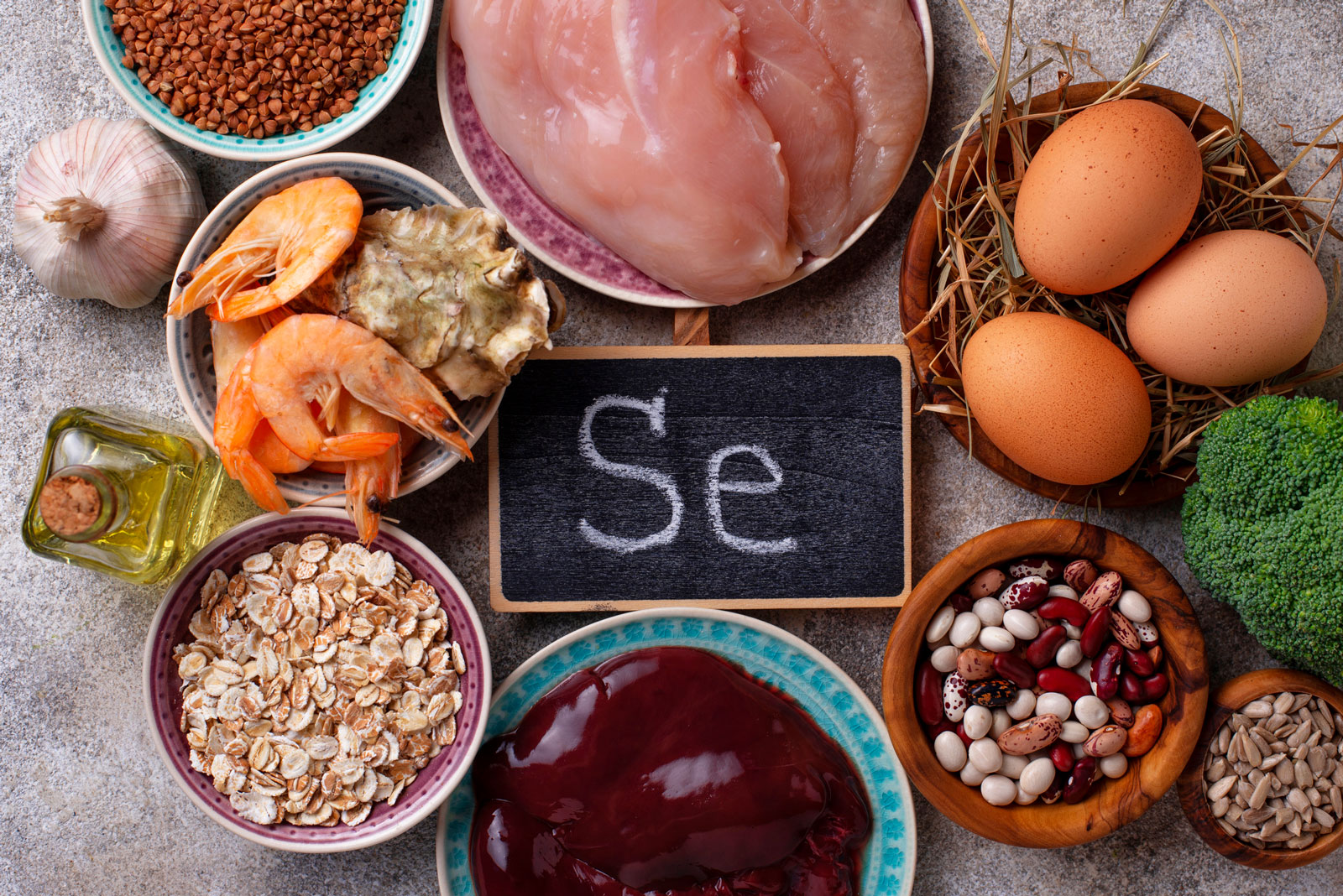
Selenium is a trace natural mineral absorbed from water and soil and found in foods such as meat, grains, and nuts. The highest amount can be found in Brazil nuts.

Researchers also looked at whether selenium would impact cognitive decline, which can affect learning and memory. It was found that learning and memory deficits in mice returned to normal when they were given selenium supplements.

Researchers believe these results have opened a new therapeutic avenue to help with cognitive function in patients who could not exercise due to old age or health. But, they do warn that selenium shouldn’t be seen as a complete substitute for exercise, and too much of the mineral can be bad for you.

Most people who eat a balanced diet of fruits, vegetables, nuts, and meat usually have good selenium levels. But, older people, particularly with neurological conditions, could benefit from selenium supplements.

Healthy Brain Function

Healthy brain function is essential as you age. While some degree of cognitive decline, including memory loss, is nearly inevitable as you age, numerous factors can affect the ability of the brain to function at peak potential. Many people find that their concentration, memory, and overall cognitive function are affected by stress and environmental factors.

The Smart Pill can help to support and maintain healthy cognitive function. With its unique formula of ingredients, including ginkgo Biloba, rosemary extract, and B vitamin complex, The Smart Pill can help to support, nourish, and maximize brain health.

Don’t wait until symptoms appear. By taking steps to ensure you are getting the essential vitamins and nutrients to support brain health, you can reduce your chances of cognitive problems before they start.

What’s the Difference between Osteopenia and Osteoporosis?

The strength, density, and mass of your bones will go down with age. Of course, there are steps to slow the process, which become extremely important to longevity and quality of life.
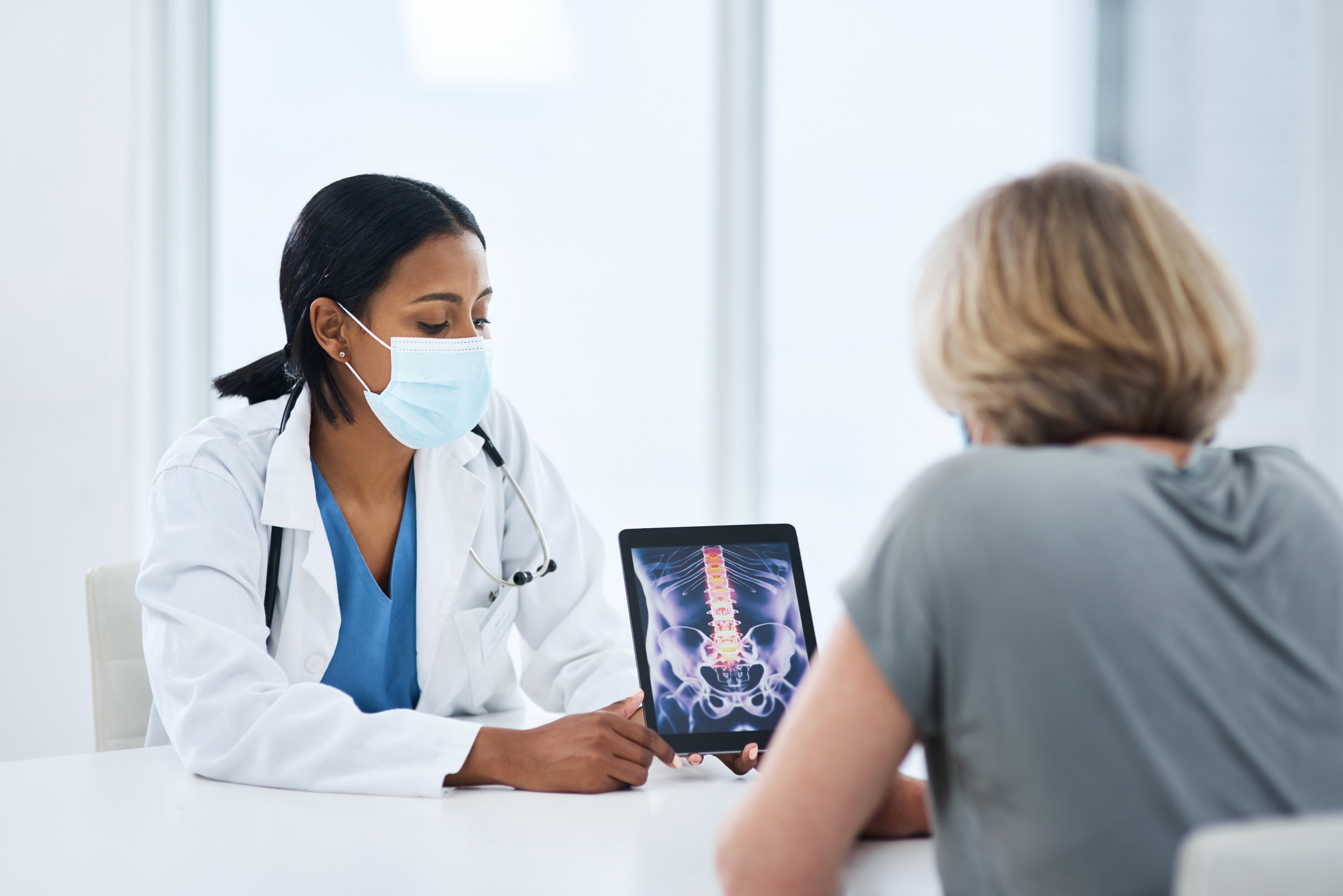
You may be aware of osteoporosis, a severe case of bone loss that weakens bones and increases the likelihood of fracture. But that isn’t the only condition that can affect your bones.

Osteopenia can develop before osteoporosis. It is less severe than osteoporosis, and if it is caught soon enough, it can be treated, and bone density can be restored.

Put simply, osteoporosis can be thought of as pre-osteoporosis or perhaps a warning. Osteopenia is identified in people who have a lower bone mass or bone density for their age, yet it is not low enough to diagnose osteoporosis.

If you have a bone mineral test and it comes out low, it’s your responsibility to follow your doctor’s directions to boost bone mass and do your best to prevent osteoporosis.

Treating osteopenia is all about preventing it from progressing to osteoporosis, full stop. A treatment plan would likely include:

  • A calcium-rich diet
  • Getting enough vitamin D, likely through some degree of supplementation
  • Adopting a resistance exercise program where bones must bear weight
  • Taking doctor-prescribed medication

Of course, you don’t really want to get to the point where you have osteopenia, either. Knowing that bone and mass and density decrease with age, it is advised to adopt a bone-healthy lifestyle.

Thankfully, a lifestyle that’s good for your bones is good for most other parts of your body. A nutritious diet (with plenty of calcium), getting regular exercise (particularly weight-bearing exercise), and limiting alcohol can all help.

Don’t wait until it’s too late to start taking care of your bones.

Experimental Study Shows Potential New Approach to Foot Pain

Too much fat isn’t great for your joints. It puts added pressure on them and can create a perfect setting for pain.

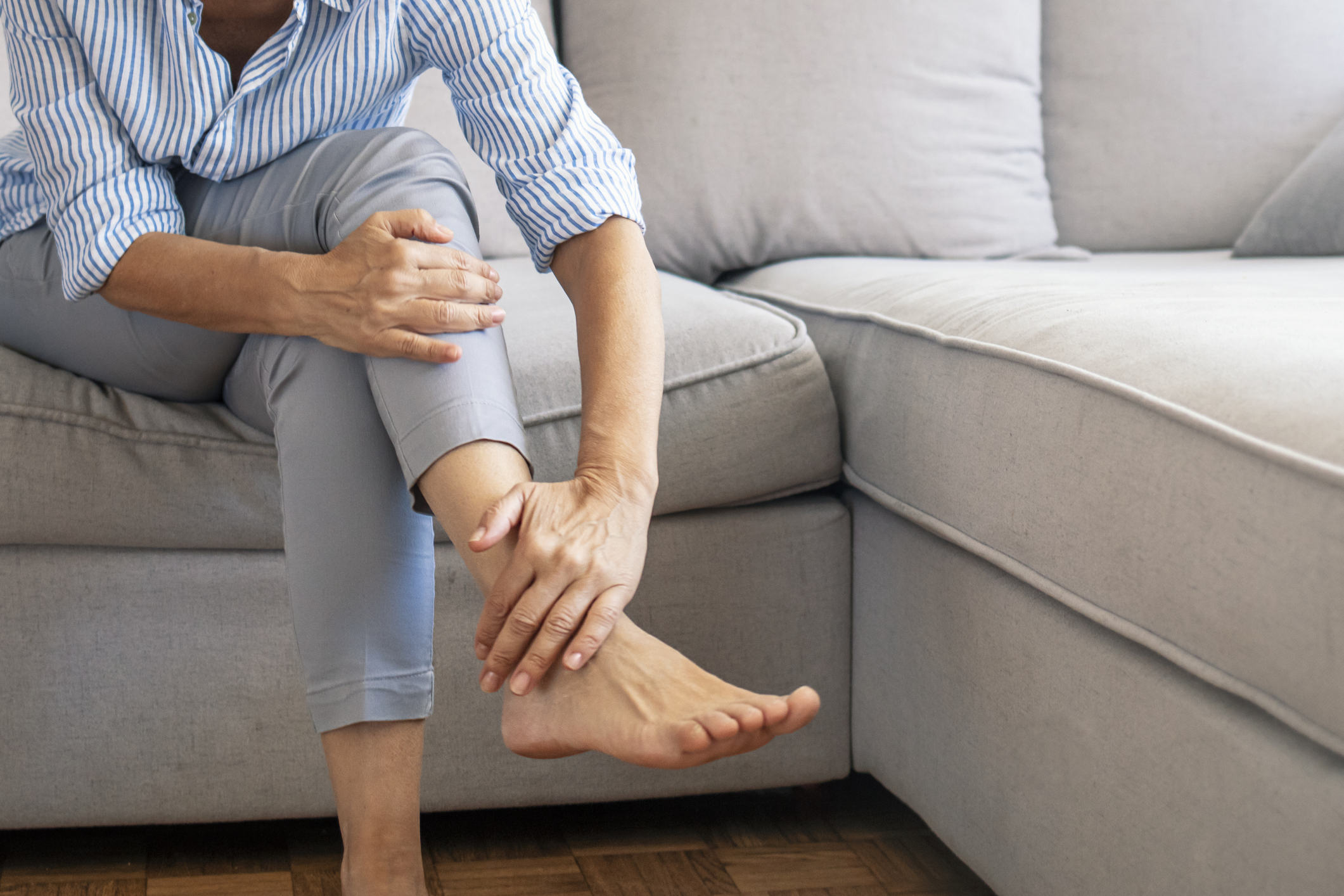
Of course, that might not be the case if it’s not in your belly.

The results of a small pilot study suggest that injecting a patient’s own fat cells into the foot may help ease the excruciating pain of plantar fasciitis.

Plantar fasciitis is a common inflammatory condition that may impact more than two million Americans.

The fascia is a ligament that runs from the heel to the toe, supporting the arch of your foot. Painful plantar fasciitis has several potential triggers, including:

  • Excessive foot stretching
  • Putting too much weight on the inside of the foot
  • Weight gain
  • Overuse
  • Excess exercise
  • Tight tendons

When people have it bad, it generally causes sharp pain, like a nail or needle pushing through the heel bone. It is most common in the morning or when standing up but may subside with movement. A throbbing pain is likely to occur in the evening.

The new study involved researchers taking a small amount of abdominal, inner thigh, or love handle fat and injecting it into the bottom of the foot where the fascia connected with the heel bone.

The procedure was performed under local anesthetic, and the researchers said a notable difference in pain was observed in participants, and many were able to return to activities they had abandoned because of the pain.

Fat may offer help in this case because it can contain stem cells and growth factors that stimulate blood flow. This may then speed the healing process to help minimize pain.

It should be noted again that this was an experimental procedure, and far more work needs to be done to see if it is truly effective. You can find the study in the February issue of Plastic and Reconstructive Surgery.

Postmenopausal Women Who Are Lonely or Socially Isolated Are at Greater Risk for Heart Disease

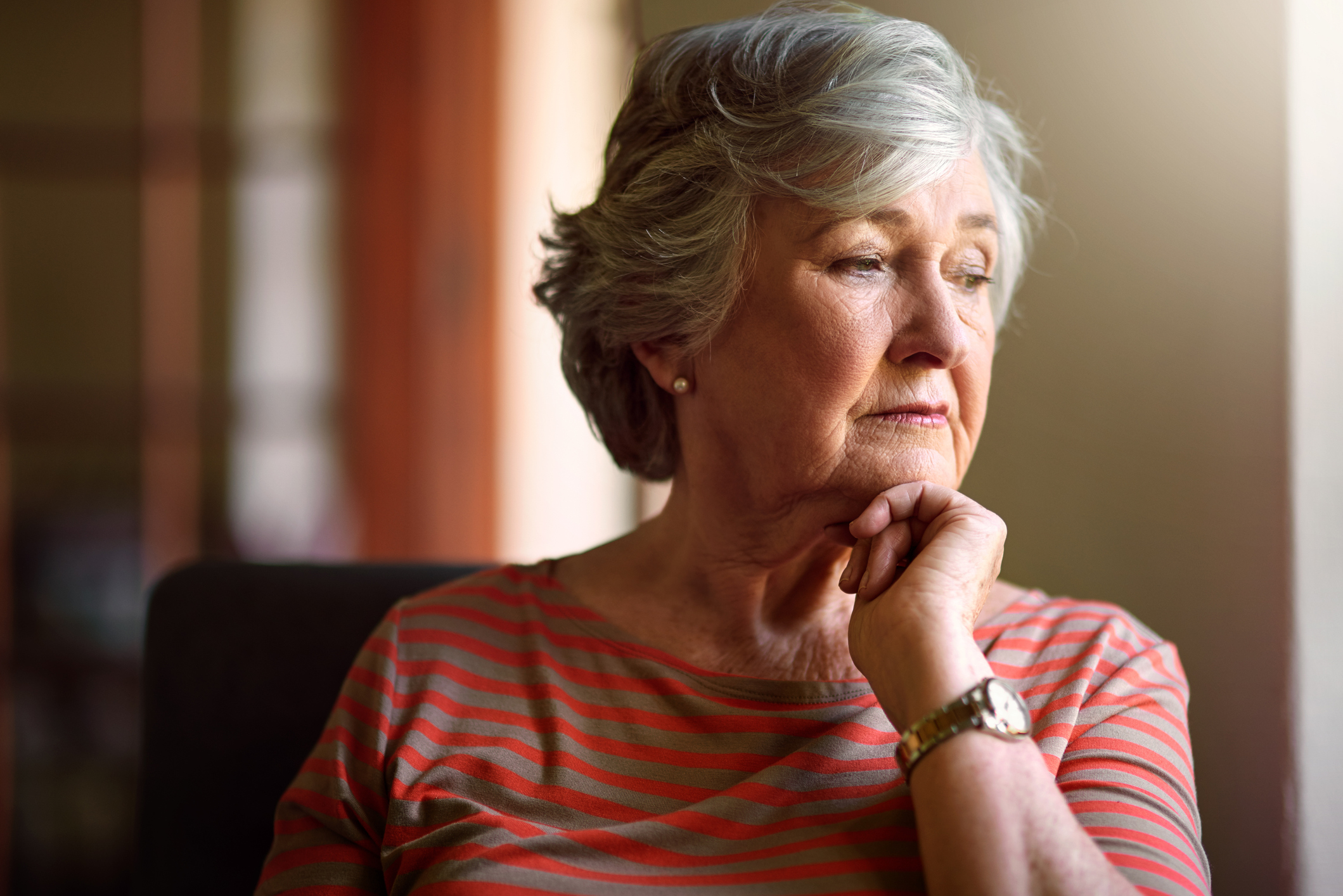
A new study suggests that postmenopausal women who experience high levels of loneliness and social isolation may be at higher risk for heart disease. Through the pandemic, loneliness in seniors has become an essential issue in age-related health matters. This study outlines how social isolation may have caused a significant problem with heart health.


Social isolation and loneliness are a growing public health concern in seniors and the general population. They have previously been associated with health conditions that increase the risk of cardiovascular disease, including physical inactivity, obesity, smoking, poor diet, high blood pressure, and high cholesterol.

When researchers included all of these health conditions and behaviors in their study and adjusted for diabetes and depression, high levels of loneliness and social isolation remained strongly connected with an increased risk for heart disease.

Study author John Bellettiere said, “We do not know yet whether the increased risk of cardiovascular disease is due to acute exposure to social isolation and loneliness or whether prolonged exposure accumulated over a lifetime is the culprit. Further studies are needed to better understand that.”

The study included 57,825 postmenopausal women living in the United States who had previously participated in the Women’s Health Initiative study from 2011 to 2012. They were required to respond to questionnaires assessing social isolation. A follow-up questionnaire was also sent, assessing loneliness and social support from 2014 to 2015.

All participants were followed from the time of the questionnaire through 2019 or when they were diagnosed with cardiovascular disease. A total of 1,599 women experienced cardiovascular disease during this time.

As the pandemic continues around the world, it is essential for those feeling socially isolated or lonely to take active steps for their mental health. Individuals who feel socially isolated can find information on reducing these feelings from the National Institute on Aging.

Keeping the Heart Strong and Healthy

The heart works hard to keep blood flowing throughout the body, so it is essential to keep it strong and healthy as you age. As outlined in the study previously mentioned, many social behaviors can help keep the heart healthy. However, exercise and a healthy diet with lots of heart-healthy vitamins and nutrients can also help with heart health.

Heart Rescue was designed to help promote and support cardiovascular health using various ingredients. Omega-3 fatty acids, CoQ10, and magnesium are just a few that are included in this unique formula. Various other ingredients support these heart health superstars to promote and support cardiovascular function as you age.

A Stable Weight Might Contribute to a Stable Brain

New research suggests that older adults who maintain a steady weight as they age are less likely to experience cognitive decline.


That means you don’t necessarily have to lose weight to stay sharp with age. Instead, try to stay around where you are. Previous research has shown that losing some weight, when done properly, is also associated with cognitive longevity.

Researchers found that weight stability may be most important in older age and that cognitive decline was linked with changes in body mass index, or BMI. BMI is an estimate of body fat based on height and weight.

The study makes some sense. Older adults who experience weight changes usually do so for an unhealthy reason. Unexplained weight loss can signify illness or poor nourishment, both of which may impact cognition.

Quick weight gain can also indicate problems.

Some studies have that cognitive impairment is more likely with a high BMI. Weight loss has been associated with dementia.

In older populations, maintaining bone, fat, and muscle may indicate better health from head to toe.

Researchers used the National Alzheimer’s Coordinating Center data and looked at about 16,000 adults. Participants were at least 60, and none had been diagnosed with dementia at the outset.

Participants were given cognitive tests and had their BMI measured for five years. Over that time, all showed some degree of mental decline, but the decline was 60 percent faster in the group with fluctuating BMIs compared to those who kept a stable weight.

If you do want to lose weight, do so in a way that benefits your brain. This includes eating a nutritious diet, getting adequate calories, and including exercise in your weekly routine.

Avoid yoyo dieting and trying to get fast results. This method can harm metabolism and may put your brain at risk, too.

Nurses Who Work the Night Shift Are Associated with More Sleep Disturbances and Stress

According to a recent study from Oregon State University, nurses who work the night shift are more like to report stress and sleep disturbances. They also have more reported incidences of psychological and physical health symptoms, including PTSD, insomnia, and inflammation.


The study involved 392 nurses who were required to report their sleep experiences in daily diaries for 14 days, including duration, quality, and nightmare severity. Blood samples were taken at the halfway point to test for inflammation and general immune response.

Researchers found that participants fell into three categories. 80.4% reported good overall sleep, 11.2% had poor overall sleep, and 8.4% were in the “nightmares only” group with mostly average sleep but above-average levels of nightmare severity.

The nurses in the poor sleep group were more likely to be recent night-shift workers than those in the good overall sleep class. These people reported worse sleep quality, more PTSD, depression, insomnia, anxiety, and more perceived stress.

The study was performed in 2017, which was before the pandemic, so researchers believe that these symptoms may have become even more exacerbated. Jesse Dietch, co-author of the study, said, “The pandemic has really highlighted the importance of caring for our caregivers, and I think sleep is an important place to look for doing that.”

Future research will focus on how to prevent adverse sleep effects for shift-working nurses, including individual-level interventions and stabilizing schedules for shift workers.

Be Proactive

But it isn’t just nurses that should be proactive about their sleep, mental health, and brain function. With rising stress levels and disrupted sleep schedules throughout the pandemic, many people are feeling the side effects.

Sleep Sure Plus can help to ensure a good night’s sleep. A night of proper sleep can support the ability to maintain a healthy body weight, blood sugar level, cardiovascular health, and mood.

With a unique blend of vitamins and minerals, Sleep Sure Plus can help to improve the quality of sleep, reduce anxiety, prevent premature aging, and improve mood. One of the main ingredients found in the formula is melatonin, a hormone that is essential for the regulation of the circadian rhythm and is typically produced and released in the body at night, making it easier to fall asleep.

The brain is under constant stress, especially in those who lack proper sleep. Sleep deprivation, along with other numerous factors, can take a toll on the ability of the brain to function at peak potential. This can affect concentration, memory, and overall cognitive function. The Smart Pill contains 9 ingredients to support, nourish, and maximize brain health and cognitive function.

Walk Away from Diabetes

The less you walk, the higher your risk for diabetes. Especially if you’re 65 or older.
However, new research shows that it might be possible for people in this age bracket to walk away from diabetes. The study shows that by taking more steps and increasing walking intensity, it might be possible to reduce diabetes risk.

How can walking help? Previous research shows that activity helps improve blood sugar levels and insulin response. When your muscles move, they need sugar to fuel them. The more you move, and the more intense those movements are, the more sugar (glucose) they need.

Your muscles store glycogen, and when it gets used, it needs to be replaced. Sedentary people, however, don’t really use much glycogen. When food is eaten and broken down into sugar (glucose), it has little choice but to stay in the blood if your cells are already full.

Put simply, walking helps increase glucose metabolism by creating a need for glycogen.

Older adults typically experience an overall metabolic slow down with age, which includes the speed at which they utilize glycogen.

The study looked at links between walking and diabetes risk. Researchers looked at more than 4,800 women, age 65 and older, who did not have diabetes and lived independently.

Each participant wore a device on their hip for 24 hours per day for one week that monitored their steps. They had their health monitored for seven years, and over that time, eight percent developed diabetes.

The magic number seemed to be 1,000. Results suggested that for every 1,000 steps per day, diabetes risk went down by six percent. So, if you were to take 2,000 extra steps per day, in addition to what you were already doing, you may drop your risk by 12 percent.

Most people, of course, move less as they age because of mobility or disability issues. But you don’t have to walk fast to get the benefit. All you need is the kind of intensity that makes breathing a little heavier – like it would be a challenge to hold a conversation.

For the average 70-80-year-old, this could be a single lap around the block.

Feeling a Darker Shade of Blue This Winter?

It’s easy for the winter to get people down. It’s cold, there isn’t a lot of sunlight or color, and the pandemic is resurging.

In short, you might feel a little blue.

If you find that your mood drops in the winter, and perhaps more than just an occasional case of the blues, you might have Seasonal Affective Disorder, or SAD.

SAD can set in the fall as the temperatures begin to dip and days get a little shorter, then continue through winter until they finally subside in the spring. Symptoms can range from mild to severe and can interfere with daily life.

Here is a quick checklist to help you determine if you have SAD. Remember, these symptoms would hit seasonally:

  • Feeling sad or depressed
  • Loss of interest in things you would typically enjoy
  • Sleeping much more but not feeling rested
  • Difficulty with thinking, concentrating, and decision making
  • Feeling guilty/worthless
  • Strong and regular cravings for high carbohydrate foods/other changes in appetite

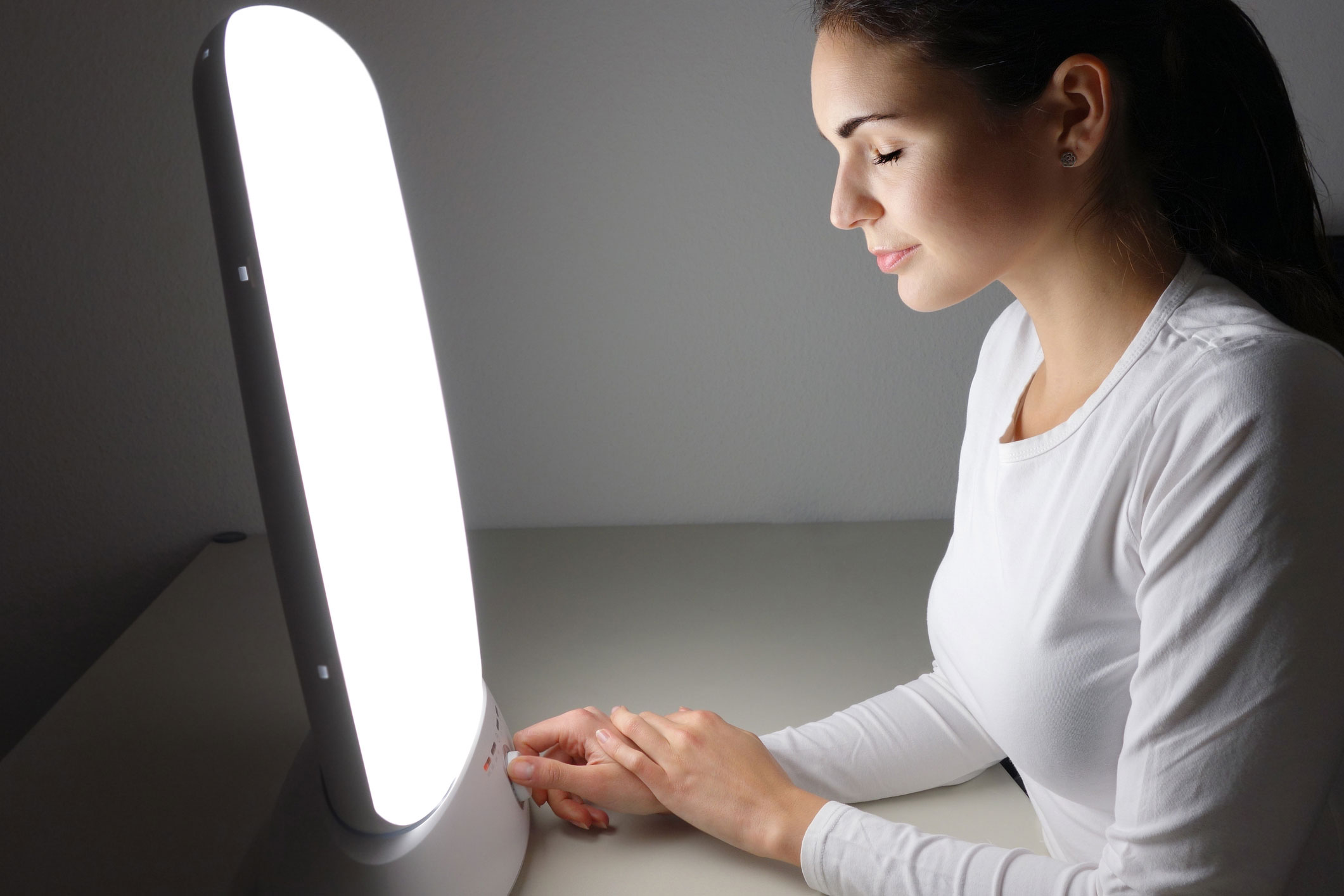
A number of treatments exist, but one useful and relatively low-cost option is light therapy. An individual would sit by a device called a lightbox, which emits bright light, for about 20 minutes per day first thing in the morning.

Results may take about a week or two, and some people with SAD even start light therapy in the fall as the winter approaches.

More exposure to natural sunlight can also help some people with SAD. Try sitting by a window in the morning and spending more time outdoors during the day. Arrange the rooms you spend the most time in to be well lit with natural light (except the bedroom).

Exercise, a healthy diet, regular sleep, and maintaining strong relationships with family and friends may also help.

Five-Star Guarantee of Satisfaction