

 There’s no doubt that too much worrying can take a toll on your mental health. But new research suggests it can tax your physical health, too.
Particularly your heart.
A recent study found that when middle-aged men worry too much, they are at a higher risk for developing heart disease, diabetes, or suffering a stroke in the future. The risk increase was about what would be expected for a heavy drinker.
The study included 1,550 men with an average age of 53 who took part in the Normative Aging Study. None had any major disease at the study’s outset.
Researchers examined and tracked seven biological heart risk factors — blood pressure, cholesterol, triglycerides, body mass index (BMI), blood sugar, and inflammatory markers — every three to five years.
Men who reported higher levels of anxiety had a 10-13 percent greater chance of reaching a high biological risk for heart disease, diabetes, or stroke during the 40-year follow-up period.
The increased risk in anxious men had a more significant number of heart risk factors across ages, even when other known conditions, like heart disease, were controlled.
The study was published in the Journal of the American Heart Association.
Anxiety may make people engage in activities or behavior that boost the risk for heart attack and disease. Heavy worriers may be more likely to smoke, drink, eat a poor diet and fail to get adequate exercise.
Thankfully, even if you can’t quit worrying, there are things you can do to help your heart. Eating a healthful diet and getting exercise are two of them. Exercise can actually have a dual effect, helping with both heart health and mental health.
Finding an exercise that you enjoy and find mentally calming is a great place to start. This can come from different forms for different people, so see which modality works best for you. Try to exercise most days of the week

 Sometimes you have to eat late. Maybe it’s a dinner with friends, or you were just so busy that dinner got pushed deep into the evening.


 When I was a kid, like many other people, I thought vitamins were pills I had to take.
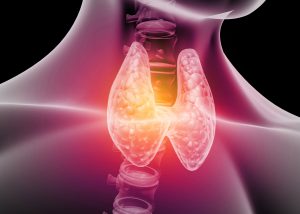 You might not consider your thyroid when you think about heart health, but the small gland may have a significant impact on your cardiovascular health.
 New research found in the journal eLife suggests that a build-up of iron in the brain may be associated with cognitive decline. A build-up of iron in the brain can result from aging organisms that experience a breakdown in regulatory mechanisms, increasing oxidative stress causing cell damage.
 Every week, Netflix and other streaming services release entire seasons of shows, new and old. It can be hard to keep up. Add that to nightly sports and movies, and it seems like it’s impossible to watch it all.


 If you snore, you’re not alone. The American Sleep Apnea Foundation estimates that you’re in the company of about 90 million Americans.
 Cholesterol and snacking can be bad words. But they are just words. So, if you do it right, you can do some good eating to boost your good cholesterol.
 More people than ever are going to the hospital for high blood pressure. From 2002 to 2014, people who were hospitalized for a hypertensive crisis – when blood pressure increases so much, it can cause a heart attack or stroke – more than doubled.
 As physical abilities decline, it’s easy to think that activity levels should go down, too.
 New research has found that people who exercise after curtailed sleep have a higher risk of heart disease. The study published in Molecular Metabolism examined participants who underwent an intense bout of exercise after normal and three nights of curtailed sleep.
 If you think the COVID-19 vaccine is going to make you feel sick, you might be right.