

 A gracefully aging face is a beautiful thing. It symbolizes experience and accomplishment. But if there is one part of aging most wish to slow, it’s the appearance of their face.
An aging face is the most prominent part of aging. Plenty of things happen to your face as you get older, and the changes aren’t always easily embraced. Some common changes include a larger forehead, hairline recession, longer ears, and a saggy nose.
There are also changes going on beyond stretching surface cartilage. Fat is often redistributed in the face as you get older. When you were young, face fat was evenly distributed in the forehead, temples, cheeks, and areas around the eyes and mouth.
This fat helps your skin look lifted and firm. Age, however, can lead to reduced volume in the fat. It can clump together and shift downwards, causing formerly round, smooth, and tight parts of the face to sag.
Age can also bring fat to new parts of your face. You may notice things getting a little baggy around the chin or jowly in the neck.
You may also notice the appearance of wrinkles. Deep wrinkles on your forehead are generally the result of continual tugging on the facial muscles just beneath the skin. The “expression” lines are creases caused from use.
Other wrinkles result from fat redistribution, sun exposure, smoking, or natural skin degeneration.
So, what can you do to slow the aging process? Some non-surgical options are:
Sun Protection: Sunscreen is one of the best and most affordable tools you can use to slow the skin aging process. Both UVA and UVB rays can damage skin cells and contribute to spots and wrinkling, so apply it before each outing, summer or winter.
Creams and Lotions: Moisturizers can plump up dry skin and temporarily relieve the appearance of wrinkles. Exfoliant creams can help clear away dead skin that doesn’t fall away as quickly as when you were younger.
Certain prescription creams feature retinoids, compounds related to vitamin A, which may reduce wrinkles and spots.
Diet: A healthy diet rich in fruit, vegetables, and “good” fats can support skin cells.





 New information is leading experts to believe that lifestyle behaviors that can support heart health may also be beneficial for brain health. Diseases of the brain are on the rise, and they are often associated with many of the same risk factors that cause heart disease, including diabetes, obesity, high blood pressure, and tobacco use.


 If you take a calcium supplement every day for bone health, you’re certainly doing something right. But if you think that’s all you need, then you could be in trouble.
 Sleep disorder symptoms are a common issue, and medical experts continuously examine research to fill in knowledge gaps. With an estimated 50 – 70 million adults suffering from sleep disorders, more information must become available to help with prevention and treatments for those with insomnia or other sleep-related disorders.
 Although many have been doing it for years, there is a recent surge in the popularity of abandoning alcohol to begin the year. But is “dry” January really doing any good?
 According to new research from the American Stroke Association, women under 35 are more likely to have an ischemic stroke than their male counterparts. An ischemic stroke is a brief stroke-like attack caused by blocked blood vessels in the brain. Despite resolving within minutes to hours, it still requires medical attention.
 You might be aware that a blood pressure reading has two numbers. They are expressed as one over the other, with the top number being higher than the other.
 Stretching and exercise are good for your body, but the benefits don’t stop there. Although all forms of exercise can stimulate improved health, yoga may offer some unique benefits.
 According to a new study published in the Journal of the American Heart Association, middle-aged men who are anxious and worried could be at greater biological risk for developing type 2 diabetes, heart disease, and stroke. This research shows that these associations may be present much earlier in life than is commonly expected, potentially during childhood or young adulthood.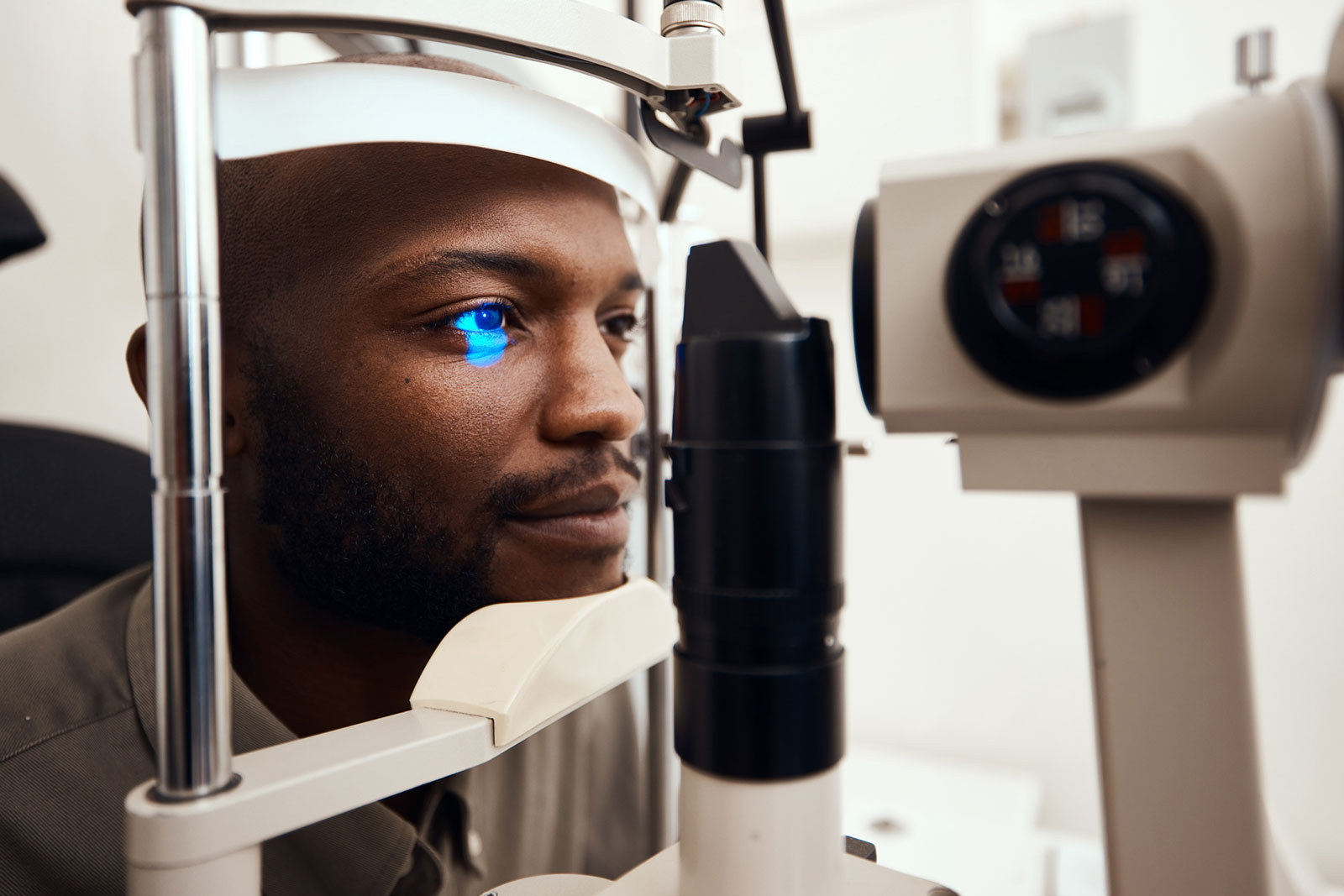
 The new advice from the Glaucoma Research Foundation is that you can eat right to protect your sight.