

 Diet and exercise get a lot of attention for healthy aging. And they should, but not at the expense of other health factors. Poor balance, for example, can be perilous but is rarely considered by most.
Poor balance is a common cause of falls, which send millions of people in America to the emergency room every year with broken bones or head injuries.
Thankfully there are a variety of things you can do to improve your balance.
Physical therapy is one of the best thongs you can do to reduce the risk of falls. It focuses on improving communication between your joints and brain, as well as the balance system in your ear (vestibular system) and vision.
It also focuses on flexibility, walking patterns, and exercises to build strength and coordination in your legs and hips. Many movements can be practiced at home after receiving the proper training.
Stronger muscles are also very important to balance. Core muscles, in particular, play a significant role. Abdominal and gluteal muscles (in the buttocks) keep you upright and propel motion.
Gentle exercises like pelvic tilts, wall planks, and leg lifts can all help build core strength.
Tai chi and yoga are both forms of exercise that can help prevent falling. Both help you pay attention to the control and quality of movements.
Tai chi involves slow movements that shift weight from one limb to another. Yoga uses a series of postures to move through and hold while focusing on breathing.
Both techniques can help flexibility, range of motion, strength, balance, and reflexes to help reduce the risk of falling.
Another thing that can help with balance is vision care. Suppose you can’t see where you are walking; the chance of falling increases. Keep up to date with comprehensive eye exams and wear eyeglasses if needed.
Lastly, devices like canes and walkers can be helpful. Just make sure they are measured properly, and you learn how to use them.
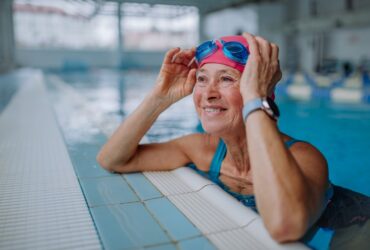
 Scientists have long touted the benefits of regular physical activity for heart health, and new research shows that this holds true even in heart attack cases. In a recent study, individuals who were physically active before experiencing a heart attack were significantly less likely to have a second heart attack in middle age than those who were inactive.
 As people become more aware of the benefits of a healthy diet, finding ways to eat healthily has become increasingly popular. And so are the potential options for achieving diet-related health goals.
 New research has found a possible link between psychological stress and irritable bowel syndrome (IBS). IBS is a condition that affects the large intestine and causes abdominal pain, cramping, bloating, diarrhea, and constipation. While the cause of IBS is unknown, it’s thought to be related to changes in how the brain and gut interact.
 There aren’t many people who are so-so about black licorice. It has its lover and its haters, and that’s about it.
 By now, you almost certainly know that dietary decisions can play a key role in your health. And when it comes to your colon, it’s no different.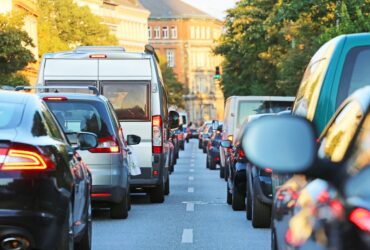
 Did you know that living in a busy city or even a residential area can increase your risk for dementia? A new study has linked traffic-related air pollution to an increased incidence of the neurodegenerative disease.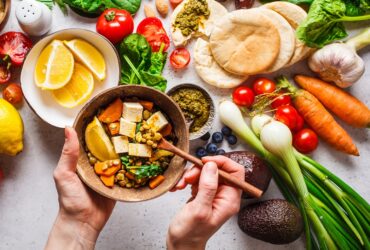
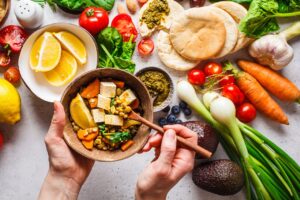 Vegan food has become a bit of a trend lately, and for a good reason. It has been shown to have many health benefits, including lower heart disease risk, decreased body weight, and low cholesterol levels. However, some people are only eating raw plant foods as an extreme form of veganism which may be causing some health problems.
 It can feel nice and cozy to sit inside at home during the winter, but winter can be a real struggle for people with allergies or respiratory problems.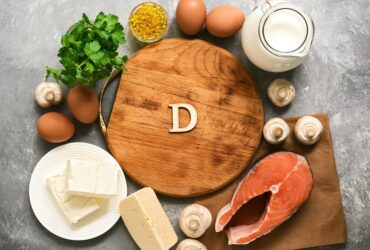
 Most people want to drink from the fountain of youth. The problem is that it likely doesn’t exist. If anything, various fountains may offer a chance at a longer and healthier life.
 Who doesn’t love a snack? A tasty little treat to keep you going through the day has been a favorite for most since they were kids.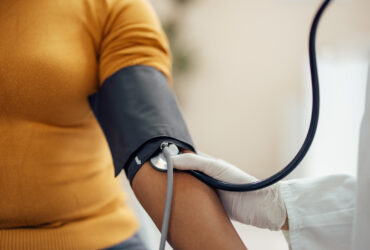
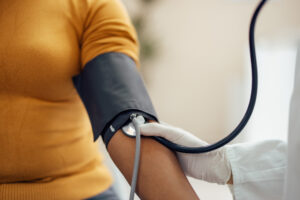 A new study from King’s College London researchers suggests that people with high blood pressure may take longer and work harder to clear fats from the blood after meals. These people may also have higher levels of inflammation after eating. The study has identified this link partly due to visceral fat (the fat that wraps around the organs in the belly).
 Joint pain seems to be a natural part of aging, and you’re destined to get sore as you get older.
 A lack of sleep could lead to an increased risk of developing glaucoma and sight loss, according to a recent study. Glaucoma is a leading cause of blindness, and the findings suggest that getting enough shut-eye may be an important factor in prevention. Additionally, researchers believe that poor sleep can lead to several health problems, including inflammation and insulin resistance, both of which are known risk factors for glaucoma. If you want to protect your vision, getting enough rest every night is important!