


The Pandemic, Alcohol, and Your Liver

Sad caucasian millennial female sits on sofa suffering from stress and troubles, focus on bottle and glass of wine in home interior. Alcoholism, drinking alone, depressed, addicted to alcohol at homeA recently published government report suggests that deaths caused by alcohol took off between 2019 and 2020 as the first wave of the pandemic rocked the country.

Stress, boredom, and other factors likely played a role as people around the nation tried to grapple with the unknowns of COVID-19, lockdowns, and social isolation.

The reports showed that the alcohol-induced death rate skyrocketed by 26 percent during that period, killing more than 49,000, according to the Centers for Disease Control and Prevention (CDC). That number works out to 13 deaths for every 100,000 people; the 2019 death rate was 10.4 per 100,000.

History has shown that people typically drink more during large-scale traumatic effects. Small studies have shown that roughly a quarter of the population increased their drinking to help cope with stress. Many who drink to cope with stress develop an alcohol disorder.

More than half of the 2020 deaths caused by alcohol were from alcoholic liver disease, while other causes included mental health disorders related to alcohol use.

The CDC also suggested that the numbers would have tripled if the analysis had also included deaths that could be attributed to excess drinking rather than directly causing it.

Heart disease, genetic mutations, and accidents – like car crashes – can all be attributed to excess alcohol use.

Alcohol adds wear and tear to your body over time, and consistently high consumption levels can expedite the effects. It can easily become so problematic because of its acceptance and accessibility in society.

Unlike other drugs, alcohol is legally available everywhere. There are commercials for it on television, and it is a major sponsor of community events.

Because it is so prevalent, misuse or abuse can easily be missed.

If you’re drinking in excess of moderation, meaning more than one standard-size drink per day for women and two for men, you may want to find ways to curb consumption.

You can try non-alcoholic options of beer, wine, and spirits. Drinking soda water with a lime in between drinks may slow consumption, as well. Taking yourself out of situations where there is pressure to drink can also help.

Of course, going at it alone can be difficult. If you’re struggling to drink less, talk to a professional about how to help.
Build-Up of Fat in the Liver Linked to Heightened Heart Failure: Study

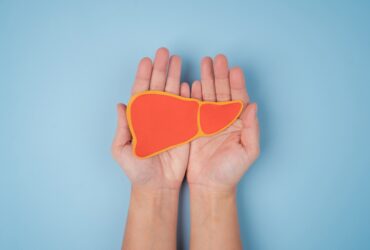
Liver shaped paper on blue background. Flat lay, top view. Medical or eco concept.Most people know that carrying too much weight around the middle is not good for the heart, but did you know that having a lot of fat stored in your liver or fatty liver disease can also increase your risk of heart failure? A new study has found a link between excess fat in the liver and an increased risk of heart failure, so if you’re concerned about your heart health, make sure to keep tabs on your liver health as well.
Non-alcoholic fatty liver disease (NAFLD) is a condition that affects nearly one in four adults in the United States. It is characterized by an accumulation of fat in the liver, which can lead to several serious health problems. NAFLD is often asymptomatic, so many people don’t even realize they have it. However, it can increase the risk of liver cirrhosis, liver cancer, and other diseases. It can also lead to permanent liver damage and increase the risk of atherosclerosis, a build-up of plaque in the arteries.

There is no specific treatment for NAFLD, but lifestyle changes like eating a healthy diet and exercising regularly can help to reduce the severity of the condition. If you think you may have NAFLD, talk to your doctor about getting tested.

Although there is a lot of research about NAFLD, there is less information on its relationship with heart failure, a term used when the heart is not pumping blood as well as it should be. This is what led a team of researchers from Emory University School of Medicine in Atlanta to look into the relationship between the two conditions.

The study analyzed information from the national health survey data from 2005-2018. It was found that more than 3.8 million older adults with NAFLD, males with diabetes or coronary heart disease, were at a higher risk for heart failure. Even after adjusting for gender, age, and race, researchers found that adults with NAFLD were 3.5 times more likely to have heart failure than those without NAFLD.

“We expected a higher hazard, but not this high,” said Dr. Vardhmaan Jain, the study’s lead researcher.

“Doctors need to keep a close eye on cardiac function as well as liver biomarkers and make sure patients with heart failure are not developing fatty liver disease and vice versa,” Jain said.

There are some factors that can play a major role in NAFLD, but improving and maintaining cardiovascular health can help. These include keeping a healthy weight, quitting smoking, staying physically active, eating a healthy diet, getting quality sleep, and controlling cholesterol, blood sugar, and blood pressure.

Protecting the Heart and Liver

As one of the most important organs in the human body, the liver works 24 hours a day to produce and process many of the chemicals the body requires. It processes over 500 functions, including hormone production, bile secretion, and converting sugars into glycogen.

Liver Rescue is a formula designed to support and maximize the performance of a healthy liver through its 7 ingredients. These powerful ingredients can help fight free radicals, improve bile production, remove toxins, and give your liver the support it deserves.

As this study shows, many factors can affect the heart, so keeping the heart strong and healthy is vital for enjoying a high quality of life as you age. Heart Rescue was designed to help support and promote heart health using a variety of ingredients, including omega-3 fatty acids, CoQ10, magnesium, and hawthorn extract. This formula’s health benefits can help strengthen the heart muscle, support circulation, and help reduce the risk of heart disease.

Do Shorter Days and Holiday Stress Have You Fatigued? Here Are Some Natural Ways to Boost Energy

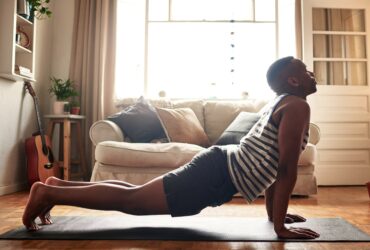
Shot of a young man practising yoga at home during the dayThe shorter days and the upcoming holiday season can zap your energy. There’s a lot to do and seemingly little time to do it.

Perhaps you’re thinking of reaching for another cup of coffee or heading to the store for some energy drinks or pills that promise to perk you up. That stuff may – or may not – give you the boost you’re looking for, and if it does, you can bet you’ll come down a lot harder when it wears off.

Thankfully, there are things you can do naturally to help you power up. Here are some tips.

Keep stress under control: Stress takes up a lot of energy. Asking friends and family to help out during the holidays can ease your personal load. You can also talk to friends, join a support group, talk to a therapist, or try relaxation techniques like tai-chi, yoga, mindfulness, or other forms of meditation.

Streamline your activities: There are things you absolutely have to do and others that you don’t. However, the latter often gets grouped in with the former. Make a list of priorities, and don’t worry about the stuff that’s not pressing; you’ll get to it when you get to it.

Exercise brings energy: It may sound counterintuitive, but using energy increases energy. It almost guarantees you’ll get better sleep and gives cells more oxygen and energy to burn. Exercise can also boost dopamine, so you’re feeling better overall.

Eat for fuel: Eating foods with slow absorbing sugars (low on the glycemic index; “complex” carbs) can help you avoid the crash that occurs after eating foods that make sugar spike. They also promote sustained energy.

Try eating things like fruit, oats, whole grains, etc., instead of sugary snacks and refined grains.

Watch caffeine intake: Caffeine can help increase alertness and energy but can also impair sleep and lead to crashes. Use it judiciously. A cup or two in the morning to help you perk up or make it through a late morning lull can help, but cut consumption after 2 PM.

Drink water: Being hydrated can enhance performance and keep you feeling energized. When your body is short on fluids, you start to feel fatigued.

Is It Safe to Drive If You’re Experiencing Memory Loss?

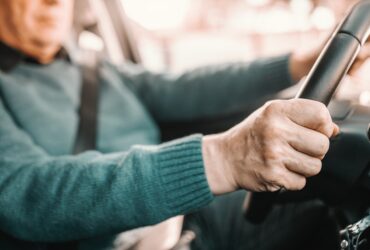
Close up of senior man holding hands on steering while and driving his car.It might not feel like it, but you need your brain – a lot – to drive a car. Even though it feels automatic, a lot is going on.
So, when you notice your brain isn’t working as well as it used to and you’ve been experiencing some gaps and gaffes in your memory, is driving safe?

There are a lot of things happening in your brain and several parts in play when you drive. You must be able to observe what you are seeing, distinguish between cars, bikes, and people, assess how quickly they are moving, be aware of the space around you, and be alert when you see danger.

All of those things happen as the four lobes in your brain – occipital, temporal, parietal, and frontal – and right and left hemispheres all activate.

Thankfully, once you’ve learned to drive, most of the routine stuff becomes automatic and happens unconsciously. That’s why you may find yourself heading to work sometimes when you meant to go to the grocery store – you’re on autopilot.

You sometimes use your conscious mind while driving when the situation demands it. Heavy rain, snow, or icy roads may require more focus. That’s why you may stop talking or turn the stereo off to navigate these conditions.

People with Alzheimer’s usually show impaired audio, visual, auditory, attention, and decision-making abilities. This does not bode particularly well for driving. But not everyone with Alzheimer’s needs to stop driving, particularly in the early stages.

The decision to stop really depends on the severity of the disease and the specific abilities that it is affecting.

One study, for example, noted that people with Alzheimer’s had an average of 0.09 car crashes per year, compared to 0.04 for healthy adults of the same age. Another found that those in the mild cognitive impairment stage, or very early dementia, had similar crash rates to young 16-20-year-old drivers.

So, how can you tell if you’re still safe on the roads? Here is a checklist:

  • Are people you regularly drive with telling you that your skills behind the wheel are diminishing or that you are unsafe?
  • Do you have a history of infractions or crashes?
  • Are you driving less than 60 miles per week?
  • Do you avoid certain driving situations like snow and rain?
  • Do you show aggression or impulsivity while driving?

If you’ve been diagnosed with a memory disorder, ask someone to ride in the car with you once per month to observe your skills. If they are willing to get in the car with you, it probably means you’re driving safely.

You can also book a driver’s test to assess your abilities.

5 Workouts to Preserve Bone Density, Balance, and Strength

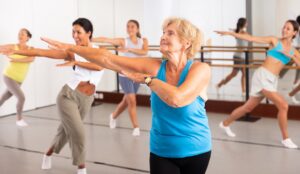
Group of dancers exercising modern dance movements in large ball roomIf you have osteoporosis or low bone density, you need to be careful about the exercises you do to avoid further bone loss and fractures. However, exercise is still an essential part of maintaining good bone health. We have broken down the best exercises to help preserve bone density, strength, and balance.


Osteoporosis is a disease that causes bones to become weak and fragile. It is most common in older women but can affect men and women of any age. There are many different causes of osteoporosis, including family history, certain medications, and lifestyle choices. The best way to prevent osteoporosis is to get enough calcium and vitamin D, exercise regularly, and avoid smoking.

Osteoporosis can be a serious condition, but it is possible to live a full and healthy life with the proper care.

Top exercises to preserve bone density, balance, and strength include:

Strength Training

Strength training is an excellent exercise for people with osteoporosis. It helps build muscle mass, protecting the bones from damage and strengthening density.

In addition, strength training helps to improve balance and coordination, which can help to prevent falls which are a common cause of fractures in people with osteoporosis.

Strength training is also beneficial for overall health and well-being. It can help to improve mood, sleep, and energy levels. Strength training should be done two to three times per week for the best results.

Tai Chi

For people with osteoporosis, tai chi can be an excellent form of exercise. The slow, controlled movements help to strengthen bones and muscles without putting undue stress on the skeletal system. In addition, the focus on balance and posture can help prevent falls. Tai chi is easy to learn and can be done by people of all ages and fitness levels. For osteoporosis patients, tai chi is an excellent way to improve strength and reduce the risk of fractures.

Yoga

Yoga is an excellent exercise for people with osteoporosis because it helps to improve balance and flexibility. Yoga also helps strengthen muscles, providing additional support for bones.

In addition, yoga helps improve circulation and promotes the intake of oxygen-rich air, which helps to keep bones healthy. Finally, yoga is a low-impact form of exercise that is easy on the joints, making it an ideal choice for people with osteoporosis.

Walking

Walking is an excellent exercise for people with osteoporosis. It is low-impact, requires no special equipment, and can be done anywhere. Walking helps improve bone density and muscle strength, which can help reduce the risk of fractures.
Additionally, walking has numerous other benefits, including reducing stress, improving joint mobility, and boosting overall cardiovascular health. Aim to walk for at least 30 minutes each day for best results.

Dancing

Dancing is an excellent form of exercise for people with osteoporosis because it is low-impact and uses a wide range of motions. Dancing also helps improve balance and coordination, reducing the risk of falls. In addition, dancing is a fun activity that can help people stay motivated to exercise regularly. For these reasons, dancing is an excellent way for people with osteoporosis to improve their bone health.

Exercise is an essential part of keeping bones healthy. Our top 5 exercises listed above are just a handful of physical activities that can help people with osteoporosis or those who want to prevent the disease. More exercises that can be helpful in the strengthening of bones include golf, aerobics and hiking. With so many options, there is something for everyone. So, if you are worried about your bones, get up and get moving!

Maintaining Bone Health

Supporting bone health is also essential as you age. Bone Rescue can help to support the maintenance and development of bones thanks to its unique formula, including strontium. Chemically similar to calcium, strontium can provide great support for aging bones. Bone Rescue contains 680 mg of strontium along with additional ingredients to help keep bones strong and healthy.

Try Dry Brushing to Improve Circulation

Happy African Female Making Massage With Dry Brush Massaging Hips And Legs Standing In Modern Bathroom At Home. Cellulite Prevention And Bodycare Concept. CroppedIf you’re looking to improve circulation and also boost your skin and mood, dry brushing could be worthwhile.
Dry brushing involves giving yourself a short, daily massage with a dry, stiff-bristled brush.

Brushing your skin can help get the blood moving in a similar way to massage. By stimulating different areas in the skin and just under, it promotes blood flow to the area you’re focusing on. For people concerned with circulation, it could be a good supplemental tool.

Dry brushing can promote lymph flow and drainage, exfoliate your skin, and provide a little extra glow. And it can help you feel good, too. It stimulates the nervous system and can leave you feeling energized and invigorated, much like a massage.

So, what makes a dry brush so special? It can have a long handle so you can get good access to hard-to-reach places like your back and legs. Getting circulation to the legs is particularly important for people who are overweight, have diabetes, or don’t get much activity.

The bristles are typically rather stiff to provide a massage-like experience.

It’s best to dry brush daily, either in the shower or immediately after. Start from your feet and work your way upwards using long, fluid strokes that cover your limbs.

After you’ve done your ankles, legs, and arms, move the brush in a circular motion on your back and torso. It might be a little too much for sensitive areas like the abdomen, neck, and chest, so lighten up for those parts if you need to.

A few overlapping swipes per area are all you need. Any more, and you can end up with some irritation or bleeding.

If you have sensitive skin, it is still possible to dry brush. Instead of using firm bristles, try a plain, dry washcloth. But if you notice any redness, swelling, or inflammation, stop right away.

Never dry brush over moles, warts, or raised bumps. Also, don’t do it over broken skin, scrapes, lesions, sores, or even sunburns. Also, avoid dry brushing over infected, irritated, or inflamed areas.

Dry brushing is not the number one thing you can do to improve circulation, but it can be a valuable tool in addition to lifestyle measures like a healthful diet and increased activity.

Doing Physical Activity in the Morning Lowers the Risk of Heart Disease and Stroke

Should come with a warningNew research suggests that physical activity in the morning may lower the risk of heart disease and stroke risk. So, if you are one of those people who like to work out first thing in the morning, you are in good company.
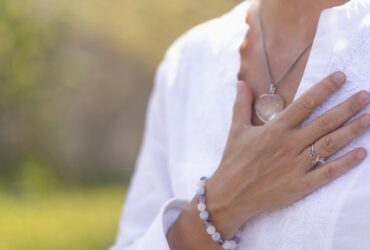

While it has been well established that physical activity is good for heart health, this new study indicated that morning activity seems to be the most beneficial. Researchers used data from the UK Biobank, which included 86,657 adults aged 42 to 78 years free of cardiovascular disease. All participants wore an activity tracker on their wrists for seven consecutive days and were followed for incident cardiovascular disease, which was defined as the first hospital admission or death related to stroke or coronary artery disease.

There was a follow-up period of six to eight years, during which 2,911 participants developed coronary artery disease and 796 had a stroke. When activity times were compared among participants, those who showed a peak activity time between 8 am and 11 am had the lowest risks of heart disease and stroke.

After adjusting for age and sex, participants that were found to be most active in the early or late morning had between 11% and 16% lower risks of incident coronary artery disease. Participants who were most active in the late morning also had a 17% decreased risk of stroke compared to a reference group. When analyzed separately, investigators found the results were more prominent in women than men.

Study author Ms. Gali Albalak explained, “This was an observational study, and therefore, we cannot explain why the associations were more marked in women. Our findings add to the evidence of the health benefits of being physically active by suggesting that morning activity, especially late morning may be the most advantageous. It is too early for formal advice to prioritize morning exercise as this is quite a new field of research. But we hope that one day we can refine current recommendations simply by adding one line: ‘When exercising, it’s advised to do so in the morning.’”

Maintaining Heart Health

Keeping the heart strong and healthy is vital for enjoying a high quality of life as you age. Heart Rescue was designed to help support and promote cardiovascular health using a variety of ingredients, including omega-3 fatty acids, CoQ10, magnesium, and hawthorn extract. This formula’s health benefits can help strengthen the heart muscle, support circulation, and help reduce the risk of heart disease.

This study shows that exercise can be vital in keeping the heart strong and healthy. However, exercise has also been shown to benefit brain function. As we age, many factors can take a toll on the brain, affecting concentration, memory, and overall cognitive function.

The Smart Pill can help counteract these effects through nine ingredients that help support, nourish, and maximize brain health and cognitive function. These include ginkgo Biloba, huperzine A, bacopa extract, rosemary extract, and a B vitamin complex. This unique formula helps boost circulation, fight free radicals, and help to promote clear thinking.

Mindfulness May Bolster Your Effort to Lower Blood Pressure

Gratefulness – Woman expressing gratitude with hands. Close up image of female hands in prayer position outdoor. Self-care practice for wellbeingAlthough centuries old, the practice of mindfulness has become trendy during the past decade and is used to help treat various conditions.


A new study is now suggesting it can lower blood pressure and potentially instill other heart-healthy habits in people who learn to use it.

Mindfulness training aims to enhance people’s self-awareness of their thoughts, emotions, and physical sensations by teaching them to pay attention to their responses.

For example, it can help people receive and acknowledge how they feel after making good choices. In the case of this recent study, it focused on choices that could improve blood pressure.

The study featured about 100 participants that participated in an eight-week customized mindfulness program focused on lowering blood pressure. After the trial, researchers found that mindfulness helped lower systolic blood pressure by an average of six points.

At this point, the results have been presented but are still preliminary until they are published in a peer-reviewed journal.

The impact of mindfulness could be important to a person’s health because previous work has found that a five-point reduction in systolic blood pressure may translate into a 10-percent lower risk for a heart attack or stroke.

The mindfulness training helped people focus on how they felt when they engaged in behavior known to influence heart health, like physical activity, diet, antihypertensive medication, and alcohol consumption.

Because most people feel good after physical activity, eating healthy, and drinking in moderation or abstaining from alcohol, teaching participants how to be conscious of that feeling appeared to help instill the positive benefits, which, for many, were being continued during the six-month follow-up period.

Noticing how you feel, and acting skillfully to continue to feel good, seemed to enable people to adhere to a more heart-healthy lifestyle. People who practiced mindfulness were more likely to eat a healthy diet, exercise more, be less sedentary, and refrain from regularly indulging in unhealthy food options.

Trying mindfulness may help you adapt habits that encourage better heart health.

Access to Healthy Food Is Associated with Lower Heart Failure Death Rates: Study

Beautiful young happy couple is using a digital tablet and smiling while cooking in kitchen at homeHeart failure is a potentially deadly condition affecting millions of people yearly. However, new research suggests that eating healthy foods may lower your risk of death from heart failure. However, many people cannot easily access nutritious foods, making it more difficult to reduce their risk of disease.
A healthy diet is important for many reasons. It can help to prevent diseases such as coronary heart disease, stroke, and diabetes. Eating healthy foods can also help to lower blood pressure and cholesterol levels. Now, this new study has found that healthy eating may also reduce the risk of death from heart failure – but only for those with access to healthy foods.

Food insecurity occurs when people don’t have reliable access to enough food to lead active, healthy lives. It can be caused by poverty, unemployment, low wages, food deserts, or any number of other socioeconomic factors. As a result, food-insecure people may go hungry or eat food of reduced quality, variety, or desirability.

Previous studies have found that food insecurity is associated with various health problems, such as malnutrition, obesity, and chronic disease. However, little research is available about its relationship to death from heart failure.

“Heart failure mortality is on the rise in populations that live in socioeconomic deprivation, and, importantly, we believe that nutrition plays a role in heart failure mortality, and food insecurity may be particularly detrimental in this population,” said lead study author Keerthi T. Gondi, M.D. “We know that important relationships exist between food access, affordability, and heart health. This will have to be addressed in order to make changes to the burden of cardiovascular disease in populations that live in socioeconomic deprivation moving forward.”

This study is the first of its kind to examine the relationship between local food environments and heart failure mortality. Researchers reviewed 2018 data from the
National Vital Statistics System—a database of all births and deaths in the U.S. Associations were indexed among the heart failure death rates in each county and the Food Insecurity Percentage score and Food Environment Index score.

It was found that counties with higher food insecurities had a higher rate of death from heart failure. After adjusting for various socioeconomic and health factors, including income inequality, poverty rate, rural vs. urban locations, obesity, Type 2 diabetes, and smoking, the outcome stayed true. Those who lived in areas with the lowest Food Environment Index and the highest food insecurity were found to have higher heart failure rates than the death rate for other subtypes of cardiovascular disease and the all-cause death rate.

Due to this mounting evidence of a relationship between food insecurity and heart failure death rate, The American Heart Association and others are now pledging to broaden their efforts to address the social and psychological determinants of well-being and health behaviors. This will include such measures as improving access to nutritious food for people at every stage of life.

Heart Health

Keeping the heart strong and healthy is vital for enjoying a high quality of life as you age. Heart Rescue was designed to help support and promote cardiovascular health using a variety of ingredients, including omega-3 fatty acids, CoQ10. The omega-3 fatty acids play an important role in cardiovascular function, while CoQ10 is involved in energy production at the cellular level.

These two heart superstars are supported by five other ingredients which can help to promote and support cardiovascular function as you age. This formula’s health benefits can help strengthen the heart muscle, support circulation, and help reduce the risk of heart disease.

Are Self-Sabotaging Thoughts Fueling Your Anxiety? Here’s What to Do

Boring tired sad mature man depressed lonely not having visitors to his children. The concept of health problems. Locks, unemployment, useless man at a social distance.Bad things can happen. People die, break up, get sick, or lose jobs. When these things do happen, it can churn your brain into a chaotic all-out disaster scenario.
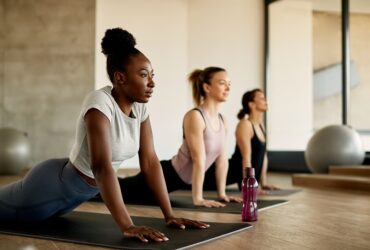
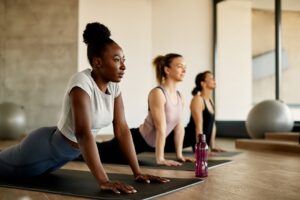
You may think things like you’ll never get healthy, nobody will ever love you again, or you won’t be able to live without the loss of a loved one. It’s literally all or nothing.

This type of thinking is an example of an automatic negative thought, or ANT. All or nothing is one type of this kind of thinking. They are marked by the interpretation of distressing situations in unbalanced ways without true examination of the overall context.

Without recognizing and combatting them, they can drain you from happiness and joy.

This type of thinking typically occurs during periods of anxiety or distress. And although they can be normal on occasion, they are a problem when they become chronic or extreme.

Getting into a negative mental state can make it easy to recall anything bad anyone ever said about you or any mistake you ever made. It becomes nearly impossible to remember all the good you’ve done.

All-or-nothing thinking leaves you stuck in a good or bad, success or failure, extreme, without any grey area.

Two other forms of ANT self-sabotaging thinking are “should” statements and discounting positive thoughts. The former is that, essentially, there is a right and wrong way to do everything, and mistakes are unacceptable. The latter is that anything good or happy is a complete fluke.

These cognitive distortions can make it very hard to enjoy life and think clearly.

Here are some ways to beat them:

Catch It: Pay attention to how you frame things. Remind yourself that most things are not absolute, so catch yourself using the language and remember that most things exist in the gray.

Write It Down: Sometimes, seeing your thoughts on paper can help with perspective and also engage a different part of your brain. It can help you evaluate your thoughts.

Look at the Counter-Evidence: The facts are probably different from reality. For example, if you lost your job, you are not an idiot. If a loved one passes, you will be able to move on with your own life.

Don’t get bogged down by negative thinking. Do your best to think analytically to reduce anxiety.

Exercising Can Help People Struggling to Sleep: Study

Athletic women doing stretching wile exercising on group training in a gym. Focus is on African American woman.Many people struggle to sleep at night, but new research suggests that exercise may help. Researchers have found that exercising regularly can help people fall asleep and stay asleep, even if they struggle with insomnia. So, if you’re having trouble sleeping, try hitting the gym or taking a walk before bedtime – you may be surprised by how well it works!


With 10 to 20% of the population having serious long-term sleep problems, researchers want to find alternative ways to medication to help those struggling. Many people who have sleep problems sooner or later resort to some sort of sleeping aid. However, a new study has found that exercise could also offer relief.

The study included over 34,000 adults and used information from Norway’s large Trøndelag Health Survey (The HUNT study). This survey enabled researchers to follow how people’s health evolves over many years. Participants in the study were tracked for approximately 12 years.

The survey showed that approximately 17% of the participants’ sleep issues were serious enough to warrant a prescription from their doctor. However, it was found
that participants who were in the best condition used fewer prescription drugs to help them sleep. These findings suggest that being physically fit can help people sleep better. These results were stronger in men than women. The fittest men had a 15% lower risk of needing drugs for troublesome sleep issues.

“The corresponding percentage risk for the fittest women was much lower. But women who struggle with sleep can still benefit from getting in better shape,” said Linda Ernstsen, an associate professor at NTNU’s Department of Public Health and Nursing.

These findings support the idea that fitness can be used as an effective alternative for preventing sleep problems. Researchers hope these findings will influence the sleep advice that doctors give to their patients.

Getting The Sleep You Need

Sleep Sure Plus is designed to help promote optimal sleep and restfulness through a variety of ingredients. One of the most important ingredients included in this unique formula is melatonin. Melatonin is a hormone that is essential for the regulation of the circadian rhythm (the internal clock of the body).

Sleep Sure Plus also contains valerian, one of the best natural ingredients for promoting rest and relaxation. These two essential ingredients are joined by another 6, which all work together to provide a better quality of sleep.

How a Bad Marriage Can Cheat You Out of a Healthy Heart

Smiling ethnic woman hugging her husband on the couch from behind in the living room. Middle eastern man having fun with his beautiful young wife on the couch. MId adult indian man with latin woman laughing and looking at each other at home: complicity and love concept.A bad marriage may literally be breaking your heart. New research suggests that heart attack survivors in stressful relationships are more likely to have a difficult recovery.
Researchers found that there is an independent relationship between severe marital stress and the worst outcomes in the first year of recovery following a heart attack.

Compared to people in healthy relationships, heart patients under severe marital stress were 67 percent more likely to suffer recurring chest pain during their first year of recovery. Severe marital stress also increased a person’s chances of rehospitalization by nearly 50 percent and affected their quality of life and health.

On a 12-point scale, participants with severe marital stress scored 2.6 points lower in mental health and more than 1.6 points lower in physical health compared to those reporting little or no stress in their relationship.

Earlier studies have found that people in committed relationships have better heart health than those that were not in relationships. However, this study took the quality of relationships into account.

Relationship stress may impact heart attack recovery in a few ways.

The tension caused by bad relationships may have a negative impact on cardiovascular risk factors, particularly high blood pressure.

Stress can also rob a person’s energy levels and make it difficult to get the sleep needed to recover properly. Stress is also associated with irregular heart rates and rhythm, high blood pressure, digestive problems, inflammation and reduced blood flow to the heart.

It’s also possible that being in a bad relationship can cut off the support a heart attack victim needs to recover at this crucial point in their lives. It is much harder to make changes and adopt regimens without a supportive environment.

So what can you do? It’s a tough one. The first thing you can do is find independent coping mechanisms for stress. These might include meditation, mindfulness, or something else.

The relationship stuff is more tricky. Consider options that may help improve the relationship, like counselling, before you’re in a position where it is threatening to your heart. In some cases, leaving your partner will be the best option.

Your Cheat Sheet to Better Gut Health

Man holding decorative model intestine. Close upGood gut health goes a lot further than digestion. A healthy, balanced gut may help reduce inflammation, improve mood, enhance immune strength, and boost energy.


Keeping your gut healthy, however, takes work. It’s true that you were born with a certain makeup of gut bacteria, or perhaps even a condition like irritable bowel syndrome, but there are ways you can influence its function.

You may be able to control the population of bacteria that lives in your gut to a certain extent. Good things can happen when you’ve got a diverse population of flora – called the microbiome.

Signs of an imbalanced gut include stomach problems like gas, bloating, diarrhea, and constipation. Mood swings, depression, and fatigue can also occur. Skin problems like eczema can arise, as can weaker immunity or a growing number of food intolerances.

You may be able to improve gut health with the help of this cheat sheet:

  • Ensure you drink enough water
  • Eat leafy green vegetables like spinach, kale, asparagus, broccoli, and cabbage
  • Snack on fiber-rich fruit like apples, pears, strawberries, blueberries, and more. Fruits provide sweetness and a variety of textures.
  • Use fresh herbs and spices to season food. Ginger, garlic, turmeric, cinnamon, and different chilis are all good options.
  • Eat “probiotic” rich foods like yogurt, kefir, sauerkraut, kimchi, and miso. Buy plain yogurt and add fruit, nuts, or other healthy toppings to add flavor.
  • Elect whole grains like oats, whole wheat bread, and pasta instead of cereal and white options.
  • Include healthy fats from nuts, avocado, olive oil, seeds, and nut butter

On the other hand, there are foods you’ll want to avoid. They include:

  • Fried foods
  • Highly processed meats like deli meats, bacon, hot dogs, and sausages.
  • Foods with refined grains, like white bread and pasta
  • Sugar sweets, including jams.
  • Soft drinks
  • Foods with artificial sweeteners

Adopting a diet rich in nutrients, fiber, and fresh food will likely improve gut health and enhance your overall health and how you feel every day.

Hearing Birds Chirping Is Associated with an Improvement in Mental Well-being

Wildeshausen (Low SaxonThere’s something about hearing birds chirping that is so peaceful and calming, and it turns out that this effect can be good for mental health. A recent study has shown that there is a correlation between hearing birds singing and improved mental well-being.

Researchers found that participants who heard bird songs reported feeling happier, more relaxed, and less anxious than those who did not. So, if you’re looking for a quick mood boost, go outside and listen to the birds!

The study from King’s College London used the smartphone application Urban Mind to collect data about people’s mental well-being alongside reports of seeing or hearing birdsong.

Lead author Ryan Hammoud explained, “There is growing evidence on the mental health benefits of being around nature, and we intuitively think that the presence of birdsong and birds would help lift our mood. However, there is little research that has actually investigated the impact of birds on mental health in real-time and in a real environment. By using the Urban Mind app, we have, for the first time, shown the direct link between seeing or hearing birds and positive mood. We hope this evidence can demonstrate the importance of protecting and providing environments to encourage birds, not only for biodiversity but for our mental health.”

The study included 1,292 participants completing 26,856 assessments using the Urban Mind app between April 2018 and October 2021. Each participant was asked three times a day whether they could hear or see birds, followed by mental well-being.

Researchers also collected information on existing diagnoses of mental health conditions and found that seeing or hearing birdlife was associated with improvements in mental well-being. This association was found in both health and people with depression. Researchers showed the associations between birds and mental well-being were not explained by co-occurring environmental factors such as the presence of trees, plants, or waterways.

This study helps to provide an evidence base for creating and supporting biodiverse spaces that have birdlife since this is strongly linked to mental health. The findings also support the implementation of measures to increase opportunities for people with mental health conditions such as depression to have access to areas with birdlife.

Over the past few years, mental health has become a topic of discussion and many studies. This new research offers a unique way for those with depression to check in on their mental health. Going outside and hearing birds may seem simple, but this new research can help those suffering from symptoms.

Mental Health Can Affect Brain Function

Depression and mental health can take a toll on the brain, affecting its ability to function at peak potential. This can affect memory, concentration, and overall brain function.

The Smart Pill can help to enhance cognitive function and memory through 9 ingredients that help to support, nourish, and maximize brain health. These include ginkgo biloba, huperzine A, bacopa extract, rosemary extract, and a B vitamin complex. This unique formula helps to boost circulation, fight free radicals, and provide nutritional support to assist with cognitive function.

Five-Star Guarantee of Satisfaction