


Study Finds Potatoes Are Rich with Key Nutrients and Packed with Health Benefits

Vegan friendly potato milk in glasses on gray table. Alternative plant based milk and potato tubers - ImageOver the past few years, people have come to think of potatoes as an unhealthy vegetable, but new research suggests that they can be part of a healthy diet.

With the trend of diets such as paleo and keto, potatoes have been tossed to the side and developed a reputation for causing weight gain and an increased risk for type 2 diabetes. However, this new study from Pennington Biomedical Research Center suggests that potatoes do not increase the risks and are actually filled with key nutrients and packed with health benefits.

The Journal of Medicinal Food study involved 36 participants between 18 and 60 who were obese, overweight, or had insulin resistance.

Insulin resistance is a condition in which the body’s cells do not respond properly to insulin. As a result, the body needs more insulin to keep blood sugar levels under control. It is thought to be the result of a combination of genetic and lifestyle factors and is often seen in people who are overweight or have type 2 diabetes. It has also been linked to high blood pressure and high cholesterol.

All participants were fed controlled diets of common foods, including peas, beans, fish or meat, or white potatoes with meat or fish. Both diets were high in fruits and vegetables and substituted approximately 40% of typical meat consumption with either beans and peas or potatoes.

The potatoes were prepared in a way that would maximize their fiber content. When compared with beans and peas, a diet with potatoes was found to be equal in terms of health benefits.

Co-investigator of the study, Candida Rebello, Ph.D., explained, “People typically do not stick with a diet they don’t like or isn’t varied enough. The meal plans provided a variety of dishes, and we showed that a healthy eating plan could have varied options for individuals striving to eat healthily. In addition, potatoes are a fairly inexpensive vegetable to incorporate into a diet.”

This research helps to understand the complex disease of obesity and provides information on how and why the body reacts to diet and physical activity. The study concluded that potatoes do not negatively impact blood glucose levels contrary to popular belief. In fact, the participants in the study who consumed potatoes lost weight.

The key to this study was that portion size was not reduced. However, the caloric content was reduced by including potatoes. Many participants found themselves fuller and often did not even finish their meals. This sheds potatoes in a new light and provides evidence that they may not deserve the bad reputation they have been getting in the past.

Food Facts!

With the increase of fad diets and restricted foods that seem to change on a daily basis, the most important part of a healthy diet is that you are getting the vitamins and minerals you need.

To help ensure your diet is complete, 65+ Superfood Essentials is an excellent addition to a daily supplement regime. This breakthrough formula is a great way to support and promote cardiovascular and overall health. It contains Capros®, a patented and clinically studied Indian gooseberry extract that has been found to absorb free radicals and provide cascading antioxidants. Acai berry (the powerful natural antioxidant known to support total health) and resveratrol, a premier anti-aging ingredient, are also found in this formulation that can help ensure proper nutrients and vitamins that are essential as you age.


Your Checklist for a Safe and Effective Winter Workout

Portrait of a healthy blond woman keeping fit one a cold winter day by doing some stretches before going for a run on a bridge, in a snowy urban cityTemperatures have dropped, and the snow has started, so you can keep up with your workouts and active lifestyle or let your health deteriorate over the winter.


When put like that, staying indoors with hot cocoa, snacks, and movies doesn’t sound so good, does it?

But getting outside and staying active in the winter takes a lot of work and safety precautions that don’t necessarily exist in the summer. And that’s not to say that winter workouts are more dangerous than when it’s warmer, just that there are different factors to consider.

Staying warm during winter activities is highly important. It can be very dangerous – and even life-threatening when the body loses too much heat (hypothermia) – so paying attention to how you dress is very important.

Layers are important. If you work up a sweat, you want to be able to take things off, then put them back on if you begin to cool off. The best approach is the quick-drying base layer, mid-thermal layer, and warm outer jacket. A hat for your head, gloves for your hands, and long underwear for your legs are also essential.

Because it gets darker earlier, you’ll want to consider a high-visibility outer layer or at least a reflective strip or vest. This will make it easier for vehicles to see you.

Footwear is also extremely important. You’ll want a pair of well-fitting, insulated, waterproof boots. Many lightweight options are available, so you don’t need to worry about a pair of heavy, blocky boots weighing you down. Getting a pair with good treads, or even applying metal treads to the bottom, can be useful.

If you’ve been wearing the same boots for a year or two, you should consider replacing them (if used for exercise or if they are used regularly).

Lastly, remember to stay hydrated. You may not think water is as important in the winter because it is not as hot, but it is still essential to your safety. You want your blood thin, so it reaches all of your organs. In cold temperatures, blood can move to the areas close to your skin, potentially leaving a shortage for the organs required to keep you alive.

Try and drink about eight glasses of water per day. Always drink before and after exercise.

Study Found Older Adults Aged 40-70 Years Have Undiagnosed Type 2 Diabetes

Group of Senior Retirement Friends Happiness ConceptOlder adults aged 40-70 years are at risk for undiagnosed type 2 diabetes, finds a new study. The research, published in the journal Diabetologia, looked at data and found that screening all people in the age group would find undiagnosed cases of type 2 diabetes more than two years earlier and help people begin treatment at a much earlier stage. If you’re concerned about your risk for type 2 diabetes, be sure to talk to your doctor.


This was the first study to use real-world data from the UK biobank to determine how implementing a diabetes screening program would benefit a large population. The researchers studied UK Biobank participants aged 40–70 years who had their HbA1c measured at enrollment and followed for 2-3 months. HbA1c is commonly used to test a person’s blood sugar control. Participants’ blood sugar results were linked with their health care data, and those with pre-existing diabetes were identified.

After adjusting for pre-existing diabetes, it was found that screening initiatives in the ‘normal’ general population of adults aged 40-70 years could identify even more cases of undiagnosed diabetes and reduce the time to diagnosis by approximately two years. By identifying the risk of diabetes, physicians can help those people begin treatment at a much earlier stage in their condition.

Researchers believe that the potential for finding undiagnosed cases of diabetes could be even higher among the general population because the UK biobank is generally healthier. Black and Asian people are also underrepresented in the Biobank cohort, and they tend to have higher rates of diabetes.

The researchers concluded, “Our study provides the first population-based estimate of the impact of HbA1c-based screening on reducing the time to a diabetes diagnosis. In UK Biobank, 1.0% of those aged 40–70 years had undiagnosed diabetes, and population-level HbA1c screening could have reduced the time to a diabetes diagnosis in this group by a median of 2.2 years. Earlier diagnosis would allow earlier intervention with the potential to reduce the risk of diabetes complications, but this requires further evaluation.”

Controlling Blood Sugar

This study shows the importance of controlling blood sugar throughout life. With an alarming number of people at risk for prediabetes, steps must be taken to control and maintain blood sugar.

Healthy Blood Sugar Support can help maintain healthy blood sugar levels using several ingredients that have been proven to work in clinical studies. The health benefits of this unique formula include supporting blood-sugar metabolism and promoting healthy cholesterol and glucose levels already within the normal range. Healthy Blood Sugar Support can also help to reduce excessive hunger or increased appetite, fatigue, and blood glucose spikes after meals.

Have You Recovered from the Switch Back to Standard Time?

Tired black woman suffering sleeping disorderHave you recovered after setting your clocks back an hour a few weeks ago?


Well, the U.S. government is proposing to eliminate the November change altogether, which may be a welcome relief to you. A little more sunlight in the evening through the winter couldn’t do any harm, right?

Well, it may. And that’s why the American Medical Association (AMA) and other health and sleep experts are proposing the government scrap potential legislation to standardize daylight savings time and instead institute permanent standard time.

Standard time is what we all switched back to in November and will likely turn off again in March.

According to the AMA and other experts, including the American Academy of Sleep Medicine, standard time is healthier and more natural for humans than daylight savings time.

The pursuit of daylight may incur some serious public health and safety risks.

Experts suggest that the sudden change to daylight savings time in March is associated with increased risks for heart problems, mood disorders, vehicle crashes, and more. A long-term switch to more sunlight may come with metabolic consequences.

Some studies suggest that the human body clock fails to adjust to the change even after a few months.

Standard time, which offers slightly less exposure to sunlight in the evening, is more naturally aligned with the body’s circadian rhythm, which is why it is likely known as the “standard.”

The AMA strongly urges the move to institute daylight savings time to be abandoned and replaced with a permanent switch to standard time instead.

New Study Looks at the Link between Breathing and Brain Health

Man with black skin breathing in natureOver the course of your life, you may have tried to slow your breathing to calm down, focused on your breath, or taken a breath and counted to ten before deciding to get angry.
Breathing to control nerves and emotions is something that many have heard of or believe in, and now a new study is suggesting how the very act of breathing may contribute to brain health.

Researchers synthesized results from rodent, monkey, and human brain imaging to create a computational model that illustrates how breathing may influence the brain’s expectations.

They found that across humans and animals, as well as tasks, brain rhythms are closely linked with breath rhythms.

The data suggested a higher degree of sensitivity to the outside world during inhalation, while the brain seems to tune out more when breathing out. For example, it may help explain why breathing can become so important in certain sports.

Marksmen, for instance, are trained to pull their trigger at the end of an exhale.

The results published in Psychological Review indicate that breathing is more than what living creatures do to stay alive. Still, it may impact emotion, attention, and how the outside world is processed.

The study author said, “difficulty breathing is associated with a very large increase in the risk for anxiety and depression. Respiration, respiratory illness, and psychiatric disorders are closely linked.”

It’s possible that this newly discovered link between breath and the brain may help explain why traditions like yoga and meditation can help to calm nerves.

These findings are still introductory, and the link between respiration, the brain, and its effect on mood and emotion should be further studied. They can, however, give you something to think about if you need to calm yourself quickly.

Sports Elite Are at Increased Risk of Joint Pain and Osteoarthritis Later in Life

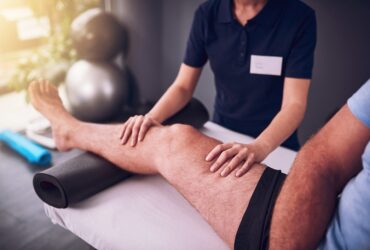
Cropped shot of an unrecognizable female physiotherapist treating a male patientIt’s no secret that athletes are at a higher risk of developing joint pain and osteoarthritis. But what may come as a surprise is just how much higher that risk is for those who participate in elite-level sports. A recent study found that one in four retired Olympians reported osteoarthritis diagnoses.


Osteoarthritis is a form of arthritis that occurs when the cartilage that cushions the ends of your bones starts to break down. It can occur in any joint, but it most often affects joints in the hands, knees, hips, and spine. Osteoarthritis gradually worsens over time and can lead to pain and stiffness.

Osteoarthritis is a common form of arthritis and becomes more common as you age, but this new study suggests it may be even more of a risk for elite athletes. As the largest international study of its kind, researchers observed the consequences of
osteoarthritis and pain in different joints from retired elite athletes across different summer and winter Olympic sports.

All 3,357 participants were quizzed about their injuries and their bones, muscles, joints, and spine health. They were also asked if they had an osteoarthritis diagnosis or were experiencing joint pain.

It was found that the knee, shoulder, and knee were the most injury-prone areas for Olympians. These were also among the most common locations for pain and osteoarthritis. After an injury, Olympians were also more likely to develop osteoarthritis than someone in the general population sustaining a similar injury.

“High-performance sport is associated with an increased risk of sports-related injury and there is emerging evidence suggesting retired elite athletes have high rates of post-traumatic osteoarthritis. This study provides new evidence for specific factors associated with pain and osteoarthritis in retired elite athletes across the knee, hip, ankle, lumbar and cervical spine, and shoulder, and identifies differences in their occurrence that are specific to Olympians,” said Dr. Debbie Palmer, Moray House School of Education and Sport.

Joint and Bone Health

Although this study focuses on elite athletes, everyone should take steps to help their joints as they age. Joints may require support throughout life to help them stay strong, flexible, and healthy. If you are concerned about spine health or suffer from lower back pain, knee pain, or even ankle pain, your joints may need some special attention.

Healthy Joints contains multiple ingredients to help support and improve joint health. The primary ingredient in Health Joints is AprèsFlex®, an extract from Boswellia, which has been found in studies to provide rapid support for joint health and mobility. This unique formula also contains glucosamine and chondroitin, which contain compounds that are some of the building blocks of healthy joints.

Supporting bone health is also essential as you age. Bone Rescue can help to support the maintenance and development of bones thanks to its unique formula, including strontium. Chemically similar to calcium, strontium can provide great support for aging bones. Bone Rescue contains 680 mg of strontium along with additional ingredients to help keep bones strong and healthy.

People with COVID-19 Who Also Had PTSD Are Less Likely to Survive: Study

young stressed man holding Coronavirus(Covid-19) positive test result with Antigen Rapid Test kit (ATK)People with PTSD may be more at risk of death from COVID-19, according to a new study. The study found that a person’s mental state can affect their likelihood of surviving the virus. The study focused on PTSD but also found a link between other mental health conditions, such as depression and anxiety. The findings suggest that mental health should be considered when treating COVID-19 patients.

Post-traumatic stress disorder (PTSD) is a condition that can develop after a person experiences a traumatic event. PTSD can cause a range of symptoms, including flashbacks, nightmares, anxiety, and trouble sleeping. PTSD can also lead to feeling detached from other people, feeling irritable or jumpy, and avoiding things that remind you of the trauma. For some people, PTSD can be debilitating and make it difficult to carry on with day-to-day life.

PTSD is a complex disorder that is consistently being studied. In this new study, researchers from UC San Francisco and the San Francisco VA Health Care System found that veterans with PTSD had an 8% increased risk of death if they had COVID. Compared to people with the virus and without a psychiatric diagnosis, there was a 9% increased risk of hospitalization.

Researchers also quantified the risks for patients with other psychiatric disorders by analyzing other studies. Those with psychosis had a 58% increased risk of death, and 66% increased risk of hospitalization than those without a psychiatric diagnosis.

For people with major depression, the risk of death and hospitalization was 13% and 21%, and for people with bipolar disorder, 29% and 46%.

To help eliminate any effect of confounding variables, researchers compared veterans with each mental health disorder to veterans without a psychiatric disorder. Adjustments were made for co-occurring medical conditions, including diabetes, HIV, cancer, cardiovascular disease, kidney, lung, and liver disease. Smoking and obesity were also adjusted for.

In conclusion of the study, although people with PTSD were at more risk of death and hospitalization than those without a psychiatric disorder, they surprisingly fared better than patients with all other forms of mental illness.

“PTSD is routinely screened in the VA Health Care System, so it may be more reliably detected even for less severe cases, compared with other psychiatric conditions,” said first author Kristen Nishimi, Ph.D. “Older veterans, who may have been diagnosed with PTSD many years ago and have chronic PTSD, may have symptoms that are relatively less severe or better managed.”

Researchers did note that patients with PTSD under the age of 65 had worse outcomes than older patients (16% higher risk of hospitalization compared with 6% for the 65-plus cohort).

Mental Health and Brain Function

While some degree of cognitive decline is nearly inevitable as you age, there are other factors that can take a toll on brain function, such as mental health. This can affect memory, concentration, and overall brain function.

The Smart Pill can help to enhance cognitive function and memory through 9 ingredients that help to support, nourish, and maximize brain health. These include ginkgo biloba, huperzine A, bacopa extract, rosemary extract, and a B vitamin complex. The formulation of these ingredients is an excellent way to help fight free radicals, boost circulation, and provide nutritional support to assist with brain health.

Accelerated Eye Aging Linked to Repetitive Stress: Study

Exhausted businesswoman having a headache in modern office. Mature creative woman working at office desk with spectacles on head feeling tired. Stressed casual business woman feeling eye pain while overworking on desktop computer.We all know that stress can be a major hindrance to our daily lives, but did you know that it can also harm our eye health? A new study from the University of California, Irvine, suggests stress is an important component of retinal ganglion cell death in glaucoma, as it causes damage similar to aging.


Aging is a universal process that can affect all cells in an organism. However, in the eye, it can be a major risk factor for a group of neuropathies called glaucoma. With an increase in aging worldwide, current estimates show that the number of people over the age of 40 will increase to over 110 million in 2040.

The study published in Aging Cell showed how stress, such as intraocular pressure (IOP) elevation in the eye, can cause the retinal tissue to undergo changes similar to natural aging. In young retinal tissue, researchers found that repetitive stress induces features of accelerated aging.

Long-term IOP fluctuation has previously been a strong predictor of glaucoma progression. This new study helps to show that the cumulative impact of the IOP fluctuations is directly responsible for the aging of the tissue.

“Our work emphasizes the importance of early diagnosis and prevention as well as age-specific management of age-related diseases, including glaucoma,” said researcher Dorota Skowronska‐Krawczyk, Ph.D.

“The epigenetic changes we observed suggest that changes on the chromatin level are acquired in an accumulative way following several instances of stress. This provides us with a window of opportunity for the prevention of vision loss, if and when the disease is recognized early.”

Eye aging is inevitable as we age. However, as this study shows, an aging retina can be caused by repetitive stress. With new tools to estimate the impact of stress on the aging status of retinal tissue, experts can now measure the epigenetic age of retinal tissue and use it to find the optimal strategy to prevent vision loss in aging.

The Effects of Stress

Stress can take a toll on various parts of the body, including the eyes. It can also affect the brain, affecting concentration, memory, and overall brain function. The Smart Pill can help counteract these effects through nine ingredients that help support, nourish, and maximize brain health and cognitive function. These include ginkgo biloba, huperzine A, bacopa extract, rosemary extract, and a B vitamin complex. This unique formula helps boost circulation, fight free radicals, and help to promote clear thinking and mental health.

As this research proves, it is vital to take steps to ensure vision is kept as healthy as possible as you age. One of the primary causes of age-related vision loss is low levels of lutein and zeaxanthin. These natural pigments have been shown to protect the eye from oxidative damage caused by ultraviolet light and environmental factors. Some of the best sources of lutein and zeaxanthin, but it is challenging to get enough of these pigments from diet alone.

20/20 Vision contains 20 mg of lutein and 2 mg of zeaxanthin to help give your eyes the nutritional support they require. In addition to those two ingredients, this unique formula contains various vitamins, minerals, and herbal ingredients to help support and maximize vision and eye health.

Give Thanks for All These Seasonal Superfoods

Thanksgiving celebration traditional dinner. Roasted turkey garnished with cranberries on a rustic style table decoraded with pumpkins, vegetables, pie, flowers and candles. Festive table settingThanksgiving can get a little bit of a bad reputation because people love to overindulge. But the truth is that many Thanksgiving Day staples are good for you.


Fall is filled with superfoods that can contribute to overall health. And you can bet that there can be a lot of good on your Thanksgiving spread.

How you plan for and navigate your holiday meal can also make a difference in how much you eat and how healthy it is. Remember to eat a snack about an hour before the feast, and don’t try to “bank calories” so you can eat more.

When it’s time to fill your plate, load half of it with deep-hued fruits and veggies (sweet potato, Brussels sprouts, cranberries, etc.)

Here are some of the seasonal superfoods that you’ll likely see this season:

Apples: There are great pre-meal snacks. Apples are portion-controlled, a great source of fiber, and low in calories. They are a sweet, healthy snack that can feature in a dessert like an apple crumble.

Turkey: Turkey is a great source of lean protein and the amino acid tryptophan, which may contribute to immune strength. Try to keep your portion about the size of your hand and remove the skin. Go light on the gravy, too!

Brussels’ sprouts: Just one cup of these seasonal veggies has 4 grams of fiber and more than a day’s worth of vitamin C. They are also good for gut health. You must rinse them, drizzle with olive oil, sprinkle them with cracked pepper, and roast them for about 15 minutes.

Winter Squash: Acorn, zucchini, really any kind of winter squash, will have plenty of fiber, vitamin A, and sometimes vitamin K. It can be used as a substitute for pasta, soups, added to salads, or even as a standalone side.

Cranberries: The beautiful red hue aside, these fruits are filled with antioxidants that can help contribute to health in various ways. They can be added to stuffing, drizzled on salads, or even out in cocktails.

One of the keys to cranberries during the holidays is making your own sauce and avoiding store-bought stuff. Make your own with orange juice and cinnamon (instead of sugar).

Pumpkin: These are high in fiber, low in fat, and pack a ton of important minerals like potassium, zinc, iron, and magnesium. They are also loaded with beta-carotene, which can encourage better vision, and vitamins E and C, which are immune-boosting antioxidants.

The seeds pack a reap-health punch, too.

High Salt Food Elevates Levels of Stress in the Body: Study

Sprinkles eggs and bacon with salt from a shaker. An excess of sodium chloride mineral can lead to the development of heart and metabolism diseasesIf you’ve been feeling more stress lately, it may not be because of your hectic schedule. It could be due to the salty food you’re eating. According to the research, eating a lot of salty food can raise levels of stress hormones in the body. So, if you’re looking for ways to reduce your stress levels, cutting back on processed foods and eating more whole foods is a good start.


Most people in the United States consume too much salt. The recommended salt intake for adults is less than six grams a day, but most people regularly eat nine. This can contribute to higher blood pressure, increasing the risk of stroke, heart attack, and vascular dementia.

Previous research has shown the effects of salt on the heart and circulatory system. However, little is known about its impact on a person’s behavior. This is what led researchers from the University of Edinburgh to look into more effects of salt intake.

For the study, researchers used mice who ordinarily have a low-salt diet and gave them high-salt food to consume. This was to reflect the typical high-salt diet of humans. Not only did resting stress hormone levels increase, but the mice’s hormone response to environmental stress was also double that of normal mice.

The salt consumed increases the activity of genes that produce the proteins in the brain, which control how the body responds to stress.

“We are what we eat, and understanding how high-salt food changes our mental health is important to improving well-being. We know that eating too much salt damages our heart, blood vessels and kidneys. This study now tells us that high salt in our food also changes the way our brain handles stress,” said Renal Physiology Professor Matthew Bailey.

Although these findings are just the beginning, further studies are already underway to understand if a high-salt intake could lead to behavioral changes such as anxiety and aggression.

Salt Intake And Brain Function

As this study suggests, salt can affect hormones, leading to stress in our daily lives. This added stress can take a toll on the brain, affecting concentration, memory, and overall cognitive function.

The Smart Pill can help counteract these effects through nine ingredients that help support, nourish, and maximize brain health and cognitive function. These include ginkgo biloba, huperzine A, bacopa extract, rosemary extract, and a B vitamin complex. This unique formula helps boost circulation, fight free radicals, and help to promote clear thinking.

How to Beat Thanksgiving Anxiety

Sad mature woman feeling lonely and missing her family at dining table on Thanksgiving.As much as you might like the food and the thought of seeing your family, it’s not untrue to suggest that Thanksgiving is no picnic.

The images on television are often supplanted when real life takes over. For many, the holidays can be riddled with anxiety.

Some common causes could be the preparation it requires, the people you have to see, or maybe that the holidays are a hard time when you are reminded of people you’ve lost that are missing around the table.

There is a lot of division in the United States right now, and that makes its way right down to the dinner table. If you think Thanksgiving has the potential to explode for your family this year, consider your options.

One may be to avoid it altogether. Perhaps you have friends who’d be interested in planning a Thanksgiving get-together with you. And if bickering family members are pulling you in two directions because they refuse to get together, tell them to sort it out.

If you do end up doing something on a smaller scale, just remember to treat yourself right. The same goes if you use the holiday to reflect on those you’ve lost. Do your best to try and eat well, get dressed, and celebrate.

Participating in the community may help, too. Attending a religious service, volunteering at a shelter, hosting neighbors, or doing something that connects people is a good way to spend the holiday.

If your anxiety is more about the stress of fixing up a big meal, then ask for help. Tell your guests that this year is more of a potluck-style, or better yet, inform them that the party is not at your house this year. Encourage adult children, for example, to take the reins of holidays.

If you find yourself in an anxiety-inducing situation, consider ways to ease it. Maybe it is avoiding certain people one-on-one or removing yourself briefly to go out and get some air.

The holidays can be filled with anxiety, but there are ways to beat it so you can enjoy yourself. It may require giving your traditions a different look, but sometimes that is needed.

Age-Related Macular Degeneration Linked to Serious Forms of Cardiovascular Disease

Female Doctor Examining Senior Female Patient's EyesNew research suggests that patients with a specific eye disease may be at risk for cardiovascular disease. Age-related macular degeneration (AMD) is a leading cause of blindness in the United States. This new study believes it may be linked to heart damage from heart failure and heart attacks, advanced heart valve disease, and carotid artery disease associated with certain types of strokes.


Age-related macular degeneration (AMD) is an eye disease that affects the central vision of older adults. The condition is caused by damage to the retina, which is the light-sensitive tissue at the back of the eye. The retina is responsible for sending visual signals to the brain.

AMD typically affects people over age 65 and is the leading cause of visual impairment and vision loss in this age group. There are two main types of AMD: wet and dry. Wet AMD occurs when abnormal blood vessels grow under the retina and leak fluid or blood. Dry AMD occurs when the tissue of the retina deteriorates. There is no cure for AMD, but treatments are available to slow its progression and improve vision. Early diagnosis and treatment are essential for maintaining vision.

For the study, researchers from the New York Eye and Ear Infirmary of Mount Sinai analyzed 200 patients with retinal imaging to determine which had subretinal drusenoid deposits (SDDs). These deposits are found in a specific form of age-related macular degeneration. The study also required patients to answer a questionnaire about their cardiovascular disease and eye disorders history.

By the conclusion of the study, it was recorded that of the 200 participants, 97 had SDDs. Forty-seven of the 200 had severe heart disease (19 had heart damage from heart failure or heart attack, 17 had serious valve disease, and 11 had strokes stemming from the carotid artery). Out of those 47 participants, forty had SDDs.

Overall, researchers concluded that AMD patients with severe cardiovascular diseases and stroke were nine times more likely to have SDDs than those without.

Supporting Vision and Heart Health

As this research proves, it is vital to take steps to ensure vision is kept as healthy as possible as you age. One of the primary causes of age-related vision loss is low levels of lutein and zeaxanthin. These natural pigments have been shown to protect the eye from oxidative damage caused by ultraviolet light and environmental factors. Some of the best sources of lutein and zeaxanthin, but it is difficult to get enough of these pigments from diet alone.

20/20 Vision contains 20 mg of lutein and 2 mg of zeaxanthin to help give your eyes the nutritional support they require. In addition to those two ingredients, this unique formula also contains various vitamins, minerals, and herbal ingredients to help support and maximize vision and eye health.

Keeping the heart strong and healthy is vital for enjoying a high quality of life as you age. Heart Rescue was designed to help support and promote cardiovascular health using a variety of ingredients, including omega-3 fatty acids, CoQ10, magnesium, and hawthorn extract. This formula’s health benefits can help strengthen the heart muscle, support circulation, and help reduce the risk of heart disease.

How to Avoid Acid Reflux This Thanksgiving

Close-up of grateful family saying grace during Thanksgiving meal at dining table.Thanksgiving is just about here, and whether you want to or not, you’re probably going to indulge yourself just a little.
And you should. This is a time to celebrate with friends and family you may not have seen in a year and enjoy some of your favorite foods that only appear for a limited window.

The truth is that a few days of overeating isn’t going to lead to long-term weight gain or sabotage your life. But it can lead to some discomfort if you experience acid reflux, also known as heartburn. You know, that burning in your chest that can show up after a big meal.

Most people experience the occasional bout of heartburn. If you get it more than twice weekly, you may have gastroesophageal reflux disease (GERD). In addition to heartburn, GERD can come along with difficulty swallowing, wheezing, coughing, or chest pain.

There are lifestyle factors that can impact the risk for heartburn and GERD. Being overweight or obese, diabetic, pregnant, or a smoker can all increase the risk.

But if you don’t have GERD and just looking to avoid an episode of heartburn this Thanksgiving weekend, here are some things to try:

  • Eat mindfully: Taking time to chew every bite slowly and taste your food entirely is one way to curb the risk of heartburn. Chew each small mouthful 20-40 times before swallowing, and put utensils down while you chew.
  • Avoid piling it on: When you haven’t seen some of your favorite foods in a year, it can be tempting to pile a mountain of them on your plate. Don’t. Fill your plate accordingly – about a third with turkey, a third with some sweet potato, a third with some greens, and another third with whatever else is on the spread.
    Once you’re finished, give yourself about 30 minutes to see if you’re actually still hungry.
  • Wear loose-fitting clothing: Wear something that isn’t constricting. Loosen your belt a few notches if you need to!
  • Avoid lying down: A big Thanksgiving feast can make you tired, but lying down can boost the risk of heartburn. Try going out for a leisurely stroll with a family member to aid digestion, and do your best to avoid lying down on the sofa.

Three Inflammation Myths You’ll Want to Stop Believing

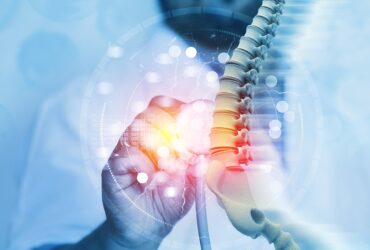
Doctor check and diagnose the human spine on blurred backgroundInflammation is complex and can easily be misunderstood. There is also a lot of information that suggests if you can control it, you’ll live well forever.

Acute inflammation is good: it’s your body’s natural response to an injury, infection, or other dangers. It’s why you sneeze when exposed to an allergen or your toe swells up when you bang it. It’s part of the healing process.

Sometimes inflammation can spin out of control and become harmful to health. It’s when the inflammation is persistent and rarely shuts off, called low-level, or chronic, inflammation.

The first myth is that chronic inflammation is at the root of many modern illnesses. Well, it is true that inflammation appears alongside with conditions like diabetes, heart disease, obesity, and more, and that controlling it is part of treatment. But inflammation is not necessarily a cause of disease.

In fact, the opposite is likely the case: a condition has led to the chronic inflammation. However, it is true that if inflammation is left unchecked, it will contribute to long-term health problems.

The next myth is that you can feel inflammation. Outside of a few conditions, like rheumatoid arthritis (RA), for example, inflammation does not have a distinct feeling.

People with RA can feel soreness, stiffness, and swelling in their joints. Inflammation is not symptomatic in people with obesity, diabetes, or cardiovascular conditions.

The third myth is that anti-inflammatory diets prevent disease by suppressing inflammation.

There is no denying that some diets are healthier than others, but it is not necessarily known if the benefits are directly tied to reducing inflammation.

That said, switching from a diet that can promote inflammation, like the typical Western diet, can improve health and reduce the risk for disease.

An “anti-inflammatory diet,” like the Mediterranean diet, is associated with a lower risk of heart disease, diabetes, and even dementia risk. Highly nutritious diets are far superior to those high in processed foods and “empty” calories.

You also cannot eat inflammation away entirely – nor would you want to. If you completely shut off any form of inflammation, you wouldn’t have the tools to fight off deadly infections or respond to allergens or toxins.

Try to keep inflammation levels in check by maintaining a healthy lifestyle, diet, and keeping up with regular doctors’ visits.

Five-Star Guarantee of Satisfaction