

 You’ve probably heard of “good” HDL cholesterol and how it may affect heart health. Well, a new study is putting that under scrutiny.
A new, large-scale study shows that HDL cholesterol may not significantly affect heart health, particularly for Black people. A study of nearly 24,000 adults found that low HDL was associated with a somewhat higher risk for heart attack in white people, but that was not the case for Black adults.
On the other hand, high HDL levels – traditionally considered heart healthy – made no difference in the heart risks for Black or white adults.
Experts are now calling for a re-evaluation of how HDL is used to predict people’s risk of developing heart disease. Figuring out whether various “traditional” heart disease risks have similar effects on all people is now at the forefront.
HDL, or high-density lipoprotein, gained its reputation as “good” cholesterol in the Framingham Heart Study, which is still ongoing. In the 70s, researchers found a correlation between higher HDL levels and a lower heart attack incidence.
A decade ago, the study also identified other factors that are now considered key in whether or not people develop heart problems or suffer a stroke. Factors like high blood pressure, high levels of “bad” LDL, smoking, and obesity came out of Framingham.
The issue is that all the participants in the Framingham were white. More recent studies with more racial diversity have raised questions about whether low HDL is “bad” for everybody’s heart.
These new findings show that traditional beliefs do not hold up for Black Americans.
The study was published in the Journal of the American College of Cardiology and involved nearly 24,000 U.S. adults aged 45 and up who were free of coronary heart disease at the outset. About 42 percent of the participants were Black, and 58 percent were white.
Over the next decade, just over 1,600 people suffered a heart attack or died from coronary heart disease. It turned out that low HDL predicted a modestly higher risk of heart trouble in only white people. Among Black people, low HDL had no impact on risk.
Other research has found that HDL-raising medication offers no heart protection, either.
For Black patients, risk factors like high blood pressure, obesity, and high LDL should be weighted more heavily. However, those factors only go so far. Social inequities are the main reason why Black Americans are more likely to die from heart disease or stroke than white Americans.

 Did you know that reading is one of the best exercises for your memory? It’s true! Not only does it keep your mind active and engaged, but it also helps improve brain function among older adults. In fact, a recent study found that adults who read regularly scored better on memory tests than those who didn’t read as often. So, reading is a great option if you’re looking for ways to stay sharp in old age!
 You might not like the idea of aerobic exercise. Memories of Jane Fonda or Richard Simmons might not get you in the mood to move. I get it.
 New research from Brighton and Sussex Medical School (BSMS) suggests that hypermobile joints may be linked with the emergence of depression and anxiety in adolescence. The study looked at the relationship between psychiatric symptoms and patients with hypermobility.
 Countless people pop popular pain medications to help them cope with joint pain to make it through the day.
 New research led by UNSW Sydney psychologists suggests that exposure therapy and aerobic exercise may help reduce post-traumatic stress disorder (PTSD) symptoms. It is common for people with PTSD to be encouraged to try exposure therapy, but up to half of the patients don’t respond to it.
 The holiday season has just begun, and you may already be feeling the effects of salty, fatty, sugary foods that are in no shortage this time of year.
 Shoveling snow is a fact of life for many across the country and something that most don’t consider risky behavior. But it is.
 According to a new study published in the Journal of the American College of Cardiology, if you regularly use table salt, you may be at a higher risk of heart disease. So, if you want to keep your heart healthy, limiting your intake of table salt is important.
 Cholesterol can be confusing stuff. There’s good cholesterol, bad cholesterol, foods with cholesterol that don’t impact blood cholesterol, and foods without it that do.
 A healthy diet is important for many reasons, including preventing cardiovascular disease. Previous research has shown that those who eat healthily can help to prevent obesity and reduce the risk of heart disease, stroke, and type 2 diabetes. Now, a new study suggests that a healthy diet can also lower the risk of cardiovascular disease by 10 percent.
 When COVID-19 burst onto the scene in North America in 2020, it pushed most other viruses out of the way. In 2022, common colds and flu have almost become an afterthought.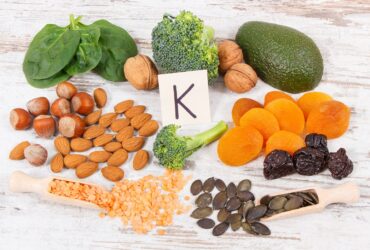
 Bone fracture is a major concern for many women as they age, but new research suggests that a higher intake of vitamin K may help when taken earlier in life. Researchers from Edith Cowan University’s Nutrition and Health Innovation Research Institute believe they have found a way to help prevent bone fracture when steps are taken in midlife to help the body stay healthy.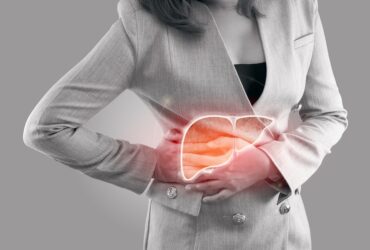
 There are plenty of reasons to keep your liver healthy. You may know that it is your body’s main force against removing toxins. But your liver may also play a role in heart health.