
Study Finds Even Subtle Forms of Liver Disease Directly Impacts Heart Health

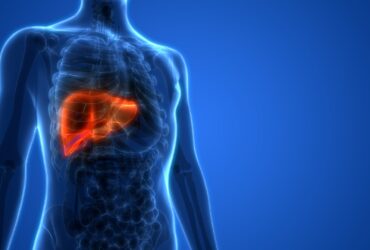
3D Illustration of Human Liver AnatomyIf you want to keep your heart healthy, it’s important to look beyond cholesterol and blood pressure levels—even subtle forms of liver disease can significantly impact heart health.

According to a new study, even subtle forms of liver disease can have direct and lasting impacts on cardiac health. Through detailed research involving hundreds of participants, scientists have found hard evidence that specific markers indicating liver damage can be associated with long-term adverse effects on the heart – including severe complications such as stroke or heart attack. Read on to learn how some surprising results from this new study could impact your overall wellness.

The study from Smidt Heart Institute at Cedars-Sinai compared patients’ FIB-4 scores with heart abnormalities visible through cardiac MRI scans. The markers are for liver fibrosis which can indicate a risk of developing severe liver disease.

It was found that elevated FIB-4 scores were associated with abnormalities in heart function and vascular dimension. Previous studies have suggested that nonalcoholic fatty liver disease was associated with cardiovascular death; however, the relationship was poorly understood.

Due to the limitations of previous studies, researchers were only able to look at how cirrhosis and nonalcoholic fatty liver disease can affect the heart without the mechanisms behind the link. Researchers believe the outcomes may have also been obscured by risk factors that the two conditions have in common such as diabetes. However, this new study has found missing information from previous research.

The American Heart Association (AHA) has recently released a statement saying that nonalcoholic fatty liver disease is a risk factor for atherosclerotic cardiovascular disease.

This common liver condition affects more than one in four adult Americans, so it is vital to understand how it may affect heart health. After all, heart disease, not the progression of liver disease, is the leading cause of death in people with nonalcoholic fatty liver disease, according to the AHA.

“If 25% of the population has this potential risk factor for cardiac disease, we knew we needed to understand it more fully,” Alan Kwan, MD, author of the study. “So, our overall aim with this study was to examine the connections between the heart and the liver—a newer area of study, but one that made sense to explore further. The liver processes cholesterol and produces factors involved in blood clotting and inflammation—all of which can affect the heart—so we wanted to take a closer look at these associations.
Typically, when physicians examine the heart, they are not thinking about the liver and vice versa. However, this study indicates that healthcare professionals should be screening for liver conditions when looking at the heart. The heart and liver should not be viewed as completely separate organs in the body.

Heart and Liver Health

As one of the most important organs in the human body, the liver works 24 hours a day to produce and process many of the chemicals the body requires. It processes over 500 functions, including hormone production, bile secretion, and converting sugars into glycogen.

Liver Rescue is a formula designed to support and maximize the performance of a healthy liver through its 7 ingredients. These powerful ingredients can help fight free radicals, improve bile production, remove toxins, and give your liver the support it deserves

Keeping the heart strong and healthy is vital for enjoying a high quality of life as you age. Heart Rescue was designed to help support and promote cardiovascular health using a variety of ingredients, including omega-3 fatty acids, CoQ10, magnesium, and hawthorn extract. This formula’s health benefits can help strengthen the heart muscle, support circulation, and help reduce the risk of heart disease.


Want To Reduce Your Risk for Heart Disease? Put This Down

Single Salt Dispenser Or Shaker On A Restaurant or Cafe TableIt’s no secret that too much salt can be bad for your heart. It’s one of the most popular seasonings in North America, but it can also be deadly.


Heavy salt intake is associated with high blood pressure, atherosclerosis, and an increased risk for heart disease and heart failure. Typically, people are urged to stay away from processed and packaged foods, which are often loaded with salt, but new research is singing a different tune.

Adding salt to meals at the table can be dangerous, too, and tossing your salt shaker may result in a lower risk for heart disease.

Researchers at Tulane University School of Public Health and Tropical Medicine in New Orleans found that compared to people who always added salt to foods (typically at the table), those who sometimes, rarely, or never added salt to foods had up to a 37 percent lower risk for cardiovascular disease.

The results were published in the Journal of the American College of Cardiology and cannot prove that adding salt to food causes heart disease, only that there is an association between the two.
The team looked at data from more than 176,000 adults. Some of what emerged were that people who tended not to add salt to their foods were women, white, normal body weight, moderate drinkers, non-smokers, and more physically active.

On the other hand, those who tended to add salt at the table were more likely to have heart disease, smoke, and have a lower socioeconomic status.

Adding more salt more often may increase the risk of heart attacks, heart failure, chest pain, and high blood pressure.

One of the easiest ways to reduce salt intake is to cook with more spices and seasonings. The foods you normally eat can be seasoned with virtually anything, so why not try something new that won’t add another harmful element to your health?

Additionally, eating more fruit, vegetables, nuts, beans, and whole grains, unsalted, can help reduce the risk of heart trouble.

Older Adults Participating in Group Exercise May Boost Physical, Mental Health: Study

Healthy mature woman sitting on exercise mat in lotus position and doing yoga in the classAs we age, exercise is essential to our physical health and mental health. This can be especially important for older adults, as engaging in physical activity has been linked to increased emotional stability, improved focus and memory recall, better cardiovascular health, and even lowered risk for chronic illnesses like type 2 diabetes.


But obtaining those physical and mental health benefits doesn’t have to mean breaking a sweat alone on the treadmill at home; a new study has indicated that participating in group exercise programs designed with seniors in mind may help strengthen both body and mind.

In 2005 the University of Missouri launched its “Stay Strong Stay Healthy” program. Stephen Ball, who has dedicated his career to improving the health of older Missourians through exercise, played a large part in the University’s new program. For years, he has spoken about the physical and mental health benefits older adults have experienced with exercise training programs, but thanks to this new study, he now has proof.

For the study, Ball collaborated with Missouri Orthopedic Institute to analyze the effectiveness of the “Stay Strong Stay Healthy” strength training program in a group setting among adults over the age of 60. All participants in the study were required to attend an instructor-led course which lasted one hour and was held twice a week for eight weeks. The course taught participants how to safely complete strength training exercises, including bicep curls and squats.

After accounting for muscle strength, balance, and flexibility before and after the program, researchers found that participants improved their physical health outcomes and their self-confidence in exercise. This increased their physical activity in their daily life and reduced the risk of falls, which is a significant concern for aging adults.

We help older adults maintain their independence as they age and reduce their risk of falling, which has huge financial implications as well as health implications,” Ball said. “We keep hearing from participants that in addition to feeling stronger, healthier and more active, another major reason they enjoy the group classes is the social aspect of making friends with others their age and engaging with community members in a stress-free environment.”

This study helps to show the importance of physical activity in older adults and how the social impact of group classes is vital. Social connection is an essential part of health in seniors, and group exercise classes offer an excellent way to interact with others while getting physical activity.

Supporting Brain Function

While exercise and social activity are essential for mental health, getting the nutrients needed for brain function is vital. Numerous factors can take a toll on the ability of the brain to function at peak potential. This can affect memory, concentration, and overall brain function.

The Smart Pill can help to enhance cognitive function and memory through 9 ingredients that help to support, nourish, and maximize brain health. These include ginkgo biloba, huperzine A, bacopa extract, rosemary extract, and a B vitamin complex. This unique formula helps to boost circulation, fight free radicals, and provide nutritional support to assist with cognitive function.

A Heart-Healthy Lifestyle May Be Even More Important for People with Severe Asthma

Asmathic girl catching inhaler having an asthma attack. Young woman having asthma attack. She is holding asthma inhaler. Asthmatic woman using an asthma inhaler during asthma attacksPersistent asthma can take a toll on your lungs, and a new study shows it can also take a toll on your heart.


Relentless asthma seems to be tied to plaque formation in the carotid arteries, which can increase the risk of heart attack and stroke. Carotid arteries are the large arteries at the side of the neck responsible for carrying blood to the brain.

A study of more than 5,000 men and women showed that people with persistent asthma had nearly double the odds of having plaque buildup in the carotid arteries compared to people without asthma or less severe, intermittent asthma.

Persistent asthma was defined as having to control symptoms like wheezing and shortness of breath with medication daily.

Researchers believe that multiple factors could contribute to the link between asthma and arterial plaque. The plaque could be a response to the inflammation caused by asthma. People with asthma have higher levels of inflammation than those without it.
The plaque buildup could also be related to the severity of the condition and how long a person has suffered from it.

They found that 67 percent of persistent asthma had plaque buildup in their carotid arteries, compared to about 50 percent of those with intermittent asthma or those without the condition.

If you’ve got persistent asthma, these findings mean it may be even more important to pay attention to other controllable cardiovascular risk factors.

Being mindful of things like diet, exercise, blood pressure, cholesterol levels, and body weight, and doing your best to ensure these things are good and under control, may help reduce the impact that persistent asthma may have on heart health.

The study was published online in the Journal of the American Heart Association.

Keep Your Blood Pressure under Control during the Holidays

Photo of full family gathering sitting dinner table communicating chatting overjoyed x-mas party multi-generation in newyear decorated living room indoorsIt can be a challenge to remain focused and stay on top of your high blood pressure during the busiest time of year. The holidays bring with them some unique pressures; not only do you have so much to accomplish, but also, it’s hard to take care of yourself while juggling all the extra activities and tasks. But it is critical that we make sure our blood pressure remains under control over this period.


High blood pressure can lead to serious complications such as heart attacks or strokes if left untreated for too long. However, there are some simple tips that can help you keep blood pressure from spiraling out of control during one of the craziest times of year.

Perhaps one of the most important tips to keep in mind during the holiday season is to try and stick to a healthy diet. Those with high blood pressure, in particular, should be conscious about what they are eating.

Have a healthy meal by filling up on lots of vegetables around the table this holiday season, and try to skip the sweets and treats. Beware of the dip in the vegetable platter, as you may easily end up eating more dip than vegetables if you’re not careful. At the dinner table, be sure to fill your plate as you don’t want to come away hungry and fill up with sugary desserts.

Those with high blood pressure should also think about their sodium consumption this time of year. Excess sodium in the bloodstream can pull water inside blood vessels and increase hypertension. Processed food contains high amounts of sodium, so try and limit intake as much as possible.

When celebrating the holidays, those trying to keep their blood pressure under control will also need to watch their alcohol intake. Christmas drinks can also be loaded with sugar; some may even have a salt rim, so be sure to pay attention to the ingredients in a drink if you have one. Dietary guidelines suggest
two drinks or less in a day for men and one or less for women.

Stress levels can be high during the holidays, so taking time for a little self-care is important. Stress-related hormones have been linked to an increased risk for high blood pressure, and stress can contribute to depression which has also been associated with high blood pressure.

“I think it’s important to set limits and to remember to take time for yourself,” said Dr. Angela L. Brown, director of the hypertension clinic at the Washington University School of Medicine in St. Louis. But, she warned, don’t respond by overeating or overindulging in alcohol, “because that really just compounds the problem.”

Studies have shown that cardiovascular problems rise after Thanksgiving and peak in the new year, so it is essential to take steps during this time to ensure healthy blood pressure.

Maintaining Healthy Blood Pressure

By maintaining healthy blood pressure, you can help to reduce the risk of cardiovascular disease and help support overall heart health. Healthy Blood Pressure Support has been shown in human clinical studies to help support healthy blood pressure making it an excellent choice for those looking to reduce their risk of hypertension. In addition, Healthy Blood Pressure Support also supports healthy cholesterol levels and cardiovascular health.

Ease Into Your New Year’s Resolution

Caucasian woman smiling with orange sweater in profile with new year's goals notebook in hand with unfocused christmas tree in the backgroundAs much as it’s the time to be in the moment, it’s also a time when many people start thinking about the future.


“In the New Year…” gets thrown around quite a bit this month, as many decide to open up a new chapter in their lives, revisit something they once did, or adopt a lifestyle change in hopes of a better future.

New Years’ resolutions can be great, and if you’re hoping to improve your health with the hopes of adding more years and better quality to your life, then even better.

Just remember one thing: it’s not all going to happen in January. Or February. Or even March.

The process is ongoing when it comes to making a long-term, sustainable change.

So when you flip your calendar to reveal January 1, think of it as the first day of the rest of your life, not the first day of a challenge that you’re trying to complete as fast as possible. Making dietary adjustments, starting a workout regimen, or implementing any change in lifestyle will take time.
If your resolution is to eat better, do so incrementally. Make daily food swaps for healthier alternatives, but don’t overhaul your entire diet in one fell swoop. Trying to make too many changes at once is unsustainable and can lead to resentment.

The same thing goes for an exercise program or weight loss routine. Start slowly to acclimate yourself. If you’ve never exercised before, you don’t want to start running or hitting the gym every single day for an hour.

Instead, start small and build strength so you can eventually do more. Gradually increase frequency and intensity so that you’re in full swing next year and can set even loftier goals.

If the plan is to work out at a gym, start with two 30-minute sessions per week and some walking on the other days. As the weeks and months pass, increase your workload.

Small, incremental change is the best way to build a routine, adhere to resolutions, and, most importantly, sustain them well into the future.

Exposure to Extremely Hot or Cold Temperatures Increases the Risk of Heart Disease Deaths

Frozen. Sad latina female sit on couch at freezing cooled studio flat in warm cap and blanket shiver tremble with cold. Unhappy young lady spend time at home feel bad suffer of heating system problemsNew research suggests that hot and cold weather may affect the risk of heart disease. With the changing seasons, many people struggle to stay comfortable in their everyday lives, but this new study has found that extreme temperatures could be doing more harm than just making us uncomfortable.


The study published in the American Heart Association’s journal Circulation analyzed health data from more than 32 million cardiovascular deaths that occurred in 567 cities in 27 countries on five continents between 1979 and 2019. It was found that for 1,000 cardiovascular deaths, days with extreme heat (above 86° F (30° C) accounted for 2.2 additional deaths, and days with extreme cold (below 20° F (-6.5° C) accounted for 9.1 additional deaths.

For people with heart disease, the most significant number of deaths was found in those with heart failure (2.6 additional deaths on extremely hot days and 12.8 on extremely cold days).

“While we do not know the reason why temperature effects were more pronounced with heart failure patients, it could be due to the progressive nature of heart failure as a disease,” said lead researcher Dr. Khraishah. “One out of four people with heart failure are readmitted to the hospital within 30 days of discharge, and only 20 percent of patients with heart failure survive 10 years after diagnosis.”
This study helps to underscore the urgent need to develop measures to help mitigate the impact of climate change on cardiovascular disease. The number of people with cardiovascular disease who can be affected by extreme weather is alarming. As this study helped to show, people with heart failure were most likely to be negatively impacted by extreme temperatures, experiencing a 12 percent greater risk of dying on extreme heat days and 37 percent on extremely cold days compared to optimal temperatures.

Protecting Heart Health

When it comes to avoiding heart disease, the conventional advice has always been to maintain a healthy lifestyle with regular exercise and nutrition. But this new study adds to mounting evidence that suggests exposure to extreme temperatures may also play an important role in increasing your risk of cardiovascular disease. With so many risk factors affecting heart health, it is essential to take steps to help protect yourself.

Heart Rescue was designed to help support and promote cardiovascular health using a variety of ingredients, including omega-3 fatty acids, CoQ10. The omega-3 fatty acids play an important role in cardiovascular function, while CoQ10 is involved in energy production at the cellular level. These two heart superstars are supported by five other ingredients can help to promote and support cardiovascular function as you age. This formula’s health benefits can help strengthen the heart muscle, support circulation, and help reduce the risk of heart disease.

A Little Stress Can Be a Good Thing

Sad depressed tired lonely divorced ill mother mature woman feeling unwell, unhealthy, suffering from midlife crisis on lockdown, social distanceThe holidays can present a wonderful opportunity to slow down and enjoy life. But they also produce a lot of stress leading up to those moments.


But guess what? A new study shows that a little bit of stress can be good.

Everybody knows that bad chronic stress can contribute to health problems, but there isn’t that much known about how limited stress can impact health. That’s why researchers decided to examine how low to moderate stress can affect people.

They found that low-to-moderate levels of perceived stress were associated with higher working memory neural activation, which results in better mental performance.

Working memory is the short-term information you use daily, like remembering a phone number or getting to your job or the grocery store.
The study featured more than 1,000 people from diverse backgrounds who were participants in the Connectome Project, a project sponsored by the U.S. National Institutes of Health.

Researchers asked participants whether they believe they have a meaningful life, if friend- or family-based support was available, how often they may have become upset in the past month, or if they could cope with daily life.

Participants were shown a series of images to assess working memory and asked to recall them. Lastly, MRIs were taken as participants performed tasks that would activate parts of the brain associated with working memory.

People who reported experiencing low or moderate stress had increased activity on parts of the brain involving working memory, while those reporting high stress had a decline in those areas.

So if you’re mildly stressing about the holidays, it could be helping your memory a little bit. And thankfully, if you’re going to see friends and family, they can help you cope with the things you are going through.

Incorporating Yoga with Regular Exercise Routine Improves Cardiovascular Health

Individual hatha yoga instructor training Parivrtta Anjaneyasana crescent lunge on knee prayer hands modern by Asian lady trainer.Yoga may be the answer if you’re looking for ways to enrich your exercise routine and improve your cardiovascular health! Practicing yoga on a regular basis offers numerous benefits, including improved flexibility, greater balance and coordination, and enhanced mental clarity. Studies have also shown that adding yoga to your cardio workouts will provide an extensive range of cardiovascular improvements, making it easier than ever to stay fit and healthy year-round.


Yoga has become an increasingly popular form of exercise and spiritual exploration over the past decade, with millions of people globally incorporating yoga into their lives. From yoga retreats in Bali to yoga classes in major cities, yoga is now more accessible than ever. Yoga provides its practitioners with numerous benefits; it can improve strength and flexibility, reduce stress levels, and enhance mental clarity. Furthermore, yoga has an additional spiritual dimension that can help participants reflect on their lives and live healthier lives. With regular practice and dedication, yoga can bring harmony to one’s body and mind.

While previous research has found evidence that yoga interventions and exercise have similar cardiovascular outcomes, there is variability in yoga types. This led researchers to apply a scientific approach to identify the cardiovascular risk factors that yoga may be beneficial for and how it could be applied in a healthcare setting.

The study published in the Canadian Journal of Cardiology analyzed 60 individuals that had previously been diagnosed with high blood pressure and metabolic syndrome for an exercise program. The participants were divided into two groups, which performed 15 minutes of either structured yoga or stretching in addition to 30 minutes of aerobic exercise training five times a week for three months.

It was found that after three months, there was a decrease in resting systolic and diastolic blood pressure, mean arterial blood pressure, and heart rate in both groups. However, in the yoga group, systolic blood pressure was reduced by ten mmHg, whereas in the stretching group, it was only reduced by four mmHg. The yoga approach also reduced resting heart rate and the 10-year cardiovascular risk assessed using Reynold’s Risk score.

Researchers believe this study provides evidence that yoga could be used as an additional non-pharmacologic therapy option for cardiovascular risk reduction and blood pressure control in patients with hypertension.

Lead investigator Paul Poirier, MD, said, “As observed in several studies, we recommend that patients try to find exercise and stress relief for the management of hypertension and cardiovascular disease in whatever form they find most appealing. Our study shows that structured yoga practices can be a healthier addition to aerobic exercise than simply muscle stretching.”

Promoting Heart Health

Keeping the heart strong and healthy is vital for enjoying a high quality of life as you age. Heart Rescue was designed to help support and promote cardiovascular health using a variety of ingredients, including omega-3 fatty acids, CoQ10, magnesium, and hawthorn extract. This formula’s health benefits can help strengthen the heart muscle, support circulation, and help reduce the risk of heart disease.

Fungal Lung Infections Are Spreading into Unknown Territories

Physician listening senior woman back lungs through stethoscope. Hospitalized elderly woman sitting on bed while doctor checking her breathe and heartbeat. Mature doctor auscultate heart of old patient in hospital geriatric room.What comes to mind when you think of a fungal infection? Athlete’s foot, infected toenails, or a rash? Well, guess what? They can happen in your lungs, too.

Some fungus species cause respiratory illnesses when they’re inhaled. Common in certain parts of the United States, these types of infections are spreading to parts of the country where they were once never seen. Likely a result of climate change, according to experts.

The major fungal species behind these illnesses have been traditionally limited to regional “hot spots.” However, new work is showing that is no longer the case.

Experts from the University of California, Davis School of Medicine and the Centers for Disease Control and Prevention (CDC) say that three fungal diseases have expanded to other parts of the country: histoplasmosis, blastomycosis, and coccidioidomycosis (Valley Fever).

Each was once confined to specific regions in the country, but now 10 percent of infections occur outside the traditional range, and some are found throughout the country.
Cases popping up in non-traditional areas are likely going unnoticed because doctors are unfamiliar with the infections. The infections are often misdiagnosed, even in places where they are more common.

Fungi are usually forgotten when it comes to respiratory infections. Doctors generally look for viruses and bacteria first. In many cases, fungal respiratory infections are missed.

Fungal infections cause the same symptoms as viral or bacterial respiratory infections, like COVID, the flu, or pneumonia. Doctors must specifically test for fungus to diagnose the infection, then prescribe antifungal medication.

But if they aren’t testing, it can’t be treated properly. According to some experts, 90 percent of patients with fungal lung infections are first misdiagnosed.

Thankfully the infections will often clear on their own, but it can take a while. Infections may be severe for people who are elderly or have a weakened immune system.

Sometimes symptoms can drag on for weeks or months, and an incorrect diagnosis can expose them to rounds of useless antibiotics, which can put gut health at risk.

Try Eating These to Slow Mental Decline

Woman hands taking green peas from table with fresh vegetables, healthy nutrition concept.According to new research, eating more berries and drinking tea may help you stay mentally sharp longer.

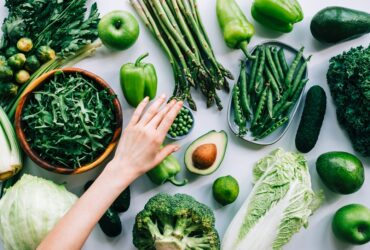
A case study of more than 900 adults found that foods featuring antioxidant flavonoids could offer brain benefits to older adults. Flavonoids are found in foods and drinks like berries, leafy green vegetables, tea, wine, and more.

The study, which was recently published in Neurology, found that people who ate a daily serving of leafy green vegetables slowed their cognitive decline by roughly 32 percent, compared to those who did not eat any flavonoid-rich foods.

Flavonoids act as both antioxidants and anti-inflammatories. They may destroy free radicals and prevent cell damage. And the benefits are not just for the brain, either. These compounds can prevent cell damage in other organs like the brain, heart and vascular system, kidney, liver, etc.

The research team collected data on 961 adults, with an average age of 81, who did not have dementia. Over an average of seven years, participants completed questionnaires about their diet and took cognitive and memory tests.
Participants’ ability to remember lists of words and recall numbers and put them in order was tested.

The results showed a close association between higher flavanol intake and slower cognitive decline. It should be noted that the association was observational and does not prove that eating these foods improves cognition or delays memory and thinking trouble.

People who ate the most flavanols – about 15 milligrams (mg) per day (the equivalent of about 1 cup of dark leafy greens) – had slower memory decline than those who ate the least – about 5 mg.

The foods that seemed to contribute most to slowing brain aging were:

  • Kale
  • Beans
  • Tea
  • Spinach
  • Broccoli
  • Tomatoes
  • Apples
  • Tea
  • Wine
  • Pears
  • Olive oil
  • Tomato sauce

Eating 5-6 Prunes Per Day May Help Prevent Bone Loss and Retain Bone Strength

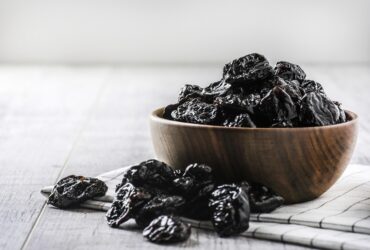
Prunes in wood bowl on white rustic table. Dried plums on white table. Fresh prunes for healthy life.If you want to protect yourself from bone loss and preserve your strength as you age, you may want to grab a handful of prunes! Prunes, also known as dried plums, are a delicious sweet snack and incredibly nutritious food that can provide numerous benefits for bone health. Recent studies suggest that consuming prunes in moderation daily could help keep your bones strong and healthy long into adulthood.


In the United States, approximately 10 million adults over the age of 50 have osteoporosis. According to previous research, women are four times more likely to get a diagnosis of the condition. This may be partly due to a decline in estrogen levels at the onset of menopause that often results in the loss of bone density. However, new research from Penn State shows that eating prunes daily may help women preserve bone density.

The study included 235 postmenopausal women, some of whom were assigned to eat 50 grams (approximately 5-6 prunes) each day for a year. The researchers measured the women’s bone mineral density, bone strength, and bone geometry and found that prunes may be beneficial.

“Consuming five to six prunes a day for 12 months resulted in the preservation of bone at the hip, a finding that was observable at six months and persisted through month 12. In another study, 3D imaging of bone provided additional information about the response of bone to consuming prunes daily,” said lead author Mary Jane De Souza.

Knowing about diet and food facts, including which can help keep bones strong and healthy, can help to prevent bone fractures as you age. Prunes make a great snack that are not only full of fiber but great for bone health.

Bone and Joint Health

Supporting bone health is essential as you age. Bone Rescue can help to support the maintenance and development of bones thanks to its unique formula, including strontium. Chemically similar to calcium, strontium can provide great support for aging bones. Bone Rescue contains 680 mg of strontium along with additional ingredients to help keep bones strong and healthy.

As you age, your joints may also require support to help them stay strong, flexible, and healthy. Healthy Joints contains multiple ingredients to help support and improve joint health. The primary ingredient in Health Joints is AprèsFlex®, an extract from Boswellia, which has been found in studies to provide rapid support for joint health and mobility. This unique formula also contains glucosamine and chondroitin, which contain compounds that are some of the building blocks of healthy joints.

Tame IBS Symptoms During the Holiday

Above view background of multi-ethnic group of people enjoying feast during dinner party with friends and familyThe holidays can be really fun, but they can also be a major stressor. For people with irritable bowel syndrome (IBS), the food and travel associated with the season may intensify symptoms.


Stress can affect the gut and impact how people with IBS feel. Travelling to see family, spending time with certain family members, and worrying if they will respect and acknowledge the condition can all make it a tough time.

People living with IBS report that the holidays can be particularly stressful, often above and beyond what most people without the condition report.

About 15 percent of Americans have IBS.

Stress can directly impact IBS through the gut-brain axis. Stressful situations or thoughts can amplify pain and alter the mobility of the gut by either speeding it up or slowing it down while changing the composition of the gut microbiome.

Symptoms can become more severe, leading to frequent trips to the bathroom or fewer. It may also mean more stomach pain and cramping, bloating, or increased urgency to get to the bathroom.
The holidays can create added stress due to travel, food options, and whether or not family members understand and support the condition. Further, people with IBS may feel too worried to ask for changes to the menu that would make things easier for them. Therefore, rather than talking about it, the person with IBS may eat foods that exacerbate symptoms.

So what can you do?

If you are stressed about travel, try practicing relaxation techniques before getting in the car or on the plane. Take a look at the physical cues your body may be presenting – tight shoulders, clenched jaw, the tension in the chest – and take five minutes to relax.

A meditation app, deep breathing, or imagining a relaxing place may all help.

Try paying attention to catastrophic thinking patterns as well. Focus on what you can control. Be prepared for the potential of a family member not reacting well to your requests about menu changes, and think of a solution. A plan – like sticking to certain foods or bringing something – can help relieve stress.

Maintaining a Healthy Lifestyle May Prevent Inflammatory Bowel Disease (IBD): Study

I stretch before and after a workoutIf you’re looking for ways to reduce your risk of developing inflammatory bowel disease (IBD), maintaining a healthy lifestyle is a good place to start. Eating a balanced diet, getting regular exercise, and managing your stress levels can all help keep your immune system functioning at its best. If you already have IBD, making these positive lifestyle changes can help you stay symptom-free and manage your condition.

A new international study published online in the journal Gut suggests that maintaining a healthy lifestyle may prevent up to 60% of inflammatory bowel disease cases, including Crohn’s disease and ulcerative colitis.

Inflammatory bowel disease is a chronic inflammatory condition affecting the intestines. It includes two major diseases – ulcerative colitis and Crohn’s disease, which can cause serious digestion problems, abdominal pain, severe diarrhea, fatigue, weight loss, and malnutrition. The exact cause of inflammatory bowel disease is unknown, but it has been linked to genetic and environmental factors such as smoking, antibiotics, and diet.

The study included 121,700 female nurses (aged 30-55) from 11 U.S. states in 1976 from the Nurses’ Health Study (NHS). From the NHSII study, 116,429 female nurses (aged 25-42) in 1989 from 15 U.S. states were also included, and the Health Professionals Follow-up Study (HPFS) included 51,529 male doctors (40-75) from across the U.S. in 1986.

Researchers created modifiable risk scores for all participants based on risk factors for IBD to estimate the proportion of IBD cases that could have been avoided. The risk factors included weight, smoking, physical activity, and the use of non-steroidal anti-inflammatory drugs. Diet was also considered, and intake of fruit, fiber, vegetables, polyunsaturated fatty acids (PUFAs), and red meat was included in risk factors.

During the monitoring period, 346 cases of Crohn’s disease and 456 cases of ulcerative colitis were reported. However, based on the findings, researchers concluded that maintaining a healthy lifestyle could have prevented 61% of
Crohn’s disease cases and 42% of ulcerative colitis cases.

Researchers concluded the study by saying, “Lifestyle modification may be an attractive target for future prevention strategies in IBD,” they add. “This may be of particular relevance to high-risk groups, such as first-degree relatives of IBD patients, who have an estimated 2%-17% risk of developing the disease over their lifetime.”

Maintaining A Healthy Colon

Healthy Colon provides an excellent solution to healthy digestion. The unique blend of ingredients includes natural sources of fiber, herbal ingredients, and probiotics to help prevent constipation and diarrhea. Poor digestion can impact the absorption of nutrients and vitamins, depriving the body of the valuable nutrients it desires. But Healthy Colon can target a number of causes of digestive issues, promoting overall health and wellness.

Five-Star Guarantee of Satisfaction