

 New research suggests that healthy aging may rely on exercise and diet. However, for many people, the thought of muscle strength and mobility decreasing as they age is expected and almost accepted. Most don’t realize that strength loss can be significantly delayed or altogether prevented.
There is no need to accept a decrease in strength or mobility; maintaining strength should be an essential part of any long-term wellness plan. Plenty of healthy eating and strength-building exercises are suitable for all abilities that can help keep you strong, active, and feeling great throughout your life.
Eating a healthy diet and staying active are two key elements to living a strong and vibrant lifestyle during our senior years. Not only can good nutrition and exercise help people maintain good physical health, but mental clarity can also be disciplined by incorporating an appropriate number of fruits, vegetables, and whole grains into one’s daily diet. It is never too late to start making small but meaningful changes to one’s diet and physical activity levels to ensure overall well-being through any stage of life!
As we age, our bodies naturally become weaker and less mobile, a process known as sarcopenia. This age-related form of muscular degeneration typically starts in our thirties, when our muscles begin to lose their youthful bulk and strength. In turn, sarcopenia can cause falls, fractures, and reduced quality of life in older adult populations.
New research suggests that simple lifestyle changes such as physical activity and healthy nutrition choices may help reduce sarcopenia-related muscle atrophy. By staying active and maintaining healthy eating habits, older adults can lessen the negative effects of sarcopenia.
Co-researcher Alan Hayes from the Institute for Health and Sport said, “There are many reasons that people can lose muscle, such as inactivity and hospitalization, which exacerbates losses seen with aging. Muscles can respond at any age, but waiting until there are difficulties with simple activities of daily living is too late.”
Inflammation is a natural part of aging, and research indicates it can contribute to muscle loss. This is especially concerning since muscle mass has been recognized as a predictor of health outcomes in seniors. Additionally, there is evidence that inflammation resulting from an external illness like COVID-19 or influenza may accelerate muscle deterioration, highlighting the importance of maintaining muscle for overall well-being and longevity.
Researchers agree that the key approach to sarcopenia is simple: diet and exercise. Even with progress in medical research and healthcare systems focusing on medications to help with chronic diseases in older age, a prescription for exercise still remains the gold standard. The best form of exercise is known as progressive resistance training (PRT), which involves a gradual, repeated, and targeted increase in weight over time.
A healthy diet includes protein and caloric intake, which are the building blocks and fuel that can help optimize the effects of PRT. Researchers hope this study will add to the mounting evidence of how diet and exercise are the keys to healthy aging and that it will help with publicly funded exercise and diet plans.
Foods for General Health
To help ensure your diet is complete, 65+ Superfood Essentials is an excellent addition to a daily supplement regime. This breakthrough formula is a great way to support and promote cardiovascular and overall health.
It contains Capros®, a patented and clinically studied Indian gooseberry extract that has been found to absorb free radicals and provide cascading antioxidants. Acai berry (the powerful natural antioxidant known to support total health) and resveratrol, a premier anti-aging ingredient, are also found in this formulation that can help ensure proper nutrients and vitamins that are essential as you age.

 Recent research has shed light on an amazing long-term health benefit of taking more steps per day—women who walk more are less likely to develop type 2 diabetes. For many years, doctors have emphasized the importance of regular physical activity and exercise for its immediate benefits and long-term impact on overall health and longevity.
 According to a new study, the combination of high blood pressure and elevated cholesterol levels can significantly increase your risk for a heart attack or stroke. While high blood pressure alone is dangerous enough in its own right, it makes the situation even more serious when coupled with bad cholesterol. Not only does this combination set individuals up for future health issues, but it could result in life-threatening complications or deadly events such as stroke or even death if not addressed properly. Read on to learn why it’s important to keep an eye on both blood pressure and cholesterol levels and what you can do if they begin trending into unhealthy territory.
 Recent studies have shown that intermittent fasting can be a powerful tool in managing and even reversing type 2 diabetes. This news is exciting for those living with the condition, as it offers hope of a more effective treatment option than what has been available in the past.
 No one wants to experience memory loss, especially in the prime of their life; however, new research suggests that smoking can increase the chances of just that. A new study has found a link between those who smoke tobacco and increased risks for memory problems later in life, even if they quit before hitting midlife.
 New research suggests that a popular food dye could potentially trigger inflammatory bowel disease (IBD). From the rainbow-hued popsicles we devoured as children to the cake decorations that adorn our birthdays and anniversaries, food dye can be found just about everywhere.
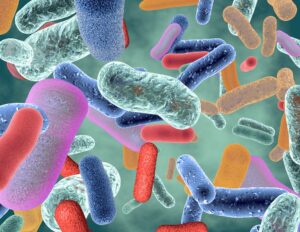 You might feel depression in the brain, but it could begin, or at least be impacted by, your gut.
 This time of year, you may not be focused on heart health, but studies suggest you should consider the possibility of a heart attack. It’s the end of December, a month filled with festive parties, delicious food, cold weather, and added stressors, all of which could put pressure on the heart.
 You may look outside at the snow-covered landscape and decide you’re good right where you are: indoors and warm. But you might be wrong.
 If you are one of the millions of adults who suffer from insomnia and lower back pain, it may be no surprise to learn that there is a strong causal relationship between them. Research has uncovered an interesting association between persistent insomnia and chronic musculoskeletal pain in adults.
 Here’s a bit of a spin on “Happy Holidays,” the seasonal song by Andy Williams: sure, “it’s the holiday season,” but did you also know it’s also the heart attack season?
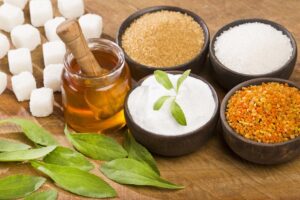 Aspartame, the commonly used artificial sweetener found in countless food and beverage products, has been linked to significant mental health impacts, including anxiety. Many of us have grown up with it being part of our diets, but recent research has connected its consumption to mental health issues.
 New research is revealing that if you’ve had shingles, you may be more likely to suffer from a stroke or heart attack than those who have not.
 Your hands might just be your most valuable tools. They allow you to button your shirt, open jars, feed yourself, and communicate with friends. So, when they start getting stiff, sore, and change shape, it can be highly concerning.