


The Importance of Muscle Strength with Age

Caregiver takecare older man that having Sarcopenia or muscle loss. Sarcopenia is a degenerative disease of the muscle usually caused by the natural consequence of aging.As people get older, their muscle mass shrinks and strength and power go down. This can result in reduced mobility and a higher risk of injury. The process also starts earlier than you might think.

But you can slow it down with strength training.

Age-related muscle mass is medically known as sarcopenia, comparable to osteopenia and bone osteoporosis. However, it receives far less attention. It can begin around age 35 and occur at a rate of 1-2 percent per year for the typical person.

After age 60, it can accelerate to around 3 percent per year. Those who don’t combat the loss with strength training can lose 4-6 pounds of muscle mass per year. This is also weight that you may notice on the sale because it’s being replaced with fat.
The attack of muscle loss is a two-headed monster: fast twitch muscle fibers, which give you bursts of power, are lost at a higher rate than slow twitch muscles. This means you’re not only getting weaker but slower and less powerful.

The weaker your muscles get, the faster you can lose independence. Everyday activities like getting dressed, walking, cleaning, and shopping can become increasingly difficult, if not impossible, to perform independently.

Weak muscles also make it harder to recover from an illness or injury. In fact, some numbers suggest that disability rates are 1.5 to 4.6 times higher for people older people with moderate to severe sarcopenia than those with normal muscle mass.

Weakness also makes it harder to balance and move, boosting fall risk.

The best way to combat muscle loss is with regular weight training. Performing exercises using bodyweight, resistance bands, kettlebells, dumbbells and barbells, or machines can all help you maintain and build muscle mass with age.

Work with weights two or three times per week, targeting all your major muscle groups – legs, back, shoulders, chest, core, and arms. If you need help with technique, contact a fitness professional or view tutorials online.


Gardening Can Play an Important Role in Boosting Mental Health: Study

A garden specialist is teaching a group of students in a vegetable plot.If you’re feeling low, irritable, or have difficulty focusing, you’re not the only one. Mental health issues can affect people of all ages. Fortunately, there are plenty of ways we can improve our mental well-being and cultivate positive emotions.


One new study suggests a helpful approach may be gardening! With its ability to help with relaxation and reduce stress levels, this form of outdoor activity has holistic potential when it comes to improving your mental health.

The new study from the American Cancer Society was the first-ever randomized trial of community gardening that found great benefits of gardening. Previous studies have found that people who garden tend to eat more fruits and vegetables. Still, it has always been unclear whether healthier people tend to garden or whether gardening can make people healthier.

For the study, researchers studied 291 non-gardening adults, with an average age of 41, from the Denver area. More than half came from low-income households, and more than a third were Hispanic. Half of the group was assigned to a gardening group and the other half to a non-gardening group.

The gardening group received a free community garden plot, seeds for planting, and an introductory gardening course. Both groups were required to take periodic surveys about their nutritional intake and mental health and wore activity monitors.
After only a few months, those in the gardening group were eating an average of 1.4 grams more fiber per day than the control group. This was an increase of approximately 7%. Researchers were quick to note that fiber has a profound impact on inflammatory and immune responses, which could determine how susceptible we are to chronic diseases such as diabetes and certain cancers.

The gardening group also increased their physical activity levels by about 42 minutes per week. With just two to three visits to the community garden, participants in the gardening group met 28% of the recommended 150 minutes of physical activity per week.

Participants who felt the most stressed and anxious at the beginning of the study saw their stress and anxiety levels decrease when gardening.

Linda Appel Lipsius, executive director of Denver Urban Gardens (DUG), said, “Even if you come to the garden looking to grow your food on your own in a quiet place, you start to look at your neighbor’s plot and share techniques and recipes, and over time relationships bloom. It’s not just about the fruits and vegetables. It’s also about being in a natural space outdoors together with others.”

This study provides clear evidence that gardening can play an essential role in boosting mental and physical health. Researchers hope the findings will encourage health professionals to consider gardening a vital part of the public health system.

Managing Mental Health

Stress can take a toll on the brain, affecting concentration, memory, and overall cognitive function. As this study shows, activities such as gardening can help reduce the effects of stress.

The Smart Pill can also help counteract these effects through nine ingredients that help support, nourish, and maximize brain health and cognitive function. These include ginkgo biloba, huperzine A, bacopa extract, rosemary extract, and a B vitamin complex. This unique formula helps boost circulation, fight free radicals, and help to promote clear thinking.

New Study Identifies Affordable and Sustainable Way to Help People with COPD

Close-up Asian woman hand, pressing a button on air purifier machine in a bedroom. dust and air pollution concept. air cleaner removing fine dust in house.A new study is offering a potential solution to the symptoms of COPD: using an air purifier.
The new work found that when people with COPD regularly used an air purifier in their homes, both their lungs and hearts responded better than without one.

COPD, short for chronic obstructive pulmonary disease, can be a double whammy for your health. It can make breathing difficult and tax the heart, boosting the risk for heart-related health consequences.

The study found that when people with the condition used air purifiers, their heart rate was more adaptable to respond to daily demands – something known as heart rate variability, or HRV. HRV is a key measure of heart health.

People with poor HRVs are at risk for a host of cardiac problems, including heart attacks and worsening cardiac symptoms. These things all increase the risk of someone with COPD being hospitalized.
Those who used an air purifier had a 25 percent daily increase in HRV.

In addition to its effect on HRV, the researchers also looked at what is called “ultra-fine particles,” which are tiny irritants found in breathable air. They found an association between their presence in a person’s home and a negative impact on lung health.

Ultra-fine particles can be reduced by using an air purifier.

Indoor air quality may play a very important role for people with COPD, and getting a quality air purifier may be a safe, affordable, and effective way to reduce the risk of a severe outcome.

Air purifiers typically range in price from about $150 to $300.

Greater HRV means that your heart can better adapt to increased activity or demands, like breathing heavily or coughing. The more your heart can handle, the healthier you are.

Tooth Loss Linked with Inflammatory Bowel Disease

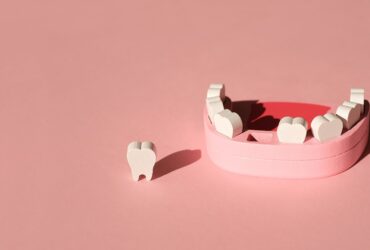
Wooden model toy of a human jaw with a missing tooth on a pink studio background. The problem of tooth loss. Baby milk teeth. Banner. Copy space.Up until recently, the relationship between tooth loss and inflammatory bowel disease (IBD) has been largely overlooked by medical researchers. However, an emerging body of evidence suggests that these two conditions may be closely linked.
Recent new publications from a European research project have highlighted a correlation between IBD and severe oral health issues such as extensive tooth loss in adults—offering insight into an often-overlooked area of dental health. Periodontitis has previously been linked to cardiovascular disease and diabetes. However, this new study is shedding light on the relationship between periodontitis and inflammatory bowel disease.

For the study, approximately 1,100 patients answered survey questions online. Half of the participants had Crohn’s disease, and the other half had ulcerative colitis. A large group of people, approximately 3,400 without IBD, also participated in the study and were matched for certain criteria to the patients with IBD.

The study not only showed that participants with intestinal disease had worse oral health than those without IBD but also noted that the oral health of people with Crohn’s disease was more affected. It was found that these patients had lost more teeth than people with ulcerative colitis.
“Both diseases can be described as a strong overreaction of the immune system against a theoretically relatively mild bacterial trigger. You can say that the immune system attacks one’s own body,” said researcher Andreas Stavropoulos.

This study helps to bring forward a discussion about the relationship between gut health and oral health.

Protecting Teeth and Colon Health

Periodontitis is a condition that can have serious consequences if not treated in time. It may start off with a relatively mild symptom, like gums bleeding during brushing, but this can quickly escalate should the periodontitis not be addressed.

If periodontitis is left to its own devices, it can deteriorate your teeth to the point that you end up losing them. That is why it’s important to check for periodontitis as soon as possible. Attending regular appointments with your dental hygienist and dentist for cleaning and periodontal exams should help prevent it from taking root and reduce the risk of facing more serious symptoms, such as tooth loss.

Taking care of your digestive health is also important throughout life. Healthy Colon provides an excellent solution to healthy digestion. The unique blend of ingredients includes natural sources of fiber, herbal ingredients, and probiotics to help prevent constipation and diarrhea. Poor digestion can impact the absorption of nutrients and vitamins, depriving the body of the valuable nutrients it desires. But Healthy Colon can target a number of causes of digestive issues, promoting overall health and wellness.

Could a Healthy Lifestyle Save You from Irritable Bowel Diseases?

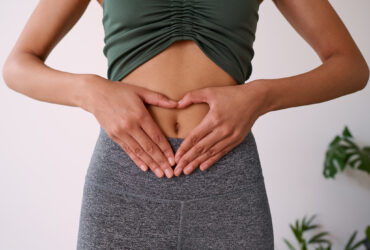
Close up of a woman's hands on her stomach. High quality photoA new study suggests that people with healthy lifestyle habits could be at a significantly lower risk for developing inflammatory bowel disease.
The work, published in the journal Gut, indicates that maintaining a healthy lifestyle could prevent up to 60 percent of Crohn’s disease and ulcerative colitis.

That’s big news, especially if you’re concerned about the condition and are getting older. That’s because the older you get, the less of a role your genes play in your risk of developing an inflammatory disease.

Inflammatory bowel disease (IBD) affects more than three million adults in the U.S. Its symptoms include diarrhea, abdominal pain, cramping, and fatigue. Crohn’s and ulcerative colitis are both forms of IBD.

Older studies have shown that individual lifestyle factors are associated with the condition, but it was previously unknown if sticking to certain habits can prevent Crohn’s or colitis. Researchers came up with two lists of health factors that are believed to influence IBD risk.

One of the lists was “modifiable lifestyle factors” and included:

  • Obesity (having a BMI of 30 or more).
  • Smoking
  • NSAID use frequency (more than 2x per week)
  • Lack of physical activity
  • Low daily intake of fruits, vegetables, fiber, nuts, and seeds
  • High intake of red meat

The other list was more specific and included several healthy habits that were used to create a “lifestyle risk score” for IBD. It included:

  • Having a BMI between 18.5 and 25
  • Never smoking
  • Regular exercise
  • Limiting alcohol consumption to 1 drink per day for women and 2 for men
  • Eating at least eight daily servings of fruits and vegetables
  • Limiting red meat to less than half a serving per day
  • Eating fish twice per week
  • Getting 25 grams of fiber per day
  • Eating at least half a serving of nuts and seeds per day

Researchers then looked at how each set of lifestyle factors could predict whether participants in three major U.S. studies, featuring nearly 290,000 people, developed Crohn’s or ulcerative colitis.

They found that a low score on the modifiable risk factors could prevent about two of every five cases of each. They also found that having a high lifestyle risk factor score could have prevented over 60 percent of Crohn’s and 42 percent of ulcerative colitis cases.

The factors may all contribute to IBD risk in different ways. Some promote inflammation, while others fight it. Others may harm digestive microbes in the gut, while others are beneficial.

In any event, this study indicates that your lifestyle could greatly influence your risk for irritable bowel disease.

You Might Have Heard That Superstar Singer Celine Dion Has Stiff-Person Syndrome. What Does That Mean?

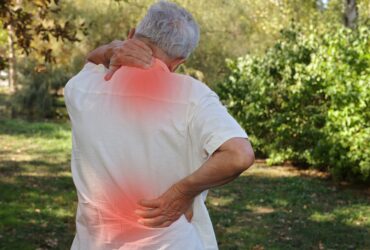
Senior man suffering fron back pain. Pain relief and health care concept.Global singing sensation Celine Dion recently announced she was cancelling and postponing tour dates to deal with a rare condition called stiff-person syndrome.
If you’ve never heard of it, you are certainly not alone.

Stiff-person syndrome is a rare condition and the cause is a mystery. Experts think that the condition is an autoimmune disorder: the body’s immune system mistakenly attacks cells in the central nervous system responsible for moving muscles.

It will usually affect people between the ages of 30 and 60, and symptoms vary between individuals. It can be mild to severe, and a personalized approach is the only way to treat it.

The condition can cause severe disability. Muscles in the torso and limbs can become rigid or spasm, often in response to external stimuli like loud noise or stress. It can lead to trouble walking and boost the risk of falls.
There is also a mental component to the condition. It can lead to a drop in GABA, a neurotransmitter that helps regulate anxiety. People who get stiff-person syndrome may experience the onset of depression and anxiety, as well.

Because it is so rare, it takes a very long time to diagnose. Before a diagnosis, virtually every other potential illness needs to be ruled out. That means undergoing extensive testing for conditions like Parkinson’s disease, multiple sclerosis, fibromyalgia, psychosomatic illness, and more. It also means looking closely at past medical history.

If a diagnosis is given, there is no cure for stiff-person syndrome. Sedatives, muscle relaxants, and steroids may help. Physical or aqua therapy may be effective too.

So, that’s a bit of a briefing on this rare condition affecting superstar Celine Dion.

Your Nose and the Temperature May Be the Reason Why the Risk for Illness Goes up in the Winter

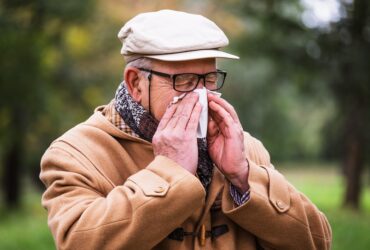
Outdoor portrait of senior man who is blowing nose in winter time in park.“Bundle up, or you’ll get sick!” How many times have you heard that one?


I’ve been hearing it since I was a kid, and for a couple of decades, I’d say “not true” when I did. Well, I may have been wrong.

It doesn’t take a brilliant mind to recognize that viral infections like colds, the flu, and even COVID-19 transmit fiercely in the colder months. Although many have blamed the temperature, science often attributed the phenomenon to people spending more time in close quarters, which allowed viruses to spread more easily.

Now new research suggests that the temperature may be to blame.

It’s possible that a previously unidentified immune response inside the nose is responsible for fighting off viruses that cause upper respiratory infections. Cod weather may inhibit the protective response, thereby making it more likely to contract infections.

The nose is a primary entry point for bacteria and viruses, which can either be inhaled or directly deposited if you rub your nose. Once inside, they work their way up the airway and into the body, infecting cells along the way.
Your nose, however, is capable of fighting infection – if the temperature is right. The immune system goes to work as cells at the front of the nose detect inhaled germs and respond by releasing billions of tiny fluid-filled sacs into mucus (called EVs) to surround and attack the invader, blocking it from advancing and infecting.

Researchers in Boson took samples from the noses of patients and volunteers and exposed them to three viruses. Each virus triggered the immune response. However, the ability to respond was affected by temperature.

When healthy volunteers were placed in cold conditions – about 40 degrees Fahrenheit (about 4.5 degrees Celsius) – the temperature inside their noses dropped, and so did the amount of immune-promoting mucus it expelled.

The cold temperatures cut the amount of EVs by 42 percent, while antiviral receptors were also less responsive in the colder temperatures.

So, there you have it – there may be some truth in the idea that cold temperatures can boost the risk for cold, flu, and other upper respiratory illness.

That doesn’t mean you should stop washing hands regularly or taking other precautions to prevent illness; just that temperature may present another risk factor.

Dry January Can Lead to Better Sleep, Weight Loss, and More Energy

Calendar marked to indicate that January is Dry January - a month to stay sober and alcohol-freeOver the holidays, many of us indulge in alcohol, have a disruption in our sleep schedule, and any ideas of weight loss go out the window. So, wouldn’t it be great to start the new year feeling refreshed, energized, and a few pounds lighter? Thanks to Dry January, you can enjoy these goals.
Dry January is an annual campaign that encourages people to abstain from alcohol for the entire month. It’s a great way to reset your body, mind, and spirit as well as give your liver a chance to rest and recover after the holidays. To participate in Dry January, all you have to do is remove alcohol from your diet for the whole month. You may also want to replace alcoholic drinks with herbal teas or sparkling water enhanced with fresh fruit flavors. Try it this year and see how much better you feel.

The Effects of Alcohol on Women

Excessive alcohol use is detrimental to one’s health in any circumstance. However, women are especially susceptible to the health and safety risks it poses. The risks women face are compounded by the fact that women’s bodies metabolize alcohol differently from men, leading them to experience more impaired coordination after consuming the same amount of alcohol.

Consuming alcoholic beverages also increases a woman’s risk for breast cancer, heart disease, and issues related to pregnancy and childbirth. Women who drink are also at an increased risk of cirrhosis and other alcohol-related liver diseases.

Furthermore, women can experience more dangerous situations due to their impaired judgment when drinking. It is important for women to be aware of these issues and take proper steps to prevent them from occurring.

Although women have traditionally consumed less alcohol than men, the gender gap in drinking habits is swiftly closing. More women are choosing to drink now than ever before, despite the increased health risks associated with heavy drinking. This trend is worrying, given that women are especially vulnerable to the long-term effects of alcohol abuse.
Dry January can be intimidating, but it comes with some advantages. It can also give many people some time to assess their drinking. Some immediate health benefits from Dry January include:

  • Better sleep
  • Weight loss
  • More energy
  • Increased physical activity
  • A reduction in liver fat and blood sugar
  • Improved mood
  • Decreased growth factors related to cancer, insulin resistance, and blood pressure

It can be healthy to take a step back and examine one’s relationship with alcohol. Even if you don’t consider yourself an alcohol consumer, assessing how alcohol plays a role in your life can help ensure that it doesn’t come to dominate.

Regardless of whether alcohol is simply something you enjoy in social settings or find integral to unwinding after a long day, questioning your relationship with alcohol is essential for personal health and well-being. Following Dry January can help with weight loss, sleep problems and mental health.

Taking stock of the impact alcohol has on your physical, emotional, financial, and relational well-being will help you keep your use of alcohol healthy without necessarily cutting back (if not required). In this way, further understanding alcohol’s influence on our lives can guard us against potential negative impacts down the line.

Protecting the Liver

As one of the most important organs in the human body, the liver works 24 hours a day to produce and process many of the chemicals the body requires. It processes over 500 functions, including hormone production, bile secretion, and converting sugars into glycogen.

Liver Rescue is a formula designed to support and maximize the performance of a healthy liver through its seven ingredients. These powerful ingredients can help fight free radicals, improve bile production, remove toxins, and give your liver the support it deserves.

Giving up alcohol for Dry January is a great way to give your body a break, but making sure you are getting all the essential vitamins and nutrients should also be a top priority for your general health.

To help ensure your diet is complete, 65+ Superfood Essentials is an excellent addition to a daily supplement regime. This breakthrough formula is a great way to support and promote cardiovascular and overall health. It contains Capros®, a patented and clinically studied Indian gooseberry extract that has been found to absorb free radicals and provide cascading antioxidants.

Acai berry (the powerful natural antioxidant known to support total health) and resveratrol, a premier anti-aging ingredient, are also found in this formulation that can help ensure proper nutrients and vitamins that are essential as you age.

The Three Keys to an Energized and Alert Day

oatmeal porridge with ripe berries - blueberry, raspberry and blackberry for healthy breakfast. flat lay. top viewDo you want to get up, feel ready to go, and have that feeling last all day? If the answer is “yes,” keep reading. If not, grab a donut and your favorite spot on the sofa.


A new study has identified three keys to staying energized and alert throughout the day and seems to all-start yesterday.

The headstart to energy may partly depend on how much activity you got the day before. If you went above and beyond your typical activity levels, you might feel more energized and alert the next day.

But that’s only part of the equation. If you slept in a bit, you’re also more likely to experience higher energy levels and alertness during the day, according to this new research. The reason may be that waking up a little bit later than usual may allow people to catch their circadian rhythm on its upswing.

Lastly, the researchers found that a complex carbohydrate-heavy breakfast significantly contributes to daily energy and alertness. So swapping out cereal, pancakes, and pastries for something like steal-cut oats and berries may significantly swing energy levels.

The results, recently published in Nature Communications were based on a study of 833 people who wore activity trackers over two weeks to record sleep patterns and movement.
These findings, however, do not come without some degree of controversy. For example, other work has found daytime energy and alertness to be linked to consistent sleep, protein intake, and other factors. Further, it’s harder to get more exercise and sleep in later every day.

But it does appear that the more activity a person gets in a day, the more energized they are the following one. They also tend to sleep better.

If you want to look for a consistent routine that might help you stay more energized and alert, here are some things that may make a difference:

  • Set a sleep schedule where you go to bed and wake up at the same time every day.
  • Don’t consume caffeine after 2 PM and stop alcohol consumption 3 hours before bedtime.
  • Get exercise every single day, but not within four hours of bedtime.
  • Get 15 minutes of natural daylight and drink a glass of water upon waking.

Consuming Multiple Cups of Coffee Each Day Associated with Increased Risk of Heart Attack among People with Hypertension

coffee pouring to cup surrounded by coffee beansDid you know that drinking multiple cups of coffee a day could increase the risk of heart attack in people with hypertension? Drinking large amounts of coffee has been linked to many health benefits, ranging from improved cognitive function to a lower risk of certain diseases.


But according to a new study published in the Journal of the American Heart Association, it could also have this unexpected downside. This finding adds yet another layer to our understanding of how caffeine consumption affects our overall health and requires further exploration.

Previous research has suggested that consuming one cup of coffee per day may help heart attack survivors by lowering their risk of death after a heart attack. It also found that coffee may help to prevent strokes in healthy people and may help to reduce the risk of developing chronic illnesses such as Type 2 diabetes and cancer. Coffee may also have the ability to help control appetite and may help to lower the risk of depression or boost alertness. However, this new study shows how coffee can also be harmful as it may raise blood pressure and lead to heart palpitations, sleep problems, anxiety, and increased blood pressure.

For the study, more than 6,570 men and 12,000 women aged 40 to 79 were selected from the Japan Collaborative Cohort Study for Evaluation of Cancer Risk, a large, prospective study established between 1988 and 1990 of adults living in 45 Japanese communities. All participants were required to provide health data through health examinations and questionnaires that were aimed at assessing diet, lifestyle, and medical history.

During the 19-year follow-up period, 842 cardiovascular-related deaths were documented. Consuming two or more cups of coffee per day was associated with twice the risk of cardiovascular disease death in people whose blood pressure was 160/100mm Hg or higher compared to people who did not drink coffee. Drinking one cup of coffee per day was not associated with any cardiovascular risk across blood pressure categories. Researchers also noted that green tea consumption was not linked to cardiovascular disease mortality risk across blood pressure categories.
“These findings may support the assertion that people with severe high blood pressure should avoid drinking excessive coffee,” said senior author Hiroyasu Iso, M.D., Ph.D., M.P.H. “Because people with severe hypertension are more susceptible to the effects of caffeine, caffeine’s harmful effects may outweigh its protective effects and may increase the risk of death.”

Knowing food facts is important to maintaining good health. Our food and beverage choices greatly affect our well-being, both positively and negatively. From simple things such as food allergies to more complex illnesses like diabetes and heart disease, food plays a major role in determining our overall health. Therefore, it is critical for us to be mindful of what goes into our bodies and understand the potential risks associated with certain foods and beverages. Taking the time to learn food facts can make all the difference in leading a healthy life.

Heart Health

By maintaining healthy blood pressure, you can help to reduce the risk of cardiovascular disease and help support overall heart health. Healthy Blood Pressure Support has been shown in human clinical studies to help support healthy blood pressure making it an excellent choice for those looking to reduce their risk of hypertension. In addition, Healthy Blood Pressure Support also supports healthy cholesterol levels and cardiovascular health

Keeping the heart strong and healthy is vital for enjoying a high quality of life as you age. Heart Rescue was designed to help support and promote cardiovascular health using a variety of ingredients, including omega-3 fatty acids, CoQ10, magnesium, and hawthorn extract. This formula’s health benefits can help strengthen the heart muscle, support circulation, and help reduce the risk of heart disease.

Study Finds Good Hydration May Slow Down Aging

Side profile attractive young Indian woman put digital tablet on laps distracted from modern tech usage, hold glass drink still water sit on floor leaned on bed. Healthy life habit, lifestyle conceptDo you know that hydration could hold the key to healthy aging? As we age, our skin begins to lose elasticity, and wrinkles become more visible. But drinking water can actually help increase your body’s natural ability to reduce signs of aging and keep you feeling refreshed.
While many people know that staying properly hydrated can help with aging, a new study is now showing just how vital it can also be for preventing chronic health conditions as we age. The study published in eBioMedicine suggests that adults who stay well hydrated appear to be healthier and develop fewer chronic conditions such as lung disease and heart disease.

The study analyzed health data from 11,255 adults over 30 years, focusing on links between serum sodium levels. These levels typically go up when fluid intake goes down, along with various indicators of health. All participants were required to attend five medical visits – the first two when they were in their 50s and the last between the ages of 70 – 90. All adults with high levels of serum sodium at baseline were excluded, along with those with underlying conditions that could affect serum sodium levels, such as obesity.

Researchers then evaluated how serum sodium levels correlated with biological aging, which was assessed by 15 health markers. These included systolic blood pressure, blood sugar, and cholesterol. This gave researchers insight into how each person’s cardiovascular, respiratory, renal, metabolic, and immune systems were functioning. Factors such as age, race, sex, hypertension, and smoking status were also adjusted for.

It was found that participants with higher levels of serum sodium were more likely to show signs of biological aging. Higher levels were also associated with an increased risk of premature death compared to those with lower serum sodium levels.

Researchers also found that participants with higher serum sodium levels had up to a 64% increased risk of developing chronic diseases like stroke, heart failure, atrial fibrillation, peripheral artery disease, diabetes, lung disease, and dementia. Those with the lowest levels of serum sodium had the lowest risk of developing chronic disease.

“People whose serum sodium is 142 mEq/L or higher would benefit from evaluating their fluid intake,” said study author Natalia Dmitrieva, Ph.D. She suggested that most people can meet their fluid intake levels with water and other fluids such as juices, vegetables, or fruits with high water content.

The National Academies of Medicine suggests that most women consume around 6-9 cups (1.5-2.2 liters) of fluids daily, and for men, 8-12 cups (2-3 liters).

Anti-Aging

Along with getting proper hydration, getting the right vitamins and nutrients is also vital for healthy aging.

To help ensure your diet is complete, 65+ Superfood Essentials is an excellent addition to a daily supplement regime. This breakthrough formula is a great way to support and promote cardiovascular and overall health. It contains Capros®, a patented and clinically studied Indian gooseberry extract that has been found to absorb free radicals and provide cascading antioxidants. Acai berry (the powerful natural antioxidant known to support total health) and resveratrol, a premier anti-aging ingredient, are also found in this formulation that can help ensure proper nutrients and vitamins that are essential as you age.

Youth in a Bottle also offers a powerful combination of antioxidant ingredients to help support optimal health and wellness as you age. One of the main ingredients in this unique formula is glutathione – the body’s master antioxidant, which plays a primary role in cellular defense.

With aging, the body’s natural production of glutathione can diminish, so supplementation is a great way to help address this concern. Youth in a Bottle also contains ingredients such as vitamin C, N-acetyl-cysteine, selenium, and alpha-lipoic acid, which can help to fight free radicals and help with general health and the aging process.

Increased Levels of Loneliness May Lead To Premature Death for Those with Cardiovascular Disease

Asian Elderly retired grandmother stay at home with painful face sitting alone on eating table in house. Depressed mature Senior old woman upset feeling unhappy, lonely and missing her family at home.According to a recent study, loneliness, an increased sense of separation from others around us, has been linked to premature death in those living with cardiovascular disease. The research encompassed studies from around the world and sheds new light on the negative health impact of loneliness and those living with cardiovascular disease.
Cardiovascular disease (or CVD) is an umbrella term for multiple conditions that affect the cardiovascular system. That includes diseases of the heart and blood vessels, such as coronary heart disease, heart failure, arrhythmia, stroke, and congenital cardiovascular defects.

CVDs are typically caused by a combination of factors, such as genetic disorders, lifestyle choices, or various environmental conditions. Symptoms can range from shortness of breath to chest pain to fatigue. Diagnosis is made through necessary screenings like echocardiograms or electrocardiograms. Prevention and treatment vary depending on the condition; however, a healthy diet and active lifestyle may result in a lower risk of developing cardiovascular ailments.

The new study published in the journal of Psychosomatic Medicine included previous research that followed people for decades across multiple regions, including Europe, North America, and Asia.
It was found that people with cardiovascular disease with higher levels of loneliness, social isolation, and living alone tend to die prematurely. These effects were noted as being stronger n European countries, perhaps reflecting the large number of those living alone in parts of Europe.

It’s important for people with a history of cardiovascular problems or who are at risk for developing cardiovascular issues to seek out meaningful relationships and engage in activities that bring them together with others in order to protect their overall health and well-being.

Maintaining Heart Health

Heart Rescue was designed to help support and promote cardiovascular health using a variety of ingredients, including omega-3 fatty acids, CoQ10. The omega-3 fatty acids play an important role in cardiovascular function, while CoQ10 is involved in energy production at the cellular level.

These two heart superstars are supported by five other ingredients that can help to promote and support cardiovascular function as you age. This formula’s health benefits can help strengthen the heart muscle, support circulation, and help reduce the risk of heart disease.

Diet and Exercise Intervention May Help with Knee Osteoarthritis Pain among Older Adults

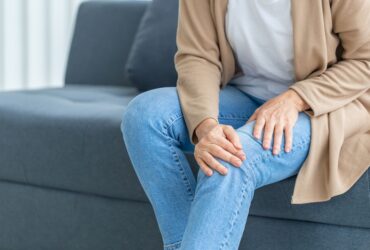
Woman suffering from knee pain sitting sofa in the living room, Mature woman suffering from knee pain while sitting on the sofaIf you are one of the many adults suffering from knee osteoarthritis pain, you may want to learn how diet and exercise can help.

Knee pain can be debilitating and frustrating. Fortunately, recent studies indicate that some simple lifestyle changes can be made to provide relief. In this blog post, we’ll look at the research and explain what has been found to be effective in decreasing stiffness, swelling, inflammation, instability, muscular weakness, and chronic knee osteoarthritis pain.

Knee osteoarthritis is a degenerative joint disease that usually occurs in older adults. It is caused by the wearing down of the protective cartilage that covers the knee joint. This causes inflammation, pain, and stiffness.

Other factors such as knee injuries, genetics, or excess weight can worsen knee osteoarthritis. Symptoms range from mild to severe and can vary depending on each individual case. Treatments such as exercise and lifestyle changes can help reduce knee pain, while more serious cases may require surgery or medicine to restore function in the knee joint.

Treatment depends on the severity of the knee osteoarthritis and should be discussed with a doctor to determine which treatment plan will work best for their particular case.

The study published in the Journal of the American Medical Association looked at overweight and obese patients with knee osteoarthritis and found that diet and exercise resulted in a statistically significant difference in knee pain compared to a control group.
A total of 823 patients were enrolled in the study and were randomly assigned to a diet and exercise intervention or an attention control group for 18 months. Researchers found that after the duration of the study, the Osteoarthritis Index pain score was found to be lower in the exercise and diet group, along with a change in body weight of up to 8%.

“The 7.7-kg (8 percent) weight loss combined with a 9-cm reduction in waist circumference in the diet and exercise group has the potential for health benefits for older adults with knee osteoarthritis,” the authors concluded.

This study helps to show the relationship between weight management and knee pain outcomes. For those who are overweight or obese, following a diet and exercise plan may help with pain management.

Supporting Bone Health and Pain Management

For on-the-go pain relief, turn to Pain Eraser, a topical solution that can temporarily ease pain and discomfort on contact. Its powerful pain-reducing abilities come from camphor, a proven natural pain reliever, and menthol, which helps to provide soothing relief to sore and stiff muscles. This convenient spray provides fast-acting pain management, whether you are at home or on the go.

Supporting bone health is essential as you age. Bone Rescue can help to support the maintenance and development of bones thanks to its unique formula, including strontium. Chemically similar to calcium, strontium can provide great support for aging bones. Bone Rescue contains 680 mg of strontium along with additional ingredients to help keep bones strong and healthy.

Healthy Lifestyle Is Not Enough to Prevent Dementia: Study

Female Physiotherapist Getting Senior Woman To Use Fidget ToyDo you believe living a healthy lifestyle is enough to prevent dementia later in life? Unfortunately, the answer is no.

It’s true that being physically active, eating a balanced diet, and engaging in mentally stimulating activities can help ward off the onset of memory loss and other symptoms associated with age-related cognitive decline. But research has found there are additional elements needed for an optimal approach to preventing dementia.

In this blog post, we’ll explore what those components are and uncover some key strategies you can use to protect your brain and mental health as you age.

Dementia is becoming an increasingly common part of society as the population ages. It is a type of cognitive decline characterized by memory loss, difficulty carrying out everyday tasks and concentrating, communication issues, and mood changes.

Globally, dementia affects over 50 million people, which is expected to more than double by 2050. Collectively, dementia costs the global economy an estimated $818 billion per year, making it a major healthcare burden that continues to put an enormous strain on the lives of those affected directly or indirectly. As dementia affects those over 65 at a much higher rate than younger populations, it reflects the rapidly aging population of many countries across the world now and in the future.

A recent study published in the Journal of Alzheimer’s Disease has found that opportunities for a healthy lifestyle are unequally distributed. It was found socially disadvantaged individuals, such as those on low incomes, were associated with a higher risk of dementia.

For the study, researchers used data from more than 6,200 participants in the LIFE Adult study at the Leipzig Research Center for Civilization Diseases. All participants were between 40 and 79 years old and were not affected by dementia at the start of the study.
The large database enabled researchers to map a complex lifestyle index with twelve modifiable risk factors for dementia. These included hypertension, physical activity, smoking, obesity, and dietary habits.

Socio-economic factors such as occupational status, education, and household income were also considered for the results.

It was found that differences in cognitive performance due to social inequalities were related to modifiable health and lifestyle factors for dementia. However, lifestyle factors only explained differences in mental performance due to socio-economic factors to a small extent. The study findings also suggest that most of the emphasis should be on social conditions. Researchers suggest that “lifestyle interventions could mitigate social inequalities in cognitive performance.”

Nutritional Support for Cognitive Function

Brain function is an important topic of discussion throughout life, and there are many factors that can take a toll on the ability of the brain to function at peak potential. This can affect memory, concentration, and overall brain function.

The Smart Pill can help to enhance cognitive function and memory through 9 ingredients that help to support, nourish, and maximize brain health. These include ginkgo biloba, huperzine A, bacopa extract, rosemary extract, and a B vitamin complex. The formulation of these ingredients is an excellent way to help fight free radicals, boost circulation, and provide nutritional support to assist with cognitive function.

Five-Star Guarantee of Satisfaction