


Fall Prevention Techniques

Playful senior woman walks on the curb with her arms outstretched to keep balance. Smiling elderly retiree in a green gardenIf you’re 65 or older, you’re at risk for a potentially serious fall. People in this age cohort suffer a fall every second in the United States, and it’s their number one cause of injury-related death.

According to the Centers for Disease Control and Prevention (CDC), about 20 percent of falls in adults tend to lead to life-altering changes, mainly from broken bones or head injuries.

The best way to protect against falls is to address the three main physical conditions that contribute to them: weak stabilizer muscles, low core strength, and balance issues. Also, be sure to clear your living space of potential hazards.

Stabilizer muscles keep you upright and let you change directions. Two essential stabilizers for fall prevention are the gluteus medius (at the side of the hip) and the gluteus maximus (the big muscle in your butt). These muscles keep the back and pelvis stable.
Any side-to-side movement will help strengthen stabilizers. Playing tennis or pickleball, for example, are great for stabilizers. Of course, you may not be a racquet sports type, so here is a move to try at home:

  1. Lie on your right side with your left leg on top of your right one. Keep knees comfortably bent.
  2. Keeping feet together, raise your left knee, rotating the left leg until it makes a 90-degree angle to the right leg (or as high as you can comfortably go).
  3. Hold for a second and slowly return to the starting position.
  4. Do ten repetitions three times, then switch legs.

Core strength is also vital for fall prevention because it is the epicenter of all movement. The core muscles consist of the rectus abdominals in your stomach, the obliques at your sides, and the transverse abdominous, which are under the obliques.

Bridge and plank exercises can help strengthen these muscles. You can perform a bridge by lying on the floor with your knees bent and feet flat on the floor. Relax your shoulders and have them flat against the floor, too.

Tighten your ab and glute muscles and press your heels into the floor to lift your hips as high as comfortable.

To plank, lie on your stomach with your forearms on the floor. Tighten your abs to raise your body and form a straight line from your head to your feet. Hold it for 15-30 seconds.

A person’s sense of balance naturally wanes over time, which can make it easier to topple over or lose footing and more difficult to catch yourself. Tai chi or other forms of exercise that work on a mind-body connection can help boost balance to prevent falls.


Spending More Time in Green Spaces Can Lower Your Dependency on Prescription Meds

Legs of traveler family with child sitting on a high mountain. Close Up. People enjoying the sunset in mountains. The concept of family travel, adventure, and tourism. Hiking autumn vacations outdoor.If you are feeling the weight of multiple prescription meds, taking a walk in your local green space may help! Nature has been known to have numerous calming effects on mental and physical health, and a new study now has the science to back up the claims. Read on to learn how spending more time in green spaces can help lower your dependency on prescription medications.
Previous studies about exposure to natural environments left inconsistent evidence, so researchers set out to find some answers. They drew responses from 16,000 randomly selected residents of Helsinki, Espoo, and Vantaa, from the Helsinki Capital Region Environmental Health Survey in 2015-16. These three cities make up the largest urban area in Finland.

Information was gathered on how city dwellers aged 25 and older experienced residential and blue spaces within 1 km of their homes. Participants were asked to report their use of prescription psychotropic medications, including those for high blood pressure and asthma.

Participants were also asked how often they spent time outside in green spaces during May and September and whether they could see green or blue spaces from any windows in their homes. If so, they were asked how often they took in the views. Their options ranged from seldom to often.

For the study, researchers defined green areas as gardens, forests, parks, cemeteries, zoos, castle parks, herbaceous vegetation associations such as natural grassland and moors, and wetlands. Blue areas were defined as lakes, rivers, and the sea.

It was found that the amount of residential green and blue spaces or views of them from home were not associated with the use of prescription meds for insomnia, mental health, high blood pressure, or asthma. However, the number of visits to green spaces made an impact. Compared with less than one weekly visit, visiting 3 – 4 times weekly was associated with 33% lower odds of using mental health medications, 36% lower odds of using blood pressure medications, and 26% lower odds of using asthma medications.
These associations between frequent green space visits and lower use of drugs for depression, insomnia, anxiety, high blood pressure, and asthma were not dependent on socio-economic position.

Researchers concluded, “Mounting scientific evidence supporting the health benefits of nature exposure is likely to increase the supply of high-quality green spaces in urban environments and promote their active use. This might be one way to improve health and welfare in cities.”

Maintaining General Health

Keeping general health in check can take various modalities, including eating right, exercising, and spending time in green spaces. Getting the proper vitamins and nutrients can also help keep the body and mental health in shape.

While some degree of cognitive decline is nearly inevitable as you age, various factors can take a toll on the ability of the brain to function at peak potential. This can affect memory, concentration, and overall brain function. The Smart Pill can help to enhance cognitive function and memory through 9 ingredients that help to support, nourish, and maximize brain function. These include ginkgo biloba, huperzine A, bacopa extract, rosemary extract, and a B vitamin complex. The formulation of these ingredients is an excellent way to help fight free radicals, boost circulation, and provide nutritional support to assist with cognitive function.

By maintaining healthy blood pressure, you can help to reduce the risk of cardiovascular disease and help support overall heart health. Healthy Blood Pressure Support has been shown in human clinical studies to help support healthy blood pressure making it an excellent choice for those looking to reduce their risk of hypertension. In addition, Healthy Blood Pressure Support also supports healthy cholesterol levels and cardiovascular health.

Sleep Sure Plus is designed to help promote optimal sleep and restfulness through a variety of ingredients. One of the most important ingredients included in this unique formula is melatonin. Melatonin is a hormone essential for regulating the circadian rhythm (the body’s internal clock). Sleep Sure Plus also contains valerian, one of the best natural ingredients for promoting rest and relaxation. These two essential ingredients are joined by another 6, which all work together to provide a better quality of sleep.

New Study Shows Vitamin D Is Vital to Slowing Muscle Loss

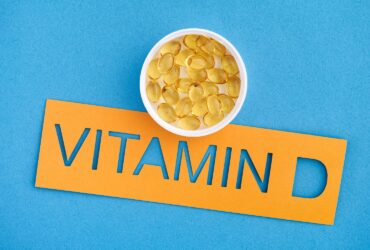
The word Vitamin D with a small cup of Vitamin D3 capsules on it. Close up.Muscle loss is a preventable cause of disability that aging people should pay more attention to.


Preventing it is pretty straightforward: life weight, be active, and eat protein. A new study is suggesting another way to help aging populations retain muscle mass and strength: adequate blood levels of vitamin D.

Researchers in Brazil and the United Kingdom found that older folks who were deficient in vitamin D increased their risk of losing muscle and strength by 78 percent.

Vitamin D has several functions in the body, including repairing muscle tissue and releasing calcium for muscle contractions.

For the study, researchers analyzed data from more than 3,200 people in the UK aged 50 and older who did not yet have age-related muscle loss. Age-related muscle loss, which can partly be explained by atrophy, is a major risk factor for injury and disability later in life.
Participants were followed for four years. Their grip strength was evaluated to gauge overall muscle strength.

Those with a vitamin D deficiency – which is marked by blood levels less than 30 nanomoles per liter – had a 70 percent higher risk for developing muscle loss by the study’s end than those with normal levels of vitamin D (more than 50 nmol/L).

After excluding patients who had osteoporosis or were supplementing with vitamin D, the risk of developing muscle loss jumped to 78 percent for those with deficiency.

Researchers not only concluded that vitamin D deficiency can promote muscle and bone loss, but that supplementing with vitamin D, if deficient, can be helpful.

The best source of vitamin D is natural sunlight – the body manufactures it when the skin is exposed to the sun’s rays. It is found in small amounts in some foods like mushrooms, eggs, fish, and fortified foods and beverages. Supplements are often recommended.

Along with exercise and a healthy diet, vitamin D may be necessary in maintaining muscle and independence with age.

Coffee Consumption Can Lower Non-Alcoholic Fatty Liver Disease among Those with Type 2 Diabetes

Breakfast with coffee and croissants.If you are someone with type 2 diabetes and Non-Alcoholic Fatty Liver Disease (NAFLD) who uses coffee to power through your days, you will want to keep reading.

New research suggests that curling up with a cup of joe may be more than just an energy boost — studies have shown that drinking coffee can actually be beneficial for those with type 2 diabetes and NAFLD. That’s right — good news for all the diabetics who are also addicted to the taste of Ethiopian Yirgacheffe or Kenyan AA. So, grab yourself a cup; you might lower your liver disease risk!

Non-alcoholic fatty liver disease (NAFLD) is an important health issue affecting nearly one-third of America’s population. It occurs when excess fat accumulates in the liver without any consumption of alcohol. It is often the result of an unhealthy lifestyle with a high-calorie diet and little exercise.

NAFLD is a condition that can be present with no outward symptoms but poses significant health concerns. While it was previously considered an issue faced primarily by adults, evidence now suggests it appears to be on the rise among children and teens due to increasing rates of obesity. When non-alcoholic fatty liver disease goes unrecognized or untreated, it can lead to serious complications such as cirrhosis of the liver and non-alcoholic steatohepatitis (NASH).

The new study by the University of Coimbra, published in Nutrients, surveyed 156 middle-aged borderline-obese people. Of the participants, 98 had T2D and were required to provide 24-hour urine samples, which were used to measure caffeine and non-caffeine metabolites. This analysis measured the natural products of the body breaking down coffee.
The study showed that caffeine intake was associated with decreased liver fibrosis in those with NAFLD and other chronic liver conditions. Researchers suggest that coffee components, including polyphenols, can also help reduce oxidative stress in the liver, reducing the risk of fibrosis and improving glucose homeostasis in healthy and overweight subjects. The study noted that all of these factors could also alleviate the severity of type 2 diabetes.

The author of the study, John Griffith Jones, Ph.D., concluded the study by saying, “Due to changes in modern diet and lifestyle, there is an increase in obesity rates and incidence of both T2D and NAFLD, which can ultimately develop into more severe and irreversible conditions, burdening health care systems. Our research is the first to observe that higher cumulative amounts of both caffeine and non-caffeine metabolites in urine are associated with reduced severity of NAFLD in overweight people with T2D.”

Support and Maximize Health

As one of the most important organs in the human body, the liver works 24 hours a day to produce and process many of the chemicals the body requires. It processes over 500 functions, including hormone production, bile secretion, and converting sugars into glycogen.

Liver Rescue is a formula designed to support and maximize the performance of a healthy liver through its seven ingredients. These powerful ingredients can help fight free radicals, improve bile production, remove toxins, and give your liver the support it deserves.

Healthy Blood Sugar Support can help maintain healthy blood sugar levels using a number of ingredients that have been shown in clinical studies. The health benefits of this unique formula include supporting blood-sugar metabolism and promoting healthy cholesterol and glucose levels already within the normal range. Healthy Blood Sugar Support can also help to reduce excessive hunger or increased appetite, fatigue, and blood glucose spikes after meals.

An Important Tip to Help You during Life’s Most Difficult Moments

Beautiful african woman happy and excited celebrating victory expressing big success, power, energy and positive emotions. Celebrates new job joyful, outdoorLife certainly has its ups and downs, but sometimes challenging events can happen all at once. And sometimes, one thing can feel like the weight of the entire world.


When you’re buried and feel like your entire world is upside down, it can be nearly impossible to feel joy – this can be normal. Health issues, losses, breakups, housing challenges, job loss, and other severe stressors happen.

Most adults will experience multiple traumas and losses during their lives, and a loss of joy in these contexts is completely normal. But for some people, the lack of joy can persist or appear out of the blue.

The inability to feel pleasure, known as anhedonia, is relatively common. Roughly 8 percent of US adults will experience depression in a given year, and about 20% will experience a bout of depression over the course of their lives.

Joy and happiness are typically used interchangeably, but some experts suggest there is actually a difference. The difference is that happiness is a reaction to a situation or an experience, whereas joy is a state of mind that can be found even in times of grief and uncertainty.

In this view, joy can be cultivated and utilized regardless of circumstance.

Joy can be created by trying to activate neurotransmitters that make you feel good. Dopamine, oxytocin, serotonin, and endorphins can all promote positive feelings.
So, how can you boost these neurotransmitters to feel more joy during difficult times?

Here are a few ideas:

Perform regular physical activity: Activity releases several neurotransmitters that can continue to have an effect long after the exercise is over.

Volunteer: Focusing energy on others can produce more joy and meaning than just focusing on yourself.

Connect spiritually: Joining something larger than yourself can help to develop feelings of gratitude, compassion, and peace. Meditation may help too.

Make a new discovery: Finding a new hobby or pursuit may help refocus energy.

Take a moment: Allowing yourself a few moments of pleasure, even when you’re feeling low, can help to maintain joy.

Pay attention to the good: Look for the positive things that happen to you each day and try to highlight them.

Limit negativity: Try to limit the time with negative people like gossipy coworkers, toxic family members, or complaining friends.

Focus your efforts on things that bring your life meaning.

Half of Older Adults with Dementia Have Nearly 50% Fall Rate: Study

Senior woman falling down at home because stumbled on a door kerbIf you’re an older adult with dementia, you may be at risk for a high fall risk.
According to recent studies, half of all adults over 65 diagnosed with dementia experience at least one fall every year—a staggering statistic that’s sure to make even the most agile among us stumble. But worry not, because this blog post will explore why older adults with dementia are more prone to falling and how they can reduce their risk of injury by taking proper safety precautions. So keep on reading if you want your feet firmly planted on the floor!

Despite awareness of the link between people with dementia and falls, limited studies have examined fall risks. The previous studies that have been done overwhelmingly focus on health and function factors. According to the authors of this new study, it is the first national analysis comparing potential risk factors for falls in Americans living with dementia.

The study published in Alzheimer’s & Dementia: The Journal of the Alzheimer’s Association examined a set of potential fall-risk factors, including health, function, and environmental factors in older community-living adults in the United States. The participants included people with dementia and without dementia.

Data from the study showed that nearly half (45.5%) of older adults with dementia experienced one or more falls in 2016 compared to less than 30.9% of older adults without dementia.
Researchers found that in people living with dementia, three characteristics stood out to have a greater likelihood of falls: vision impairment, a history of falling the previous year, and living with others. For those without dementia, financial hardship, fear of falling, depressive symptoms, poor lower extremity performance, and a history of falling were all strongly associated with an increased risk of falls.

According to the research team, this study suggests that people living with dementia should be assessed for the three main characteristics that have a greater likelihood of falls. If present, these people should continue for further assessment and treatment, including assessing their environment, feet and footwear, and ability to carry out daily activities.

By screening for risk factors, people living with dementia could lower their risk of falls. This could mean an overall reduction in fall-related injuries such as fractures and hospitalization.

Supporting Memory and Function

While some degree of cognitive decline is nearly inevitable as you age, other factors can take a toll on the ability of the brain to function at peak potential. This can affect memory, concentration, and overall brain function.

The Smart Pill can help to enhance cognitive function and memory through 9 ingredients that help to support, nourish, and maximize brain health. These include ginkgo biloba, huperzine A, bacopa extract, rosemary extract, and a B vitamin complex. This unique formula helps to boost circulation, fight free radicals, and provide nutritional support to assist with cognitive function and overall mental health.

Artificial Sweeteners May Promote Urinary Incontinence

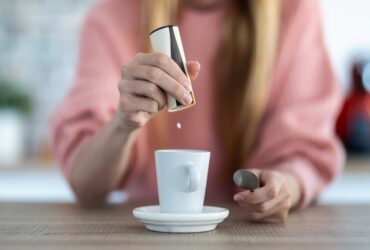
Close-up of woman hand throwing saccharin pills on coffee cup in the kitchen at home.If you’re drinking a daily Diet Coke to stave off weight gain, you could be making things a lot harder on your bladder.
Urinary incontinence is no fun. The uncontrollable urge to get to the bathroom, or even worse, leaking urine unexpectedly, may be exacerbated by artificially-sweetened beverages.

A new study suggests that women who drink artificially sweetened beverages – like flavored waters, diet sodas, iced teas, coffees, etc. – are more likely to report symptoms of urinary incontinence.

Symptoms include occasionally leaking urine – perhaps when coughing, sneezing, or laughing – to having such an overwhelming urge to go that you may not make it to the bathroom in time.
Researchers looked at data from more than 80,000 women participating in the Women’s Health Initiative Observational Study to see how these drinks may impact bladder function.

They found that those who drank one to six artificially sweetened beverages per week, or more than one per day, were far more likely to have bladder issues than those who drank between zero and one.

These results do not prove that these sweetened drinks cause urinary incontinence, nor do they suggest that people should switch to sugar-sweetened beverages to improve health.

The main takeaway is that if bladder control is a problem for you, limiting artificial sweetener consumption may help improve symptoms.

Other drinks, foods, and medications may impact bladder control as well. They include:

  • Alcohol
  • Caffeine
  • Carbonated drinks/sparkling water
  • Chocolate
  • Chili peppers
  • Spicy, sugary, or acidic foods/drinks
  • Heart and blood pressure medications, sedatives, and muscle relaxants
  • Large doses of vitamin C

Avoiding these things, when possible, may help prevent flare-ups.

Light Therapy May Boost Energy in People Suffering from MS

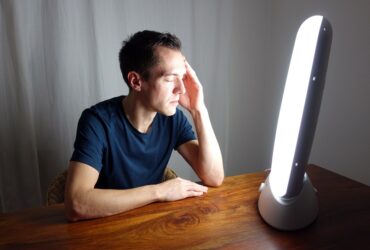
Light therapy is a common treatment for a variety of conditions, from auto-immune disorders like psoriasis and eczema, to wound healing, to depression and seasonal affective disorder, to circadian rhythm sleep disordersPeople with multiple sclerosis (MS) have difficulty mustering up the energy to live a normal life. Extreme fatigue often tops the list of the most distressing symptoms.


Now a new study suggests that light therapy may help people with MS get their lives back.

MS is an autoimmune disease that occurs when the body attacks the insulation around nerves, leading to fatigue, numbness, bladder problems, mood issues, and mobility problems that make every day a challenge.

But when MS patients sat in front of a light box for 30 minutes per day for two weeks, they reported being less tired and having more energy to get through their day.

Previous work has found light therapy to promote alertness, concentration, and wakefulness during the day. It’s also linked to the increased availability of serotonin and noradrenaline, two neurotransmitters responsible for regulating mood and motivation.
Although the study was very small and only featured 26 people, the results showed that sitting in front of a daylight lamp with a brightness of 10,000 lux (the recommended brightness level for effective light therapy) was better than sitting in front of a dim red light.

Of the 26 participants, half sat in front of the 10,000 lux daylight lamp, and the other half sat in front of an identical lamp that sent out dim red light.

After ruling out any sleep disorders, researchers found that 30 minutes per day with the 10,000 lux lamp was able to boost physical and mental performance in just two weeks. The changes were measured using the Fatigue Severity Scale.

Light therapy comes with no side effects and may be an effective treatment for people struggling with extreme fatigue resulting from MS. Larger studies are needed to confirm its efficacy, but trying a lightbox seems to be of negligible risk for people looking to improve energy levels.

Emotional Eating Due to Anxiety or Sadness Is Associated with Risk of Heart Damage

Depressed woman eats cake. Sad unhappy woman eating cake. Sad woman eating sweet cake. Close up of woman eating chocolate cake. food, junk-food, culinary, baking and holidays conceptPeople who suffer from anxiety may want to take notice of their heart health. For many of us, emotional eating can be a crutch during stressful moments — a way to take the edge off and provide some forget-you’re-stressed relief.

Unfortunately, our habits might not be doing us any favors regarding our physical health. In recent research, scientists have associated frequent emotional eating due to anxiety with an increased risk for heart damage.

Suppose you find yourself reaching for food when anxious or stressed out more often than usual. In that case, it’s time to get informed about the potential risks of emotional eating and learn better coping mechanisms for managing your anxiety. Let’s dive into this important conversation!

One recent study was the first to assess the association between cardiovascular damage and eating behaviors. This study included 1,109 people who were all participants of the STANISLAS cohort, which enrolled parents and adolescents in the Lorraine region of northeast France between 1993 and 1995. The Dutch Eating Behavior Questionnaire was used to assess the tendency to overeat in response to negative emotions such as sadness or anxiety.

Researchers included carotid-femoral pulse-wave velocity and diastolic function as measures of stiffness in the arteries and heart, which could indicate cardiovascular damage. Previous research has shown that rises in pulse-wave velocity (stiff arteries) are associated with a higher risk of stroke and heart disease. Diastolic dysfunction, meaning the heart relaxes insufficiently after contraction, has also been linked to a greater likelihood of developing heart failure.

Study results were adjusted for age, sex, education level, hypertension, diabetes, BMI, and other measures of eating disorders.
The study found that among the 916 adults, the median time between poor eating behavior and cardiovascular damage was 13.4 years. Emotional eating was associated with cardiovascular problems such as stiffer arteries and an increased risk of diastolic dysfunction (stiffer heart). It was noted that stress contributed to this relationship.

Among the 916 adults, the median age at the time of eating behavior measurement was 44.7 years, and nearly half (49.7%) were women. The median time between the measurement of eating behavior and cardiovascular damage was 13.4 years. Emotional eating was associated with higher pulse-wave velocity (stiffer arteries) and a 38% increased risk of diastolic dysfunction.

When an analysis was performed to find potential explanations for the association, researchers found that stress levels explained 32% of the associations. Researchers noted, “The reward system may be particularly involved in emotional eating, where eating may reduce anxiety and eating comfort foods may blunt the response to acute stress.”

This study helped show how stress could be a reason some people reach for food instead of hunger. Emotional eaters are commonly less aware of hunger and satiety, but mindful eating brings attention to physical sensations. Some ways to avoid emotional eating include physical activity such as taking a walk, meditation, or breathing exercises.

Supporting Mental Health and Heart Health

Reducing anxiety can be tough, but with the help of Anxiety Rescue, you can help to support healthy mood balance and cognitive function. Through a variety of ingredients, this unique formula can help to target multiple aspects of stress, mood support, and anxiety. Anxiety Rescue begins to work quickly and improves benefits and support for mental health as the weeks go on.

Keeping the heart strong and healthy is vital for enjoying a high quality of life as you age. Heart Rescue was designed to help support and promote cardiovascular health using a variety of ingredients, including omega-3 fatty acids, CoQ10, magnesium, and hawthorn extract. This formula’s health benefits can help strengthen the heart muscle, support circulation, and help reduce the risk of heart disease

New Study Suggests Quitting Alcohol Can Help Liver Disease at Any Stage

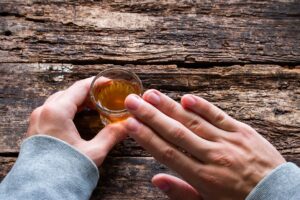
man shows abstinence from alcoholA new study has found that quitting alcohol can help lower the complications of liver cirrhosis, even in patients who have advanced cases of the disease. The work also revealed that if can help them live longer.
Cirrhosis is one of the most frequent and severe complications of excessive drinking. It is marked by significant scarring of the organ, which limits its ability to function.

The results of the work showed that patients with alcohol-related liver cirrhosis who maintain sustained abstinence from alcohol not only suffer complications from the condition less frequently, but they also live considerably longer.

Researchers analyzed the progression of 320 patients with alcohol-related liver cirrhosis over about three years. In that time, three-quarters remained abstinent, while one-quarter continued to drink.
They monitored abstinence and blood pressure in the veins that take blood from the gastrointestinal tract to the liver, something called portal hypertension. Alcohol and portal hypertension both play a role in liver disease’s progression.

Portal hypertension can indicate plenty of information about how the disease is progressing and whether or not a patient is abstaining from alcohol.

The findings showed that regardless of a person’s cirrhosis severity, stopping drinking can have an effect on liver health. Therefore it is never too late to strive for abstinence.

Of course quitting drinking does not guarantee an elimination of risk from cirrhosis complications. Keeping up with regular care is needed.

Quitting drinking can be very difficult and seem impossible for many. However a number of resources and supports for people struggling with alcohol do exist.

If you are serious about quitting drinking to potentially reduce your risk of not only acquiring cirrhosis, but preventing it from worsening, talk to your doctor about your options for help.

How “Sleep Procrastination” Could Be Holding You Back from Better Health

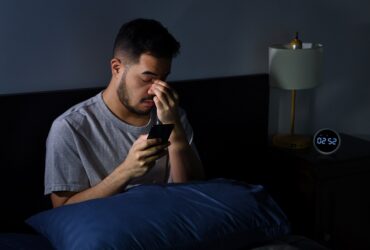
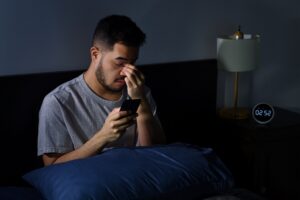
Young Asian man having sore and tired eyes when using smartphone while lying in bed at night. Young man cannot sleep from insomniaAt some point, everybody has stayed awake, knowing they should be in bed. Maybe you had to catch one more episode, were at a concert, or just needed some alone time.
But do it too often, and that urge to stay awake can adversely affect your health.

We live in a highly wired world that pressures people to stay engaged. There is always one more episode to watch or show recommendation, another text to respond to, another tweet to read, or another app to monitor altogether.

Further, daily pressures and challenges make it hard to carve out time for oneself. That time often comes at night, at the expense of sleep.

About 20 years ago, a group of researchers coined the term “bedtime procrastination” to describe people who go to bed later than planned, even when they knew they would pay for it in the future.

Poor sleep can not only lead to fatigue, brain fog, and increased risk for accidents the following day, but frequent inadequate sleep may increase the risk for weight gain, immune issues, heart trouble, high blood pressure, depression, cognitive problems, and more.
The research found that those who procrastinated significantly about sleep were more fatigued and generally slept less than those who did not.

Sleep, along with exercise and nutrition, is a pillar of health.

One recent small study found that improving motivation for sleep and changing behavior may help people overcome sleep procrastination. Here are some things to consider:

Identify your motivation for change: Bedtime procrastination would not occur if there weren’t positive aspects – you enjoy your show or are experiencing your only quiet time of the day. But you’re likely not looking at the costs it will have the next day.

Weighing the immediate gratification of staying awake versus the feeling you’ll have the next day is essential.

Monitor sleep patterns: Take a week or two to help you realize if you have a problem with sleep with procrastination.

Set a realistic goal: If you know you need to go to bed by 10:30 PM to feel good the next day but usually go to bed at 1 AM, it will be nearly impossible to slice 2.5 hours off of your wake time at once. Instead, take your time and go to bed 15-30 minutes earlier each night until you’re going to bed at 10:30.

Be conscious of barriers: If you’re staying up late because you feel lonely, you may be more likely to latch on to social media/texts at night. It can become easier to control if you are mindful of why you’re staying up.

Being Overweight Can Contribute to Macular Degeneration: Study

Legs of men standing on scales weight background fitness room. Concept of healthy lifestyle and sportNew research suggests that being overweight and having other health conditions linked to obesity, such as elevated blood pressure, can increase your risk of developing macular degeneration. Understanding how being overweight or obese contributes to this condition and what you can do about it is an important step toward protecting your eyesight now and in the future.


In this blog post, we’ll discuss what macular degeneration is and the new study that has linked obesity and the risk of macular degeneration.

Macular degeneration, also known as age-related macular degeneration (AMD), is a condition that affects the macula, a small area near the middle of the retina responsible for central vision. It gradually reduces the ability to read, drive or recognize faces. People who develop macular degeneration typically have significant visual loss by their 70s or 80s.

AMD can be divided into two main types: dry macular degeneration and wet macular degeneration. Dry macular degeneration is caused when the macula becomes thin and stops functioning correctly due to cell death. In contrast, wet macular degeneration occurs when abnormal blood vessels grow underneath the macula and leak fluid or bleed. Treatment options vary depending on the type and severity of macular degeneration but may help slow down the progression of AMD.

The research from Hôpital Maisonneuve-Rosement, in Montreal started because researchers wanted to know why some people with a genetic predisposition develop AMD while others do not. Previous studies have invested in understanding the variations and mutations in genes responsible for AMD. This only showed how they increased the risk of developing the disease, but not what causes it.

In people with AMD, the immune system in the eye can become dysregulated and aggressive. Normally immune cells keep the eye healthy, but pathogens such as viruses and bacteria can interfere.

Immune cells are also activated when the body is exposed to stressors such as excess fat in obesity. This makes being overweight the number one non-genetic risk factor for developing AMD after smoking.

This new study looked at obesity as a model to accelerate and exaggerate the stressors that are experienced by the body. Researchers found that a history of obesity or transient obesity can lead to persistent changes in the DNA architecture within the immune cells. This can make them more susceptible to producing inflammatory molecules.

“Our findings provide important information about the biology of the immune cells that cause AMD and will allow for the development of more tailored treatments in the future,” said study leader Dr. Masayuki Hata.

Early detection of macular degeneration is key in preventing vision loss, as most forms cannot be cured once deterioration has reached an advanced stage.

Researchers hope this discovery will lead to other studies beyond obesity-related diseases that are still characterized by increased inflammation in the brain, including Alzheimer’s disease and multiple sclerosis.

Preventing Eye Disease

As this research proves, it is vital to take steps to ensure the vision is kept as healthy as possible as you age. One of the primary causes of age-related vision loss is low levels of lutein and zeaxanthin. These natural pigments have been shown to protect the eye from oxidative damage caused by ultraviolet light and environmental factors.

20/20 Vision contains 20 mg of lutein and 2 mg of zeaxanthin to help give your eyes the nutritional support they require. In addition to those two ingredients, this unique formula also contains various vitamins, minerals, and herbal ingredients to help support and maximize vision, eye health, and general health.

Stay Safe on the Slopes This Season

Downhill skiing with Lake Tahoe in the backgroundMany parts of the country are getting some snow, and while the general population may be fretting and planning to stay in, skiers and snowboarders are looking to hit the slopes.


Although it’s enticing, you don’t really want to jump right off the chair lift and onto the slopes. Like any physical activity, skiing and snowboarding can pose a risk for injury, especially if your body and equipment aren’t ready.

Before downhill skiing, it is a good idea to give your body a tune-up. Do four to six weeks of cardiovascular conditioning from running, biking, stair climbing, using an elliptical machine, etc.

You’ll want to target the muscles you use for skiing: your core, hamstrings, quadriceps, and glutes.
Focusing on stretching out those areas, in addition to your lower back and shoulders, is recommended. There is no perfect routine, but priming your body with a combination of endurance, strength, stability, flexibility, and overall fitness can help you get ready for the season.

Just like your body, you’ll want to make sure your equipment is ready, too – especially if it’s been a year or longer since you’ve used it.

Have your skis and snowboards looked at by a professional before hitting the slopes for the first time. Make sure the release mechanisms are functional and check your boots and bindings before heading out for the day.

If you haven’t been on the slopes in a while or you’re a beginner, take a lesson to help you get your bearings. And then ease into the rest of your day. Start with smaller, simpler runs before moving on to something more challenging.

Choosing runs based on your ability and conditioning is important to preventing injury.

Before getting out there, it’s important to make sure you’re fueled up with nutrition and are well hydrated. Avoiding cramps and making sure your body has everything it needs to power you through your day can help prevent injury. Pack snacks to refuel.

Lastly, remember to stop when you’re tired. Many injuries happen near the end of the day when fatigue sets in, so recognize when it’s time to call it a day.

Regular Fast-Food Consumption Is Associated with Liver Disease: Study

Side view of young attractive woman in latex gloves packing food in paper bags for delivery through cityPoor diet is a major factor in many serious health issues, with fast food often cited as one of the leading causes of liver disease. So, while fast food is convenient, inexpensive, and tastes good – is it worth the risks?

Recent research has indicated a link between regular fast food meals and the development of non-alcoholic fatty liver disease (NAFLD), making it important to consider the long-term risks when dining out. Today, we’ll take a look at how a poor diet high in fried foods and added fats could be detrimental to your liver, as well as steps that you can take to help minimize any potential harm.

Non-alcoholic fatty liver disease may sound intimidating, but it’s actually quite simple. In essence, it’s an accumulation of excess fat in the liver caused by eating many unhealthy foods, being overweight and having high cholesterol levels or diabetes. While non-alcoholic fatty liver disease can have serious consequences, such as liver cirrhosis, or scarring of the liver, those who act quickly can reverse some of its effects with sensible lifestyle changes.

A new study published in Clinical Gastroenterology and Hepatology used the data from the nation’s largest annual nutritional survey, the 2017-2018 National Health and Nutrition Examination Survey, to help determine the impact of fast-food consumption on liver steatosis.

Fast food was categorized as meals from drive-through restaurants or ones without wait staff. Pizza was also included in the study.
Approximately 4,000 adults’ fatty liver measurements were included in the study which was compared to their fast-food consumption. Of those surveyed, 52% consumed some fast food. Of those participants, 29% consumed one-fifth or more daily calories from fast food, and 29 % of survey subjects experienced a rise in liver fat levels.

The relationship between fast food consumption and liver steatosis held true even after adjusting for factors such as age, sex, ethnicity, race, physical activity and alcohol use.

“Our findings are particularly alarming as fast-food consumption has gone up in the last 50 years, regardless of socioeconomic status,” said Ani Kardashian, MD, lead author of the study. “We’ve also seen a substantial surge in fast-food dining during the COVID-19 pandemic, which is probably related to the decline in full-service restaurant dining and rising rates of food insecurity. We worry that the number of those with fatty livers has gone up even more since the time of the survey.”

Researchers hope this study will encourage healthcare professionals to offer their patients with diabetes or obesity more nutrition education. Patients who are at a higher risk of developing liver disease need more information to make informed dietary choices.

Maximize Liver Performance

As one of the most important organs in the human body, the liver works 24 hours a day to produce and process many of the chemicals the body requires. It processes over 500 functions, including hormone production, bile secretion, and converting sugars into glycogen.

Liver Rescue is a formula designed to support and maximize the performance of a healthy liver through its 7 ingredients. These powerful ingredients can help fight free radicals, improve bile production, remove toxins, and give your liver the support it deserves.

Five-Star Guarantee of Satisfaction