


Looking for a Therapist in 2023? Here Are Some Tips to Help Make the Right Choice

When did you start feeling this way?Mental health is front and center these days. The holiday season has just wrapped up, the darkness of winter has set in, and people across the continent are dealing with financial and climate crises that significantly impact their lives.

And then there is the pandemic, of course.

All of that may have made this year the year you’re going to choose a therapist to help you try and feel a bit better or at least make some sense of what’s going on.

But where do you start? What should you be looking for?

Having a good rapport is the most important thing in determining the outcome of your therapy. You want to feel comfortable talking to your therapist, as well as being truly invested, interested, and trusting about what they are telling you.
You’ll also want to ensure they have the credentials and training and are licensed to practice where you live. Your therapist should also be able to describe various treatments, their pros and cons, and which types they offer. They should also tell you how they will assess and monitor your progress.

Of course, you can’t always rely on them to volunteer this information, so you’ll want to do some digging online. Once you’ve narrowed down a few options, you’ll want to interview them to see if they are the right fit.

Here are some things to ask:

• What is your training, and what are your credentials?

• How long have you been in the field?

• What kinds of therapy or treatment do you offer, and what do you think may help me?

• What are the pros and cons of each approach?

• How does treatment work?

• How long is the process, and when should I begin to see progress?

• What are the chances of success?

• What is the cost?

And, of course, as you’re speaking to the therapist, you’ll want to monitor how you feel about them and how well the conversation is progressing. Your comfort is key.


Experts Say You Should Eat Fruit Every Week for Good Health

Closeup image of an asian woman holding and eating a fresh mixed fruits on skewersIf you’re looking to improve your health, you may want to try biting into a piece of fruit. Experts say that stocking your kitchen with fresh ripe fruit can do wonders for your physical health, mental clarity, and overall well-being.


In this blog post, we’ll explore why adding more fruit to our diets is essential for maintaining good health. So, let’s dive in and look at the benefits of some of our favorite fruits – it’s time to eat your way to better health.

Apples

Eating an apple a day can do much more than just keep the doctor away; apple consumption offers numerous health benefits that should not be overlooked.

Apples are a great source of essential vitamins such as Vitamin A, Vitamin C, and several B-complex vitamins. Additionally, apples have a high amount of dietary fiber, which helps to lower cholesterol levels when eaten regularly.

This low-calorie snack is a perfect way to satisfy sweet cravings without compromising nutrition for those struggling with weight loss or obesity. Finally, eating an apple may even reduce the risk of certain chronic diseases such as cancer and diabetes due to their antioxidant content. So, next time you’re looking for a healthy snack, reach for an apple.

Avocados

Eating avocados regularly has been linked to numerous health benefits. Not only is avocado high in fiber, which can help with blood sugar, but they’re also packed with essential vitamins and minerals, including vitamins E and C, potassium, zinc, iron and magnesium. As if that weren’t enough, nutrient-rich avocado can help to support heart health due to its monounsaturated fats.

Additionally, avocado promotes healthy digestion and immune system function by fueling the body with key antioxidants such as carotenoids. No wonder avocados are approved as a healthy food choice for every meal of the day.
Bananas

Bananas are packed with a variety of health benefits, ranging from improved digestion to protection against heart disease. Rich in essential minerals such as magnesium and potassium, bananas contain all eight B vitamins to boost the body’s energy.

Additionally, bananas are low in calories and contain dietary fibers, which can help reduce feelings of hunger, making them an excellent snack or addition to any meal. As a bonus, bananas have also been known to reduce blood pressure levels and reduce inflammation caused by exercise. With so many advantages, bananas should be a staple in anyone’s diet looking to stay both energized and healthy.

Blueberries

Blueberries are an incredibly nutritious fruit high in antioxidants, vitamins, and minerals that popular among those concerned about heart health. Recent studies have shown that blueberries may have several beneficial health effects due to their antioxidant power. They have been linked to improving memory and reducing the risk of cardiovascular disease.

Blueberries can also reduce inflammation in the body, reduce blood pressure, improve immunity, and help with healthy digestion. Blueberries can be a great way to sweeten your favorite smoothie or add flavor to yogurt without adding sugar. Incorporating blueberries into your diet can be a delicious way to boost your health.

A Complete Diet

To help ensure your diet is complete, 65+ Superfood Essentials is an excellent addition to a daily supplement regime. This breakthrough formula is a great way to support and promote cardiovascular and overall health. It contains Capros®, a patented and clinically studied Indian gooseberry extract that has been found to absorb free radicals and provide cascading antioxidants.

Acai berry (the powerful natural antioxidant known to support total health) and resveratrol, a premier anti-aging ingredient, are also found in this formulation that can help ensure proper nutrients and vitamins that are essential as you age.

For those looking to support brain function and mental health, The Smart Pill can help with concentration, memory, and overall cognitive function. It boasts a unique formula of nine ingredients, including ginkgo biloba, huperzine A, bacopa extract, rosemary extract, and a B vitamin complex. The Smart Pill helps boost circulation, fight free radicals, and help to promote clear thinking.

With a healthy balance of fruits and vitamin supplements, you can help to ensure good health for years to come!

Social Engagement Could Save Your Life

Head shot portrait of upset old senior hoary male pensioner with walking disability holding hands on wooden cane, sitting alone on couch at home, suffering from physical disease, ageing concept.New research suggests that being socially engaged and close to others may influence longevity in people with heart disease.
The study showed that people with heart disease, loneliness, social isolation, or those living alone could have years shaved from their lives. The trio of factors can lead this cohort to a higher risk of early death.

Being close to others may aid people with heart disease, and even people without it, by adding value, meaning, and support to live. Social isolation is also associated with a higher risk of mental health issues, which can also make self-care more difficult.

Living alone can also be more stressful. When a person has a partner or a strong social network, they don’t have to be as reliant on themselves. Stress is lowered when you don’t have to do everything on your own – something that appears to be magnified in people with cardiovascular disease.

Cardiovascular disease refers to heart attack and stroke.
In recent years, several studies have examined the importance of social connection to various health factors, particularly heart health.

For this latest review, the researchers decided to look at how loneliness, social isolation, and living alone can impact people with heart disease.

Using data from 35 studies done in Europe, North America, and Asia spanning decades, researchers determined that these factors could significantly shorten the lifespan of people with heart disease.

Living with heart disease can be a definite challenge, but it is not necessarily a sentence. Medication and lifestyle factors like diet, exercise, sleep, and stress management, can all help improve your condition and extend your life.

It appears social engagement can, too.

Of course, it’s not necessarily easy to find somebody to live with you. But looking at communal living options could be a good idea. You could also talk to friends or family about the possibility of a joint-living situation.

You can also ease loneliness and social isolation by looking for ways to be around people. Joining a club or organization, volunteering, going to worship services, or just picking up the phone to call friends may help extend your life.

Swimming Works the Muscles and Helps Older Adults Improve Their Fitness

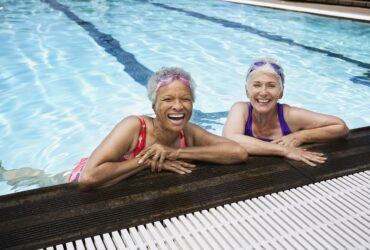
Smiling senior women in poolSwimming is one of the most effective and enjoyable forms of fitness that can help older adults stay fit. The water supports your body, so it’s easier on your joints than other exercises like running or biking. Plus, you get to work all sorts of muscles in aerobic and non-aerobic activity — from the ones you use to push off the walls to those required to keep yourself afloat.


And let’s face it, swimming is more fun, too. So, if you’re an older adult looking for a way to boost your fitness, why not take the plunge? Let’s dive into why swimming works so well as an exercise program for seniors.

When most people think of exercise, their mind goes to long runs on the treadmill or picking up heavy weights. Although these are great forms of exercise, not everyone is able to perform them. For those who are looking to stay fit but can’t stand the gym, it may be time to start swimming.

Swimming is an excellent alternative to normal workout routines, and it comes with a list of benefits that rival intense gym exercises.

Improve Cardiovascular Fitness

Swimming is a great way to improve cardiovascular fitness while lowering cardiovascular disease risk. According to recent research, swimming just a few times a week has been linked with a range of heart health benefits and may even reduce your risk of death from any cause. It has also been shown to improve cardiovascular health in people diagnosed with conditions such as stiff arteries and cardiovascular disease.

What’s more, swimming can be an incredibly relaxing exercise, providing tremendous psychological benefits while offering full-body conditioning, which puts far less stress on bones and joints than other high-impact aerobic activities like running. For all these reasons, swimming is considered one of the best exercise forms to boost overall health.

Build Strength

Swimming is truly an all-encompassing form of exercise that can help to improve strength in ways we don’t normally consider. Since swimming is done in a liquid environment, the denser water, compared to air, provides extra resistance and puts more strain on our muscles when swimming.

This produces better results while swimming than completing a similar workout in the air, as it can engage more muscle fibers and build strength in larger muscle groups and smaller stabilizer muscles. It is an excellent exercise for older adults in rehabilitation to increase hip muscle strength which can lower their fall risk.

Research has also shown that regular swimmers have greater respiratory muscle strength compared to those who prefer cycling or running. Respiratory muscle strength is the pressure the breathing muscles can generate when breathing in or out.

Reduce Impact On Joints

Swimming is a fantastic exercise for those looking to reduce weight-bearing stress and the impact on joints that regular running or cycling can cause. Compared to land-based activities, swimming has far less compression on joints; whether it be swimming slow or fast, it’s still an excellent way to get in a workout without the fear of joint damage due to excess strain from competing activities.

Overall, swimming is an ideal exercise for general health in older adults, as it offers an array of important benefits. It is a low-impact activity that minimizes stress on bones and joints while providing an excellent cardiovascular workout.

Additionally, swimming engages muscles such as the arms, legs, stomach and back, maximizing calorie burning and promoting toning. As swimming can be done in water of varying temperatures, seniors with medical conditions can find a comfortable swimming environment that suits their needs. As an added bonus, it has been shown to help with mental health and reduce signs of depression.

Maintaining Muscle Health

Muscle loss can begin at a relatively young age and will only continue with time, so it is important to take steps to help maintain muscle mass. Swimming is an excellent solution for helping to maintain muscle strength, but having the right vitamins and nutrients is also vital in keeping muscle strength and mass. That is where Clinical Strength Muscle Support comes in.
With a unique formula that includes Tongkat ali extract LJ100®, Clinical Strength Muscle Support is designed to help support aging muscles, so you can maintain your active and healthy lifestyle for years to come.

Joint and Bone Health

As you age, your joints may require support to help them stay strong, flexible, and healthy. Healthy Joints contains multiple ingredients to help support and improve joint health. The primary ingredient in Health Joints is AprèsFlex®, an extract from Boswellia, which has been found in studies to provide rapid support for joint health and mobility. This unique formula also contains glucosamine and chondroitin, which contain compounds that are some of the building blocks of healthy joints.

Along with exercise, the body also needs proper vitamins and nutrients to stay healthy and active. To help ensure your diet is complete, 65+ Superfood Essentials is an excellent addition to a daily supplement regime.

This breakthrough formula is a great way to support and promote cardiovascular and overall health. It contains Capros®, a patented and clinically studied Indian gooseberry extract that has been found to absorb free radicals and provide cascading antioxidants. Acai berry (the powerful natural antioxidant known to support total health) and resveratrol, a premier anti-aging ingredient, are also found in this formulation that can help ensure proper nutrients and vitamins that are essential as you age.

You Want to Be Happier? Try Making Less Choices

Senior couple hugging in a nursing home. A happy senior couple standing next to a window in a nursing home, hugging and smiling. They have all care they need.Where should we order dinner from? What kind of toothpaste do you want? Those may seem like simple questions until you start looking at all your options.
They can be endless, and a simple and largely inconsequential decision can easily become a stressful and potentially regrettable decision. The paradox of choice is that the more options a person has, the harder and less rewarding they become.

Happiness does depend, in part, on choices. You want to be able to have some options in certain situations. But the more options you’re presented with, the greater the chances for regret, and the smaller the chance is to make the “right” choice.

Research has found that simply making choices can be exhausting, particularly when options exist for nearly everything.

One study showed that having more shopping choices interfered with people’s ability to pay attention and complete simple arithmetic problems. Suppose you want to focus your attention on something or have the emotional capacity to handle challenging situations. In that case, it might be best to limit the number of choices you make beforehand.

Psychologists have also identified two groups of people based on how they make decisions. If you’re someone who won’t settle for “second best” or constantly needs to evaluate all options to find the best deal, you’re likely a “maximizer.”

On the other hand, if you have a standard for what you want – either high or low – for what you want in a given circumstance, you’re likely a “satisficer.”

Some research that followed college students for a year found that maximizers made the “best” choices based on certain criteria. They found the “best” jobs with salaries that started at 20 percent more than satisficers.

But it was not all good. Maximizers experienced much more negative emotion while going through their job search and, after being hired, were less happy than their classmates who found jobs they considered “good enough.”

So who really made the best decision? Those who started out making a little more money or those with more happiness?

Spiritual retreats or meditation tend to limit choices purposefully. When you eat or savour whatever is offered or don’t have to choose an outfit or the day’s agenda, it can be freeing and help you stay focused.

Happiness can come from simplicity to a degree. Take a moment to look at the things you don’t really care about and limit the choice in your life.

Constant Ringing in Your Ears Linked to Tinnitus Can Cause Hearing Loss

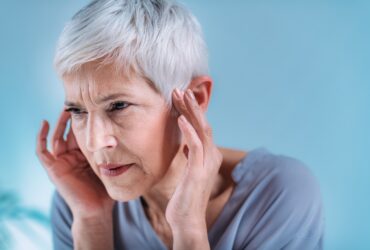
Senior woman suffering from tinnitus or ringing in her ears.If you constantly hear ringing in your ears, you may be one of the 50 million Americans suffering from tinnitus, a condition that could lead to hearing loss. Also known as “ringing in the ears,” tinnitus is more than just an annoyance; it can also lead to eventual hearing loss if left untreated. Whether you’re struggling with tinnitus or someone close to you is, understanding its effects on one’s life is essential for navigating this difficult situation. Let’s dive into what we should know about this chronic condition.


Tinnitus is a condition in which a person hears a ringing sound, buzzing, or other noises in their ears or head when no external sound is present. This noise can be very mild or loud enough to interfere with sleep and daily activities. Tinnitus can occur as a symptom of many different ear-related issues.

While tinnitus does not have a universal cure, there are treatments available to manage the symptoms and help individuals living with tinnitus find some degree of relief.
Dr. Gayla Poling, the director of Diagnostic Audiology at Mayo Clinic says, “Ninety percent of those with tinnitus have hearing loss. So that’s usually where we start as a source or a reason for the tinnitus.”

“Those little hair cells in our inner ear are really delicate structures. That’s what is actually damaged with noise exposure or wear and tear on your ears across your life span. So those hair cells, that damage might be the reason or part of the cause for tinnitus for some.”

Unfortunately, tinnitus isn’t easy to manage, and diagnosis can be difficult. While tinnitus treatments are available to help ease sufferers of the discomfort tinnitus causes, there is no known cure that eliminates tinnitus completely.

This often leaves tinnitus sufferers unable to find an effective solution or pinpoint the exact cause of their tinnitus symptoms. Researchers are continuing to explore the mystery of tinnitus to understand better and treat it so that one day, tinnitus sufferers can relieve their discomfort.

Don’t Overlook Problems

Many people tend to overlook hearing problems until it’s too late. But Hearing Rescue may be able to help thanks to its unique ingredients, including vitamins, minerals, and herbal extracts, designed to provide nutritional support for hearing.

Some evidence suggests that free radicals play a role in noise-related hearing impairment, so Hearing Rescue contains antioxidant properties that help combat free radicals. Hearing Rescue also contains folate, which may help to provide support in populations with low levels of folic acid suffering from age-related hearing loss.

New Study Suggests Warm Water May Lower Blood Pressure

Modern bath room and spa center on the white tub wooden table. Candle soap and towel style with vase of plant. White marble background wallIf you like going for a soak, you could be helping your blood pressure: if the water is warm enough.


A new Japanese study suggests a hot bath at night could be a valuable tool in keeping high blood pressure are bay. The finding comes from a new analysis of a decades-old survey that looked at high blood pressure risk among older adults in Beppu, Japan.

Beppu is known for its natural hot springs.

The analysis showed that when people 65 and over routinely soaked in a hot spring after 7 p.m., they seemed to have a 15 percent lower risk for high blood pressure than people that did not.

The survey featured about 11,000 adults aged 65 and older living in Beppu. Nearly 4 in 40 had high blood pressure when surveyed or had a history of the condition.
There could be a couple of reasons why a nighttime soak appeared to lower blood pressure. One reason could be that a nighttime bath can help lower stress, which can affect blood pressure.

The warm water may also help promote faster and better sleep, which can help keep blood pressure low.

For those disappointed that you don’t live near hot springs, fear not: the results will likely occur from a warm bath or shower before bed, too.

It is important to remember that the results are observational and that taking a warm bath or shower is not a substitute for treating high blood pressure. However, it is yet another lifestyle measure that may help lower blood pressure.

Other measures include increased activity, a healthy diet, limiting alcohol, stress management, good sleep, and maintaining a healthy weight. And, of course, if you are taking medication to treat high blood pressure, adhere to your prescribed regimen.

Emergency Assessment Must Be Done Even after Stroke Symptoms Disappear: Study

Woman suffering from vertigo or dizziness or other health problem of brain or inner ear.A stroke can happen at any time, and it’s important to remember that the danger isn’t necessarily over when the symptoms of a stroke disappear. It may seem like you’ve gotten off scot-free after having suffered from stroke-like symptoms, but an emergency assessment should still be done to prevent future problems from arising.

This article will explain why it’s essential for those who experience sudden neurological dysfunctions – even transient – to undergo a proper medical evaluation by expert professionals.

A new scientific statement from the American Heart Association has outlined the importance for people who have experienced a transient ischemic attack (TIA) to seek emergency assessment to help prevent a full-blown stroke. This statement offers a standardized approach to evaluating people who have had a TIA. This guidance offers advice specifically for hospitals in rural areas that may not have easy access to advanced imaging or have a neurologist on site.

The statement also includes guidance for healthcare professionals to help differentiate between a TIA and a TIA mimic. This condition shares some signs with a TIA but is due to other medical conditions such as low blood sugar, migraine, or seizure. TIA mimic symptoms often tend to spread to other parts of the body and build in intensity over time.

A transient ischemic attack (TIA) is a medical emergency that occurs when the blood flow to part of the brain suddenly becomes blocked. This lack of oxygen results in changes that may last from a few seconds to several minutes. While they can cause transient symptoms such as temporary paralysis or difficulty speaking and writing, these also often resolve completely with no residual damage. However, TIA can indicate a more severe arterial blockage that could result in a stroke within three months after the TIA, so seeking medical attention immediately is extremely important.
Symptoms of a TIA are the same as stroke, only temporary. They can include:

• Facial drooping
• Weakness on one side of the body
• Numbness on one side of the body
• Trouble speaking
• Dizziness, vision loss or trouble walking

Those who are most at risk for TIA include people with cardiovascular risk factors, such as diabetes, high blood pressure, high cholesterol, obesity, and smoking. Other conditions can also increase the risk of TIA, including atrial fibrillation, peripheral artery disease, coronary artery disease, and obstructive sleep apnea.

Diagnosing a TIA can be difficult since most patients no longer exhibit symptoms by the time they arrive at the emergency room. Unfortunately, the treatment that patients receive who come into an emergency room can vary depending on geographical factors, limited resources at healthcare centers, and varying levels of experience among medical professionals.

For example, said Hardik P. Amin, M.D., chair of the scientific statement writing committee, “Someone with a TIA who goes to an emergency room with limited resources may not get the same evaluation that they would at a certified stroke center. This statement was written with those emergency room physicians or internists in mind — professionals in resource-limited areas who may not have immediate access to a vascular neurologist and must make challenging evaluation and treatment decisions.”

Supporting the Cardiovascular System

As you age, your arteries may need a helping hand to stay strong and healthy. Clinical Strength Artery Support is designed to give your arteries the circulation support it needs. Through a powerful combination of traditional and modern ingredients, including L-citrulline, green coffee extract, and green tea extract, Clinical Artery Support helps to improve circulation and cardiovascular health.

Vein health and circulation are also vital to keep the cardiovascular system working in top performance. Healthy Veins uses a powerful combination of ingredients for the support you need. The unique combination of hesperidin and diosmin, flavonoids, can provide essential support for healthy veins and has been used widely in Europe. Healthy Veins also includes vitamin C, butchers broom, and grapeseed extract to provide even more support for vein health.

Struggling to Eat Healthier? Here’s a Helpful Three-Step Process

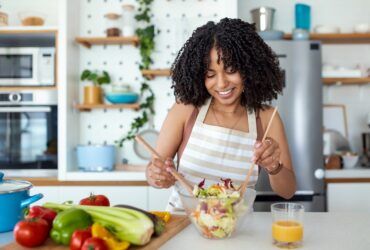
Healthy lifestyle. Good life. Organic food. Vegetables. Close up portrait of happy cute beautiful young woman while she try tasty vegan salad in the kitchen at home.You might be struggling to stick to your new year’s resolution to eat healthier because you either started with no plan or you’re trying to do too much.
If you’re having trouble, there are three steps that might make things a lot easier for you.

The first is to try and only eat real food. Take a look at what’s on your plate and identify what is processed and what isn’t. It could be the entire meal – like a frozen dinner – or maybe just part, like a bottled salad dressing or white rice.

Now think of ways to swap for more nutritious options. Perhaps eating whole grain pasta instead of white-flour spaghetti, making your own salad dressing with olive oil and vinegar, or snacking on baked chickpeas instead of potato chips.

Limiting processed foods can help reduce inflammation and the risk of several diseases. Consider the Mediterranean diet if you’re looking for examples of how to limit processed foods.
Schedule meals and snacks using a timer on your phone. Set up three times for meals and two snacks, and avoid eating between these times. This can help curb cravings and reduce stress about when you’ll eat next. It can also get rid of unnecessary calories.

Avoid scheduling meals and snacks after about 7 PM to not conflict with your body’s natural clock.

Lastly, try to limit portion sizes. Load your plate as you normally would, then remove about a third of the food – maybe even half. You can even try using a salad plate instead of a dinner plate – this can help fool you into eating less.

You can also try eating less by keeping serving bowls off of the table, which can remove the temptation of going in for more.

Try these steps one at a time, introducing one per week. Make notes about what you’re eating, what you’re not, and what is or isn’t working. Think about how to address any questions you may have and what you can do to make better choices more often.

Having a well-executed plan is the best way to adapt, and stick to, a healthy diet.

Find Room for More Fiber

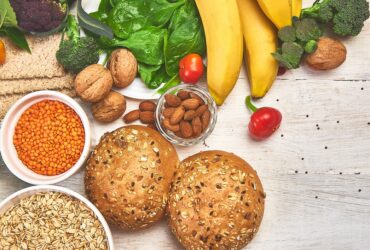
Selection food rich in fiber on white wooden background, Healthy diet food product. Top view, flat lay, copy space.One may argue that one of the biggest health problems in America may have a relatively simple fix. The problem is fiber intake; the solution is to eat more of it.


Dietary fiber serves several functions. It’s well known that it plays an essential role in good digestion by softening and providing bulk to stool so it moves out of you a little faster and easier.

Fiber can also help keep weight in check and reduce “bad” LDL cholesterol. There is also plenty of research to link fiber intake to a reduced risk for heart disease and diabetes. There is reason to believe it can improve overall gut health, offering immune support, protecting against inflammation, and potentially preventing some gut-related chronic diseases.

So why aren’t people eating enough of it? It’s a two-fold answer. One reason is that people don’t generally eat a healthy diet. The general recommendation is that people should get 14 grams of fiber per 1,000 calories (28-34 grams per day based on a 2,000 – 2,4000 daily total), with most getting about half that.
Many of the foods people eat are processed, which are stripped of fiber. Worse, many of these foods have sugar and salt added to boost flavor and texture.

Changing eating patterns can also play a role. As people age, they generally eat less because they simply do not need as many calories. The less you eat, the less opportunity you have to get fiber. High-fiber foods may require extra chewing, which might be a problem for some.

Fiber is found in large amounts in healthy foods. If you’re eating a few servings of whole fruits and vegetables per day, as well as whole grains, legumes, nuts, and seeds, you’re eating fiber-rich stuff. If this stuff is not featured prominently, you’re likely low on fiber (and some essential nutrients).

Boosting fiber intake is as simple as adding more of these foods into your day. Two to four servings of fruit, two to four servings of vegetables, whole grains, nuts, seeds, and legumes will do it.

Just be careful: too much fiber at once can be hard on your digestive system. Increase intake slowly, adding another fiber-rich food to your diet every couple of days or so.

New Study Finds Potential Danger Lurking in Your Cup of Java

Happy African american woman enjoying quiet time at home laughing and drinking morning coffee sitting on sofa. Copy space. Lifestyle concept.Plenty of folks throughout the world may start their day or finesse their afternoon with a cup of coffee or two. Some may even have three or four.
I’m drinking my first (of two) right now.

From a health perspective, coffee can be an interesting drink. There is plenty of research to suggest it offers health benefits. Some studies have found links between coffee consumption and a lower risk of type-2 diabetes, better liver health, and more.

On the other hand, some studies have found it may impact sleep, anxiety, and other conditions.

Now a new study suggests that it could pose a risk to people with severe high blood pressure, also known as hypertension.
The work, published in The Journal of the American Heart Association, found that heavy coffee consumption was associated with an increased risk of cardiovascular disease death among people with severe hypertension. However, the risk was not present in people without hypertension or even grade 1 hypertension.

Researchers grouped people from the Japan Collaborative Cohort Study for Evaluation of Cancer Risk into five categories of blood pressure:
• Normal: 130/85 mm Hg or lower
• High normal: 130-139/85-89 mm Hg
• Grade 1 hypertension: 140-159/90-99 mm Hg
• Grade 2 hypertension: 160-179/100-109 mm Hg
• Grade 3 hypertension: 180/110 mm Hg

By comparison, green tea consumption was not associated with a higher risk, even though it also features caffeine. Researchers believe it may have something to do with the polyphenols present in green tea, which can have anti-inflammatory and antioxidant effects.

It is important to note that the study’s results do not prove that high levels of coffee consumption can be threatening to people with severe hypertension, just that there is an association.

Coffee’s impacts tend to vary from person to person and may even be dependent on genetics. If you are battling severe hypertension, it may be a good idea to limit coffee consumption or stop altogether.

Study suggests older adults even with glasses lack clear eyesight

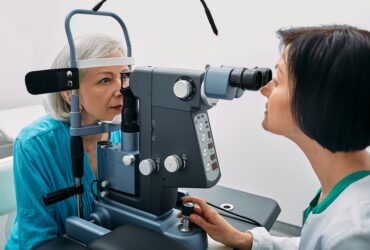
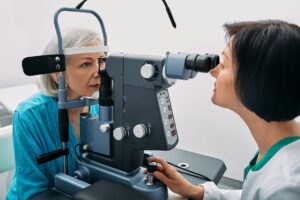
Female optometrist doing sight test to senior woman at modern ophthalmology clinic. Eye exam and vision diagnosticAs we age, our eyesight inevitably starts to decline. That old adage “you’re not getting any younger” never seemed more true, and this new study proves it.


According to a recent study performed by the American Academy of Ophthalmology, 28% of people over the age of 71 have visual impairment even while wearing glasses. It appears that age-related vision problems are no match for prescription lenses, proving once and for all that technology can only help so much when the effects of aging start to set in.

This study is important to discuss as poor vision is associated with several adverse outcomes, including dementia, depression, falls, motor vehicle accidents, and even death. It represents the first national study to assess visual function objectively. The findings showed that different types of visual impairment were associated with older age, less education, and lower income.

Both contrast sensitivity and visual acuity were greater among non-Hispanic Black and Hispanic individuals compared to non-Hispanic white individuals. Lower education and income were also associated with all types of visual impairment.
Previous studies have found that the cost of caring for older adults with vision impairment and blindness in the U.S. was $134.2 billion annually. For older adults to correct their eyesight, they simply need to update their eyeglasses. However, many face financial barriers, so they cannot afford prescription lenses.

Researchers hope this study will help to help improve public health outcomes when supporting adults with visual impairment.

“The up-to-date data presented in this study are vital for informing surveillance of vision health in the U.S. and may enable public health programs to target those at highest risk of poor vision,” said study author Joshua Ehrlich, M.D., M.P.H.

Ensuring Healthy Vision

As this research proves, it is vital to take steps to ensure vision is kept as healthy as possible as you age. One of the primary causes of age-related vision loss is low levels of lutein and zeaxanthin. These natural pigments have been shown to protect the eye from oxidative damage caused by ultraviolet light and environmental factors.

Some of the best sources of lutein and zeaxanthin are available through food, but it is difficult to get enough of these pigments from diet alone. 20/20 Vision contains 20 mg of lutein and 2 mg of zeaxanthin to help give your eyes the nutritional support they require. In addition to those two ingredients, this unique formula also contains various vitamins, minerals, and herbal ingredients to help support and maximize vision and eye health.

Be Aware of this Seasonal Risk to Heart Health

A person using a snow shovel in a snowy landscape. Only the lower part of the person is visible. Low angle shot with snow piles in the foreground.Ah, the winter. The cold temperatures, Christmas lights, and of course, the snow. A fresh blanket of snow looks great and can put a smile on anyone’s face.


But it can also be a huge risk to heart health.

Shovelling snow is not to be taken lightly. Sure, you’ve likely been doing it for the bulk of your life, and it can seem as routine as taking out the garbage, but it’s not. Especially if you don’t get much exercise to begin with.

Even with a snowblower, snow removal can boost the risk of a heart attack or sudden cardiac arrest. Some research suggests that the strain of shovelling heavy snow, 7-8 inches worth, can be just as, if not more, demanding for the heart than a treadmill stress test.
Researchers suggest that hundreds of people die each year in the United States from shovelling snow. They have also learned that only two minutes of shovelling snow can raise heart rates to more than 85% of the person’s max heart rate, which is virtually the same maximum effort as intense aerobic exercise.

Studies have shown that compared to no snowfall, a heavy snowfall of about 7-8 inches was associated with 16 percent higher odds of men being hospitalized with a heart attack and a 34 percent increase of them dying from a heart attack.

Women do not seem to be impacted in the same way as men when shovelling snow, according to a study from a few years ago.

Temperature likely compounds the risk. The cold may increase blood pressure by constricting coronary arteries. Compound that with the higher heart rate from physical exertion, and the risk grows. Even the exertion used to push a snow blower can be dangerous.

Snow removal can be especially dangerous for people who already have cardiovascular conditions, live a sedentary lifestyle, or are obese.

You can offset some of the risks by taking regular breaks during shovelling or getting help from a family member or neighbor. Hiring a snow removal service may be best if you are high-risk and it fits your budget.

Older Adults with Fracture Risk and Chronic Medical Conditions Do Not Receive Osteoporosis Treatment

Hands of old man on crutches. Close-up a elderly man with crutches.Older adults with a higher fracture risk and chronic medical conditions often don’t get the treatment for osteoporosis they require to treat the underlying condition. Due to this oversight, patients can often have poorer health outcomes. We’ll dive into this today and discuss why it’s important for everyone, especially those living in at-risk situations, to access quality care as quickly as possible.

Patients with numerous complex diseases and who have had a fracture will most likely not receive any osteoporosis treatment, putting them at an increased risk for further fractures. This is because they are less likely to have the underlying cause of the fracture investigated compared to those at high risk but with no additional chronic medical conditions.

The new study was published in PLOS Medicine and focused on investigating the outcomes and the kind of medical treatment people with fractures received, prescriptions, Medicare claims, and hospital admission data. All 10,500 Australian participants in the study were over the age of 45 and were identified as being at high risk for a future fracture.

It was found that 80% of people in the high-risk group were not treated for osteoporosis to help prevent future fractures, and this number dropped even further for patients with complex medical conditions.
“We need to start changing our paradigm of how we think about disease and treatment to be less about a “single disease-single treatment one, to treating the person as a whole,” said Professor Jacqueline Center, Head of the Clinical Studies and Epidemiology Lab at Garvan.

“Our aim is to improve health in older people so that people are living well, rather than just living.”

Previous research has shown that fractures from falls and mishaps occur in about one in three women and one in five men over the age of 50. Fractures can affect the quality of life and contribute to mortality, so patients with multiple chronic conditions must get osteoporosis treatment to help prevent further fractures.

Supporting Bone and Joint Health

Supporting bone health is essential as you age. Bone Rescue can help to support the maintenance and development of bones thanks to its unique formula, including strontium. Chemically similar to calcium, strontium can provide great support for aging bones. Bone Rescue contains 680 mg of strontium along with additional ingredients to help keep bones strong and healthy.

As you age, your joints may also require support to help them stay strong, flexible, and healthy. Healthy Joints contains multiple ingredients to help support and improve joint health. The primary ingredient in Healthy Joints is AprèsFlex®, an extract from Boswellia, which has been found in studies to provide rapid support for joint health and mobility. This unique formula also contains glucosamine and chondroitin, which contain compounds that are some of the building blocks of healthy joints.

Five-Star Guarantee of Satisfaction