Struggling Sticking to Resolutions? Here Are Some Simple Changes to Improve the Health

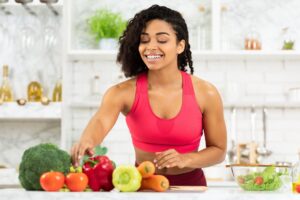
Healthy Food To Boost Your Immune System. Smiling black girl cooking salad at home in loft kitchen interor, copy spaceWe’re a little more than a month into 2023 if you can believe it, and you may be struggling to stick to the resolution – or resolutions – you’d selected to start the year.

It can be frustrating, but that doesn’t mean you’re destined to stay trapped in the lifestyle you were hoping to improve. Flipping the calendar to January doesn’t hit a magic reset button, and you can embark on a healthier lifestyle any time of the year.

Here are a few small changes you can make today that can be carried forward to improve overall health and reduce the risk for a host of conditions, including high blood pressure, heart disease, type-2 diabetes, dementia, and more.

Start being more physically active. Adults should aim for at least 150 minutes of moderate-intensity activity per week, spread over seven days. After a while, you can kick that up to 75 minutes of high/vigorous intensity.

Most people come up with a big-picture resolution with ambitious and immediate lifestyle changes that are very difficult, if not impossible, to maintain.
Thankfully, small and incremental positive health choices can make a difference and produce long-term positive effects.

Try to manage stress with a healthful diet, at least 7.5 hours of sleep per night, daily exercise, and wellness activities like yoga and meditation. Contact a mental health professional if needed.

Consume less processed foods and sugar-sweetened beverages, including real fruit juice. Avoid products with added sodium (salt). Try to cut out processed meat, and limit red meat, replacing those with more plant-based foods. When you do eat red meat, be sure to fill half your plate with vegetables.

Try nuts, seeds, and vegetables, like carrot sticks, as snacks to replace processed foods.

Drink water instead of sugar-sweetened beverages, including 100% fruit juices, which are associated with a higher all-cause mortality risk.

If you drink, do so in moderation. That means one standard-sized drink per day for women and two for men.

Stay up to date with vaccines, disease screenings, and doctor visits. Pay attention to your blood pressure, and be aware of any disease risks you may have. Learn ways to reduce the risk of lifestyle-related diseases or those you may be at risk for.

These small and sustainable choices can help you lead a healthier and longer life.
Poor Blood Sugar Control Affects Body in Losing Heat During Exercise

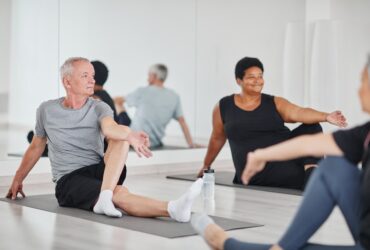
Senior man sitting on mat and doing relaxation exercises during yoga class with other people in studioFor those with blood sugar issues who exercise regularly, keeping cool may seem like a

daunting task. However, having good control over your blood sugar levels can significantly affect how well you perform during workouts and other physical activities.

Today, we’ll be discussing the new research that has found the potential dangers of not being able to maintain a healthy temperature balance due to impaired glucose regulation—as well as what can be done to prevent or mitigate such problems.

Researchers from the University of Ottawa, Canada, set out to identify whether blood sugar control affects the body’s ability to lose heat during exercise in the heat. Their findings showed that although poor sugar did not seem to impair whole-body heat loss, it did affect chronically elevated blood sugar (indexed via hemoglobin A1c) and heart rate, which could implicate the role of thermoregulation.

For the study, a group of 25 physically active men aged 43 – 73 years with type 2 diabetes were given an exercise heat stress test which involved cycling in the calorimeter set to 40°C. They were all required to complete three 30-minute bouts of cycling, with 15-minute rest periods between each bout, at light, moderate, and vigorous exercise intensities.

The findings showed that the effect of blood sugar control did not appear to be related to the physical fitness of the participants. This may suggest that among people with type 2 diabetes, poor blood sugar control could lead to a greater risk of reaching dangerous high core body temperatures. This could also lead to a greater strain on the heart during physical activity in the heat.
Researchers caution that more research is needed to confirm this association.

The study concluded with researchers saying, “Type 2 diabetes is associated with higher rates of heat illness and death during heat stress when compared to the general population. By defining the levels of heat stress where diabetes-related impairments in the body’s ability to lose heat cause dangerous increases in core temperature, we can provide better heat-protection advice to safeguard the health and well-being of these heat-vulnerable individuals. This includes guidance that can assist their health care providers to manage heat stress in their patients who may be engaged in leisure, athletic activities or job-related activities in the heat.”

Supporting Blood Sugar

Healthy Blood Sugar Support can help maintain healthy blood sugar levels using a number of ingredients that have been shown in clinical studies. The health benefits of this unique formula include supporting blood-sugar metabolism and promoting healthy cholesterol and glucose levels already within the normal range. Healthy Blood Sugar Support can also help to reduce excessive hunger or increased appetite, fatigue, and blood glucose spikes after meals.

Just Do It—Procrastination Could Be Harming Your Health

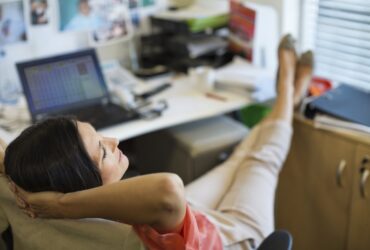
Businesswoman relaxing at deskIf you’re the kind of person who puts off daily activities like cleaning the house, engaging with friends, or going to the doctor, you should know it could have a lasting impact on your health.

Research suggests that chronic procrastinators may be more likely to experience health problems down the line than people who have more initiative.

We’re not talking about the kind of people who have the initiative to get out and change the world or are extreme go-getters, either; just those who actively take on life’s daily challenges and necessities.

Everyone procrastinates to a degree, but not everybody is a “procrastinator.” It’s not uncommon, for example, to not jump up to do your taxes or shovel the driveway. But when procrastination is chronic and becomes a way of life – showing up at home, work, or in relationships regularly – it is a problem.

Some experts suggest as many as 20 percent of adults qualify as procrastinators, and there could be health consequences in the long run.
Chronic procrastination is linked to a higher risk of depression and anxiety, high blood pressure, and heart disease. New research showed that college students who procrastinate were more likely to report some of these symptoms, as well as more body aches and poor sleep than those that addressed challenges as they came.

One question is whether or not procrastination causes the issues or if it is the persistent stress and worry that comes along with it.

Procrastination, thankfully, is a learned behavior and not something people are born with. But changing, however, is not easy. After all, a procrastinator will find a way to put things off.

Changing thinking from a “me” perspective to a “we” perspective might help. A type of talk therapy called cognitive behavioral therapy has also been an effective treatment.

If you think you’re a procrastinator and have the wherewithal to make a change without seeing professional help, here are some things to try:

Whatever you have to do, just start it. Once the ball is rolling, it’s easier to keep going.

Break your tasks down into smaller, manageable chunks.

Look at ways to become more organized.

Find ways to boost motivation for getting things done.
Realize that you are not lazy.

Taking more initiative may help reduce stress and the risk of a host of physical and mental health conditions.

Adequate and Fierce Physical Activity Leads to Good Quality Sleep

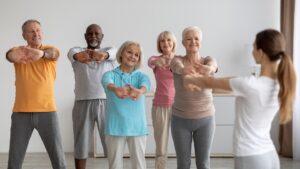
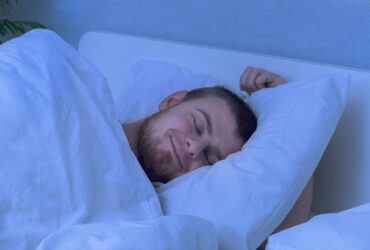
Sporty multiracial group of elderly people having fitness class at nursing home, training with female instructor, standing in a row, stretching hands and smiling, enjoying physical activity, panoramaIf you want to get a good night’s sleep but find yourself tossing and turning all night despite having what you thought was an active day, then listen up; having adequate and fierce physical activity throughout the day is one key factor that leads to good quality sleep.
All too often, we fool ourselves into thinking that our laziness will not catch up with us — but unfortunately, it does in the form of restless nights spent counting sheep instead of sleeping away peacefully. So, read on if you’re ready to jumpstart your day (and ultimately your sleeping routine) by getting more intense exercise — trust me when I say this: a healthy body equals a healthy mind.

When it comes to sleep disorders, insomnia is one of the most common in the United States. It’s estimated that between 50 and 70 million adults have insomnia, making insomnia not only one of the most pervasive but also one of the most severe issues affecting Americans. This lack of sleep can have significant repercussions, both physically and mentally.

It can cause difficulty focusing at work or school, impacting productivity; it can lead to fatigue and depression, and insomnia has even been linked to a higher risk for developing mental diseases, dementia, cardiovascular and metabolic disorders and more. Therefore, tackling insomnia should be a priority for those it affects in the US.

To better understand the risk factors for poor sleep quality, studying the factors that promote good quality sleep is essential. Although previous studies have indicated that lifestyle factors, including a healthy diet and regular physical activity, are beneficial for good sleep, a comprehensive study is lacking.
This is what led a team of researchers from Canada, Japan, and Taiwan to probe the inter-relationship between physical activity and sleep quality. The study included middle-aged people between the ages of 40 – 64 from Japan. Researchers believe this is a crucial time window when various health issues arise.

The isotemporal substitution approach was used for the study, which estimates the effect of replacing one activity type with another for the same amount of time. The participants’ schedules replaced light-intensity or 60 minutes of sedentary behavior with moderate to vigorous physical activity. Each participant wore an accelerometer which monitored their level of physical activity for seven consecutive days. A questionnaire was used to assess the participant’s sleep quality and rest.

It was found that the replacement of sedentary behavior with moderate to intense exercise improved sleep quality. However, researchers noted that his association was only found in women. These findings are in agreement with reports that shed light on gender-based differences in sleep disorders. More studies are needed to understand why these gender-based dissimilarities occur.

Researchers hope their findings will serve as a useful tool for further studies on the prevention of sleep-related disorders.

Promoting Restful Sleep

Sleep Sure Plus is designed to help promote optimal sleep and restfulness through a variety of ingredients.

One of the most important ingredients included in this unique formula is melatonin. Melatonin is a hormone essential for regulating the circadian rhythm (the internal clock of the body). Sleep Sure Plus also contains valerian, one of the best natural ingredients for promoting rest and relaxation. These two essential ingredients are joined by another 6, which all work together to provide a better quality of sleep.

Are You One of the Quarter of Americans with Impaired Vision?

Myopia Concept. Elderly woman squinting while looking at smartphone screen, trying to read message, closeupMore than 1 in 4 U.S. seniors are living with untreated vision problems that could be putting them in danger.
About 28 percent of people older than 71 are suffering from nearsightedness, farsightedness, or impaired contrast sensitivity, even when wearing their glasses or contact lenses, according to recent research published in JAMA Ophthalmology.

Researchers found that about 22 percent of study participants were farsighted, about 10 percent were nearsighted, and 10 percent had impaired contrast sensitivity (the ability to distinguish an object from its background).

Nearsightedness can require prescription glasses to correct distance vision, and contrast sensitivity is associated with diseases like cataracts, glaucoma, or macular degeneration.

Most cases of nearsightedness, however, can be treated with relatively cheap reading glasses, which are available at pharmacies, discount shops, or grocery stores.
They usually cost around $10 – $15.

Unattended vision problems can impact quality of life, well-being, and independence. They can pose a danger by increasing the risk of a trip and fall, taking the wrong (or too much) medication, or having a severe traffic accident.

Contrast sensitivity can make it hard to drive at night or in rainy conditions, identify steps clearly, and distinguish facial features.

If you can’t see well, you’re not going to see a curb to step up or read what’s on a pill container.

The researchers of the study suggest that most Americans take vision for granted and accept vision problems as a normal part of aging. But they’re not. There is almost always a reason for declining vision, and sometimes it is simple and flexible, like reading glasses.

Besides getting regular vision tests, there are some simple lifestyle measures that you can take to preserve sight as you age. Maintaining a healthy weight, quitting smoking, wearing sunglasses, and exercising regularly can all help reduce the risk of age-related eye disease.

Adults with Obstructive Sleep Apnea may have Weaker Bones & Teeth

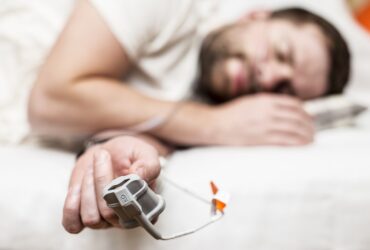
Sleep Apnea Diagnostic medical device Kit attached to the finger and the human nose, which lies in bedIf you’re an adult with obstructive sleep apnea (OSA), your bones and teeth may be a little weaker than they used to be. It turns out adults with OSA may not just need more restful nights—they may also require extra care for their bones and teeth due to the possible erosion of these important parts of our bodies. Keep reading as we dive deeper into this topic and explore what adults who suffer from OSA should know about taking extra care of their bones and teeth.
Obstructive sleep apnea (OSA) is a disorder where abnormal pauses in breathing or shallow breaths occur during sleep due to obstructions of the upper airway. It is a serious health condition that affects millions of people and can have serious health consequences if left untreated, such as inflammation, oxidative stress, and low levels of oxygen in the body. OSA can also cause daytime fatigue, snoring, difficulty concentrating, and high blood pressure. Its main symptom is repeatedly stopping and starting during sleep due to repeated obstruction in the throat muscles.

According to a new study from the University of Buffalo, sleep apnea patients could be at a higher risk for low bone density. These findings are important for people with OSA as low bone mineral density is an indicator of osteoporosis, a condition in which bones become weak and brittle. Low bone mineral density affects fracture risk and oral health, causing dental implants to fail and teeth to become weak.

The study was published in CRANIO: The Journal of Craniomandibular and Sleep Practice and used a type of x-ray called cone beam computed tomography (CBCT) to measure the bone density in the neck and head of 38 adult participants. Half of the participants had obstructive sleep apnea.
After controlling for sex, age, and weight, the participants with obstructive sleep apnea were found to have had significantly lower bone mineral density than participants without OSA.

Researchers concluded the study by saying, “If a patient has been diagnosed with sleep apnea, this can influence treatment planning and management. CBCT imaging has become an integral part of daily orthodontic practice and could be used as a screening tool for low bone mineral density. Orthodontists could then inform their patients of their propensity for low bone mineral density and encourage them to seek further consultation with their physician, as well as warn the patient of possible adverse outcomes, increased risks, and effects on treatment time.”

Bone, Joint, and Sleep Health

Supporting bone health is essential as you age. Bone Rescue can help to support the maintenance and development of bones thanks to its unique formula, including strontium. Chemically similar to calcium, strontium can provide great support for aging bones. Bone Rescue contains 680 mg of strontium along with additional ingredients to help keep bones strong and healthy.

As you age, your joints may also require support to help them stay strong, flexible, and healthy. Healthy Joints contains multiple ingredients to help support and improve joint health. The primary ingredient in Health Joints is AprèsFlex®, an extract from Boswellia, which has been found in studies to provide rapid support for joint health and mobility. This unique formula also contains glucosamine and chondroitin, which contain compounds that are some of the building blocks of healthy joints.

As this study shows, sleep is essential for healthy bones and teeth. Sleep Sure Plus is designed to help promote optimal sleep and restfulness through a variety of ingredients. One of the most important ingredients included in this unique formula is melatonin. Melatonin is a hormone that is essential for the regulation of the circadian rhythm (the internal clock of the body). Sleep Sure Plus also contains valerian, one of the best natural ingredients for promoting rest and relaxation. These two essential ingredients are joined by another 6, which all work together to provide a better quality of sleep.

Has the Fountain of Youth Been Flowing from Your Taps the Entire Time?

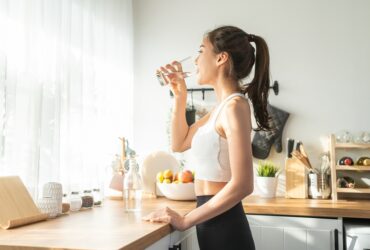
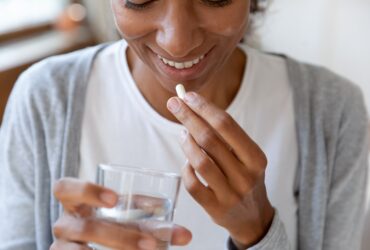
Asian beautiful woman in sportswear drink water after exercise at home. Young thirsty active sport girl takes a sips of clean mineral natural in cup after workout for health care in kitchen in house.You might not believe this, but researchers are suggesting that water may hold the key to longevity. Well, not water, specifically, but hydration.
New research suggests that older adults who are properly hydrated may be healthier and live longer than their counterparts who aren’t, experiencing less incidence of conditions like heart and lung disease.

Is it possible that staying well-hydrated may slow down aging, prevent or delay the development of chronic disease, and promote a disease-free life?

Researchers tracked data over three decades on more than 11,200 adults who took part in the Atherosclerosis Risk in Communities study. Participants were seen over five visits – two in their 50s and the last between the ages of 70 and 90.

Their hydration was assessed by looking at salt levels in the blood. They also took info on systolic blood pressure, cholesterol, and blood sugar. People with high salt levels had 50 percent higher odds of being biologically older than their chronological age and 21 percent higher odds of dying early than those with low salt levels.
High salt levels were also linked with a 64 percent higher risk of developing heart failure, stroke, atrial fibrillation and artery disease, lung disease, diabetes, and dementia.

The best way to stay well-hydrated is to be aware of how much fluid you’re drinking during the day. On days without high-intensity exercise or being out in the hot sun, 2-3 liters is good for most people.

Worldwide estimates suggest that about half of the global population drinks fewer fluids than recommended, which could put long-term health at risk.

The body works hard to maintain a healthy fluid balance, including regulating sodium (salt) levels. Triggering thirst is one way the body tells you to drink. The others can be fatigue, brain fog, and even hunger.

Water isn’t the only thing that can hydrate you. Fruits, vegetables, and herbal teas can help you stay adequately hydrated.

One of the best ways to monitor hydration is with urine. If the color is light yellow to clear, you’re well hydrated. If it is darker, drink some water. You should also be going about six-eight times per day.

Hydration isn’t a magic bullet for anti-aging, but it can play a role in health longevity along with a healthy diet, exercise, and other lifestyle factors.

Wandering During Winter Can Be Dangerous for People with Alzheimer’s

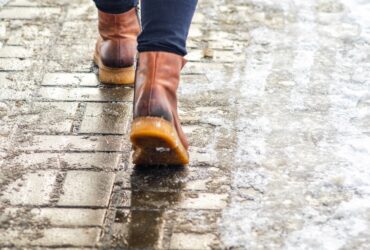
Walk on wet melted ice pavement. Back view on the feet of a man walking along the icy pavement. Pair of shoe on icy road in winter. Abstract empty blank winter weather backgroundWinter months are a time for cozy nights, hot chocolate, and bundling up to brave the cold, but for people with Alzheimer’s disease, it can also be a dangerous time of year. Wandering is an all too common occurrence in those suffering from the life-altering condition. Because of that, extra precautions must be taken during winter months when venturing outside may become more challenging due to icy footing and colder temperatures that limit how long one can safely stay out and about.
In this blog post, we’ll discuss why wandering can be particularly hazardous during winter weeks and what steps families should take to ensure their loved ones remain safe while they enjoy the seasonal festivities.

Being proactive is the key to keeping family members with Alzheimer’s safe during winter months. The first step is addressing why your loved one with dementia wanders outside. Some common reasons for older people with dementia to wander are that it gives them a sense of purposefulness, excitement, or pleasure. However, they may also wander because of a trigger of too many stimuli and the desire to get away from people and noise. It could also be due to unmet needs such as thirst, hunger, or the need to use the restroom.

It can be hard to keep an eye on an elderly loved one every minute of the day, but steps can be taken to help ensure their safety if they wander outside. First, create a walking path around the home with visual cues and stimulating objects. Try to offer stimulating and enjoyable activities and tasks such as exercise, crafts, and music.

You will also want to be mindful of having certain objects in view, such as jackets, purses, and car keys, which may trigger the person to leave suddenly. Installing electric chimes on doors or having a smart doorbell with an app that will notify you if someone leaves home could help to alert you.

Keeping a record of wandering patterns duration, time of day, and frequency can help to guide you in the future. Try to encourage healthy sleep habits to help reduce the chances of your loved one leaving during the middle of the night.
Having a safety plan in place is also an excellent idea in the event they do go missing. This should include a list of places a person might go, a recent close-up photo of your loved one, and accessible medical information for first responders.

Many communities offer safety programs that provide locating technology that first responders can activate if your loved one goes missing.

“Being proactive by understanding and addressing the reasons someone may wander, while also having a plan in place in case of an emergency, are the best ways to protect the person’s safety and quality of life,” said Jennifer Reeder from The Alzheimer’s Foundation of America (AFA).

Protecting Cognitive Function

While some degree of cognitive decline is nearly inevitable as you age, many factors can take a toll on the ability of the brain to function at peak potential. This can affect memory, concentration, and overall brain function.

The Smart Pill can help to enhance cognitive function and memory through 9 ingredients that help to support, nourish, and maximize brain health. These include ginkgo biloba, huperzine A, bacopa extract, rosemary extract, and a B vitamin complex. The formulation of these ingredients is an excellent way to help fight free radicals, boost circulation, and provide nutritional support to assist with cognitive function.

Part of keeping the brain healthy is ensuring you are getting the proper vitamins and nutrients. To help ensure your diet is complete, 65+ Superfood Essentials is an excellent addition to a daily supplement regime. This breakthrough formula is a great way to support and promote overall health. It contains Capros®, a patented and clinically studied Indian gooseberry extract that has been found to absorb free radicals and provide cascading antioxidants. Acai berry (the powerful natural antioxidant known to support total health) and resveratrol, a premier anti-aging ingredient, are also found in this formulation that can help ensure proper nutrients and vitamins that are essential as you age for both physical and mental health.

What to Think about Before Taking Prebiotics and Probiotics

Close up happy young african american young woman taking daily dose of complex healthcare skin, hair and nails omega vitamins drinking glass of fresh pure water, immunity improvement concept.Prebiotics and probiotics have been a hot health topic for a few years now, and it’s only getting hotter as researchers learn more about their potential capabilities.


There are plenty of commercials on TV and ads online for supplements and foods that promise to deliver you the bacteria you need to live a healthy and happy life.

But like anything else, the hype around probiotics and prebiotics often sounds too good to be true. So here is what you need to know.

Your large intestine contains 100 trillion “good” bacteria that play a central role in your health. Collectively, they are known as your microbiome, and they help maintain regular bowel function and may even help with conditions like inflammatory bowel disease.

There is also evidence they may play a role in mood, weight, immunity, and more.

Everybody is born with a unique microbiome, which can be altered throughout life based on the foods you choose.
Here are some of the best ways to add healthy bacteria to your gut.

Eating yogurt and kefir can help promote the growth of healthful bacteria in your microbiome. Just make sure you see the phrase “live active cultures” on the label.

Fermented foods are also a great way to boost healthful microbial diversity. Beneficial microbes create some familiar foods. For example, they turn cabbage into sauerkraut, cucumbers into sour pickles, soybeans into miso, and sweetened tea into kombucha.

The thing is, not all of these foods will feature live microbes. The microbes are dead if the foods have been pasteurized, as most packaged fermented foods are. To avoid this, buy from delis that do the pickling themselves or from health food stores. You can also pickle foods yourself.

There are also a ton of supplements on the market. These usually feature a few bacteria strains, compared with the 3,000 or so that could be in your gut. Specific bacteria play specific roles in the body, so if you’re looking to treat a specific condition, pay attention to what you might need.

The American Gastroenterological Association released guidelines for the use of probiotics in 2020.

Look for supplements with both Lactobacillus and Bifidobacterium for general health.

And, of course, foods can play a role in shaping the microbiome. Foods with insoluble fiber can be helpful and include oats, whole grain products, asparagus, leeks, onion, garlic, sweet potatoes, lentils, beans, and peas.

Limiting sugar, saturated fat, and processed foods is a good idea, too because they can deplete healthy gut bacteria.

Laughing Everyday Makes Us Healthy & Feel Good: Study

Retired Couple Sitting Outdoors At Home Having Morning Coffee TogetherLaughing every day truly is the best medicine, and we now have scientific research to prove it. According to recent studies, laughing every day significantly benefits our physical and mental health, helping us feel better all around.
So, if you’re looking for a way to boost your overall well-being or just make yourself smile, put on an old comedy special or get together with friends and laugh until it hurts. From improving immunity levels to increasing heart health, let’s look at how laughing every day makes us healthier.

Research has yet to find out precisely why we laugh, though it is thought to be an important bonding and social function in early groups. However, science has now confirmed what laughing can do for us. Psychologically, laughing can improve mood almost immediately and lower stress and anxiety. Physically, it can lower cortisol levels, the stress hormone, and raise the “feel good” neurotransmitters dopamine and serotonin, which can help with depression.

Laughing has also been shown to raise endorphins, which have pain-relieving effects. One study from 2011 looked at the potential impact of endorphins in easing pain by showing participants funny videos while they wore a freezing sleeve over an arm to see how long they could last. Those who laughed lasted longer.
In a separate study from 2020, a group of Brazilian and Canadian researchers analyzed 21 studies on the impact of hospital clowns on children suffering from various symptoms, including pain, anxiety, stress, cancer-related fatigue, and crying. It was found that children exposed to clowns were significantly less anxious during medical procedures, regardless of whether a parent was present. They also experienced improved overall psychological well-being.

These are just a couple of references to research about laughter, but in fact, there are numerous studies showing the benefits of laughing, including lower blood pressure, improved heart health, boosted immunity, help with sleep issues and more.

In today’s society, laughing can all too easily be forgotten. But now science is showing us just how important it can be to live a long and healthy life. So, don’t forget to get a good chuckle each day, even if it’s just laughing at yourself.

Improving General Health

As more and more studies become available, we know that laughing is a great way to improve general overall health. However, laughing should be included as part of a healthy routine, including getting regular daily exercise, eating a healthy diet, and getting the proper vitamins and nutrients to help support mental and physical health.

For help with mental cognitive support, Anxiety Rescue and The Smart Pill are two excellent options.

Reducing anxiety can be tough, but with the help of Anxiety Rescue, you can help to support healthy mood balance and cognitive function. Through a variety of ingredients, this unique formula can help to target multiple aspects of stress, mood support and anxiety. Anxiety Rescue begins to work quickly and improves benefits and support as the weeks go on.

Stress and other environmental factors can take a toll on the brain, affecting concentration, memory, and overall cognitive function. The Smart Pill can help counteract these effects through nine ingredients that help support, nourish, and maximize brain health and cognitive function. These include ginkgo biloba, huperzine A, bacopa extract, rosemary extract, and a B vitamin complex. This unique formula helps boost circulation, fight free radicals, and help to promote clear thinking.

Call Your Doctor If You’re Experiencing These Bladder Problems

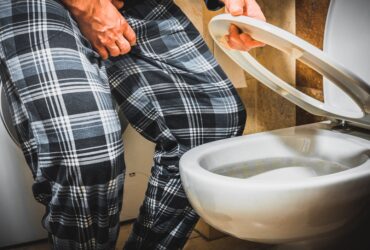
A man in pajamas standing over the toilet and holding his stomach. The concept of prostate and urination problemsIf you leak a little urine when you cough or sneeze, or have some severe urges to get to the bathroom, or even if you pack pads in your purse when you go out, you may think these things are normal.
Maybe you don’t, but you’re too embarrassed to talk about it.

In any event, you are not alone. These scenarios are very common. Many women, however, think these things are normal. But these issues will not always remain the same and will likely worsen as you get older.

In fact, they can become severely distressing. That’s why it is important to understand what’s happening and address your concerns with a doctor.
There are a number of issues that can cause bladder issues to worsen, and sometimes carbonated or caffeinated drinks are the biggest cause.

A number of bladder problems involve unration, but not all do. Those that don’t can be harder to identify and may signify something more severe. If you’re experiencing one of the following, go and see your doctor.

Bladder pain: Pain just behind the pubic bone, or in the urethra, could be the result of a urinary tract infection (UTI). But it could also be something called bladder pain syndrome (also called interstitial cystitis), which needs to be checked out.

Blood in urine: A number of dangerous conditions may cause blood to appear in the urine. Diagnosis and treatment from a doctor are necessary.

Cloudy or strong-smelling urine: This could indicate issues with the kidney. However, it could also be related to diet.

Urgency: If every trip to the bathroom feels like a race, get evaluated. It’s possible the urgency is being caused by contractions from a neurologic condition loke a stroke, spinal trauma, multiple sclerosis, Parkinson’s disease, or diabetes.

Frequency: If you’re going more than ten times per day, you want to see a doctor to determine why.

Any noticeable change in bladder behavior warrants a trip to the doctor, including leakage. Catching an issue early enough can help with treatment or prevent further and more severe trouble.

No Matter Your Abilities, You Can Likely Improve Mobility

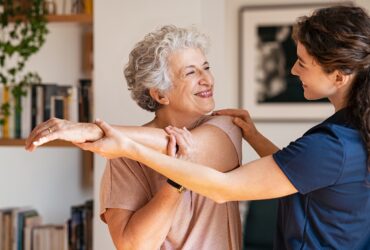
Happy senior woman doing exercise at home with physiotherapist. Young gym trainer helping elderly smiling woman exercising at home. Old retired lady doing stretching arms at home with the help of a personal trainer during a rehabilitation session.Being physically active is the most important thing you can do to remain mobile and independent, regardless of your age or health status.


This cannot be emphasized enough – if you want to move better, you’ve got to move more.

Movement can help keep you mobile in several ways. It can help control weight, keep your muscles and bones strong, your joints working properly, your heart healthy, and your metabolism fired up.

Strength and balance get better with more movement, too, so falls become less likely, and your ability to perform basic daily functions can remain intact.

In addition to doing targeted exercises for muscle strength and flexibility, joint health, and balance, you should strive to increase routine daily physical activities that aren’t formal exercise. Climbing stairs and household chores are great examples.

Of course, if you’re in pain, the idea of doing exercise or moving around may seem impossible. But in most cases, moving will actually help reduce pain. For example, if you have osteoarthritis, regular exercise can help maintain joint function and relieve stiffness while reducing pain and fatigue.
Stronger muscles resulting from movement can also help reduce stress on joints.

How much exercise should you get? For healthy adults, 150-300 minutes of moderate exercise per week, with some happening every day, is recommended. Two sessions of strength training and balance exercise per week are recommended for adults at risk of falling.

If you’re disabled, it doesn’t mean you should completely avoid activity. If you can’t complete 150 minutes of moderate-intensity activity because of chronic conditions, just try and be as physically active as possible. Basically, try to sit less and move more.

Try to find activities that you enjoy. That way, you’ll be more motivated to get up and do them. Also, be aware of your capabilities: if your joints hurt, then don’t try and pace them. Instead, let them pace you. For example, don’t jog if you have sore knees. Cycling, swimming, or water aerobics, which are all low-impact, are much better.

If you’ve had hip or knee surgery, are experiencing joint pain, or have a chronic or unstable health condition, talk to your doctor before beginning an exercise routine.

Still Looking for a New Year’s Resolution? Try Cutting Back On Booze

Close up of a glass of wine and a beer in a barIf you’re still searching for a healthy New Year’s resolution, here is one for you: try cutting back on booze. Just because you’re late to the Dry January party doesn’t mean you can’t still enjoy it.

Millions of people ditch alcohol every January after overindulging during the holidays. Some may just want a lifestyle change and are looking to feel better not just immediately, but down the road too.

Alcohol intake has been on the rise in recent years, and it took an even more prominent role in many people’s lives during the early stages of the COVID-19 pandemic.

Heavy and long-term drinking can lead to several health issues, including liver and heart damage, memory issues, a weaker immune system, and mood disorders.
But cutting alcohol, even for a month, can make a noticeable health difference. A study in BMJ Open found that regular drinkers who abstained for 30 days slept better, had more energy, and lost weight.

If you think you’ve been drinking a little too much and want to cut back, joining Dry January may help. And, of course, you can keep it rolling into February and beyond.

Here are a few tips for success:

Find a substitute: Sparkling water, sugar-free soda, or even non-alcoholic beer, wine, and spirits can serve as suitable substitutes for booze. Just remember to pay attention to the sugar content – some alcohol-free wines and spirits might be loaded with them.

Avoid temptation: Don’t keep alcohol at home, and when you go to a friend’s place, be sure to bring your non-alcoholic options.

Gather support: Tell friends and family what you’re doing and ask them to help keep you accountable. Better yet, see if someone will join you in participating in abstinence.

Try the Dry App: The Dry app can help you track drinking and set goals. It can also show you how much money and calories you save by avoiding alcohol.

Don’t give up: If you slip up, don’t feel guilty. Just start again the next day.

Use the time to reflect on your drinking habits and how you feel when the alcohol cravings subside. They should disappear relatively quickly.

It is possible that you will develop some symptoms. The symptoms are generally dependent on how much you typically drink. Anxiety, shaky hands, headaches, nausea, vomiting, sweating, and even trouble sleeping are all potential symptoms of withdrawal. Contact your doctor if you’re experiencing any of them.

Walking Outdoors Have More Mental Health Benefits than Walking Indoors

Headed to workWalking outside may be the answer if you feel stuck in a rut with your mental health. While it may seem too good to be true, research has shown that walking outdoors can have more mental health benefits than walking indoors. From improved concentration skills to increased confidence levels and even lower stress hormones, the results are clear: Mother Nature is key when it comes to looking after our well-being. Let’s take a closer look at how that works.

Throughout history, research has shown that regular exercise can provide both mental and physical health benefits for most people. But there has been little evidence showing if exercising in some environments compared to others is more or less beneficial. To help address this gap, researchers designed a study to include 30 college student volunteers.

The new study from researchers at the University of Victoria was published in the journal Scientific Reports. For the study, a group of participants was asked to walk indoors or outdoors, and each was tested before and after their walk. Each participant took two 15-minute walks either inside or outside. They all had electroencephalography exams before and after each walk. Brain activity linked to memory and attention was also measured using standard visual oddball tasks on an iPad. To find if walking impacted mental performance, researchers used grades on the oddball task and changes in neural response measured during the electroencephalography exams.

It was found that those who walked outside had changes in amplitudes, which measures the neural response. These changes were represented by increases previously shown to indicate heightened attention and better memory skills.
The study concluded that people could gain more mental health benefits or cognitive function if they walk outside rather than taking a walk indoors. Researchers do warn this study was limited, so larger experiments may be needed to confirm findings.

Walking inside or outside has been previously found to be beneficial for overall general health.
It is an effective and inexpensive way to get a good workout, as walking requires nothing more than comfortable walking shoes and your own two feet. Health benefits of walking include improved heart health and lung function, increased energy levels, better mood and concentration, reduced risk of chronic health issues such as diabetes and cancer, as well as improved posture and balance. Walking is convenient, accessible, and low-impact – making it the perfect exercise for people of all ages. So give walking a go – you won’t regret it!

Getting Essential Vitamins and Nutrients

Along with exercise such as walking, the body needs certain vitamins and nutrients to stay healthy. Mental and physical health can depend on getting the right combination of these vitamins and nutrients.

For example, stress and other mental health issues can take a toll on the ability of the brain to function at peak potential. This can affect memory, concentration, and overall brain function. The Smart Pill can help to enhance cognitive function and memory through 9 ingredients that help to support, nourish, and maximize brain health. These include ginkgo biloba, huperzine A, bacopa extract, rosemary extract, and a B vitamin complex. This unique formula helps to boost circulation, fight free radicals, and provide nutritional support to assist with brain function.

To help ensure your diet is complete, 65+ Superfood Essentials is an excellent addition to a daily supplement regime. This breakthrough formula is a great way to support and promote cardiovascular and overall health. It contains Capros®, a patented and clinically studied Indian gooseberry extract that has been found to absorb free radicals and provide cascading antioxidants. Acai berry (the powerful natural antioxidant known to support total health) and resveratrol, a premier anti-aging ingredient, are also found in this formulation that can help ensure proper nutrients and vitamins essential as you age.

Five-Star Guarantee of Satisfaction