
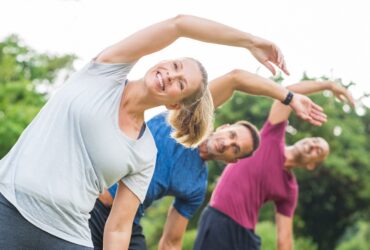
 For those looking to reduce their liver fat, aerobic exercise is one of the best things you can do for your body. Recent research has found that as little as 150 minutes of moderate-to-vigorous aerobic activity per week can diminish liver fat and make a real difference in people’s overall well-being. This means it’s possible to benefit from improved physical health with just 20 minutes of exercise a day.
Previous research has shown that physical activity can be a benefit for those with liver diseases, but the amount of exercise needed for improvement has never been determined. So, Penn State College of Medicine researchers set out to find the answer.
Nonalcoholic fatty liver disease (NAFLD) is a major health concern for many people, affecting about 30% of the world’s population. It is especially alarming because NAFLD can progress if left unchecked and lead to liver cirrhosis, which scars the liver, and in some cases, even causes cancer. Although there is no single definitive cause of NAFLD, poor nutrition and obesity are among the most commonly observed risk factors. However, research shows time and time again that making certain lifestyle changes, such as eating better and exercising more, can help improve liver fat, body composition, physical fitness, and quality of life for patients.
For the study, researchers reviewed 14 studies with a total of 551 subjects who had NAFLD, which involved aerobic exercise interventions. All data pooled from the studies were evaluated, including sex, age, body mass index, change in body weight, adherence to exercise, and MRI-measured liver fat.
Exercise training was found to be 3 ½ more likely to achieve approximately a 30% reduction in MRI-measured liver fat independent of weight loss compared to standard clinical care. A secondary analysis also discovered that the optimal amount of exercise was equal to approximately 150 minutes per week of brisk walking. This allowed participants to achieve significant treatment responses compared to those who participated in a lesser dose of exercise.
“Our findings can give physicians the confidence to prescribe exercise as a treatment for nonalcoholic fatty liver disease,” said Jonathan Stine, author of the study. “Having a target amount of physical activity to aim for will be useful for health care and exercise professionals to develop personalized approaches as they help patients modify their lifestyles and become more physically active.”
Maximizing the Performance of the Liver
As one of the most important organs in the human body, the liver works 24 hours a day to produce and process many of the chemicals the body requires. It processes over 500 functions, including hormone production, bile secretion, and converting sugars into glycogen.
Liver Rescue is a formula designed to support and maximize the performance of a healthy liver through its 7 ingredients. These powerful ingredients can help fight free radicals, improve bile production, remove toxins, and give your liver the support it deserves.

 You don’t have to look much further than the Standard American Diet – or the Western diet – to learn the cause of the obesity epidemic and other diseases.
 If you’re experiencing chest pain, your first move should be to get to the emergency room. If a heart attack has been ruled out, what could be the cause?
 Have you ever felt the satisfaction of growing your own food? Many have not, but ask anyone who has a vegetable garden, and they will tell you it feels great. You get into the dirt, plant seeds, and watch the fruits of your labor grow.
 Older adults’ physical and mental health can be closely linked to how well their bodies regulate blood sugar. This is why it’s essential to maintain healthy glucose levels in the blood, especially as people age and face increased diabetes or other medical problems that could worsen without proper diet and lifestyle habits.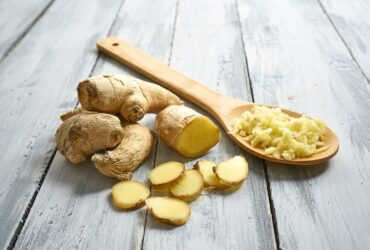
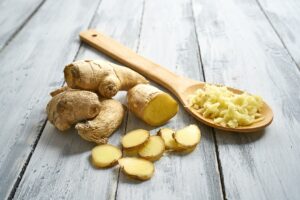 If you’re eating a meal or having a snack featuring ginger, you can taste it. It’s got an unmistakable sweet, sharp, and almost spicy warmth.
 If you rely on a cup of coffee in the morning, you may not know it, but you could be helping to maintain your blood pressure. Coffee has long been celebrated as one of the world’s favorite drinks, with coffee drinkers everywhere enjoying its unique and often irresistible taste. But coffee isn’t just a morning pick-me-up; recent studies have also shown that it can be a mighty drink for promoting health and well-being.
 One of the biggest barriers to building strength and muscle is the belief that you need to go to a gym to do it.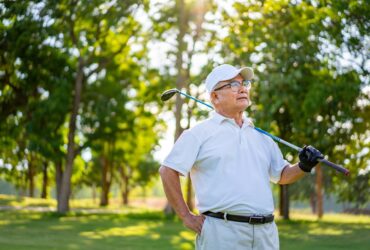
 In recent years, Nordic walking has become increasingly popular among older adults as an easy way to stay active—but research suggests playing golf may provide even greater benefits.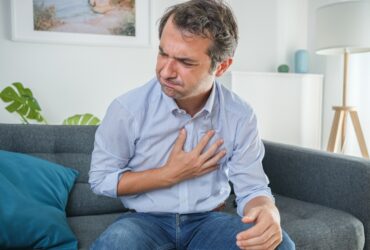
 If your voice is a little hoarse or you have a sore throat, it could be your body’s response to a cold or the flu. But if you’ve had these symptoms for a while, it might not be a virus.
 Ladies, it is increasingly important to focus on good sleep as you get older. New research shows it could greatly impact mood and mental health.
 As we age, many of us become more health-conscious and may assume that the risk of experiencing sports-related cardiac arrest increases. While it’s true that this is an unfortunate danger for all athletes, with regular or irregular exercise regimens, it’s actually far less common than you might think among older adults.
 Has your New Year’s diet already crashed? If it has, that’s a good thing. Short-term fad diets are impossible to stick to and often lead to more long-term weight gain.
 The holidays have ended, leaving the season of celebration behind for months. But why stop celebrating? Keeping the party going may have some significant benefits.