
Do’s and Don’ts of Keeping Blood Sugar Under Control

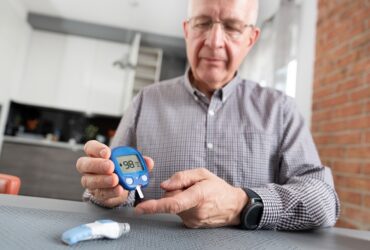
Senior man with glucometer checking blood sugar level at home. Diabetes, health care conceptWhether trying to manage diabetes or prevent it altogether, you will have to learn how to control blood sugar.

One of the main ways to do this is with diet. In fact, diet is likely the number one factor for preventing or controlling type-2 diabetes.

People looking to manage blood sugar must pay particular attention to carbohydrate intake. And it is not so much about avoiding carbohydrates altogether but rather carefully selecting the right ones to include in your diet.

Fruits, vegetables, and whole grains are the right carbohydrates to keep blood sugar under control. Not only are they rich in nutrition, but they are also high-fiber foods. Fiber is digested more slowly, so these foods will not spike blood sugar.

The carbohydrates you don’t want to eat are those that cause blood sugar to skyrocket. These are things like candy, sugary drinks, sweets, as well as refined grains like white bread, pasta, and rice.

Another thing you should do is read labels. Sometimes there are high levels of sugar lurking in foods where you might not expect it, even foods you may consider healthy. Things like yogurt, granola bars, breakfast cereals, salad dressings, and orange juice are all relatively high-sugar items.

Don’t sit down after eating a meal. After eating, going for a 15-minute stroll at a leisurely pace can help your body better absorb and metabolize sugar. A post-dinner walk may be very beneficial to keep blood sugar levels low.

Including activity in your daily routine can also keep blood sugar in check. Your muscles draw on stored energy from sugar, called glycogen. Using it up allows room for it to be replenished by blood sugar.

Don’t ignore blood sugar. Stay up to date with doctor’s visits and tests, so you know where you stand and what steps need to be taken.


Consuming More Fermented Foods and Fiber May Lower Stress: Study

Fermented preserved vegetarian food concept. Sour sauerkraut, pickled carrots, pickled cucumbers, pickled celery in glass jars on a white wooden kitchen table. The concept of canned food. Copy spaceNew research suggests that certain food may be able to lower stress.


Most people would agree that being under stress is not a good feeling. It can be exhausting, mentally and physically debilitating, and lead to all sorts of problems. While it’s impossible to avoid all stress in our lives, there are things we can do to lower our stress levels.

One suggestion is to increase your intake of fermented foods and fiber. Believe it or not, both have been shown to reduce cortisol levels, the hormone responsible for many of the negative effects of stress.

When most people think of stress management, they turn to exercise, meditation, and mindfulness. But according to a new study from members of APC Microbiome Ireland, eating more fermented foods and fiber daily for just four weeks could significantly lower perceived stress.

While a growing body of research shows that diet can affect mental health, the mechanisms are still not fully understood. However, one explanation that has been suggested for this link is that it could be the relationship between the brain and the microbiome.

This link is commonly known as the gut-brain axis. It allows the brain and the gut to be in constant communication, helping with essential bodily functions such as digestion and appetite. It also suggests that the emotional and cognitive centers in the brain are closely connected to the gut.

Researchers wanted to test how the gut microbiome could affect stress for this new study. To do this, 45 healthy people who follow a relatively low-fiber diet, aged 18 – 59, were examined. They were split into groups and randomly assigned a diet to follow for the four-week duration of the study.

Half were assigned a diet that would increase the amount of prebiotic and fermented foods they ate. This diet was known as the psychobiotic diet and included foods that have previously been linked to better mental health. The diet included fruits and vegetables high in prebiotic fibers, such as onion, leeks, apples, cabbage, bananas, and oats. They were also told to include 2 – 3 servings of fermented foods daily such as sauerkraut, kefir, and kombucha.

It was found that those who followed the psychobiotic diet reported feeling less stress than those who followed the control diet. It was noted that there was a direct correlation between how strictly participants followed the diet and their perceived stress levels.

The psychobiotic diet only caused subtle changes in the function and composition of microbes in the gut, but there were significant changes in the level of certain key chemicals produced by these gut microbes. Some of these chemicals have previously been linked to mental health, which could explain the reduction of stress felt by participants on the diet.

These results suggest that specific diets can be used to reduce stress levels. They may also be able to help protect mental health in the long run since it targets the microbes in the gut. More research is needed about food facts to help us understand the connection between what we eat and how it affects our overall health.

Handling Stress

Stress can take a toll on the brain, affecting concentration, memory, and overall brain function. The Smart Pill can help counteract these effects through nine ingredients that help support, nourish, and maximize brain health and cognitive function. These include ginkgo biloba, huperzine A, bacopa extract, rosemary extract, and a B vitamin complex. This unique formula helps boost circulation, fight free radicals, and help to promote clear thinking.

Try This Life Hack for Better Health as You Age

Close up of round glasses lying on bedside table in bedroom, senior woman sleep in bed in background, mature grandmother take off spectacles taking nap, elderly eyesight problem correction conceptSleep is back at it again. New research is showing that if you aren’t getting enough of it, you face a higher risk of developing multiple illnesses and early death.
Put simply, getting better sleep could help you prevent illness, stay healthy, and live longer and better.

A research team comprised of members from France, Finland, and the U.K. tracked self-reported sleep routines and health statuses of nearly 8,000 British people from ages 50 to 70.

They looked at how much sleep people were getting back in 1985 when they were 50 and free of disease. They then looked at how much they were sleeping as they entered the next two decades of their lives.

At 50, roughly 40 percent of the participants reported regularly getting less than seven hours of sleep per night, while nearly a third got five hours or less.

Seven to eight hours is typically considered a healthy night’s sleep.

Next, they looked at who was routinely sleeping fewer than five hours in their 60s and 70s. At each milestone, those who slept five hours maximum had a 30- to 40- percent higher risk of developing multiple illnesses compared to those who got seven hours.

The list of possible illnesses was: diabetes, coronary heart disease, stroke, heart failure, chronic obstructive pulmonary disease (COPD), kidney disease, liver disease, dementia, depression, Parkinson’s disease, and arthritis.

Further, those who slept less than five hours per night at age 50 had a 30 percent higher risk, compared with good sleepers, for simultaneously developing two of these illnesses. At 60, the risk climbed to 32 percent, and it hit 40 percent by age 70.

It is possible, of course, that having one of the above conditions can make it harder to sleep, and poor sleep may be a byproduct of the illness.

But a mountain of research suggests that sleep is a critical component of health, disease risk, and immune strength.

You can get better sleep by being tested and treated for conditions like sleep apnea, snoring, or insomnia. Practicing good sleep hygiene can also help. Sticking to a sleep schedule/routine, avoiding screens a half hour before bed, relaxing before sleep, and creating a comfortable sleeping environment may all be effective for better sleep.

Getting a Healthy Blood Flow Is Very Essential for the Body: Study

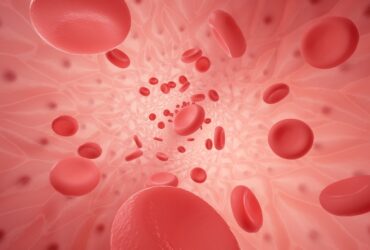
Inside space of empty healthy human anatomical vessel with red blood cells - erythrocytes and endothelium cells, 3d renderingIt is no secret that healthy blood flow is essential for the body. After all, our blood is responsible for ferrying oxygen and nutrients to every corner of our anatomy. But many people don’t realize that there are simple steps we can take to improve our blood flow and enjoy better health. This post will explore some of the best ways to get your blood flowing and keep it healthy for years to come. Stay tuned!


Professor Shu Chien has led various research teams that discovered some of the reasons why getting your blood flowing is good for you. His team has noted beneficial effects of exercise on the vascular system that can benefit the heart, and the musculoskeletal system. In other words, the next time you are on a bike ride, brisk walk, swim, or any other exercise that gets the heart rate up, you can be assured that your blood is flowing through your entire body- and that is a good thing!

Increasing blood flow throughout the body can encourage the flushing out of small areas of stagnating blood flow in the network of blood vessels. This can help to keep cells that line the vessels healthy. These cells are called endothelial cells, and their healthy functioning is crucial for avoiding stroke, heart attacks, and other cardiovascular system complications.

Blood can slow down or start to stagnate in places where blood vessels branch or at turns and curves in the blood circulation system. Chien and his research team have compared the network of blood vessels to a complex river system where mud and other materials in the water tend to accumulate in curves or branching points.

Over the years, Chien and his team have shown how getting the blood flowing through the body can change the health and behavior of the endothelial cells. These changes can trigger chemical and physical changes in the cells that contribute to a build-up of chemicals and fats that could eventually block the flow of blood, possibly leading to a heart attack or stroke.

All this research from Chien and his team adds up to say that when you exercise, the action of increased blood flow moving through the blood vessels helps keep the body healthy. So, get up and move every day to get the blood pumping!

Keeping Veins and Circulation Healthy

Vein health and circulation are vital to keep the cardiovascular system working at top performance. Healthy Veins uses a powerful combination of ingredients for the support you need. The unique combination of hesperidin and diosmin, flavonoids that can provide essential support for healthy veins, been used widely used Healthy Veins also includes vitamin C, butcher’s broom, and grapeseed extract to provide even more support for vein and general health.

As you age, your arteries may need a helping hand to stay strong and healthy. Clinical Strength Artery Support is designed to give your arteries the circulation support it needs. Through a powerful combination of traditional and modern ingredients, including L-citrulline, green coffee extract, and green tea extract, Clinical Artery Support helps to improve circulation and cardiovascular health.

4 Age-Related Eye Problems You Need to Be Thinking About

Old man with eye fatigueThere is a lot to think about as you grow older, and one of them is starting right back at you when you look in the mirror.


It’s true that your heart and mind get most of the attention with age, but it is important not to forget about your windows to the world: your eyes. Growing older can contribute to several changes that you’ll want to stay on top of.

Here are four common conditions to watch out for:

Cataracts: Cataracts are clouds that develop on the eye’s lens over many years. It’s possible they go unnoticed until it blocks your central line of sight and impairs vision.

Glaucoma: There are a couple of types of glaucoma that you should be paying attention to. One is called closed-angle glaucoma. Over time, the anterior chamber in each eye can become shallower. Those with small eyes and farsighted eyes may be at the biggest risk.

The narrowing can lead to a blockage that prevents fluid drainage, which can lead to a sudden increase in pressure that damages the optic nerve. Left untreated, it can cause blindness.

There is also open-angle glaucoma, which happens when pressure builds up gradually from different issues. Over time, it can damage the optic nerve, and if left untreated, it can result in blindness.

Age-Related Macular Degeneration: As the retina ages, it may become less sensitive to light because of cell loss, a reduced blood supply, or degeneration. The macula, in particular, can be prone to deterioration. If left untreated, it can take a person’s central vision, making it difficult to read, write, or drive a car. It is also the leading cause of blindness in people over 65.

Diabetic Retinopathy: Unmanaged diabetes can impact the eyes when the blood vessels that feed the retinas become damaged. Swelling or new blood vessels form that can lead to retinal bleeding or detachment. If left untreated, it can lead to blindness.

It can be difficult to manage these conditions, but there are some things you can do. One is to ensure you keep up with eye appointments to spot anything and have it treated as soon as possible. There is also data that suggests diet and exercise may help eye health.

Eating plenty of fruits and vegetables can help provide nutrients that contribute to eye health and help manage other conditions that pressure the eyes.

Activity can help maximize blood flow to help contribute to eye health, as well.

Childhood Temperament Can Identify Future Risks of Anxiety and Depression: Study

Angry offended little girl ignoring not listening mother words, advice, mum hugging, talking with stubborn, upset daughter at living room, bad upbringing, difficult behavior of childAccording to recent research, childhood temperament and a neural process may predict the risk of developing anxiety and depression later in life. This new information from The University of Texas at Dallas could help shape how mental health is handled in adolescence and early adulthood.


The study analyzed information from 165 individuals from 4 months old through the age of 26. The subjects were followed for decades because full symptoms don’t usually emerge until young adulthood.

The participants were categorized as either inhibited or uninhibited as young children. As adolescents, they had functional MRIs while completing tasks to measure the brain’s reaction in anticipation of a reward or trying to win money.

“We looked at the ventral striatum, a brain region well studied in terms of understanding depression in adults, to see if it’s tied to maladaptive processing in the reward centers of the brain,” said lead scientist Dr. Alva Tang.

It was found that the association between inhibition at 14 to 24 months of age and depression symptoms in those from ages 15 to 26 was present only in those participants who showed blunted activity in the ventral striatum as adolescents. There was no association found with anxiety.

“We found that behavioral inhibition was related to worsening depressive symptoms into adulthood. This supports the assertion that this temperament shows a stronger relation to developing anxiety in adolescence, but in adulthood, it is tied more strongly to depression.” Tang said.

Tang’s previous work has related anxiety to neural networks and processes that affect attention and executive functions. However, this new research highlights the rewards and motivational centers in the brain and relates them to depression.

Supporting Mental Health

Many studies have tied mental health issues to various conditions. However, there have also been an overwhelming amount of studies that show how lifestyle changes can help with symptoms of anxiety and depression. For example, diet and exercise can play an important role in reducing symptoms. Getting the proper vitamins and nutrients is also vital for mental health.

There are numerous factors that can take a toll on the ability of the brain to function at peak potential. This can affect memory, concentration, and overall brain function.

The Smart Pill can help to enhance cognitive function and memory through 9 ingredients that help to support, nourish, and maximize brain health. These include ginkgo biloba, huperzine A, bacopa extract, rosemary extract, and a B vitamin complex. This unique formula helps to boost circulation, fight free radicals, and provide nutritional support.

Reducing anxiety can be tough, but with the help of Anxiety Rescue, you can help to support healthy mood balance and cognitive function. Through a variety of ingredients, this unique formula can help to target multiple aspects of stress, mood support, and anxiety. Anxiety Rescue begins to work quickly and improves benefits and support as the weeks go on.

Is Fear Healthy Fun or a Health Risk? The Do’s and Don’ts for Halloween

Mother and her daughters having fun at home. Happy Family preparing for Halloween. Mum and kids taste, decorated festive fare at kitchen.Fear can be good and bad. It can persuade you away from a dangerous situation or help you flee when you need to. But it can also lead to chronic stress with serious consequences.


So, as we get into the spookiest season of the year, let’s take a look at how fear can impact you.

Fear can be fun. A scary movie or a haunted house can offer some fleeting shock and exhilaration that will appear almost as fast as it leaves. So if you’ve got some scary Halloween plans lined up, they shouldn’t be much of a concern.

However, everybody is different.

If you think scary movies or a haunted house may trigger some more serious anxiety, activate PTSD, or if you have a heart condition that may be exacerbated by a sudden and dramatic increase in heart rate or blood pressure, you might want to avoid them.

There are physiological results, whether you’re having fun with fear or going through a terrifying trauma. The brain-heart connection starts in the amygdala, near the base of the brain. It is the fear center that reminds us to stay safe when something threatening happens.

It tells you, for example, not to get too close to the edge of the observation deck. The sudden stress also causes the body to release extra hormones, like cortisol and adrenaline, to boost alertness and energy – the fight or flight response.

The trouble arises when the fear doesn’t go away once the danger is gone.

If you’re at home trying to fall asleep, out with friends, or doing another safe activity, it can impact function and your quality of life.

Phobias, panic attacks, PTSD, and other uncontrolled forms can disrupt lives, require psychological help, and have medical consequences.

When you stay in stress mode, your heart rate and blood pressure go up; there are greater levels of inflammation. These problems can lead to atrial fibrillation or arrhythmias.

Chronic stress can also lead to unhealthier diets, less exercise, less social interaction, and poor sleep. All of which can contribute to inflammation and health problems.

As Halloween comes up, you are the judge of what you can handle. Do your best to enjoy the season and have some good fun, but know if and when something may push you over the edge.

Your Cheat Sheet for Better Circulation

Food and science concept. Dietitian. Nutrition.Do you want a healthy heart? Sure you do. Who doesn’t?


If you want to give your heart the best atmosphere to pump blood to all your vital organs, you’ll want to prioritize circulation.

The less resistance that blood faces moving through your body, the better chance you have of avoiding a severe cardiovascular event like a heart attack or stroke.

Regular exercise is a key component of good circulation. When your body is moving, your heart is pumping blood. It can help relax veins and arteries and ensure all your organs are getting what they need.

If you haven’t exercised in a while or have existing heart problems, talk to your doctor before including activity in your lifestyle. You don’t want to overdo it out of the gate and put yourself at risk.

Staying hydrated can also help with circulation. Having enough water can reduce the thickness of blood, so it moves through blood vessels with less resistance.

Eating a nutrient-rich diet can also help with circulation. Fruits and vegetables loaded with vitamins, minerals, and antioxidants can help reduce inflammation and contribute to healthy veins.

These foods are also high in fiber, which contributes to better blood flow.

On the other hand, processed and high-sugar foods can cause plaque to accumulate along arterial walls and make blood flow much more difficult.

Avoid sitting for too long. The longer you sit, the more likely blood will pool in your blood vessels. Try to stand up and move around for at least five minutes every hour.

Drinking in moderation can also help with circulation. Too much alcohol – more than one or two standard drinks per day – can contribute to rigid blood vessels.

Try to include more healthy fats in your diet. Foods like avocado, olive oil, nuts, and fatty fish can boost good “HDL” cholesterol, which can help remove plaque buildup along arterial walls that hardens veins and arteries.

Study Suggests Cutting Carbs May Help Prevent Diabetes

fresh raw peeled sliced potatoes on rustic wooden kitchen cutting board, top viewIf you’re trying to prevent diabetes, you may want to start by cutting back on carbohydrates. A new study suggests that reducing carbs can help improve blood sugar levels and reduce the disease’s risk. Researchers say that exchanging refined carbs for healthier options, like whole grains, can make a big difference. So, if you’re looking for ways to lower your risk of diabetes, give this strategy a try!
Previous research has suggested that people with diabetes should follow a low-carb diet, but there is little evidence on whether cutting carbs can impact the blood sugar of those with diabetes or prediabetes who are not treated with medication. However, this new study from Tulane University set out to find some answers.

The study published in the journal JAMA Network Open analyzed two groups of participants: one assigned to a low-carb diet and another that continued with their usual diet. After a six-month follow-up, it was found that the low-carb diet group had more significant drops in hemoglobin A1c, a marker for blood sugar levels when compared with the group who ate their usual diet. This low-carb diet group also had lower fasting glucose levels and lost weight.

“The key message is that a low-carbohydrate diet if maintained, might be a useful approach for preventing and treating type 2 diabetes, though more research is needed,” said lead author Kirsten Dorans.

Diabetes is a serious problem in America, as approximately 37 million suffer from the condition. Diabetes occurs when the body can no longer use insulin properly and can’t regulate blood sugar levels. It is estimated that 90% of all diabetes cases in the United States is type 2 diabetes, which can severely impact quality of life. Some symptoms include numb hands and feet, blurred vision, and overall tiredness. It can also cause serious health problems such as kidney disease, vision loss, and heart disease.

As diabetes impacts so many Americans, it is vital to keep research current for prevention and risk reduction measures. This new study adds to mounting evidence that is especially important for those with prediabetes whose A1c levels are higher than normal, but below levels that could be classified as diabetes.

How To Maintain Healthy Blood Sugar Levels

Healthy Blood Sugar Support can help maintain healthy blood sugar levels using a number of ingredients that have been shown in clinical studies. The health benefits of this unique formula include supporting blood-sugar metabolism and promoting healthy cholesterol and glucose levels already within the normal range. Healthy Blood Sugar Support can also help to reduce excessive hunger or increased appetite, fatigue, and blood glucose spikes after meals.

Do’s and Don’ts of Buying an OTC Hearing Aid

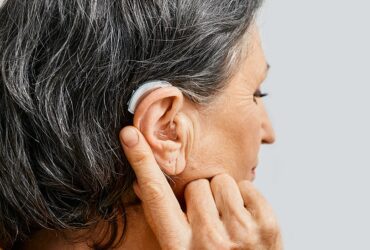
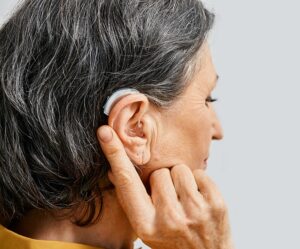
Hearing aid behind the ear of senior woman, close-upThey’re finally here: over-the-counter hearing aids can now be purchased at pharmacies, big box stores, or online without a prescription. This can change the game for healthy aging.
Without the cost of visiting an audiologist or getting a prescription, hearing aids will become far more accessible to millions of Americans who suffer mild or moderate hearing loss that impacts their daily life.

So, how do you know if you should get one and what you should look for? Here are some tips to help you figure it out.

Do look into OTC hearing aids if you have mild to moderate hearing loss. Some signs include:

  • Noticing speech or other sounds regularly seem muffled
  • Having trouble hearing over background noise
  • Struggling to understand speech during a phone call, from the television, or when you can’t see who is talking.
  • Regularly asking others to repeat themselves, speak more slowly or clearly, or talk louder.
  • Getting regular complaints from family or friends that you’ve turned the sound up too loud or aren’t hearing them properly.

Don’t get an OTC hearing aid if your problems are more severe than that, like requiring someone to speak to you loudly even if you are in a quiet environment. Problems like that mean you’re likely out of the range intended for OTC devices.

Do see your family doctor before purchase if you’re experiencing some red flags. These are things like:

  • Fluid, blood, or pus coming out of the affected ear
  • Sudden or fluctuating hearing loss
  • Better hearing in one ear than the other
  • Ringing or buzzing in both ears
  • Vertigo or dizziness
  • A full or plugged feeling in the ear

Don’t be scared to talk to your doctor if you aren’t sure how to gauge your hearing loss.

Do pay attention to the hearing aid’s return policy and if it has good customer service.

Don’t be impatient. It can take some time to adjust to a hearing aid and find the one that best fits you.

Do have a smartphone. Many of these devices use smartphone apps to make adjustments.

Do some research for reputable companies and know the price ranges. Avoid offers that look too good to be true. Prices of these devices range from $199 to about $1,000.

Consuming a Handful of Almonds a Day Promotes Strong Gut Health

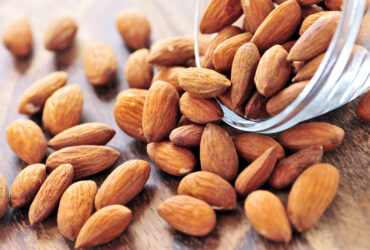
Raw almonds spilling out of small glass bowlDid you know that consuming a handful of almonds each day can promote strong gut health and add to a healthy lifestyle? Many people already reach for almonds when looking for a healthy snack, but a new study is showing how much this snack can positively affect gut health.


Almonds have long been known to be a healthy snack, but researchers have recently found the true impact of almonds on the composition of gut microbes. For the study, researchers at King’s College London looked at 87 healthy adults who ate less than the recommended amount of dietary fiber and consumed unhealthy snacks such as chips and chocolate.

All participants were split into three groups: one group changed their snacks to 56g of whole almonds a day, another to 56g of ground almonds a day, and the control group ate energy-matched muffins as a control. The study lasted four weeks.

It found that butyrate (a short-chain fatty acid that promotes gut health) was significantly higher among those who consumed almonds compared to those who ate the muffins. Butyrate is the main source of fuel for cells that line the colon.

When these cells work effectively, they can provide an excellent environment for gut microbes to flourish. When the gut is healthy, the walls will be strong and prevent illness conditions such as leaky gut, which can lead to inflammation and malnutrition.

There was no significant difference in gut transfer time. This is the time it takes for food to move all the way through the gut. However, those who consumed full almonds had an additional 1.5 bowel movements each week than the other groups. This suggests that whole almonds may benefit those with constipation.

Lead author for the study Kevin Whelan said: “Part of the way in which the gut microbiota impact human health is through the production of short-chain fatty acids, such as butyrate. These molecules act as a fuel source for cells in the colon, they regulate absorption of other nutrients in the gut, and help balance the immune system. We think these findings suggest almond consumption may benefit bacterial metabolism in a way that has the potential to influence human health.”

For those who suffer from colon health or digestive conditions such as IBS, it is vital to keep gut microbes healthy. Along with almonds, there are also essential vitamins and nutrients that can help with gut health and digestion. Regular exercise has also been found to help with healthy digestion. So, living an overall healthy lifestyle is essential to help keep the gut healthy and happy!

Healthy Digestion

Healthy Colon provides an excellent solution to healthy digestion. The unique blend of ingredients includes natural sources of fiber, herbal ingredients, and probiotics to help prevent constipation and diarrhea. Poor digestion can impact the absorption of nutrients and vitamins, depriving the body of the valuable nutrients it desires. But Healthy Colon can target a number of causes of digestive issues, promoting overall health and wellness.

Try Mindful Eating to Lower Your Risk for Disease

Unposed, natural shot of pretty brunette ethnic vegan model eating tasty fine vegetarian plant-based cuisine on artisanal ceramic plate including fried cauliflower and sauce with a green smoothie and reusable metal straw for mindful eating and a nutritious paleo diet.Do you remember the last time you sat down and enjoyed a quiet, peaceful meal without any distractions? I mean no television, texting, or checking social media feeds, just you and the food.


For many, a leisurely meal is a rare occurrence. Instead, eating on the run and focusing attention elsewhere is far more common.

That kind of distracted eating may put your health at risk, as some research suggests it can contribute to weight gain and obesity.

Stress receptors in your stomach are activated as it fills with food. These receptors send satiety (fullness) messages to your brain through the vagus nerve, which connects the brain to the stomach.

As food begins to enter the intestines, appetite hormones are released, sending additional fullness messages to the brain. This process, however, is not immediate. It can take about 20 minutes – or even longer – for your brain to realize it’s time to stop eating.

When you eat too quickly, this intricate system does not have enough time to work, making it very easy to overeat without knowing it. It also does not allow you to enjoy your food or feel satisfied fully.

Mindful eating can change that. It is the act of fully focusing on your food as you eat it. This type of eating encourages you to pay closer attention to the tastes, smells, and textures of your meal and your body’s satiety signals.

One small study found that when ten obese volunteers participated in weekly mindful eating classes for three months, they went on to lose an average of 9 pounds and reported less hunger, stress, anxiety, depression, and binge eating.

Weight loss can also contribute to better heart health, improved metabolic function, and may reduce the risk or impact of chronic inflammatory conditions.

Here are some things you can try to help you eat mindfully:

  • Create a calm, uncluttered space for eating.
  • Set a timer for 20 minutes and pace yourself so you finish eating as the alarm sounds
  • Put your cell phone on do not disturb, and let your machine take care of calls to the house
  • Put away computers, tables, smartphones, reading materials, etc.
  • Turn off TV
  • Think about the bite of food you are chewing at that moment
  • Put the fork down between bites
  • Chew a mouthful at least 30 times

Study Finds Association between Migraine and Sleep among Women

Young woman rubs her eyes after using glasses. Eye pain or fatigue concept.Migraines are a common problem for many people, and it’s been known for a while that they can be related to sleep. A new study has found an association between migraine and sleep among menopausal women, which could lead to better treatment options for those who suffer from both conditions.



Previous research shows that women are more likely to suffer from poor sleep and get more migraines than men. However, this new study is the first to determine how problems only get worse as women transition through menopause.

The study included more than 2,000 women who were analyzed to compare the association between sleep and migraines in premenopausal and perimenopausal women. It was found that the link between sleep and migraine was in both groups of women. However, the relationship in perimenopausal women appears to be explained by other factors, including body mass index, depression, and anxiety. Hot flashes in perimenopausal women were also noted as the main factor.

“To our knowledge, this is the first study to examine the association between migraine and sleep quality in pre- compared to perimenopausal women using validated tools in a large cohort of women across three geographical locations. Given the rise of both migraine and sleep disturbances during the menopause transition, we were interested to see whether the relationship between these two entities changes as women advance through the reproductive stages, and that is exactly what we found. In contrast to the findings in premenopausal women, the association appears to be driven by other factors in perimenopausal women,” says Summer Ghaith, lead author of the study

Due to these findings, clinicians recommend that women with migraines address their sleep quality, regardless of menopausal status. However, it should be noted that the management strategies to address poor sleep in migraine sufferers should differ depending on menopause status. Women should speak with their doctor about possible management throughout different stages of life.

Managing Sleep

Getting a restful night’s sleep is vital for overall health. Sleep Sure Plus is designed to help promote optimal sleep and restfulness through a variety of ingredients. One of the most important ingredients included in this unique formula is melatonin. Melatonin is a hormone essential for regulating the circadian rhythm (the internal clock of the body).

Sleep Sure Plus also contains valerian, one of the best natural ingredients for promoting rest and relaxation. These two essential ingredients are joined by another 6, which all work together to provide a better quality of

Night Sweats Might Be the Worst Part of Menopause

Night Sweats Might Be the Worst ...

Overheated elderly woman sitting on couch waving green fan to cool herself, sixty years female feels unwell hot, age hormonal changes, apartments without air conditioner, summertime discomfort conceptAccording to a new survey, night sweats might be the worst part of menopause. Although night sweats and hot flashes are both distressing symptoms that affect quality of life, the survey of 200 women found night sweats to be the most stressful.

Sleep disturbance is a huge detriment for women going through menopause. It has the power to impact how you feel while experiencing symptoms.

Lost sleep can lead to stress, lower mood, brain fog, fatigue, appetite changes, and other issues the following day.

It can also boost the risk for high blood pressure, memory trouble, other cognitive issues, and other long-term conditions if sleep loss is consistent.

Researchers were intrigued by the survey results because it shows that women who experience night sweats during menopause may be at an even bigger disadvantage than those who only experience hot flashes.

Night sweats and hot flashes may sound similar, but they are not the same. A hot flash can happen day or night but might not include sweating, while night sweats are periods of intense perspiration during the night.

The survey revealed that night sweats were highly associated with depression and stress, while hot flashes, even when they happened at night, were only associated with depression.

Further, women who experienced hot flashes at night had significantly higher depression scores than those who mostly had them during the day.

Of course, you can’t just stop your body from experiencing symptoms; unfortunately, all you can do is try to manage them.

Although you can’t control or eliminate night sweats, you may be able to create an environment that is more conducive to dealing with them.

This may include wearing breathable fabrics to bed and as bed linens, keeping a fan beside your bed, turning the temperature slightly lower in the bedroom, and looking into climate-controlling pillows and mattresses.

Five-Star Guarantee of Satisfaction