Health News

Heart attack patients of low socioeconomic status, especially women, fare worse

Heart attack patients from a low socioeconomic background fare much worse when it comes to recovery. This is particularly true among poor women and younger individuals. Senior author of the study Dr. Erica Spatz explained, “Our study emphasizes that patients need us to think about their social needs, not just their clinical symptoms. We have ...click here to read more
Full recovery after hip surgery only seen in less than half of older patients

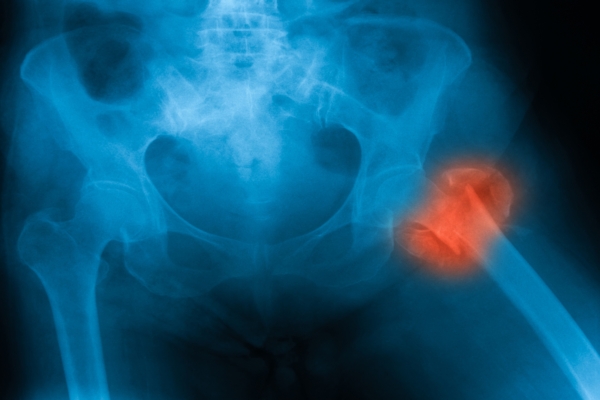
Full recovery after hip surgery is seen in less than half of older patients, according to latest research findings. A hip fracture can potentially be a life-changing condition for seniors. Majority of patients don’t return to the state of independence they had before the hip fracture. Lead author of the study Dr. Victoria Tang explained, ...click here to read more

FDA warns about supplemental testosterone

The FDA has issued warnings about testosterone supplements and related anabolic-androgenic steroids (AAS) as these are easily abused and are associated with an increased risk of heart attacks, personality changes, and infertility. The FDA has stated that labels on all prescribed testosterone products will be reviewed. Millions of men are currently taking testosterone pills, gels, ...click here to read more

Stronger muscles improve memory in seniors

A new study has found that building muscles in seniors can help improve memory. The study included 100 people aged 55 to 86 with mild memory and thinking problems. The participants completed weight training exercises twice a week for six months and saw significant improvements in mental function. The benefits of the exercise lasted for ...click here to read more

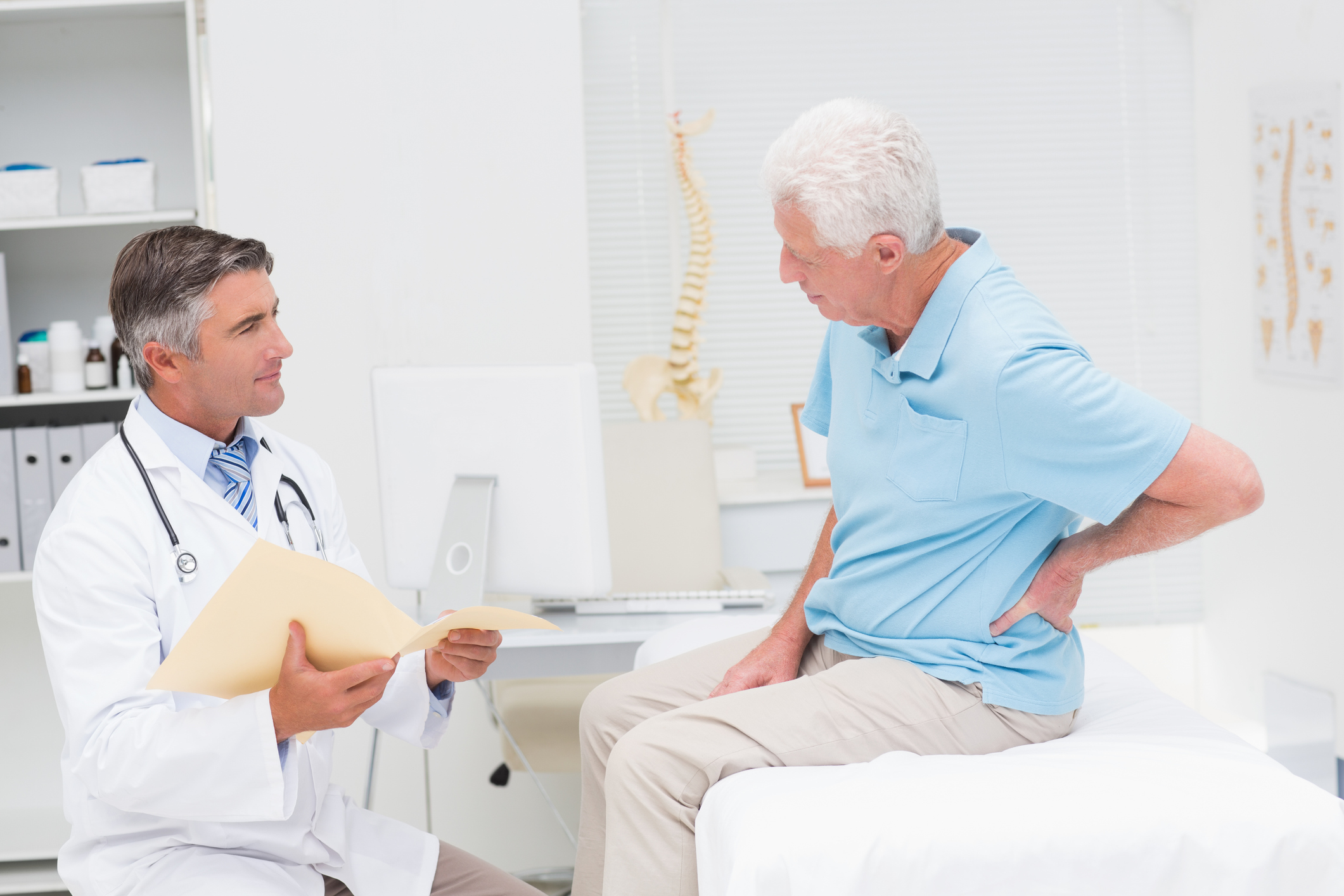
Opioids for back pain offer limited relief

Many patients suffering from back pain take prescription opioids even though there is little evidence that these medications offer relief. The survey included over 2,000 patients suffering from lower back pain. Of the nearly half of the participants taking opioids for pain, only 13 percent stated that they experienced any sort of relief. Forty-four percent ...click here to read more

Weekly health news roundup: Parkinson’s disease, osteoarthritis, macular degeneration, schizophrenia, and heart attack

This weekly health news roundup presents our most recent articles on Parkinson’s disease, osteoarthritis, macular degeneration, schizophrenia, and heart attack. This week we found out about an inhaled medication that may improve symptoms in Parkinson’s disease, high cholesterol may contribute to osteoarthritis, age-related macular degeneration risk may be reduced with the Mediterranean diet. We also ...click here to read more

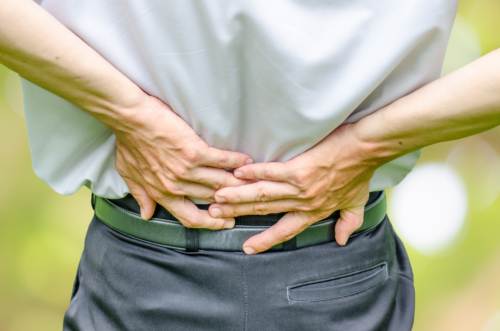
Placebos may be effective at combating back pain

Even though back pain sufferers knew they were taking a placebo, they still experienced pain relief, a new study found. The researchers found that patients who knowingly took a placebo for back pain saw their back pain improve and had reduced disability, compared to those who received traditional treatment. Senior author Ted Kaptchuk explained, “These ...click here to read more
Is chocolate really good for your health?

Chocolate’s health benefits have always been a topic of discussion. The most recent research confirms that chocolate is actually good of health, so that’s good news. But before you stock up on your favorite treat, do keep in mind that its benefits are not fully understood yet, so you may want to keep your chocolate ...click here to read more
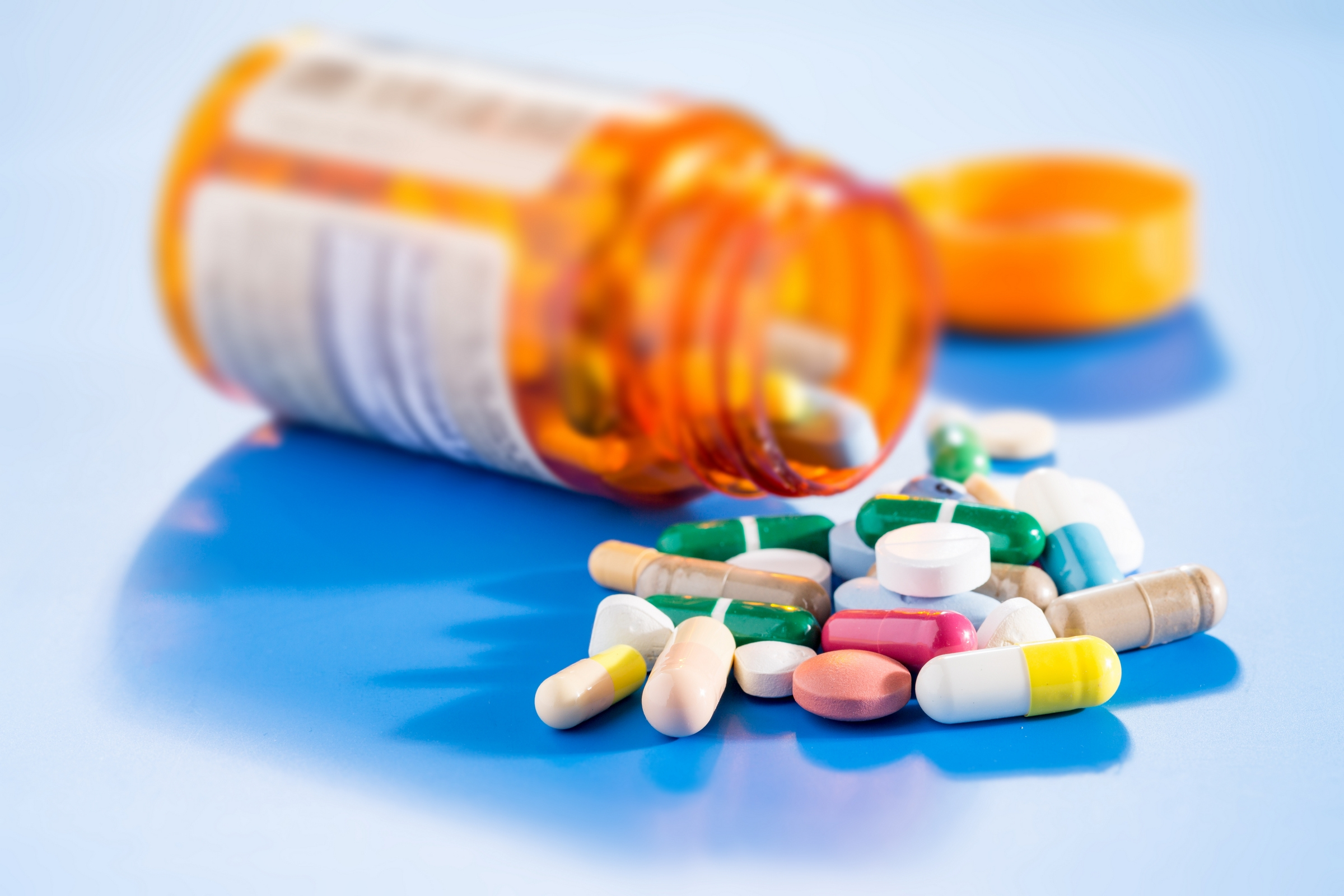
Drug Take Back Day: October 22, 2016

If you’re housing unused medications, then take note: Saturday, October 22, 2016, is Drug Take Back Day when you can hand in any unused drugs you may have with no questions asked. It is an initiative run by the U.S. Drug Enforcement Agency’s (DEA) in order to reduce the problems associated with unused medications. If ...click here to read more

Gene identified as a possible cause for menopausal hot flashes

A gene has been identified that may have be responsible for hot flashes typically experienced during menopause. The identified gene may help explain why some women experience hot flashes – because they are genetically predisposed to. The researchers uncovered gene variants that affect a brain receptor controlling the release of estrogen – and increase the ...click here to read more