
Devon Andre -Dec 9,2024
Dec 9,2024

Advertisement
Advertisement

Memory loss is a growing concern worldwide as populations continue to age. Rates of Alzheimer’s disease and dementia are climbing and are expected to double. As we age, there is some normal memory loss that we experience that is harmless. But how can you tell the difference between normal age-related memory loss and dementia? Here ...click here to read more
As a part of National Epilepsy Awareness Month 2017, we at Bel Marra want to give our readers all the information they need to begin their journey of knowledge. It is estimated that one in 150 people who have uncontrolled seizures will die from a sudden unexpected episode of epilepsy. This statistic could be reduced ...click here to read more

How is your mood? Would you say you’re feeling happy? Or are you sad, angry or even indifferent? The events currently going on in your life can have a large impact on your mood. If you just received good news you’ll probably be feeling happy or excited. If you just experienced a loss you may ...click here to read more

November has been designated National Alzheimer’s Disease Awareness Month. It is a time to spread awareness about this non-degradative disease that affects nearly two million Americans today. To help in this effort, we at Bel Marra have brought you some of your most informative articles on the subject. You will learn about the brain structure ...click here to read more

If our bodies had a reset button, it would probably be sleep. This is because when we sleep, it allows our bodies to restore themselves in all aspects. From mental functioning to heart health, sleep is that one part of our daily routine that is probably the most essential. Sure, you can go without food ...click here to read more
Advertisement

More than five million Americans are living with Alzheimer’s disease; a chronic neurodegenerative disease characterized by difficulty remembering recent events and other cognitive shortcomings. For the most part, the cause of the disease is still mostly unknown. However, a new study shows that the brain structure of some individuals may make them resilient to the ...click here to read more

If you have ever suffered from a stroke, you are most likely on a regimen of medication aimed to reduce the chances of it happening again in the future. One of the types of medications used, known as blood-thinning drugs, has been found in a recent study not only to reduce the risk of stroke, ...click here to read more
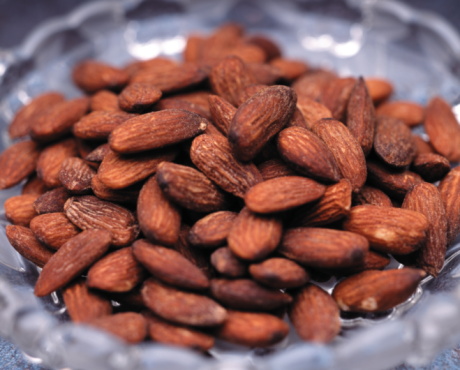
The next time you need a snack or you’re packing your lunch, remember to include almonds, as they have been found to prevent memory loss. With aging, there is some level of forgetfulness that is normal, but when you have difficulties remembering important events, names of loved ones, or any other piece of information that ...click here to read more

The false illusion is that as we age, we must feel tired and become weaker—this is not necessarily true. Sure, we may slow down as we get older, but feeling tired and weak doesn’t have to be a part of aging. In fact, these symptoms may actually mean something more serious, especially if they are ...click here to read more

How’d you sleep last night? Did you get a peaceful eight hours or were you tossing and turning? Do you have sleep problems on a regular basis? If you answered yes to any of these questions, then your brain is at risk of developing Alzheimer’s disease, according to research findings. Alzheimer’s disease affects over 44 ...click here to read more
We would all like to increase our brain power, but many brain training exercises available today aren’t really beneficial. However, new research at Johns Hopkins University suggests that while brain training may not necessarily make you smarter, it is possible to train the brain with targeted workouts. While overall intelligence may not be improved, the ...click here to read more

Firsthand smoke is smoking the cigarette yourself. Secondhand smoke is when you inhale someone else’s smoke who is smoking. So, what is thirdhand smoke? Well, thirdhand smoke (THS) is when you inhale smoke that is lingering on hair, clothing, and other materials left behind by a smoker. People don’t think that thirdhand smoke is dangerous, ...click here to read more
Drug use has always faced the stigma of being associated with crime and abuse, often leading users down a spiral of criminal behavior and self-destruction. However, new research suggests that the opposite may be true for a particular group of recreational drugs. Psychedelic drugs such as magic mushrooms (psilocybin), LSD, and peyote (mescaline) have been ...click here to read more

Those suffering from obsessive-compulsive disorder (OCD) have constant unwanted and disturbing thoughts, images, or urges that intrude their minds, causing them a great deal of anxiety and discomfort. These are often ritualistic compulsions, taking the form of checking the stove multiple times or washing their hands repeatedly. Some may even have difficulty throwing things away. ...click here to read more
Five-Star Guarantee of Satisfaction