Devon Andre -Dec 9,2024
Dec 9,2024

Advertisement
Advertisement

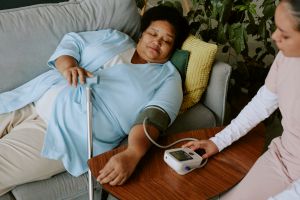
Screening seniors early on for memory loss and dementia is of utmost importance as it can help slow down the progression of memory decline and possibly even preserve or reverse some of the damage that has already been done. Families can make plans for their loved ones’ care, get help with day-to-day tasks, and keep ...click here to read more
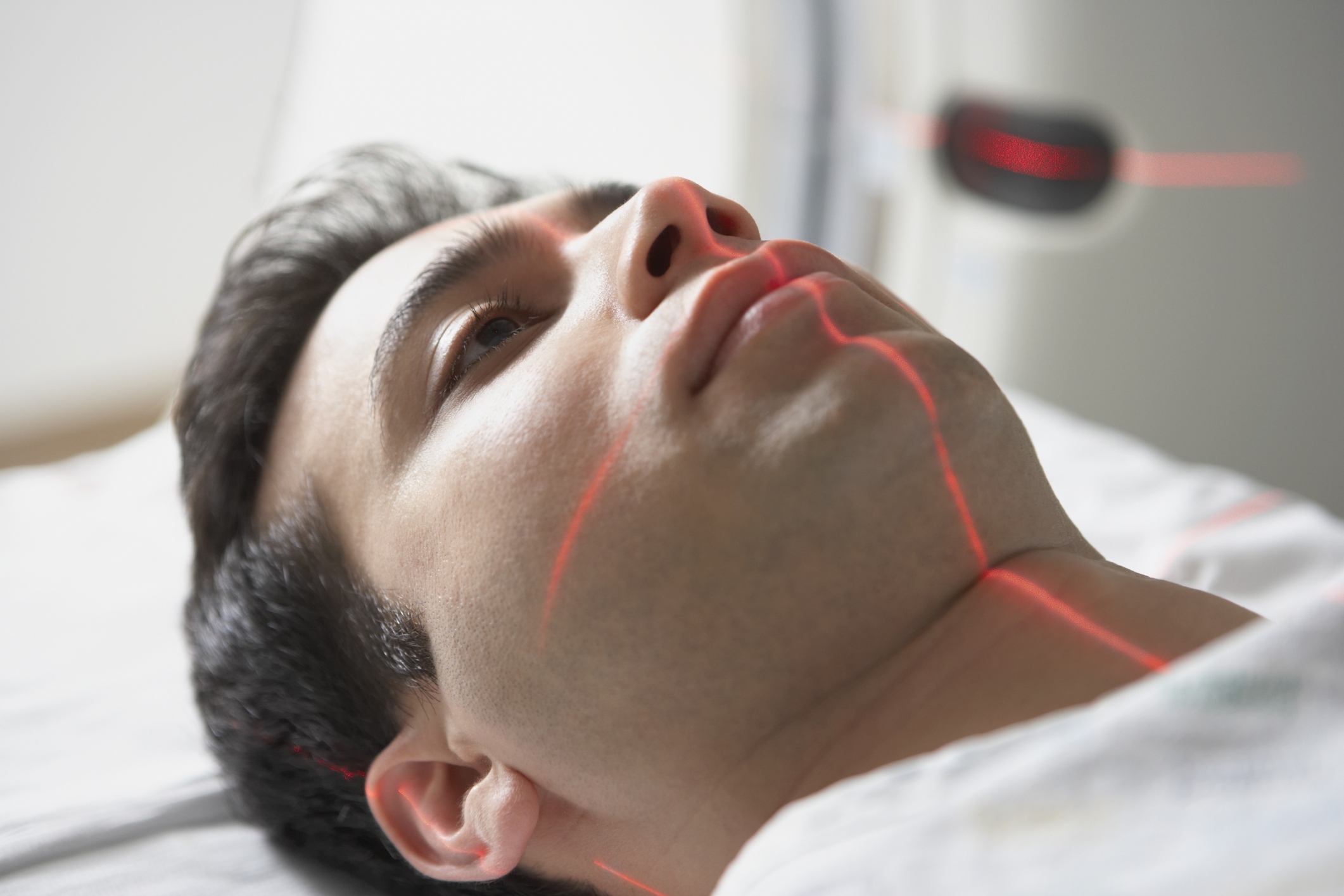
Scientists from MIT and Harvard have developed a new brain imaging study that can help detect children who have a greater risk of developing depression later in life. In a report which appears in the journal Biological Psychiatry, Prof John Gabrieli, a professor of brain and cognitive sciences at MIT and the Grover M. Hermann ...click here to read more
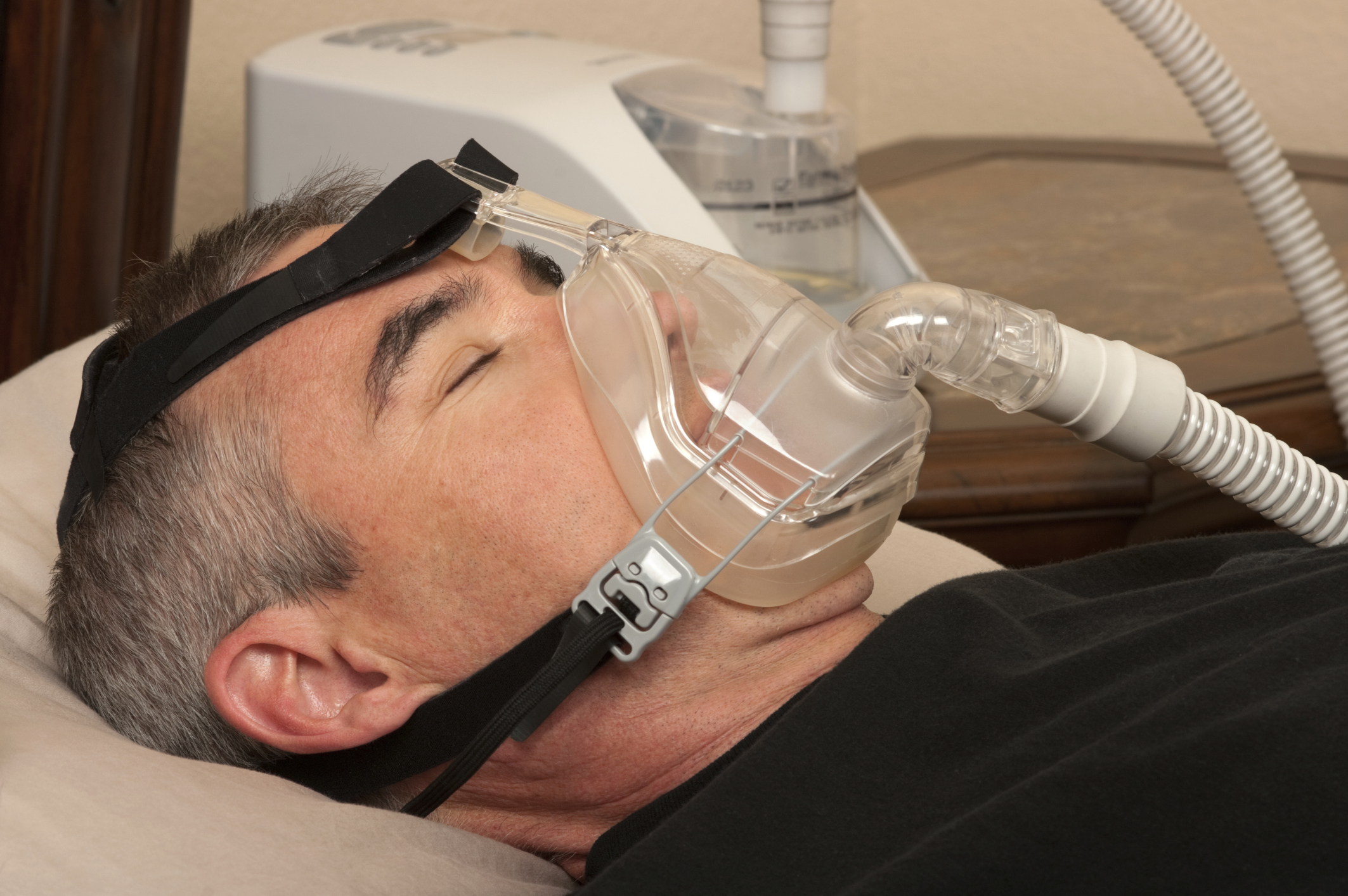
Sleep apnea is a sleep condition that causes a person to periodically stop breathing. The person may wake up fatigued, with a dry mouth or even a cough. There are two main types of sleep apnea: Obstructive and central sleep apnea. Obstructive sleep apnea is the most common form where the muscles in the throat relax causing the cessation ...click here to read more

Multiple sclerosis fatigue linked with poor sleep and task length. Whether we have multiple sclerosis (MS), or not, all of us feel some level of tiredness or fatigue at some point in our lives. However, multiple sclerosis fatigue is different from “normal” tiredness. People without Multiple sclerosis have no problem in doing simple tasks such ...click here to read more

Psychogenic non-epileptic seizure patients can reduce seizures with cognitive behavior therapy (CBT). A study found that psychogenic non-epileptic seizures (PNES) can become worse with antiepileptic medications and so another form of treatment is necessary in order to treat patients with PNES. The researchers assigned 38 patients to one of four groups: Medication (flexible dose sertraline ...click here to read more
Advertisement

Gout may lower the risk of dementia and Alzheimer’s disease. A 2015 study examined the protective effects of gout in regards to reducing the risk of dementia and Alzheimer’s disease. Gout is a disease categorized by an excess amount of purines and uric acid which crystallize and cause pain. Although gout increases the risk of ...click here to read more

Researchers have found that depression symptoms do not vary between the changes of seasons. Senior author, Steven LoBello, said, “In conversations with colleagues, the belief in the association of seasonal changes with depression is more-or-less taken as a given and the same belief is widespread in our culture. We analyzed the data from many angles ...click here to read more

Obstructive sleep apnea and glaucoma are two common health issues, but they are rarely discussed in the same sentence. That’s likely to change though. Researchers in Taiwan believe those who suffer from obstructive sleep apnea are more likely to get glaucoma, which is the second leading cause of blindness. Researchers at Taipei Medical University looked ...click here to read more
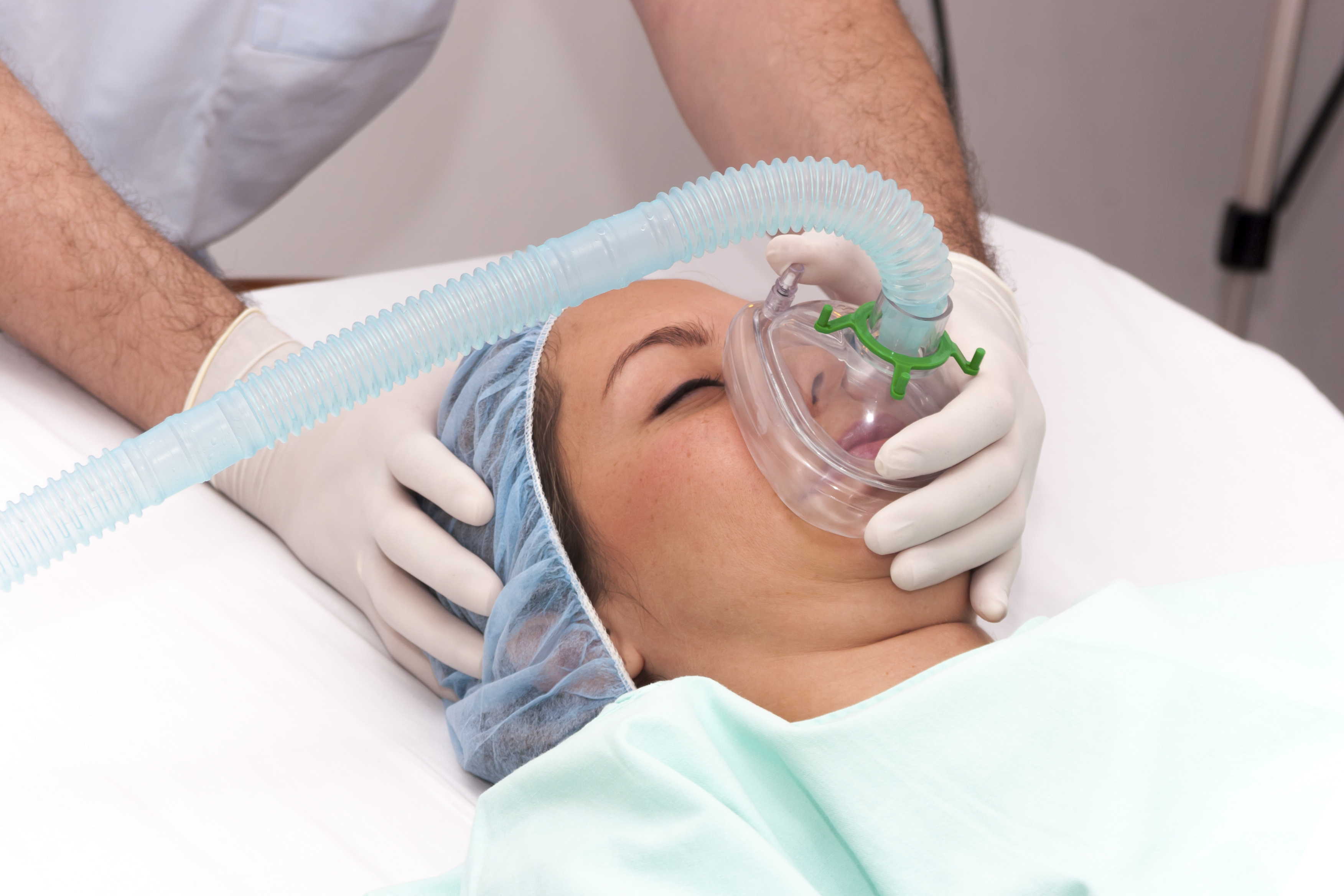
In a recently conducted Mayo Clinic study which involved people over 40 years who received anesthesia, researchers found that the development of mild cognitive impairment MCI) later in life had nothing to do with the anesthesia. Mild cognitive impairment is more critical than the normal age-related cognitive decline, but not as critical as dementia. The ...click here to read more

A recent study has found that ongoing aerobic activity may help slow the progression of Parkinson’s disease which is a disorder that affects the nervous system. J. Eric Ahlskog, Ph.D., M.D., a neurologist at Mayo Clinic, said, “Aerobic exercise means vigorous exercise, which makes you hot, sweaty and tired.” Examples of aerobic exercise include briskly ...click here to read more
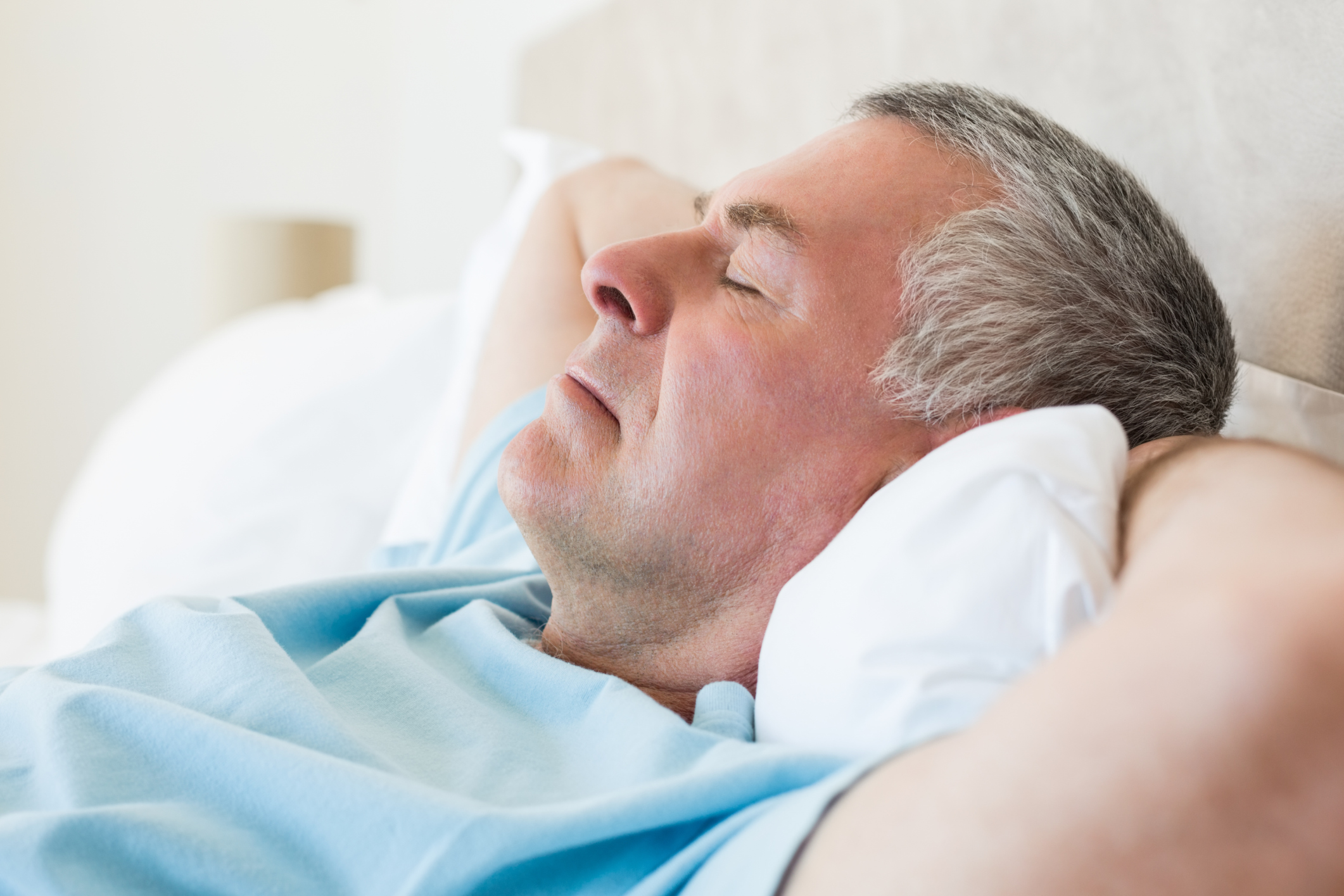
Type 2 diabetes risk increases with sleep loss but a new study has found that catching up on lost sleep may help reverse this. Many Americans sleep patterns revolve around short amounts of sleep throughout the week and longer hours of sleep on the weekend. Previous research has suggested that continuous nights of only four ...click here to read more
More research seems to suggest a link between ADHD and autism that could lead to the development of useful behavioral therapy treatments. Jean Gehricke is the well- known associate professor of pediatrics at University of California, Irvine and he’s a clinical psychologist with the Center for Autism and Neurodevelopmental Disorders. Right now a great deal ...click here to read more

Schizophrenia risk may be revealed by face reading and finger length according to research. The findings uncovered that deficits in emotional recognition may be a precursor to schizophrenia symptoms and may help identify those at highest risk to develop the mental disorder. There are criteria set out to help identify those with schizophrenia but nearly ...click here to read more

ALS has been linked with frontotemporal dementia. You may be familiar with ALS because the disease that was brought to the world’s attention by YouTube’s successful “ALS Ice-bucket-challenge.” Amyotropic Lateral Sclerosis (ALS) is a devastating disease of the nervous system, especially the part that controls voluntary movements such as speaking, walking, breathing and swallowing. It is ...click here to read more
Five-Star Guarantee of Satisfaction