Devon Andre -Dec 9,2024
Dec 9,2024

Advertisement
Advertisement

In women with multiple sclerosis (MS), yoga and aquatic exercises help reduce fatigue, depression, and paresthesia. The researchers examined the effects of aquatic exercise and yoga on fatigue and depression among multiple sclerosis female patients. The 54 participants were randomly assigned to either yoga, aquatic exercise, or non-exercise control group, with no changes in their ...click here to read more
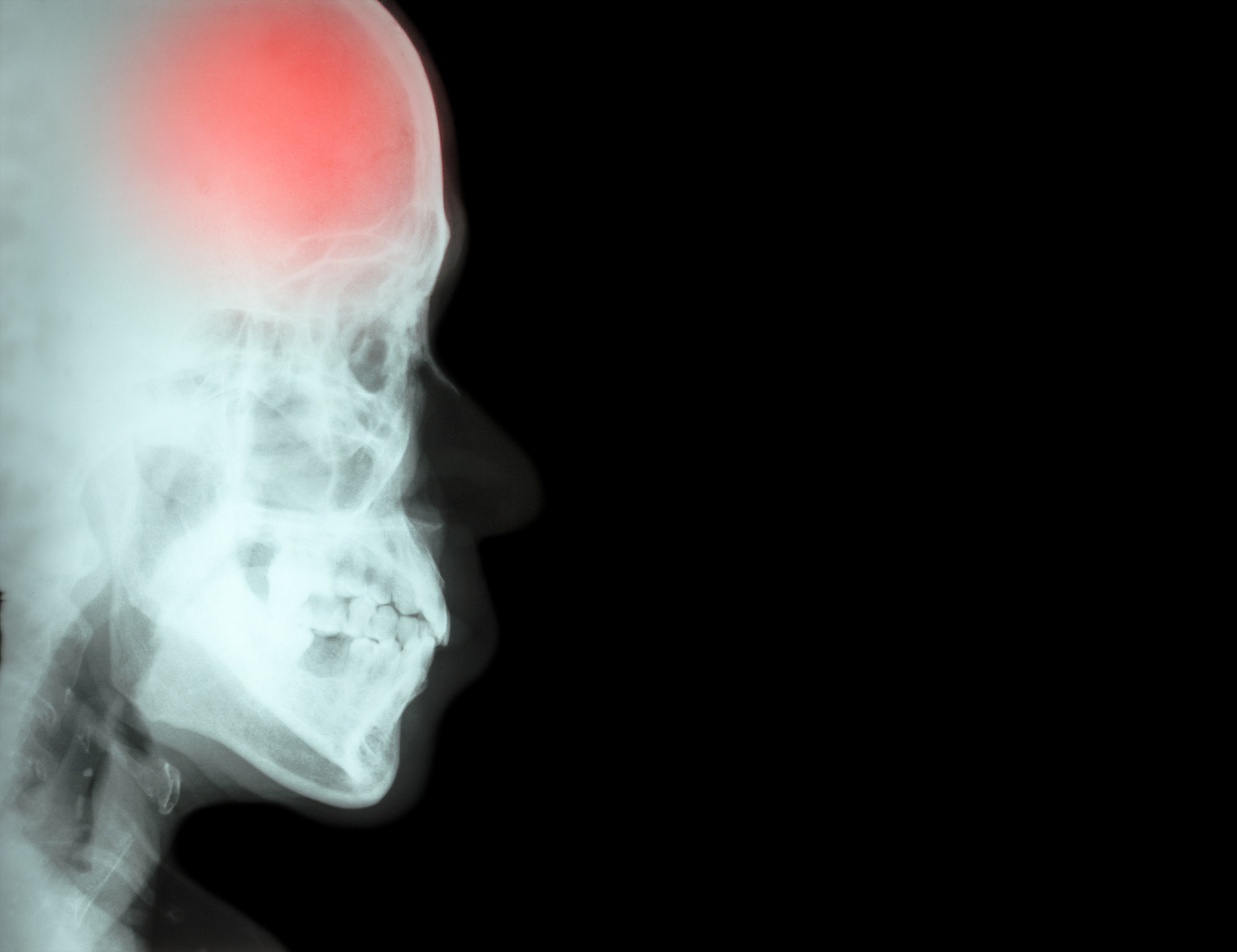
Intracerebral hemorrhage is the sudden burst of blood into brain tissue, damaging the brain. Intracerebral hemorrhage (ICH) is a medical emergency and although it is not as common as ischemic stroke it is far deadlier. When a weakened or diseased vessel bursts and blood flows into the brain, the buildup of pressure can lead to ...click here to read more
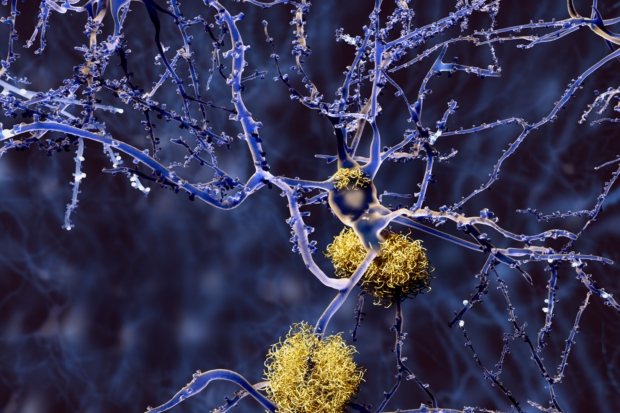
Amyloids triggering Alzheimer’s disease can also raise the risk of heart failure risk. Amyloid plaques are indicative of Alzheimer’s disease, but similar deposits can also appear on the heart, too. Senior researcher Dr. Federica del Monte explained, “We found that some forms of heart failure are basically an Alzheimer’s disease in the heart. They basically ...click here to read more
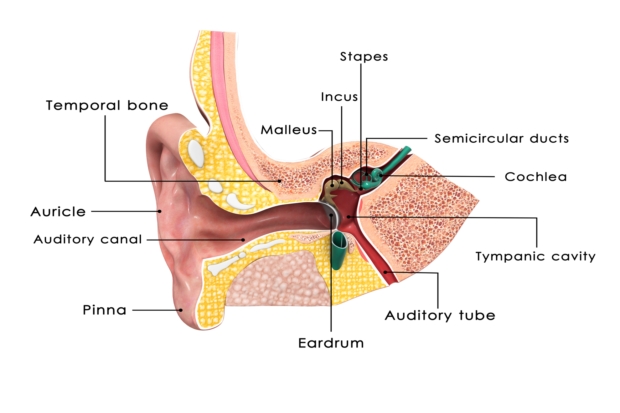
Vestibular decline resulting in poor balance is evident in older adults. The researchers found that vestibular thresholds begin to double every 10 years after the age of 40, meaning, our ability to receive sensory information about balance is declining. Senior author Daniel M. Merfeld explained, “In our study, vestibular decline was clearly evident above the ...click here to read more

Brain atrophy risk in the elderly increases with excessive sleepiness and fatigue, according to research findings. Lead author Diego Z. Carvalho explained, “Our results may help to identify individuals at higher susceptibility or risk for dementia prior to symptom onset so that appropriate interventions can be undertaken early to prevent progression to dementia.” The researchers ...click here to read more
Advertisement

Atrial fibrillation raises the risk of dementia, according to research findings. The study also found that atrial fibrillation patients taking warfarin (the blood thinner) to reduce their risk of stroke were more likely to develop dementia, compared to patients who used this medication for other conditions. The researchers looked at over 6,000 patients on warfarin ...click here to read more

Silent strokes are more common among seniors suffering from migraine headaches. Silent strokes are symptomless brain injuries that are caused by blood clot interrupting blood flow to the brain. Although previous research has identified migraines as a risk factor for stroke, researcher Dr. Teshamae Monteith explained that she does “not believe migraine sufferers should worry, ...click here to read more

November is Alzheimer’s disease month, so we present our top articles discussing early signs of Alzheimer’s, hallucinations, sleep disorders, eating disorders, and agitation and anxiety, along with other aspects related to Alzheimer’s disease. Alzheimer’s disease is a growing problem around the world as the population continues to age. Research is continuously underway in order to ...click here to read more

Forgetfulness and memory lapses are part of both normal aging and dementia, but there are key differences between the two, which set them apart. Dementia is quite different from normal age-related memory loss because it doesn’t affect just memory. In fact, dementia can involve many aspects of health and well-being, including communication ability, behavioral changes, ...click here to read more

Sleep disorders may impact chronic kidney disease (CKD) progression, according to research findings. Sleep disorders are quite common among kidney disease patients, but their impact on the kidney disease progression has long been unknown. The researchers analyzed data from 432 patients who wore wrist monitors to assess the duration and quality of their sleep. Participants ...click here to read more
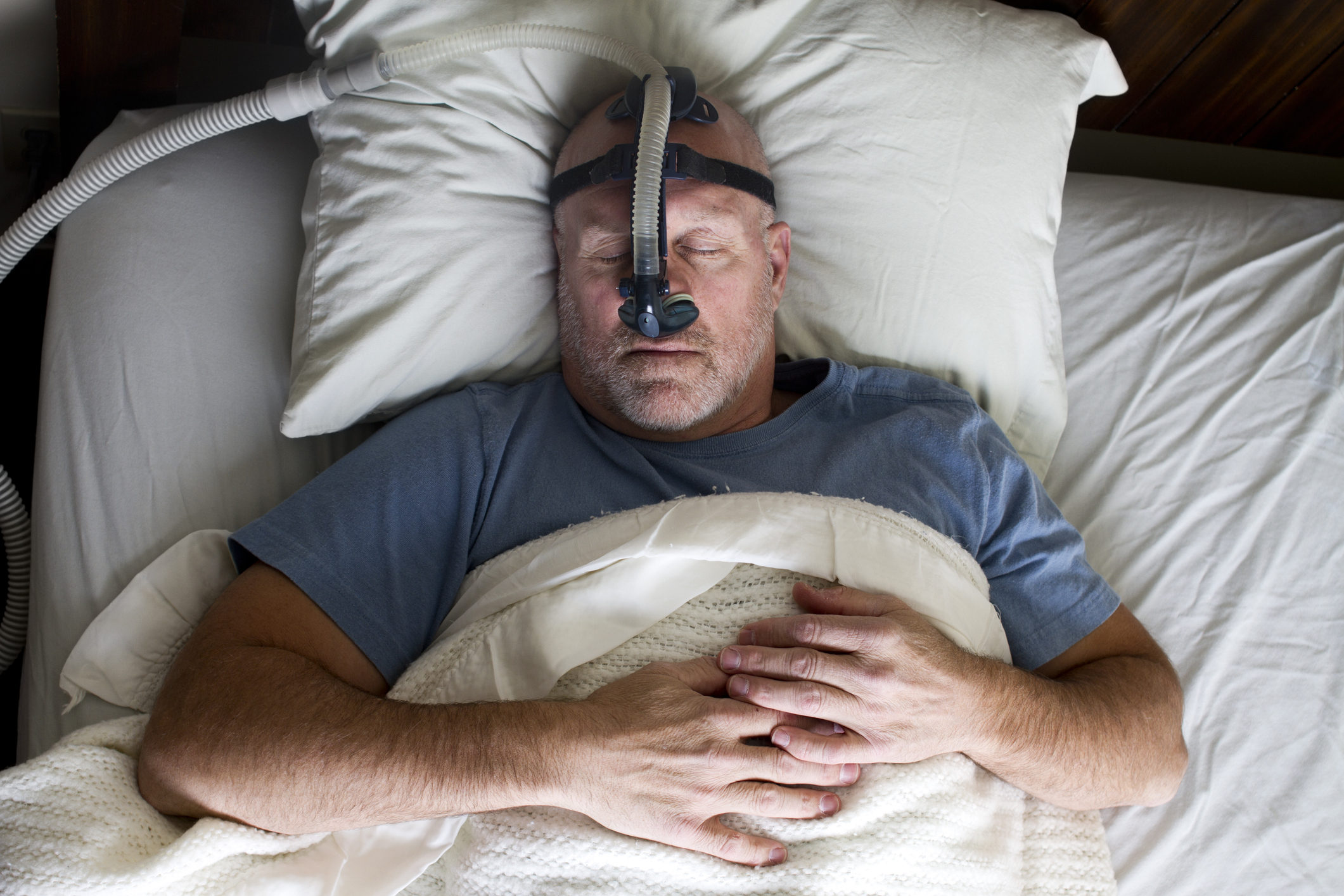
Sleep apnea has an immediate impact on blood pressure regulation and deteriorate the circulatory system. The study found six hours of fluctuating oxygen levels associated with sleep apnea can deteriorate a person’s circulatory system. Researcher Glen Foster explained, “While it is well established that sleep apnea is linked to high blood pressure, our study shows ...click here to read more

High resting heart rate and blood pressure is associated with many mental health disorders. The study, published in JAMA Psychiatry, looked at data from over a million Swedish men. Heart rate and blood pressure are regulated by the autonomic nervous system which controls the body’s basic functions. Using blood pressure and heart rate measurements, the ...click here to read more
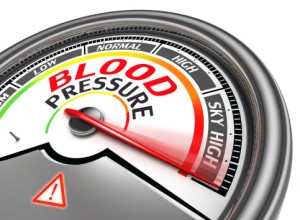
High blood pressure may impair cognitive function, increasing the risk of Alzheimer’s disease. There is consistent evidence that chronic high blood pressure can impair cognitive function, affecting memory, thinking abilities, speed of processing, and executive function. According to the expert panel, the contradicting research on the link between high blood pressure and cognitive function points ...click here to read more
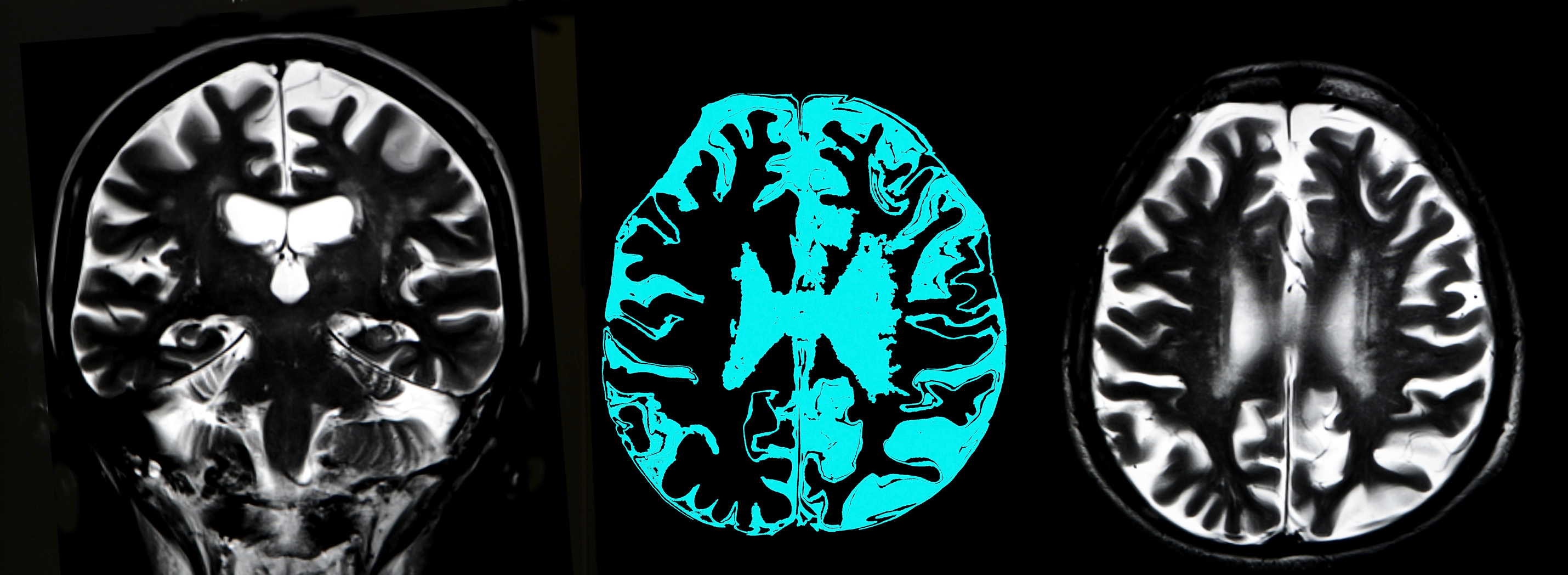
In type 2 diabetes, cognitive decline is linked to brain atrophy that resembles early stages of Alzheimer’s disease. The researchers led a large-scale study comparing brain scans and cognitive function in patients with diabetes and patients without it. Brain atrophy was found to be the primary reason for cognitive impairment in diabetics. According to the ...click here to read more
Five-Star Guarantee of Satisfaction